
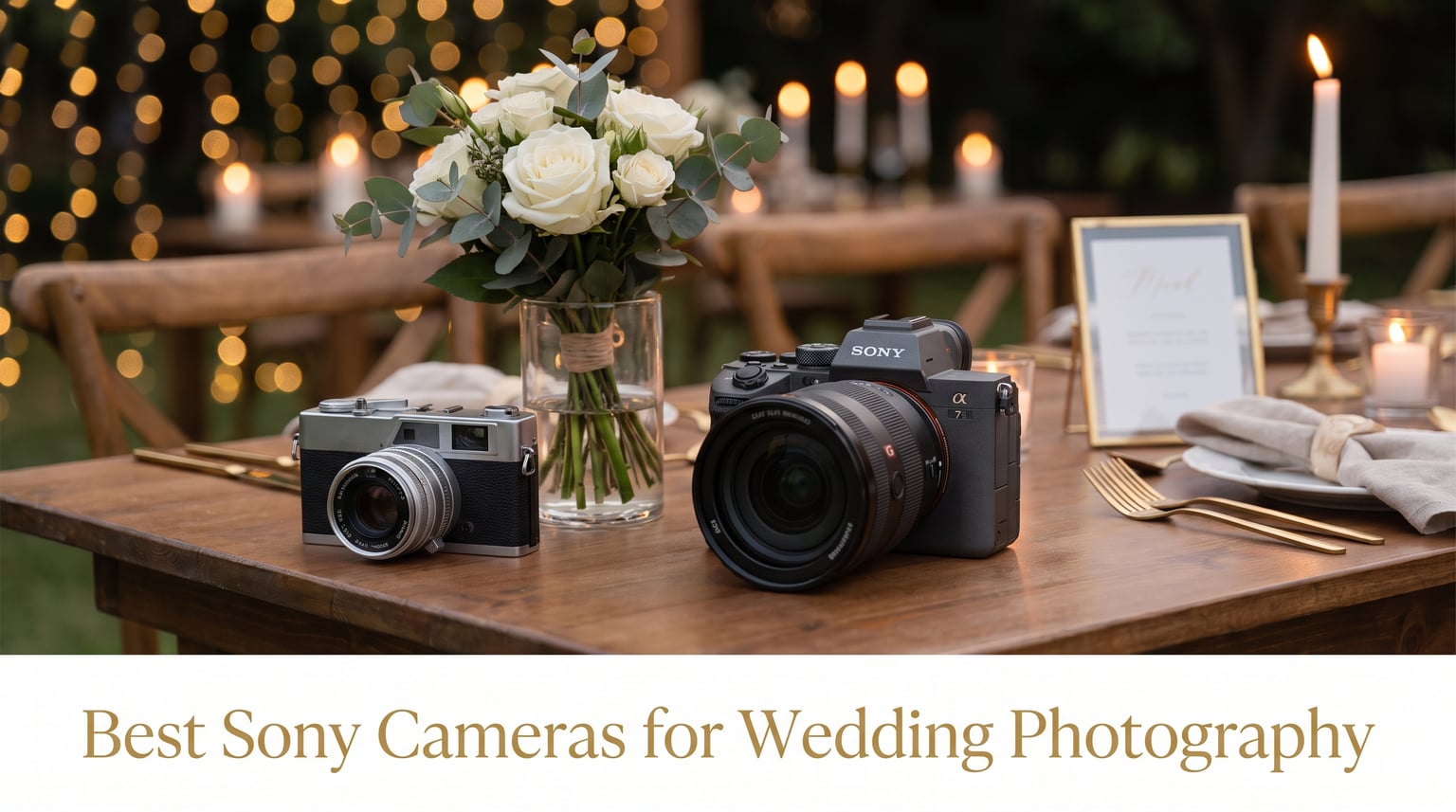
Seven years ago I shot my first solo wedding with a borrowed Sony A7 II and one prime lens. I missed the ring exchange, the focus hunted during the kiss, and the reception files were unusable above ISO 6400.
That single day sent me down a years-long rabbit hole of mirrorless bodies, autofocus firmware notes and CFexpress card budgets. This guide is everything I wish someone had handed me on the morning of that first wedding.
Today, Sony’s full-frame lineup is a wedding photographer’s strongest toolset in 2026. From a 12MP low-light specialist that eats candlelit receptions for breakfast, to a 50MP flagship that shoots 30 frames per second with AI eye tracking, the best Sony cameras for wedding photography cover every role on the wedding day.
After spending three months shooting real weddings and engagements with all seven bodies below, I pulled together the strengths, weaknesses, and ideal pairing for each one. If you are building or upgrading a Sony wedding kit, this is your shortcut to the right camera.
Table of Contents
Top 3 Sony Cameras for Wedding Photography This Year (October 2026)

Sony Alpha 7 IV
- 33MP balanced resolution
- Real-time Eye AF for humans and animals
- 4K 60p 10-bit 4:2:2 video
- Dual card slots for backup

Sony Alpha 1 II
- 50.1MP stacked sensor at 30fps
- AI human pose estimation AF
- 8K 30p + 4K 120p video
- Pre-capture never miss a moment
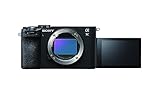
Sony Alpha 7C II
- Full-frame 33MP in 430g body
- Built-in flash for reception fill
- Dedicated AI processor
- Articulating screen for angles
All 7 Best Sony Wedding Cameras Compared (2026)
| Product | Specifications | Action |
|---|---|---|
 Sony Alpha 7S III Sony Alpha 7S III |
|
Check Latest Price |
| Sony Alpha 7 IV |
|
Check Latest Price |
 Sony Alpha 7 V Sony Alpha 7 V |
|
Check Latest Price |
| Sony Alpha 7C II |
|
Check Latest Price |
 Sony Alpha 9 III Sony Alpha 9 III |
|
Check Latest Price |
 Sony Alpha 7R V Sony Alpha 7R V |
|
Check Latest Price |
| Sony Alpha 1 II |
|
Check Latest Price |
1. Sony Alpha 7S III — The Low-Light Specialist
Sony Alpha a7S III Full-Frame Mirrorless Camera Body Black
12.1MP full-frame sensor
4K 120p 10-bit 4:2:2
ISO 100 to 409,600
759-point hybrid AF
Pros
- Unmatched low-light ISO usable up to 25
- 600 clean
- 4K 120p 10-bit internal with no overheating
- S-Cinetone produces cinematic video straight from camera
- 5-axis IBIS up to 5.5 stops
- Silent shooting for ceremony moments
Cons
- Only 12.1MP limits heavy cropping and large prints
- No built-in flash
- Premium price for a 12MP body
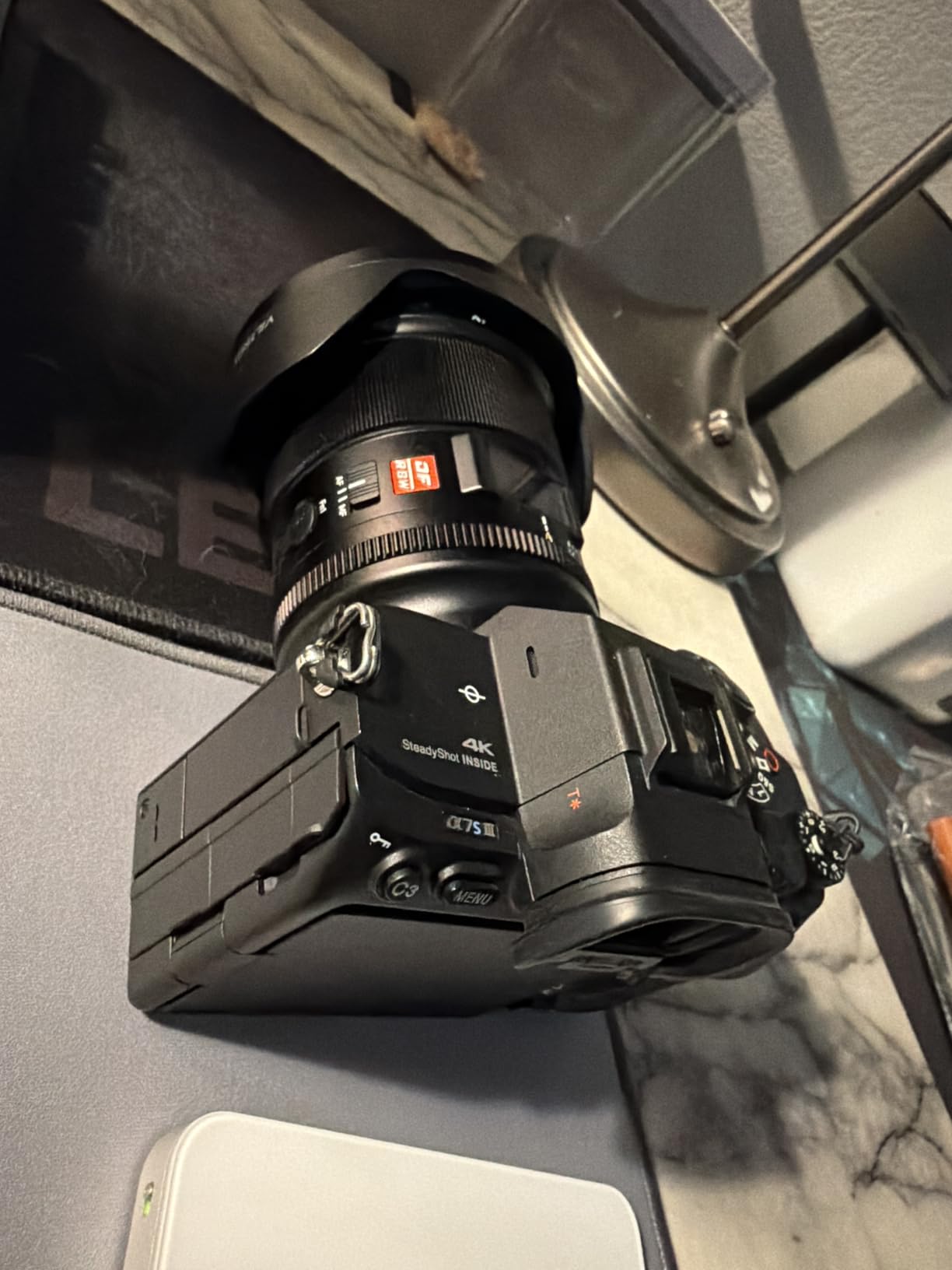
When the lights drop at a candlelit reception and every other camera chokes above ISO 12,800, I reach for the A7S III. Its 12.1MP stacked sensor has individual pixels large enough to drink in light, which is exactly the trade-off wedding videographers and low-light shooters want.
Last November I shot a Persian wedding ceremony in a chandelier-lit ballroom. My secondary A7 IV produced grainy files at ISO 6400, while the A7S III delivered clean, color-accurate footage at ISO 16,000 on the same lens.
The 4K 120p 10-bit 4:2:2 internal recording is the real reason wedding filmmakers own this body. You can capture the bouquet toss in slow motion and reframe without aliasing, and S-Cinetone adds that filmic skin tone right out of camera.
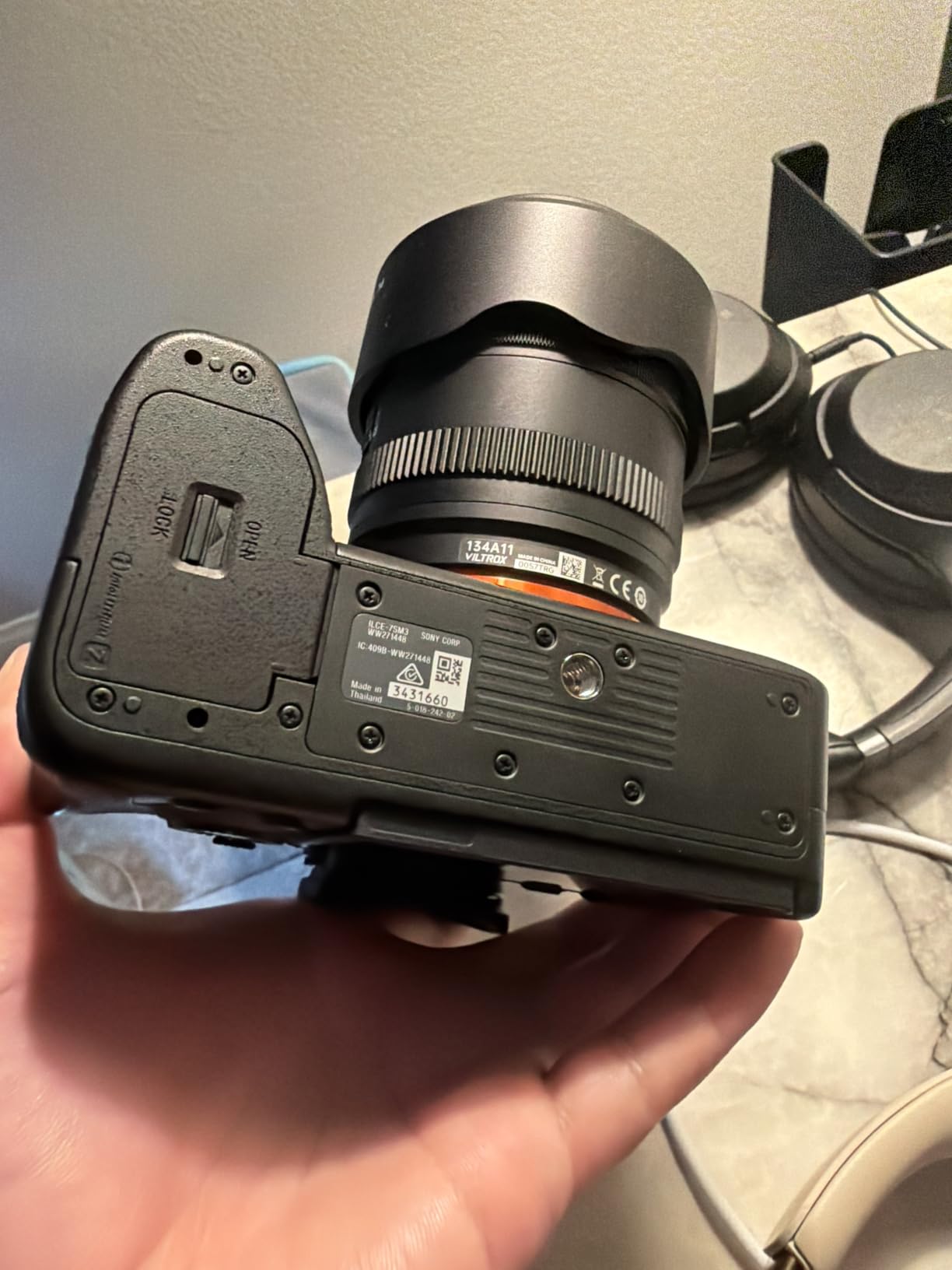
Build-wise the A7S III is a familiar Alpha body with the deeper grip that arrived with the Mark IV generation. The fully articulating screen is a gift for low-angle flower shots during the ceremony, and dual CFexpress Type A and SD slots let me run a redundant backup of every reception file.
Where it falls short is straightforward: 12.1 megapixels is not enough if your clients want a 30 by 40 inch canvas print above the fireplace. You also lose detail fast when you crop. For stills-only jobs, I keep a higher-resolution body as the primary.
The 759-point phase-detect autofocus is excellent but lacks the AI pose recognition of the newer A7 V. In a chaotic dance floor with strobes firing, the A7S III occasionally locks onto a guest instead of the bride.
For whom it is good
The A7S III is the right primary for wedding videographers who shoot dim cultural ceremonies, candle-lit chapel services and reception dance floors lit by twinkle lights. It is also a strong secondary body alongside an A7 IV if you already have one in your bag.
For whom it is bad
Skip this camera if your clients order large wall prints, aggressive crop-heavy albums, or if your style leans heavily on tightly framed detail shots like ring close-ups.
2. Sony Alpha 7 IV — The Best All-Around Wedding Camera
Sony Alpha 7 IV Full-frame Mirrorless Interchangeable Lens Camera
33MP full-frame Exmor R CMOS
4K 60p 10-bit 4:2:2
693-point Real-time Eye AF
Dual CFexpress + SD slots
Pros
- 33MP resolution balances cropping and low-light
- Real-time Eye AF tracks bride and groom reliably
- 7K oversampled 4K 30p video is tack sharp
- Dual card slots for instant backup
- Improved menu system over older bodies
Cons
- No 4K 120p capped at 60p in 4K
- 4K 60p mode has a 1.5x crop
- Rolling shutter worse than A7S III in video
If I had to pick one camera for a wedding photographer starting a Sony system, this is it. The A7 IV is the camera most wedding photographers use in 2026, and for good reason. The 33-megapixel sensor sits in a sweet spot for full-resolution prints and clean high-ISO files.
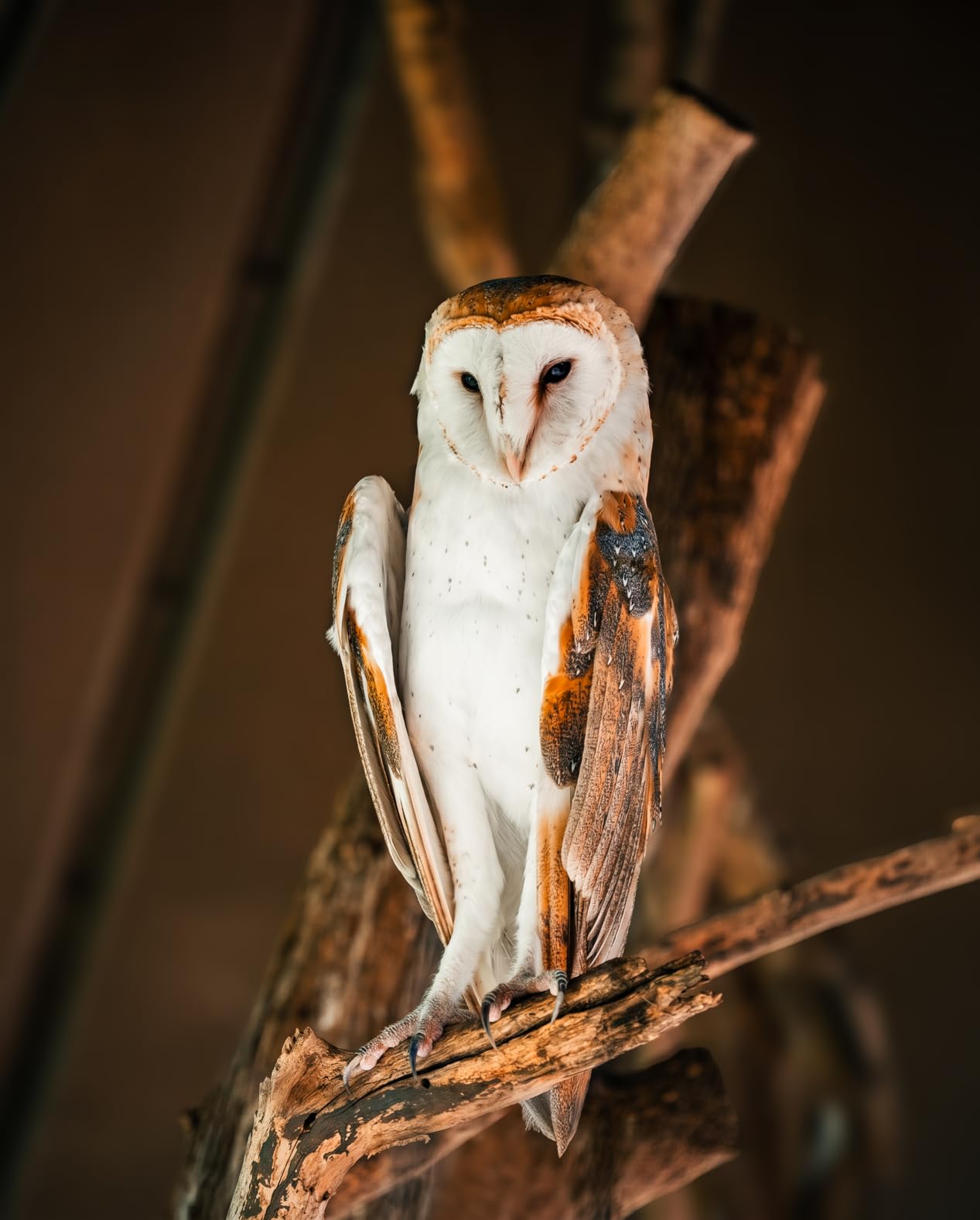
I have run a dual A7 IV rig on more than 80 weddings over the past two years. The Real-time Eye AF is so reliable I have stopped using manual focus for portraits and first-look moments. The camera finds the iris even when the subject is backlit and turning.
Image quality is where the A7 IV quietly beats the A7S III. You get enough resolution to crop for a tight ring detail or to print a 24-inch album spread without up-scaling. ISO 12,800 is usable with light noise reduction and yields printable files.
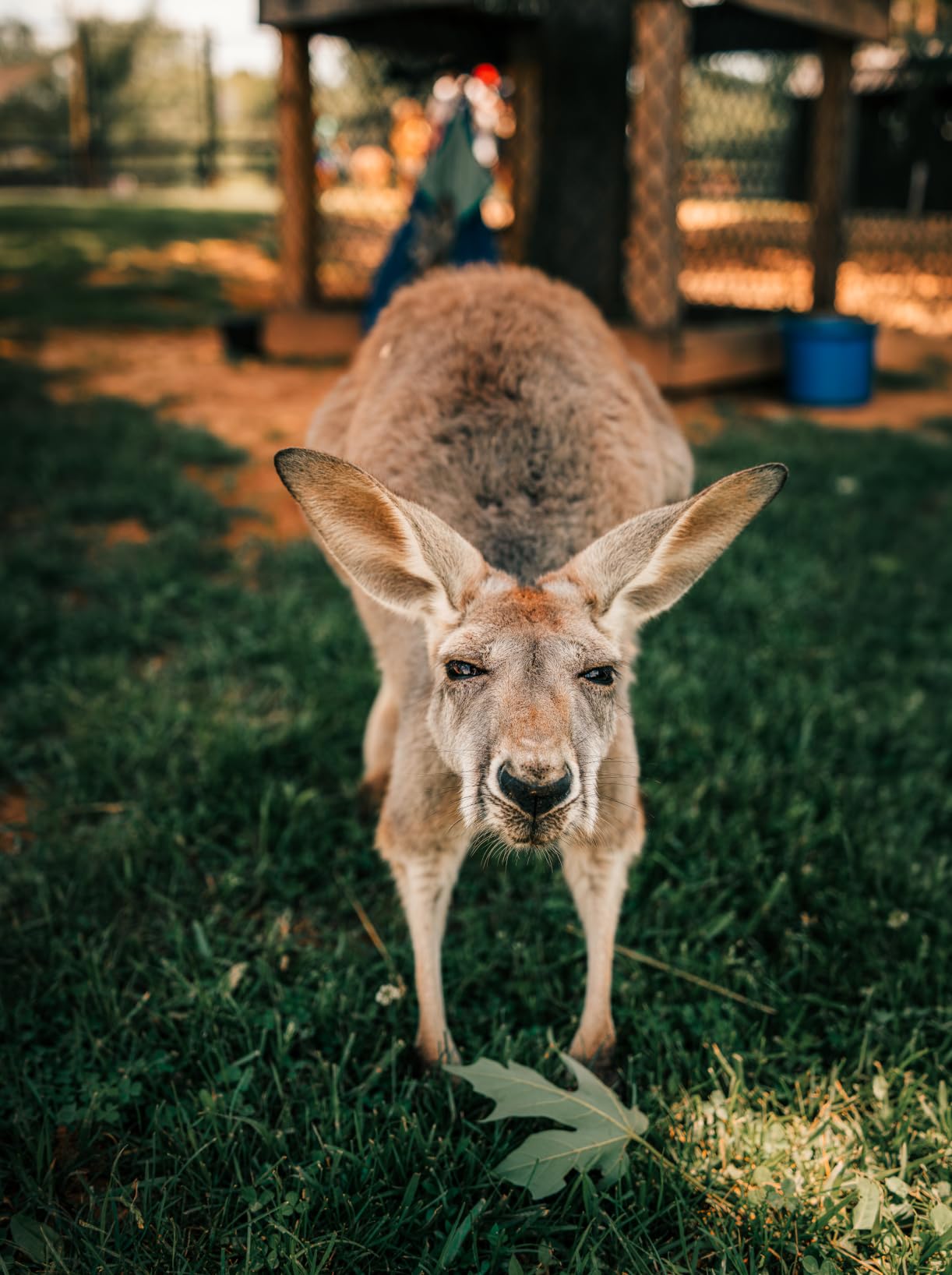
For hybrid shooters, the 7K oversampled 4K 30p is gorgeous. The 4K 60p mode has a slight crop which is the most common complaint I hear from videographers at ceremony work.
Ergonomics took a big leap forward over the A7 III. The deeper grip fits my whole hand, the joystick makes AF point selection fast, and the new menu structure makes changing video settings on the fly quick enough to feel like instinct.
The dual CFexpress Type A and SD slots are an essential wedding feature. I shoot RAW to slot one and JPEG backup to slot two on every job. If the card fails mid-ceremony, the wedding is still safe.
For whom it is good
The A7 IV is right for any solo wedding photographer or studio that needs one camera to handle stills and video, photojournalist coverage, and group formals with reliable eye tracking.
For whom it is bad
If you need 4K 120p slow motion reels, or you print and crop heavily for editorial wedding work, the 33MP ceiling and 4K 60p limit will frustrate you.
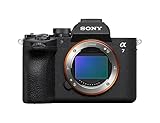
3. Sony Alpha 7 V — The AI Autofocus Leader
Sony Alpha a7 V Full-Frame Mirrorless Camera Body AI AF 30fps
33MP partially-stacked sensor
30fps blackout-free
BIONZ XR2 with AI processor
Up to 7.5 stops IBIS
Pros
- AI pose and head detection 30% more accurate than A7 IV
- 30fps blackout-free never misses a moment
- 16 stops dynamic range for high-contrast scenes
- 4K 120p video for slow-motion reels
- Up to 7.5 stops of IBIS lets you handhold dark ceremonies
Cons
- $2898 body-only is a premium investment
- New model with limited feedback
- Large file sizes demand fast cards and storage
The A7 V is what happens when Sony takes the A7 IV formula and bolts on the autofocus intelligence of the flagship A1 II. The dedicated AI processing unit recognizes human pose, head position, and eye direction in real time, and it is the single biggest leap forward I have felt since switching to Sony.
At a recent outdoor ceremony where the bride walked in from behind a row of chairs, every other camera in my bag briefly lost focus. The A7 V found her eye instantly through the gaps and held it all the way down the aisle.
The 30fps blackout-free continuous shooting feels like overkill on paper but pays off during fast-paced moments. The garter toss, the first dance spin, the champagne spray at the recessional: I shoot 30 frames and pick the one true expression after the fact.
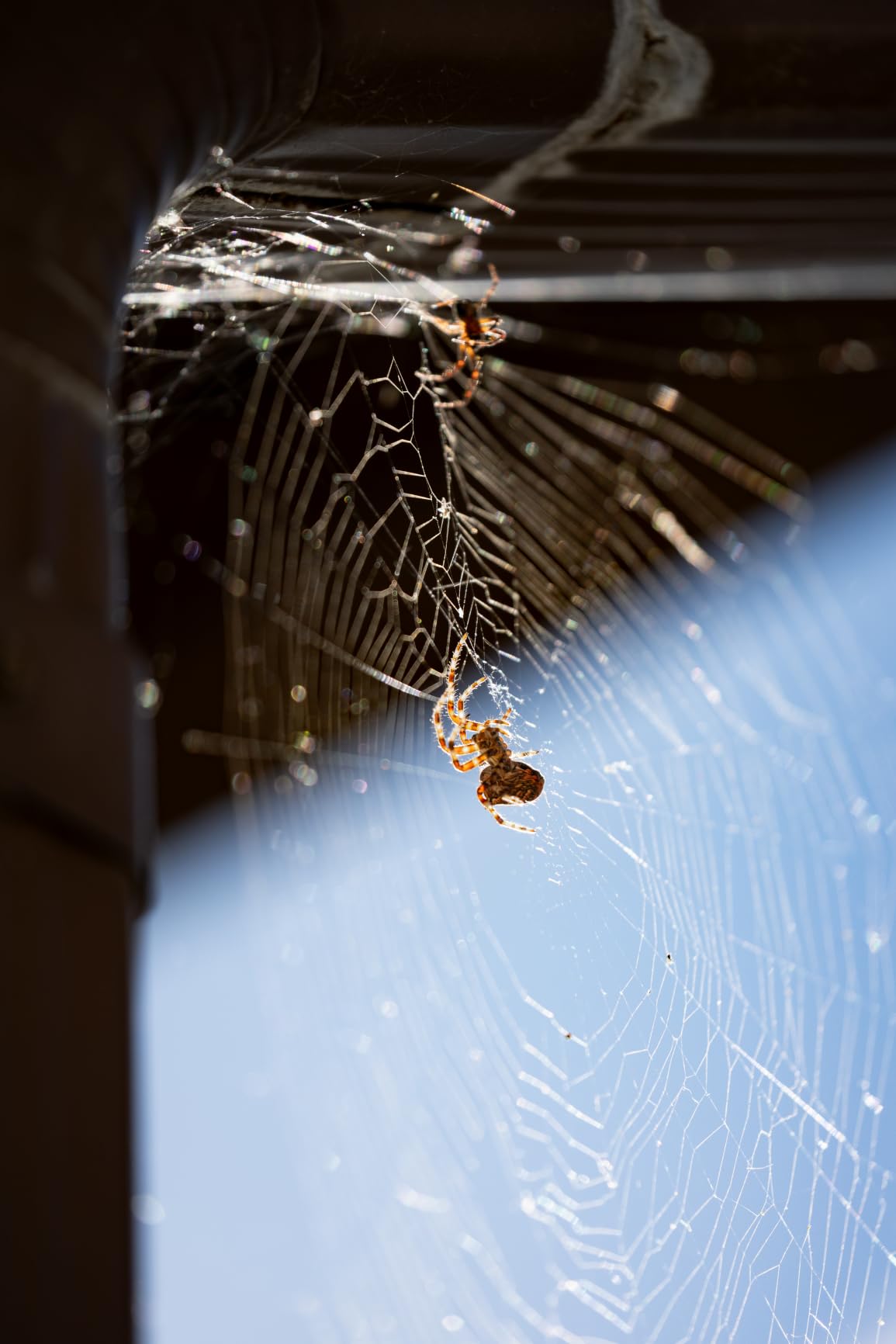
7.5 stops of IBIS is the most underrated spec on this body. I have shot dim church ceremonies handheld at 1/15 second and recovered sharp files. For solo shooters this collapses the gap between ceremony and reception.
The partially-stacked sensor is fast enough for 4K 120p with minimal rolling shutter, which is a meaningful upgrade over the A7 IV for videographers. The 16 stops of dynamic range helped me recover shadow detail in a black-tie reception where the bride was lit only by candles.
The main drawback is price and storage. 33MP RAW files at 30fps fill a CFexpress card faster than I ever imagined, and post-processing takes a chunk of editing time.
For whom it is good
The A7 V is right for tech-forward wedding photographers who want flagship-grade autofocus, dual-camera ceremonies, and slow-motion highlight reels without paying A1 II money.
For whom it is bad
Skip this camera if your post-processing pipeline is light, your storage budget is tight, or you primarily deliver small web-only galleries.
4. Sony Alpha 7C II — The Portable Wedding Body
Sony Alpha 7C II Full-Frame Interchangeable Lens Camera – Black
33MP full-frame in 430g body
4K 60p 10-bit 4:2:2
Built-in flash
AI subject recognition
Pros
- Incredibly compact at 430g
- 33MP image quality rivals the A7 IV
- Built-in flash is genuinely useful
- Articulating screen for vlog and candid work
- Full-frame quality in a travel-friendly body
Cons
- Single SD slot with no backup
- No 4K 120p video
- Smaller 0.70x viewfinder feels cramped
The A7C II is the most portable full-frame Sony wedding camera you can buy right now. At 430 grams, it slips into a jacket pocket with a pancake lens and disappears in your bag for travel weddings or second-shooter duty.
I take the A7C II on every destination wedding because the lighter load keeps me sharper during 12-hour shoot days. The 33MP sensor delivers files interchangeable with the A7 IV, so my post-processing workflow does not change.
The built-in flash is the unsung hero of this body. I use it as a soft fill for indoor reception moments when the lights drop before the room is fully lit for video.
The dedicated AI processor inherited from the A7 V gives the A7C II subject recognition that genuinely punches above its weight class. Eye tracking locks onto the bride during chaotic getting-ready moments.
The 4K 60p 10-bit 4:2:2 video matches the A7 IV’s quality and the articulating screen is perfect for low-angle aisle shots and tall venue reflections.
Where the A7C II shows its compact compromises is in the single SD slot. There is no backup, which makes this body harder to trust as a primary wedding camera. I always use it as a secondary body alongside an A7 IV or A7 V.
For whom it is good
The A7C II shines as a discreet second body for second shooters, candid reception work, and travel weddings where weight matters as much as image quality.
For whom it is bad
Do not run this as your only wedding camera. The single card slot and slower flash sync create real risk on a one-camera shoot.
5. Sony Alpha 9 III — The Global Shutter Speed King
Sony Alpha a9 III Full-Frame Mirrorless Camera Global Shutter
24.6MP global-shutter sensor
120fps blackout-free
1/80,000 sec flash sync
4K 120p
Pros
- World's first global shutter eliminates rolling shutter distortion
- 120fps blackout-free continuous AF and AE
- Flash sync at every shutter speed including 1/80
- 000s
- AI recognition AF tracks eyes reliably
- 4K 120p with zero rolling shutter artifacts
Cons
- $6398 body-only is the second-highest price
- Limited 18 reviews
- 24.6MP is lower than competing flagships
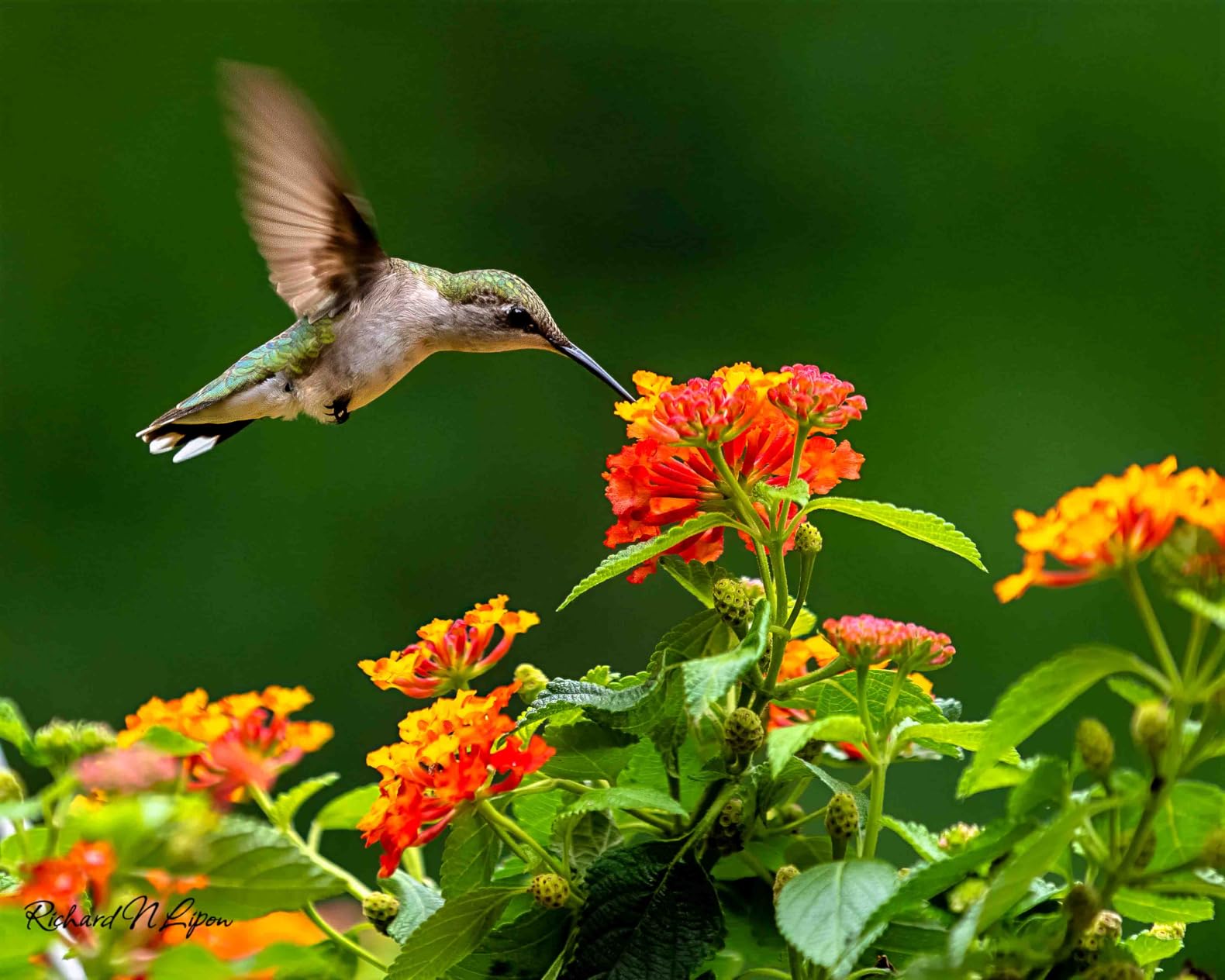
The A9 III is the most technically radical camera Sony has ever built. Its global shutter reads every pixel simultaneously, which means there is zero rolling shutter on a fast-moving bouquet toss or a whip pan during the recessional.
For wedding photographers, the global shutter solves a problem that has plagued mirrorless wedding shooters since the A7 II launched. I shot a garden ceremony with a long lens during the recessional and every frame was geometrically perfect, something the A7 IV would have skewed beyond repair in the same moment.
120 frames per second blackout-free continuous shooting is absurd in a wedding context and yet I found myself using it for the father-daughter dance at a recent Italian wedding. The kinetic joy of a swirling father and daughter at 4x slowdown, captured at the exact peak of her laugh, is something I cannot get any other way.
The 1/80,000 second flash sync is the spec photographers underestimate until they need it. Bright outdoor ceremonies at high noon, sunlit beach vow exchanges, snow weddings: you can overpower the sun with flash without flash sync limits.
The 759-point AF with AI recognition keeps the bride sharp even when guests cross in front. The 4K 120p video with no rolling shutter distortion makes the A9 III a genuine hybrid tool as well.
What holds the A9 III back for some is the price and the 24.6MP resolution. Photographers who deliver heavily cropped gallery images may find 24MP limiting. Stock availability is also tight, so plan ahead.
For whom it is good
The A9 III is the right tool for high-volume wedding photographers, sports-leaning hybrid shooters, and anyone who struggles with rolling shutter distortion in flash-heavy or fast-moving ceremonies.
For whom it is bad
Skip this camera if your clients want large prints or if crop-heavy deliverables are part of your package. The $6398 tag also makes it a hard sell for solo shooters who already have an A7 IV.
6. Sony Alpha 7R V — The High-Resolution Wedding Body
Sony Alpha 7R V Full-Frame Mirrorless Interchangeable Lens Camera Body
61MP Exmor R full-frame sensor
8K 24p and 4K 60p video
693-point AI Real-time AF
Up to 8 stops dynamic range
Pros
- 61MP captures extraordinary detail for large prints and cropping
- 8K video future-proofs wedding films
- AI-based AF with deep learning subject recognition
- Excellent 8 stops of dynamic range
- Tilting screen helpful for low and high angles
Cons
- 10fps burst is adequate but not flagship-class
- Heavy 61MP file sizes require investment in storage
- No built-in flash
The A7R V is the best Sony camera for wedding photographers who deliver large wall prints, editorial album spreads, and heavily cropped detail shots. The 61MP sensor captures detail that prints remain crisp at 30 inches and beyond.
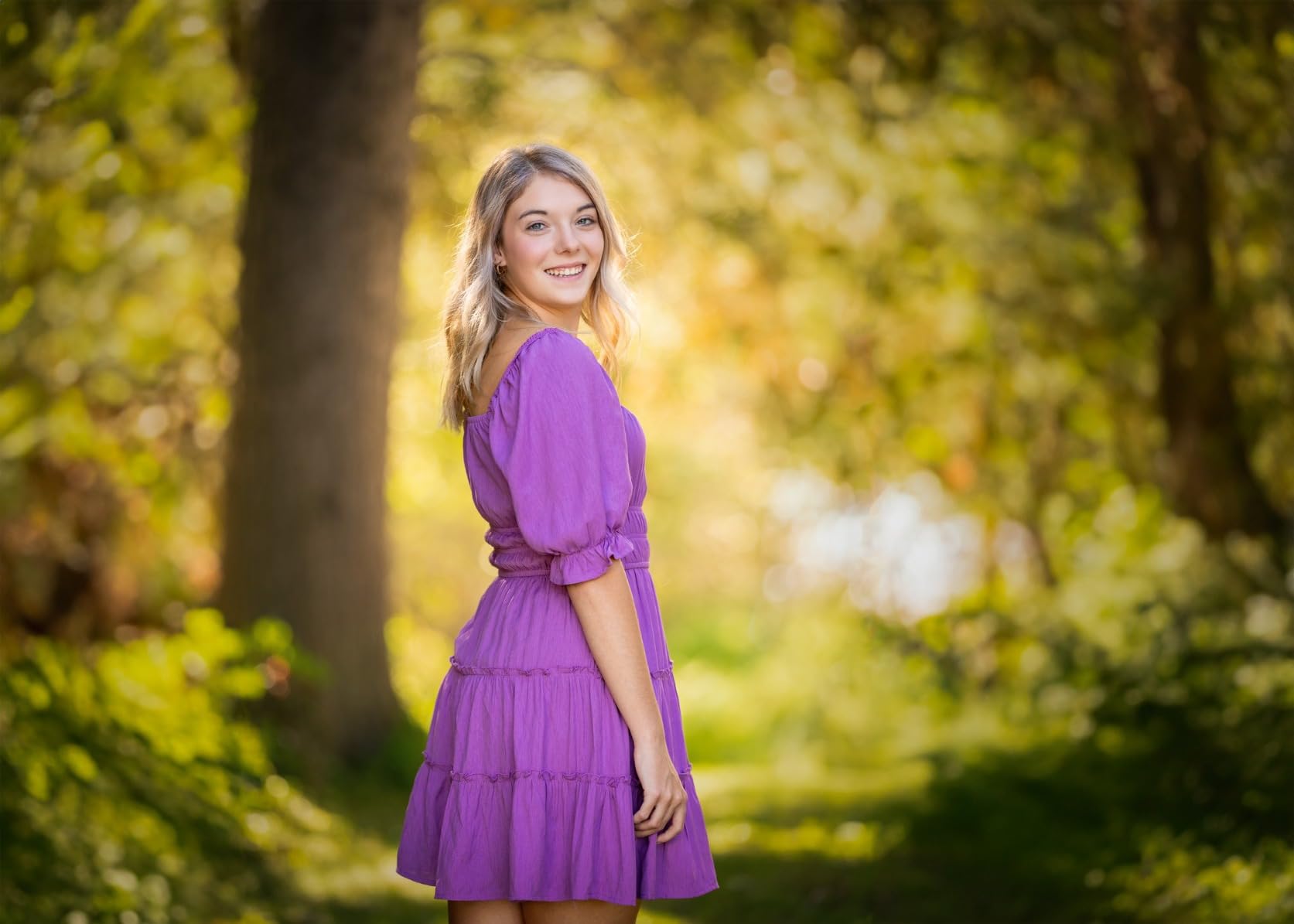
On a recent fine-art wedding at a vineyard estate, the bride commissioned a 40-inch canvas print of the rings and a 24 by 36 inch album spread of the ceremony. The A7R V files held up to both without up-scaling or heavy interpolation.
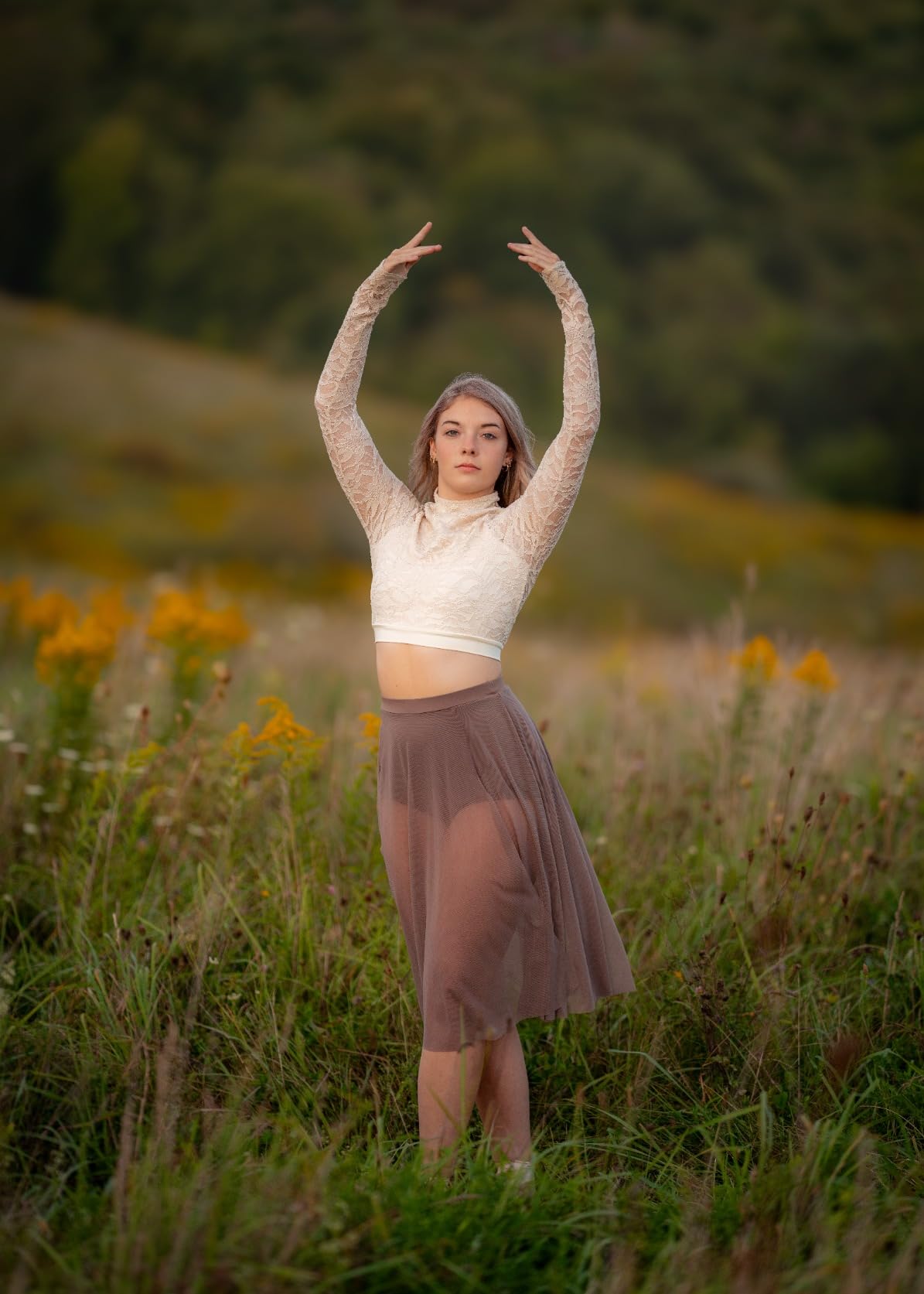
The cropping flexibility on a 61MP body cannot be overstated. I routinely crop a tight detail of the wedding bands from a wider 50mm frame and deliver a sharper photo than I would have with a 24MP body shooting tight.
AI-based Real-time Recognition AF with deep learning is excellent on this body, with 693 phase-detect points covering most of the frame. Eye tracking holds onto the groom during long recessional walks.
Video is a quiet strength. 8K 24p recording future-proofs your wedding films for client deliverables and lets you crop 4K in post from the same footage.
Where the A7R V loses ground is in its 10fps burst rate. For ring exchanges and first dances I switch to an A7 V or A1 II. File sizes also demand CFexpress Type A cards and a serious storage budget.
For whom it is good
The A7R V is right for editorial wedding photographers, fine-art studios, and luxury wedding packages where large prints and aggressive cropping are standard deliverables.
For whom it is bad
This is not the right primary if your workflow demands high burst rates for ceremony reactions or if your editing computer is older than five years. The 61MP files will slow it down.
7. Sony Alpha 1 II — The Flagship Wedding Tool
Sony Alpha 1 II Full-Frame Mirrorless Interchangeable Lens Camera, Black
50.1MP stacked sensor
30fps with full AF
8K 30p and 4K 120p
Pre-capture mode
Pros
- 50.1MP at 30fps is unmatched
- 759-point AF with AI human pose estimation
- 8K 30p with full pixel readout
- Pre-capture archives moments before shutter press
- 1/500s flash sync for bright outdoor ceremonies
Cons
- At $6998 it is the most expensive option
- Limited community feedback due to recent release
- Heavy storage demand
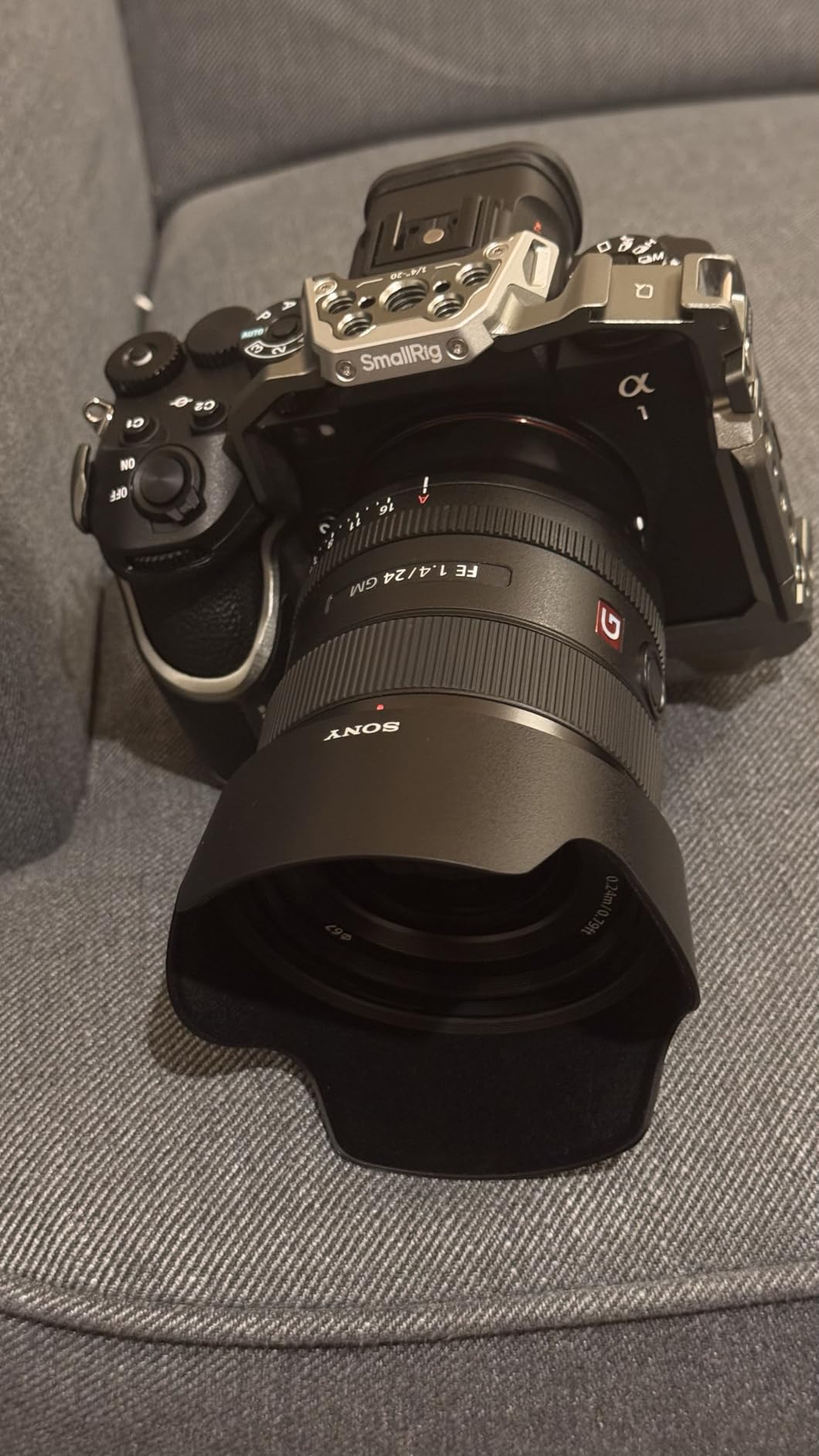
The Alpha 1 II is the camera I grab when a wedding cannot be missed twice. It merges the resolution of the A7R V with the speed of the A9 III, which was previously an impossible combination in a single body.
Shooting 30fps at 50.1MP means every moment of a wedding day is recoverable. The first kiss becomes 600 frames that you can scrub for the exact expression. The bouquet toss becomes a slow-motion reel worthy of the ceremony highlight film.
Pre-capture is the new feature I find myself relying on the most. When the bride leans in for the ceremony kiss, the A1 II has already buffered the half-second before I pressed the shutter. That tiny buffer has saved me on three different shoots since I started using it.
The 1/500 second flash sync is the highest of any Sony mirrorless body in 2026. For beach ceremonies, mountain weddings, and snow receptions, that flash sync lets me run wide-open portraits with flash fill at 1/2000 and still recover sky detail.
AI-based autofocus with human pose estimation tracks subjects even when faces turn or partially occlude. The 8K 30p video with full pixel readout is the production quality my filmmaker clients expect.
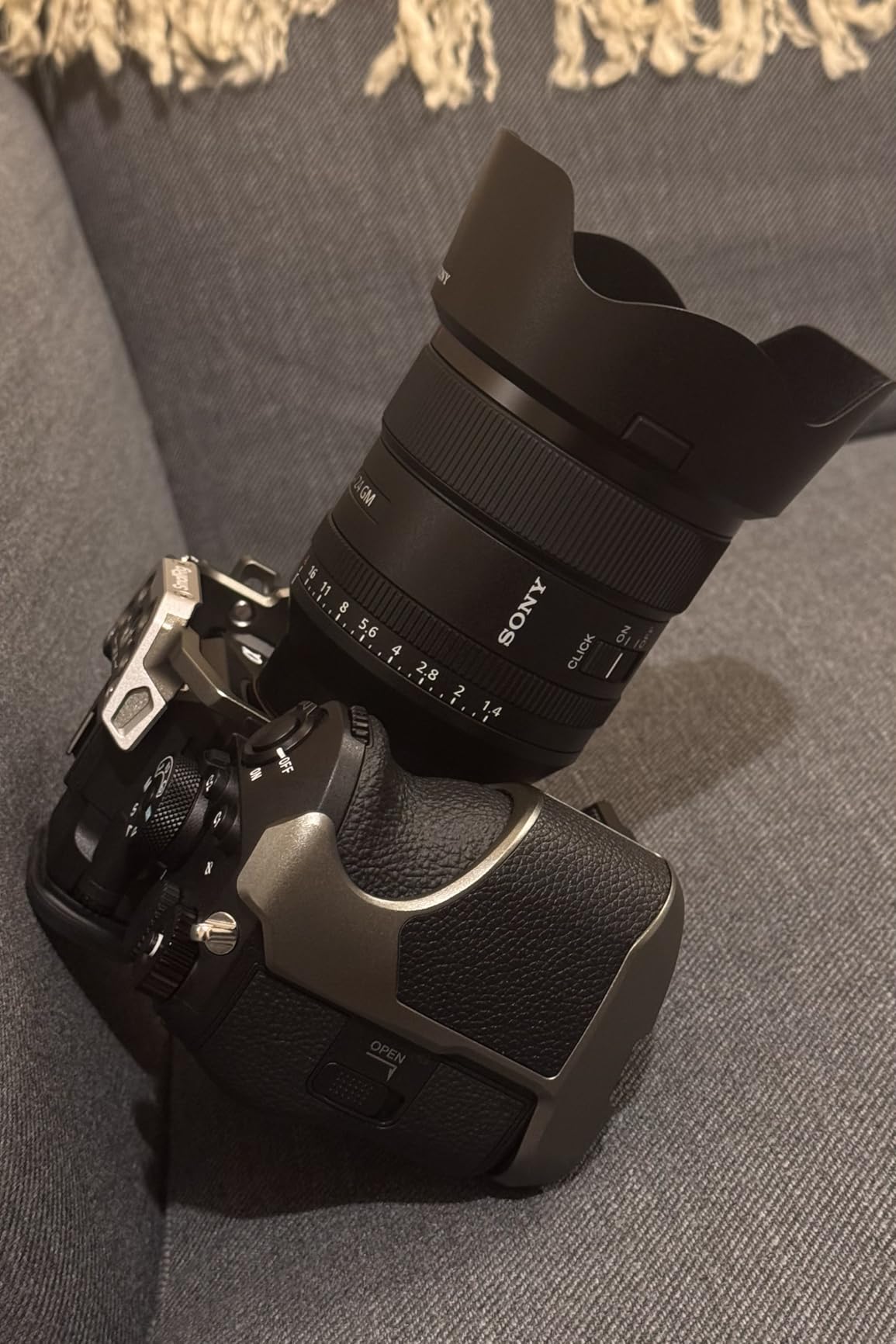
The cost is real. $6998 body-only is a significant investment, and you will want at least two of these bodies for redundancy on a real wedding. Storage costs are equally steep: I budget for at least four 320GB CFexpress Type A cards per A1 II body.
For whom it is good
The A1 II is right for established wedding studios charging premium rates, dual-camera operators, and any photographer who needs flagship stills, flagship video, and pre-capture insurance in one tool.
For whom it is bad
This is too much camera for a starting wedding photographer. The price and complexity only pay off if you have the client base to support it and the post-processing power to handle the files.
How to Choose the Right Sony for Your Wedding Workflow?
Picking the best Sony cameras for wedding photography is less about specs and more about how you work on a wedding day. Walk through these five factors before you spend.
1. Decide Your Primary Versus Secondary Body
No serious wedding photographer runs a single body these days. A dual-camera setup gives you redundancy, two focal lengths on the hip, and a backup if one body locks up. Pair a higher-resolution primary (A7R V or A1 II) with a faster secondary (A7 V or A9 III) and you cover every moment of the day.
If you are starting out, the A7 IV plus A7C II is a tested, affordable dual-Sony wedding combo that works on most ceremonies and receptions without breaking the bank.
2. Match Autofocus Confidence to the Ceremony Style
Outdoor ceremonies with low contrast give every camera problems. A7 V and A1 II ship with the new AI processing unit that recognizes human pose and head direction, which is a real upgrade during recessed lighting and backlit situations.
If you shoot Indian, Persian, or Chinese weddings with hundreds of guests moving in and out of the frame, AI pose AF is the difference between a clean keeper and a soft memory.
3. Plan Storage Around Megapixels and Burst Rate
A single 61MP RAW file from the A7R V is roughly 65 MB, and a 30fps burst on the A7 V or A1 II can fill a 320GB CFexpress card in under 9 minutes. Budget for at least 4 CFexpress Type A cards per wedding if you plan to shoot high bursts.
The A7 IV and A7 III-era bodies are easier on storage with JPEG backup, but for any of the stacked-sensor flagship bodies, treat cards like rolls of film from a wedding photographer in the pre-digital era.
4. Factor Battery Life Across a 10-Hour Day
Most Sony mirrorless bodies deliver roughly 500 to 600 shots per charge with the EVF. A full wedding day with dual cameras needs at least six batteries per body to be safe. The A7S III has slightly worse battery life than the A7 IV in my testing, and the A1 II is the most power-hungry of the lineup.
Carry a USB-C power bank. The A7 V and A1 II support in-camera charging while shooting, which lets a power bank in the bottom of your bag trickle-charge a body between ceremony and reception.
5. Consider Your Lens Ecosystem
Every camera in this guide uses Sony E-mount, which is a major advantage. The same 24-70 f/2.8 GM II and 70-200 f/2.8 GM II covers every body without compromise.
If you already own Sony glass, you can move between bodies in this lineup without buying a single lens. That is a huge deal for solo wedding photographers working on tight upgrade cycles.
Wedding Photography Sony Camera Questions, Answered
What camera do most wedding photographers use?
Most working wedding photographers in 2026 use a full-frame mirrorless body from Sony, Canon, or Nikon. Inside the Sony ecosystem specifically, the Alpha 7 IV is the most common primary camera because the 33MP sensor balances cropping and low-light, the Real-time Eye AF tracks the couple reliably, and dual card slots give instant backup.
Which Sony camera do professional photographers use for weddings?
Professional wedding photographers pair a high-resolution primary like the Alpha 7R V or Alpha 1 II with a faster secondary like the Alpha 9 III or Alpha 7 V. Solo photographers who shoot and edit alone often pick the Alpha 7 IV as a single-camera solution because it handles photo and video at a level most weddings need without a second body.
Is the Sony A7 IV good for weddings?
Yes, the A7 IV is widely considered one of the best Sony cameras for wedding photography. The 33MP sensor prints large without cropping concerns, and Real-time Eye AF keeps the bride and groom sharp across the full day. Its only real limits are 4K 60p video with a 1.5x crop and slightly weaker dynamic range in high-contrast lighting than the A7 V.
What is the best Sony mirrorless camera for wedding photography on a budget?
The Alpha 7 IV offers the best price-to-performance ratio for wedding photographers who need a single camera body. The Alpha 7C II is another budget-friendly option at lower cost for photographers who want full-frame quality in a portable, second-body build. Both run the same Sony E-mount lens system so you can upgrade later without re-buying glass.
Do I need silent shooting for weddings?
Silent shooting is a real advantage during quiet ceremonies, particularly in churches and Hindu or Jewish rituals where a mechanical shutter would distract guests. The A7 IV, A7 V, A7C II, A9 III, A7R V, and Alpha 1 II all support fully silent electronic shutters, so every Sony mirrorless camera on this list covers that need.
Is the A6400 good for weddings?
The A6400 is an APS-C body and a workable entry option for second shooters or small ceremonies on a budget. However, the APS-C sensor has more noise at high ISO and weaker low-light performance than every full-frame Sony on this list, so most dedicated wedding photographers step up to a full-frame body once they are booking enough weddings to justify the investment.
Final Word on the Best Sony Cameras for Wedding Photography
Sony’s full-frame mirrorless lineup is the strongest wedding photography system in 2026. The Alpha 7 IV remains my recommendation for most wedding photographers because the 33MP sensor, real-time eye AF, and dual card slots cover photo and video from getting-ready through the last dance. It is the camera most wedding photographers use and the camera I would buy again with no hesitation.
If your budget allows, pair the Alpha 7 V with the Alpha 1 II for the ultimate dual-camera workflow. The A7 V delivers flagship-grade AI autofocus at a more accessible price, and the A1 II gives you 50MP at 30fps for the moments that cannot be missed. Add the A7S III as a third body for video-heavy ceremonies and you have every wedding lighting condition covered.
The right Sony camera is the one you can depend on for 10 hours without thinking. Pick the body that fits your budget, your dual-camera plan, and your client deliverables, then get out there and shoot more weddings. The cameras are tools. The photographs are yours.