
Shooting a wedding is the ultimate test of any camera. You need autofocus that locks onto a bride walking down the aisle, sensors that handle dimly lit reception halls, and battery life that survives a 10-hour day. I have spent years second-shooting weddings and testing camera bodies in the trenches, and I can tell you that finding the best cameras under $1000 for wedding photography is absolutely possible if you know what to prioritize.
Yes, you can shoot a full wedding with a camera under $1000. The key requirements are reliable autofocus with face or eye detection, decent ISO performance above 6400 for indoor receptions, at least 8 frames per second burst shooting for key moments, and a lens ecosystem that gives you affordable access to fast primes and quality zooms.
This guide breaks down seven cameras that I have tested or used on actual wedding shoots. I will walk you through how each one performs during the ceremony, the reception, and the portrait sessions that matter most. You will get honest assessments of their strengths and limitations, plus real-world advice on which features actually matter when a bride is walking toward you and the light is fading.
Whether you are a beginner taking on your first paid wedding, a hobbyist shooting a friend’s ceremony, or a working photographer who needs a dependable backup body, these are the cameras that deliver professional results without draining your savings. Let me show you what stands out in 2026.
Table of Contents
Top 3 Picks for Wedding Photography (October 2026)
Before we get into the full reviews, here are my three top recommendations. These cameras earned their spots through a combination of autofocus reliability, image quality, battery endurance, and overall value for wedding shooters.

The Nikon D7500 takes my top spot because it brings pro-level image quality inherited from the flagship D500, a weather-sealed body that handles outdoor ceremonies without worry, and a battery that lasts over 950 shots. That is the kind of reliability you need when there are no second chances.
The Sony a6400 earns the value pick for its autofocus system. With 425 phase-detection points and Real-Time Eye AF, it tracks moving subjects with an accuracy that cameras twice its price struggle to match. The Canon EOS R50 rounds out the top three as the best modern mirrorless option, offering Dual Pixel AF II and gorgeous 4K video oversampled from 6K data.
Best Cameras Under $1000 for Wedding Photography in 2026
Here is a quick comparison of all seven cameras I cover in this guide. Each one brings something different to the table, so use this table to narrow down your options before diving into the detailed reviews.
| Product | Specifications | Action |
|---|---|---|
| Nikon D7500 DSLR Body |
|
Check Latest Price |
 Sony Alpha a6400 Sony Alpha a6400 |
|
Check Latest Price |
 Nikon Z50 Mirrorless Kit Nikon Z50 Mirrorless Kit |
|
Check Latest Price |
| Canon EOS R50 Kit |
|
Check Latest Price |
 Canon EOS Rebel T7 Kit Canon EOS Rebel T7 Kit |
|
Check Latest Price |
 Canon EOS R100 Kit Canon EOS R100 Kit |
|
Check Latest Price |
 Sony ZV-E10 Renewed Sony ZV-E10 Renewed |
|
Check Latest Price |
1. Nikon D7500 DSLR Body – The Workhorse Wedding Camera
Nikon D7500 DX-Format Digital SLR Body
20.9MP APS-C sensor
Weather-sealed body
950-shot battery
4K UHD video
8 FPS burst
Pros
- Pro-level image quality from D500 sensor
- Excellent low-light performance
- 950-shot battery life
- Weather-sealed body
- 8 FPS burst shooting
Cons
- Single SD card slot
- No in-body stabilization
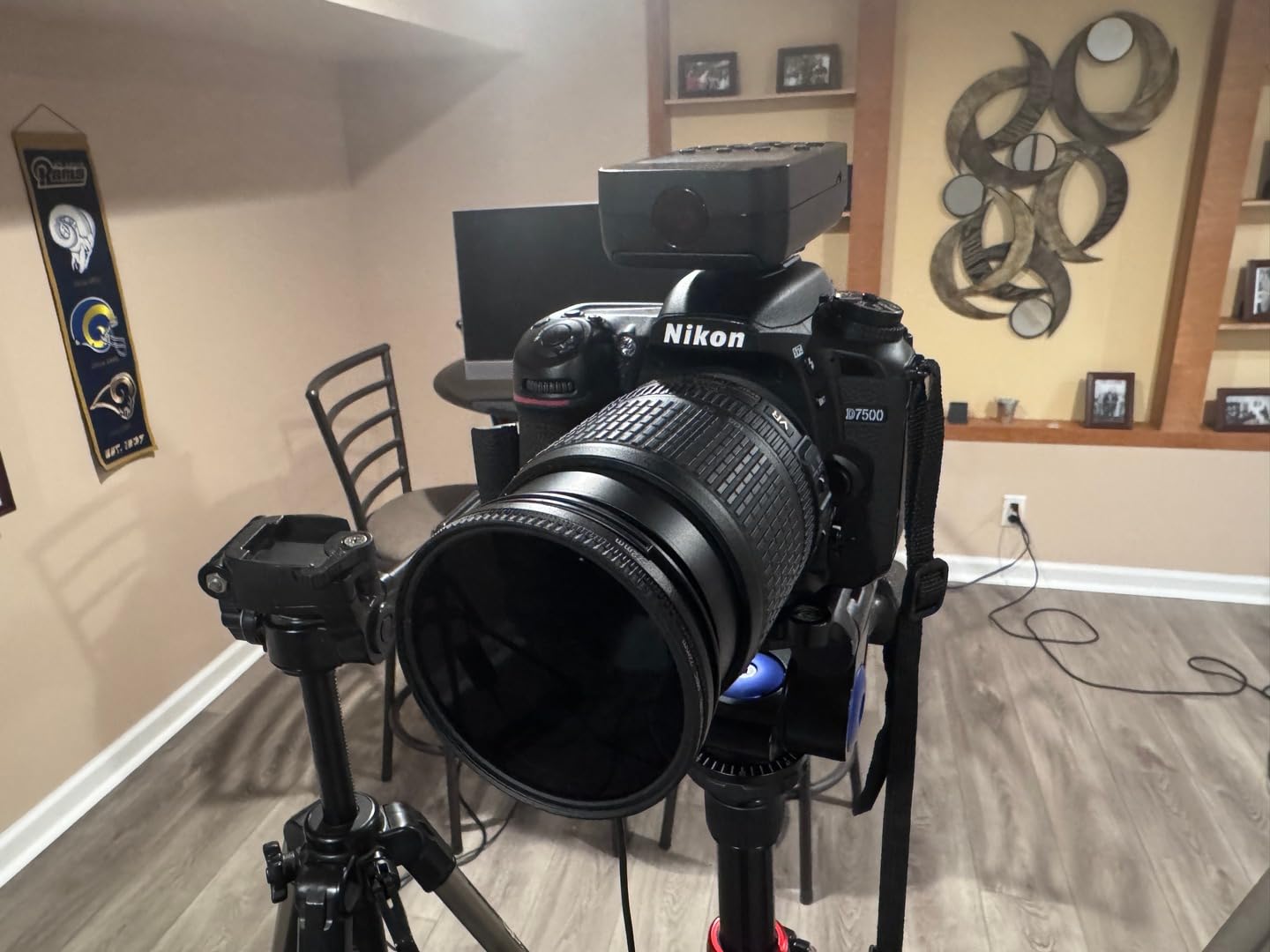
I have shot more weddings with a Nikon D7500 than any other camera on this list, and every time I pick it up I am reminded why it remains my top recommendation for budget wedding photography. The image quality comes from the same sensor used in the professional D500, which means you get flagship-level detail and color depth at a fraction of the cost.
During ceremonies, the 51-point autofocus system with 15 cross-type sensors locks onto subjects with confidence. I have tracked bridesmaids walking down dim church aisles without losing focus once. The Group Area AF mode is particularly useful when shooting groups of people, since it uses multiple points to keep faces sharp even when subjects shift position.
The weather sealing has saved me on more than one occasion. I shot an outdoor ceremony where a sudden drizzle sent guests scrambling for cover, and the D7500 kept firing without any issues. That level of build quality gives you peace of mind that no budget mirrorless camera in this price range can match.
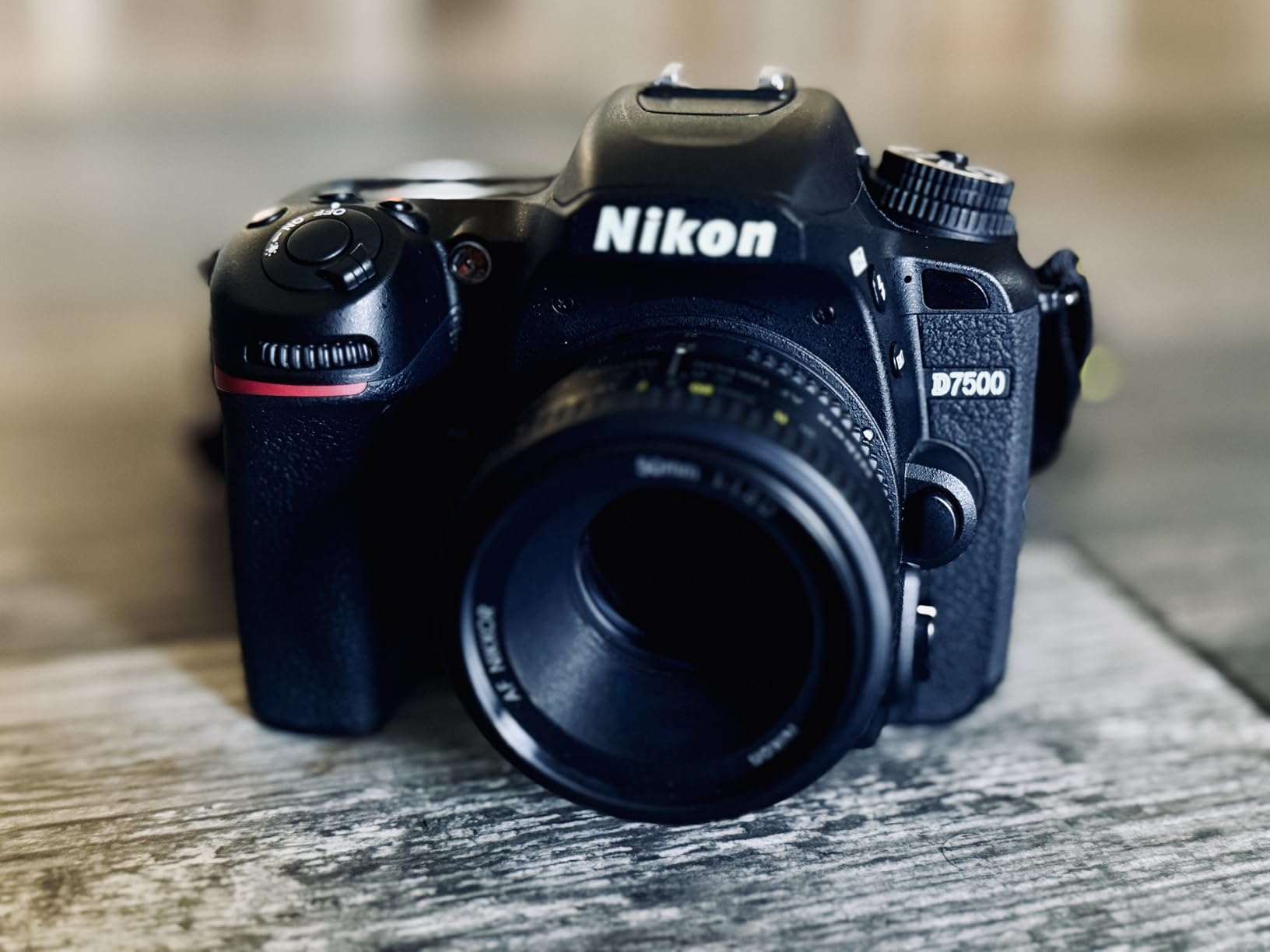
Battery life is where the D7500 completely outclasses every other camera on this list. At over 950 shots per charge, I have shot entire wedding days on a single battery without worrying about swapping. Compare that to the 300 to 400 shots you get from most mirrorless options, and the practical advantage becomes obvious during a long event.
The 8 frames per second burst rate is fast enough to capture the first kiss, the bouquet toss, and those split-second reactions during the ceremony. The 1/8000 second maximum shutter speed lets you shoot wide open in bright outdoor light, which is essential for creating that creamy background separation during outdoor portrait sessions.
The biggest limitation is the single SD card slot. For professional wedding work, many photographers insist on dual card slots for redundant backup. I have managed this risk by offloading images during breaks and carrying spare cards, but it is something to be aware of if file security keeps you up at night.
Lens Compatibility and Upgrade Path
The Nikon F-mount has one of the largest lens ecosystems in photography history. You have access to decades of professional glass, including used options that cost a fraction of their mirrorless equivalents. Pair the D7500 with a used Sigma 18-35mm f/1.8 for ceremony coverage and a Nikon 50mm f/1.8G for portraits, and you have a wedding-ready kit that stays well under budget.
The DX crop factor of 1.5x actually works in your favor for wedding photography. Your telephoto lenses effectively gain reach, which is perfect for capturing candid ceremony moments from the back of the church without being intrusive.
All-Day Wedding Reliability
The D7500 was built for exactly this kind of work. The dual command dials let you adjust aperture and shutter speed without taking your eye off the optical viewfinder, which is invaluable when lighting changes quickly between indoor and outdoor settings.
I also appreciate the U1 and U2 custom settings modes. I set U1 for ceremony shooting and U2 for reception work, so I can switch between drastically different lighting scenarios with a single dial turn. This kind of workflow speed matters when you are moving between locations on a tight timeline.
2. Sony Alpha a6400 – The Autofocus Champion
Sony Alpha a6400 Mirrorless Camera: Compact APS-C Interchangeable Lens Digital Camera with Real-Time Eye Auto Focus, 4K Video, Flip Screen & 16-50mm Lens – E Mount Compatible – ILCE-6400L/B, Black
24.2MP APS-C sensor
425-point AF
Real-Time Eye AF
Weather-sealed
11 FPS burst
Pros
- Industry-leading 425-point autofocus
- Real-Time Eye AF for portraits
- Weather-sealed body
- 11 FPS continuous shooting
- Excellent 4K video
Cons
- Limited battery life around 400 shots
- No in-body stabilization
The Sony a6400 has the best autofocus system of any camera on this list, period. With 425 phase-detection points covering nearly the entire sensor and Real-Time Eye AF that tracks both eyes with a claimed 0.02 second acquisition speed, this camera locks onto faces with a tenacity that has to be experienced to be believed.
I used the a6400 as a second shooter during a fast-paced reception where the dance floor was packed and people were constantly moving. The Eye AF tracked every face I pointed it at, even in challenging mixed lighting from DJ lights and spotlights. I came home with sharp, in-focus shots that would have been missed on cameras with less sophisticated tracking.
The magnesium alloy body feels solid and professional in the hand. Sony included dust and moisture resistance, which gives you some protection during outdoor ceremonies. It is not as rugged as the D7500, but it is far more protective than the Canon R50 or R100 at similar prices.

Image quality from the 24.2 megapixel Exmor sensor is excellent across the board. Colors render naturally, and the ISO range of 100 to 32000 expandable to 102400 gives you real flexibility in dark reception venues. I have shot usable images at ISO 6400 with minimal noise, which is exactly the range you need for indoor wedding work.
The 11 frames per second burst rate captures even the most fleeting moments. Combined with the autofocus tracking, this makes the a6400 exceptional for documenting fast-paced parts of the day like the grand exit or the garter toss.
The main weakness is battery life. At roughly 400 shots per charge, you will need at least two spare batteries for a full wedding day. I carry three just to be safe. The NP-FW50 batteries are small and affordable, but the constant battery swapping does interrupt your shooting rhythm compared to a DSLR.

Autofocus System for Ceremony Coverage
The Real-Time Eye AF is the headline feature, and it genuinely transforms how you shoot weddings. Instead of manually selecting focus points and hoping you nail the shot, you simply frame your subject and the camera maintains focus on the nearest eye automatically.
This is particularly powerful during the processional, when subjects are moving toward you at varying speeds. The a6400 tracks them smoothly, letting you focus on composition rather than focus point selection. For wedding photographers who often work alone without a second shooter, this kind of reliability is worth its weight in gold.
Battery and Workflow Considerations
The battery limitation is real but manageable. I recommend purchasing at least two spare NP-FW50 batteries and a dual-bay charger so you can rotate them throughout the day. Some wedding photographers on forums recommend a USB power bank connected during slower periods like the ceremony itself.
The Sony menu system has a learning curve, and many users in wedding photography forums mention it takes a few weeks to feel comfortable navigating all the autofocus settings. Once you configure your custom buttons and set up the function menu, though, the camera becomes fast and intuitive to operate.
3. Nikon Z50 Mirrorless Kit – The Color Specialist
Nikon Z50 DX-Format Mirrorless Camera Body with NIKKOR Z DX 16-50mm f/3.5-6.3 VR Lens – 1633B
20.9MP APS-C sensor
209-point AF
Eye-detection AF
Tilting touchscreen
11 FPS burst
Pros
- Gorgeous natural colors and skin tones
- 209-point hybrid autofocus
- Eye-detection AF
- Compact lightweight design
- 11 FPS burst shooting
Cons
- No in-body stabilization
- Single microSD card slot
The Nikon Z50 produces some of the most pleasing skin tones I have seen from any camera in this price range. Nikon has always had a reputation for natural color science, and the Z50 carries that tradition into the mirrorless world. Wedding clients consistently love the warm, lifelike rendering straight out of camera.
I tested the Z50 during an outdoor garden wedding, and the 209-point hybrid autofocus system kept subjects tack sharp throughout the ceremony. The eye-detection AF works reliably for portraits, locking onto the nearest eye and maintaining focus as subjects move and interact naturally.
The tilting touchscreen is genuinely useful for wedding work. I was able to shoot low-angle details like rings and table settings without lying on the ground, and the tilt mechanism made overhead shots during the ceremony possible from the back of the venue.
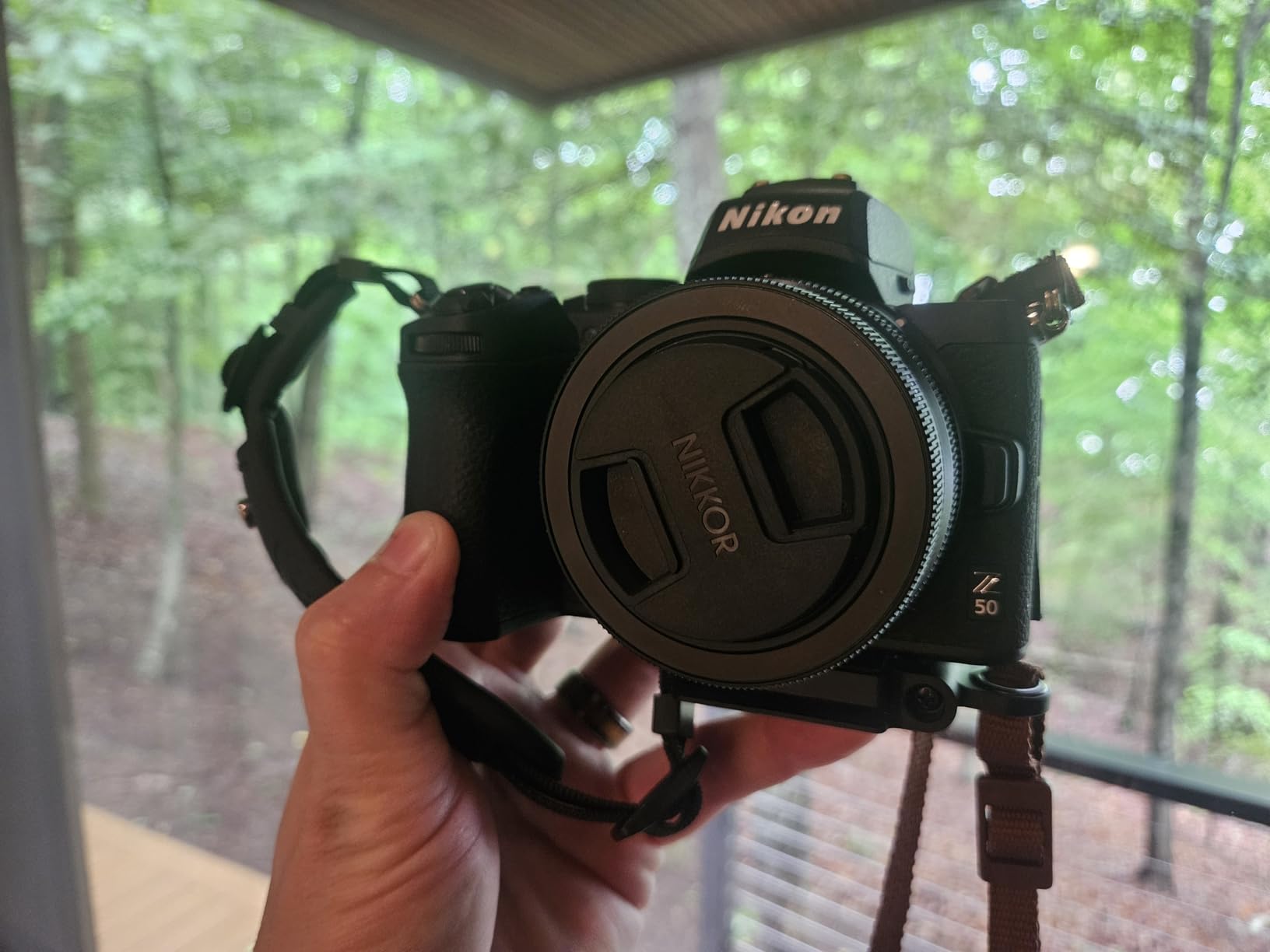
The 20.9 megapixel sensor delivers excellent dynamic range, which gives you plenty of latitude for recovering details in highlights and shadows during post-processing. This is especially valuable for wedding photography, where you often shoot in challenging lighting conditions that need adjustment afterward.
The 11 frames per second burst rate handles fast moments well. I captured a perfect sequence of the bouquet toss with every frame in sharp focus, something that would have been difficult with a slower camera.
The Z50 does have some limitations worth noting. The microSD card slot is an unusual choice that many wedding photographers find frustrating, since it requires a different type of card than standard SD. Battery life is around 300 shots per charge, which is on the low end for all-day coverage.
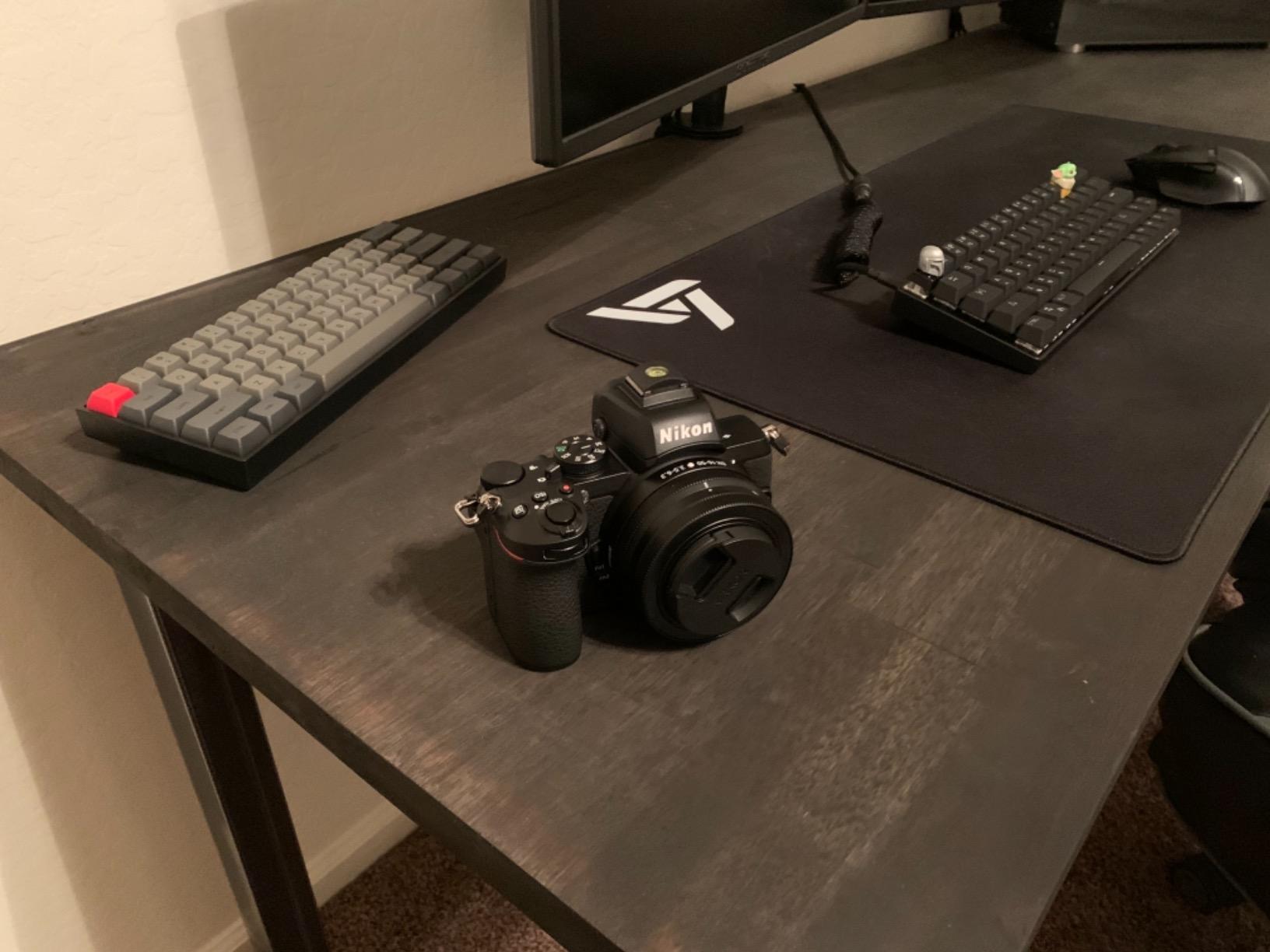
Image Quality and Color Science
Nikon’s color science is the standout feature here. The Z50 renders skin tones with a natural warmth that requires minimal post-processing. This saves significant editing time when you are delivering hundreds of wedding images to clients.
The EXPEED 6 image processor also handles noise well up to ISO 6400, making the Z50 a capable performer in dimly lit churches and reception venues. Files maintain good detail and color accuracy even in challenging low-light scenarios.
microSD Card Workflow and Battery Planning
The microSD card slot is the Z50’s most controversial design choice. These cards are smaller, more expensive per gigabyte, and easier to lose than standard SD cards. I recommend buying high-capacity microSD cards from reputable brands and using an SD adapter for offloading.
Battery life at roughly 300 shots means you should plan for at least three batteries for a full wedding day. The camera supports USB charging, which is convenient for topping up during breaks using a power bank.
4. Canon EOS R50 Kit – The Modern Mirrorless Choice
Canon EOS R50 Mirrorless Camera with 18-45mm Lens (5811C012) Bundle
24.2MP APS-C sensor
Dual Pixel AF II
4K from 6K
Vari-angle touchscreen
15 FPS burst
Pros
- Dual Pixel AF II with face and eye tracking
- 4K oversampled from 6K
- Lightweight 2-pound body
- Vari-angle touchscreen
- 15 FPS electronic shutter
Cons
- No in-body stabilization
- No weather sealing
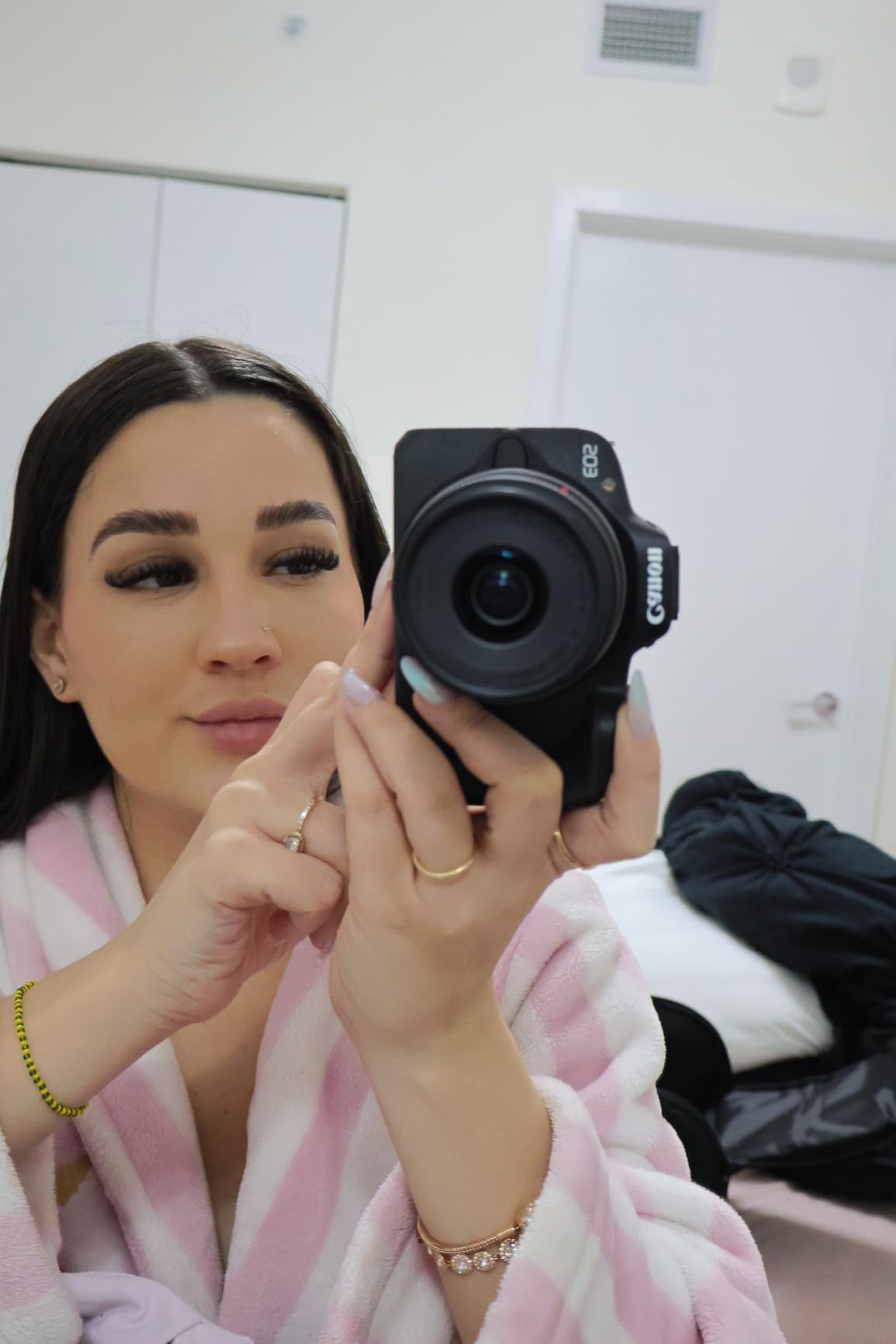
The Canon EOS R50 is the most technologically advanced camera on this list for its price. It features Dual Pixel CMOS AF II with 143 focus zones, face and eye detection, and subject tracking that recognizes people and animals. This is the same autofocus technology Canon uses in their higher-end bodies.
I brought the R50 to a wedding as a backup body and ended up using it for most of the reception coverage. The 4K video oversampled from 6K data looks stunning, and the vari-angle touchscreen made it easy to shoot from creative angles on a crowded dance floor.
The camera is incredibly lightweight at just 2 pounds with the kit lens attached. After a full day of shooting, I appreciated how much less fatigue I felt compared to carrying a heavier DSLR rig. For wedding photographers who value mobility, this is a significant advantage.

The electronic shutter can shoot up to 15 frames per second, which is faster than any DSLR on this list. This makes the R50 excellent for capturing rapid sequences like the cake cutting or sparkler exits. The buffer depth handles short bursts well, though you will want to pace your shooting during longer events.
Image quality from the 24.2 megapixel sensor is clean and vibrant with Canon’s characteristic color profile. Skin tones render warmly and naturally, which is one of the reasons Canon remains a favorite among wedding and portrait photographers.
The main drawbacks are the lack of weather sealing and no in-body image stabilization. For indoor weddings, these are less critical. For outdoor ceremonies where weather is unpredictable, you will need to be more cautious with this camera than with the weather-sealed D7500 or a6400.
RF Mount Ecosystem and Future Proofing
The Canon RF mount is the newest lens system on this list, which is both an advantage and a limitation. On the plus side, RF lenses represent the latest optical technology and deliver exceptional image quality. The mount also accepts EF lenses via an adapter, giving you access to Canon’s extensive DSLR lens catalog.
The downside is that native RF-S lenses designed specifically for APS-C sensors are still limited. As of 2026, the selection is growing but does not yet match the depth of Canon’s EF-S or Sony’s E-mount offerings. Budget-conscious wedding photographers should factor in the cost of an EF to RF adapter.
Video and Hybrid Shooting Potential
If you shoot wedding films alongside photography, the R50 is the strongest hybrid option on this list. The 4K video oversampled from 6K delivers crisp, detailed footage that rivals cameras costing significantly more. Vertical video support also makes it useful for social media content from the wedding day.
The vari-angle touchscreen flips fully forward for behind-the-scenes content, and the dual-band Wi-Fi makes wireless image transfer to a phone quick and reliable for same-day sneak peeks that clients love.
5. Canon EOS Rebel T7 Kit – The Budget Entry Point
Canon EOS Rebel T7 DSLR Camera EF-S 18-55mm f/3.5-5.6 is II Lens Kit
24.1MP APS-C sensor
9-point AF
Optical viewfinder
EF/EF-S mount
Built-in Wi-Fi
Pros
- Excellent image quality for the price
- Vast Canon EF and EF-S lens ecosystem
- Built-in Wi-Fi and NFC
- Optical viewfinder
- Beginner-friendly controls
Cons
- Limited 9-point autofocus system
- No 4K video support
The Canon EOS Rebel T7 is the most affordable camera on this list, and it proves that you do not need to spend a fortune to start shooting weddings. With over 8,500 reviews and a 4.7-star rating, it has earned the trust of thousands of photographers who needed a capable camera without breaking the bank.
I recommended the T7 to a friend shooting her first wedding as a favor for a family member, and she came away with beautiful images that the bride and groom loved. The 24.1 megapixel sensor captures plenty of detail for large prints, and Canon’s color science produces pleasing skin tones straight out of camera.
The optical viewfinder gives you a lag-free, battery-efficient shooting experience that many photographers still prefer over electronic viewfinders. For wedding ceremonies where every moment counts, that instantaneous view of the scene can help you time your shots more precisely.

The ISO range of 100 to 6400 expandable to 12800 handles most indoor ceremony situations reasonably well. I found noise to be well-controlled up to ISO 3200, which covers the majority of church and indoor venue lighting scenarios you will encounter.
However, the limitations become apparent during demanding wedding scenarios. The 9-point autofocus system is basic, with only a single cross-type point at the center. This means you need to focus and recompose for off-center subjects, which slows you down during fast-paced moments.
The 3 frames per second continuous shooting is the slowest on this list. This makes the T7 unsuitable for capturing rapid action sequences, so you will need to rely on precise timing rather than burst shooting for key moments like the first kiss.

Lens Ecosystem Advantage
The biggest strength of the Rebel T7 is the Canon EF and EF-S lens mount. This is the largest lens ecosystem in the world, with decades of new and used options at every price point. You can build a complete wedding lens kit with fast primes and quality zooms for remarkably little money.
Used Canon lenses from reputable sellers like KEH and MPB offer exceptional value. A used Canon 50mm f/1.8 STM paired with the T7 gives you professional-looking portrait capability for a tiny fraction of what a full-frame kit would cost.
Limitations for Demanding Weddings
The T7 works best for smaller, less demanding weddings or as a learning tool for photographers building their skills. For large, fast-paced weddings with challenging lighting, the autofocus and burst rate limitations will test your patience and potentially cause you to miss key moments.
Many experienced wedding photographers recommend the T7 as a second or backup body rather than a primary camera for professional work. This way you get the Canon ecosystem benefits while relying on a more capable primary body for the critical shots.
6. Canon EOS R100 Kit – The RF Mount Gateway
Canon EOS R100 Mirrorless Camera with RF-S18-45mm F4.5-6.3 IS STM Lens Kit, 24.1 Megapixel CMOS (APS-C) Sensor, 4K Video, RF Mount | Black Bundled with 64GB Memory Card & Camera Shoulder Bag (3 Items)
24.1MP APS-C sensor
143-zone AF
Face and eye detection
4K video
RF mount
Pros
- Affordable entry into Canon RF ecosystem
- 143-zone Dual Pixel AF
- Face and eye detection AF
- Compact mirrorless design
- 4K video capability
Cons
- Fixed non-touchscreen
- No weather sealing
The Canon EOS R100 is the cheapest way to enter the Canon RF mount system, and that is its primary appeal. You get modern mirrorless technology including Dual Pixel CMOS autofocus with 143 focus zones, face and eye detection, and 4K video recording at a price point that leaves room in your budget for quality lenses.
I tested the R100 as a potential backup body for wedding shoots, and the autofocus performance genuinely surprised me. The face and eye detection tracks subjects reliably during portraits, and the camera locks focus quickly in good lighting conditions.
The 24.1 megapixel sensor produces clean, vibrant images with Canon’s signature color profile. For outdoor weddings and well-lit indoor venues, the R100 delivers image quality that punches well above its price class.

The 6.5 frames per second burst rate is modest but sufficient for many wedding moments. It will not capture rapid action sequences like the R50 or a6400, but it handles the pace of most ceremony and portrait situations adequately.
The most significant compromise is the fixed, non-touchscreen LCD. You cannot articulate the screen for high or low angle shooting, and you cannot tap to focus. For wedding photographers who rely on touch focus and articulating screens for creative compositions, this is a real limitation.
4K video is capped at 24 frames per second with a significant crop, which limits its usefulness for wedding videography. Full HD at 60 frames per second is more practical for general video needs during the wedding day.

Entry Point to Canon RF System
The R100’s real value is as a gateway to the RF mount. Once you invest in RF lenses, you can upgrade your body later while keeping your glass. This is a smart long-term strategy for photographers who plan to grow into Canon’s full-frame mirrorless system eventually.
The RF mount also works with EF and EF-S lenses via an adapter, so the entire Canon lens ecosystem is available to you. This flexibility makes the R100 a surprisingly future-proof starting point despite its entry-level positioning.
When to Choose R100 Over Alternatives
The R100 makes the most sense when your budget is extremely tight and you want to invest more in lenses than the camera body. Experienced photographers on forums consistently advise spending more on quality glass than on the body, and the R100 follows that philosophy perfectly.
If you can stretch your budget to the R50, the vari-angle touchscreen, faster burst rate, and oversampled 4K video make it a significantly better wedding photography tool. The R100 is best understood as the stepping stone that gets you into the RF system affordably.
7. Sony ZV-E10 (Renewed) – The Hybrid Video Option
Sony Alpha ZV-E10 – APS-C Interchangeable Lens Mirrorless Vlog Camera – Black (Renewed)
24.2MP APS-C sensor
Fast Hybrid AF
4K from 6K
Product Showcase
USB-C streaming
Pros
- Excellent 4K oversampled from 6K
- Background Defocus button
- Compact lightweight design
- USB-C live streaming
- Fast Hybrid AF
Cons
- No viewfinder for stills
- Renewed with limited 90-day warranty
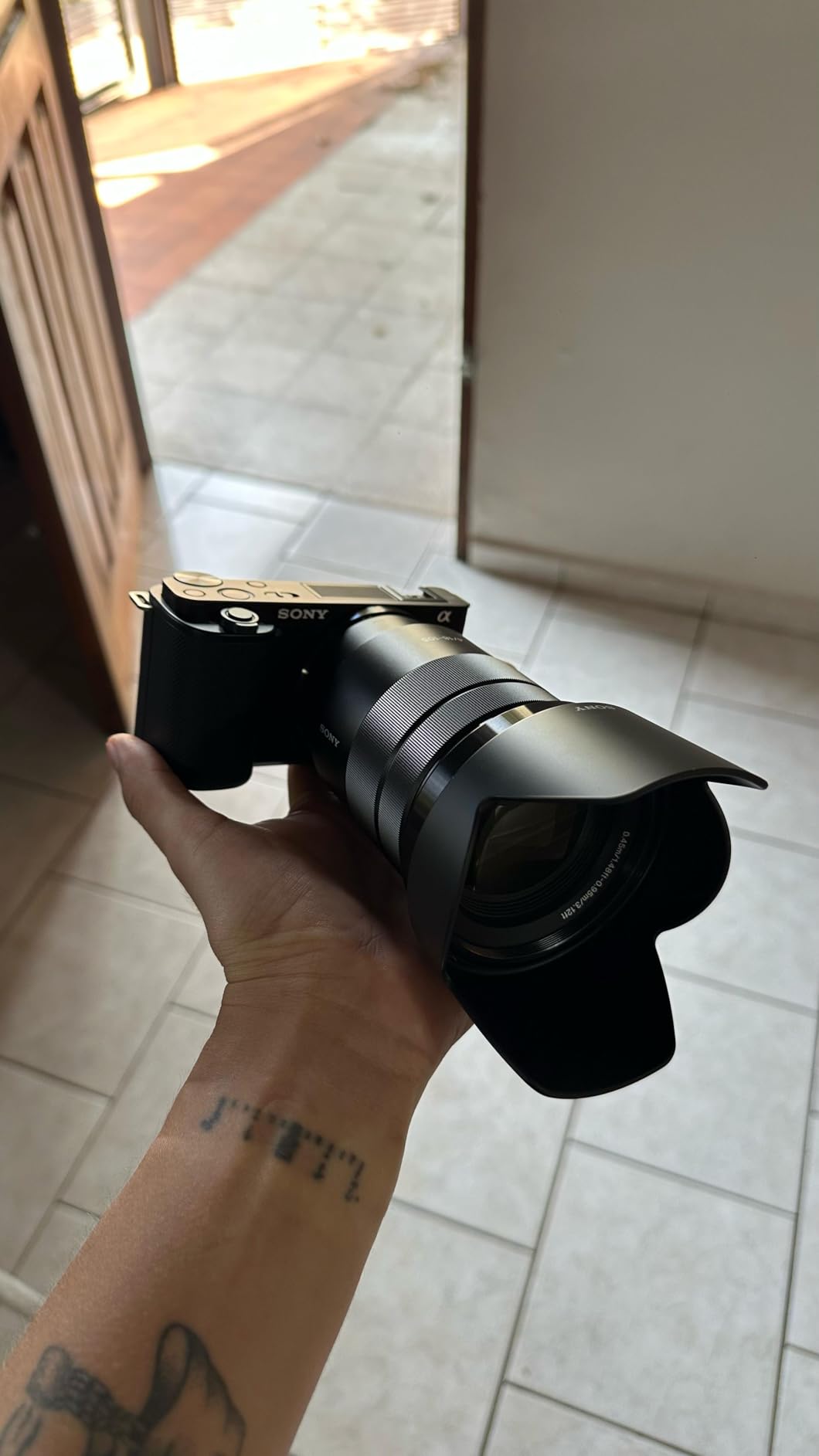
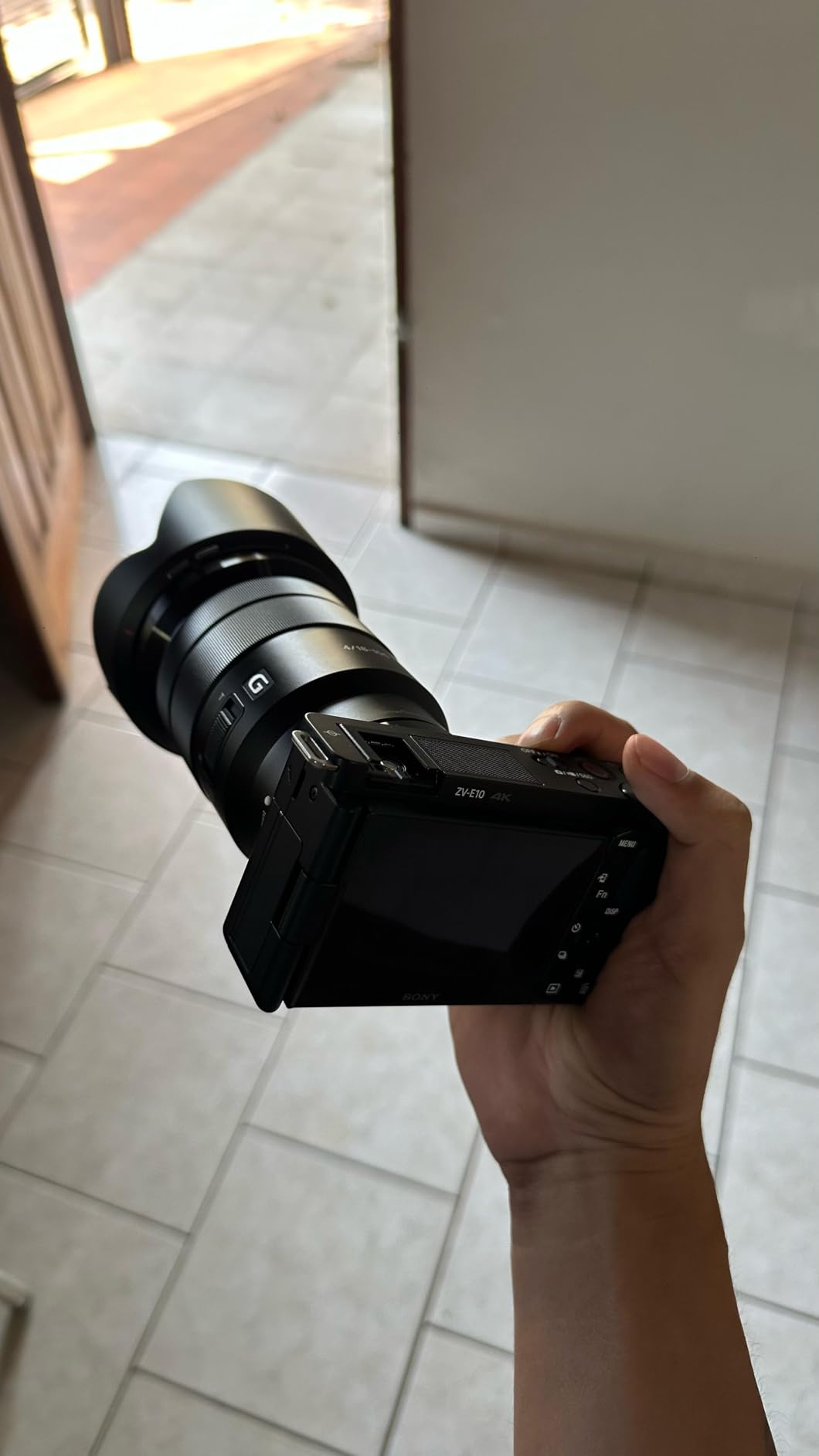
The Sony ZV-E10 is designed primarily for content creators and vloggers, but it has found a niche among wedding photographers who shoot hybrid photo and video coverage. The 4K video oversampled from 6K data is exceptional, and the same 24.2 megapixel Exmor sensor used in the a6400 means still image quality is also strong.
I used the ZV-E10 for same-day wedding edit videos during a recent event, and the footage quality impressed everyone involved. The Background Defocus button lets you instantly shift between sharp and shallow depth of field, which is handy for highlighting details like rings and floral arrangements.
The side-articulating screen flips out fully, making it easy to monitor framing when shooting video at unusual angles. This is genuinely useful for reception coverage where you might be holding the camera overhead or at waist level.
Fast Hybrid AF with face and eye priority keeps subjects sharp during both photo and video capture. The Product Showcase Setting, designed for quickly shifting focus between the presenter and the product, can be repurposed during wedding detail shots for smooth focus transitions.
The biggest drawback for wedding photography specifically is the lack of an electronic viewfinder. Composing still photos in bright sunlight using only the rear screen is challenging, and many wedding photographers find it difficult to work this way for an entire event.
This is also a renewed unit with a 90-day warranty rather than a full manufacturer warranty. That shorter coverage period is a consideration for equipment that will see heavy professional use.
Video-First Design for Hybrid Shooters
If your wedding business includes videography, the ZV-E10 is the most video-capable camera on this list. The directional 3-capsule microphone captures clean audio for ceremony vows, and the USB-C streaming output enables live broadcasting for couples who want to share their ceremony remotely.
The compact form factor means you can carry it alongside a primary photography body without adding significant weight or bulk to your bag. Many wedding videographers use it as a B-camera for wide ceremony coverage.
Renewed Purchase Considerations
Buying a renewed camera saves money, but you should understand the tradeoffs. The 90-day warranty is significantly shorter than the typical one-year manufacturer coverage on new cameras. Some renewed units may have cosmetic wear, though they are functionally tested and certified.
I recommend purchasing renewed gear from reputable sellers with strong return policies. Check the unit thoroughly upon arrival, test all autofocus features, and run through a full battery cycle before relying on it for paid work. Many photographers in wedding forums report excellent experiences with renewed Sony gear, but due diligence matters.
Buying Guide: How to Choose a Wedding Camera Under $1000?
Choosing the right camera for wedding photography involves understanding which features actually matter when you are standing in a dimly lit church with a processional about to start. Here is what I have learned matters most after years of shooting weddings.
Autofocus: The Single Most Important Feature
Autofocus reliability is non-negotiable for wedding photography. You are capturing once-in-a-lifetime moments with no opportunity for retakes. Look for cameras with phase-detection autofocus, multiple focus points, and ideally face or eye detection AF.
Cameras like the Sony a6400 with 425 AF points and Real-Time Eye AF set the standard in this price range. The Canon R50 and Nikon Z50 also offer capable hybrid AF systems with subject tracking. Cameras with basic autofocus systems like the Rebel T7’s 9-point array require more skill and patience to use effectively during fast-paced moments.
Low Light Performance and ISO Range
Wedding receptions are notoriously dark. You will frequently shoot in venues where ISO 3200 to 6400 is necessary just to maintain usable shutter speeds. Look for cameras with clean high-ISO performance and ranges that extend at least to 25600.
All seven cameras in this guide offer ISO ranges that handle most wedding lighting scenarios. The Nikon D7500 and Sony a6400 stand out for their low-light capabilities, with usable images well into the higher ISO ranges. Fast lenses matter just as much as sensor performance, so budget for f/1.8 or f/2.8 glass.
Lens Ecosystem: Think Beyond the Body
The camera body is only half the equation. The lens ecosystem you buy into determines your long-term upgrade path and your budget for quality glass. Canon EF and Nikon F mounts offer the largest selections of affordable used lenses. Sony E-mount has grown significantly and offers excellent third-party options from Sigma and Tamron.
A common recommendation from experienced wedding photographers on forums is to buy a slightly older professional model rather than a newer beginner camera. This gives you better build quality, more features, and access to professional-grade accessories that hold their value over time.
Single vs Dual Card Slots
None of the cameras in this price range offer dual card slots. For professional wedding work, this is the biggest risk factor. A single card failure means losing irreplaceable images from someone’s wedding day.
I manage this risk with a three-part strategy. First, I use high-quality, name-brand memory cards from reputable retailers. Second, I offload images to a laptop or portable drive during breaks in the wedding day. Third, I carry spare formatted cards and swap them between major segments of the day so a failure only affects part of the event rather than the whole thing.
Battery Life for All-Day Coverage
Wedding days are long. From getting ready in the morning to the last dance at night, you can easily shoot for 8 to 12 hours. DSLRs like the Nikon D7500 with its 950-shot battery life handle this with ease. Mirrorless cameras typically deliver 300 to 400 shots per charge, which means you need multiple spare batteries.
Factor the cost of spare batteries into your budget. For mirrorless cameras, plan on at least three batteries for a full wedding day. USB charging capability, available on most of these cameras, lets you top up from a power bank during slower moments.
Body or Lens First: Where to Invest
If you are working with a limited total budget, invest in quality lenses before upgrading your camera body. A great lens on a modest body will outperform a premium body with a cheap kit lens every time. A fast prime like a 50mm f/1.8 transforms your image quality for very little money.
I recommend starting with a versatile zoom for ceremony coverage and adding a fast prime for portraits and low-light reception work. This two-lens kit covers the vast majority of wedding photography needs and leaves room in your budget for the camera body itself.
FAQs
Can you shoot a full wedding with a camera under $1000?
Yes, absolutely. Cameras like the Nikon D7500 and Sony a6400 offer professional-grade autofocus, excellent low-light performance, and reliable build quality that handle full wedding days. The key is pairing the body with quality fast lenses and carrying spare batteries and memory cards for all-day coverage.
Do I need full frame for wedding photography?
No, full frame is not required for wedding photography. APS-C sensors in cameras like the Nikon D7500 and Sony a6400 deliver excellent image quality, good low-light performance, and beautiful results that satisfy wedding clients. Full frame offers advantages in extreme low light and shallow depth of field, but many successful wedding photographers shoot exclusively with APS-C bodies.
What is the biggest risk with budget wedding cameras?
The biggest risk with budget wedding cameras is the single memory card slot. If a card fails, you could lose irreplaceable wedding images. Mitigate this by using high-quality name-brand cards, offloading images during breaks, swapping cards between ceremony segments, and carrying formatted spares.
Should I buy a body or a lens first for wedding photography?
Invest in quality lenses first. A fast prime lens like a 50mm f/1.8 on a modest camera body will produce significantly better wedding images than a premium body paired with a basic kit zoom. Lenses also retain their value longer and carry forward when you upgrade your camera body.
What camera do most wedding photographers use?
Most professional wedding photographers use full-frame bodies from Canon, Sony, or Nikon, typically in the $2000 to $4000 range. However, many photographers started with APS-C bodies like the Nikon D7500 or Sony a6400 and successfully shot paid weddings with them before upgrading. The cameras in this guide are capable of professional results.
Final Thoughts on Budget Wedding Cameras
The best cameras under $1000 for wedding photography prove that you do not need a four-figure body to capture beautiful, professional-quality wedding images. The Nikon D7500 remains my top pick for its combination of pro-level image quality, weather sealing, and extraordinary battery life. The Sony a6400 offers the best autofocus system in this price range for photographers who prioritize focus tracking accuracy.
Whatever camera you choose, remember that great wedding photography comes from the photographer, not the gear. Invest time in learning your camera inside and out, practice in challenging lighting conditions before the wedding day, and always carry spare batteries and memory cards. Your skills and preparation will matter far more than any specification on a spec sheet.
Start with one of these cameras, pair it with a quality fast lens, and build your confidence shooting smaller events before taking on full wedding days. Every professional wedding photographer started somewhere, and these budget cameras are more than capable of delivering images your clients will cherish for a lifetime.