
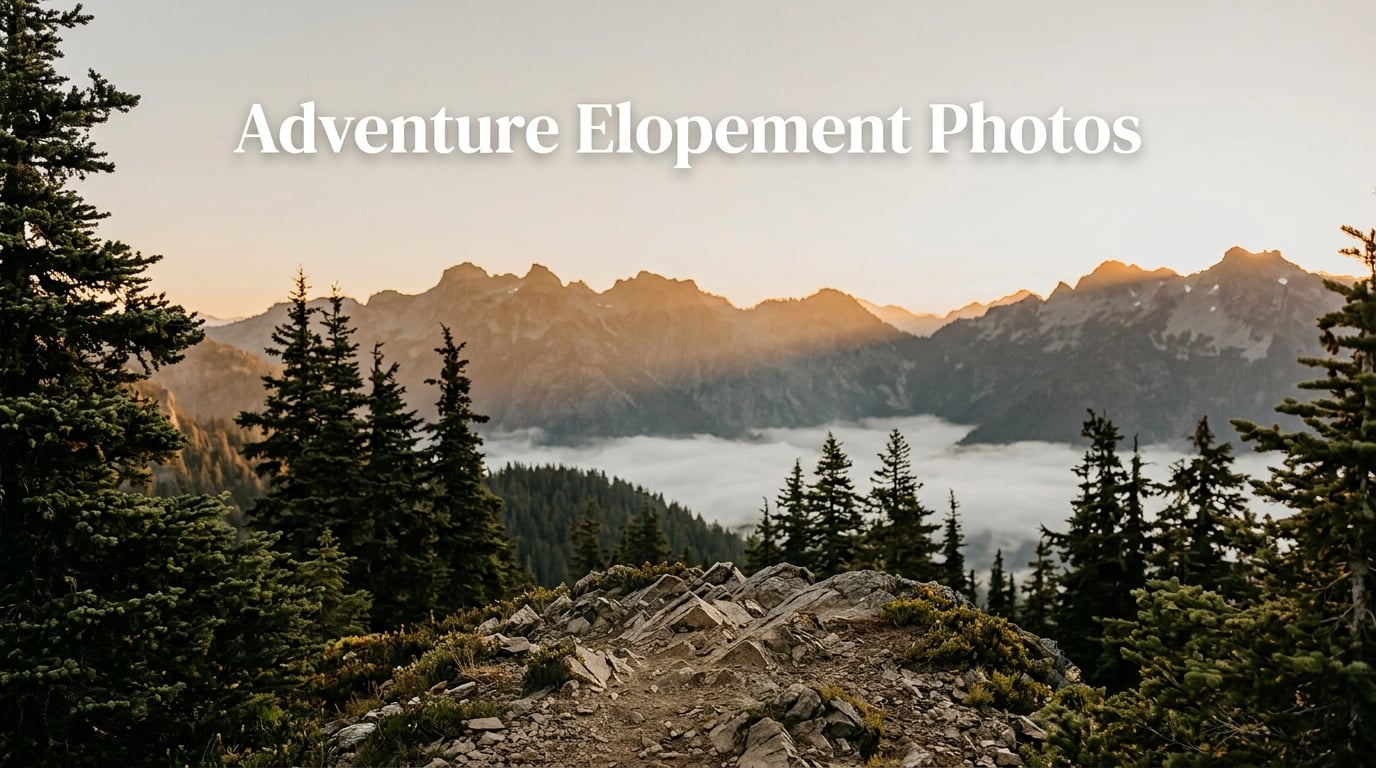
If you and your partner dream of saying your vows on a mountain ridge at sunrise, beside an alpine lake, or under a waterfall in the middle of nowhere, adventure elopement photos might be exactly what you have been looking for.
I have photographed couples in everything from desert canyons to coastal cliffs, and the one thing that always stands out is how real the emotion looks in those settings. There is no crowd watching, no schedule to follow, and no ballroom lighting to flatten the mood. Just two people, a wild landscape, and a story worth remembering.
In this guide, I will walk you through what adventure elopement photos really are, where couples are choosing to elope in 2026, what you should know before booking, and how to plan the day so nothing gets in the way of the experience.
By the end, you should have a clear picture of whether this style of wedding is the right fit for the two of you, and you will know exactly which steps to take next.
Table of Contents
What Is Adventure Elopement Photography
Adventure elopement photography is the art of documenting an intimate wedding ceremony in a scenic outdoor location, often reached by hiking, driving a backcountry road, or traveling to a destination far from home.
Unlike traditional wedding photography that happens in venues with controlled lighting and large guest lists, adventure elopement photos focus on a small ceremony, often just the couple and an officiant, set against dramatic natural scenery.
The photographer in this style does more than point a camera. I scout locations, help plan timelines around sunrise and sunset, watch the weather, and help couples navigate permits and logistics so the day feels easy instead of overwhelming.
Key Characteristics of This Style
Adventure elopement photos share a few traits that make them easy to recognize the moment you scroll through a gallery:
- Natural lighting and outdoor environments instead of flash-heavy indoor setups.
- Candid, documentary-style moments between the couple rather than stiff posing.
- Scenic landscapes like mountains, forests, deserts, coastlines, or canyons as the backdrop.
- Small ceremonies with few or no guests, often just the couple and their photographer.
- A storytelling approach that captures the full day, from getting ready to the final hike.
- Vow readings and first looks that feel private even when a photographer is present.
How It Differs From a Traditional Wedding
A traditional wedding usually involves a venue, a coordinator, a guest list of 80 to 200 people, and a tight hourly schedule. An adventure elopement flips almost every part of that around.
The focus shifts from entertaining guests to experiencing the day together. There is more flexibility on timing, more freedom to choose a remote location, and often less stress leading up to the event.
The result is a wedding day that feels personal, unhurried, and shaped around your relationship instead of around tradition or family expectations.
Why Couples Choose This Style
Couples choose adventure elopement photos for many reasons, but the most common ones I hear are pretty consistent across every consultation I take.
Some want to skip the pressure of a large guest list. Others feel called to a specific landscape that holds meaning for them. Many simply prefer investing in an experience over an event, and a few have been dreaming of an outdoor ceremony since they were kids.
Whatever the reason, the choice usually comes down to one thing: a desire for a wedding that feels authentic, intimate, and unforgettable for the right reasons.
Popular Locations for Adventure Elopement Photos
Where you choose to elope sets the entire tone of your gallery, so location matters more than almost anything else. Here are the most popular categories couples are choosing in 2026.
Mountain and Alpine Settings
Mountains remain the top choice for adventure elopement photos because they offer elevation, dramatic light, and unmatched views that no indoor venue can match.
Places like the Rocky Mountains in Colorado, the Tetons in Wyoming, the Cascades in Washington, and the Canadian Rockies in Banff and Jasper draw couples year after year. A sunrise ceremony at 10,000 feet with clouds below you makes for unforgettable images.
Best seasons for mountain elopements are late spring through early fall, depending on elevation. Winter mountain weddings are stunning but require extra planning around snow, cold, and shorter daylight hours.
Desert Landscapes
Deserts deliver warm light, red rock textures, and wide open skies that photograph beautifully in nearly any weather.
Moab in Utah, Sedona in Arizona, Valley of Fire in Nevada, and Joshua Tree in California are favorites for couples who want towering sandstone arches, slot canyons, and the kind of golden glow you only get in arid climates.
Spring and fall are ideal for desert elopements. Summer temperatures can push past 100 degrees, which makes heavy outfits and long ceremonies uncomfortable.
Coastal and Beach Locations
For couples who love the sound of waves, coastal elopements blend dramatic scenery with a relaxed, beachy feel.
The Oregon coast, Big Sur in California, the beaches of Hawaii, and the cliffs of Iceland all offer ocean backdrops that work in nearly every season.
Coastal weather can be unpredictable, so photographers usually plan around tide schedules and golden hour to avoid harsh midday sun and to capture the best colors in the sky.
Forest and Waterfall Scenes
Old-growth forests, mossy waterfalls, and quiet rivers create an intimate, fairytale-like mood for adventure elopement photos.
The Pacific Northwest, the Smoky Mountains, and parts of Scotland and Iceland are well known for these lush, green environments. Even smaller regional forests can deliver the same look without the travel.
Forests photograph best in overcast or soft light, which is great because most wooded areas naturally provide exactly that condition.
International and Bucket-List Destinations
Some couples skip the United States entirely and travel somewhere that has been on their bucket list for years.
Iceland, New Zealand, Patagonia, the Swiss Alps, and the Italian Dolomites top many lists. International adventure elopement photos often become once-in-a-lifetime trips that double as honeymoons.
Destination elopements usually require extra planning around travel, customs, marriage license requirements, and longer coverage hours from your photographer.
Accessible Local Options
You do not have to fly across the world to get stunning adventure elopement photos. Many regions have hidden gems within a short drive.
State parks, national forests, lakeshores, and even scenic overlooks can serve as the backdrop. The key is choosing a location that feels intentional to you, not just convenient.
Working with a photographer who knows your region well can uncover spots that tourists rarely visit, even within familiar states.
What Couples Should Know Before Booking
Before you book a photographer and pick a date, there are a few things every couple should understand about how adventure elopements actually work in 2026.
Accessibility Comes in Many Levels
Not every adventure elopement requires a 10-mile hike or technical climbing. Many couples choose locations that are a short walk from a parking lot, a scenic drive up a mountain road, or even a viewpoint reached by car.
If you are not big hikers, that is completely fine. Tell your photographer your comfort level, and they will find a location that still gives you stunning scenery and that real outdoor feel.
This is one of the biggest myths around adventure elopement photography. The adventure part is about the setting and the experience, not about how strenuous the hike is.
Permits and Legal Requirements
Most national parks, state parks, and even some beaches require permits for ceremonies, even small ones. These usually cost a small fee and need to be filed weeks or months in advance.
You will also need a marriage license from the county or jurisdiction where the ceremony takes place. Your photographer or planner can usually help point you in the right direction.
If you forget any of these details, the day can come to a quick halt, so build a checklist early and confirm everything well before you travel.
Weather and Backup Plans
Mountain weather can change fast. I have seen sunny mornings turn into hailstorms by the ceremony, and clear afternoons replaced by fog within minutes.
A good photographer will have a backup location or timeline in mind. Build flexibility into your day so a weather shift does not ruin the experience or your photos.
Always check forecasts the week of your elopement, and stay in close contact with your photographer about timing adjustments if needed.
Cost Ranges to Expect
Adventure elopement photography typically costs more than a standard wedding package because it includes travel time, location scouting, and longer coverage hours.
Most photographers in this niche charge between a few thousand dollars for a local half-day to significantly more for multi-day destination coverage. Always ask what is included, such as travel fees, prints, or an album.
Pricing varies widely based on experience, region, and how involved your photographer is in the planning process. A higher price often reflects more guidance and a more polished final gallery.
Including Family or Guests
Just because you are eloping does not mean everyone has to stay home. Many couples invite a handful of guests, usually under 15, to witness the ceremony in person.
Others include family through livestream, a recorded video, or by hosting a small reception after returning home. There is no wrong way to do it as long as it feels right to both of you.
Some couples also choose to have a hybrid day, where they hold a small outdoor ceremony with a few loved ones and then celebrate with a larger gathering later at home.
Choosing the Right Photographer
The photographer you choose matters more than the location, the outfit, or even the weather. Look at full galleries, not just highlight reels, and make sure the style matches what you want.
Adventure elopement photographers tend to be planners as well as artists. They help with timelines, scout the best spots, and adjust when things change on the day.
Ask about their process, what happens if the weather shifts, and how they help with permits. The right fit will make the entire experience smoother and far less stressful.
How to Plan and Prepare for Adventure Elopement Photos
Planning an adventure elopement takes less effort than planning a traditional wedding, but it still needs structure. Here is how I guide my couples through the process from start to finish.
Step 1: Choose Your Location First
Pick the setting before you book anything else. Your location will determine the season, permits, travel needs, and even which photographer makes the most sense.
Think about what scenery feels meaningful to both of you. Mountains, desert, ocean, forest, or somewhere entirely personal like the place you had your first date.
Once the location is locked in, every other decision falls into place more naturally.
Step 2: Hire a Photographer Who Specializes in This Work
Adventure elopement photography is a specific skill set. You want someone who knows how to work in remote locations, plan around natural light, and capture authentic moments.
Look at full galleries, not just highlight reels. Read reviews. Make sure their style matches what you want, and confirm they are comfortable with your chosen terrain.
Most adventure elopement photographers book out months in advance, so reach out early, especially for popular seasons.
Step 3: Build a Loose Timeline
Plan around golden hour. Sunrise and sunset give the best light for outdoor photography, so most adventure elopement photos are scheduled around those windows.
Leave room for travel time between the getting-ready location, ceremony spot, and any portrait sessions. Realistically, things always take a little longer in remote places.
A loose timeline reduces stress and creates space for spontaneous moments, which often turn out to be the best photos of the day.
Step 4: Plan What You Will Wear and Carry
Wear something that lets you move. Flowy dresses, comfortable shoes for hiking, and layers for changing temperatures are all smart choices for outdoor ceremonies.
Bring water, snacks, a backup pair of socks, and any small ceremony items like vows, rings, or a bouquet. A small daypack with the basics saves time and stress.
Avoid overly heavy or trailing outfits unless you are certain the terrain can handle them. Practical always looks better than uncomfortable in photos.
Step 5: Get Your Paperwork in Order
Apply for your marriage license early. Confirm permits. Make sure your officiant is legally recognized in the state or country where you plan to marry.
Handle these details weeks ahead so the day itself stays calm and focused on the experience rather than the logistics.
Some jurisdictions also require witnesses or signed documents. Your photographer or planner can help confirm what your specific location needs.
Step 6: Trust Your Photographer on the Day
Once the plan is set, let go. Your photographer knows the light, the angles, the timeline, and the location. The best adventure elopement photos happen when couples stop worrying about logistics and just enjoy the moment.
Be present with each other. Laugh, cry, hold hands, and trust the process. The photos will reflect exactly that connection when the day is over.
Frequently Asked Questions
What does an adventure elopement photographer actually do?
An adventure elopement photographer handles more than just taking pictures. They help you choose a location, plan a timeline around the best light, scout the area, handle permit guidance, and capture your ceremony and portraits in a remote outdoor setting. Many also offer help with travel logistics so the day runs smoothly.
How much should a photographer charge for an elopement?
Adventure elopement photography typically starts around a few thousand dollars for a local half-day session and goes up from there depending on travel, hours of coverage, and whether you receive an album or prints. Destination and multi-day coverage usually costs more because of added travel time and planning.
What are the downsides of eloping?
Some family members may feel hurt about not being invited. Weather can disrupt outdoor plans. Permits and legal paperwork take time. And remote locations can be physically demanding if not planned carefully. The good news is that clear communication, a backup plan, and a flexible timeline solve most of these issues.
Do we have to hike for adventure elopement photos?
No, you do not have to hike at all. Many adventure elopement locations are reached by a short walk from a parking lot, a scenic drive, or even a drive-up overlook. Tell your photographer your comfort level and they will match a location that still feels wild and beautiful.
How far in advance should we book our adventure elopement photographer?
For popular national parks and well-known photographers, plan to book 9 to 12 months ahead. For less crowded locations or off-season dates, 3 to 6 months is usually enough. Permits and marriage licenses should also be handled weeks before the ceremony.
Can we include guests in our adventure elopement?
Yes. Many couples invite a handful of guests, often under 15, to attend the ceremony in person. Others include family through livestream, recorded video, or by hosting a small reception after returning home. There is no single right way to do it as long as it feels true to both partners.
Final Thoughts on Adventure Elopement Photos
Adventure elopement photos are about more than dramatic scenery. They are about choosing a wedding day that reflects who you are as a couple and what you value together.
If you want a ceremony that feels personal, intimate, and surrounded by the kind of beauty a ballroom could never offer, this style is worth exploring in 2026. Start by picking a location that excites you, then build the rest of the day around it.
Our team at Kingdom Wedding Photography would love to help you plan, scout, and capture your adventure elopement photos wherever your story takes you, whether that means a nearby overlook or a destination across the world.