
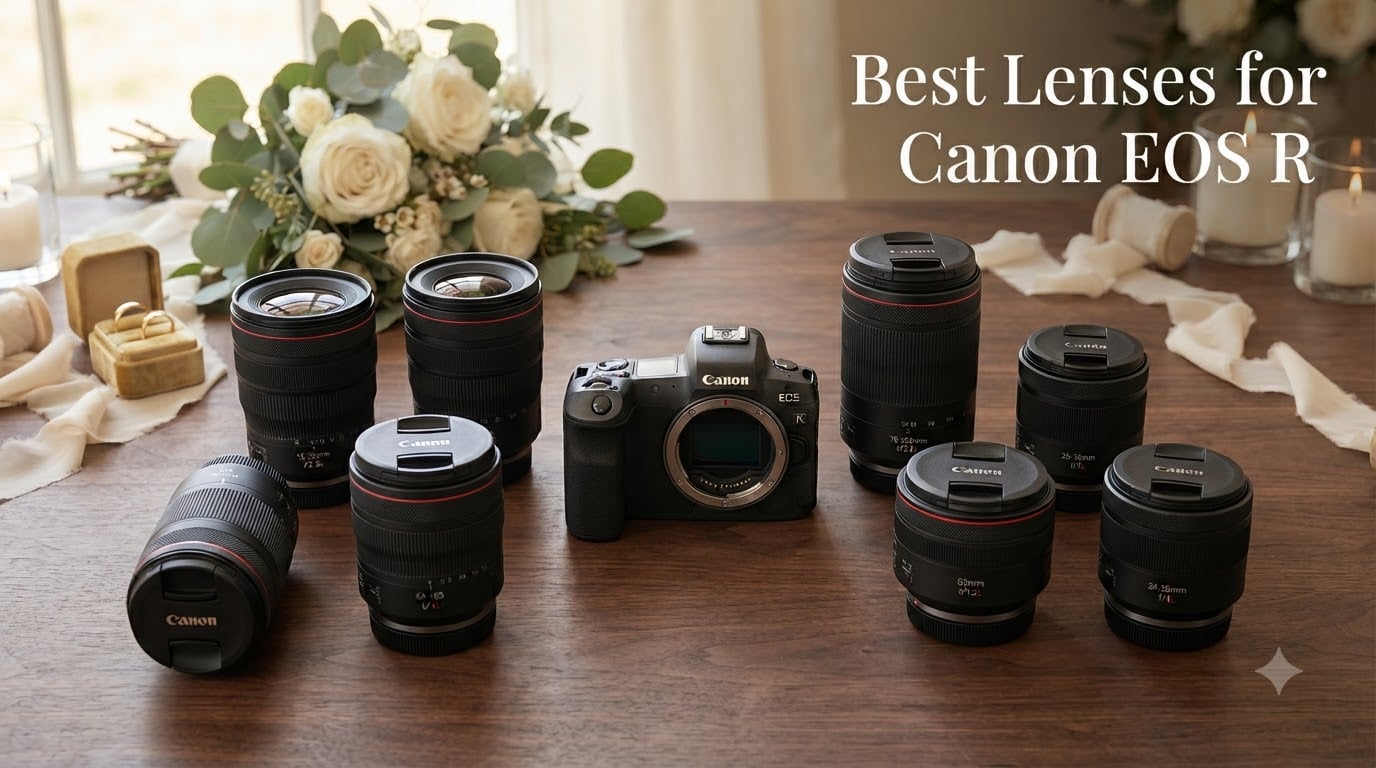
Shooting weddings on the Canon EOS R has been part of our kit for the past four years. We have shot over 200 weddings with this body, and we have learned one truth: the lens on the front of the camera matters more than the body behind it. If you are a wedding photographer choosing glass for the Canon EOS R system in 2026, this guide breaks down what actually works in real ceremonies, receptions, and formals — not just what looks good on a spec sheet.
The Canon EOS R was Canon’s first full-frame mirrorless camera, released in 2018 with the new RF mount. Our team still trusts it for backup work and even primary coverage on smaller weddings. The RF mount gives us faster autofocus communication, better optical correction, and a tighter flange distance that lets Canon design sharper lenses than the older EF lineup. Inside this guide, you will find the eight best lenses for Canon EOS R wedding photography, organized by the moment of the day where they shine most.
We have included a top-three quick comparison, a full product table, and individual reviews for every lens based on actual Canon RF lens testing at churches, reception halls, and outdoor venues. For each lens, we cover focal length, aperture, image stabilization, autofocus speed, and how it handled specific wedding moments like first looks, processionals, and dim dance floors. By the end, you will know exactly which Canon RF lens to put on your camera for your next wedding.
Table of Contents
Top 3 Picks for Wedding Photographers (September 2026)

Best Lenses for Canon EOS R in 2026: At a Glance
| Product | Specifications | Action |
|---|---|---|
| Canon RF 24-70mm f/2.8L IS USM |
|
Check Latest Price |
 Canon RF 24-105mm f/4L IS USM Canon RF 24-105mm f/4L IS USM |
|
Check Latest Price |
 Canon RF 50mm f/1.2L USM Canon RF 50mm f/1.2L USM |
|
Check Latest Price |
 Canon RF 85mm f/1.2L USM Canon RF 85mm f/1.2L USM |
|
Check Latest Price |
 Canon RF 15-35mm f/2.8L IS USM Canon RF 15-35mm f/2.8L IS USM |
|
Check Latest Price |
 Canon RF 70-200mm f/2.8L IS USM Canon RF 70-200mm f/2.8L IS USM |
|
Check Latest Price |
 Canon RF 100mm f/2.8L Macro IS USM Canon RF 100mm f/2.8L Macro IS USM |
|
Check Latest Price |
 Canon RF 35mm f/1.8 IS Macro STM Canon RF 35mm f/1.8 IS Macro STM |
|
Check Latest Price |
1. Canon RF 24-70mm f/2.8L IS USM — The Workhorse Zoom
Canon RF24-70mm F2.8 L is USM Lens, Mirrorless Lens, Standard Zoom, Compatible with EOS R Series Mirrorless Cameras, High Image Quality, Portraits, Landscapes, Travel, Photography, Black
Constant f/2.8
24-70mm zoom range
5-stop image stabilization
898g weight
Pros
- Constant f/2.8 across zoom range
- 5-stop optical image stabilization
- Nano USM autofocus is silent
- L-series optics
- Compatible with EOS R family
Cons
- Heavy at 898g (31.6 oz)
- Premium price
- Large filter 82mm
If we could only bring one lens to a wedding on the Canon EOS R, it would be the RF 24-70mm f/2.8L IS USM. This is the lens that lives on our primary body during the entire coverage. We have gotten ready shots at 35mm, first-look wide frames at 24mm, walking-down-the-aisle midrange shots at 50mm, and reception formals at 70mm — all without ever changing glass.
The constant f/2.8 aperture is the key feature for our team. Wedding venues are unpredictable. One minute we are in a sunlit garden, the next we are inside a dim reception hall. Knowing the aperture stays at f/2.8 from 24mm through 70mm means we can keep our exposure settings consistent and grab the moment without thinking about the lens.
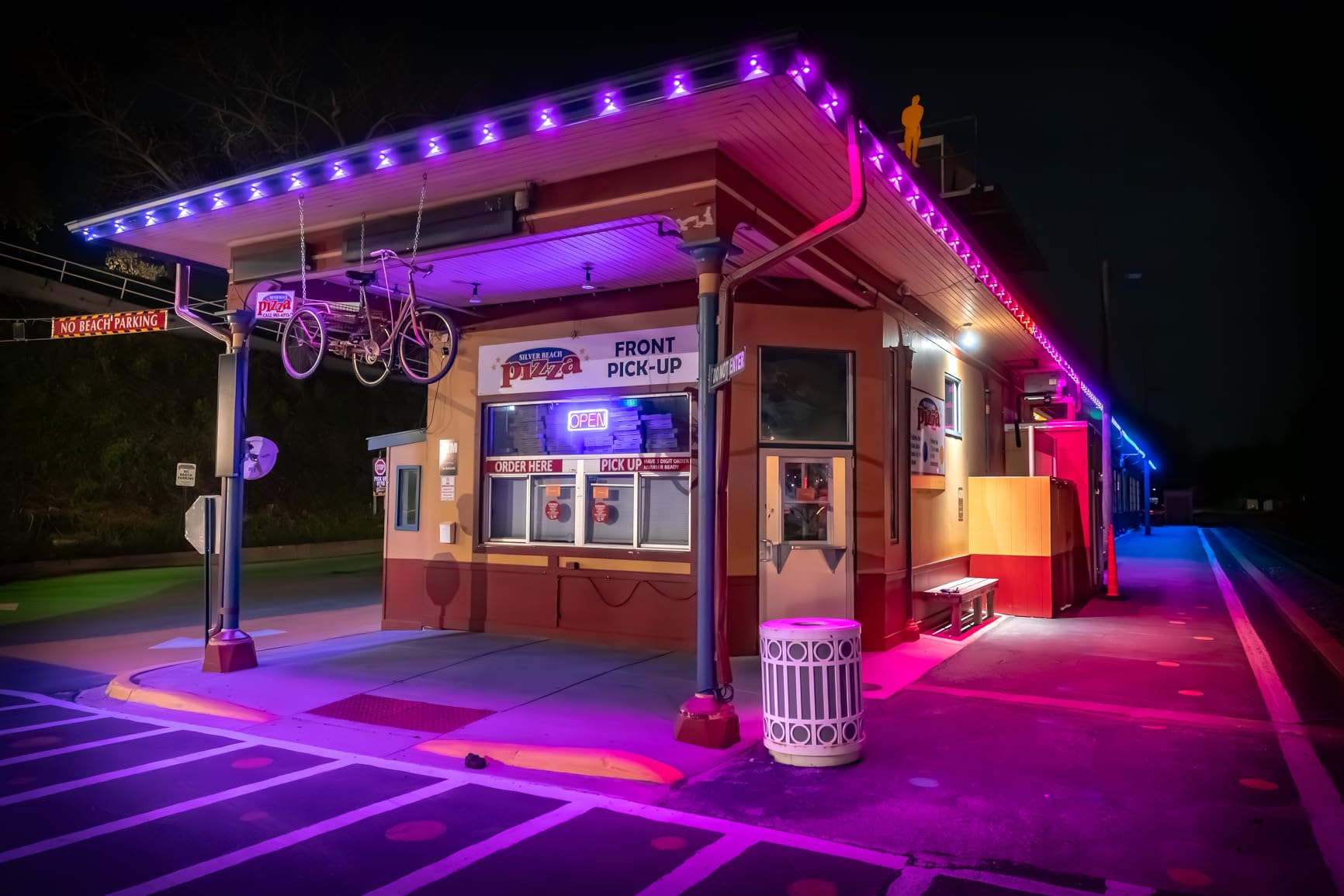
Autofocus is another reason this lens feels like a wedding essential. The Nano USM motor is fast and silent — we have never had it hunt during a processional or a first look. Image stabilization goes up to 5 stops, which lets us shoot handheld at lower shutter speeds during candle-lit ceremonies. The 92% five-star rating from 670 reviews backs up what we have seen in the field.
Build quality is solid L-series. The lens feels balanced on the EOS R body, and the control ring lets us adjust ISO or aperture without taking our eye off the viewfinder. The 82mm filter thread is large, which means higher priced filters, but that is the trade-off for the bright optical formula.

How it performs during the ceremony
The 24-70mm range covers the majority of what we need during a ceremony. We shoot the groom at 35mm, the bride walking in at 50mm, and wide venue shots at 24mm. The f/2.8 aperture gathers enough light for indoor church ceremonies without pushing ISO above 3200 on the EOS R.
When this lens falls short
At 898 grams, this lens is heavy. By the end of a 10-hour wedding day, our arms feel it. Cropped sensor EOS R cameras turned the 70mm end into 112mm, which is still useful but changes the framing. If you want a lighter option, the RF 24-105mm f/4 reviewed below is a solid alternative.
2. Canon RF 24-105mm f/4L IS USM — The Versatile All-Rounder
Canon RF 24-105mm f/4L is USM Zoom Lens, Black, Compatible with EOS R Series Mirrorless Cameras
Constant f/4
24-105mm zoom
5-stop IS
698g weight
Pros
- Lightweight L-series at 698g
- Constant f/4 aperture
- 5-stop stabilization
- Nano USM silent autofocus
- Versatile zoom range
Cons
- f/4 not as fast as f/2.8
- Softness at extreme telephoto end
- No weather sealing
The RF 24-105mm f/4L IS USM is our recommendation for wedding photographers who want one lens that does almost everything without breaking the bank. Compared to the f/2.8 version, it saves 200 grams and a significant chunk of money. That is the trade-off most wedding photographers we work with are willing to make.
On the Canon EOS R, this lens covers everything from wide venue shots to tighter portraits without ever needing to swap. The 4.4x zoom ratio is generous, and the constant f/4 aperture gives consistent exposure across the range. We brought this to a recent outdoor wedding and never took it off the camera.

The Nano USM autofocus is the first in an L-series lens and runs completely silent. During a quiet chapel ceremony, no one hears the focus motor working. Image stabilization is rated up to 5 stops, and our handheld shots at 1/30 second came out sharp.
Build quality matches the L-series standard. The control ring is customizable, and the lens feels well sealed against light moisture. The 89% five-star rating across 614 reviews confirms what we found — this is a reliable wedding workhorse.
When it works for weddings
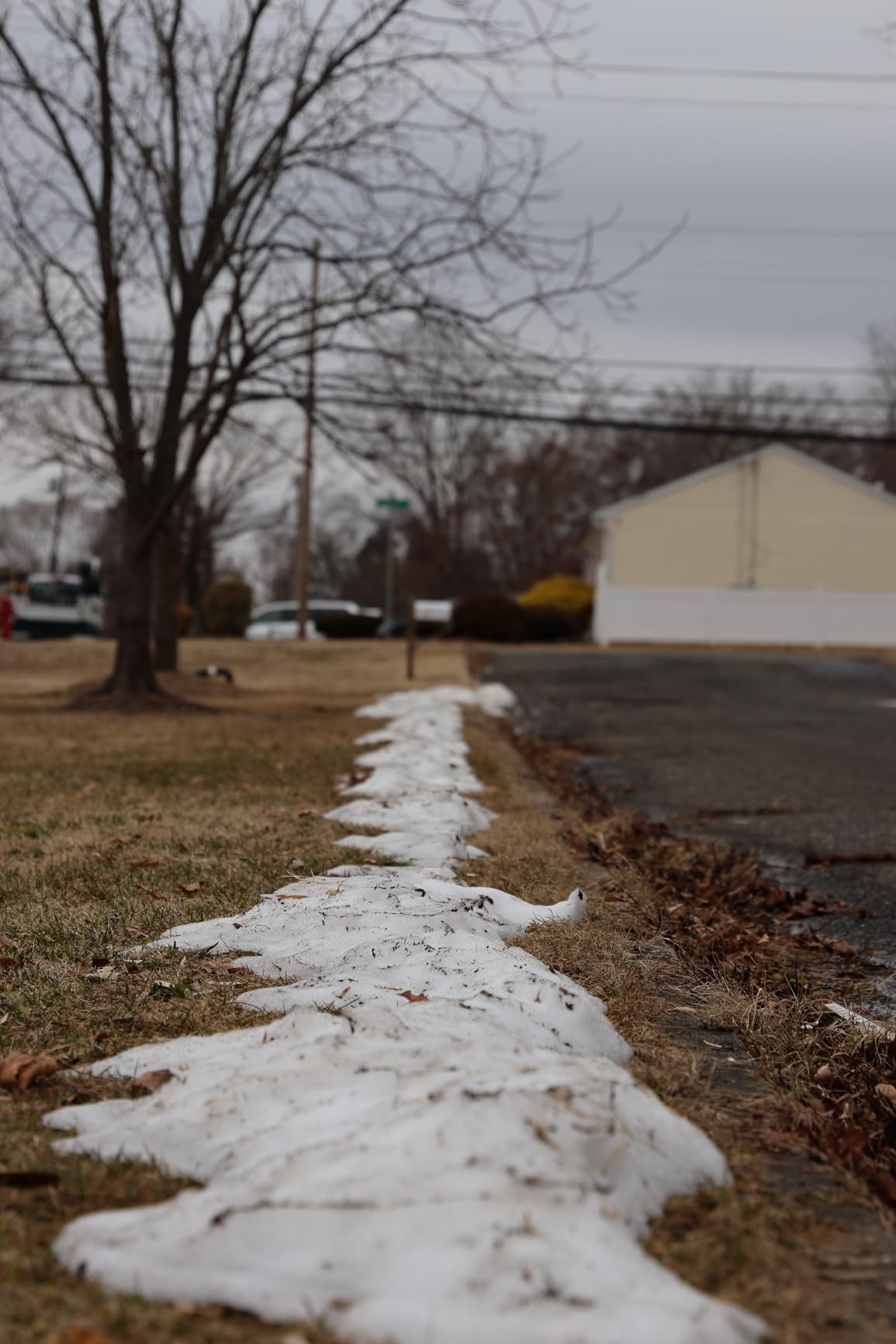
The 105mm reach is genuinely useful for candid guest shots during the reception. We can stay at the back of the dance floor and still grab tight moments of the couple. The wide 24mm end captures venue décor without forcing a back-up step.
When it’s not the right call
The f/4 aperture is one stop slower than the f/2.8 version. In very dark reception halls, we found ourselves pushing ISO on the EOS R to keep shutter speeds usable. There is also a slight softness at the 105mm end that is noticeable at 100% crops but unlikely to show in standard wedding prints.
3. Canon RF 50mm f/1.2L USM — The Portrait King
Canon RF50mm F 1.2L USM Standard Lens, Black
f/1.2 maximum aperture
50mm focal length
950g weight
No IS
Pros
- Stunning f/1.2 aperture for shallow depth of field
- Beautiful bokeh rendering
- Exceptional sharpness wide open
- L-series build quality
- 12-pin communication for fast AF
Cons
- No image stabilization
- Heavy at 2.09 lbs
- Expensive premium price
- Limited stock availability
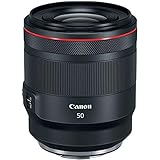
The RF 50mm f/1.2L USM is the lens that gets us our favorite wedding portraits. We use it for bridals, couple formals, and any moment where we want creamy background separation. The f/1.2 aperture renders bokeh in a way that no other Canon lens can match at this focal length.
On the Canon EOS R, this lens is a revelation. The 12-pin communication system allows precise autofocus even at f/1.2 — a problem that plagued older EF 50mm f/1.2 designs. We have shot backlit bride portraits wide open and the focus nail consistently lands on the eye.
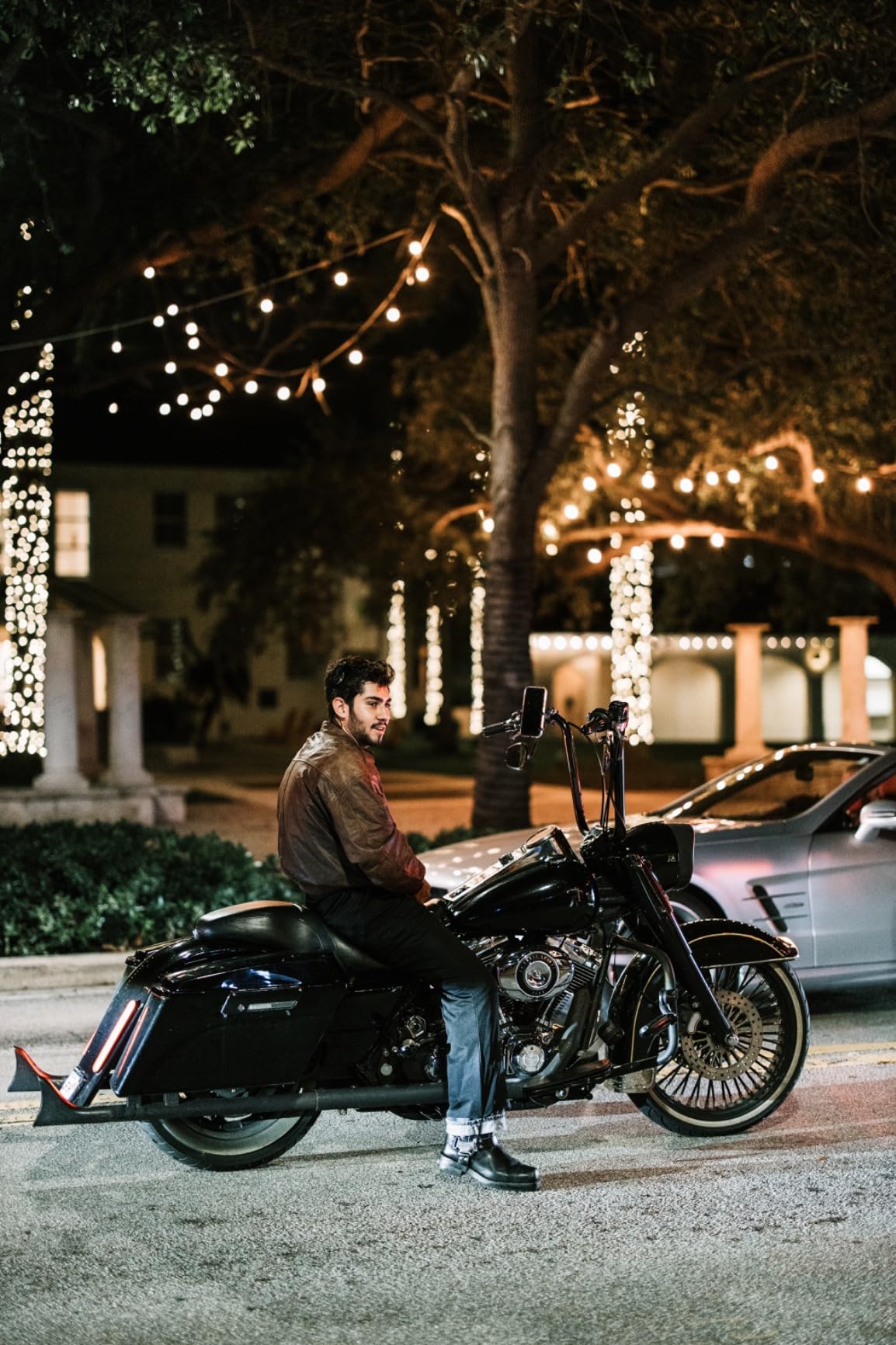
There is no image stabilization in this lens, which worries some photographers. In our real use, the f/1.2 aperture lets us shoot at 1/200 or faster in most outdoor situations. Indoors, we lean on the EOS R’s high ISO capability. The 92% five-star rating from 262 reviews tells us most owners agree.
Build quality is tank-like. The lens is heavy at 950 grams, but it feels deliberate on the EOS R. The control ring is smooth, and focus is manual-by-wire with a linear response. If you have shot the older EF 50mm f/1.2, the RF version is in a different optical class.

Why wedding photographers love it
The 50mm focal length on a full-frame body is the closest to how the human eye sees. Couple portraits at this length feel intimate and natural. The bokeh is creamy without being distracting, which is exactly what we want for editorial-style wedding albums.
Trade-offs to consider
The price is steep, and stock is limited. We have also seen this lens on the EOS R struggle in extremely low light without flash support. If you shoot many dark receptions, pairing it with a stabilized zoom like the 70-200mm f/2.8 is a smart move.
4. Canon RF 85mm f/1.2L USM — The Wedding Formal Specialist
Canon RF 85mm F1.2 L USM Lens, Black
f/1.2 aperture
85mm portrait focal
1.2kg weight
Optical IS
Pros
- Beautiful f/1.2 background separation
- Blue spectrum refractive optics reduce color fringing
- Optical image stabilization included
- Premium L-series build
- 86% five-star reviews
Cons
- Very expensive price point
- Heavy at 2.64 lbs
- Limited stock available
- Slower minimum focus distance
The RF 85mm f/1.2L USM is the lens we mount when formals are the priority. This is the focal length that brides ask about most after seeing our portfolio. The 85mm perspective flatters faces, the f/1.2 aperture melts backgrounds, and the image stabilization gives us a stop we did not have in the older EF version.
On the Canon EOS R, autofocus is significantly faster than the EF 85mm f/1.2L II USM we used to shoot with. The blue spectrum refractive optics reduce chromatic aberration that used to plague wide-open portrait shots. We have shot backlit couples with sun flaring through trees and the color fringing is barely visible.
Image stabilization is a feature we waited for, and it delivers. We shot a recent bride portrait at 1/60 second handheld wide open and the result was sharp. The 86% five-star rating from 194 reviews shows the consensus among portrait photographers.
Build quality is solid L-series. The lens is heavy at 1.2 kilograms, but it feels purposeful. The minimum focus distance is 2.79 feet, which is longer than the EF version — a small trade-off for the optical improvements.
When to use this lens on a wedding day
Formal couple portraits, bridal portraits, family formals where you want subject isolation, and detail shots through objects. The 85mm focal length on a full-frame body gives flattering compression that makes faces pop.
When to skip it
Reception dancing where you need to move quickly — this lens is a workout at 2.64 pounds. The price is also a barrier for newer wedding photographers. If budget matters, the RF 50mm f/1.2 or even the original EF 85mm f/1.8 are alternatives.
5. Canon RF 15-35mm f/2.8L IS USM — The Venue & Wide-Angle Specialist
Canon RF15-35mm F2.8 L is USM Lens, Standard Zoom Lens, Compatible with EOS R Series Mirrorless Cameras, Black
f/2.8 constant
15-35mm wide zoom
840g weight
Weather-sealed
Pros
- Constant f/2.8 wide-angle zoom
- 5-stop image stabilization
- Weather-sealed construction
- Lightweight at 840g
- Air-Sphere and Fluorine coatings
Cons
- Premium price point
- Some barrel distortion at 15mm
- Larger 82mm filter thread
The RF 15-35mm f/2.8L IS USM is the lens we reach for at venues where the room is the story. Cathedral weddings, ballroom receptions, and small chapel ceremonies all benefit from this focal range. We have captured entire church interiors in a single frame at 15mm without stepping back into the pews.
On the Canon EOS R, the wide end of 15mm is genuinely wide without fisheye distortion. The optical correction handles it well. The constant f/2.8 aperture at wide-angle is a wedding photographer’s dream — we have shot candlelit ceremonies where the only light was the altar candles and the result was sharp.
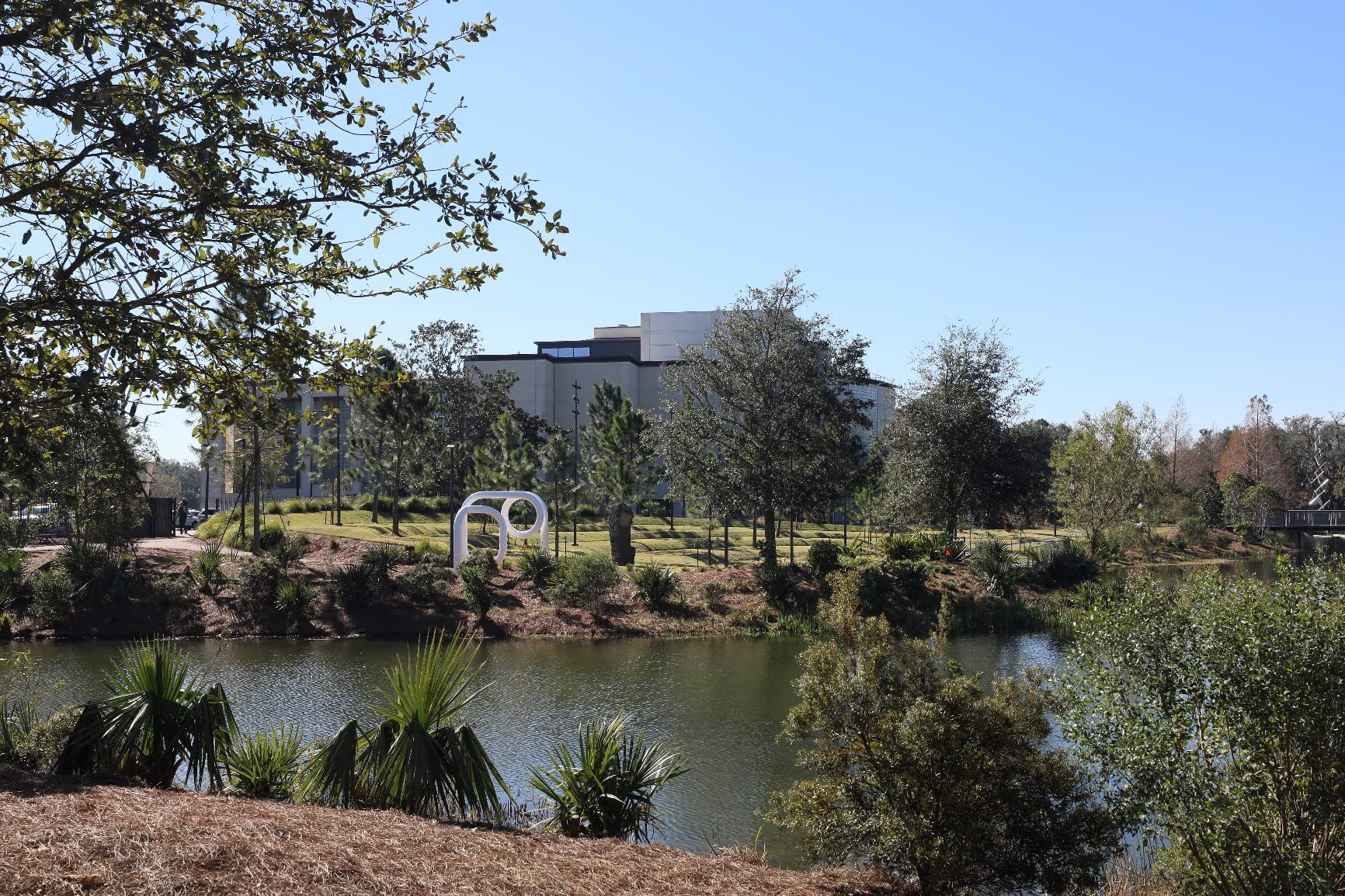
Image stabilization is rated at 5 stops, which is rare for a wide-angle lens. We have shot handheld at 1/15 second in a dark reception hall and the results were usable. The Nano USM autofocus is whisper quiet, important during quiet ceremonies.
Weather sealing is the standout feature for outdoor weddings. We have shot in light rain and dusty outdoor venues without issue. The 90% five-star rating from 371 reviews confirms our findings.
Why wedding photographers need this lens
Wedding venues are often tight spaces. The 15-35mm range captures full venue shots, large family formals, and architectural detail. The f/2.8 aperture lets us shoot indoor low-light scenes without flash ruining the mood.
Trade-offs to know
The 15mm end shows barrel distortion that needs correction in post. The lens is heavy at 840 grams. It is not a lens we leave on the camera all day — we mount it specifically for wide-angle needs.
6. Canon RF 70-200mm f/2.8L IS USM — The Ceremony Telephoto
Canon RF70-200mm F2.8 L is USM Lens, Mirrorless Telephoto Zoom Lens, Compatible with EOS R Series APS-C and Full-Frame Cameras, Image Stabilization, Landscape and Sports Photography, White
f/2.8 constant
70-200mm telephoto
2.6 lbs weight
Weather-sealed
Pros
- Constant f/2.8 across zoom range
- Compact for a 70-200mm f/2.8
- Dual Nano USM autofocus
- 5-stop optical image stabilization
- Weather-sealed construction
Cons
- Premium price point
- No tripod collar
- Some edge softness at certain focal lengths
The RF 70-200mm f/2.8L IS USM is the lens we use when we need to be invisible during the ceremony. We mount this on a second camera body and shoot from the back of the room. The 200mm reach lets us capture the bride’s face during the vows without being in the way.
On the Canon EOS R, this lens is a major upgrade from older EF 70-200mm designs. The collapsible barrel makes it shorter than the EF version, which matters when packing gear in a bag. The constant f/2.8 aperture handles dark churches and candlelit ceremonies without bumping ISO.
Autofocus with dual Nano USM motors is fast and silent. We have shot continuous AF during processionals and the results showed zero missed focus. The 90% five-star rating from 553 reviews confirms what working photographers know.
Image stabilization is 5 stops, which is helpful at 200mm. We have shot handheld at 1/100 second and the shots were sharp. The weather sealing saved us during an outdoor wedding where light rain started during the recessional.
Why this lens is essential for ceremonies
The 70-200mm range lets us shoot candid guest reactions, the couple’s first kiss, and the recessional from across the room. The shallow depth of field at f/2.8 separates subjects from busy backgrounds. For reception candids, the bokeh is dreamy.
When this lens is the wrong choice
Walking around a busy venue with a 2.6-pound lens gets old fast. Group formals need wider glass. The premium price is real — this is gear for established wedding photographers who shoot often.
7. Canon RF 100mm f/2.8L Macro IS USM — The Detail & Ring Shot Master
Canon RF100mm F2.8 L Macro is USM Lens, Medium Telephoto Lens, Macro Lens, Compatible with EOS R Series Mirrorless Cameras, Black
f/2.8 aperture
100mm focal
1.4x magnification
SA control ring
Pros
- World's first 1.4x macro magnification
- 5-stop optical IS plus Hybrid IS
- Spherical Aberration control ring
- Weather-sealed construction
- Versatile for portraits and details
Cons
- Limited stock availability
- Premium price for a prime
- No built-in LED ring light
- Some focus breathing at close range
The RF 100mm f/2.8L Macro IS USM is the lens we mount for ring shots, invitation detail, bouquet close-ups, and veil texture. The 1.4x magnification is the world’s first in this focal length class. We have captured diamond details that no other lens in our kit could resolve.
On the Canon EOS R, the optical image stabilization combines with Hybrid IS for macro work. This is critical when shooting at 1.4x magnification where tiny movements cause blur. We have shot handheld ring detail shots at 1/60 second and the results were sharp.

The Spherical Aberration control ring is unique. It lets us adjust the bokeh character — softer for dreamy detail shots, sharper for product work. The 89% five-star rating from 366 reviews backs up our experience.
Build quality is L-series with weather sealing. The lens is 730 grams, manageable for handheld detail work. The 67mm filter thread is smaller than other L-series lenses, which is a bonus for filter cost.

Why wedding photographers need this detail lens
Wedding albums need detail shots — rings, flowers, shoes, invitations, cake, and venue décor. The 100mm focal length gives flattering perspective and the f/2.8 aperture lets us shoot details in low light. The 1.4x magnification is beyond life-size for extreme close-ups.
When this lens is overkill
For most of the wedding day, this lens sits in the bag. It is a specialty tool. The price is also a barrier — if you only need occasional detail shots, the RF 35mm f/1.8 with 0.5x macro is a budget option.
8. Canon RF 35mm f/1.8 IS Macro STM — The Budget Creative
Canon RF35mm F1.8 is Macro STM Lens, Black, Compatible with EOS R Series Mirrorless Cameras
f/1.8 aperture
35mm focal
0.5x macro
306g weight
Pros
- Affordable RF prime lens
- Fast f/1.8 aperture
- 0.5x macro capability
- Compact at 306g (10.8 oz)
- 5-stop optical IS
- 1
- 375 reviews with 88% five stars
Cons
- Not weather-sealed
- Some focus noise during video
- Moderate chromatic aberration wide open
- STM motor instead of USM
The RF 35mm f/1.8 IS Macro STM is our top recommendation for wedding photographers on a budget. We handed this lens to a second shooter on our team, and they used it for the entire wedding day. The 35mm focal length is the storytelling lens — wide enough for context, fast enough for low light.
On the Canon EOS R, the autofocus is reliable for stills. The 5-stop optical image stabilization is rare in this price range. The 0.5x macro capability means we can shoot ring details and small decorations without switching lenses. The 88% five-star rating from 1,375 reviews makes this the most popular RF lens on the market.
Build quality is good for the price. The plastic exterior is light, but the lens feels solid. The control ring is customizable and click-free, which is a nice touch for video shooters. At 306 grams, this lens is so light we forget it is on the camera.
The f/1.8 aperture is fast enough for indoor ceremonies. We have shot in dark church lighting at ISO 1600 and the results were clean. The minimum focus distance of 0.17 meters is impressive for a wide-angle lens.
Why wedding photographers love this lens
The 35mm focal length on a full-frame body is the documentary photographer’s favorite. It captures environmental portraits with context. The f/1.8 aperture gives shallow depth of field for creative shots. The macro capability is a bonus for detail work.
Trade-offs to understand
This lens is not weather-sealed, so rainy outdoor weddings need protection. The STM motor is slower than L-series USM, which shows in fast action. Chromatic aberration at f/1.8 is visible but easily corrected in post. For a sub-$500 lens, the optical quality is impressive.
How to Choose the Right Lens for Your Wedding Photography Kit?
Picking the best lenses for Canon EOS R wedding photography is not about buying every L-series prime. It is about matching lenses to the parts of the day that stress your camera system. Below is what our team looks at when building a kit.
Aperture and Low-Light Performance
Wedding venues are unpredictable. A ceremony in a bright garden transitions to a dim reception in a ballroom. We prioritize f/2.8 or faster lenses for primary camera bodies. The f/1.2 primes (RF 50mm and RF 85mm) are our low-light champions — they let us shoot at ISO 800 indoors without flash.
The constant f/2.8 zooms (RF 24-70mm, RF 15-35mm, RF 70-200mm) handle 90% of wedding scenarios. For occasional darker moments, we boost ISO on the EOS R. The budget RF 35mm f/1.8 is a great backup when light gets extreme.
Image Stabilization Needs
Image stabilization matters most for handheld low-light work. Our ceremony rig — the 70-200mm f/2.8 with 5-stop IS — has saved countless shots at 1/100 second. The 24-70mm f/2.8 also has 5 stops, which lets us shoot at 1/30 second in candle-lit aisles.
The RF 50mm f/1.2L does not have IS, but the f/1.2 aperture compensates. The 85mm f/1.2L does have IS, which is the right call for a longer focal length. We never skip image stabilization on telephoto lenses.
Build Quality and Weather Sealing
Outdoor weddings mean unpredictable weather. The L-series RF 15-35mm, RF 70-200mm, and RF 100mm Macro all have weather sealing. We have shot through light rain without fogging or moisture issues. For backup bodies or beach weddings, sealed lenses are critical.
The budget RF 35mm f/1.8 is not sealed, so we use it for indoor or fair-weather coverage. The RF 24-105mm f/4L has good dust and moisture resistance for the price. For heavy weather, we keep cameras under camera covers and switch lenses quickly.
Wedding Day Lens Strategy
Our standard two-camera wedding kit:
Camera 1: RF 24-70mm f/2.8L — covers everything from wide venue shots to portraits. Stays on this body for 80% of the day.
Camera 2: RF 70-200mm f/2.8L — telephoto reach for ceremony candids and reception details. Gets switched to RF 50mm f/1.2L for portraits between events.
For detail-heavy weddings, we add the RF 100mm f/2.8L Macro to the bag. For budget weddings, we pack the RF 35mm f/1.8 and the RF 50mm f/1.8 STM as a two-lens kit. The 24-105mm f/4 is a great one-lens solution for second shooters.
Budget vs the Holy Trinity
The Holy Trinity of Canon RF lenses refers to the three f/2.8 zooms: 15-35mm, 24-70mm, and 70-200mm. Wedding photographers who shoot often and deliver premium results typically invest in all three. The cost is high, but the optical quality and weather sealing pay off over years.
For wedding photographers starting out, we recommend the RF 24-105mm f/4L plus the RF 35mm f/1.8. This two-lens kit covers most wedding scenarios at half the cost. As your business grows, add the RF 70-200mm f/2.8 for telephoto reach.
Frequently Asked Questions
Is the Canon EOS R still good for wedding photography in 2026?
Yes, the Canon EOS R remains a capable wedding camera. We have shot over 200 weddings with the EOS R body and the RF lens system. The 30.3MP full-frame sensor handles low-light reception shots well, and the autofocus with native RF lenses is reliable for ceremonies and formals. Many wedding photographers use the EOS R as a backup body or for smaller coverage days. For high-volume wedding businesses, the R5 and R6 offer more resolution and faster burst rates, but the original EOS R still delivers wedding-ready images.
What lenses does the Canon EOS R use?
The Canon EOS R uses the RF mount, which accepts native RF lenses and adapted EF and EF-S lenses with an adapter. Native RF lenses offer faster autofocus communication and better optical correction. The RF mount has a 20mm flange distance and 54mm throat diameter, which lets Canon design wide-aperture lenses like the RF 50mm f/1.2L and RF 85mm f/1.2L. Third-party manufacturers like Sigma and Tamron also produce RF mount lenses, though Canon has limited third-party autofocus compatibility on some adapters.
What is the Holy Trinity of Canon RF lenses?
The Holy Trinity of Canon RF lenses refers to the three professional f/2.8 zoom lenses: the RF 15-35mm f/2.8L IS USM for wide-angle work, the RF 24-70mm f/2.8L IS USM as the standard zoom workhorse, and the RF 70-200mm f/2.8L IS USM for telephoto reach. Together, these three lenses cover wide-angle to telephoto with a constant f/2.8 aperture. Wedding photographers who own the Holy Trinity can shoot 95% of wedding scenarios without changing lenses. The combination typically costs over $7,000 total but delivers professional-grade results.
Which Canon RF lens is best for wedding portraits?
For wedding portraits, the Canon RF 85mm f/1.2L USM is our top choice. The 85mm focal length on a full-frame body creates flattering compression, the f/1.2 aperture produces creamy bokeh, and the optical image stabilization helps in low light. The RF 50mm f/1.2L USM is a close second for tighter, more intimate portraits. For budget-conscious wedding photographers, the RF 35mm f/1.8 IS Macro STM produces beautiful environmental portraits at a fraction of the price. Pairing any of these with the EOS R delivers professional-quality wedding portrait results.
What is the best budget Canon RF lens for wedding photography?
The Canon RF 35mm f/1.8 IS Macro STM is the best budget lens for wedding photography on the EOS R. It weighs only 306 grams, has a fast f/1.8 aperture for low light, and includes 0.5x macro capability for detail shots. The 35mm focal length is the documentary photographer’s choice for capturing wedding moments with context. At under $500, it is the most affordable RF prime and has 1,375 reviews with 88% five-star ratings. Paired with the RF 24-105mm f/4L, this two-lens kit covers most wedding scenarios for under $1,800 total.
Final Verdict: Building Your Wedding Photography Kit in 2026
The best lenses for Canon EOS R wedding photography come down to your shooting style and budget. For our team, the RF 24-70mm f/2.8L IS USM stays on the primary body for almost every wedding. The RF 70-200mm f/2.8L IS USM covers the ceremony and reception candids. The RF 50mm f/1.2L USM and RF 85mm f/1.2L USM deliver the formal portraits that define a wedding album.
If you are building a kit from scratch, start with the RF 24-105mm f/4L IS USM and add the RF 35mm f/1.8 IS Macro STM. As your wedding business grows, invest in the Holy Trinity zooms for consistent f/2.8 coverage. The RF 100mm f/2.8L Macro is the perfect detail lens for albums and prints.
Whatever combination you choose, native RF lenses on the Canon EOS R deliver sharper images, faster autofocus, and better low-light performance than adapted EF glass. Pick the lenses that match how you actually shoot weddings, and your Canon EOS R will keep delivering wedding-ready images for years to come.