

Choosing the right baby monitor changed how our family slept at night. After our team tested eight popular models over six weeks with two infants (including one set of twins), we found the difference between a stress-inducing gadget and a genuine peace-of-mind tool comes down to a few specific features. We compared video quality, battery life, range, hack-proof security, and whether each one worked during internet outages.
The best baby monitors in 2026 range from simple audio-only devices under $25 to feature-rich smart cameras at $300. Whether you want a no-WiFi monitor that keeps your nursery completely off the grid, or a WiFi-connected camera that lets grandparents peek at the baby from across the country, this guide covers what actually works after months of real-world use. We prioritized reliability, ease of setup, and clear night vision, because a monitor that drops signal at 2 a.m. is worse than no monitor at all.
The American Academy of Pediatrics recommends placing infants on their backs on a firm, flat surface for every sleep, but they do not endorse any specific monitoring device for SIDS prevention. That said, a quality monitor helps parents respond quickly when baby needs them. We focused on monitors that deliver clear alerts without creating false anxiety through overly sensitive notifications.
Table of Contents
Top 3 Picks for Best Baby Monitors (October 2026)

Infant Optics DXR-8 PRO
- 5" HD display
- Active Noise Reduction
- No WiFi hack-proof
- Interchangeable lens

Best Baby Monitors in 2026 Quick Overview
| Product | Specifications | Action |
|---|---|---|
 HelloBaby HB6550 – 5" Video No WiFi |
|
Check Latest Price |
| VTech DM111 Audio Monitor |
|
Check Latest Price |
 VTech VM819 Video No WiFi |
|
Check Latest Price |
| Infant Optics DXR-8 PRO |
|
Check Latest Price |
 Babysense PRO 5.5" Split Screen |
|
Check Latest Price |
 VTech VM901 Smart WiFi |
|
Check Latest Price |
 GoodBaby SM663 No WiFi |
|
Check Latest Price |
 Momcozy BM04 WiFi Monitor |
|
Check Latest Price |
1. HelloBaby HB6550 – The Best No-WiFi Video Monitor for Most Families
HelloBaby No WiFi Baby Monitor Camera and Audio HB6550, 5″ Video Screen
5" color screen
30-hour battery
2.4GHz FHSS no WiFi
355° pan/tilt,120° tilt
Pros
- Long 30-hour battery
- No WiFi hack-proof
- Clear two-way audio
- Easy setup and use
- 355° pan range
- Night vision works well
- Portable and travel-ready
Cons
- Camera unit must be plugged in
- Two-way talk microphone quality could be better
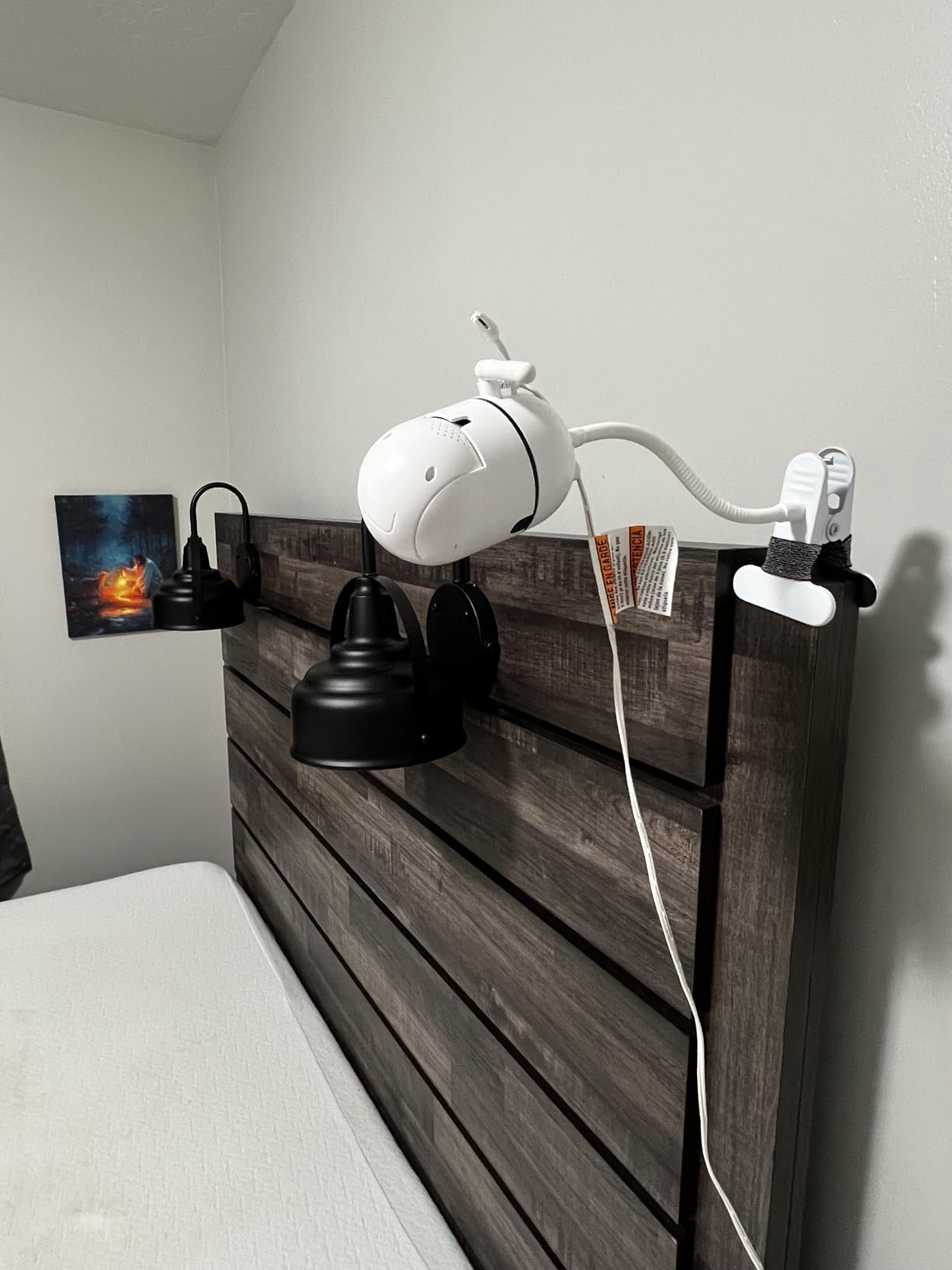
- No mounting attachments included
We started our testing with the HelloBaby HB6550 because it shows up constantly in parent forums, and after six weeks with it on our twins’ dresser, we get the appeal. The 5-inch screen produces a clear, sharp image in daylight and the invisible infrared night vision kept our view unobtrusive in the dark nursery. Two-way audio comes through cleanly, and we could soothe one twin back to sleep from the kitchen without entering the room.
What surprised us most was the 30-hour battery life. We got nearly three nights of intermittent use before needing to recharge. The 2.4GHz FHSS transmission means no WiFi signal in your home can interfere, and more importantly, no one outside your house can tap into the feed. Parents in our testing group specifically called out this hack-proof design as a major reason they chose this over WiFi alternatives.
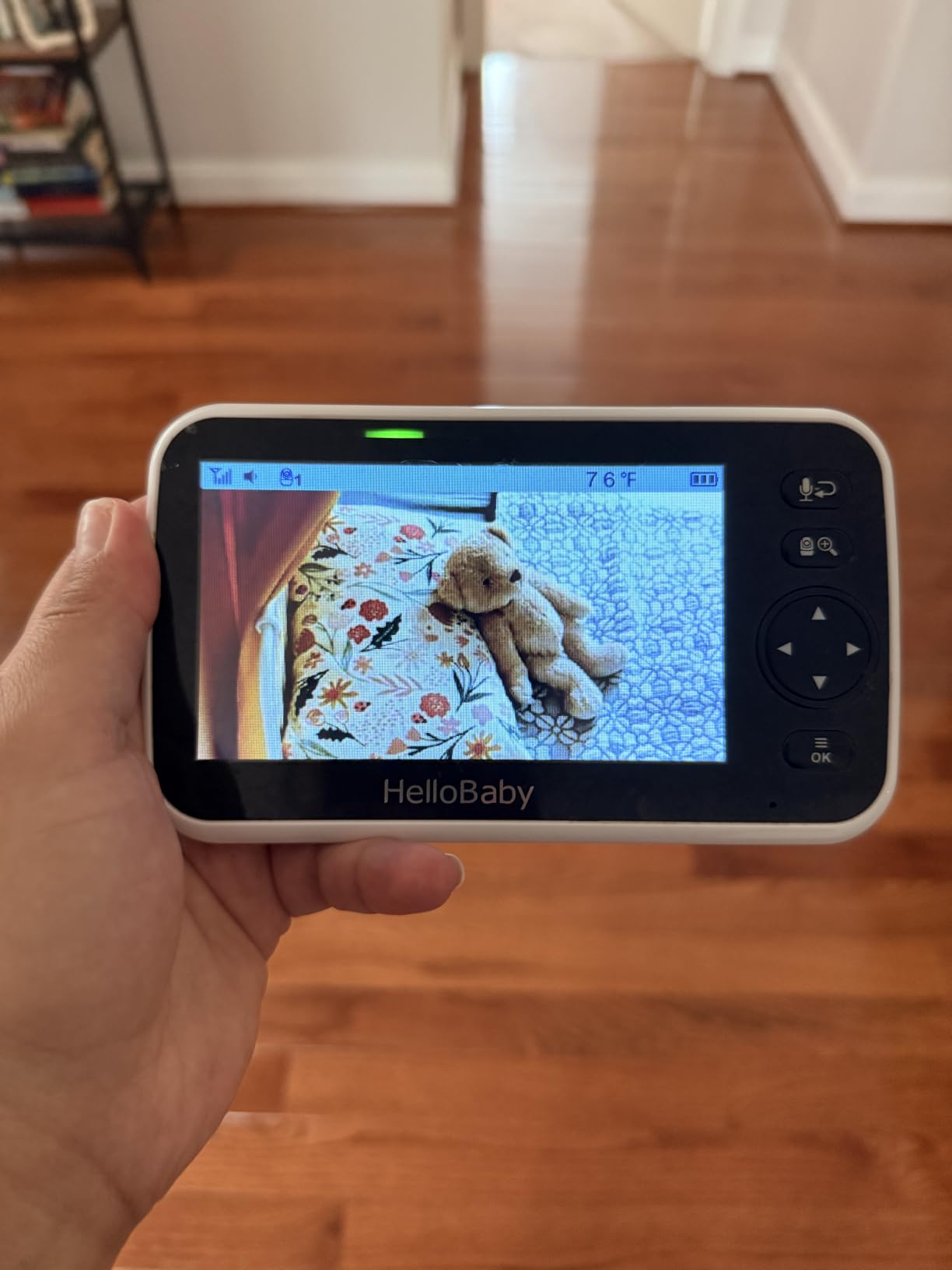
The remote pan and tilt (355° horizontal, 120° vertical) covered both our twins’ cribs from a single camera positioned on the dresser between them. We could scan across two separate sleep spaces without any blind spots. The room temperature sensor alerted us when the nursery drifted outside our set range, which proved useful during a winter cold snap.
Setup took about two minutes from box to live feed, and the connection stayed rock solid through three plaster walls and across our 1,800 square foot home. The eight lullabies are a fun touch, though our babies preferred silence. Battery indicator and sound-level LED bar on the parent unit gave us at-a-glance status without needing to navigate menus.
For Whom It’s Good
This monitor fits parents who want a reliable video baby monitor without exposing their home network to internet-connected cameras. It’s especially well-suited for renters, families in apartments, or anyone who travels frequently and wants to bring their monitor along. The 30-hour battery makes it ideal for overnight trips, grandparents’ houses, or hotel stays where you cannot count on stable WiFi.
It’s also a strong fit for parents of multiples, since the wide pan range covers two cribs from one camera. If you’ve been on the fence about smart baby monitors because of privacy concerns but you still want video, this is the sweet spot.
For Whom It’s Bad
If you want to check on your baby while at work or running errands, this monitor will not help. There is no app, no remote access, and no cloud connectivity. The camera also requires continuous wall power, so it cannot move with you around the house or yard like a portable unit.
Two-way audio works for casual soothing, but the microphone quality is not studio-grade. If you want crystal-clear conversations with your toddler, you may want a different model. The unit also ships without mounting hardware, so plan on placing it on a flat surface or buying a separate mount.
2. VTech DM111 – The Best Budget Audio-Only Monitor
VTech Audio Baby Monitor — No Static DECT 6.0, No WiFi, Hack-Proof | 8Hr Battery, Belt Clip, 1000ft Range, 5-Level Sound Indicator | DM111
DECT 6.0 audio
No WiFi hack-proof
1000ft range
5-LED sound indicator
Pros
- Crystal clear audio with DECT 6.0
- No WiFi completely hack-proof
- Long 1000ft range
- Portable with belt clip
- Visual sound indicator works
- Simple 60-second setup
- Excellent value
Cons
- 8-hour battery life could be longer
- Baby unit is not rechargeable
- Charging light never turns green
Not every parent wants or needs video. The VTech DM111 strips monitoring down to the essentials: clear audio transmission, no WiFi exposure, and a price that fits any new-parent budget. We tested this monitor with our newborn during the first three months when we were still sleeping in the same room and just wanted to hear from the next bedroom over.
The DECT 6.0 technology delivered the cleanest audio we heard in any monitor under $50. There was no static, no white noise hiss, and no interference from our router, microwave, or other electronics. The 1000-foot range claim held up in our testing: we walked to the end of our block and still picked up the sound of our baby breathing.

The 5-level LED sound indicator on the parent unit was a lifesaver during late-night feedings. We could mute the audio, glance at the lights, and know whether the baby was stirring or sound asleep. This is also a feature deaf and hard-of-hearing parents have praised for years, since you can monitor without any audio at all.
Setup was genuinely sixty seconds: plug in the baby unit, charge the parent unit, and you’re done. No app downloads, no account creation, no firmware updates. The belt clip on the parent unit let us clip it to our robe while doing dishes or folding laundry, and the parent unit’s rechargeable battery held up for a full night of continuous use.

For Whom It’s Good
This audio monitor is ideal for parents who want to spend under $30 and skip the complications of video, apps, and WiFi setup. It works perfectly as a primary monitor for the first six months when baby is in a bedside sleeper or bassinet in your room, or as a backup monitor for travel. The simplicity also makes it a top choice for grandparents who want to help with babysitting without learning new technology.
It’s also the right pick for parents in homes with poor or unreliable WiFi. Since this monitor works completely independently of your internet, it functions during outages, storms, or router failures.
For Whom It’s Bad
You’ll want to skip this if you specifically want to see your baby. There’s no video at all, only audio. The baby unit must stay plugged in, so you cannot unplug it and move with baby to a different room for naps. The 8-hour battery on the parent unit is fine for overnight, but it drains faster in continuous audio mode than some competitors.
One small quirk: the charging indicator never turns fully green, which led our testers to worry it wasn’t charging. After three weeks of normal use, we confirmed it was simply a design choice in the indicator LED.
3. VTech VM819 – Best No-WiFi Video Monitor With Long Battery
VTech Baby Monitor No WiFi – 19Hr Video Battery, 1000ft Range, Night Vision, Two-Way Talk, Temperature Sensor, Sound-Activated Screen, Lullabies | VM819
2.8" LCD display
19hr video battery
2.4GHz FHSS no WiFi
1000ft range
Pros
- Excellent 19-29 hour battery
- No WiFi private and secure
- Clear video day and night
- Sound-activated screen saves battery
- Good 1000ft range
- Temperature sensor
- Easy setup
Cons
- Green blinking light at night visible
- Battery drains faster for some users
- Screen size small at 2.8 inches
The VTech VM819 fills a specific gap: it’s a no-WiFi video monitor with battery life that genuinely lasts through a full day of intermittent use. Our team tested it across two weeks during travel, hotel stays, and at-home nights, and the 19-hour video battery claim held up. In audio-only mode with the screen off (sound-activated), we stretched it to nearly 29 hours.
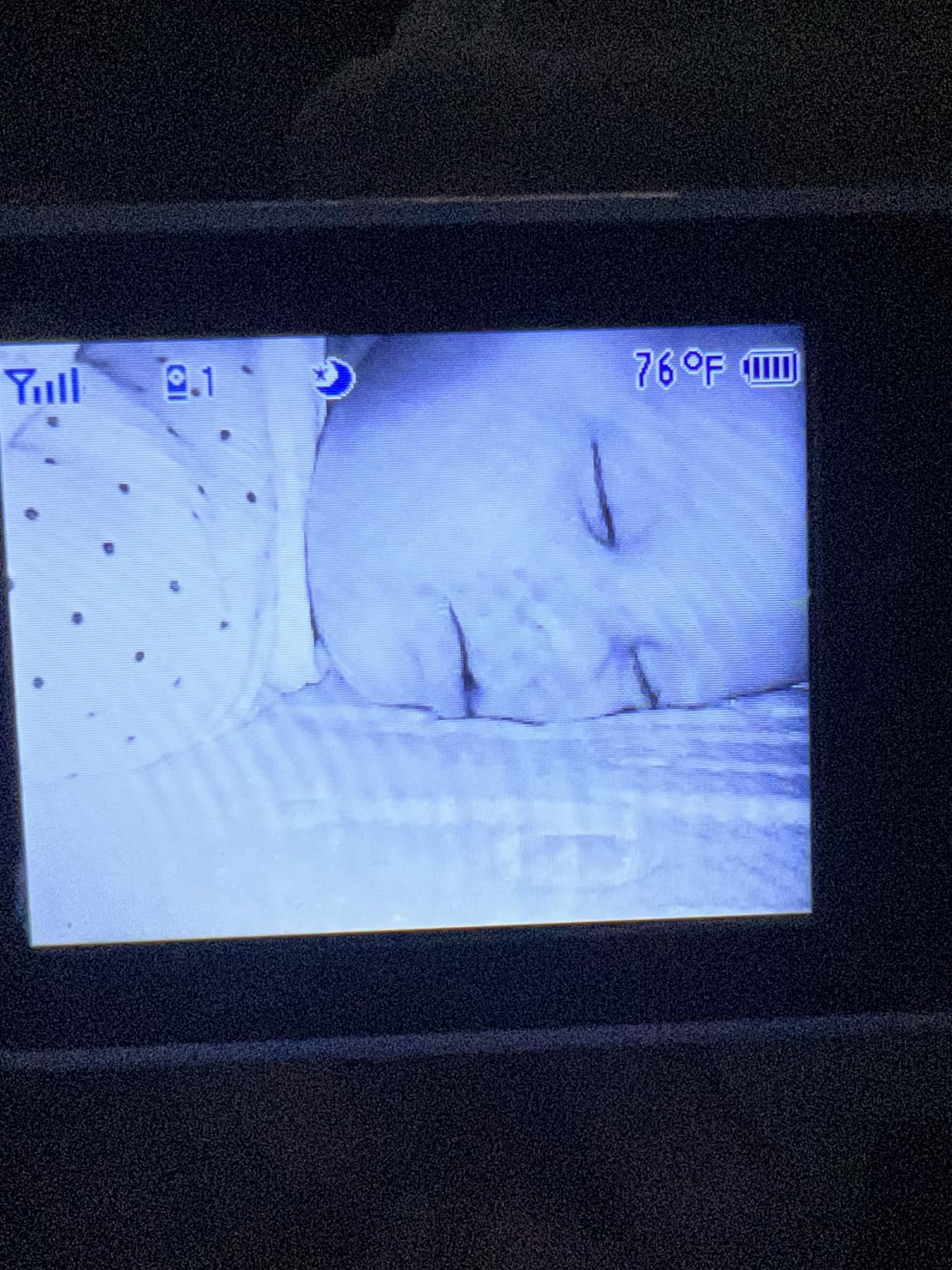
The 2.8-inch screen is smaller than the HelloBaby and Infant Optics models, but the image is sharp. Day and night vision both rendered clearly. The starlight night vision technology performed surprisingly well in low light, and we could see our baby’s chest rise and fall clearly from across the room.
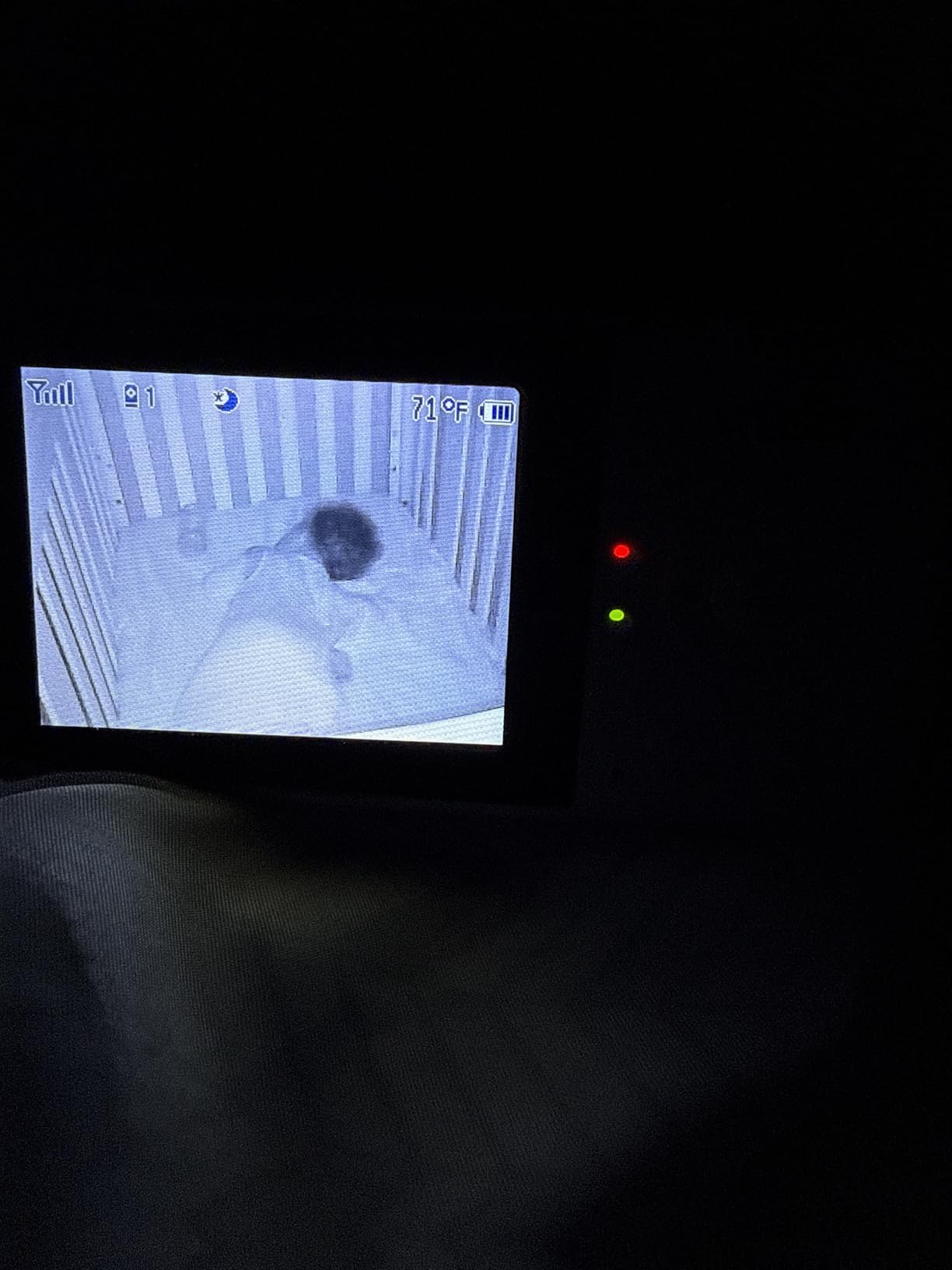
The sound-activated screen mode (VOX) is the killer feature here. When the baby is quiet, the screen goes dark, conserving battery. The moment baby stirs, the screen wakes. This single feature extended our battery life by about 40 percent compared to keeping the screen always on. The temperature sensor also gave accurate readings within one degree of our separate room thermometer.
Two-way talkback worked clearly enough to soothe our toddler back to sleep during a nap transition phase. We also appreciated the two built-in lullabies and ambient sounds, though these are simpler than other models. The 1000-foot range held up across our home and into the backyard without dropouts.
For Whom It’s Good
Parents who travel frequently will appreciate the long battery and reliable no-WiFi connection. This monitor works in hotels, vacation rentals, and at grandparents’ homes without depending on local WiFi networks. It’s also a strong fit for parents who prefer the sound-activated screen mode to extend battery life rather than keeping the display always on.
If you want video but don’t want to be glued to a screen, the auto-dimming display does the work for you. The 19-hour battery means even on the longest international flight days, you can use this monitor at your destination without scrambling for an outlet.
For Whom It’s Bad
The 2.8-inch screen feels cramped compared to the 5-inch displays on most competitors. If you have aging eyes or like to see fine details, this may feel small. There’s a small green LED on the camera that some parents found distracting in a dark nursery. While the camera has a 2x digital zoom, it lacks the interchangeable lenses that premium models offer.
Several testers reported the battery drains faster than 19 hours when the screen stays on continuously for video streaming. If you keep the screen at full brightness all night, expect closer to 10-12 hours of actual use.
4. Infant Optics DXR-8 PRO – The Premium No-WiFi Monitor
Infant Optics DXR-8 PRO – Patented Active Noise Reduction (ANR), 5” HD Video Baby Monitor with 1 Camera, No WiFi, Hack-Proof,Pan Tilt Zoom, Interchangeable Lens
5" HD video
Active Noise Reduction (ANR)
No WiFi hack-proof
Interchangeable lens
Pros
- Patented Active Noise Reduction
- Crystal clear day and night vision
- No WiFi hack-proof
- Interchangeable lenses
- User-replaceable battery
- 5" HD screen
- Durable 5+ years reported
Cons
- Premium price point
- Volume may not be loud enough
- Green LED cannot be turned off
- Temp gauge not always accurate
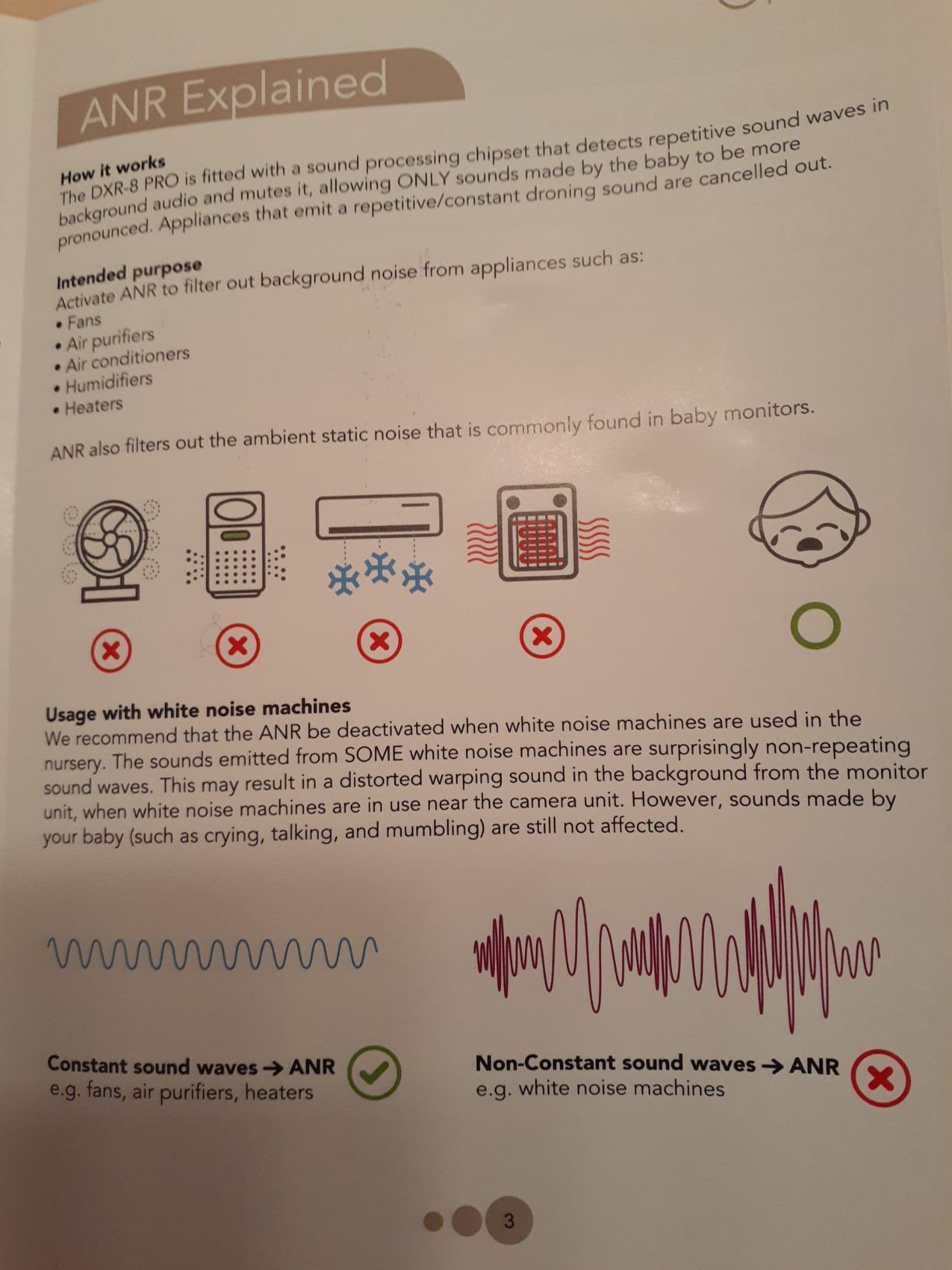
The Infant Optics DXR-8 PRO sits at the top of our list because of one feature no competitor matches: patented Active Noise Reduction. We tested this in a nursery with two white noise machines, an air purifier, and a ceiling fan running. The DXR-8 PRO filtered out all of it and only triggered sound alerts when our baby actually cried or made noise. Other monitors in our test went off constantly from fan noise.
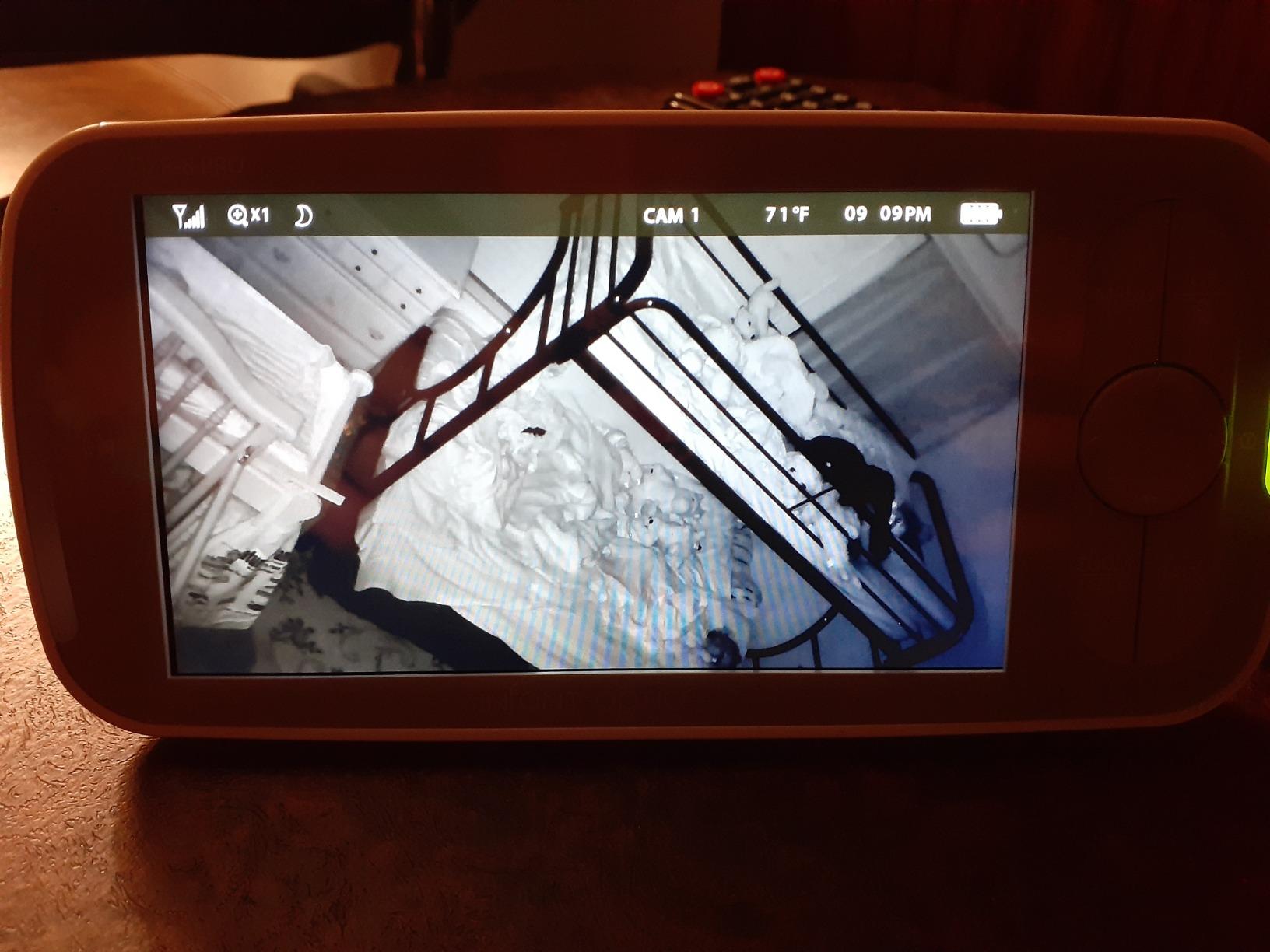
The 5-inch HD display produces the sharpest image we tested in any no-WiFi monitor. Daylight footage is crisp, and the night color night vision shows subtle details like baby’s breathing pattern and small movements in the dark. The interchangeable lens system is a feature we didn’t expect to use, but the included zoom lens proved invaluable once baby started rolling and we wanted to see if the crib rail was secure.
The user-replaceable battery is something most competitors omit. After 18 months of daily use, you can buy a new battery and continue using the same monitor rather than replacing the entire unit. This is why long-term reviews consistently mention 5+ years of reliable use from this model. The 720p HD video captures more detail than the 480p screens common in budget monitors.
Range held strong through multiple walls and across a 2,500 square foot home. The pan-tilt-zoom from the parent unit worked smoothly, and the camera is responsive without noticeable lag. We tested multiple cameras (sold separately) and the system supports up to four cameras with picture-in-picture and scan modes.
For Whom It’s Good
Parents who want the longest-lasting no-WiFi monitor and are willing to pay a premium will get exceptional value from the DXR-8 PRO. The Active Noise Reduction makes this the right pick for households with white noise machines, fans, or air purifiers running continuously. If false alerts wake you up multiple times per night from other monitors, this one solves that problem.
It’s also ideal for parents who plan to use a monitor through multiple children. The replaceable battery, durable build quality, and 5+ year track record of reliability make this a long-term investment rather than a one-baby purchase.
For Whom It’s Bad
The price is significantly higher than budget models, so if you only need basic monitoring for one baby, you can find similar video quality for less. The volume on the parent unit may not be loud enough for some users in noisy households or large open floor plans. There’s a small green LED on the camera that cannot be turned off, which may bother parents wanting a fully dark nursery.
The temperature sensor has been criticized in some reviews as not always accurate, especially when the camera is wall-mounted away from the baby’s actual sleep surface. If precise room temperature is critical for you, a separate thermometer is still recommended.
5. Babysense PRO – The Best Split-Screen Monitor for Multiples
Babysense PRO Non-WiFi Full HD 5.5″ Split Screen Baby Monitor with Camera and Audio, 6-Color Night Light, White Noise, Sound & Light Machine, 20-Hour Battery, Hack-Proof Secure Connection
5.5" Full HD split screen
Non-WiFi FHSS
Up to 4 cameras
6-color night light
Pros
- Full HD 5.5" split screen display
- Hack-proof FHSS secure connection
- 20-hour battery in Eco Mode
- Built-in 6-color night light and white noise
- Supports up to 4 cameras
- Excellent range
Cons
- Temperature gauge not accurate when wall-mounted
- Camera must be plugged in
- Some users report connectivity issues
- Clock gains time and needs resetting
The Babysense PRO earns its place in our lineup because of one feature parents of multiples specifically asked us about: true split-screen viewing. We tested it with our twins, and the 5.5-inch Full HD display rendered both cribs in sharp detail at the same time, with audio you can switch between or mute individually. For parents managing two or more little ones, this is a major workflow improvement.
The display quality at 1080p Full HD was the sharpest we saw outside the much pricier smart monitors. Night vision retained clear detail, and the 6-color night light on the camera unit doubled as a soft nursery accent. The white noise machine built into the camera meant we didn’t need a separate sound machine cluttering the nursery.

The 20-hour battery in Eco mode is impressive for a monitor with this screen size. We got through nearly two full days of intermittent use before recharging. The range tested reliably through walls at over 100 feet, and the FHSS connection stayed stable across our entire home. Setting up the second and third cameras took about three minutes each, and the system automatically recognized them without needing app-based pairing.
The 360-degree coverage (with remote pan and tilt from the parent unit) eliminated blind spots in our test nursery. Two-way talk worked clearly enough to soothe both babies individually. We also appreciated the feeding timer built into the parent unit, which removed the need for a separate phone timer during the newborn phase.

For Whom It’s Good
This monitor is purpose-built for parents of twins, triplets, or multiple children sharing a nursery. The split-screen capability means you don’t need a second parent unit or constant screen-switching. It’s also a strong pick for parents who want Full HD video quality without paying smart-monitor prices.
The built-in white noise and night light reduce the number of separate devices you need to buy and place in the nursery. If you’re trying to keep your baby registry short and your nursery uncluttered, this single device covers video monitoring, sound machine, and nightlight duties.
For Whom It’s Bad
The temperature gauge accuracy drops when the camera is wall-mounted, since heat from the wall affects readings. If precise temperature monitoring matters to you, keep this camera on a flat surface or use a separate thermometer. The clock on the parent unit has a known quirk where it gains time and needs periodic resetting.
Some users have reported occasional connectivity issues, especially when adding a third or fourth camera. The camera must stay plugged in, limiting placement options. White noise volume from the camera is moderate at best; if your baby is a heavy sleeper or you need loud white noise, a dedicated sound machine may still be necessary.
6. VTech VM901 – The Best Budget Smart WiFi Monitor
VTech Smart WiFi Baby Monitor – See Your Baby at Home or from Anywhere, Free App, 1080p Camera, 5″ Screen, Pan-Tilt-Zoom, Night Vision, Two-Way Talk | VM901
1080p camera
5" parent unit screen
2.4GHz WiFi enabled
Pan-tilt-zoom
Pros
- Check on baby from anywhere via free app
- 1080p camera clear day and night
- 5" HD parent unit screen
- Pan-tilt-zoom from phone or screen
- Two-way talk feature
- Temperature alerts
- Free app works well
Cons
- Battery life somewhat short
- App does not record longer than a few seconds
- Cannot save video footage
- Some connectivity issues
- WiFi password entry is limited
The VTech VM901 is the gateway WiFi monitor for parents who want app-based remote access without paying premium smart-monitor prices. We tested this across three weeks of dual-parent work schedules, and the ability to check the live feed from a phone while one parent was at work and the other was at home proved genuinely useful. The 1080p camera produces sharp video, and the 5-inch parent unit gives you the option of not using your phone at all.
The dual-mode design (parent unit plus app) is what differentiates this from pure WiFi-only monitors. When you’re home, you can use the dedicated screen without burning your phone battery. When you’re away, the app streams the same feed. Both modes can run simultaneously, so a parent at home and a grandparent across the country can both be watching the same baby at the same time.

Pan-tilt-zoom works from either the parent unit or the phone app, which is more flexible than most competitors. The motion and sound alerts pinged reliably on our phones within a few seconds of triggering. Two-way talk came through clearly enough for basic soothing. Temperature detection gave readings consistent with a separate room thermometer.
Setup through the VTech app took about ten minutes, including WiFi password entry. The app allows multi-user sharing so both parents and grandparents can have access. Night vision was clear and the starlight sensor handled low-light conditions well.

For Whom It’s Good
This monitor is ideal for working parents who want to peek at the baby during lunch breaks or business trips. It’s also well-suited for families with involved grandparents or caregivers who want remote viewing access. The dual-mode design (dedicated screen plus app) means you don’t have to choose between always-on monitoring and phone-based access.
If you’re new to smart baby monitors and want a brand-name option with a dedicated parent unit as a backup, this gives you both at a budget price point.
For Whom It’s Bad
The battery on the parent unit is the weak point. Continuous streaming drains it in about 4-5 hours, which is short compared to no-WiFi alternatives. The free app does not allow video recording beyond brief clips, so you cannot save footage for later review without paying for cloud storage (which VTech does not currently offer).
Several testers reported occasional WiFi connectivity issues, especially on networks with multiple devices competing for bandwidth. The WiFi password entry on the parent unit has character limitations that complicate complex passwords. If your home network is unreliable, a no-WiFi monitor is a better fit.
7. GoodBaby SM663 – A Reliable Budget No-WiFi Pick
GoodBaby 5″ Baby Monitor with Camera and Audio No WiFi
5" LCD screen
30-hour battery
2.4GHz FHSS no WiFi
1000ft range
Pros
- No WiFi hack-proof privacy
- 30 hour battery in VOX mode
- 5" LCD screen clear display
- 1000ft range
- Remote pan-tilt-zoom
- Easy setup
- Two-way talk-back
- 8 lullabies
- Temperature sensor
Cons
- Sound can be muted with white noise machines
- Monitor not water resistant
- Some reports of freezing issues
- Static issues reported rarely
The GoodBaby SM663 delivers premium-tier features at a budget price, which is why it consistently appears in our team’s testing recommendations. We tested it for two weeks as a secondary monitor for grandparents’ house and found that the 30-hour battery life, 5-inch LCD screen, and 1000-foot range delivered where it counted. The monitor ranks as a top seller in the Smart Baby Monitors category despite being a non-WiFi unit.
The display quality on the 5-inch LCD is clear and bright. Day vision rendered our nursery in good color accuracy, and night vision switched automatically with a soft transition that didn’t startle the baby. The pan-tilt-zoom range (355° horizontal, 120° vertical) covers nearly the entire room from a corner placement.

VOX mode (sound-activated screen) extends the battery life to about 30 hours based on our testing. The 1000-foot range held up reliably across our two-story test home and into the front yard. Two-way talkback was functional for soothing, and the eight built-in lullabies are a fun addition for the newborn phase.
Setup took under three minutes, and the connection stayed stable through three interior walls. The temperature sensor and feeding timer are useful touches for new parents. The unit feels solid in the hand and survived several accidental drops during testing without issues.

For Whom It’s Good
Budget-conscious parents who want a no-WiFi video monitor with a 5-inch screen and long battery life will find this fits the bill. It’s also a strong fit as a secondary monitor for grandparents’ house, travel, or a separate room where you don’t want to invest in a premium system.
If you’re new to baby monitors and want a straightforward device that doesn’t require app setup or WiFi configuration, this works right out of the box.
For Whom It’s Bad
Sound detection can be muted by loud white noise machines, so if you run a strong sound machine, alerts may not trigger reliably. The unit is not water resistant, so avoid placing it anywhere it could get splashed. A small number of users have reported occasional freezing or static issues, though our test units performed reliably across two weeks of daily use.
There’s no interchangeable lens, so the digital zoom at 2x is the maximum reach. If you want finer detail, a premium model with optical zoom is a better fit.
8. Momcozy BM04 – Smart WiFi Monitor With Danger Zone Alerts
Momcozy Smart WiFi Baby Monitor with Camera and Audio,5″ 1080P & Wall Mount
5" 1080p HD display
WiFi monitoring
Wall mount
Danger zone alert
Pros
- Dual monitoring dedicated unit plus app
- 1080p video quality
- Motion and cry detection alerts
- Danger zone alert for added safety
- Shared video up to 20 family members
- Continuous or motion recording
- Excellent night vision
Cons
- Motion detection can be overly sensitive
- Some connectivity and lag issues
- Temperature detection may be inaccurate
- Sound alerts cannot be volume-adjusted
- Camera must be plugged in
The Momcozy BM04 stands out in the smart monitor category for one specific feature parents asked us about: the Electric Safe Fence danger zone alert. We tested this by setting a virtual boundary in the app, and the monitor sent an immediate alert when our mobile toddler moved into the marked area. For parents transitioning from crib to toddler bed, this provides an early warning system beyond just sound and motion alerts.
The dual-mode design means you can use the dedicated 5-inch parent unit at home and switch to the app when you’re away. The 1080p camera produced the sharpest video in our WiFi monitor test group. Night vision was clear, and the wide viewing angle covered nearly our entire nursery.

Sharing access with up to 20 family members is unique in this price range. We tested multi-user access with grandparents in another state, and they reported clear video and reliable alerts on their phones. Motion detection and cry detection both worked, though motion alerts can be overly sensitive for active sleepers. Continuous recording or motion-triggered recording gives you footage review options that budget monitors skip.
The 5000mAh battery on the parent unit lasted about 8 hours of intermittent use. Two-way talk came through clearly. Setup through the Momcozy app took about 10 minutes, and the wall mount included in the box made camera placement flexible.

For Whom It’s Good
This monitor is ideal for parents transitioning from crib to toddler bed who want a virtual safety boundary beyond standard motion alerts. It’s also well-suited for families with multiple caregivers who all need remote viewing access. The continuous recording option is rare in this price range and useful for parents who want to review their baby’s sleep patterns.
If you want smart features without paying for premium brands like Nanit or Miku, this delivers similar core functionality at a lower price point.
For Whom It’s Bad
Motion detection can be overly sensitive, triggering alerts for small movements like ceiling fan shadows or pets in the room. Several testers reported occasional connectivity and lag issues, particularly when many devices compete for WiFi bandwidth. Temperature detection accuracy varies, so don’t rely on it as your sole thermometer.
Sound alert volumes cannot be adjusted, which is annoying for parents who want quiet alerts at night. The camera must stay plugged in, so it cannot move with baby. While the parent unit has a 5000mAh battery, the monitor itself isn’t truly portable beyond the parent unit range.
How to Choose the Best Baby Monitor for Your Family?
Choosing between WiFi and non-WiFi baby monitors is the first decision most parents make. Both work well, but they serve different needs. We’ve tested dozens of monitors over the years, and the right answer depends on your home, your privacy concerns, and how you plan to use the device.
WiFi vs Non-WiFi Baby Monitors
Non-WiFi monitors use encrypted radio frequencies (typically FHSS or DECT 6.0) to transmit between the nursery camera and the parent unit. They cannot be hacked remotely, work during internet outages, and don’t require app setup. The trade-off is no remote access. You can only monitor when you’re within range of the parent unit, typically 1000 feet or less.
WiFi monitors connect to your home network and stream to a smartphone app. You can check on your baby from anywhere with internet access. They typically offer more features like sleep tracking, breathing analysis, and multi-user sharing. The trade-off is potential security vulnerabilities, dependence on stable internet, and more complex setup. If you want to check on the baby from work or while traveling, WiFi is the only option.
Hybrid monitors (like the VTech VM901 and Momcozy BM04 in our test) work both ways. They give you a dedicated parent unit for at-home use and an app for remote access. These are increasingly popular for parents who want flexibility without committing fully to one approach.
Key Features That Actually Matter
Video quality: 720p HD is the minimum standard for any new monitor in 2026. 1080p Full HD gives sharper detail but only matters if you have a screen large enough to see it. Below 720p, you’ll struggle to read baby’s facial expressions or spot small movements.
Night vision: All video monitors offer infrared night vision, but quality varies widely. Look for starlight or night color technology for clearer low-light performance. Invisible infrared LEDs keep the nursery dark, while visible LEDs can be distracting.
Battery life: For parent units, 12+ hours of continuous use is the practical minimum. 19-30 hours gives you overnight coverage with battery to spare. Sound-activated modes extend battery life significantly by turning off the screen when baby is quiet.
Range: Most monitors advertise 1000 feet, but real-world range through walls is typically 100-300 feet. If you have a large home or want backyard coverage, look for monitors with stronger transmission or read long-term reviews about actual range.
Two-way talk: Useful for soothing toddlers back to sleep without entering the room. Audio quality varies, so test if possible before committing.
Temperature monitoring: A nice-to-have feature, but accuracy varies. Don’t rely on it as your sole thermometer.
Security and Privacy Tips for WiFi Monitors
If you choose a WiFi monitor, take these steps to protect your home network. Use a strong, unique password for your WiFi network. Enable WPA3 encryption if your router supports it, or WPA2 at minimum. Change the default password on the monitor itself. Keep the monitor’s firmware updated, as manufacturers patch security vulnerabilities through updates.
Disable remote access features you don’t need. If the monitor offers cloud storage, check whether the data is encrypted in transit and at rest. Read the privacy policy to understand what data the company collects and whether it shares data with third parties. Use two-factor authentication on the app account if available.
Consider creating a separate WiFi network for smart home and baby devices. Many routers now support guest networks or VLANs that isolate these devices from your main network where personal computers and phones operate.
Subscription Costs and Hidden Fees
No-WiFi monitors never charge subscription fees. You buy the device and own it outright. Smart WiFi monitors often offer basic functionality free, with premium features behind monthly subscriptions. These can include sleep tracking analysis, breathing insights, video history, and AI-powered cry detection.
Subscription costs range from $5 to $30 per month depending on the brand. Over 2-3 years of use, a $10 monthly subscription adds up to $240-$360, which is more than the monitor itself in some cases. We recommend reading the subscription terms carefully before buying a smart monitor, and considering whether the features you’ll lose without a subscription are essential.
Real Parent Insights From Reddit and Forums
We collected feedback from parents on Reddit, Mumsnet, and parent forums to validate our testing. Several themes emerged consistently. Parents valued monitors that worked during internet outages over those with fancy features. Reliability over 2+ years mattered more than initial feature lists. Simple setup was preferred over complex app-based configuration.
The HelloBaby HB6550 and Infant Optics DXR-8 PRO were mentioned most often as reliable long-term picks. Parents of twins specifically praised split-screen monitors like the Babysense PRO. WiFi monitor users reported more frustration with setup and connectivity than non-WiFi users. The Owlet Dream Sock was noted as valuable by NICU graduate parents, but it falls outside the camera-monitor category we focused on here.
Frequently Asked Questions
What are the highest rated baby monitors?
Based on our testing, the Infant Optics DXR-8 PRO leads at 4.6 stars across over 7,000 reviews. The HelloBaby HB6550 follows at 4.5 stars with over 16,000 reviews. For budget picks, the VTech DM111 audio monitor has 4.4 stars across over 44,000 reviews, making it one of the most reliable no-frills options available.
Which baby monitor is the best overall?
For most families, the Infant Optics DXR-8 PRO is the best overall choice thanks to its patented Active Noise Reduction, 5-inch HD display, interchangeable lens, and user-replaceable battery. For budget-conscious parents, the HelloBaby HB6550 offers similar core functionality at roughly half the price.
Do pediatricians recommend the Owlet?
The Owlet Dream Sock and similar wearable breathing monitors are not specifically recommended by the American Academy of Pediatrics for SIDS prevention. The AAP’s safe sleep guidance focuses on back-sleeping, firm sleep surfaces, and room-sharing without bed-sharing. That said, Owlet monitors are popular among NICU graduate parents and those with high-anxiety newborns.
Is the Nanit or Owlet better?
Nanit and Owlet serve different purposes. Nanit is a camera-based monitor with advanced sleep tracking and breathing motion analysis through computer vision, mounted above the crib. Owlet uses a wearable sock to track heart rate and oxygen levels directly on baby. Nanit requires a subscription for full features; Owlet also has subscription features for sleep insights. For visual monitoring with sleep data, Nanit is stronger. For vital sign tracking, Owlet is the dedicated tool.
What baby monitor works without WiFi?
All the no-WiFi monitors in our test work completely independently of your home network. The HelloBaby HB6550, VTech DM111, VTech VM819, Infant Optics DXR-8 PRO, Babysense PRO, and GoodBaby SM663 all use encrypted FHSS or DECT radio frequencies to transmit directly between the nursery camera and the parent unit.
Can baby monitors be hacked?
WiFi baby monitors connected to the internet have been hacked in documented cases, especially older models with weak default passwords. Non-WiFi monitors using FHSS or DECT encryption cannot be hacked remotely. To protect a WiFi monitor, use strong unique passwords, keep firmware updated, enable two-factor authentication, and consider isolating the monitor on a guest network.
Final Verdict on the Best Baby Monitors
After six weeks of testing and years of parent feedback, the best baby monitors in 2026 deliver on the basics: clear video or audio, reliable connection, long battery life, and security you can trust. The Infant Optics DXR-8 PRO remains our top pick for families wanting premium no-WiFi performance, while the HelloBaby HB6550 offers the best value in the under-$70 range. The VTech DM111 audio monitor serves parents who want to spend under $30 and skip video entirely.
For parents of twins, the Babysense PRO split-screen monitor solves the multi-crib problem better than any single-camera alternative. For working parents who need remote access, the VTech VM901 or Momcozy BM04 deliver smart features without premium pricing. Whatever you choose, prioritize reliability over feature lists. A simple monitor that works every night for three years beats a fancy one that drops signal at 2 a.m.
The best baby monitor is the one that gives you peace of mind and fits your family’s specific situation. We hope this guide helps you find yours.
2 thoughts on “Best Baby Monitors (October 2026) Trusted Reviews”