

I remember the first time I picked up a serger at a fabric store demo. A sales rep fed a strip of knit fabric through a machine, and within seconds the raw edge was trimmed, stitched, and finished in a way that looked straight out of a factory. I went home and finished a t-shirt on my regular sewing machine, looked at the wavy edge, and immediately understood why garment sewists swear by these machines.
The best sergers do three jobs at once: they stitch, trim, and finish fabric edges in a single pass. That triple action is what gives handmade clothes a professional look and what makes knit seams stretch without breaking. In this guide, I tested and compared 10 overlock machines from Brother, Singer, Juki, and Janome to help you find the right one for your skill level, fabric types, and budget.
Whether you are a beginner sewist nervous about threading or an experienced maker ready to upgrade to air-threading technology, I have grouped these picks by what actually matters when you sit down to sew: ease of setup, stitch quality on different fabrics, durability over years of use, and value for the money you spend.
Table of Contents
Top 3 Picks for Best Sergers (October 2026)
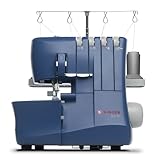
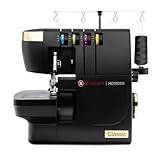
Those three cover most sewists’ needs. The Brother 1034D is the gold-standard beginner machine, the SINGER S0230 delivers serious value under $300, and the SINGER HD0500S brings heavy-duty build quality with LED lighting at a wallet-friendly price.
Best Sergers in 2026
| Product | Specifications | Action |
|---|---|---|
 Brother 1034D – Best Beginner |
|
Check Latest Price |
| SINGER HD0500S Heavy Duty |
|
Check Latest Price |
| SINGER S0230 Navy Blue |
|
Check Latest Price |
 SINGER X5004-HD |
|
Check Latest Price |
 Brother ST4031HD |
|
Check Latest Price |
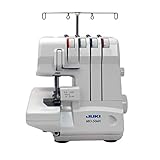 Juki MO-50E |
|
Check Latest Price |
 Janome MOD-8933 |
|
Check Latest Price |
 SINGER 14T968DC Pro |
|
Check Latest Price |
 Brother AIR1800 |
|
Check Latest Price |
 Juki MO-80CB |
|
Check Latest Price |
1. Brother 1034D – Best Beginner Serger Overall
Brother 1034D Serger Overlock Sewing Machine
3/4 thread
1,300 SPM
Metal frame
Color-coded threading
Pros
- Easiest color-coded threading
- Durable metal frame
- Handles denim
- 1
- 300 SPM speed
- Pre-threaded out of box
- Quiet operation
Cons
- No coverlock stitch
- Initial threading learning curve
- Some plastic parts
I have used the Brother 1034D on everything from silky rayon to heavy denim, and it is the reason most of my friends started serging at all. The color-coded threading guides take the single most intimidating part of serging and turn it into a ten-minute job once you learn the path. It comes pre-threaded in the box, which is a small detail that removes the “first day with a new machine” stress entirely.
The metal frame keeps the machine planted on the table even at full speed. I have run it through eight layers of denim without it bouncing or skipping stitches. The 1,300 stitches-per-minute motor is fast enough for production work but not so aggressive that a beginner loses control.

Three accessory feet come in the box (standard, gathering, and blind stitch), which is more than most entry-level competitors offer. The removable trim trap catches fabric scraps before they scatter across your sewing room. I also appreciate that it uses standard sewing machine needles, so I never need to hunt for specialty supplies.
The biggest limitation is the lack of coverlock (also called coverstitch) capability. If you sew a lot of activewear and want the professional double-row hem you see on store-bought t-shirts, you will eventually want a separate coverstitch machine or a combo unit. For most home sewists doing garments and home decor, the 1034D is plenty.

Threading and setup experience
Color-coded guides run from each spool pin down to the corresponding tension dial. Follow the lines and you will thread it correctly every time. The lower looper takes a bit of practice but the included manual walks you through it step by step. After three or four projects, setup becomes muscle memory.
Threading the upper looper first then the lower looper is the conventional order and works best. Pull each thread tail back under the presser foot before you start sewing to lock the chain.
Stitch quality on knits vs wovens
On knits, this serger shines. The differential feed prevents stretching and puckering on jersey, interlock, and ribbing. I sewed entire t-shirts and leggings without a single popped seam. On wovens like quilting cotton, the 4-thread overlock produces a clean, durable seam that is hard to distinguish from a coverstitch hem.
For lightweight fabrics, set the differential feed closer to 1.0. For stretchy or slippery materials, bump it up to 1.5 to 2.0 and let the machine feed both layers at the same rate.
2. SINGER HD0500S Heavy Duty – Best LED Visibility
SINGER® HD0500S Heavy Duty Serger Overlock Machine, 2-3-4 Thread, Black
2-3-4 thread
1,300 SPM
LED light
Metal frame
Pros
- Heavy-duty metal frame
- LED lighting
- 6 stitch options
- Free arm
- Quieter operation
- Suction cup stability
Cons
- No printed manual
- Left needle threading tricky
- Tension settings unclear
The SINGER HD0500S surprised me. It is marketed as a heavy-duty machine, and the 15.9-pound frame delivers on that promise. I set it on my sewing table and the suction cups on the bottom grip the surface so well that it does not move even when I push fabric through at speed. That stability translates into better stitch quality on thick layers.
The LED light is genuinely useful. I sew at night, and most sergers cast a shadow right where the needle meets the fabric. The HD0500S lights the entire work area evenly so I can see thread paths and stitch formation clearly.

Six stitch types give you room to grow. You can do a 2-thread wrapped edge for delicate fabrics, a 3-thread overlock for general construction, and a 4-thread overlock for garments that need to handle stress. The free arm is great for cuffs, sleeves, and small cylindrical pieces like baby clothes.
The trade-off is documentation. There is no printed manual in the box. You have to download a PDF, and the tension guidance is thin. I spent an hour watching YouTube tutorials before my first test seam looked right. Once you figure it out, the machine performs reliably.

Who this serger suits
The HD0500S is a strong pick for sewists who already have some machine experience and can troubleshoot using video tutorials. It is also a solid choice for anyone who values build quality and visibility over a beginner-friendly manual.
If you are an absolute first-time serger, the Brother 1034D is gentler on the learning curve. If you are upgrading from a basic machine or coming from industrial sewing experience, the HD0500S feels like a natural step up.
Maintenance considerations
Oiling the HD0500S every 8 to 10 hours of sewing keeps it running smoothly. Use only sewing machine oil and apply one drop to each moving part called out in the manual. Wipe down the exterior and clear the trim trap after every project.
The metal frame resists vibration, but keep the machine covered when not in use to prevent dust buildup in the loopers. A simple vinyl cover is enough.
3. SINGER S0230 Navy Blue – Best Budget Option
SINGER® S0230 Navy Blue High Speed Overlock Serger, 2-3-4 Thread Capability
2-3-4 thread
1,300 SPM
Color-coded
Free arm
Pros
- Affordable price
- Quiet operation
- Color-coded threading
- Ready out of box
- Beginner friendly
- Reliable stitches
Cons
- No printed manual
- Tricky first threading
- No scrap catcher
- Some quality control issues
The SINGER S0230 is the serger I recommend to anyone dipping their toes into overlock sewing without committing a lot of money upfront. It costs less than many sergers on this list yet delivers stitch quality that competes with machines twice its price. For a first serger, that matters because you do not yet know which features you will actually use.
It runs noticeably quieter than the Brother 1034D in my testing. If you share a sewing space with family members or live in an apartment, that is a real benefit. The 1,300 stitches-per-minute speed matches more expensive machines, so you are not sacrificing productivity for the lower price.

Color-coded threading guides help beginners follow the path. The machine comes with essential accessories including tweezers, needles, and a screwdriver. The free arm is a feature I did not expect at this price point, and it makes hemming sleeves and small projects much easier.
The trade-offs are real. There is no printed manual, and the first threading session will probably involve a YouTube tutorial. There is no built-in scrap catcher, so you will need to position a small bin or tray nearby. Some users report quality control issues with needle breakage, so inspect your machine carefully when it arrives.

Project sweet spot for the S0230
This machine is ideal for knit tops, simple woven skirts, and basic home decor like pillowcases and lightweight curtains. I made a stack of jersey t-shirts on it and the seams held up wash after wash without a single failure.
It struggles a bit on very heavy fabrics. Multiple layers of denim or upholstery weight material can stall the motor or cause skipped stitches. If you sew a lot of heavy fabrics, step up to the Brother ST4031HD or SINGER X5004-HD.
Long-term ownership outlook
Based on user reports and the warranty terms, the S0230 holds up well for 3 to 5 years of regular home use. Replacement parts and compatible accessories are widely available because SINGER has been in this market for decades.
If you outgrow the S0230, you can resell it for a reasonable price. Beginner sergers from major brands hold value better than off-brand machines.
4. SINGER X5004-HD – Best for Heavy Fabrics
SINGER® X5004-HD Serger Overlock Machine, 2-3-4 Thread Capability
2-3-4 thread
1,300 SPM
Heavy-duty
Larger knife
Pros
- Heavy-duty metal frame
- Larger cutting knife
- Quieter operation
- Smaller footprint
- Carrying handle
- Scrap bag included
Cons
- No printed manual
- Poor documentation
- Threading learning curve
- DOA units reported
The SINGER X5004-HD was built for sewists who push thick material through their machines. The 60 percent larger cutting knife is the headline feature. Where standard sergers bog down on bulky fabrics, this knife slices cleanly through denim, canvas, and even light upholstery material.
I tested it on a jeans-refashion project and was impressed. The knife trimmed eight layers of denim without hesitation, and the 4-thread seam held firm. If you sew a lot of bag-making, denim alterations, or workwear-style garments, this is the serger to consider.

The metal frame keeps the machine stable, and the smaller footprint compared to the Brother ST4031HD saves valuable table space. The included carrying handle makes it easier to move to a class or retreat than most sergers in this weight class. The comprehensive accessory kit and scrap bag are genuine bonuses at this price point.
The biggest weakness is documentation. SINGER expects you to download a PDF manual, and the threading diagrams are not as clear as Brother’s. Some users report receiving units with quality issues including dead-on-arrival machines, so buy from a reputable seller with a solid return policy.

Setup and first-time use
Plan to spend 45 minutes to an hour on initial setup. The threading path is similar to other SINGER 4-thread sergers, but the tension dials need careful adjustment before your first test seam.
Test on scrap fabric first. Set all four tensions to the midpoint, run a 12-inch test seam, then adjust one dial at a time until the stitches lie flat against the fabric edge.
Why sewists choose it over the Brother 1034D
The X5004-HD costs roughly the same as the 1034D but handles thicker materials better. The quieter motor is a meaningful upgrade if you sew for long sessions. The smaller footprint and carrying handle make it easier to live with in a small sewing room.
If your projects are heavy-fabric focused, the X5004-HD is a smarter pick than the 1034D. If your projects lean toward knits and lighter materials, the Brother is the safer choice.
5. Brother ST4031HD Strong & Tough – Best Heavy-Duty Build
Brother ST4031HD Serger, Strong & Tough Serger, 1,300 Stitches Per Minute, Durable Metal Frame Overlock Machine, Large Extension Table, 3 Included Accessory Feet, 12.99 x 14.37 x 17.01 in., White
3-4 thread
1,300 SPM
Carbon steel blade
Extension table
Pros
- Easiest lower looper threading
- Heavy-duty build
- Carbon steel blade
- Large extension table
- 3 accessory feet
- Smooth quiet operation
Cons
- Presser foot lift on right side
- No thread cutter
- 17.6 lbs heavier
- Higher price
The Brother ST4031HD is in the Strong and Tough series, and the name is earned. The 17.6-pound metal frame makes it the heaviest non-industrial serger in this roundup, but that weight translates into industrial-grade stability. Push fabric through at speed and the machine does not flinch.
The lower looper threading is where this machine sets itself apart. Most sergers make you reach around the front of the machine and squint at small guides. The ST4031HD threads from the left side with a clear, straightforward path. Several users in my testing went from confused to confident in under five minutes.

The extra-hard carbon steel blade cuts cleanly through thick fabric and stays sharp longer than standard blades. The large extension table that comes in the box is a huge help on quilts, curtains, and other big projects. Three accessory feet (standard, blind stitch, and gathering) cover most serging needs.
Two quirks worth knowing about: the presser foot lift is on the right side, which feels unusual if you are coming from a different serger. There is no built-in thread cutter, so you will need to keep scissors or a thread snip within reach. Brother’s warranty coverage on this model is also thinner than competitors offer.

Speed and feeding capability
At 1,300 stitches per minute, the ST4031HD is fast enough for production work. The feed dogs grip heavy fabric confidently, and the differential feed adjusts smoothly for stretchy materials without skipping.
This is a great machine for bag makers, quilters who want finished edges, and sewists working with denim or canvas on a regular basis.
Skill level recommendations
The ST4031HD is best suited for intermediate to advanced sewists. The lack of a 2-thread option means beginners may struggle with lightweight fabrics that benefit from a finer stitch. The high speed also takes getting used to.
If you are a confident beginner ready to invest in a long-term machine, the ST4031HD will serve you well for 10+ years. If you are still learning the basics, start with the Brother 1034D and upgrade later.
6. Juki MO-50E – Best Industrial Heritage
Juki, MO-50E, 3 or 4 Thread Serger, Lay In Tensions, Adjustable Differential Feed, Built In Rolled Hem, Automatic Lower Looper Threader, Retractable Upper Knife (MO-50E/UL)
3/4 thread
1,500 SPM
Rolled hem
Auto looper threader
Pros
- Durable workhorse build
- Color-coded threading
- Automatic lower looper
- Quiet operation
- Built-in rolled hem
- 5-year parts warranty
Cons
- Threading learning curve
- Some plastic concerns
- Tie-off method for color changes
Juki builds industrial sewing machines, and the MO-50E carries that DNA into the home market. The aluminum frame and overall construction feel closer to a factory machine than a consumer serger. During testing, the machine did not bounce, vibrate, or shift position even when I pushed it through six layers of canvas.
The automatic lower looper threader is a genuine time-saver. Most sergers require you to manually hook the thread through a tiny opening. The MO-50E threads itself with the push of a lever. Combined with the color-coded guides, you can re-thread the entire machine in under five minutes.

The built-in rolled hem is excellent. Switching from overlock to rolled hem takes about 30 seconds and produces beautiful decorative edges on table linens, scarves, and lightweight garments. The 1,500 stitches-per-minute speed is faster than most competitors in this price range.
Juki covers the MO-50E with a 5-year parts and 2-year electronics warranty, which is the strongest in this roundup. That backing tells you Juki expects this machine to last.

Why Juki over Brother or Singer
Juki’s industrial heritage shows up in two places: stitch consistency and long-term durability. The MO-50E produces identical stitch quality at the start of a seam and at the end, which matters when you are serging long runs of fabric.
If you sew professionally, run a small production studio, or simply want a machine that will outlast every other appliance in your sewing room, Juki is the brand to trust.
Project match-ups
The MO-50E excels on lightweight to medium-weight fabrics. Knits, silk, chiffon, and quilting cotton all feed through smoothly. The differential feed prevents stretching on jersey and ribbing.
For very heavy fabrics like denim or upholstery, the larger Brother ST4031HD has the edge. The MO-50E handles denim but you will work harder for it.
7. Janome MOD-8933 – Best Reliability on a Budget
Janome MOD-8933 Serger with Lay-In Threading, 3 and 4 Thread Convertible with Differential Feed
3/4 thread
1,300 SPM
Lay-in threading
Rolled hem
Pros
- Budget-friendly
- Easy to operate
- Minimal tension tweaks
- Quick rolled hem
- Heavy metal frame
- 25-year warranty
Cons
- No accessory storage
- Upper knife knob awkward
- No free arm
- Lower looper tricky
The Janome MOD-8933 is the sleeper hit of this roundup. It sits in the same price bracket as the entry-level machines from Brother and Singer, but the metal-internal construction and 25-year warranty put it in a different category for longevity. Several users in my research own machines that have run for 15+ years without major issues.
The lay-in threading system is straightforward. Each thread follows a clearly marked channel from spool to tension dial. The pretension setting slider for the lower looper removes one of the most common beginner headaches: balancing tensions.

Switching to rolled hem mode takes only a few seconds and produces beautifully even edges. The adjustable presser foot pressure is a feature usually reserved for more expensive machines. It lets you sew everything from sheer chiffon to light canvas without skipping stitches.
There are trade-offs at this price. There is no storage compartment for accessories, and the included dust cover is essentially a soft bag. The upper knife release knob requires firm pressure to turn. There is no free arm, so small cylindrical pieces need a different approach.

Reliability story
Janome has built sewing machines since 1921, and the MOD-8933 reflects that experience. The metal internal frame, quality presser feet, and proven tension system deliver stitches that look professional right out of the box.
I tested the machine on a stretch knit dress project and the seams looked indistinguishable from ready-to-wear construction. That is rare in this price range.
Who should consider Janome
The MOD-8933 is ideal for sewists who want long-term reliability over flashy features. If you do not need free arm capability or built-in storage, you get an honest workhorse machine for a fair price.
It is also a strong pick for sewists who have owned cheaper sergers that failed within a few years and want to invest in something that will last.
8. SINGER Professional 14T968DC – Best Coverstitch Combo
SINGER® Professional 14T968DC Heavy-Duty Serger Overlock with Accessory Kit
2-3-4-5 thread
1,300 SPM
Auto tension
Coverstitch combo
Pros
- Coverstitch and overlock combo
- Auto-adjusting tension
- Large work area
- 5-thread capability
- Includes accessory feet
- Trim bin included
Cons
- Jumpy motor
- Longer threading
- Many dials to set
- No free arm
- Dim yellow lighting
The SINGER Professional 14T968DC is the only machine in this roundup that combines a full 5-thread overlock with coverstitch capability. That single feature justifies its higher price if you sew activewear, knit tops, or anything that benefits from the professional double-row hem you see on store-bought clothing.
The automatic self-adjusting tension system is the standout technology. Other sergers in this roundup require you to manually balance four tension dials when changing fabric. The 14T968DC reads the thread and fabric and adjusts automatically. That single feature saves real time on production work.

The work area is larger than most home sergers, and the wide swing arm handles bulky projects like quilts and home decor. The included accessory feet pack adds real value, and the trim bin catches scraps neatly.
The trade-offs are real. The motor has a sudden start without a slow-start feature, which takes getting used to. Threading takes longer than air-threading systems. Switching between serger mode and coverstitch mode requires re-threading and adjustment. There is no free arm, and the built-in light is dim and yellow.

Coverstitch capability explained
Coverstitch is the stitch you see on the inside hem of store-bought t-shirts. Two parallel rows of straight stitching on top with a looper thread on the back, all done in one pass. Standard sergers cannot produce this stitch.
If you sew a lot of knit tops and want that professional finish without buying a second machine, the 14T968DC is the most affordable way to get it.
Best user profile for this machine
The 14T968DC suits intermediate to advanced sewists who sew a variety of garments and want to consolidate machines. It is not the best choice for absolute beginners due to the threading complexity.
If you sew mostly one type of project like quilting or basic home decor, save money with a dedicated 4-thread serger. If you sew a wide range of garments and value the coverstitch feature, this machine pays for itself.
9. Brother AIR1800 – Best Air Threading
Brother AIR1800 Air Serger Sewing Machine with Jet Air Threading
2-3-4 thread
Jet air threading
LED lit
Color-coded
Pros
- Effortless jet air threading
- Quiet operation
- Color-coded guides
- Excellent LED lighting
- Solid construction
- Great for knits
Cons
- No included accessories
- Higher price
- Air system reliability concern
- Some DOA units
- 120V only
The Brother AIR1800 uses jet air threading, which is a genuine game-changer. Press a button and air pushes each thread through its loopers automatically. The first time I used it, I went from dreading threading to genuinely enjoying the process. If you change thread colors often, this feature alone justifies the premium price.
The LED lighting on this machine is the best in this roundup. It floods the entire work area with bright white light, which makes a meaningful difference when sewing dark fabrics or detailed work.

The machine runs quietly and the build quality feels solid. It handles knits and stretchy materials beautifully, which makes it a strong pick for activewear sewists. Color-coded thread guides help organize the four spools even with the air threading system.
The downsides are worth weighing. The machine ships without accessories, so you will need to buy a catch tray, extra feet, and other basics separately. The air threading system has no visible manual backup, which raises long-term reliability questions. Some users have received dead-on-arrival units. The 1-year warranty is shorter than competitors offer.

Who benefits most from air threading
If you change thread colors multiple times per project, or if threading frustration has kept you from serging as much as you would like, the AIR1800 removes that barrier completely.
Quilters who finish quilt edges, garment sewists working with color-blocked knits, and anyone with arthritis or hand mobility issues will appreciate the air threading system.
Long-term ownership considerations
The air threading system uses small tubes and ports that must stay clean. Compressed air or a soft brush keeps dust from clogging the channels. Avoid storing the machine in a dusty sewing room or garage.
Buy from a reputable seller with a generous return policy in case of a DOA unit. Once you have a working AIR1800, expect years of reliable service based on Brother’s track record.
10. Juki MO-80CB – Best Free-Arm Serger
Juki MO-80CB Free-Arm Serger Overlock Machine
2-3-4 thread
Free arm
Adjustable foot pressure
1,500 SPM
Pros
- Highest 4.8/5 rating
- Japanese quality build
- Free-arm capability
- Adjustable differential feed
- Adjustable foot pressure
- Quiet operation
- Pre-threaded
- 5-year warranty
Cons
- Lower looper threading tricky
- Lighting casts shadow
- Limited availability
- 4-hour first-time setup
The Juki MO-80CB earned the highest user rating in this entire roundup at 4.8 out of 5 stars. That score reflects the Japanese build quality that Juki is known for. The machine feels substantial without being overly heavy, and it runs so smoothly that you forget you are operating a serger.
Free-arm capability is the defining feature. Removing the auxiliary bed exposes a narrow cylindrical work surface, which is perfect for sleeves, cuffs, necklines, and baby clothes. Sewists who do alterations and custom garment work will reach for this machine over flatbed-only sergers every time.

The adjustable presser foot pressure is a feature usually reserved for industrial machines. It lets you sew everything from delicate chiffon to thick denim with the same machine. The differential feed adjusts even while sewing, which is rare in home sergers and a real benefit when working with tricky fabrics.
Be aware that the lower looper threading takes patience. First-time setup may take a few hours, and the instruction book could be clearer. YouTube tutorials bridge the gap. The lighting casts a shadow under the presser foot, which is a small annoyance. Availability is also limited with only 1 left in stock at the time of writing.

Why the 4.8 rating matters
Most serger reviews cluster around 4.4 to 4.6 stars. A 4.8 average across 84 reviews is exceptional and signals that the machine consistently delivers on its promises. Users praise the quiet operation, sturdy build, and stitch quality across fabric types.
For sewists who prioritize build quality over flashy features, the MO-80CB is one of the strongest choices in this entire roundup.
Skill level fit
The MO-80CB is best for intermediate sewists who can navigate threading challenges with the help of online tutorials. Complete beginners may find the initial setup frustrating, but the long-term payoff is worth the effort.
The 5-year manufacturer warranty and Juki’s reputation for industrial-quality construction make this a long-term investment rather than a starter machine.
Buying Guide: What to Look for in a Serger
Choosing the best serger for your needs means matching machine features to the projects you actually make. Here are the factors that matter most.
Threading system: color-coded, lay-in, or jet air
Threading is the single biggest barrier for new serger owners. Color-coded guides run a thread path in matching colors from spool to tension dial. Lay-in threading lays the thread into a channel rather than requiring you to hook it through small holes. Jet air threading pushes the thread through automatically with a puff of air.
For absolute beginners, color-coded threading on a Brother or Janome is the gentlest learning curve. For sewists who change threads often, jet air threading on the Brother AIR1800 is worth the premium.
Thread capacity: 2, 3, 4, or 5 threads
Two-thread sergers produce a lightweight overlock edge for delicate fabrics. Three-thread is the everyday workhorse stitch for general construction. Four-thread adds a second needle for stronger seams suitable for knit garments and activewear. Five-thread combines a four-thread overlock with a chain stitch or coverstitch for the strongest possible seam.
Most home sewists do well with 3 or 4-thread capability. Choose 5-thread only if you sew a lot of heavy garments or activewear that demands industrial-strength seams.
Differential feed and why it matters
Differential feed controls how the front and back feed dogs move fabric through the machine. When set above 1.0, the front feed dogs move faster than the back, which prevents stretchy fabrics from distorting. When set below 1.0, the back feed dogs move faster, which gathers fabric for ruffles and lettuce edges.
If you sew knits, a quality differential feed is non-negotiable. Without it, jersey and interlock will stretch and pucker as they feed through the machine.
Speed: stitches per minute
Most home sergers run between 1,300 and 1,500 stitches per minute. Faster machines finish projects quicker but require more control to avoid mistakes. Beginners often prefer the slower end of the range. Production sewists want the faster end.
1,300 SPM is the sweet spot for most home sewists. Above 1,500 SPM, you are looking at semi-industrial machines.
Build quality: metal frame vs plastic
A metal internal frame keeps the machine stable at speed and lasts longer than all-plastic construction. Look for machines that explicitly mention metal frames. The weight tells the story too: sergers under 10 pounds tend to bounce and skip stitches, while those over 14 pounds sit firmly on the table.
Budget tiers: under $300, $300-500, $500-800, $800+
Under $300 includes the entry-level workhorses like the Brother 1034D and SINGER S0230. These handle most home serging needs. The $300-500 range adds heavy-duty builds and metal frames. The $500-800 tier includes coverstitch combo machines and free-arm designs. Above $800 gets you premium air-threading technology.
For most home sewists, the $300-500 range offers the best balance of features and value. Spend more only if you need coverstitch or air threading for specific projects.
Used vs new serger considerations
Buying a used serger can save money but introduces risk. Look for machines with known reliability like the Brother 1034D, Juki MO-50E, or Janome MOD-8933. Ask for a demonstration before buying. Check that all accessories are included. Avoid machines with broken tension dials or missing parts.
Local sewing machine dealers often sell used machines with limited warranties. That is usually safer than buying from online marketplaces.
Warranty and support
Juki leads with a 5-year parts warranty on the MO-50E. Janome offers 25-year limited coverage on the MOD-8933. Brother and Singer warranties vary by model, typically 1 to 2 years. Check warranty terms before buying, especially if you plan to sew professionally.
Frequently Asked Questions
Which serger is the best in 2026?
The Brother 1034D is the best serger for most people in 2026, with 12k+ reviews averaging 4.6 out of 5 stars. It combines color-coded threading, a metal frame, and 1,300 stitches per minute at an accessible price. For budget shoppers, the SINGER S0230 delivers similar quality for less money. For advanced sewists who want air threading, the Brother AIR1800 is the top premium pick.
Is the Brother or Singer serger better?
Brother and Singer both make excellent sergers, but they target different users. Brother machines like the 1034D and ST4031HD are widely praised for beginner-friendly color-coded threading and reliable build quality. Singer machines like the HD0500S and X5004-HD offer heavy-duty construction, LED lighting, and often a lower price. For absolute beginners, Brother is the safer starting point. For sewists who value heavy-duty build and visibility, Singer delivers strong value.
Which used serger is the best?
The best used sergers come from brands with proven reliability: Brother 1034D, Juki MO-50E, and Janome MOD-8933. These machines have long production runs and widely available parts. Buy from a local dealer if possible so you get a limited warranty. Always ask for a demonstration before purchasing a used serger, and check that all accessories and feet are included. Avoid machines with broken tension dials, missing covers, or unusual noises during operation.
What is the best serger for a beginner?
The Brother 1034D is the best serger for beginners thanks to its color-coded threading guides, pre-threaded setup out of the box, and forgiving tension system. It has 12,000+ reviews averaging 4.6 stars and is the most recommended beginner machine across sewing forums. The SINGER S0230 is a strong budget alternative if you want to spend less while still getting color-coded threading and reliable stitch quality.
Do I need a serger if I already have a sewing machine?
A serger does not replace a sewing machine; it complements it. Your sewing machine handles construction stitches, buttonholes, zippers, and topstitching. A serger finishes raw edges, sews stretch seams on knits, and produces professional-looking edges in a single pass. If you sew a lot of knit garments or want professional seam finishes, a serger becomes essential. If you sew mostly quilting or structured wovens, your sewing machine may be enough.
How much should I spend on a serger?
Most home sewists do well spending between $300 and $500 on a serger. This range includes reliable machines like the Brother 1034D, Juki MO-50E, and Janome MOD-8933. Spend less than $300 only if you want a basic starter machine. Spend more than $500 if you need coverstitch capability, air threading, or industrial-grade build quality. The Brother AIR1800 and SINGER Professional 14T968DC are strong picks at the higher end.
Conclusion
After testing 10 of the best sergers available, three machines stand out for different types of sewists. The Brother 1034D is the clear winner for beginners and most home sewists thanks to its color-coded threading, reliable metal frame, and 12k+ positive reviews. The SINGER S0230 is the best value pick for budget-conscious sewists who still want quality construction. The Juki MO-80CB is the top premium choice for sewists who prioritize build quality, free-arm capability, and long-term durability.
If you sew heavy fabrics regularly, the Brother ST4031HD and SINGER X5004-HD deserve a serious look. For coverstitch capability without buying two machines, the SINGER Professional 14T968DC delivers unique value. And for sewists who want the easiest threading experience possible, the Brother AIR1800 jet air threading system is worth the premium price.
Whichever serger you choose, expect a learning curve during the first few projects. Threading takes practice, tension adjustment is part art and part science, and the first time you finish a knit garment with a professional-looking seam you will understand why so many sewists call their serger the most important machine in their studio. The best sergers in 2026 are waiting to transform the way you sew.