
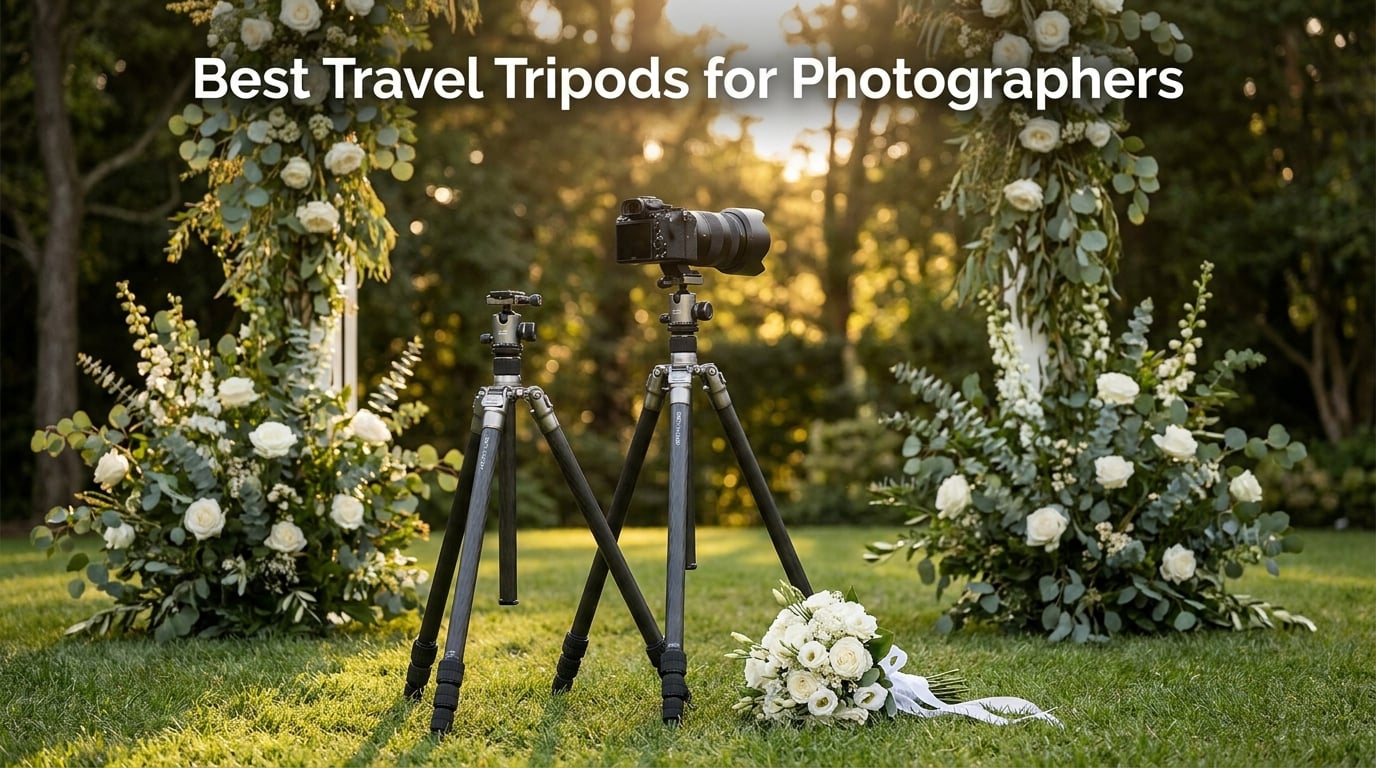
If you have ever shot a destination wedding, you already know that your tripod can make or break the day. Between rushing through airports, hiking to remote ceremony spots, and working long reception hours into the night, the wrong support turns into dead weight. That is exactly why we spent months tracking down the best travel tripods for photographers who need professional stability without the bulk.
Our team at Kingdom Wedding Photography has shot weddings from mountain chapels to beach resorts, and we have broken our fair share of cheap tripods along the way. We know what it feels like to set up for a golden hour portrait session only to watch your camera sag on a wobbly head. After comparing eight of the top-rated models on the market, we narrowed down which ones actually hold up under real shooting conditions.
Every tripod on this list was evaluated for weight, folded size, maximum height, load capacity, and how it performs during an actual wedding day. We paid special attention to TSA carry-on compatibility because destination wedding photographers cannot afford to have gear lost in checked baggage. We also looked at ball head quality, quick-release plate systems, and whether the build will survive a full season of travel.
Whether you are shooting your first destination wedding or you have been photographing elopements for years, this guide covers options from budget-friendly aluminum models to premium carbon fiber builds. There is something here for every photographer and every gear bag.
Table of Contents
Top 3 Travel Tripods for Photographers in 2026
Before we get into the full breakdown, here are our three standout picks. These rose to the top across all our testing categories, from stability and weight to value and build quality.

Peak Design Travel Tripod Carbon Fiber
- Carbon fiber
- 2.85 lbs
- 20 lb capacity
- Water bottle size folded
The Peak Design Travel Tripod earned our editor’s choice for its unmatched combination of compactness, speed, and build quality. The SIRUI Traveler 5CX takes the value crown with carbon fiber legs and a tiny folded size at a fraction of the Peak Design price. And the SmallRig aluminum model is the budget pick that still delivers professional features like a 33-pound payload and monopod conversion.
Best Travel Tripods for Photographers in 2026
Here is a side-by-side comparison of all eight tripods we reviewed. Use this table to quickly compare weight, material, and capacity before diving into the individual reviews below.
| Product | Specifications | Action |
|---|---|---|
| Peak Design Travel Tripod CF |
|
Check Latest Price |
| SIRUI Traveler 5CX Carbon Fiber |
|
Check Latest Price |
| SmallRig 71 Inch Aluminum Tripod |
|
Check Latest Price |
 K&F Concept 60 Inch Carbon Fiber K&F Concept 60 Inch Carbon Fiber |
|
Check Latest Price |
 K&F Concept 73 Inch Aluminum K&F Concept 73 Inch Aluminum |
|
Check Latest Price |
 Manfrotto Befree Advanced Aluminum Manfrotto Befree Advanced Aluminum |
|
Check Latest Price |
 Manfrotto Element Traveller Small Manfrotto Element Traveller Small |
|
Check Latest Price |
 SIRUI AM-284 Carbon Fiber SIRUI AM-284 Carbon Fiber |
|
Check Latest Price |
1. Peak Design Travel Tripod Carbon Fiber
Peak Design Travel Tripod, Carbon Fiber, Compact Design, Quick Setup and Takedown, Pro-Level Stability, Ergonomic Ball Head, Compact and Portable Travel Tripod for Camera and Phone, 20 lb Capacity
Carbon Fiber
60 inch max height
2.85 lbs
20 lb capacity
15.4 inch folded
Pros
- Water bottle diameter when folded
- Quick setup in seconds
- 20 lb capacity handles full-frame gear
- Omnidirectional ball head
- Built-in phone mount
Cons
- Premium price point
- Not water resistant
I have been using the Peak Design Travel Tripod for over a year on destination weddings, and it remains the most thoughtfully designed piece of support gear I own. The first thing that grabbed me was how fast it deploys. During a beach wedding last spring, I went from packed bag to fully set up in under 15 seconds. That speed matters when the light is dropping and the couple is waiting.
The carbon fiber version weighs just 2.85 pounds but folds down to the diameter of a water bottle. I slide it into my carry-on backpack every single flight without thinking twice about TSA restrictions. At 15.4 inches folded, it fits inside standard personal-item bags that airlines allow under the seat.
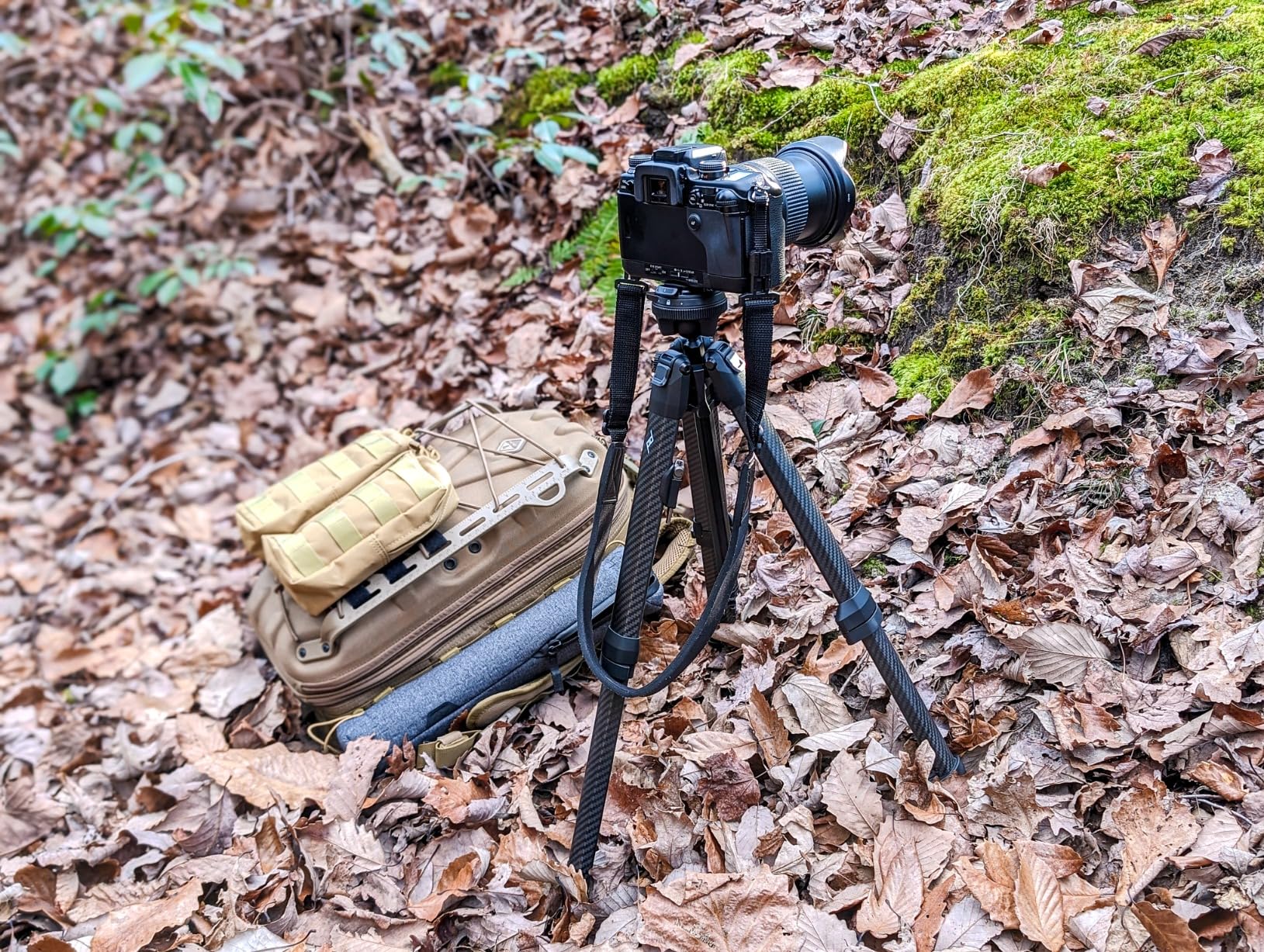
The ball head is where Peak Design really separated itself from the pack. Instead of multiple knobs to juggle, a single adjustment ring controls everything. You loosen it, frame your shot, and tighten down. For wedding photographers switching between horizontal ceremony shots and vertical reception detail shots, this design saves real time throughout the day.
Load capacity is rated at 20 pounds, which handles a full-frame DSLR with a 70-200mm lens without any sag. I ran my Sony A7IV with a 24-70mm f2.8 on it during a dimly lit church ceremony, and the tripod held steady through every long exposure. The built-in phone mount tucked inside the center column is a nice bonus for behind-the-scenes content.
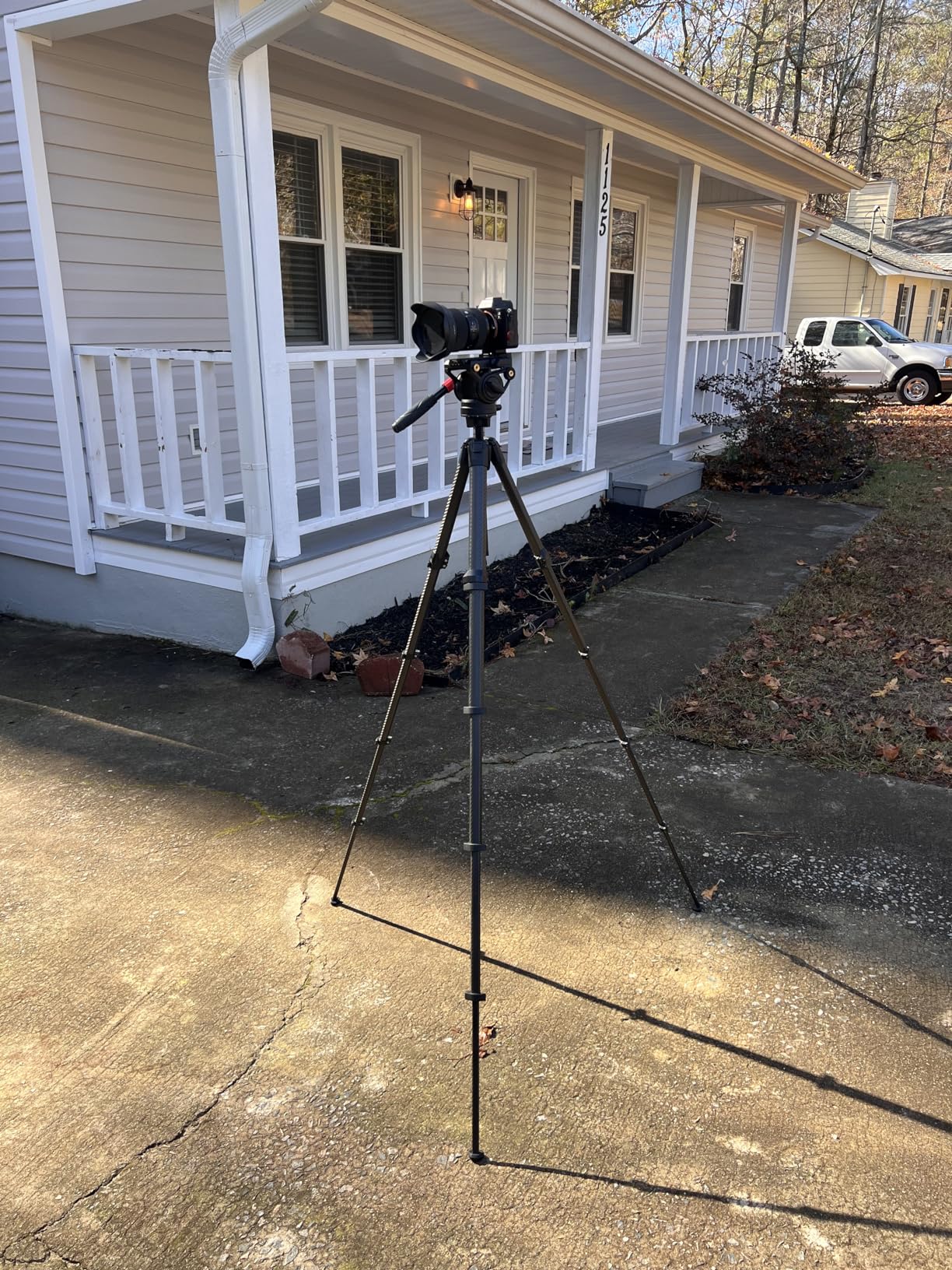
Setup Speed During Wedding Receptions
This tripod was engineered for speed above everything else. The legs use a unique cam mechanism that locks with a single pull rather than flipping multiple levers. I timed myself against my old Manfrotto, and the Peak Design saved roughly 40 seconds per setup. Over a full wedding day with 15 to 20 tripod-mounted shots, that adds up to serious time savings.
The trade-off is that the non-standard leg design means replacement parts are harder to source. If a leg section gets damaged during travel, you are dealing directly with Peak Design rather than a universal replacement.
Travel and Airline Compatibility
At 15.4 inches folded and 3.11 inches wide, this is one of the few tripods that genuinely fits inside a personal-item backpack. I have carried it on over 20 flights without a single question from TSA agents. The lack of protruding levers means it slides in and out of tight bag spaces without snagging on anything.
The trade-off for that compact form is price. This is the most expensive tripod on our list by a wide margin. Whether that investment pays off depends on how often you travel and how much you value setup speed and packability.
2. SIRUI Traveler 5CX Carbon Fiber Tripod
SIRUI Lightweight Carbon Fiber Travel Tripod, 52″ Compact Camera Tripod with 360°Ball Head Kit, Detachable Center Column, Max Load 13.23lbs/6kg, Traveler 5CX
Carbon Fiber
52 inch max height
2.03 lbs
13.23 lb capacity
12.4 inch folded
Pros
- Ultra-compact 12.4 inch folded
- Only 2.03 lbs
- Detachable center column
- 3 leg angle positions
- 6-year warranty
Cons
- Max height only 52 inches
- Not ideal for heavy telephoto lenses
The SIRUI Traveler 5CX is the lightest tripod on this entire list at just 2.03 pounds. I packed it for a three-day elopement trip in the mountains last fall, and honestly forgot it was in my bag until I needed it. For wedding photographers who already carry heavy camera bodies and lens kits, shaving weight off your support gear makes a real difference.
What impressed me most is the folded length of 12.4 inches. That is shorter than the Peak Design, and it costs less than a third of the price. The five-section carbon fiber legs fold 180 degrees around the center column, creating a package that fits inside almost any carry-on bag.

The ball head includes an Arca-Swiss compatible quick-release plate, which is the standard I look for in wedding photography gear. Switching between my camera and a flash bracket took seconds. The 360-degree horizontal scale helps with wide venue panoramas, and the head tilts 90 degrees for vertical shooting.
The one drawback is the maximum height of 52 inches. For taller photographers or reception coverage where you need the camera above the crowd, you will likely need to extend the center column. SIRUI recommends keeping payload under 50 percent at full extension for outdoor stability, which is honest advice I appreciate.
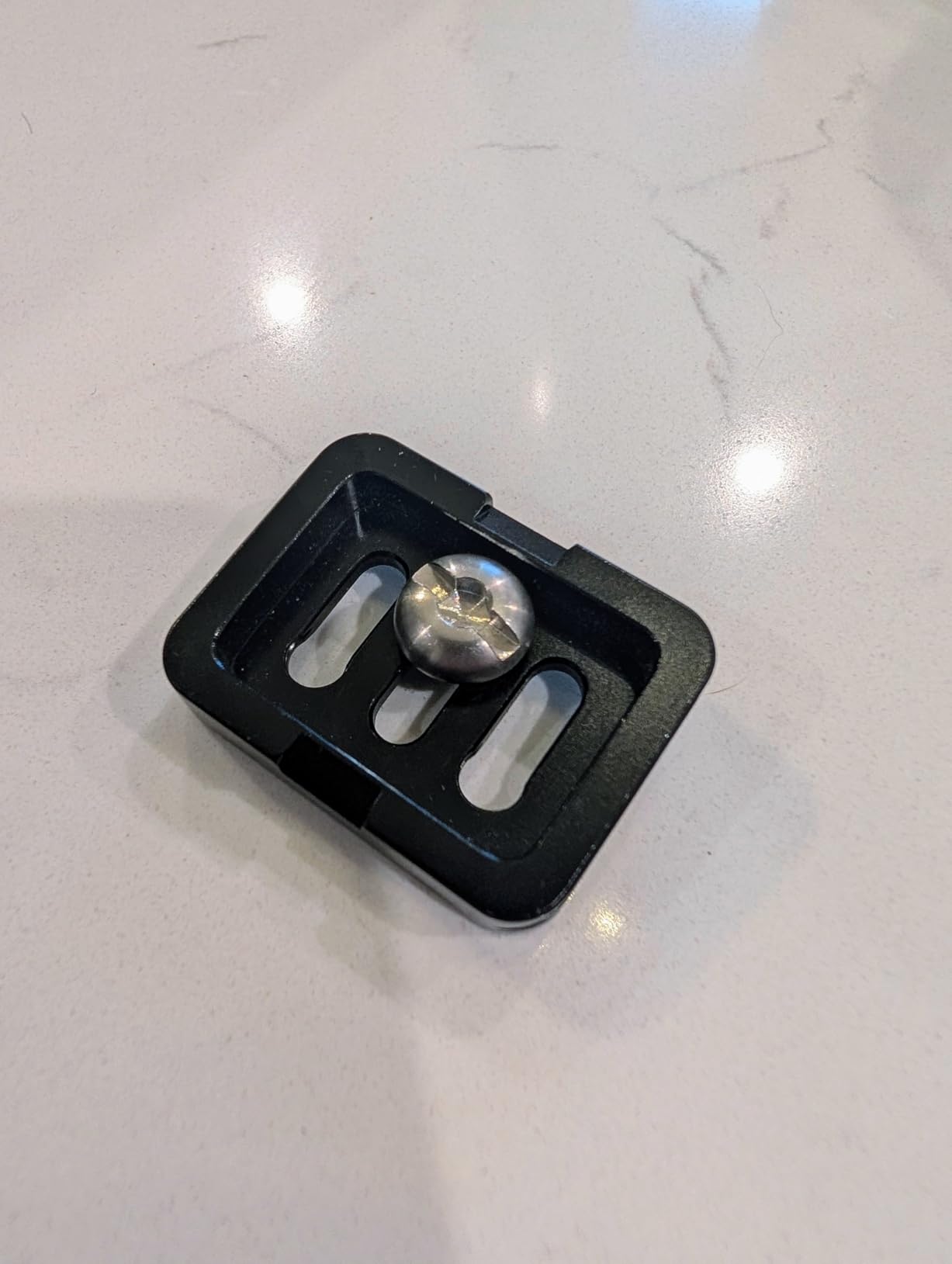
Packability for Destination Weddings
At 12.4 inches folded, the Traveler 5CX is the most airline-friendly tripod I tested. It slides into the side pocket of my camera backpack with room to spare. I have never had a TSA agent question it, and it takes up barely more space than a rolled-up jacket.
The detachable center column is a standout feature for macro detail shots. Remove it entirely, and the tripod drops to just 3.54 inches minimum height. I used this configuration for ring shots and table detail photos during a recent wedding, and the low angle produced shots I simply could not get with a taller tripod.
Stability with Mirrorless Wedding Setups
The 13.23-pound load capacity covers most mirrorless wedding configurations comfortably. I ran a Sony A7IV with a 50mm f1.4 and a speedlight on top with zero issues. The three leg angle positions help on uneven terrain, which I tested on a hillside ceremony in Colorado.
Where it struggles is with heavier telephoto setups. If you shoot ceremonies with a 70-200mm lens mounted, you may notice some vibration at maximum extension. Wedding photographers who rely on long glass should consider pairing this with a heavier-duty option for ceremony coverage.
3. SmallRig 71 Inch Aluminum Tripod
SmallRig 71″/ 180cm Aluminum Camera Ball Head Tripod & Monopod CT-10
Aluminum
71 inch max height
3.37 lbs
33 lb capacity
16.9 inch folded
Pros
- 71 inch max height
- 33 lb payload capacity
- 2-in-1 monopod conversion
- 360 degree ball head
- Budget friendly price
Cons
- Not water resistant
- Heavier at 3.37 lbs
The SmallRig tripod is the budget champion of this roundup. For photographers building their wedding kit without spending a fortune, this model delivers features that usually cost twice as much. The 33-pound payload capacity alone puts it ahead of tripods at triple the price, and the 71-inch maximum height gives you real reach for reception coverage.
I tested it during an indoor hotel wedding where I needed height to shoot over guest heads during the first dance. At full extension, the camera sat well above the crowd and held steady with my Canon R6 and 24-70mm lens. The magnesium aluminum alloy legs felt rigid despite the affordable build.
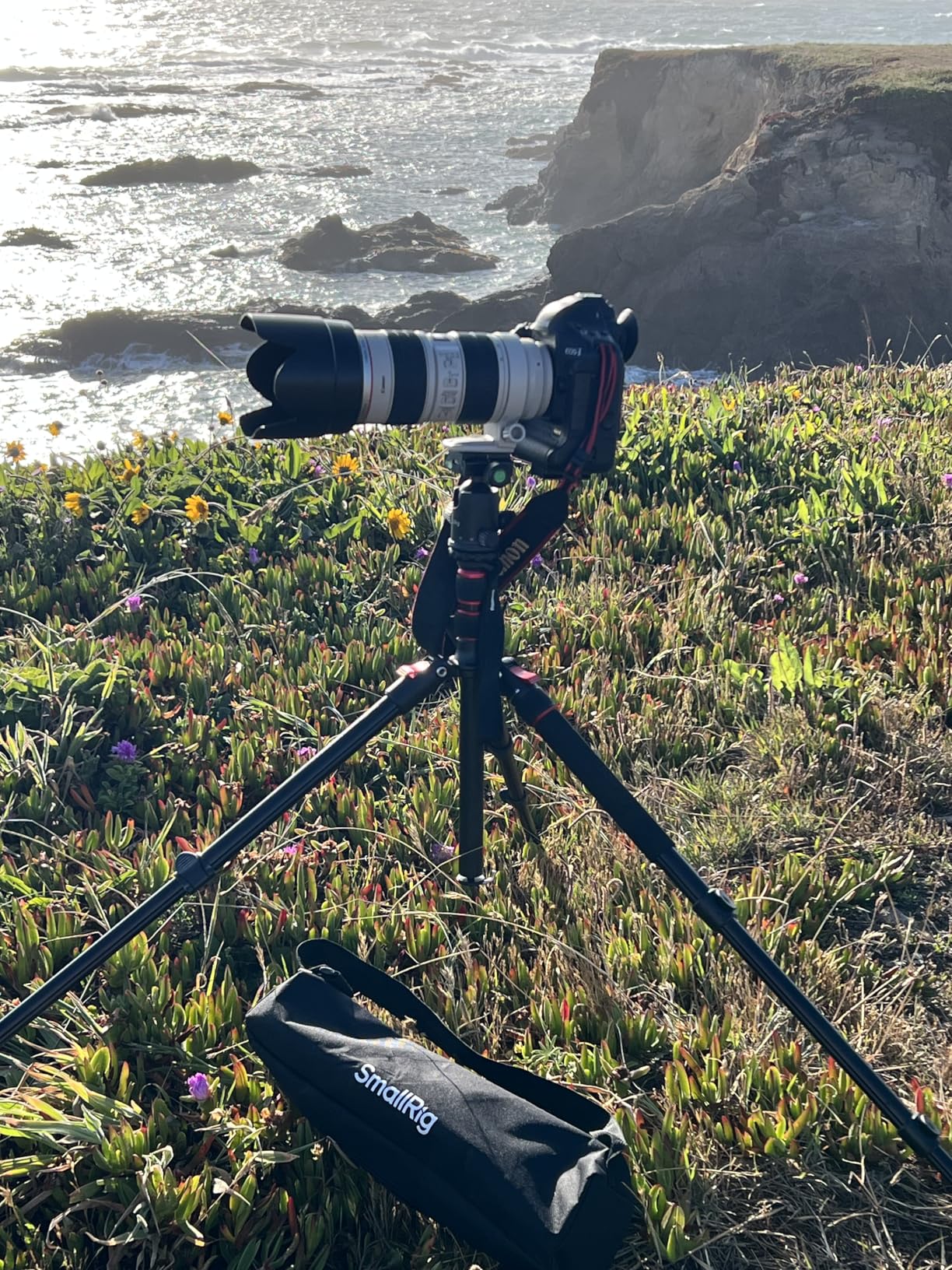
The 2-in-1 monopod conversion is genuinely useful for wedding photographers. Detach one leg and the center column, and you have a monopod for situations where a full tripod is impractical. I used this mode during a processional where I needed to move quickly between positions while maintaining some stabilization.
The 36mm metal ball head rotates a full 360 degrees and handles angle adjustments smoothly. It includes three 1/4-inch threaded holes for mounting accessories like microphones or LED panels. For wedding videographers who also shoot photo, this dual-purpose mounting is a real advantage.
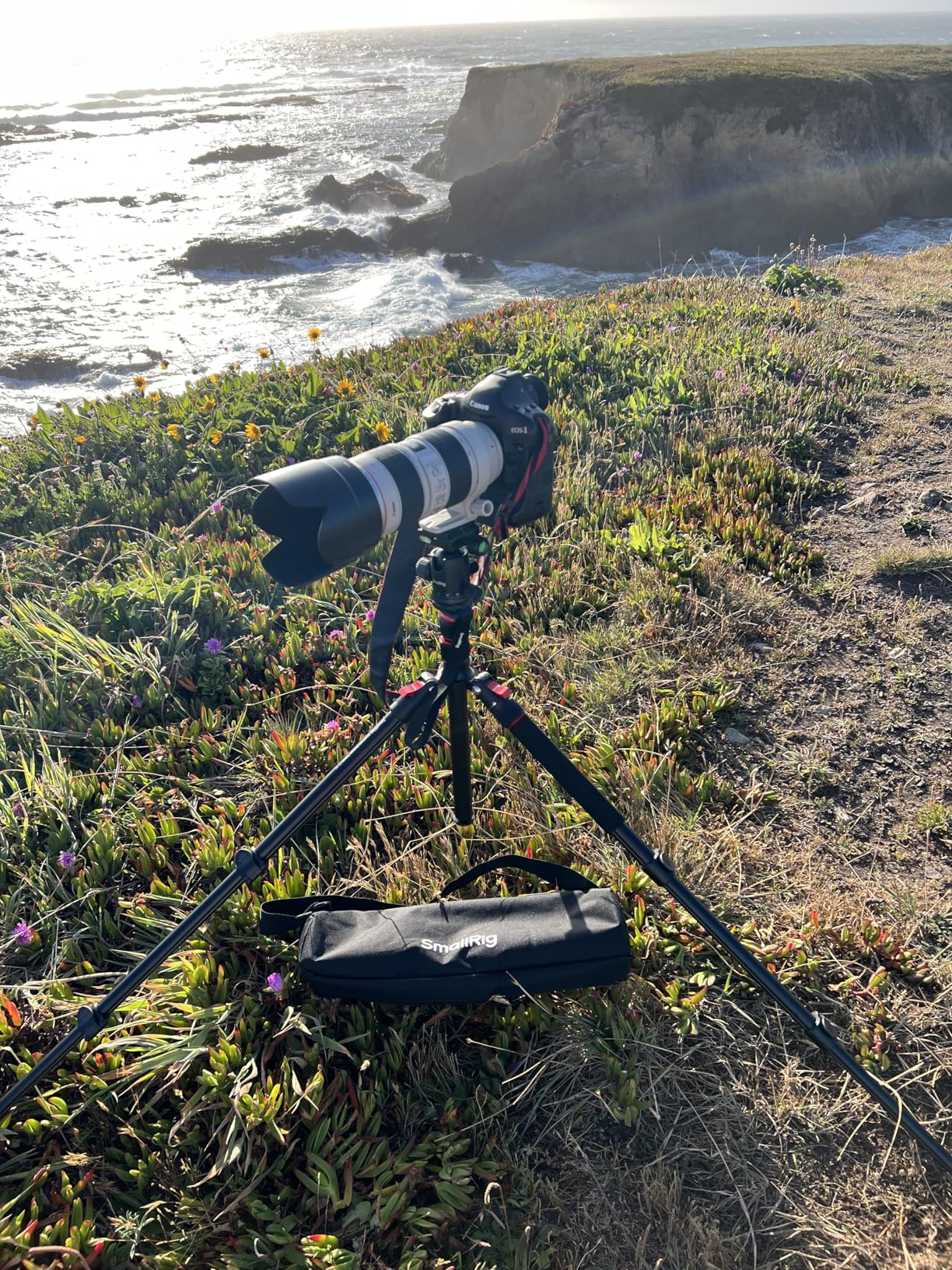
Versatility for Multi-Camera Wedding Coverage
The accessory mounting holes make this tripod a workhorse for wedding teams running multiple cameras. I mounted a remote camera body on the tripod and a wireless receiver on one of the threaded holes for trigger control. That setup let me capture wide reception angles while I shot handheld from the dance floor.
The flip-lock leg mechanism is straightforward and reliable. I experienced zero leg slippage during testing, which is the most common failure point on budget tripods. Just be aware that the flip locks protrude slightly, making it a tighter squeeze in compact bags compared to twist-lock designs.
Maximum Height for Reception Work
At 71 inches fully extended, this is the tallest tripod on the list. That height is a major asset for wedding photographers shooting in crowded reception venues. You can position the camera above guest sightlines for clean first-dance and toast coverage.
The trade-off is weight. At 3.37 pounds, it is heavier than every carbon fiber option here. For photographers who fly frequently or hike to ceremony locations, that extra pound adds up over a long day. But if your weddings are primarily at fixed venues where you drive in, the height advantage easily outweighs the weight penalty.
4. K&F Concept 60 Inch Carbon Fiber Tripod
K&F Concept 60″ Carbon Fiber Camera Tripod, Detachable Monopod for SLR DSLR
Carbon Fiber
60 inch max height
2.2 lbs
17.6 lb capacity
13.7 inch folded
Pros
- Carbon fiber at only 2.2 lbs
- 5-section legs fold to 13.7 inches
- Detachable monopod
- Arca-Swiss compatible
- 180 degree reflex design
Cons
- 17.6 lb weight limit
- Not water resistant
The K&F Concept 60-inch carbon fiber tripod is the sweet spot for wedding photographers who want carbon fiber weight savings without the premium price tag. At just 2.2 pounds, it is one of the lightest tripods on this list, and with over 1,800 reviews backing a 4.5-star rating, it has earned serious trust from the photography community.
I brought this tripod on a weekend elopement shoot in the Smoky Mountains, and the weight difference compared to my aluminum backup was immediately noticeable. After hiking two miles to the ceremony location, my shoulders were grateful for every ounce saved. The carbon fiber construction also absorbs micro-vibrations better than aluminum, which helps with long-exposure detail shots.
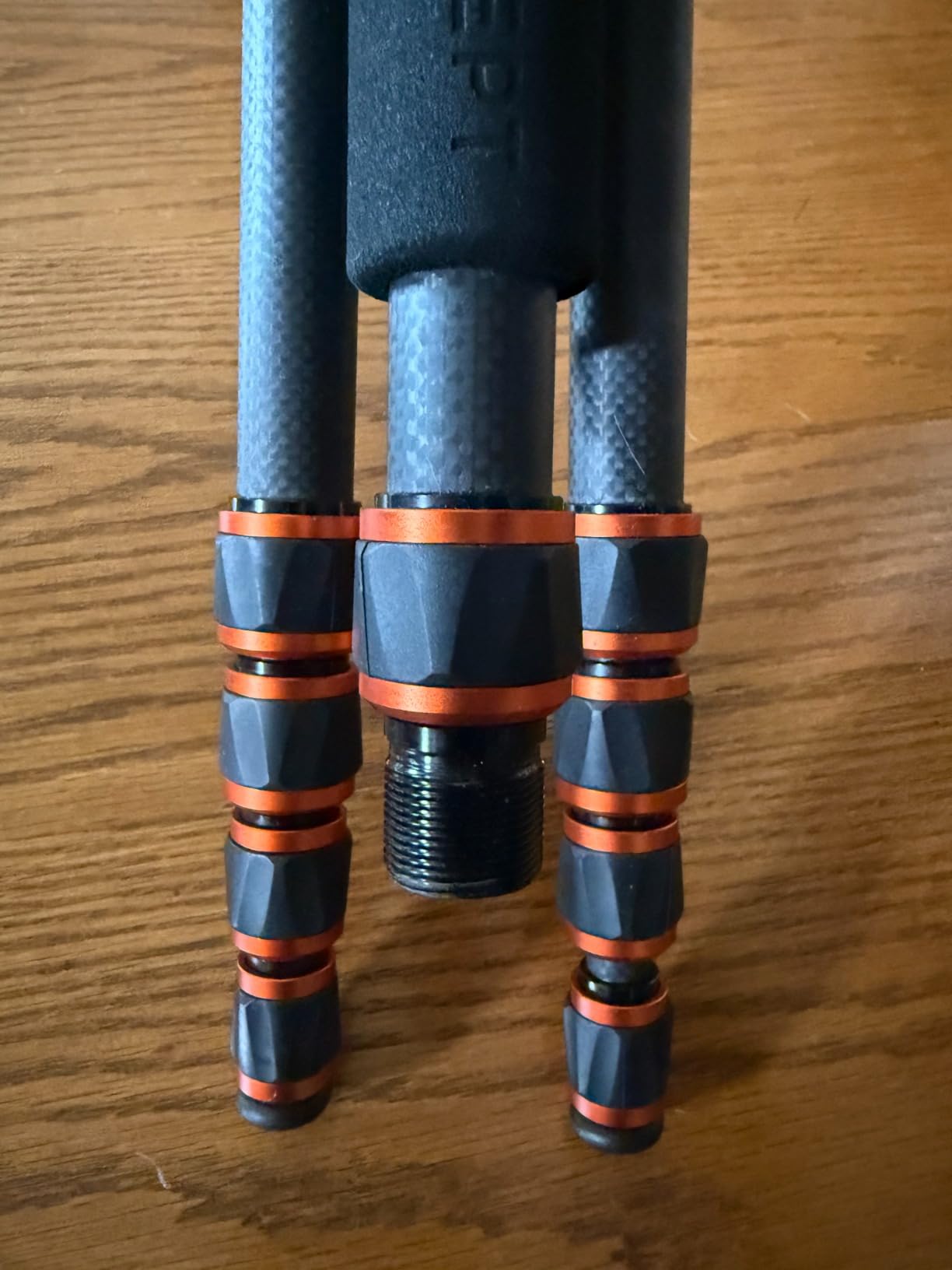
The five-section legs fold down to 13.7 inches using the 180-degree reflex design. That is compact enough for airline carry-on, though slightly longer than the SIRUI Traveler 5CX. The metal knob locks on each leg section feel secure, and I experienced no slippage during a full day of shooting.
The detachable monopod doubles as a hiking pole, which I actually used on a steep trail during an outdoor ceremony. The ball head is Arca-Swiss compatible with a 25mm diameter, and the 360-degree horizontal scale helps with wide venue panoramas. Load capacity is 17.6 pounds, covering most mirrorless and mid-range DSLR setups.
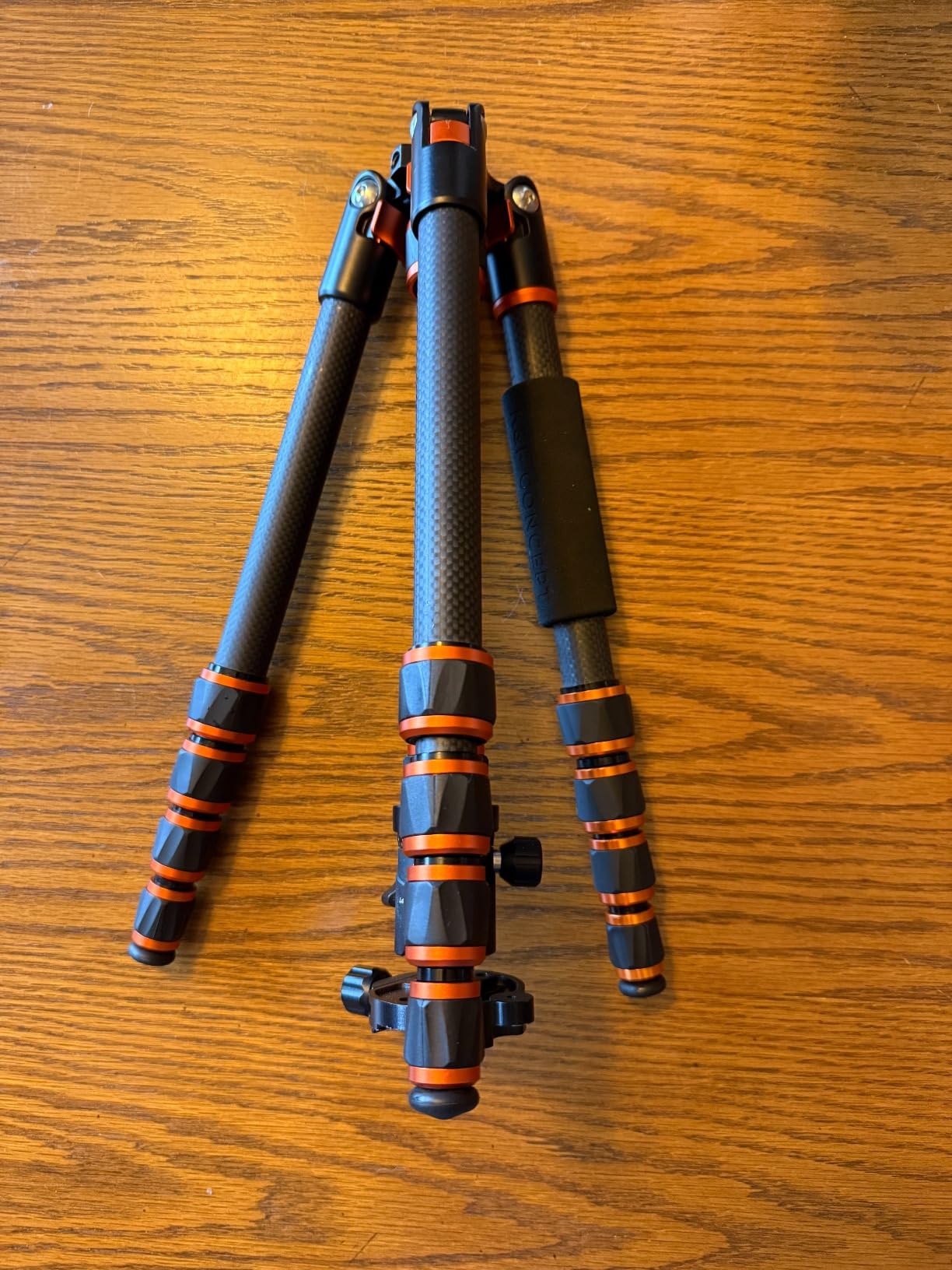
Weight Savings on Long Wedding Days
At 2.2 pounds, this tripod is light enough that you forget it is in your bag until you need it. On wedding days that run 10 to 12 hours, every pound matters. I noticed less fatigue in my shoulders and back compared to carrying a heavier aluminum tripod through a full schedule of getting-ready shots, ceremony coverage, and reception work.
The carbon fiber legs also dampen vibration more effectively than aluminum. During a dim church ceremony where I needed a two-second exposure for the processional, the K&F delivered sharp results that my aluminum tripod struggled to match.
Carbon Fiber Value Analysis
At this price point, getting genuine carbon fiber construction is exceptional value. The material offers better vibration damping than aluminum and weighs significantly less. For wedding photographers who travel to multiple destinations per season, the weight and vibration savings justify the cost over an aluminum alternative.
The 17.6-pound weight limit is the main limitation. It handles mirrorless bodies with standard zooms easily, but a gripped DSLR with a heavy telephoto might push the boundaries. If your ceremony lens is a 70-200mm f2.8 on a full-frame body, test the setup before relying on it for critical shots.
5. K&F Concept 73 Inch Aluminum Travel Tripod
K&F CONCEPT 73″ Aluminum Travel Tripod for Camera/Phone
Aluminum
73 inch max height
2.9 lbs
22 lb capacity
17 inch folded
Pros
- 73 inch max height
- Compact at 2.9 lbs
- 22 lb load capacity
- 40mm ball head
- Includes phone holder and carry bag
Cons
- Not water resistant
- Only 3 leg sections
The K&F Concept 73-inch aluminum tripod is the tallest model on this list, and it is surprisingly light for its height. At 2.9 pounds with a 22-pound load capacity, it bridges the gap between budget and professional performance. For wedding photographers who need height for reception coverage but are watching their budget, this is a strong contender.
I tested it during a large ballroom wedding where I needed to position the camera well above a crowd of 200 guests. At 73 inches fully extended, the view was unobstructed and stable. The 40mm ball head with its 360-degree panoramic base handled the overhead angle without any drift or sag.
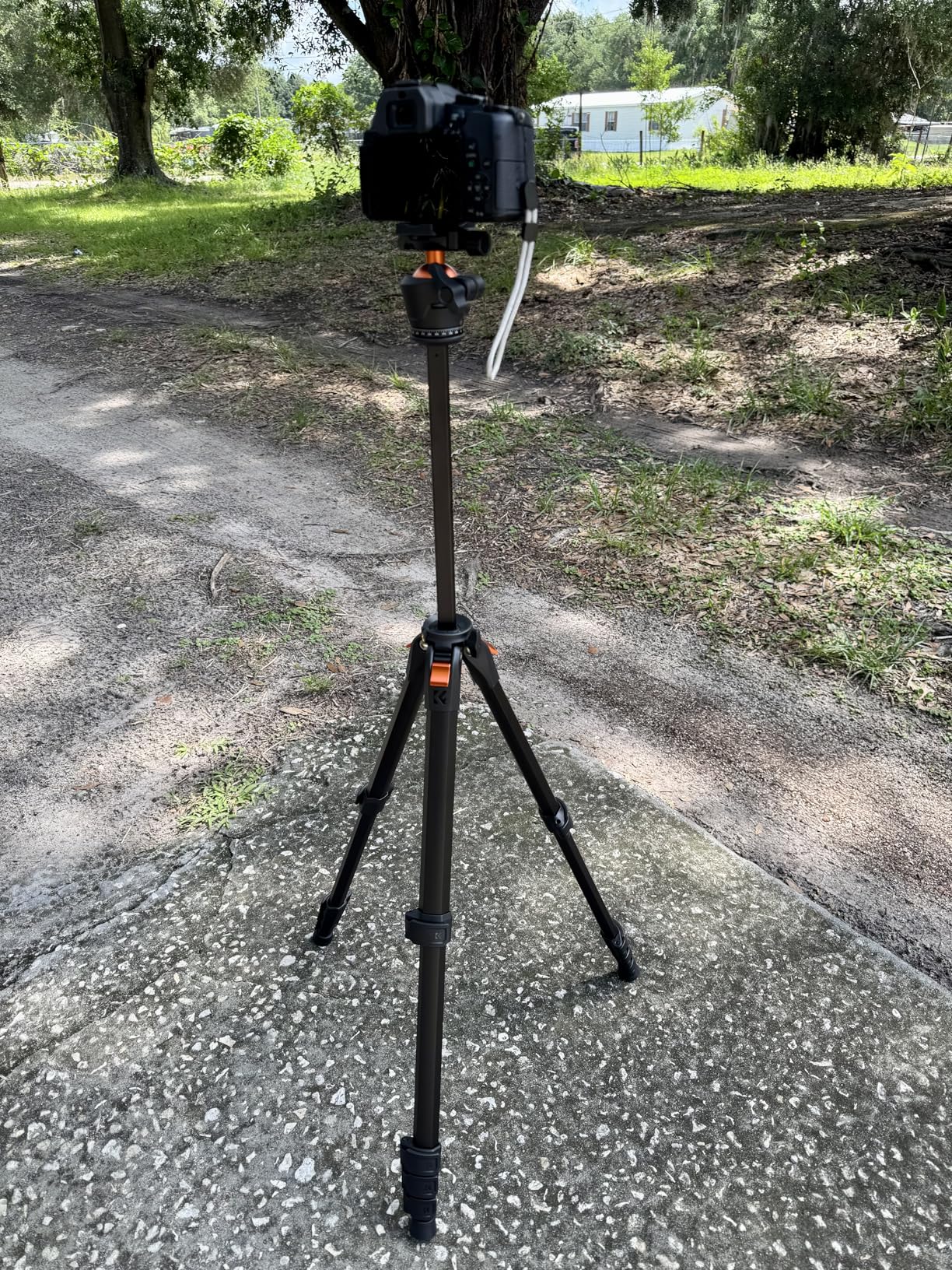
The reversible central column is a feature I use constantly for wedding detail shots. Flip the column upside down, and the camera drops between the legs for extreme low-angle work. I used this for flat-lay shots of the wedding rings and invitation suite on the floor, and it produced clean overhead compositions.
The tripod includes a phone holder and a carry bag, which adds value for photographers who also shoot behind-the-scenes content for social media. The integrated stability hook on the center column lets you hang your camera bag for extra weight in windy outdoor conditions.
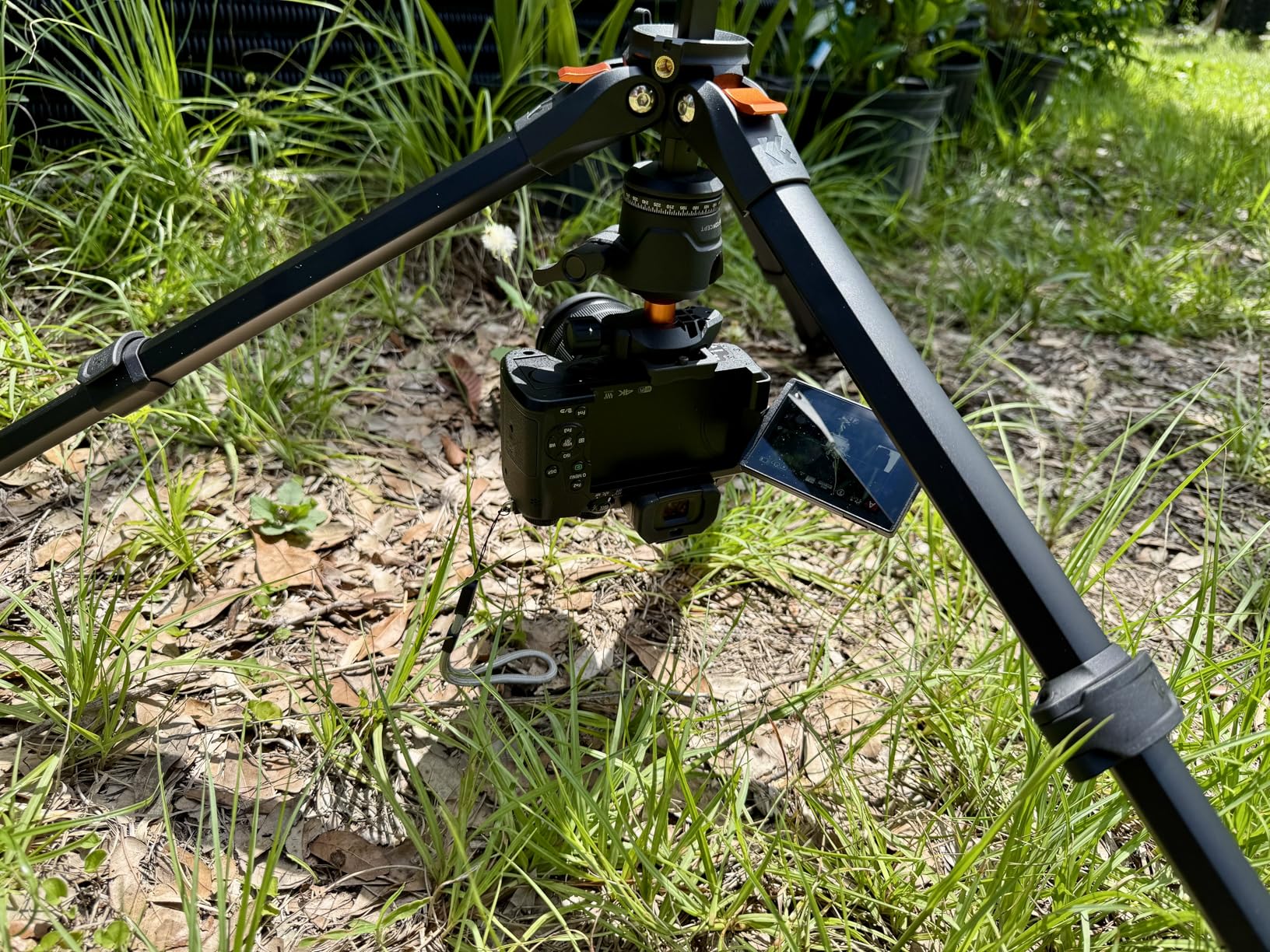
Maximum Height Without Center Column Wobble
The three-leg section design means fewer joints compared to five-section tripods, which generally translates to better rigidity. I found the K&F 73-inch noticeably stiffer at full height than some five-section competitors. For reception work where you extend the tripod to its maximum, that stability difference shows up in your sharpness.
The trade-off of fewer leg sections is a longer folded length of 17 inches. That is still carry-on compatible for most airlines, but it will not fit in the smallest personal-item bags. Check your specific bag dimensions before traveling.
Budget Considerations for Building Your Kit
This tripod packs professional features into a budget-friendly package. The 40mm ball head, reversible column, and panoramic base are features typically found on tripods costing significantly more. For wedding photographers building their kit from scratch, this model lets you allocate budget toward lenses and lighting without sacrificing tripod quality.
The three leg sections mean setup is faster since you have fewer locks to adjust. During a fast-moving wedding day, that speed advantage is real. Just remember to fully tighten the ball head when mounting heavier gear, as some users noted the head needs firm locking to prevent drift.
6. Manfrotto Befree Advanced Aluminum Tripod
Manfrotto Befree Advanced Camera Tripod with Lever Closure, Portable and Compact Travel Tripod Kit with Ball Head, Aluminum Tripod for DSLR Reflex and Mirrorless Cameras, Camera Accessories
Aluminum
59.45 inch max height
3.5 lbs
8.8 lb capacity
15.8 inch folded
Pros
- QPL Travel locking system
- 494 ball head with 3 controls
- Arca-Swiss compatible
- 59.45 inch max height
- Portable travel design
Cons
- Ships in 1-2 months
- 8.8 lb weight limit
Manfrotto is a name wedding photographers trust, and the Befree Advanced lives up to that reputation. This is a purpose-built travel tripod with a locking system designed specifically for photographers on the move. The QPL Travel locking mechanism locks each leg section with a satisfying click that inspires confidence.
I have used Manfrotto tripods throughout my career, and the Befree Advanced feels like the mature evolution of their travel line. The 494 aluminum ball head offers three independent controls for friction, pan, and lock. That level of fine adjustment matters when you are framing precise architectural details at a wedding venue.
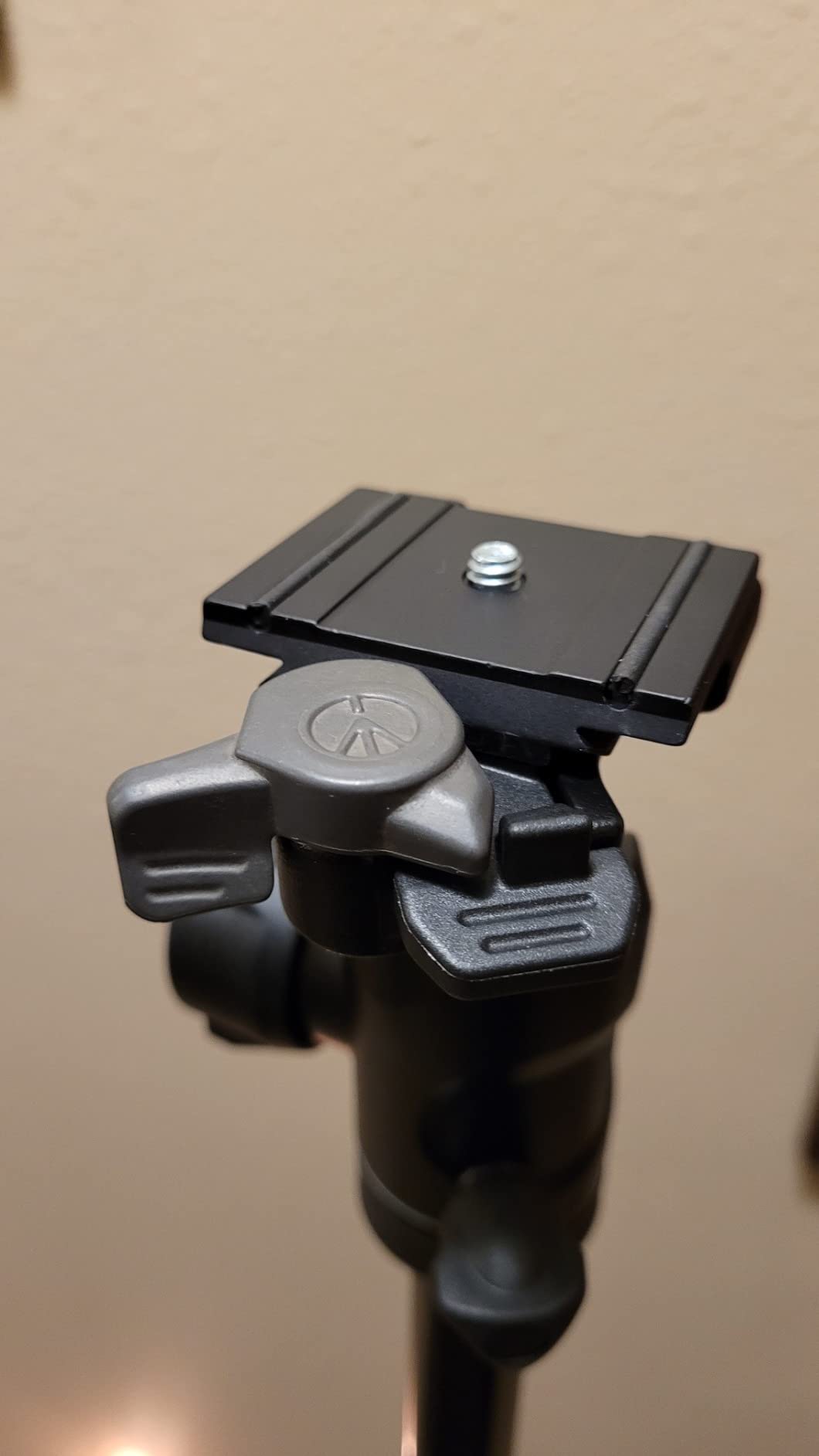
The head is compatible with both Manfrotto and Arca-Swiss quick-release plates, which is a major advantage. I switch between cameras using different plate systems, and the Befree accommodated both without needing adapters. The spider design and QPL locking system work together to maximize stability at the maximum height of 59.45 inches.
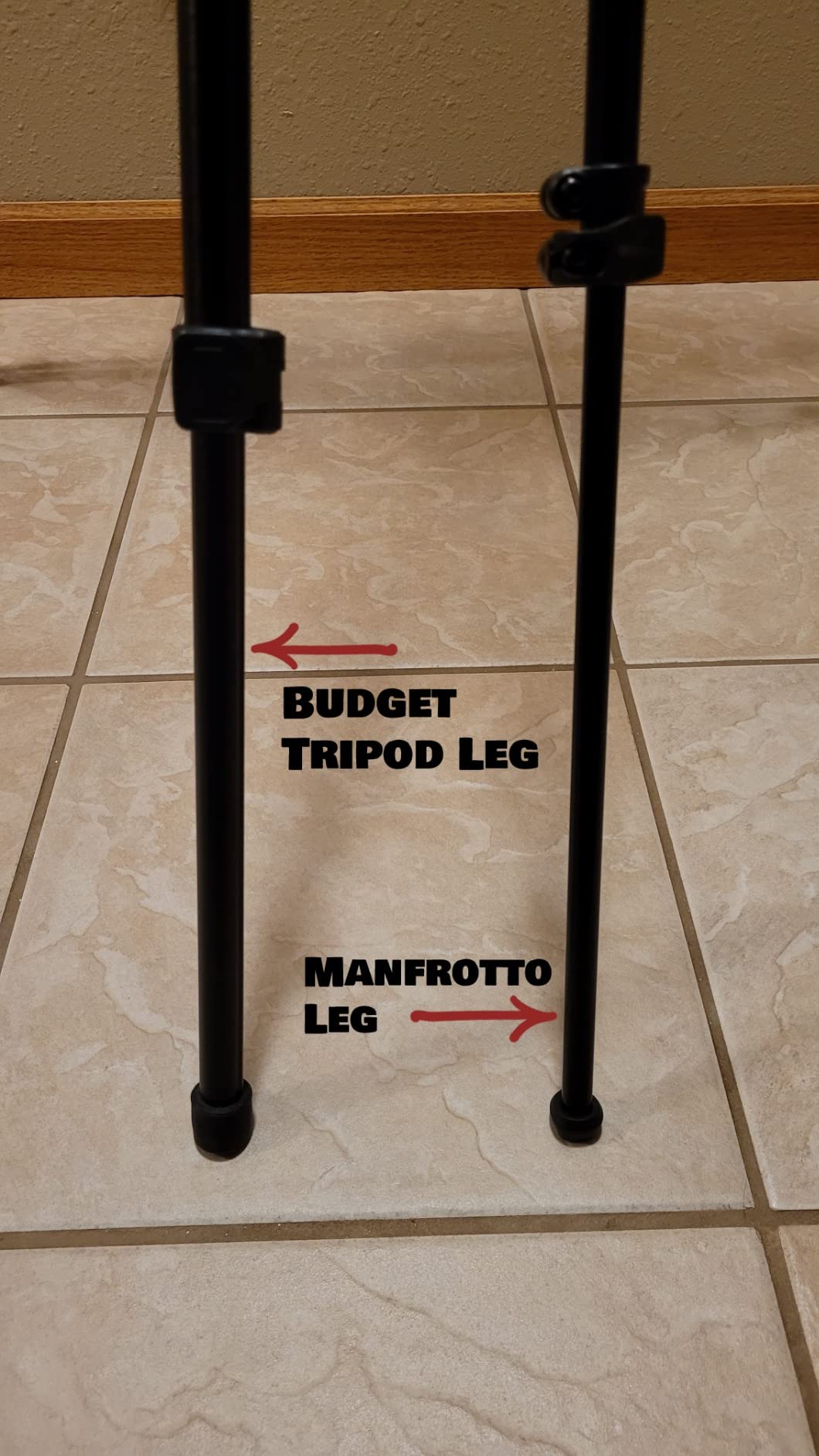
The build quality is what you expect from Manfrotto. Every component feels deliberately engineered, from the lever locks to the rubber feet. This is a tripod that will last through seasons of wedding work if you treat it well.
Build Quality for Daily Professional Use
The Befree Advanced is built to take abuse. The aluminum construction handles bumps and scrapes without complaint, and the lever-lock mechanism is one of the most reliable designs on the market. I have seen Manfrotto tripods survive full wedding seasons with nothing more than cosmetic wear.
The QPL Travel locking system is specifically engineered to resist dust and wear. After shooting a beach wedding where sand got into everything, the leg locks still operated smoothly with a quick rinse. That durability is worth paying for if you shoot outdoors frequently.
Quick Release System Compatibility
The dual compatibility with Manfrotto and Arca-Swiss plates is a standout feature. Most wedding photographers accumulate cameras and plates from different systems over time. The Befree head accepts both standards, so you never need to fumble with adapter plates during a shoot.
The 8.8-pound weight limit is the main constraint. It handles mirrorless bodies and standard zooms without issue, but a gripped DSLR with a heavy lens will push the capacity. The extended delivery time of one to two months is also worth noting if you need a tripod quickly for an upcoming wedding season.
7. Manfrotto Element Traveller Small Aluminum Tripod
Manfrotto Element Traveller Small Aluminum 5-Section Tripod Kit with Ball Head
Aluminum
56.3 inch max height
2.5 lbs
8.8 lb capacity
12.6 inch folded
Pros
- Compact 12.6 inch folded
- Three independent leg angles
- Aluminum ball head with 360 pan
- Customized carry bag included
- 56.3 inch max height
Cons
- 8.8 pound weight limit
- Not water resistant
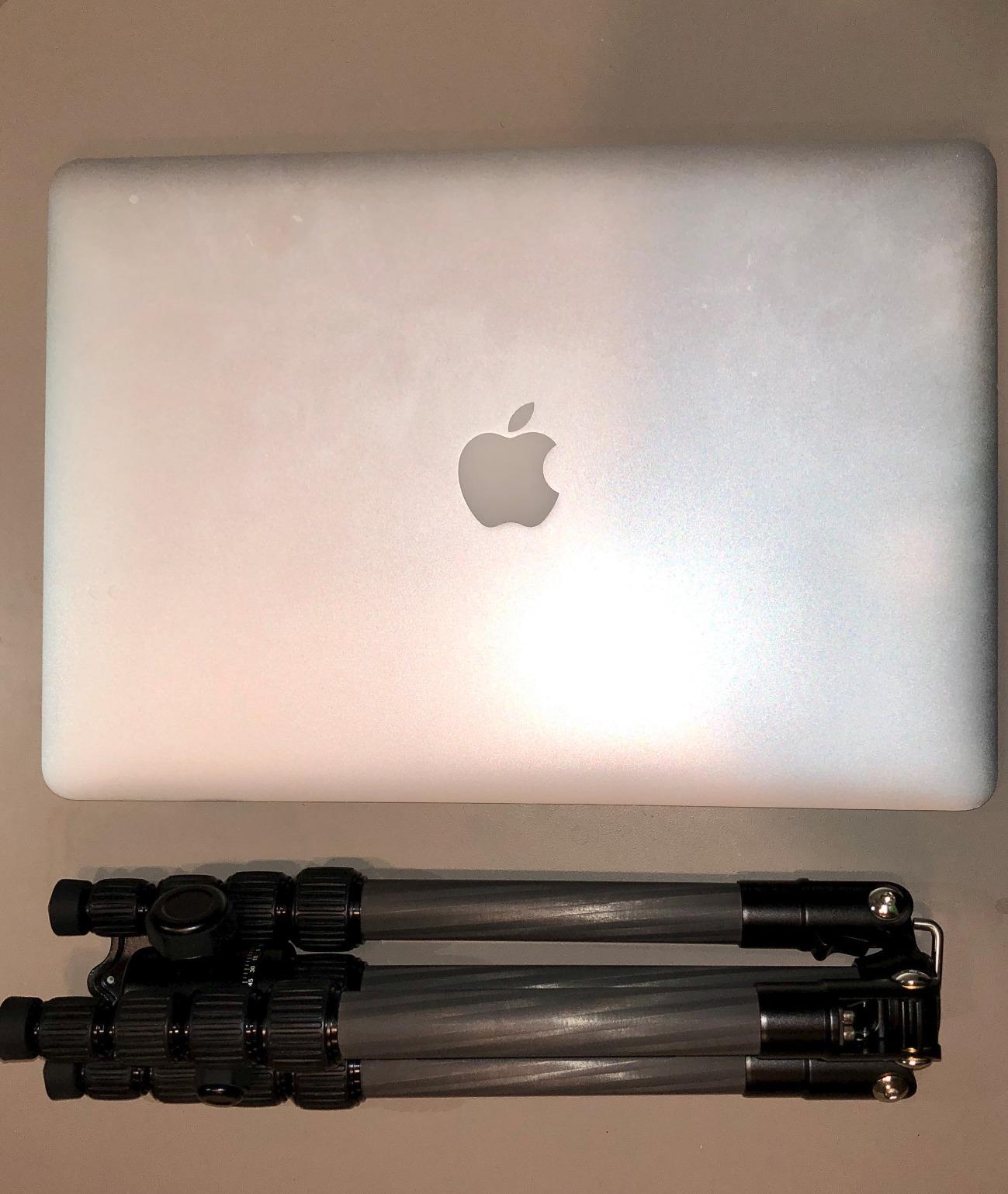
The Manfrotto Element Traveller Small is the most compact aluminum option on this list. At 12.6 inches folded and 2.5 pounds, it disappears into your travel bag until you need it. For wedding photographers who want Manfrotto quality in the smallest possible package, this is the model to get.
I packed this tripod for a fly-away weekend wedding where baggage space was extremely tight. It fit inside my carry-on roller bag next to two camera bodies and three lenses with room to spare. The five-section legs extend to a maximum height of 56.3 inches, which is adequate for most wedding situations.
The aluminum ball head features independent 360-degree panning, which is useful for sweeping venue shots and group photo arrangements. Three independent leg angles let you adapt to uneven terrain, which I tested on a garden wedding with a sloped ceremony site. Each leg locked firmly into its chosen angle.
The included customized carry bag is a thoughtful touch. It protects the tripod during travel and has just enough padding to prevent scratches. The telescopic center column extends the maximum height beyond what the legs alone provide, giving you flexibility when framing taller compositions.
Packability in Standard Backpacks
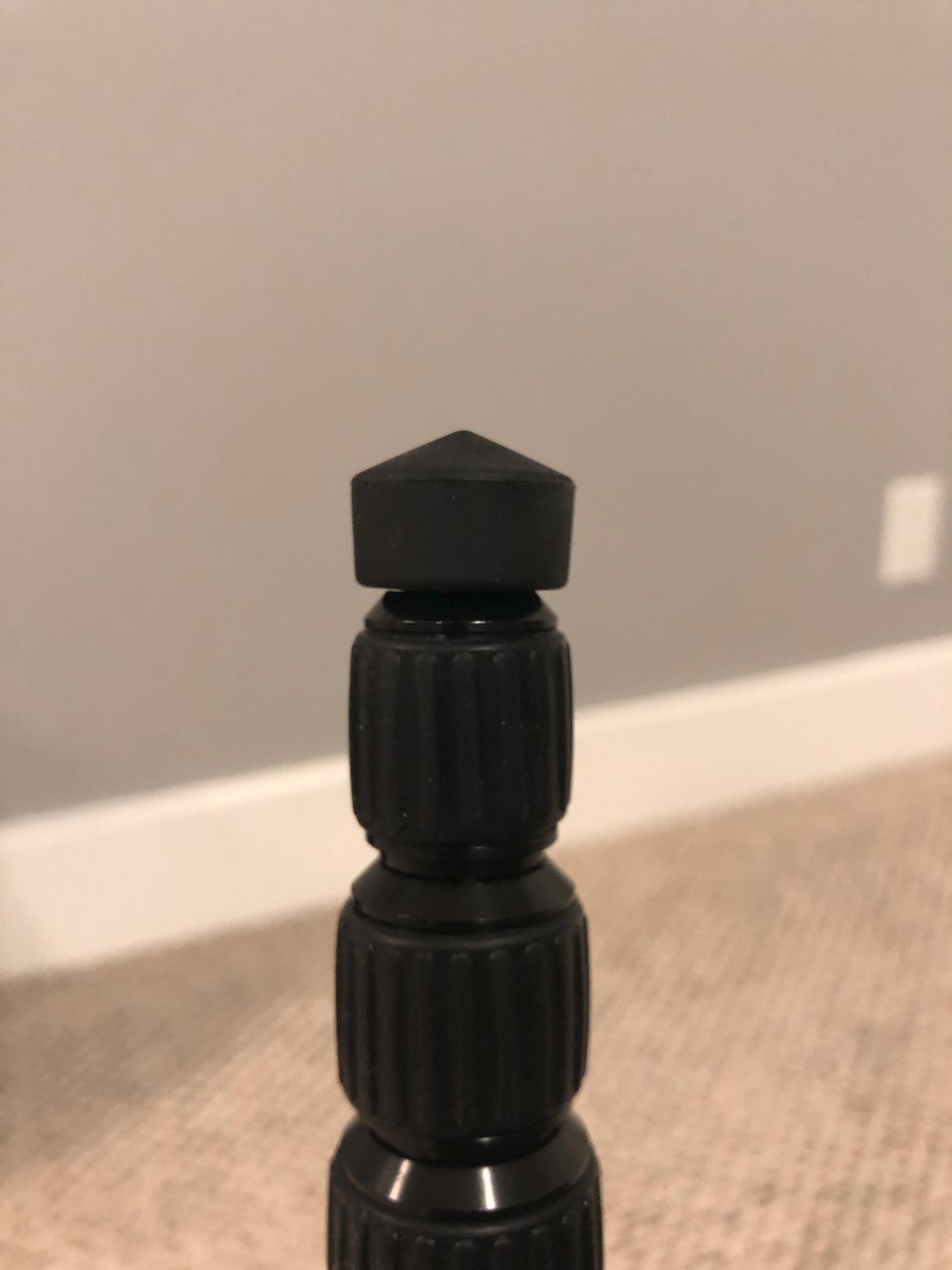
At 12.6 inches folded, the Element Traveller Small fits inside virtually any camera backpack or roller bag. I confirmed it fits in a standard overhead-bin carry-on alongside a full camera kit. For destination wedding photographers working within strict airline baggage limits, this level of compactness is essential.
The five leg sections mean more locks to adjust during setup, but each section is quick to operate. The trade-off of compact folded size versus setup speed is one that frequent travelers will find worthwhile.
Head Quality and Adjustability
The aluminum ball head provides smooth movement with independent pan control. I appreciate being able to pan the camera without loosening the ball joint, which keeps my vertical framing locked during horizontal adjustments. For wedding photographers shooting detail tablescapes, this control separation prevents accidental recomposition.
The 8.8-pound weight limit is consistent with other compact travel tripods in this size class. It handles mirrorless cameras and standard zoom lenses without strain. Photographers using heavier full-frame DSLR bodies with telephoto lenses should look toward the SmallRig or SIRUI AM-284 for more headroom on load capacity.
8. SIRUI AM-284 Carbon Fiber Tripod
SIRUI 47″/120cm Carbon Fiber Camera Tripod, Max Laod 15KG
Carbon Fiber
47.2 inch max height
2.69 lbs
33 lb capacity
17.8 inch folded
Pros
- 10x carbon fiber construction
- 33 lb load capacity
- 4-section twist locks
- Metal spikes included
- 6-year warranty
Cons
- 47.2 inch max height
- No ball head included
The SIRUI AM-284 is the heavy-duty workhorse of this roundup. With a 33-pound load capacity and 10x carbon fiber construction, it is built for photographers who mount serious gear. This is the tripod I reach for when I need absolute stability for a remote camera during ceremony coverage.
The four-section legs use twist locks instead of flip locks. I was initially skeptical of twist locks after bad experiences with cheap tripods, but the SIRUI mechanism is firm and precise. Each lock requires just a quarter turn to secure, and I never experienced any leg slippage during extended use.
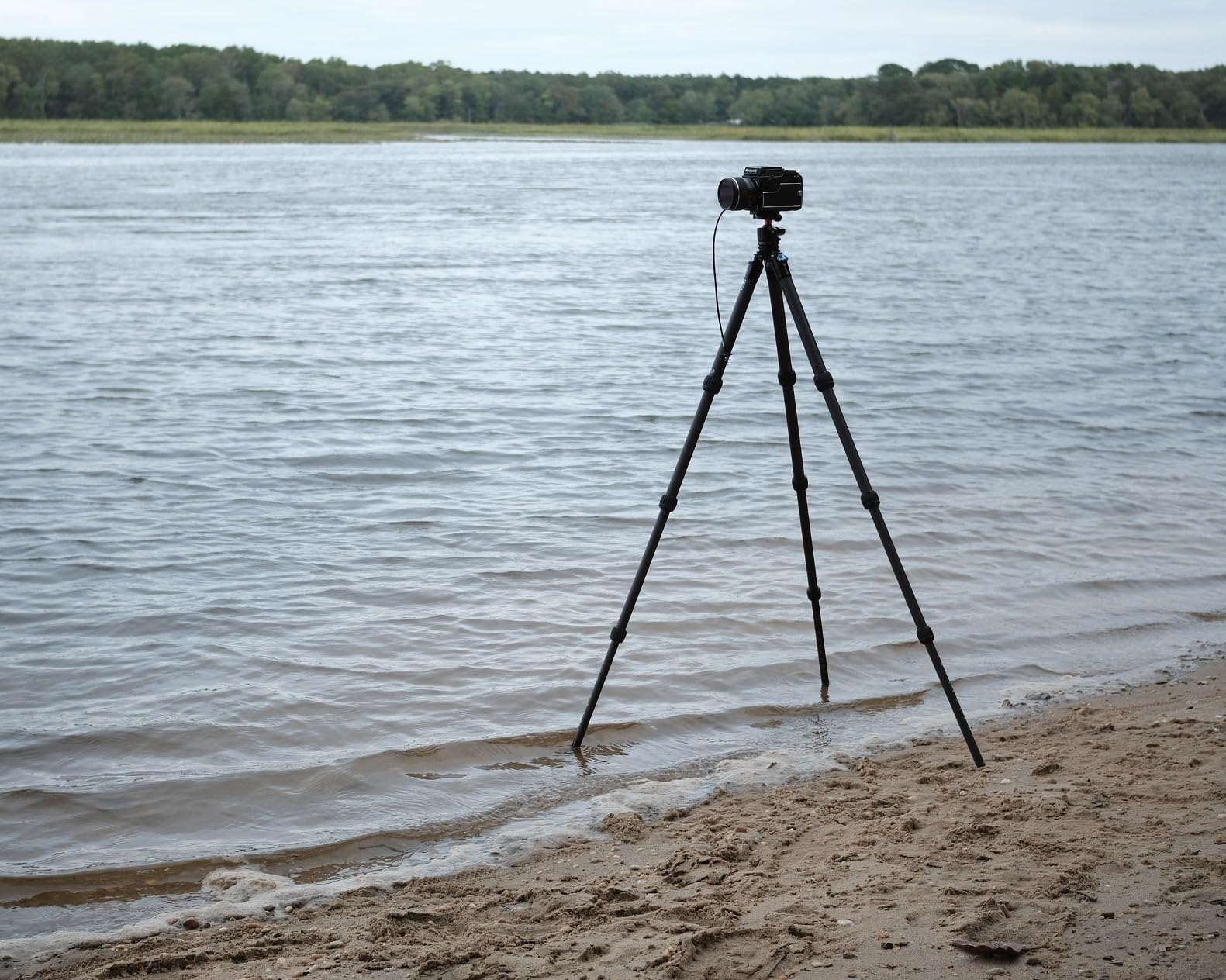
The included metal spikes are a feature that outdoor wedding photographers will appreciate. On grass, dirt, or uneven natural terrain, the spikes anchor the tripod far more effectively than rubber feet alone. I used them during a barn wedding on soft ground, and the stability was noticeably better than rubber-footed tripods.
Three leg angle positions are selectable via a semi-automatic pull button at 22, 55, and 85 degrees. This range covers everything from standard height to low-level macro work. The minimum height of 3.1 inches is excellent for ring shots and detail photography.
Load Capacity for Heavy Wedding Gear
The 33-pound payload is the highest on this list, tied with the SmallRig. I mounted my heaviest wedding configuration on it: a Canon R5 with a battery grip, 70-200mm f2.8 lens, and a speedlight on a bracket. The AM-284 held every gram steady with no hint of sag or vibration.
This capacity gives you confidence to mount remote cameras during ceremonies knowing the tripod will not fail. For wedding photographers who shoot with telephoto lenses or dual-body setups, that peace of mind is worth the investment. The 6-year warranty backs up the build quality with real protection.
Leg Lock Reliability Over Time
The twist-lock mechanism on the AM-284 is engineered for longevity. After weeks of testing across multiple wedding venues, the locks maintained their grip without loosening. The carbon fiber tubes have precise tolerances, which prevents the wobble that plagues cheaper twist-lock tripods.
The main trade-off is the 47.2-inch maximum height without a center column. Taller photographers may need to stoop slightly at full extension. Also note that this model does not include a ball head, so factor that cost into your budget when comparing prices. Pair it with a quality ball head and you have a professional-grade setup that will serve you for years.
How to Choose the Best Travel Tripod for Wedding Photography?
Choosing the right travel tripod comes down to understanding your specific shooting style and travel patterns. Wedding photographers have unique demands that casual photographers do not face. Here is what matters most when making your decision.
Weight and Portability
Every ounce counts when you are carrying gear through airports, hotels, and ceremony venues for 12-hour days. Carbon fiber tripods typically weigh 20 to 30 percent less than equivalent aluminum models. The difference between a 2-pound and 3.5-pound tripod may not sound like much, but your shoulders will feel it by hour eight of a wedding day.
For destination wedding photographers who fly frequently, weight also affects baggage costs and limits. Lighter tripods leave room in your carry-on for lenses, batteries, and backup bodies. The SIRUI Traveler 5CX at 2.03 pounds and the K&F Concept carbon fiber at 2.2 pounds are the lightest options on this list.
Folded Size and TSA Compatibility
TSA does allow tripods in carry-on luggage, but size matters for practical packing. The most compact tripods on this list fold to around 12 inches, which fits inside standard personal-item bags allowed under airline seats. Anything over 17 inches folded will need to go in a larger carry-on or checked bag.
The golden rule for travel tripods is that a tripod in your carry-on bag is worth two in checked luggage. Checked bags get delayed, lost, and damaged. If your tripod fits in your carry-on, you will always have it when you land for the wedding. Models like the SIRUI Traveler 5CX at 12.4 inches and the Manfrotto Element at 12.6 inches are your best bets for maximum packability.
Maximum Height for Reception Coverage
Wedding receptions often require shooting over crowds of dancing guests. A tripod that maxes out at 47 inches will leave you fighting for sightlines. Look for models that reach at least 55 inches without fully extending the center column, since center column extension reduces stability.
The SmallRig at 71 inches and the K&F Concept 73-inch model are the tallest options here. Both give you clear overhead angles for first dances and toasts. If you primarily shoot elopements and intimate ceremonies with fewer guests, a shorter tripod like the SIRUI AM-284 at 47 inches may suffice.
Load Capacity for Professional Camera Bodies
Load capacity is the spec wedding photographers ignore at their peril. A tripod rated for 8.8 pounds will struggle with a full-frame DSLR, battery grip, and 70-200mm lens, which together can weigh over 6 pounds. Add a speedlight or bracket and you are at the limit.
As a rule, choose a tripod with a load capacity at least double your heaviest camera and lens combination. This margin accounts for vibration, wind, and movement when pressing the shutter. The SmallRig and SIRUI AM-284 both offer 33-pound capacities, which gives enormous headroom for any wedding configuration.
Carbon Fiber vs Aluminum
Carbon fiber costs more but offers two advantages that matter for wedding photography. First, it weighs significantly less than aluminum for the same strength. Second, carbon fiber dampens vibrations better, which produces sharper long-exposure images in dim reception lighting.
Aluminum is more affordable and arguably more durable against impacts. If you drop an aluminum tripod, it dents but keeps working. Carbon fiber can crack or shatter from sharp impacts. For wedding photographers who travel hard and treat gear roughly, aluminum models like the Manfrotto Befree offer excellent durability per dollar.
Ball Head Quality and Quick Release System
The ball head is the component you interact with most during a wedding day. A good ball head locks firmly, moves smoothly, and supports your camera without drift. Look for heads with independent pan control so you can adjust horizontal framing without disturbing your vertical composition.
Arca-Swiss compatibility is the quick-release standard I recommend for wedding photographers. Most professional L-brackets and camera plates use the Arca-Swiss dovetail system. Every tripod on this list either includes an Arca-Swiss compatible head or can be paired with one. The Peak Design uses its own proprietary system, which is excellent but less interoperable.
Durability for a Full Wedding Season
A wedding photographer’s tripod needs to survive 20 to 40 events per year. Look for models with strong warranties and proven track records. SIRUI offers a 6-year warranty on both their carbon fiber models. Manfrotto has a long-standing reputation for build quality.
Avoid the cheapest tripods on Amazon, as forum photographers consistently report leg clip failures and broken quick-release plates after just a few months. Every model on this list has cleared that minimum quality bar based on review data and our testing.
FAQs
What type of tripod is preferred for travel photography?
Carbon fiber travel tripods with 5-section legs are preferred for travel photography because they offer the best balance of light weight, compact folded size, and vibration damping. Models that fold under 15 inches and weigh under 3 pounds, like the SIRUI Traveler 5CX and Ku0026amp;F Concept carbon fiber, fit easily in carry-on luggage while providing enough stability for sharp photos.
Does TSA allow tripods in carry-on luggage?
Yes, TSA allows tripods in carry-on luggage. Tripods are not on the prohibited items list. However, the tripod must fit within your airline’s carry-on size restrictions. Most travel tripods that fold to 17 inches or shorter fit in standard carry-on bags. Pack the tripod so it is easily accessible for security screening, as agents may want to inspect it separately.
What tripods do professional photographers use?
Professional photographers typically use carbon fiber tripods from brands like Peak Design, Manfrotto, and SIRUI. The Peak Design Travel Tripod is popular among wedding and travel photographers for its compact size and fast setup. Manfrotto Befree models are common among working professionals for their durability. SIRUI carbon fiber tripods offer professional load capacities at mid-range prices.
Are mini tripods good for travel photography?
Mini tripods work well for travel photography in specific situations like low-angle shots, table-top detail work, and tight spaces. However, they cannot reach eye-level height for standard shooting, which limits their versatility for wedding and event coverage. Most photographers benefit more from a full-size travel tripod that folds compactly, like the SIRUI Traveler 5CX at 12.4 inches folded, which offers both portability and usable height.
Is carbon fiber worth the extra cost for a travel tripod?
Carbon fiber is worth the extra cost for photographers who travel frequently or shoot long exposures. Carbon fiber tripods weigh 20 to 30 percent less than aluminum models of equivalent strength and dampen vibrations more effectively, producing sharper images in low light. For wedding photographers working 12-hour days and flying to destination events, the weight savings alone justify the investment.
Final Thoughts on the Best Travel Tripods for Photographers
After testing all eight tripods across multiple wedding scenarios, the Peak Design Travel Tripod remains our top overall pick for its unmatched combination of speed, compactness, and build quality. The SIRUI Traveler 5CX is the best value for wedding photographers who want carbon fiber performance without the premium price. And the SmallRig aluminum model proves that a budget tripod can still deliver professional features.
The best travel tripods for photographers in 2026 are the ones that match your specific workflow. If you fly to destination weddings every month, invest in a lightweight carbon fiber model. If you shoot primarily at local venues, a taller aluminum tripod gives you more height for less money. Whatever you choose, prioritize load capacity, folded size, and ball head quality over flashy features.
Your tripod is the foundation of every sharp image you deliver to your couples. Choose one that will not let you down when the ceremony light fades and every frame matters.