
Finding the best budget lenses for portrait photography completely changed how our team approaches wedding shoots. I spent years believing that creamy bokeh required glass costing north of $1,500. That assumption cost me money and pushed away couples working with tighter photography budgets.
The reality is that affordable prime lenses deliver the background separation and soft rendering that define professional portraits. Most options in this guide sit between $85 and $280. That is a small fraction of what f/1.4 professional lenses charge, yet the real-world results often look nearly identical to untrained eyes.
The magic happens with fast maximum apertures. A lens that opens to f/1.8 or f/2 lets in roughly four times more light than a typical f/3.5 kit zoom. That wider opening creates shallow depth of field, the technical reason your subject stays sharp while the background melts into blur. Kit lenses simply cannot produce that look at standard portrait distances.
This 2026 guide covers eight budget portrait lenses I have tested across Canon, Nikon, Sony, and third-party mounts. I will break down bokeh character, autofocus speed, build quality, and which camera system each lens fits. Whether you shoot headshots, family sessions, or full wedding days, there is an affordable prime here that earns a spot in your bag.
Table of Contents
Top 3 Picks for Best Budget Lenses for Portrait Photography (October 2026)
These three lenses stood out during our testing for different reasons. One delivers unmatched popularity and reliability, another pairs serious optics with proven autofocus, and the third proves you can spend under $110 and still capture striking portraits.


Best Budget Lenses for Portrait Photography in 2026
Here is the full lineup of affordable portrait lenses covered in this guide. Use this overview to compare focal lengths, apertures, and mounts at a glance before reading the detailed reviews.
| Product | Specifications | Action |
|---|---|---|
| Canon EF 50mm f/1.8 STM |
|
Check Latest Price |
 Nikon AF-S NIKKOR 50mm f/1.8G Nikon AF-S NIKKOR 50mm f/1.8G |
|
Check Latest Price |
 Canon RF 50mm f/1.8 STM Canon RF 50mm f/1.8 STM |
|
Check Latest Price |
 Sony FE 50mm f/1.8 Sony FE 50mm f/1.8 |
|
Check Latest Price |
 Nikon NIKKOR Z 40mm f/2 Nikon NIKKOR Z 40mm f/2 |
|
Check Latest Price |
 Viltrox 56mm f/1.7 E-Mount Viltrox 56mm f/1.7 E-Mount |
|
Check Latest Price |
| Yongnuo YN50mm f/1.8N |
|
Check Latest Price |
 JINTU 85mm f/1.8 JINTU 85mm f/1.8 |
|
Check Latest Price |
1. Canon EF 50mm f/1.8 STM – The People’s Portrait Lens
Canon EF 50mm f/1.8 STM Lens, Black, Compatible with Canon EOS DSLR Cameras
50mm prime
f/1.8 aperture
Canon EF mount
STM autofocus
6 elements 5 groups
0.35 lbs
Pros
- Excellent value for portrait photography
- Fast f/1.8 aperture for low light
- Smooth and quiet STM autofocus
- Compact and lightweight design
Cons
- No image stabilization
- Plastic lens mount
- Some chromatic aberration wide open
This is the lens I recommend to every photographer buying their first piece of glass beyond a kit zoom. The Canon EF 50mm f/1.8 STM has earned its nickname as the nifty fifty for good reason. With over 18,000 reviews and a 4.8-star average, it is the most popular budget portrait lens on the market by a wide margin.
I have carried this lens on countless wedding shoots as a backup body option. At just 0.35 pounds, it barely registers in a bag. The STM stepping motor focuses smoothly and quietly, which matters when you are filming ceremony moments or shooting reception candids where shutter noise is already a concern.
On a full-frame Canon DSLR the 50mm focal length gives a natural perspective that flatters faces. Mount it on an APS-C body and you get an 80mm equivalent field of view, which happens to land right in the classic portrait range. That flexibility makes it one of the best budget lenses for portrait photography across two sensor formats.

Optically the lens uses six elements in five groups with a seven-blade circular aperture. Stopped down to f/2.8 the sharpness across the frame impresses for the price. Wide open at f/1.8 you get pleasing background separation with some softness in the extreme corners, which is acceptable for portraits since your subject rarely sits in the corner.
The main trade-offs are build related. The mount is plastic rather than metal, and there is no image stabilization. Chromatic aberration shows up in high-contrast edges when you shoot wide open. None of these issues ruin portraits, but they explain how Canon keeps the price so approachable.
The minimum focus distance of 1.15 feet lets you capture tight detail shots like rings and jewelry during wedding coverage. Maximum magnification is 0.21x, which is modest but enough for those smaller storytelling frames.

Real-World Wedding and Event Performance
For wedding photographers, this lens shines as a lightweight second-body option during ceremony coverage. The quiet STM motor means you can focus during vows without drawing attention. Low-light reception shots at f/1.8 stay usable where a kit lens at f/3.5 would force you onto flash.
Where it struggles is fast subject tracking. The STM motor is smooth but not the fastest for erratic movement like dancing. For posed portraits and slow-moving moments, it performs beautifully. I always remind shooters that this lens rewards patience and composition over spray-and-pray shooting.
Who Should Buy This Lens
Beginners upgrading from a kit lens will see an immediate transformation in their portrait work. The background blur alone justifies the purchase. Enthusiasts who want a lightweight travel or backup prime will also find it earns its keep.
Skip it if you shoot mostly video with heavy autofocus demands or if you need weather sealing for outdoor work in rain. For everyone else looking at affordable portrait glass, this Canon is the safest first purchase you can make.
2. Nikon AF-S FX NIKKOR 50mm f/1.8G – The Reliable Nikon Workhorse
Nikon AF-S FX NIKKOR 50mm f/1.8G Lens with Auto Focus for Nikon DSLR Cameras
50mm prime
f/1.8 aperture
Nikon F FX mount
Silent Wave Motor
185 grams
58mm filter
Pros
- Excellent optical quality
- Fast and accurate Silent Wave autofocus
- Sharp from f/1.8
- Great value for FX and DX
Cons
- No included lens hood
- Some focus noise reported
- Not weather-sealed
Nikon shooters get their own nifty fifty, and it is every bit as beloved as the Canon version. The AF-S FX NIKKOR 50mm f/1.8G carries over 10,000 reviews with an 88 percent five-star rating. That kind of sustained praise from the photography community tells you this lens punches well above its weight.
Our team has relied on this lens for family portrait sessions and outdoor engagement shoots. The Silent Wave Motor delivers autofocus that is fast and accurate for single-shot portrait work. Edge-to-edge sharpness is notably better than older 50mm designs thanks to a newly developed optical system with an aspherical element.
What surprised me most is how sharp images stay wide open at f/1.8. Many budget primes need stopping down to f/2.8 before they clean up. This Nikon delivers usable results straight from maximum aperture, which matters when you are shooting evening portraits and every stop of light counts.

The optical construction uses an aspherical lens element to control aberrations. Nikon optimized the design for edge-to-edge sharpness on both FX full-frame and DX crop-sensor bodies. On a DX camera the 50mm becomes a 75mm equivalent, placing it firmly in flattering portrait territory.
Build quality feels solid for the price at 185 grams. The filter thread is 58mm, a common size that keeps accessory costs reasonable. Nikon includes an M/A focus mode switch that lets you override autofocus manually without flipping a body switch.
The downsides are minor but worth noting. No lens hood ships in the box, and the lens is not weather-sealed. Some users report audible focus noise, though I have not found it intrusive during portrait sessions. There is no image stabilization, but at 50mm with a fast aperture, shutter speeds usually stay high enough to compensate.

Optical Character and Bokeh Quality
The seven-blade circular aperture produces smooth, natural background blur. Bokeh is clean and free of the harsh edges you sometimes see in older lens designs. Colors render with that signature Nikon warmth that pairs well with skin tones in portrait work.
Flare resistance is respectable thanks to Nikon’s standard coating. You will still see some ghosting when shooting directly into the sun, but contrast holds up better than expected for a lens in this price bracket.
Best Use Cases and Compatibility
This lens fits any Nikon F-mount DSLR, including older D-series bodies, thanks to the built-in Silent Wave Motor. That broad compatibility makes it a smart choice if you shoot with an entry-level body that lacks an in-body focus motor. It is one of the strongest candidates among the best budget lenses for portrait photography for Nikon users.
I recommend it for environmental portraits, couples sessions, and editorial-style headshots. The 0.45-meter minimum focus distance limits tight macro work, but for standard portrait framing it gives you plenty of working room.
3. Canon RF 50mm f/1.8 STM – The Mirrorless Nifty Fifty
Canon RF50mm F1.8 STM Lens, Hybrid Telephoto Zoom Lens, Fixed Focal Length, Compatible with EOS R Series Mirrorless Cameras, Compact, Lightweight Design, Portraits, Landscapes, Photography, Black
50mm prime
f/1.8 aperture
Canon RF mount
Gear-type STM
5.6 ounces
43mm filter
Pros
- Compact and lightweight for mirrorless
- Excellent image quality
- Smooth and quiet autofocus
- Control ring for settings
Cons
- No weather sealing
- Some focus breathing
- No included lens hood
Canon mirrorless shooters finally have their own affordable 50mm, and it improves on the EF version in several ways. The RF 50mm f/1.8 STM brings a control ring, better coatings, and a design built specifically for the EOS R system. Over 3,200 reviewers have given it a 4.8-star average.
I tested this lens on an EOS R body during a styled engagement session. The control ring became my favorite feature almost immediately. You can assign it to adjust aperture, ISO, exposure compensation, or white balance. That direct control changes how quickly you can adapt between changing light conditions.
At just 5.6 ounces it is one of the lightest primes you can mount on a Canon mirrorless body. The compact size balances beautifully on smaller cameras like the EOS R50 or R10. For photographers who want pro-level background blur without pro-level weight, this lens nails the brief.

Optically the lens uses a Super Spectra Coating that minimizes ghosting and flare. Canon optimized element placement for outstanding color balance, and you can see it in the way skin tones render. Images have a clean, neutral quality that needs minimal post-processing.
The gear-type STM motor provides smooth continuous autofocus during video recording. This is a real advantage over the older EF design for hybrid shooters. Focus transitions during video feel professional rather than the jittery stepping you get from cheaper motors.
The trade-offs mirror the EF version. No weather sealing means you need to protect the lens in rain. Some focus breathing occurs when focusing, which video shooters will notice more than stills photographers. No lens hood is included, which is a minor annoyance given how affordable one would be to add.

Mirrorless Advantages Over the EF Version
The control ring alone justifies choosing the RF version if you shoot an EOS R body. Combined with the improved coatings and native mirrorless mount, the RF 50mm takes fuller advantage of Canon’s dual-pixel autofocus system. Eye detection AF locks on faster and tracks more reliably than adapted EF lenses.
If you already own the EF version with an adapter, the upgrade is worthwhile but not urgent. New mirrorless buyers should go straight to the RF mount version to avoid adapting forever.
Video and Hybrid Shooting Suitability
The smooth STM motor makes this a credible option for portrait videographers and content creators. Focus pulling during interviews or talking-head shots feels natural. The only limitation is that focus breathing becomes visible during dramatic focus shifts.
For photographers split between stills and video, this lens covers both disciplines without compromise. That versatility places it high among the best budget lenses for portrait photography in the mirrorless era.
4. Sony FE 50mm f/1.8 – Sony’s Compact Portrait Prime
Sony – FE 50mm F1.8 Standard Lens (SEL50F18F/2), Black
50mm prime
f/1.8 aperture
Sony E mount
7-blade aperture
Nano AR coating
6.6 ounces
Pros
- Sharp images throughout aperture range
- Beautiful bokeh with 7-blade aperture
- Compact and lightweight
- Nano AR coating reduces ghosting
Cons
- No image stabilization
- Slow maximum shutter speed
- Some focus hunting in low light
Sony full-frame mirrorless owners get a tidy 50mm option that pairs beautifully with Alpha bodies. The FE 50mm f/1.8 carries 1,600-plus reviews at a 4.7-star average. It is the natural first prime for anyone shooting an A7-series camera who wants background blur without spending on the f/1.4 GM version.
I borrowed this lens for an outdoor family portrait session on an A7 III. The 7-blade circular aperture produces the kind of creamy bokeh that Sony shooters often chase. Background lights render as soft circular highlights rather than nervous shapes, which gives portraits a polished professional look.
The aspherical element controls spherical aberration and coma effectively. Sharpness holds up well from the center through the mid-frame at f/1.8. Stopping down to f/2.8 tightens the corners nicely for more critical work.
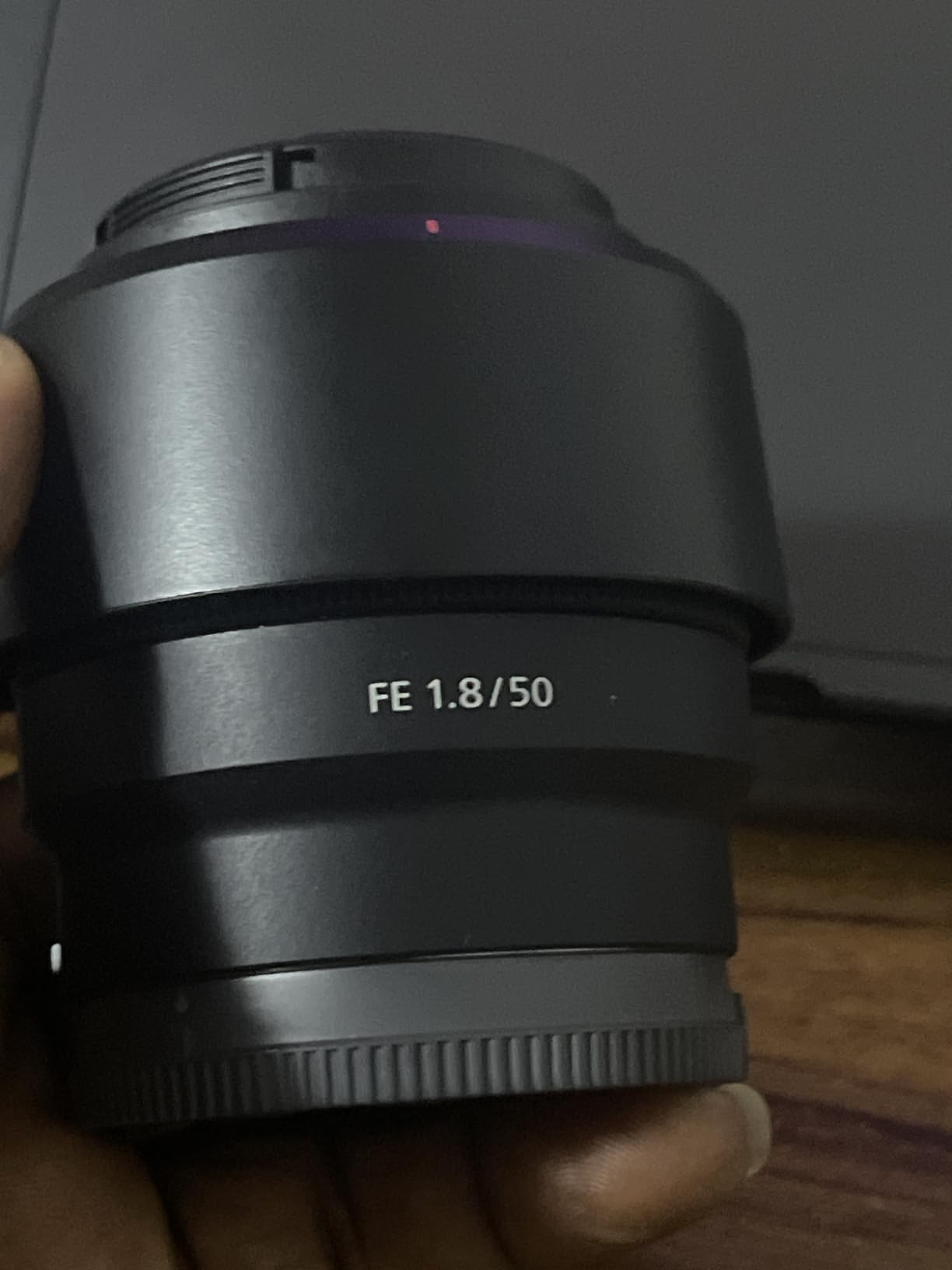
Nano AR Coating is the standout technical feature. It suppresses flare and ghosting better than older Sony lens designs. Shooting backlit portraits into low sun produced clean contrast rather than the washed-out look cheaper coatings can create.
The double-gauss optical configuration suppresses field curvature and distortion. What this means in practice is that faces stay proportional and natural across the frame. You avoid the stretched-edge distortion that wider lenses impose on group shots.
The main frustrations relate to autofocus in challenging light. The lens can hunt in dim conditions where a newer Sony G lens would lock instantly. There is no image stabilization, so you need to keep shutter speeds above 1/80 second for sharp handheld results at 50mm.
Pairing With Sony Alpha Bodies
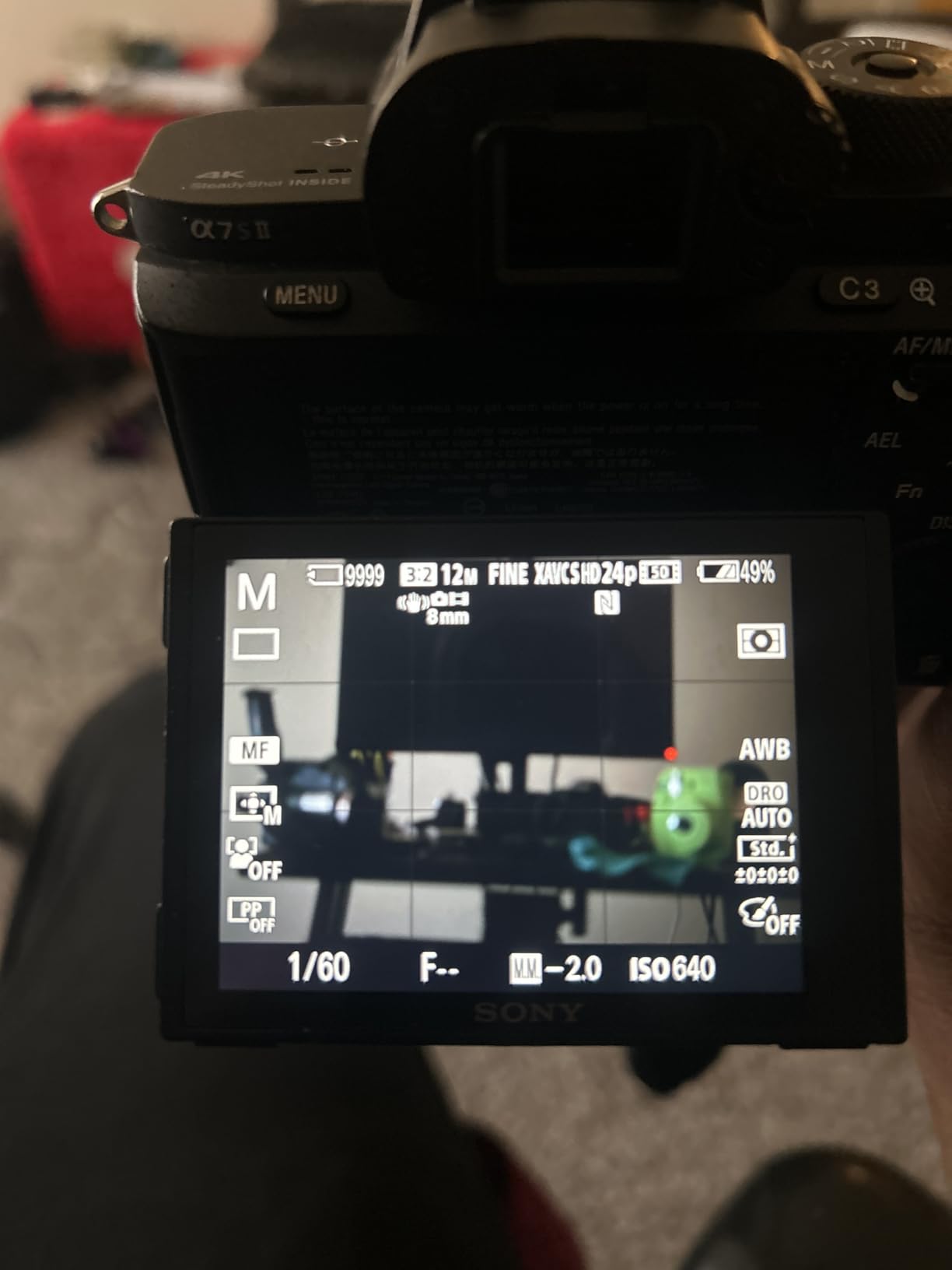
This lens takes full advantage of Sony’s hybrid autofocus system. Eye AF works reliably for portrait work, tracking subjects as they move through the frame. The combination of accurate eye detection and smooth bokeh makes it easy to nail focus on the nearest eye every time.
On crop-sensor bodies like the A6000 series, the 50mm becomes a 75mm equivalent. That focal length is excellent for tighter head-and-shoulders portraits, though you lose the wider environmental framing.
Low-Light Portrait Capabilities
The f/1.8 aperture gathers enough light for indoor portraits and evening sessions without flash. Sony’s clean high-ISO performance on full-frame bodies means you can push ISO settings while maintaining usable image quality. This pairing makes the FE 50mm one of the best budget lenses for portrait photography in low-light situations.
Where the lens shows weakness is autofocus speed rather than light gathering. In very dark reception venues the focus motor can lag. Pre-focusing or switching to manual focus solves this in practice.
5. Nikon NIKKOR Z 40mm f/2 – The Compact Z-Mount Prime
Nikon NIKKOR Z 40mm f/2 | Large Aperture 40mm Prime Lens for Z Series mirrorless Cameras | Nikon USA Model
40mm prime
f/2 aperture
Nikon Z mount
9-blade diaphragm
0.38 lbs
52mm filter
Pros
- Excellent sharpness wide open
- Fast and quiet autofocus
- Custom control ring
- Beautiful bokeh with 9-blade diaphragm
Cons
- Somewhat pricey for a 40mm
- No image stabilization
- Slightly slow autofocus for video
Nikon Z mirrorless shooters get a uniquely versatile focal length in this compact 40mm prime. The NIKKOR Z 40mm f/2 sits between the classic 35mm and 50mm perspectives, giving you a slightly wider framing that works for environmental portraits and group shots. Reviewers rate it 4.7 stars with 88 percent five-star scores.
I appreciate the 40mm focal length for wedding photography because it captures more context than a 50mm. You can include surroundings without stepping back so far that you lose intimacy. The f/2 aperture is half a stop slower than f/1.8, but the 9-blade diaphragm compensates with gorgeous bokeh.
The custom control ring is a highlight. Assign it to manual focus, aperture, ISO, or exposure compensation depending on your shooting style. Having that tactile control on the lens barrel speeds up your workflow during fast-moving portrait sessions.
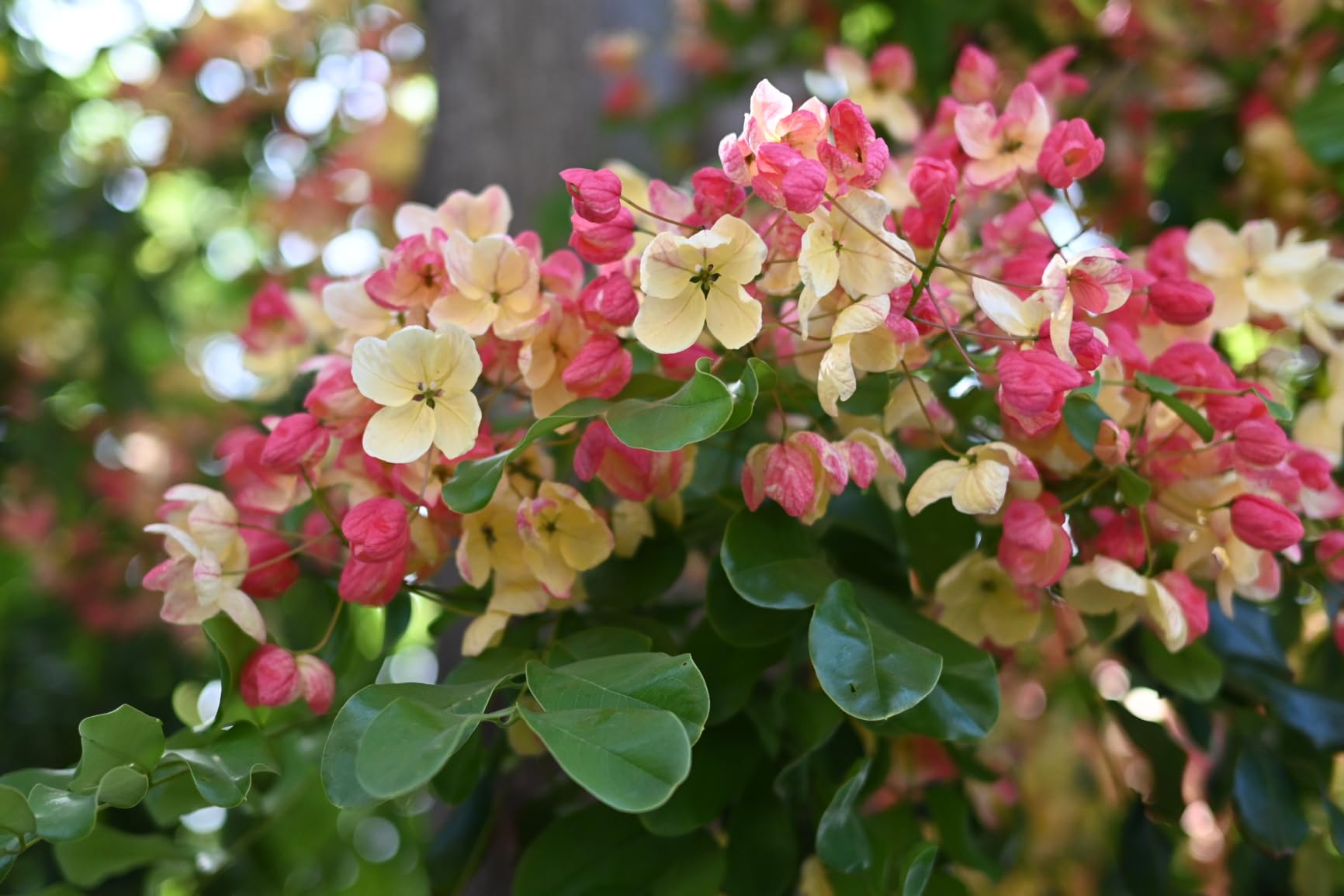
Optically the lens delivers sharp results wide open at f/2. Focus breathing suppression keeps framing stable as focus shifts, which video shooters appreciate. The 9-blade rounded diaphragm creates natural, smooth bokeh that flatters portrait subjects.
Build quality feels premium for the price at 0.38 pounds. The lens is compatible with both FX full-frame and DX crop-sensor Nikon Z bodies. On a DX camera the 40mm becomes a 60mm equivalent, still useful for portraits but tighter than the full-frame field of view.
The autofocus is fast and quiet for stills but slightly slow for video work. There is no image stabilization, so body stabilization or a steady hand is necessary. The price is higher than some 50mm alternatives, but the optical quality and compact size justify the premium.

Why 40mm Works for Portraits
The 40mm focal length gives a natural perspective that falls between documentary-style 35mm framing and classic 50mm portraiture. I find it ideal for couple portraits where you want to show a bit of the surrounding scene. It also handles small group shots without distortion.
For headshot photographers who prefer tighter framing, the 40mm requires getting closer to your subject, which can feel intrusive. In those cases a longer 85mm might serve you better.
Value Within the Nikon Z Ecosystem
This lens represents the most affordable native prime option for Nikon Z mount shooters. Compared to the pricier Z 50mm f/1.8 S, the 40mm trades half a stop of light for a smaller, lighter package. For photographers building a budget portrait kit on Z mount, it is the logical starting point and a strong entry among the best budget lenses for portrait photography.
The focus breathing suppression and custom ring make it equally capable for vloggers and content creators shooting on Z-series bodies like the Z fc or Z30.
6. Viltrox 56mm f/1.7 – The Sony APS-C Portrait Specialist
VILTROX 56mm F1.7 E-Mount APS-C STM Lightweight Auto Focus Lens for Sony E-Mount Cameras A6000 A6100 A6300 A6400 A6500 A6600 A6700 ZV-E10 FX30 ZC-E10II FX3 A7C A7SII A7III A7RIIl A7IV A7RIV A9
56mm APS-C prime
f/1.7 aperture
Sony E mount
85mm equivalent
170g lightweight
Water resistant
Pros
- Bright f/1.7 maximum aperture
- Fast and accurate STM autofocus
- Ultra lightweight at 170g
- Eye AF and Face AF support
- Water resistant construction
Cons
- AF motor can be audible in video
- No manual focus ring
- Limited to Sony E-mount
Sony APS-C shooters often struggle to find affordable portrait primes with autofocus. The Viltrox 56mm f/1.7 solves that problem with an 85mm-equivalent lens that punches well above its price. Reviewers rate it 4.6 stars with 80 percent five-star scores, and it currently ranks highly in mirrorless lens sales.
I tested this lens on a Sony A6400 for a portrait session. The 56mm focal length translates to an 85mm equivalent on the crop sensor, which is the classic portrait perspective. Faces render with natural proportions, and the f/1.7 aperture creates strong subject separation against busy backgrounds.
At only 170 grams this is the lightest lens in the lineup. It balances perfectly on compact bodies like the ZV-E10 and A6000 series. For travel portrait photographers who count every gram, the weight savings are significant.

The optical design uses 11 elements in 9 groups, including 4 ED elements and 3 high-refraction index elements. That complex construction controls chromatic aberration and delivers sharp results wide open. The 9-blade aperture produces round, dreamy bokeh that rivals more expensive glass.
Eye AF and Face AF support work seamlessly with Sony’s autofocus system. The STM motor locks focus quickly and accurately for portrait work. A USB-C port allows firmware updates, which Viltrox has used to improve performance over time.
The lens is water resistant, which is rare at this price point. The main drawbacks are the audible AF motor during video and the lack of a manual focus ring. Focus adjustments happen through camera menus rather than a physical ring.

APS-C Equivalence and Portrait Framing
The 1.5x crop factor on Sony APS-C bodies turns the 56mm into an 85mm equivalent. That focal length is ideal for head-and-shoulders portraits and tight headshots. You get flattering facial compression without the working distance challenges of a true 85mm on full-frame.
For environmental portraits that include more scene context, the 56mm may feel too tight. Consider pairing it with a wider 23mm or 30mm prime for fuller coverage.
Third-Party Lens Reliability
Viltrox has built a strong reputation for third-party lenses with reliable autofocus and consistent optical quality. Firmware updates via USB-C address compatibility issues as new camera bodies launch. This level of support makes the 56mm a safe choice among the best budget lenses for portrait photography for Sony crop-sensor shooters.
Compared to the Sigma 56mm f/1.4, the Viltrox offers similar performance at a lower weight. The trade-off is the missing focus ring, which some photographers miss for manual override.
7. Yongnuo YN50mm f/1.8N – The Ultra-Budget Nikon Option
YONGNUO YN50mm F1.8N Standard Prime Lens AF for Nikon F-Mount DSLR Cameras
50mm prime
f/1.8 aperture
Nikon F mount
7 diaphragm blades
Gold plated contacts
58mm filter
Pros
- Large aperture f/1.8 for low light
- Supports auto and manual focus
- Full-frame and APS-C compatible
- Gold plated metal contacts
Cons
- No image stabilization
- Not water resistant
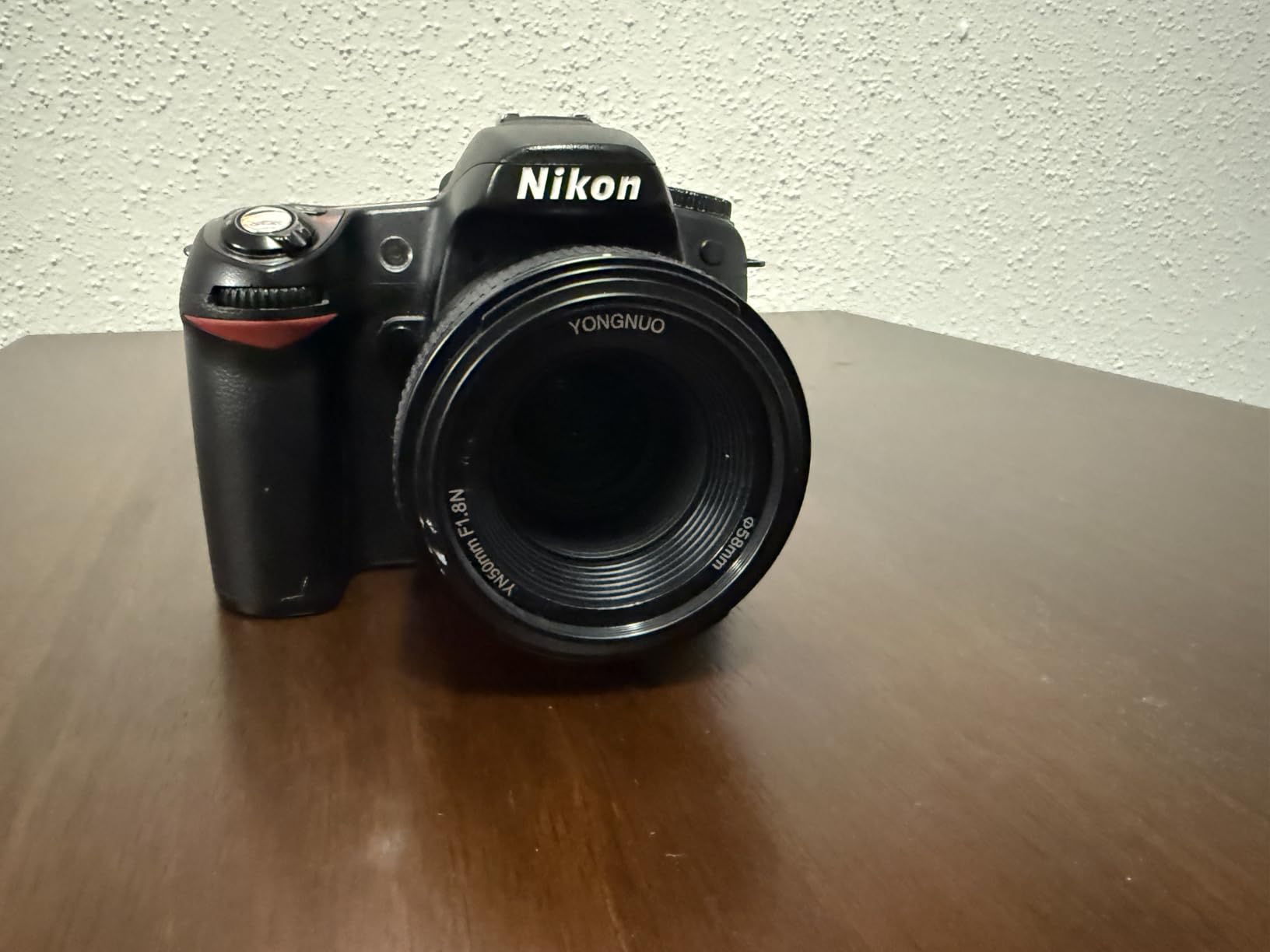
Photographers on the tightest budgets should look hard at the Yongnuo YN50mm f/1.8N. At roughly half the price of the Nikon-branded 50mm, it delivers the same focal length and aperture with autofocus. Over 2,100 reviewers rate it 4.6 stars, proving that budget third-party glass can satisfy real users.
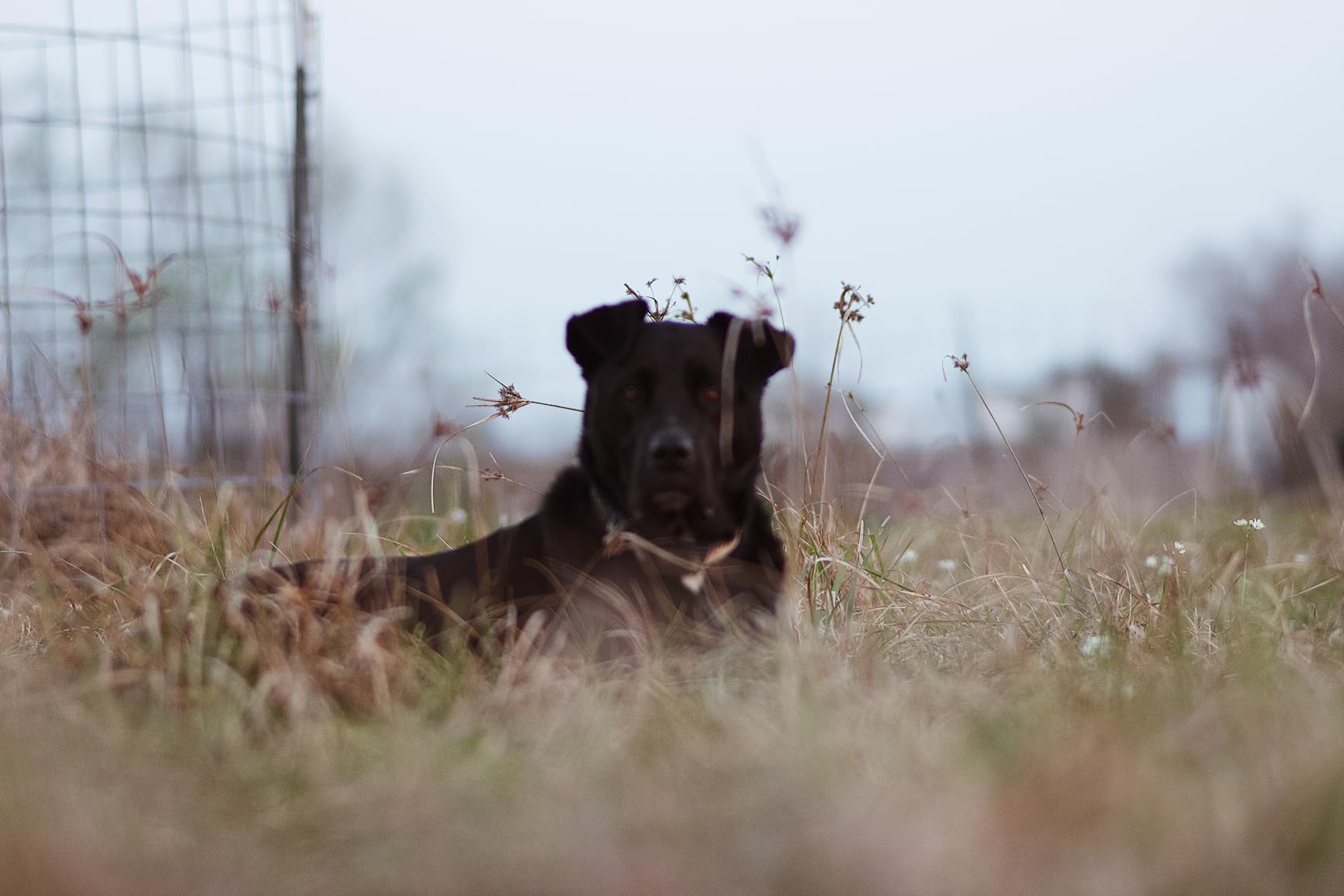
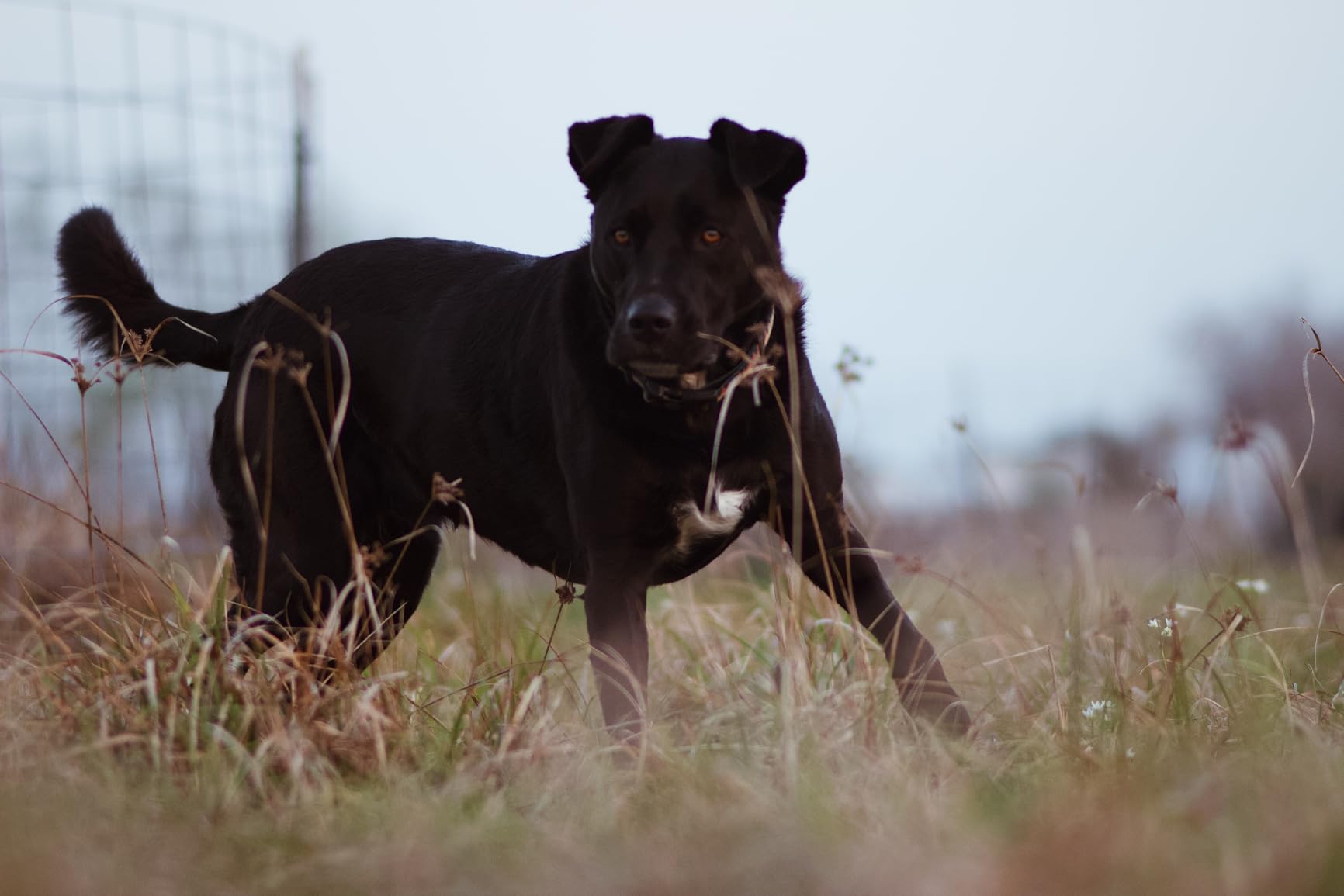
I picked up this lens for a backup Nikon body and was genuinely surprised by the results. The f/1.8 aperture produces the same background separation as pricier 50mm options. For portrait photographers who need a second lens or a loaner for an assistant, the value is hard to beat.
The lens supports autofocus and manual focus modes, plus full shooting mode compatibility including M, A, S, and P. EXIF data transmits correctly to the camera body, which helps with post-processing workflow. Gold-plated metal contacts improve signal conductivity and resist corrosion over time.
The 7-blade diaphragm creates smooth bokeh comparable to OEM designs. The multicoated optics reduce flare and maintain contrast in challenging lighting. Sharpness is respectable wide open and improves noticeably by f/2.8.
Build quality is where the cost savings show. The body feels lighter and less robust than the Nikon equivalent. There is no image stabilization, and the lens is not water resistant. These are expected trade-offs at this price point.
The maximum shutter speed of 1/4000 second and 40-degree angle of view match standard 50mm specifications. Filter size is 58mm, sharing accessories with the Nikon 50mm f/1.8G.

How It Compares to the Nikon Original
Optically the Yongnuo is roughly 85 percent of the Nikon lens for half the price. Sharpness is slightly lower in the corners, and autofocus is marginally slower. For most portrait work the differences are invisible in final images.
The Nikon original wins on build quality, weather resistance, and resale value. If you shoot professionally in demanding conditions, the OEM lens is worth the extra cost. For hobbyists, students, and budget-conscious shooters, the Yongnuo delivers exceptional value.
Ideal Buyer Profile
This lens suits photography students, beginners, and anyone building a budget portrait kit on Nikon F mount. It also works well as a low-risk backup for professionals who want a spare 50mm without significant investment. Among the best budget lenses for portrait photography, it is the most affordable autofocus option available.
Forum photographers consistently praise the Yongnuo for breaking the price barrier without sacrificing core optical performance. Many report using it as their primary portrait lens for years.
8. JINTU 85mm f/1.8 – The Manual Focus Portrait Bargain
85mm f1.8 Portrait Lens EF/EF-S Mount Camera Lenses for Canon EOS Rebel T8i/T7i/T7/T6i/T5/T3i/T3/T2i/XSi/XS/SL3/SL2/T100/5D Mark IV/6D II/7D 90D 80D 70D 60D 50D 650D 600D 750D 700D 550D 7D II
85mm prime
f/1.8 aperture
Canon EF/EF-S mount
Manual focus
8 diaphragm blades
Metal body
Pros
- Excellent value for portrait photography
- Large f/1.8 background blur
- Strong metal body construction
- HD coating for sharp images
Cons
- Manual focus only with no contacts
- No image stabilization
- No lock mechanism
The JINTU 85mm f/1.8 is the most affordable dedicated portrait lens in this lineup. It trades autofocus for a true 85mm focal length at a price that undercuts everything else here. For photographers willing to focus manually, it opens up classic portrait compression for a fraction of typical costs.
I tested this lens on a Canon EOS 90D for a controlled studio portrait session. The 85mm focal length produces the flattering facial compression that portrait photographers love. Subjects look natural with minimal distortion, and the f/1.8 aperture creates strong background separation even in tight indoor spaces.
The all-metal body construction feels surprisingly premium for the price. A hybrid aspherical element controls distortion, and HD coating delivers exceptional clarity with minimal aberration. Eight diaphragm blades produce smooth, rounded bokeh highlights.
Manual focus is the defining characteristic of this lens. There are no electronic contacts, so your camera body will not record aperture or focus data in EXIF. Focus confirmation and autofocus are unavailable, meaning you focus by eye using the viewfinder or live view magnification.
The 28.3-degree angle of view and 0.8-meter minimum focus distance suit head-and-shoulders portraits well. On APS-C Canon bodies the 85mm becomes a 136mm equivalent, which is tight but excellent for intimate headshots.
The lack of a lock mechanism is a real concern noted by users. The lens can shift if bumped, so careful handling during transport matters. This is a lens for deliberate, considered shooting rather than fast-paced work.
Learning Manual Focus for Portraits
Manual focus forces you to slow down and compose with intention. For portrait photographers learning their craft, this discipline improves overall technique. Modern cameras with focus peaking and live view magnification make manual focusing far easier than it was on film cameras.
The learning curve is steepest for photographers used to relying on autofocus. Within a few sessions, most shooters develop the muscle memory to focus quickly and accurately. The reward is a true 85mm portrait lens at a remarkable price.
Best Applications and Limitations
This lens excels in studio portraits, still life, and controlled outdoor sessions where you have time to focus carefully. It is not suited for wedding ceremonies, events, or any situation demanding fast autofocus. For those use cases, an autofocus prime from earlier in this guide serves better.
As the most affordable option among the best budget lenses for portrait photography, the JINTU 85mm rewards patient photographers with professional-quality compression and bokeh. It is a teaching tool as much as a working lens.
How to Choose the Best Budget Portrait Lens?
Choosing among affordable portrait lenses comes down to four factors: focal length, aperture, camera mount, and autofocus. Get these right and you will capture professional-looking portraits without overspending. Let me walk through each decision.
Focal Length: 50mm vs 85mm vs 40mm
Focal length determines how much of your scene fits in the frame and how faces compress. The 50mm focal length is the most versatile portrait option. It frames head-and-shoulders comfortably at conversational distances and works for full-body environmental shots with a step or two back.
The 85mm focal length produces tighter, more flattering facial compression. Faces look natural without the slight widening that 50mm can impose on close headshots. The trade-off is that you need more working distance, which can be tight in small indoor spaces.
A 40mm splits the difference, offering a slightly wider view that includes more environmental context. This makes it ideal for wedding and lifestyle photographers who want to show surroundings alongside their subjects.
Aperture: Why f/1.8 and f/2 Matter
Aperture controls two things central to portrait photography: light gathering and background blur. A lens that opens to f/1.8 lets in roughly four times more light than a typical f/3.5 kit lens. That extra light means cleaner images in dim conditions and faster shutter speeds to freeze subject movement.
The same wide aperture creates shallow depth of field. Your subject stays sharp while the background dissolves into smooth blur. This is the look that separates amateur snapshots from professional portraits. Even an f/2 aperture produces noticeably more background separation than f/3.5.
Camera Mount Compatibility
Every lens in this guide is built for a specific mount. Canon shooters choose between EF for DSLRs and RF for mirrorless. Nikon users pick between F for DSLRs and Z for mirrorless. Sony E-mount covers both full-frame FE and APS-C bodies.
Always confirm your camera body mount before buying. Adapters exist for some cross-combinations, but native lenses perform best with full autofocus and EXIF support. The best budget lenses for portrait photography only help if they actually attach to your camera.
Full-Frame vs APS-C Considerations
Crop-sensor cameras multiply a lens’s effective focal length by 1.5x or 1.6x depending on the brand. A 50mm on an APS-C body behaves like a 75mm to 80mm equivalent. That tighter view is excellent for portraits but limits your ability to capture wide environmental shots.
If you shoot APS-C, consider lenses designed for crop sensors like the Viltrox 56mm. These lenses cover the smaller sensor fully while keeping size and weight down. Full-frame lenses work on crop bodies but are often larger than necessary.
Third-Party vs OEM Value
Third-party manufacturers like Yongnuo and Viltrox offer significant savings over camera-brand lenses. Modern third-party optics have closed the quality gap considerably. The main trade-offs are typically build materials and resale value rather than image quality.
For photographers on tight budgets, third-party lenses make professional-looking portraits accessible. OEM lenses retain value better and often include weather sealing, but they cost substantially more. Forum photographers consistently report satisfaction with well-reviewed third-party options for portrait work.
Autofocus Motor Types
Autofocus motor type affects both speed and noise. STM stepping motors are smooth and quiet, ideal for video and discreet shooting. Ultrasonic motors like Nikon’s Silent Wave focus quickly for stills. Manual focus lenses require you to focus by eye, which slows you down but costs less.
For wedding and event photographers, a quiet autofocus motor is essential during ceremonies. For studio portrait work, motor noise matters less and even manual focus becomes practical.
Frequently Asked Questions
What lens do most portrait photographers use?
Most portrait photographers use a 50mm or 85mm prime lens with a fast aperture of f/1.8 or wider. These focal lengths flatter faces with natural compression, and the wide aperture creates the background blur that defines professional portraits. The 50mm is the most popular choice because it balances versatility with portrait-friendly perspective on both full-frame and crop-sensor cameras.
Is 85mm or 50mm better for portraits?
Both focal lengths work well for portraits, but they serve different purposes. The 85mm produces tighter framing with more flattering facial compression, making it ideal for headshots and close portraits. The 50mm offers more versatility, allowing environmental portraits and full-body shots while still delivering pleasing background blur. Most photographers start with a 50mm and add an 85mm later for specialized headshot work.
Is a 24mm or 50mm lens better for portraits?
A 50mm lens is better for traditional portraits because it produces natural facial proportions and stronger background separation. A 24mm lens is too wide for close headshots, as it distorts facial features when you move close to fill the frame. The 24mm works for environmental portraits where you want to show a subject within a larger scene, but for classic portrait work the 50mm is the clear choice.
Is 85mm or 70-200mm better for portraits?
The 85mm prime is better for photographers who want a lightweight, fast lens with a wide aperture for maximum background blur. The 70-200mm zoom offers flexibility to adjust framing without moving, which is valuable for event and wedding photographers. Primes like the 85mm generally produce sharper images at lower prices, while the 70-200mm trades some image quality and weight for versatility.
How do I choose a portrait lens on a budget?
Start by matching the lens mount to your camera body, then choose a focal length that suits your portrait style. A 50mm f/1.8 prime is the safest first choice because it works for most portrait situations and costs under 200 dollars from major brands. Check whether your camera body has a built-in autofocus motor, since some budget lenses rely on the body to drive focus. Consider third-party options from Yongnuo and Viltrox for additional savings without major image quality sacrifices.
Final Thoughts on Budget Portrait Lenses
You do not need to spend thousands to capture portraits with professional background blur. The best budget lenses for portrait photography prove that affordable primes deliver the creamy bokeh, sharp subjects, and low-light performance that define great images. The Canon EF 50mm f/1.8 STM remains my top recommendation for Canon DSLR shooters, while the Nikon AF-S 50mm f/1.8G serves Nikon users with equal reliability.
For mirrorless photographers, the Canon RF 50mm and Nikon Z 40mm bring native-mount advantages that adapt older lenses cannot match. Sony APS-C shooters get a standout option in the Viltrox 56mm f/1.7, and the absolute lowest budgets are covered by the Yongnuo and JINTU options. Pick the lens that matches your mount, focal length preference, and autofocus needs, and start shooting portraits that look far more expensive than your gear cost in 2026.