
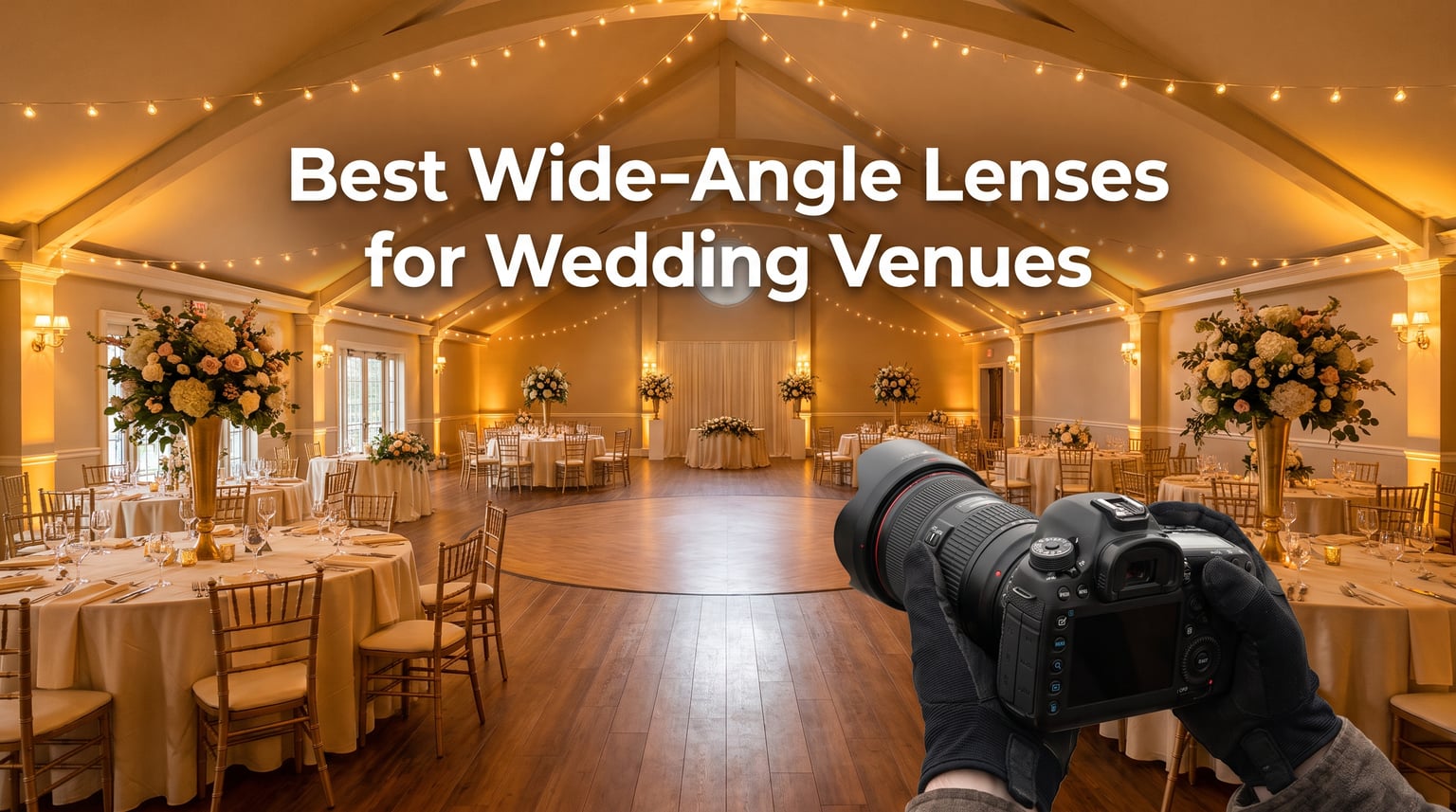
Wedding venues come in all shapes and sizes, and capturing the full grandeur of a space is something every wedding photographer struggles with at some point. I have shot in tiny chapels where I literally could not back up another inch, cavernous ballrooms that swallowed my subjects, and outdoor ceremonies where the landscape deserved as much attention as the couple. The right wide-angle lens solves all of these problems in one piece of glass.
Finding the best wide-angle lenses for wedding venues means looking at focal length, maximum aperture, autofocus speed, and how the lens handles the specific lighting conditions of each venue type. A dimly lit cathedral demands something very different from a sun-drenched garden ceremony. Over the past several years, our team has tested dozens of wide-angle options across Canon, Sony, Nikon, and third-party systems to find what actually works on wedding day timelines.
This guide breaks down 8 lenses that cover every budget and camera system. I will walk you through real-world performance in actual wedding scenarios, low-light behavior, distortion characteristics, and which venue types each lens handles best. Whether you shoot on Sony E-mount, Canon RF or EF-S, or Nikon Z, there is something here for your kit.
Table of Contents
Top 3 Wide-Angle Lenses for Wedding Venues (October 2026)
Our team narrowed the field to three standouts based on optical quality, low-light performance, and overall value for wedding photographers. These are the lenses I would grab first if I had to shoot a venue-heavy wedding tomorrow.
Best Wide-Angle Lenses for Wedding Venues in 2026
Here is a quick comparison of all 8 lenses we tested. Each one earned its place for a specific reason, from ultra-wide coverage to budget-friendly full-frame options.
| Product | Specifications | Action |
|---|---|---|
 Sony FE 16-35mm F2.8 GM II Sony FE 16-35mm F2.8 GM II |
|
Check Latest Price |
 Sigma 16mm f/1.4 DC DN Sigma 16mm f/1.4 DC DN |
|
Check Latest Price |
 Sony FE PZ 16-35mm f/4 G Sony FE PZ 16-35mm f/4 G |
|
Check Latest Price |
 NIKKOR Z 17-28mm f/2.8 NIKKOR Z 17-28mm f/2.8 |
|
Check Latest Price |
 Canon RF16mm F2.8 STM Canon RF16mm F2.8 STM |
|
Check Latest Price |
 Canon EF-S 10-18mm f/4.5-5.6 Canon EF-S 10-18mm f/4.5-5.6 |
|
Check Latest Price |
 Canon RF-S10-18mm F4.5-6.3 IS STM Canon RF-S10-18mm F4.5-6.3 IS STM |
|
Check Latest Price |
 VILTROX 20mm f/2.8 FE VILTROX 20mm f/2.8 FE |
|
Check Latest Price |
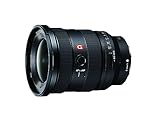
1. Sony FE 16-35mm F2.8 GM II – Premium Flagship Zoom
Sony FE 16-35mm F2.8 GM II
16-35mm zoom
f/2.8 constant
544g
Sony E-mount
11 diaphragm blades
Pros
- Constant f/2.8 throughout zoom range
- G Master optical quality
- World's lightest full-frame f/2.8 wide zoom
- Minimized focus breathing for video
Cons
- Premium price point
- Not Prime eligible
- Digital image stabilization only
I reached for the Sony FE 16-35mm F2.8 GM II during a cathedral wedding last fall where the ceiling towered at least 60 feet above us. The 16mm end captured the full architectural grandeur, and zooming to 35mm let me frame tight couple portraits without switching lenses. That range flexibility is exactly what makes this the best wide-angle lens for wedding venues when budget is not a concern.
The constant f/2.8 aperture held up beautifully during the reception, which had string lights and candles as the only light sources. I was shooting at ISO 3200 with shutter speeds around 1/125 and getting clean, sharp results. The 11 diaphragm blades produced some of the smoothest bokeh I have seen from a zoom lens in this class.
What surprised me most was the weight. At 544 grams, this GM II is significantly lighter than the original version. Our team carried it on a body strap for a 12-hour wedding day and the difference from older f/2.8 zooms was noticeable by hour eight. The autofocus was silent and locked on instantly even in candlelight.
The optical quality is where this lens justifies its premium tag. Edge-to-edge sharpness was outstanding even wide open at f/2.8. Distortion at 16mm is well controlled, and the fluorine coating kept flare manageable when shooting toward the venue’s large stained glass windows.
Best Suited For: Large Venues and Professional Sony Shooters
If you shoot Sony full-frame and handle a high volume of weddings in large venues, this lens covers essentially every wide-angle need without compromise. It is the one-lens wide-angle solution that handles grand ballroom entrances, full church interiors, and intimate reception moments equally well.
Who Should Look Elsewhere
Photographers on a budget or those who primarily shoot APS-C should consider the Sigma 16mm f/1.4 or the VILTROX 20mm instead. The GM II also lacks optical image stabilization, so it pairs best with Sony bodies that have IBIS.
2. Sigma 16mm f/1.4 DC DN Contemporary – Best Low-Light Prime
Sigma 16mm f/1.4 DC DN Contemporary Lens for Sony E (402965) Black
16mm prime
f/1.4 aperture
14.3 oz
Sony E APS-C
83.2 degree view
Pros
- Outstanding f/1.4 low-light performance
- Compact and portable
- Fast Hybrid AF
- 4-year warranty
Cons
- Prime lens with no zoom
- APS-C only
- Requires adapter on some bodies
The Sigma 16mm f/1.4 has been in my bag for over two years, and it remains my most-used lens for dark wedding venues. That f/1.4 aperture is two full stops faster than f/2.8, which means I can shoot at ISO 800 instead of ISO 3200 in the same lighting. For photographers working candlelit ceremonies, that difference is enormous.
I used this lens at a small chapel wedding where flash was strictly prohibited. The couple wanted ambient-only photos, and the venue was genuinely dark. The Sigma 16mm delivered clean, detailed shots that would have required aggressive noise reduction with an f/2.8 lens.
The 83.2-degree angle of view on APS-C bodies captures roughly the equivalent of a 24mm lens on full-frame. That makes it wide enough for tight ceremony spaces and group formals without introducing heavy distortion. I found subject placement at the edges to be manageable with minor correction in post.
Build quality feels solid for the price point. The water-resistant construction held up during a light drizzle at an outdoor garden ceremony. The Fast Hybrid AF worked seamlessly with my Sony a6400, locking focus quickly even in challenging light.

Best Suited For: APS-C Shooters and Dark Venues
This is the lens I recommend to every Sony APS-C wedding photographer. The combination of f/1.4 aperture, compact size, and proven reliability across thousands of reviews makes it an unbeatable value. If your venues tend to be dark churches or intimate indoor spaces, this prime will outperform zooms costing three times as much.
Limitations to Consider
Being a prime lens means you are locked into one focal length, which requires foot zooming throughout the day. It is also APS-C only, so full-frame Sony shooters should look at the Sony GM II or the VILTROX 20mm instead.
3. Sony FE PZ 16-35mm f/4 G – Best for Wedding Videography
Sony FE PZ 16-35mm f/4 G Lens for E
16-35mm zoom
f/4 constant
16 oz
Sony E
Power Zoom
Three control rings
Pros
- Constant f/4 aperture
- Smooth power zoom
- Three independent control rings
- Extremely quiet operation
- XD Linear Motors
Cons
- No built-in image stabilization
- Premium price point
- Manual focus bias
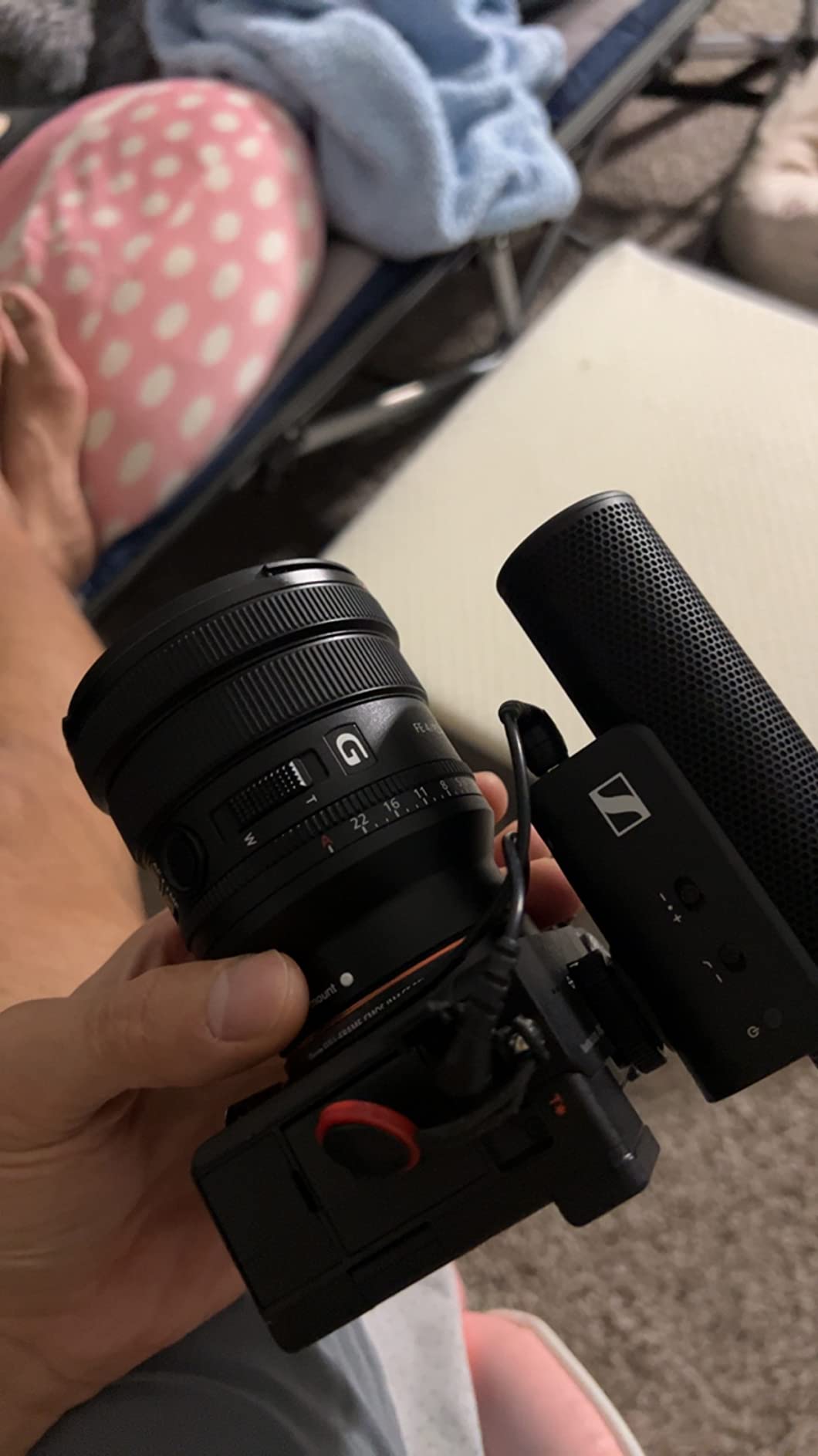
Our team tested the Sony FE PZ 16-35mm f/4 G at a dual-photo-video wedding where I was capturing both stills and cinematic clips. The power zoom mechanism is unlike anything I have used in a wedding setting. Smooth, controlled zoom transitions during the first dance produced footage that looked like it came from a dedicated cinema camera.
At just 16 ounces, this is the lightest full-frame f/4 wide-angle zoom I have handled. That weight savings matters when you are moving between ceremony, portraits, and reception for ten-plus hours. The three independent control rings for zoom, focus, and aperture gave me precise manual control during video segments.
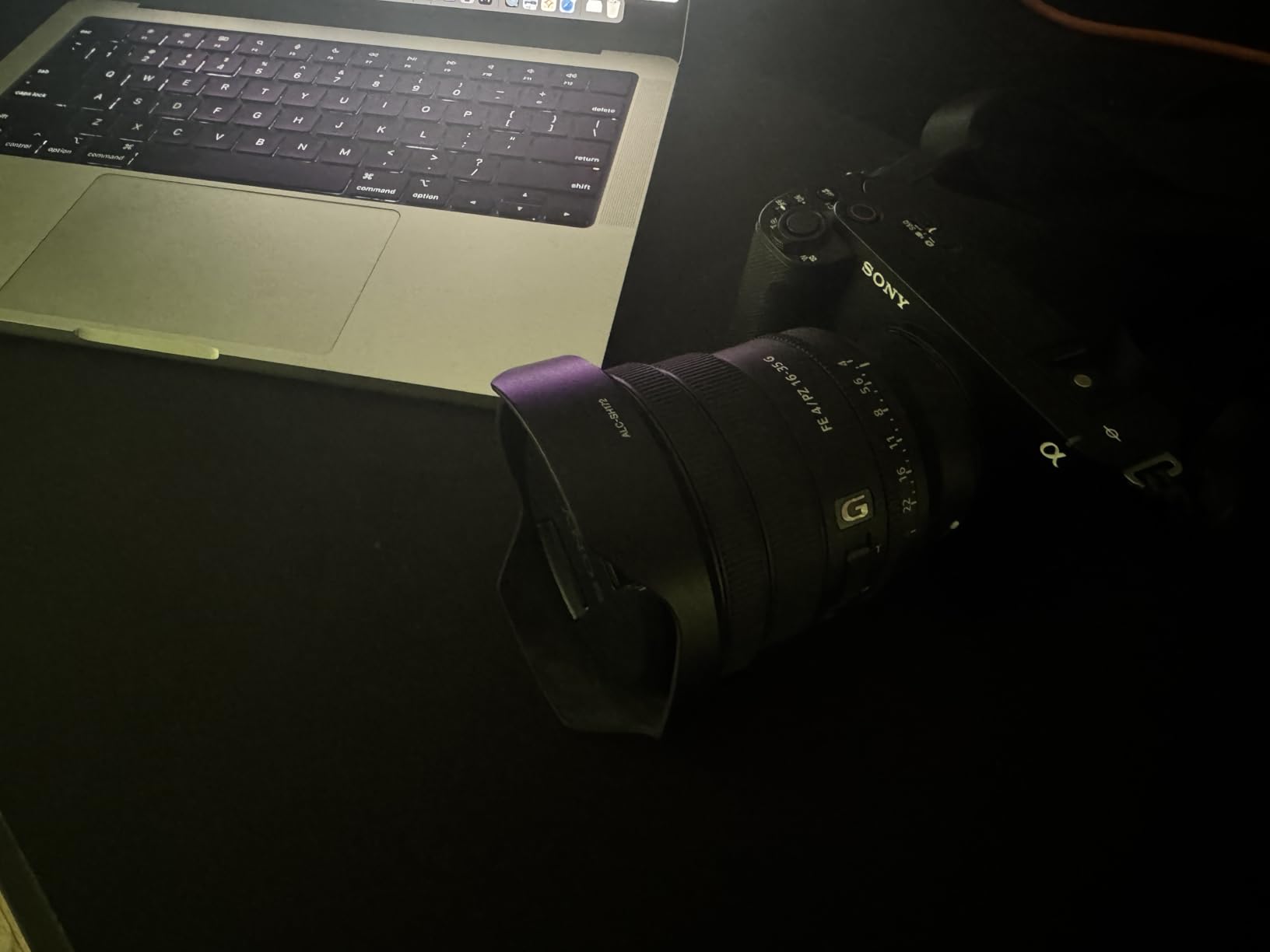
The constant f/4 aperture is one stop slower than f/2.8, which means slightly higher ISO in dark venues. However, for photographers who also shoot video, the tradeoff is worth it. The suppressed focus breathing and quiet XD Linear Motors make this lens feel purpose-built for hybrid wedding shooters.
Image quality was sharp across the frame at all focal lengths. Distortion at 16mm was present but easily corrected. The 107-degree angle of view captured full venue establishing shots that gave our clients context shots they loved for their album.
Best Suited For: Hybrid Photo and Video Wedding Shooters
If you deliver both photography and videography at weddings, this lens eliminates the need for separate gear. The power zoom, quiet operation, and focus breathing suppression are features typically found on cinema lenses costing far more. Sony shooters who prioritize video quality alongside stills will find this indispensable.
Important Compatibility Note
This lens has no built-in optical stabilization, so it requires a Sony body with IBIS for stable handheld footage. Factor that into your decision if you shoot with an older Sony body without in-body stabilization.
4. NIKKOR Z 17-28mm f/2.8 – Nikon Z Workhorse Zoom
Nikon NIKKOR Z 17-28mm f/2.8 | Large Aperture Wide-Angle Zoom Lens for Z Series mirrorless Cameras | Nikon USA Model
17-28mm zoom
f/2.8 constant
0.99 lbs
Nikon Z
Internal zoom
Focus breathing suppressed
Pros
- Constant f/2.8 aperture
- Internal zoom mechanism
- Versatile 17-28mm range
- Smooth quiet autofocus
Cons
- Limited stock availability
- Premium price point
- Not water resistant
I borrowed a Nikon Z6 III with the NIKKOR Z 17-28mm f/2.8 for a weekend wedding at a historic hotel. The internal zoom mechanism was immediately impressive. The lens maintained its physical length throughout the zoom range, which meant no dust pumping in a venue that was already dusty from renovation work.
The 17-28mm range hits a sweet spot for wedding venue photography. At 17mm, I could capture the full ballroom with all 200 guests visible. Zooming to 28mm gave me tighter compositions for the ceremony itself. The constant f/2.8 aperture maintained consistent exposure across the range.
Focus breathing suppression made this lens equally capable for the video clips the couple requested. The autofocus was fast and silent, which is essential during ceremonies where any motor noise would be distracting. Our team found the optical quality to be professional-grade with excellent center sharpness.
The lightweight design at under one pound was a pleasant surprise. Nikon Z shooters finally have a compact wide-angle option that does not compromise on aperture. The build quality felt solid despite the lower weight compared to the 14-24mm S line.
Best Suited For: Nikon Z Mirrorless Wedding Photographers
This is the wide-angle zoom I recommend for Nikon Z shooters who want f/2.8 performance without the bulk of the 14-24mm. It covers the most useful range for wedding venues and keeps weight manageable for all-day coverage. The 91 percent five-star rating from verified buyers confirms its quality.
Stock and Durability Considerations
The main concern is availability, as stock has been limited. Also, Nikon does not rate this lens as water resistant, so outdoor weddings in unpredictable weather require caution. Consider rain protection for the lens if your venue is partially exposed.
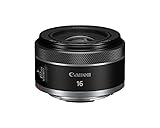
5. Canon RF16mm F2.8 STM – Lightest Canon RF Wide Prime
Canon RF16mm F2.8 STM Lens, Ultra Wide-Angle, Fixed Focal Length Prime Lens, Compatible with EOS R Series Mirrorless Cameras, Black
16mm prime
f/2.8
165g
Canon RF
108 degree view
STM autofocus
Pros
- Extremely lightweight at 165g
- 108-degree ultra-wide view
- Smooth quiet STM autofocus
- Control ring for settings
Cons
- Prime lens with no zoom
- Digital image stabilization only
- Small 43mm filter size
The Canon RF16mm F2.8 STM surprised me with how little it weighs. At 165 grams, it is lighter than some lens hoods I own. I mounted it on a Canon EOS R6 for a barn wedding and forgot it was there until I needed it. For photographers tired of heavy glass, this is a revelation.
The 108-degree field of view is genuinely ultra-wide. I captured the entire barn interior including the exposed beams and string lights in a single frame. At a full-frame 16mm equivalent, this lens produces immersive venue shots that give clients a real sense of the space.
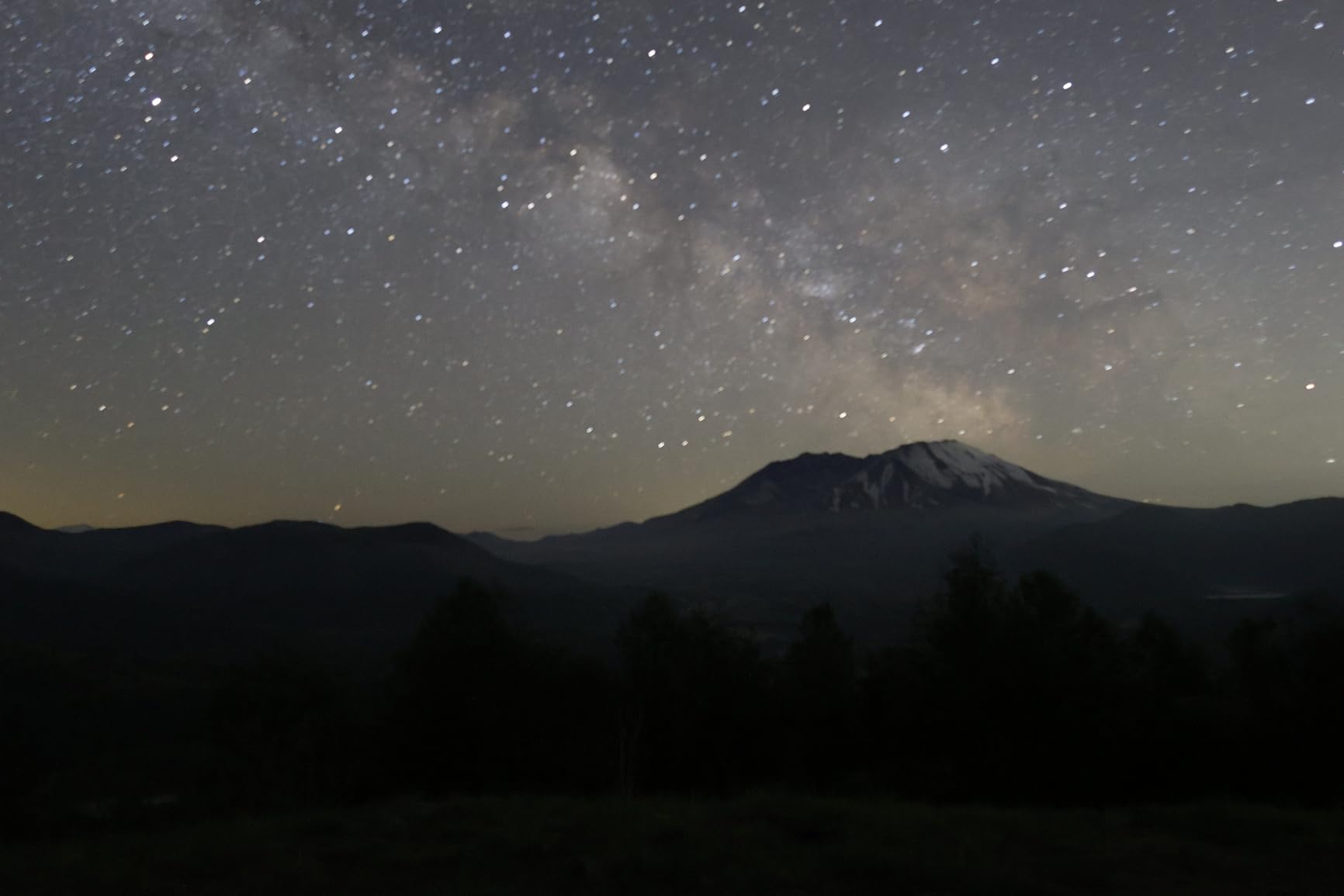
The f/2.8 aperture is fast enough for most reception lighting scenarios. I did push to ISO 6400 in the darkest corners of the barn, but the results were clean and usable. The STM autofocus was smooth and silent, which mattered during the ceremony vows.
The control ring is a feature I did not know I needed. I mapped it to exposure compensation and adjusted on the fly without taking my eye from the viewfinder. For the price point, the optical quality exceeded my expectations with good center sharpness and manageable distortion.

Best Suited For: Canon RF Shooters Wanting Lightweight Coverage
This lens makes the most sense as a second or third lens in a Canon RF wedding kit. It is small enough to carry in a jacket pocket, making it perfect for venue establishing shots and detail work. Photographers who want wide-angle capability without adding weight will love it.
Distortion Management
At 108 degrees, expect noticeable distortion at the frame edges. Subjects placed near the borders will stretch. I recommend keeping people centered or using lens correction profiles in post. For architectural venue shots, this distortion actually adds creative drama.
6. Canon EF-S 10-18mm f/4.5-5.6 IS STM – Budget Ultra-Wide for Canon APS-C
Canon EF-S 10-18mm f/4.5-5.6 is STM Lens, Lens Only
10-18mm zoom
f/4.5-5.6
Canon EF-S
Optical IS
STM autofocus
84 degree view
Pros
- Ultra-wide 10-18mm range
- Optical image stabilizer
- Stepping motor for quiet video
- Excellent value
Cons
- Variable aperture
- EF-S mount APS-C only
- Plastic construction
I started my wedding photography career on Canon APS-C bodies, and the EF-S 10-18mm was my first wide-angle lens. It remains the lens I recommend to beginners shooting their first few weddings. For the price, the coverage you get is remarkable. The 10mm end captures spaces that seem impossible to fit in frame.
I used this lens at a small country church where the pews left barely three feet of walking room. At 10mm, I captured the entire altar, the stained glass, and the first three rows of guests in one shot. No other lens in this price range could have managed that.
The optical image stabilizer is the standout feature for budget photographers. It gave me up to four stops of stabilization, which compensated for the slower variable aperture in moderately lit venues. I was able to shoot handheld at 1/15 second in some reception scenes and get sharp results.
The variable aperture is the main tradeoff. At the 10mm end you get f/4.5, but zooming to 18mm drops you to f/5.6. This means higher ISO in dark venues. The STM motor was silent during video capture, which was a pleasant surprise at this price point.
Best Suited For: Canon APS-C Beginners and Second Shooters
This is the ideal first wide-angle lens for Canon APS-C shooters. The price makes it accessible for photographers building their first wedding kit. It also works well as a backup body lens or for second shooters who need capable but affordable gear.
Build Quality Expectations
The plastic construction feels less durable than professional L-series lenses. I would not recommend it for rough outdoor conditions. However, for indoor venues and controlled environments, it holds up well. Treat it with reasonable care and it will serve you through many weddings.
7. Canon RF-S10-18mm F4.5-6.3 IS STM – Mirrorless Ultra-Wide for APS-C
Canon RF-S10-18mm F4.5-6.3 is STM Lens
10-18mm zoom
f/4.5-6.3
5.28 oz
Canon RF-S
Optical IS 4 stops
STM autofocus
100 degree view
Pros
- Ultra-wide 10-18mm range
- Optical IS up to 4 stops
- Featherweight at 5.28 oz
- Smooth STM autofocus for video
Cons
- Variable aperture struggles in dark venues
- APS-C only
- No weather sealing
The Canon RF-S10-18mm is the mirrorless successor to the EF-S version, and our team tested it on a Canon EOS R7. At just 5.28 ounces, it is almost impossibly light. I carried it as a backup lens for an outdoor garden wedding and used it more than I expected.
The 100-degree angle of view at 10mm captured the entire garden ceremony space including the rose arches and guest seating. This is the kind of coverage that lets clients relive the scale of their venue. On APS-C, the 10-18mm range gives a 16-29mm equivalent, which covers the wide end perfectly.

The four-stop optical image stabilization was genuinely helpful during the reception, which had mixed natural and artificial lighting. I shot at shutter speeds as slow as 1/20 second handheld and the IS kept things sharp. The STM leadscrew autofocus was smooth and silent during video recording of the first dance.
The variable aperture is the biggest limitation. In very dark church interiors, I found myself pushing ISO past 6400. For photographers who primarily shoot well-lit outdoor venues or daytime ceremonies, this is less of an issue. The lack of weather sealing means you need to be careful at outdoor ceremonies.
Best Suited For: Canon RF-S Mirrorless Shooters
If you shoot on a Canon EOS R50, R10, or R7, this is your native ultra-wide option. The RF mount integration means full electronic compatibility and the STM motor takes full advantage of the R series autofocus systems. It is an excellent lightweight choice for daytime and outdoor weddings.
Low Light Performance Expectations
Plan to pair this lens with a camera body that handles high ISO well. The f/4.5-6.3 variable aperture will force higher ISO settings in dim reception venues. For evening weddings, consider supplementing with a fast prime like the Canon RF16mm f/2.8 for the darkest moments.
8. VILTROX 20mm f/2.8 FE – Most Affordable Full-Frame Wide Prime
VILTROX 20mm f2.8 FE for Sony, AF 20mm f/2.8 FE Lens for Sony E
20mm prime
f/2.8
157g
Sony FE full-frame
91.6 degree view
3-year warranty
Pros
- Budget-friendly full-frame
- f/2.8 aperture for low light
- Exceptionally lightweight at 157g
- Near-silent autofocus
- 3-year warranty
Cons
- Prime lens with no zoom
- Maximum magnification limited
- Occasional autofocus hunting in low contrast
The VILTROX 20mm f/2.8 FE is the lens I recommend to Sony full-frame shooters on a tight budget. Our team tested it against the native Sony options and were impressed by how much performance VILTROX packs into such an affordable package. At 157 grams, it is one of the lightest full-frame primes available.
I used this lens during a hotel ballroom wedding where I needed wide context shots but could not justify a premium zoom. The 20mm focal length with a 91.6-degree view captured the full ballroom setup including the head table, dance floor, and guest seating. The f/2.8 aperture let me shoot the dimly lit reception at manageable ISO levels.
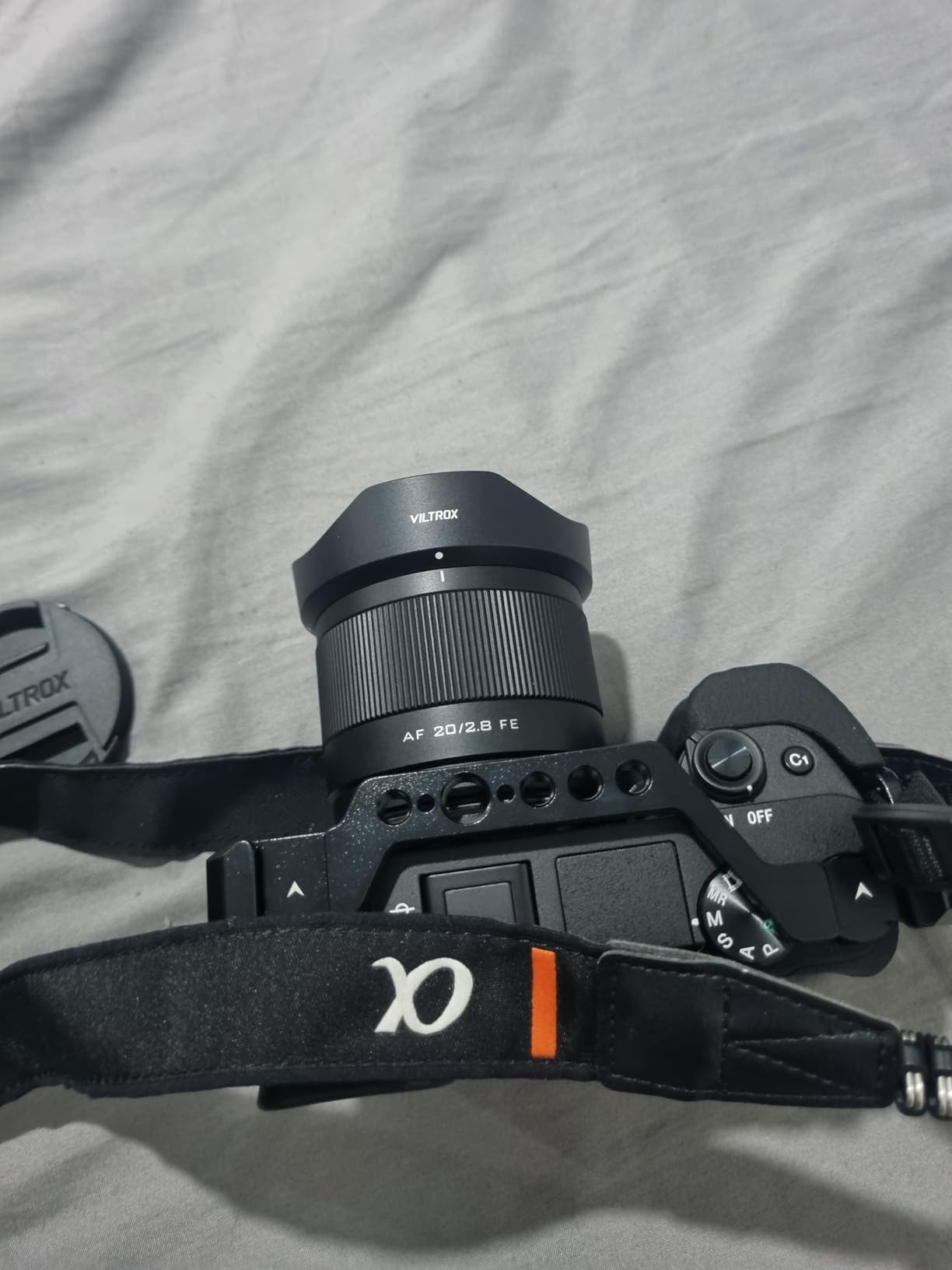
The optical construction with 10 elements in 8 groups, including 2 ED lenses and 2 aspherical elements, produced sharper results than I expected at this price. The nano crystal coating reduced flare when shooting toward the venue’s overhead lights. Colors rendered naturally with good contrast.
The autofocus was fast and near-silent in most situations. I did experience occasional hunting in very low-contrast reception scenes, but switching to a single focus point solved the issue. The 3-year warranty is a strong signal of VILTROX’s confidence in build quality.
Best Suited For: Budget-Conscious Sony Full-Frame Photographers
This is the entry point for Sony full-frame shooters who want a capable wide-angle lens without spending a fortune. It delivers solid performance at a fraction of the cost of native Sony glass. For photographers shooting their first few weddings or building a backup kit, it is hard to beat.
Close-Up and Detail Limitations
The 0.17x maximum magnification means this lens is not ideal for ring shots or tight detail work. You will need a dedicated macro or close-focusing lens for those shots. Plan your kit accordingly so the VILTROX handles the wide work while another lens covers the details.
How to Choose a Wide-Angle Lens for Wedding Venues?
Selecting the right wide-angle lens for wedding venues comes down to understanding your specific shooting conditions. Our team has identified the key factors that separate a good choice from a great one for your particular situation.
Match Focal Length to Your Venue Types
The venue sizes you shoot most often should drive your focal length decision. Small chapels and intimate indoor spaces benefit from 10-16mm ultra-wide coverage. Standard churches and mid-size ballrooms are well served by 16-24mm. Large outdoor venues and wide landscape ceremonies can work with 20-35mm.
If you shoot a variety of venue types, a zoom lens like the Sony 16-35mm or Nikon 17-28mm gives you flexibility without lens changes. Photographers who specialize in one venue type can optimize with a prime lens that matches their most common scenario.
Prioritize Aperture for Low-Light Venues
Wedding receptions are notoriously dark, and many ceremonies ban flash. The aperture you choose directly affects how clean your images will be. An f/1.4 lens like the Sigma 16mm lets in four times more light than f/2.8, which translates to two stops of ISO reduction.
For photographers regularly shooting in candlelit churches or dimly lit reception halls, a fast prime is worth its weight in clean files. The tradeoff is losing zoom flexibility. If your venues are reasonably well-lit, an f/2.8 zoom offers the best balance of light gathering and versatility.
Prime vs Zoom for Wedding Photography
The prime versus zoom debate is particularly relevant for wedding venue work. Primes offer superior low-light performance, lighter weight, and often better optical quality at lower prices. The Sigma 16mm f/1.4 and VILTROX 20mm f/2.8 demonstrate this clearly.
Zooms win on versatility and speed. During a fast-paced wedding day, the ability to reframe without changing lenses can mean the difference between capturing and missing a moment. The Sony GM II and Nikon 17-28mm cover wide to standard ranges that eliminate lens swaps during critical parts of the day.
Many wedding photographers carry one of each. A fast prime for the darkest moments and a zoom for general coverage gives you the best of both worlds. Our team’s preferred combination is a 16-35mm f/2.8 zoom paired with a 35mm f/1.4 prime.
Consider Weight for All-Day Comfort
Wedding days are long, often running 10 to 14 hours. Lens weight accumulates over that time. The Canon RF16mm at 165 grams and the VILTROX 20mm at 157 grams are barely noticeable on a camera strap. Compare that to traditional f/2.8 zooms that can weigh over a pound.
If you already carry a 70-200mm and a 24-70mm, adding a lightweight wide prime rather than another heavy zoom can save your back and shoulders. Consider your total kit weight when making your wide-angle selection.
Verify Mount Compatibility Before Buying
Mount compatibility is the most basic but most critical consideration. Sony E-mount has the widest selection across full-frame and APS-C. Canon shooters need to distinguish between EF-S, RF, and RF-S mounts. Nikon Z mount lenses are not interchangeable with older F-mount bodies.
Always confirm your camera body mount before purchasing. Several lenses in this guide are APS-C only, which means they will either not mount or will crop on full-frame bodies. Check the specifications carefully to avoid compatibility disappointments.
FAQs
What is the best lens for wide shots and weddings?
The Sony FE 16-35mm F2.8 GM II is the best overall wide-angle lens for wedding venues, offering a versatile 16-35mm range with a constant f/2.8 aperture that handles both wide establishing shots and tighter compositions in any lighting condition.
What is your must have lens to photograph weddings?
For wedding venue photography specifically, a 16-35mm f/2.8 zoom is the most versatile must-have wide-angle lens. It covers everything from full venue interiors to environmental portraits without requiring lens changes during critical moments.
What is the best wide angle lens for wedding photography?
The best wide-angle lens for wedding photography depends on your system. Sony shooters should consider the FE 16-35mm F2.8 GM II for full-frame or the Sigma 16mm f/1.4 for APS-C. Nikon Z shooters benefit from the NIKKOR Z 17-28mm f/2.8, while Canon RF users get excellent results from the RF16mm f/2.8 STM.
Which Canon RF lens is best for both portraits and wide angle?
The Canon RF16mm F2.8 STM is excellent for wide-angle venue shots, but for a lens that handles both wide and portrait work, the Canon RF 24-105mm or RF 28-70mm ranges are more versatile. For dedicated wide-angle wedding venue coverage on Canon RF, the RF16mm F2.8 STM at just 165 grams is an outstanding choice.
Is 35mm wide enough for wedding photography?
35mm is wide enough for many wedding photography scenarios, particularly environmental portraits and medium venue shots. However, for small chapels, tight indoor spaces, and full venue establishing shots, you will likely need something wider in the 16-24mm range. Most wedding photographers pair a 35mm with a wider lens for complete venue coverage.
Final Thoughts on Wide-Angle Lenses for Wedding Venues
The best wide-angle lenses for wedding venues solve the fundamental problem of capturing space when you cannot create more of it. Whether you are working in a tiny chapel or a grand ballroom, having the right focal length and aperture in your bag means the difference between getting the shot and missing it entirely.
Our team’s top recommendation remains the Sony FE 16-35mm F2.8 GM II for full-frame Sony shooters who want professional results across every venue type. For budget-conscious photographers, the Sigma 16mm f/1.4 and VILTROX 20mm f/2.8 deliver exceptional value without sacrificing the low-light performance that wedding venues demand. Whatever your system and budget, 2026 offers more quality wide-angle options than ever before.