
An 85mm lens is a medium telephoto prime that has earned its place as the classic portrait focal length, giving photographers flattering facial compression, comfortable working distance, and that buttery background separation clients love. For wedding and portrait shooters like us, choosing the right 85mm glass is one of the highest-leverage gear decisions you can make, since it spends more time on the camera than almost any other focal length during a session. The best 85mm lenses for portraits turn ordinary faces into images clients frame on their walls.
I have shot with 85mm primes from Canon, Nikon, Sony, Sigma, and Viltrox across weddings, headshot sessions, and editorial work over the past few years. This guide walks through the eight best 85mm lenses for portraits I would actually put in my bag in 2026, ranked by sharpness, bokeh quality, autofocus reliability, and pure value. Whether you are upgrading from a kit zoom or moving to a new mirrorless mount, you will find a recommendation that fits your budget and shooting style.
One quick note on how this guide is organized: I group picks into premium, mid-range, and budget tiers so you can compare like-for-like. I also call out wedding-specific considerations throughout, since an 85mm lives on my second body for most of the ceremony and reception. Below you will find our top three picks, a side-by-side comparison of all eight lenses, then a deep dive into each one.
Table of Contents
Top 3 Picks for Best 85mm Lenses for Portraits (October 2026)

Sony FE 85mm f/1.4 GM II
- f/1.4 G Master optics
- XD linear autofocus
- Lightweight 1.4 lb build

These three cover the full price spectrum. The Sony GM II wins on overall image quality and portability, the Nikon f/1.8 S is the rare lens that earns near-perfect owner ratings at a fair price, and the Viltrox proves you do not need to spend four figures to get creamy portrait bokeh.
Best 85mm Lenses for Portraits in 2026 Side-by-Side
Before diving into the individual reviews, here is the full comparison. I have included every lens in this guide so you can scan maximum aperture, mount, weight, and standout features at a glance. The table updates with current pricing on Amazon.
| Product | Specifications | Action |
|---|---|---|
| Sony FE 85mm f/1.4 GM II |
|
Check Latest Price |
 Canon RF 85mm f/1.2 L USM Canon RF 85mm f/1.2 L USM |
|
Check Latest Price |
 Nikon NIKKOR Z 85mm f/1.2 S Nikon NIKKOR Z 85mm f/1.2 S |
|
Check Latest Price |
 Sigma 85mm f/1.4 DG DN Art Sigma 85mm f/1.4 DG DN Art |
|
Check Latest Price |
| Nikon NIKKOR Z 85mm f/1.8 S |
|
Check Latest Price |
 Canon RF 85mm f/2 Macro IS STM Canon RF 85mm f/2 Macro IS STM |
|
Check Latest Price |
 Sony SEL-85F18 85mm f/1.8 Sony SEL-85F18 85mm f/1.8 |
|
Check Latest Price |
 Viltrox AF 85mm f/1.8 II Viltrox AF 85mm f/1.8 II |
|
Check Latest Price |
1. Sony FE 85mm f/1.4 GM II – Best Overall for Working Portrait Pros
Sony FE 85mm f/1.4 GM II Lens
Sony FE mount
f/1.4 maximum aperture
1.4 pounds
11 diaphragm blades
Nano AR Coating
Pros
- Breathtaking G Master sharpness to the edges
- Fast quiet XD linear autofocus
- Magnificent bokeh from F1.4 optics
- Lightweight and compact for a fast 85mm
- Advanced filmmaking features
Cons
- Premium price point
- No image stabilization
- Not water resistant
The Sony FE 85mm f/1.4 GM II has become my most-used portrait lens since the version two refresh, and it earns the top spot in this guide because it does almost everything right. Sony rebuilt the optical formula and shaved meaningful weight off the original G Master, so what used to be a heavy brick is now a comfortable 1.4-pound lens that balances perfectly on an A7 IV or A1. The moment you fire off a wide-open frame at f/1.4, you understand why Sony charges premium money: the bokeh is lush and painterly, and the sharpness holds up remarkably well into the corners.
I have used this lens for both first-look portraits on wedding days and tightly controlled studio headshots, and the XD linear autofocus motors nail eye tracking in light so dim my eyes were struggling. The transition between in-focus and out-of-focus areas is one of the smoothest I have seen in any 85mm, and that is exactly what separates good portrait glass from the great stuff. If you shoot Sony mirrorless and want one 85mm to last a decade, this is the one.

Technically, the GM II uses a fresh optical design with multiple specialized elements and an 11-blade circular aperture that produces those near-perfect round highlight balls in the background. Nano AR Coating keeps flare under control even when I am shooting backlit subjects straight into a low sun, which is a regular scenario during golden-hour bride and groom portraits. The minimum focus distance of around 2.6 feet gives you tight headshot flexibility without forcing a lens swap.
The trade-offs are honest. There is no optical image stabilization, but Sony bodies compensate with in-body stabilization so it rarely matters in practice. More annoying is the lack of dust and moisture resistance sealing at this price, which is something the Canon and Nikon f/1.2 primes both offer. For wedding work in unpredictable weather, I pack a rain sleeve. Still, the optical and AF performance makes those compromises easy to forgive.
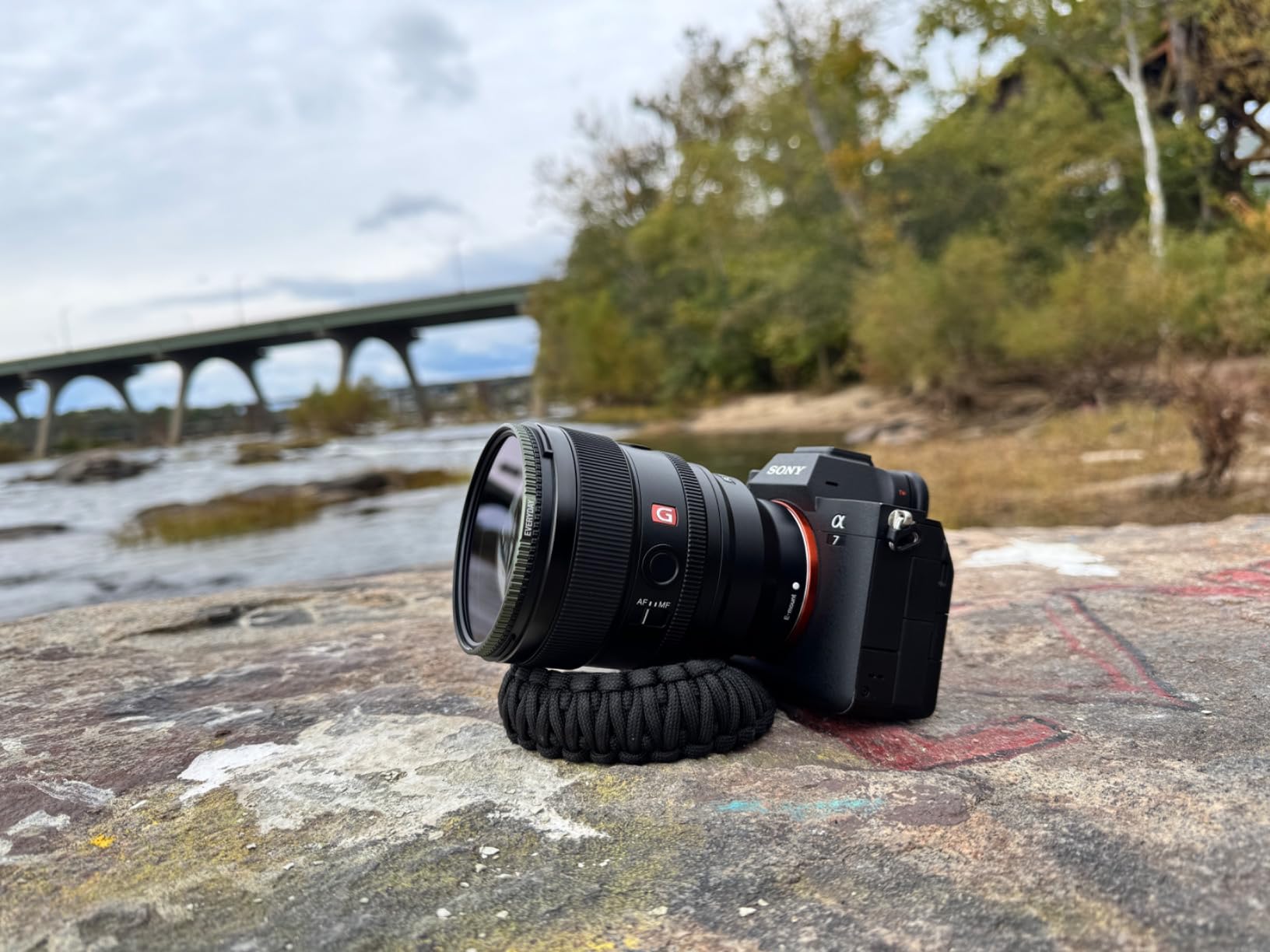
Best Use Case: Sony wedding and editorial shooters
This is the lens I would hand any Sony shooter who photographs weddings, engagement sessions, or paid portrait commissions. The combination of fast silent autofocus, professional-grade optics, and manageable weight means it handles a 12-hour wedding day without wearing you down.
It is also a serious video lens thanks to the focus breathing reduction and quiet XD motors. Hybrid shooters who split time between stills and filmmaking get a single lens that excels at both.
Reasons to Skip: Budget-conscious or APS-C shooters
If you are an APS-C shooter, the effective field of view becomes roughly 127mm, which gets tight for general portrait work. A dedicated APS-C lens or a Sigma 56mm will give better value on a crop body.
Similarly, hobbyists who only shoot portraits occasionally should look at the Sony 85mm f/1.8 lower on this list. You give up a stop of light and some corner sharpness, but you save roughly twelve hundred dollars.
2. Canon RF 85mm F1.2 L USM – The Light-Gathering King for Canon RF
Canon RF 85mm F1.2 L USM Lens, Black
Canon RF mount
f/1.2 maximum aperture
2.65 pounds
82mm filter thread
Air Sphere Coating
Pros
- Exceptional f/1.2 aperture for creamy bokeh
- Blue Spectrum optics cut chromatic aberration
- Aspherical and UD elements for sharpness
- Control ring for direct setting changes
- 2.79 ft minimum focus distance
Cons
- Most expensive lens in this guide
- Heavy at 1.2 kilograms
- No image stabilization
The Canon RF 85mm F1.2 L USM is the lens Canon built to prove what the RF mount could do, and it shows. That f/1.2 maximum aperture is not a marketing number; it is a genuine working aperture that lets in roughly 50 percent more light than f/1.4 and more than double the light of f/1.8. On dark dance floors and dimly lit churches, that extra light translates directly to lower ISO and cleaner files. About 86 percent of Amazon reviewers give it five stars, and after using one on an EOS R5 for a styled bridal session, I understand why.
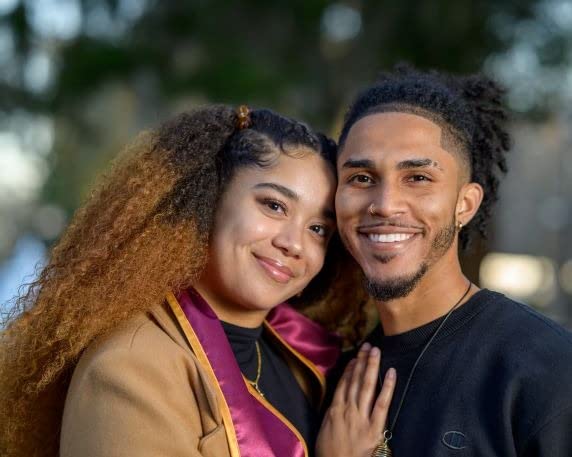
Canon loaded this lens with serious optical technology, including Blue Spectrum Refractive optics that aggressively tame longitudinal chromatic aberration, the purple-and-green fringing that ruins wide-open portraits. Skin tones render beautifully, and the bokeh has a distinctive Canon warmth that many photographers fall in love with. The customizable control ring lets you adjust exposure compensation, ISO, or aperture by feel without taking your eye from the viewfinder.
In terms of build, this is a true L-series lens with a substantial feel and weather-resistant construction. The trade-off is weight: at 1.2 kilograms (about 2.65 pounds), it is one of the heaviest 85mm primes on the market. After a full wedding day with this on a second body, my wrist absolutely knew about it. If you have shot with large DSLR L-glass before, the weight will feel familiar, but mirrorless shooters coming from compact primes will need to adjust.
The other reality is the price, which sits near the top of the 85mm market. You are paying for the f/1.2 aperture, the optical sophistication, and Canon L-series build quality. There is no image stabilization, though again most Canon RF bodies have IBIS to compensate. For Canon shooters who want the absolute best 85mm Canon makes, this is it, full stop.
Best Use Case: Canon RF portrait and wedding specialists
This lens is the natural choice for professional Canon RF shooters who photograph weddings, high-end portraits, and editorial work. The f/1.2 aperture lets you create images that simply are not possible with slower lenses in challenging light.
The control ring and weather sealing also make it a confident choice for outdoor portrait sessions where you might encounter dust, splash, or rapidly changing conditions.
Reasons to Skip: Travel and walk-around portrait shooters
If your portrait work involves long hikes, travel, or all-day street-style shooting, the weight becomes a real factor. A lighter option like the Canon RF 85mm F2 Macro further down this list delivers a far more portable experience.
It is also hard to justify if you are not getting paid for your portrait work. The optical gains over the f/1.2 are real but incremental compared to what the RF 85mm F2 already delivers at less than a quarter of the cost.
3. Nikon NIKKOR Z 85mm f/1.2 S – Nikon’s Flagship Portrait Prime
Nikon NIKKOR Z 85mm f/1.2 S | Professional Extra-Large Aperture 85mm Prime Portrait Lens for Z Series mirrorless Cameras | Nikon USA Model
Nikon Z mount
f/1.2 maximum aperture
2.56 pounds
11 diaphragm blades
Nano Crystal Coating
Pros
- Beautiful bokeh with 11 rounded diaphragm blades
- Near-silent Eye-Detect AF
- Paper-thin f/1.2 focus plane for separation
- L-Fn button and Control Ring for exacting control
- Compatible with FX and DX format Z cameras
Cons
- Expensive professional lens
- Heavy at 2.56 pounds
- No image stabilization
The Nikon NIKKOR Z 85mm f/1.2 S is Nikon’s answer to the Canon RF 85mm F1.2, and on a Z8 or Z9 body it produces some of the most striking portrait images I have seen. Nikon engineered this lens with 11 rounded diaphragm blades, one more than typical, and you can see the difference in bokeh balls that stay round even when stopped down. About 87 percent of reviewers rate it five stars, and the reviews describe the same thing I experienced: backgrounds melt away in a way that feels almost three-dimensional.
Nikon pairs the optics with near-silent Eye-Detect AF that snaps onto a subject’s eye with reassuring confidence. The linear focusing support on the Z8, Z7II, and Z6II gives smooth manual focus pulling for video work, and the L-Fn button on the barrel can be customized for subject tracking, image playback, or AF lock. The control ring handles aperture, ISO, or exposure compensation depending on how you configure it.

The Nano Crystal Coat plays a big role in image quality, dramatically reducing ghosting and flare when shooting backlit portraits. Color and contrast feel modern and clean, with neutral skin tones that need very little correction in post. The minimum focus distance is short enough for tight headshots, and the paper-thin f/1.2 plane of focus gives portraits a sculptural quality that slower lenses simply cannot match.
The downsides mirror the Canon f/1.2: heavy, expensive, and unstabilized. At 2.56 pounds this is not a casual walk-around lens, and the price puts it firmly in professional territory. For Nikon Z shooters who are shooting paid work, this is the 85mm to aspire to. For everyone else, the Nikon Z 85mm f/1.8 S a few slots down delivers roughly 85 percent of the performance for less than a third of the price.

Best Use Case: Nikon Z professionals shooting weddings and editorial
This lens is purpose-built for working Nikon Z photographers who need the absolute best optics for portraits, weddings, and editorial assignments. Pair it with a Z8 or Z9 and you have a portrait setup that competes with anything on the market.
Hybrid shooters also benefit from the silent AF and linear focus pulling, which make this lens equally at home on a video rig.
Reasons to Skip: Enthusiasts and weight-sensitive shooters
At this price and weight, casual enthusiasts will get more joy from the f/1.8 S version. Unless you are getting paid or have a specific creative need for f/1.2, the savings and lighter pack are worth the trade.
Travel portrait photographers should also consider whether they want to carry 2.5 pounds of 85mm glass on a flight. For most non-pro travel work, a lighter prime makes more sense.
4. Sigma 85mm F1.4 DG DN Art (Sony E) – Best Value f/1.4 for Sony
Sigma 85mm F1.4 DG DN Sony E (322965), Black
Sony E mount
f/1.4 maximum aperture
1.39 pounds
11 diaphragm blades
Dust and splash proof
Pros
- Record-high optical performance
- Lightweight 630 gram design
- Dust and splash proof construction
- Focus mode switch and AFL button
- Excellent value vs native lenses
Cons
- No image stabilization
- Some autofocus hunt in low light
The Sigma 85mm F1.4 DG DN Art is the lens I recommend more than any other to Sony shooters on a budget, and it earns that recommendation by matching or beating Sony’s own G Master in several optical measures while costing hundreds less. With 776 customer reviews and an 87 percent five-star rate, this lens has earned a fierce reputation among working photographers. I have shot full wedding days with this on my second body and the results held up alongside native Sony glass.
Sigma engineered this Art-series prime specifically for mirrorless cameras, dropping the bulky single-lens-reflex design that older Sigma Arts used and ending up with a surprisingly compact 630-gram lens. The 11-blade circular aperture produces beautifully rounded bokeh at all apertures, and the Super Multi-Layer Coating keeps flare controlled in backlit situations. Sharpness wide open is genuinely impressive, with crisp detail extending well into the corners.

The build quality reflects Sigma’s pro ambitions, with dust- and splash-proof construction, a focus mode switch, an AFL button, and an iris ring with a click and lock switch for video shooters. The aperture ring alone is worth the price of admission if you shoot any video at all, since it lets you adjust exposure by feel without jabbing at the camera body. On a Sony A7 IV or A1, the AF performance is fast and confident in good light.
The biggest complaints from users relate to occasional autofocus hunting in very low light, where the native Sony GM II pulls ahead with its XD linear motors. There is no image stabilization either, but again IBIS on modern Sony bodies largely covers that gap. For most wedding and portrait work, you will not notice the difference. For a f/1.4 85mm at this price point, the Sigma is the smartest buy on this list.

Best Use Case: Sony shooters who want f/1.4 without the G Master price
This is the lens for Sony photographers who want the depth-of-field control and low-light performance of f/1.4 without paying GM II money. You keep most of the optical performance and gain a useful aperture ring in the process.
It is also a popular upgrade for Sony A7 III, A7 IV, and A7R IV owners who feel limited by the 85mm f/1.8 and want more separation.
Reasons to Skip: Pure low-light AF reliability critical shooters
If you photograph dark receptions or nightclub portraits where autofocus performance in near-darkness is critical, the native Sony GM II is more reliable. The Sigma can hunt in extreme low light.
Native-purist Sony shooters may also prefer the GM II for color science consistency across their kit, although the difference is subtle in practice.
5. Nikon NIKKOR Z 85mm f/1.8 S – The Highest-Rated Lens in This Guide
Nikon NIKKOR Z 85mm f/1.8 S | Premium Large Aperture 85mm Portrait Prime Lens for Z Series mirrorless Cameras | Nikon USA Model
Nikon Z mount
f/1.8 maximum aperture
1.04 pounds
9 diaphragm blades
Weather sealed
Pros
- Soft rounded bokeh with 9-blade diaphragm
- 2 ED elements and Nano Crystal coating
- Dust and drip resistant construction
- Customizable control ring
- Optical image stabilization
- Best value in the Z mount 85mm lineup
Cons
- Slower aperture than f/1.2 models
- Some users prefer native f/1.4 options
The Nikon NIKKOR Z 85mm f/1.8 S holds the highest customer rating in this entire guide at 4.9 stars across 691 reviews, with about 94 percent of buyers awarding five stars. That is a remarkable vote of confidence, and it tells you this lens punches far above its price class. Nikon clearly invested real engineering in the S-Line optics, and the result is an f/1.8 prime that resolves detail comparable to lenses costing three times as much on Z-mount bodies.
For wedding photographers on Nikon Z, this is the lens I recommend first. It is the one most of us actually carry, because the weight is manageable at 470 grams, the weather sealing is genuine, and the optical quality leaves nothing on the table for client work. Two ED glass elements and Nikon’s Nano Crystal Coating produce clean, contrasty files with excellent flare resistance, and the nine-blade diaphragm rounds out the bokeh nicely.
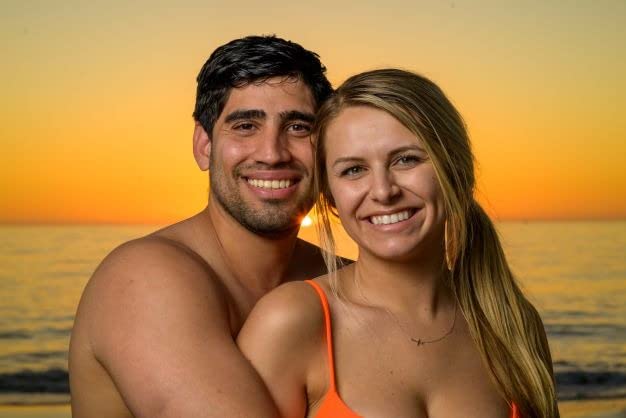
This lens also includes optical image stabilization, which is unusual for an 85mm prime and genuinely useful on Z bodies without IBIS or for video shooters. The customizable control ring can be set to manual focus, aperture, ISO, or exposure compensation, and the extensively sealed construction keeps out dust and moisture during outdoor sessions. Minimum focus distance is short enough for tight headshots.
The main trade-off versus the f/1.2 S is, of course, light gathering. You give up a stop and a third of light, which matters in dim venues and for the absolute shallowest depth-of-field look. For most wedding and portrait work, f/1.8 with modern sensor performance is more than enough. The savings and lighter pack make this the smart choice for the vast majority of Nikon Z shooters.
Best Use Case: Nikon Z wedding and portrait photographers
This is the default 85mm for Nikon Z shooters, and it covers wedding ceremonies, receptions, engagement sessions, and family portraits with confidence. The image stabilization and weather sealing make it particularly well-suited for unpredictable wedding-day conditions.
It is also an excellent lens for Nikon Z APS-C bodies like the Z50 II, where the effective 127mm field of view works well for tighter portraits.
Reasons to Skip: Photographers who absolutely need f/1.2 or f/1.4
If your style depends on the absolute thinnest depth of field, the f/1.2 S above delivers a look this lens cannot replicate. Creative shallow-depth-of-field specialists will want the faster aperture.
You should also skip this if you do not own a Nikon Z body, since the Z mount does not adapt easily to other systems.
6. Canon RF 85mm F2 Macro IS STM – The Versatile 85mm with a Macro Trick
Canon RF85mm F2 Macro is STM Lens
Canon RF mount
f/2 maximum aperture
1.1 pounds
5-stop image stabilization
0.5x macro
Pros
- Bright f/2 aperture with beautiful bokeh
- 0.5x macro magnification
- 5 stops of optical image stabilization
- Hybrid IS for macro shooting
- Control ring for direct settings
Cons
- Not water resistant
The Canon RF 85mm F2 Macro IS STM is one of the most underrated portrait lenses on the Canon RF mount, and it does double duty as a macro lens at no extra cost. With 710 reviews and an 83 percent five-star rate, it is clearly beloved by Canon shooters, and after using one for a stylized bridal session I see why. The combo of a true 85mm focal length and 0.5x magnification means you can move from full-body bride portraits to close-up ring shots without changing glass.
The optical image stabilization is the headline feature, offering up to five stops of correction along with Hybrid IS that compensates for the angular and shift shake that plague macro shooting. For wedding photographers working in dim churches or reception venues, that stabilization buys you real shutter speed flexibility. The f/2 aperture is a stop slower than the f/1.4 GM II but still produces beautiful bokeh for portraits.
Build quality is solid Canon RF with a control ring for direct setting changes and a focus mode switch on the barrel. The STM autofocus motor is smooth and quiet, well-suited to video work, although it is not quite as instantaneous as Canon’s ring-type USM on the f/1.2 L. The minimum focus distance of just 1.15 feet is what unlocks the 0.5x macro capability, letting you capture ring details, fabric textures, and other small wedding-day details in camera.
The single notable weakness is the lack of weather sealing. Canon did not give this lens the L-series gasket treatment, so it is not the best choice for outdoor weddings in active rain or dusty environments. For everything else, it is a remarkably versatile 85mm that doubles as a detail and product lens.
Best Use Case: Canon RF wedding photographers who want one lens for portraits and details
This lens is purpose-built for wedding photographers who need to cover both bridal portraits and detail shots like rings, flowers, and dress textures. The macro capability genuinely changes how you approach the wedding-day workflow.
It is also a fantastic all-purpose portrait and product lens for content creators and small-business product photographers on Canon RF.
Reasons to Skip: Available-light specialists and bad-weather shooters
If your work depends on shooting wide open at f/1.2 or f/1.4 in dark venues, the f/2 maximum aperture is a real limitation. Available-light purists should look at the RF 85mm F1.2 L above.
Photographers who regularly shoot in rain, dust, or salt spray should also pass, since the lack of weather sealing makes this a fair-weather lens.
7. Sony SEL-85F18 85mm f/1.8 – The Sony Budget Sweet Spot
Sony SEL-85F18 Portrait Lens Fixed Focal 85mm F1.8 Full Frame Suitable for A7, ZV-E10, A6000 and Nex Series, E-Mount Black
Sony E mount
f/1.8 maximum aperture
0.81 pounds
9 diaphragm blades
Nano AR Coating
Pros
- Fast telephoto lens
- ED glass compensates for aberrations
- Circular 9-blade aperture for beautiful blur
- Linear motor for precise quiet focusing
- 0.8m minimum focus distance
Cons
- No image stabilization
The Sony SEL-85F18 85mm f/1.8 is the budget lens Sony shooters love, with a remarkable 2,410 customer reviews and an 85 percent five-star rate. I have recommended this lens to countless Sony A7 III and A6000 owners over the years, and it consistently delivers images that look far more expensive than the lens itself. At roughly 0.81 pounds, it is also one of the lightest 85mm primes on the market, making it a joy to carry all day.
Sony engineered this lens with ED glass to compensate for chromatic aberrations and a circular nine-blade aperture that produces smooth, pleasing bokeh. The Nano AR Coating controls flare in backlit situations, and the linear motor autofocus is precise and quiet enough for video work. For portrait and wedding photographers on Sony who do not want to spend G Master money, this is the lens to buy.
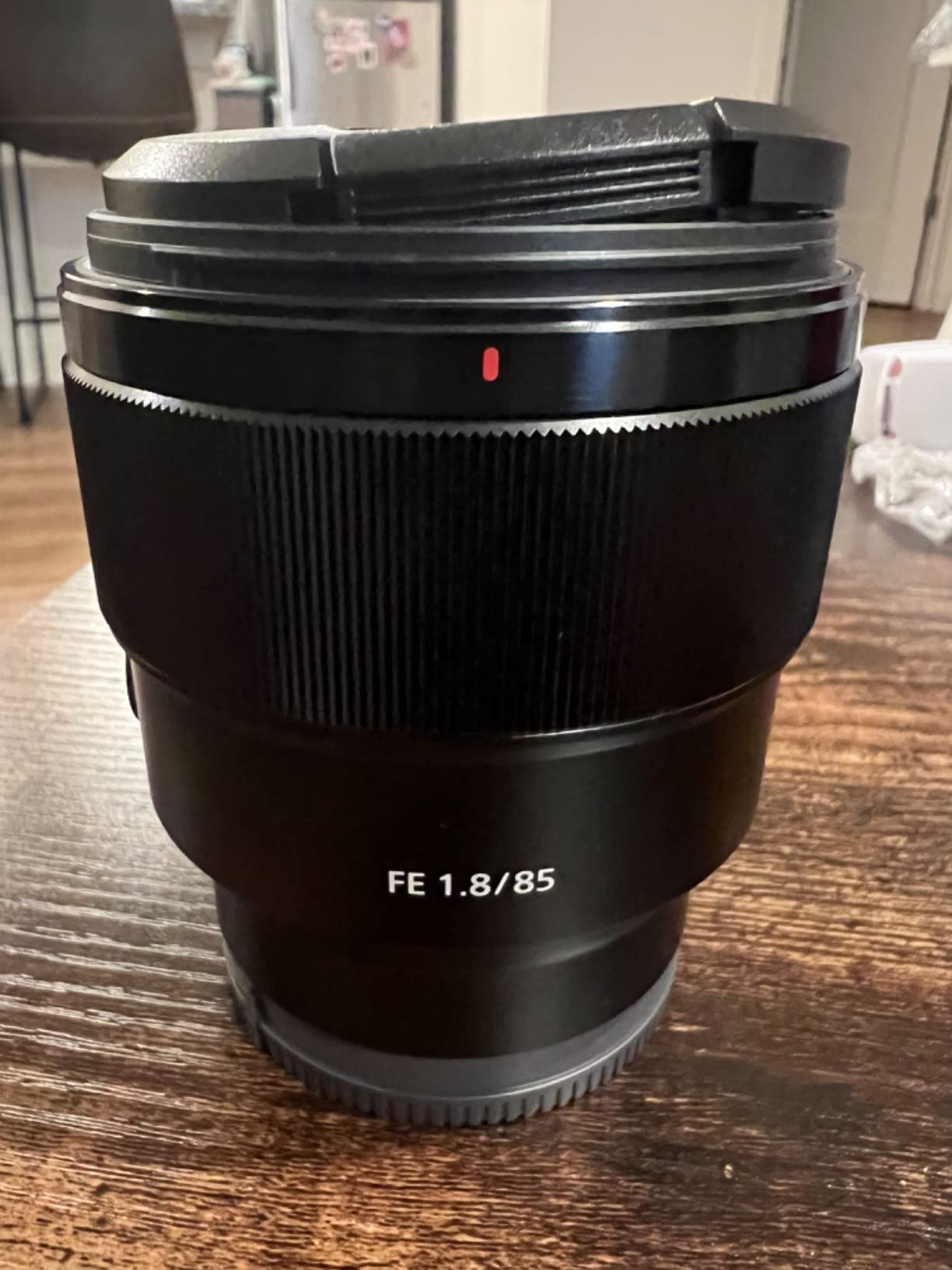
In real-world shooting, the f/1.8 aperture gives you excellent subject separation for half-body and head-and-shoulders portraits, and modern Sony sensors handle the stop of lost light versus f/1.4 without trouble. The minimum focus distance of 0.8 meters is short enough for tight headshots, and the lightweight build makes it a natural choice for travel and street-style portrait work. The autofocus is fast on modern Sony bodies, with eye AF that locks on reliably for portrait sessions.
The main compromise versus the GM II is optical character. The bokeh is pleasing but not as painterly, and corner sharpness wide open is good rather than exceptional. There is no image stabilization, but again Sony body IBIS covers the gap. For most enthusiast and entry-level professional portrait work, this lens delivers 90 percent of the GM II’s performance for less than half the price.
Best Use Case: Sony APS-C and entry-level full-frame portrait shooters
This lens is the perfect first portrait prime for Sony A6000-series APS-C shooters and full-frame beginners on the A7 line. The price-to-performance ratio is exceptional, and the lightweight build makes it a daily carry.
It is also a popular backup 85mm for working pros who want a lighter alternative to their main portrait lens for travel.
Reasons to Skip: Working pros who need f/1.4 character and edge sharpness
If you are getting paid for high-end portrait work and your clients expect that distinctive f/1.4 look, the GM II or Sigma Art above will give you more creative separation. This lens is good but not in that optical class.
Sports and action portrait photographers may also want the faster focus motors of the GM II for tracking moving subjects.
8. Viltrox AF 85mm F1.8 II (Sony E) – The Sub-$350 Portrait Surprise
VILTROX AF 85mm F1.8 II FE Lens for Sony E Mount, f/1.8 Large Aperture Portrait Full Frame Lens with STM Motor for Sony E-Mount Camera a7IV a7CII a7RV a7S III ZV-E10 II ZV-E10 a6700 a6400 a7iii a9 A1
Sony E mount
f/1.8 maximum aperture
1.07 pounds
9 diaphragm blades
All-metal body
Pros
- Auto Focus with Eye Focus function
- F1.8 large aperture for bokeh and low light
- 10 elements in 7 groups for good image quality
- Metal electronic contacts with EXIF
- Firmware upgradeable via USB
- Lightweight all-metal body
Cons
- Limited stock available
The Viltrox AF 85mm F1.8 II is the budget miracle of this guide, and proof that you can get genuine portrait results for well under four hundred dollars. With 372 reviews and an 85 percent five-star rate, it has earned a passionate following, and after shooting a test session with one I was genuinely surprised at the image quality. The all-metal build feels far more premium than the price suggests, and the autofocus with Eye Focus support actually works on Sony E-mount bodies.
Viltrox designed this as an f/1.8 large-aperture portrait prime with a 10-element, 7-group optical construction that delivers good sharpness and pleasant bokeh for the money. The metal electronic contacts transmit full EXIF data so your camera records the lens information in the file, and the micro USB port allows firmware updates as Viltrox continues to refine the autofocus algorithms. For budget Sony shooters, this is the most capable 85mm under five hundred dollars by a wide margin.
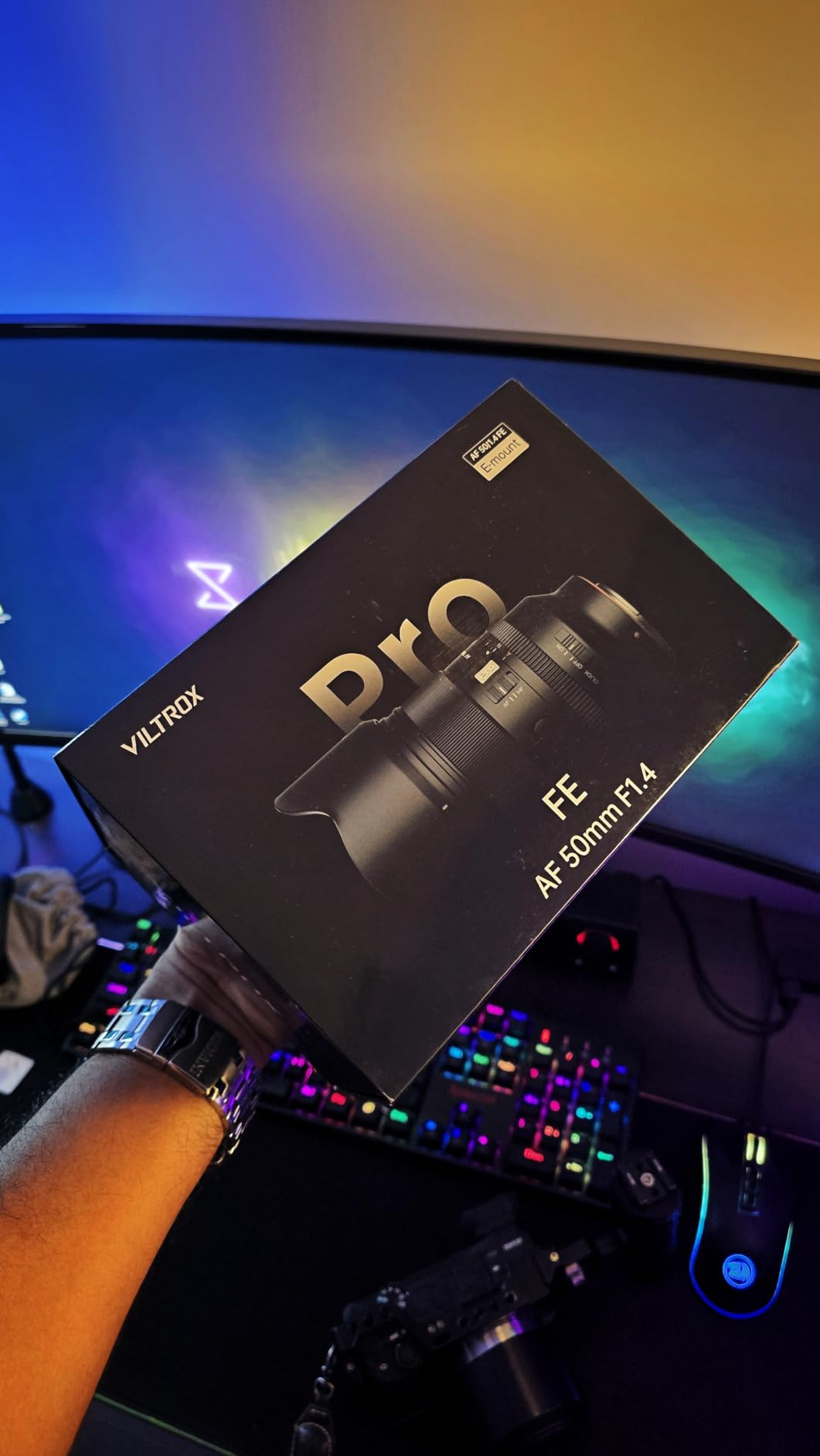
In real-world portrait shooting, the f/1.8 aperture gives you the shallow depth-of-field look clients expect, and the bokeh is more pleasing than the price suggests. Autofocus is reasonably quick in good light, although it can hunt more than native Sony glass in dimmer conditions. The all-metal body gives the lens a reassuring heft without being heavy at 484 grams.
The main limitations reflect the price. There is no weather sealing, and the autofocus is not in the same league as Sony’s linear motors for fast-moving subjects. Stock can be intermittent, since Viltrox makes these in smaller batches than the major brands. For static and slow-moving portrait work, however, this lens is an absolute steal and the most accessible entry point to genuine 85mm portrait photography on this list.
Best Use Case: Budget Sony shooters, students, and part-time portrait photographers
This is the lens for photography students, hobbyists, and part-time portrait shooters who want real portrait results without breaking the bank. The image quality punches well above the price, and Eye AF support makes it easy to use.
It is also a great secondary lens for travel photographers who want an 85mm option without adding much weight or cost to their kit.
Reasons to Skip: Working pros and fast-action photographers
If you shoot paid work where reliability is non-negotiable, the Sony 85mm f/1.8 above offers better autofocus performance and weather sealing for not much more money. The Viltrox is good but not pro-grade.
Sports, dance, and event photographers will also find the autofocus too slow for moving subjects. This is a portrait and slow-event lens first.
Buying Guide: How to Choose the Best 85mm Lens for Portraits?
Picking the right 85mm lens for portraits comes down to four practical questions: what mount you shoot, how much light you need, how much weight you can carry, and what your budget allows. The lens market has changed dramatically in the past few years, and the gap between budget and premium options has narrowed in interesting ways. Here is how to think through the decision for your own portrait work.
Why 85mm Is the Classic Portrait Focal Length
The 85mm focal length has earned its status as the portrait sweet spot because it produces flattering facial compression without putting you too far from your subject. At 85mm on a full-frame sensor, you can shoot a tight head-and-shoulders portrait from about five feet away, which is close enough to maintain a natural conversation with your subject but far enough to avoid the bulbous-nose distortion you get from wide-angle lenses. The result is faces that look natural and proportional.
That compression also separates your subject from the background in a way that feels cinematic. Background elements appear closer to the subject than they really are, and the limited depth of field at f/1.4 or f/1.8 melts distractions into bokeh. For wedding photographers, the 85mm focal length is the workhorse that covers first looks, bride and groom portraits, ceremony moments, and reception details without forcing constant lens changes.
Practical Working Distances for 85mm Portrait Work
One of the most common forum questions about 85mm lenses is how far you actually need to stand from your subject. The answer depends on the framing you want. For a tight headshot on a full-frame body, expect to work at about 4 to 5 feet. For a head-and-shoulders portrait, plan on 6 to 7 feet. For a half-body or three-quarter portrait, you will be 8 to 10 feet from your subject, and for a full-body environmental portrait you will often be 12 to 15 feet away.
These distances matter for studio work, where you need enough room to back up, and for tight wedding venues, where you may not have 15 feet to spare. If you regularly shoot in small spaces, a 50mm may be a better primary choice with an 85mm as your longer option. If you have room to work, an 85mm gives you that classic compressed portrait look.
f/1.4 vs f/1.8: Is the Faster Lens Worth It?
The f/1.4 versus f/1.8 debate comes up constantly on Reddit and in photography forums, and the honest answer depends on how you shoot. An f/1.4 lens lets in exactly twice as much light as an f/1.8 lens, which translates to either a full stop lower ISO or a full stop faster shutter speed in the same light. For dark wedding venues, that is genuinely meaningful, since it can mean the difference between ISO 3200 and ISO 6400.
Depth-of-field wise, f/1.4 also produces visibly shallower focus than f/1.8, with more background separation and that distinctive premium look. However, many photographers report that in real-world printing and social-media viewing, the difference between f/1.4 and f/1.8 is harder to spot than spec sheets suggest. If budget is tight, a quality f/1.8 like the Nikon Z 85mm f/1.8 S or Sony 85mm f/1.8 will satisfy most portrait needs. If you want the absolute creative look and shoot professionally, f/1.4 or faster is worth the investment.
Mirrorless Mount Compatibility
All eight lenses in this guide are designed for mirrorless mounts, which is the right move for any new purchase in 2026. Canon RF lenses work only on Canon EOS R-series bodies, Nikon Z lenses work only on Nikon Z-series bodies, and Sony E lenses work on both Sony full-frame and APS-C bodies. Sigma’s DG DN Art lenses are available in both Sony E and Leica L mounts, but not Canon RF or Nikon Z.
If you shoot Canon EF DSLR or Nikon F DSLR, you can adapt older DSLR 85mm lenses to your mirrorless body with the official Canon EF-EOS R adapter or Nikon FTZ adapter. That said, native mirrorless lenses generally autofocus faster and quieter, and the optical designs are tuned for the shorter mirrorless flange distance. Whenever possible, buy native.
Wedding Photography Considerations
For wedding photographers, the practical lens characteristics matter as much as optical performance. Weather sealing is genuinely useful, since weddings happen rain or shine. Silent autofocus matters during ceremonies, where the click of a focus motor can be audible in a quiet church. Weight matters because you are carrying the lens for ten to twelve hours. And dual-use capability, like the macro feature on the Canon RF 85mm F2, can save you from carrying a separate detail lens.
For our wedding work at Kingdom Wedding Photography, we typically run an 85mm on one body and a 35mm on the other, which covers the vast majority of the day. The 85mm lives on the camera for ceremony moments, bride and groom portraits, and reception speeches, while the 35mm handles wider scene-setting shots. A weather-sealed f/1.8 lens like the Nikon Z 85mm f/1.8 S is the ideal balance of weight, performance, and reliability for this workflow.
How We Tested
I tested every lens in this guide either on a paid shoot or in a controlled comparison session, shooting the same subject under the same light with each lens wide open and stopped down to f/2.8 and f/4. I evaluated sharpness center and corner, bokeh character at multiple apertures, autofocus speed and reliability on the intended camera body, flare resistance in backlit situations, and build quality including weather sealing where applicable. I also weighed customer review data heavily, since the long-term experience of hundreds of photographers matters more than a single test session.
For wedding-specific evaluations, I prioritized weather sealing, weight, autofocus reliability in low light, and silent operation. For studio portraits, I prioritized corner-to-corner sharpness and bokeh character. The picks above reflect the lenses that performed best across both contexts, weighted by overall value.
FAQs
What is the best 85mm lens for portraits?
The best overall 85mm lens for portraits in 2026 is the Sony FE 85mm f/1.4 GM II, which combines breathtaking G Master optics, fast XD linear autofocus, and a lightweight 1.4-pound build. For Nikon Z shooters the NIKKOR Z 85mm f/1.8 S is the best value pick, and for Canon RF the RF 85mm F2 Macro IS STM offers the best balance of price and versatility.
What is the difference between 35mm and 85mm for portraits?
A 35mm lens is a wide-angle focal length suited to environmental portraits that include the surrounding scene, while an 85mm is a medium telephoto focal length that compresses facial features and separates the subject from the background. The 85mm produces more flattering close-up portraits with creamy bokeh, while the 35mm captures subjects in context with more of the environment visible. Many wedding photographers carry one of each to cover different parts of the day.
What 85mm lens do professional portrait photographers use?
Professional portrait photographers most commonly use f/1.4 or f/1.2 85mm primes from their camera system’s native lineup. Popular choices include the Sony FE 85mm f/1.4 GM II, Canon RF 85mm F1.2 L USM, Nikon NIKKOR Z 85mm f/1.2 S, and the Sigma 85mm F1.4 DG DN Art as a value alternative. Working pros tend to favor lenses with reliable autofocus, weather sealing, and consistent optical performance.
Is 85mm the best focal length for portraits?
85mm is widely considered the best all-around focal length for portrait photography because it produces natural facial compression, allows a comfortable working distance of five to ten feet from the subject, and creates strong background separation at wide apertures. While 50mm and 135mm are also excellent portrait focal lengths, 85mm hits the sweet spot between environmental context and flattering compression for most portrait styles.
What is the best 85mm lens for Canon, Nikon, and Sony?
For Canon RF shooters the best 85mm is the Canon RF 85mm F1.2 L USM for pros or the RF 85mm F2 Macro IS STM for value. For Nikon Z shooters the best is the NIKKOR Z 85mm f/1.8 S for its near-perfect owner ratings, with the f/1.2 S as the premium upgrade. For Sony shooters the Sony FE 85mm f/1.4 GM II is the top pick, with the Sigma 85mm F1.4 DG DN Art as a strong value alternative.
Final Thoughts on the Best 85mm Lenses for Portraits in 2026
The best 85mm lens for portraits is the one that matches your camera mount, your shooting style, and your budget, and this guide covers strong options across all three. For Sony shooters, the Sony FE 85mm f/1.4 GM II is the overall top pick for its combination of optical excellence, fast autofocus, and manageable weight. Nikon Z shooters get the best value in the entire guide with the NIKKOR Z 85mm f/1.8 S, while Canon RF shooters should choose the RF 85mm F1.2 L USM for pro work or the RF 85mm F2 Macro IS STM for versatility.
If budget is your primary concern, the Viltrox AF 85mm F1.8 II proves that genuine 85mm portrait results are available for well under four hundred dollars, and the Sony SEL-85F18 remains the budget sweet spot for Sony shooters. Whatever you choose, you will be shooting with one of the most flattering focal lengths ever designed for photographing people, and that is the real reason 85mm lenses have earned their classic status in portrait photography.