

If you shoot portraits, the 50mm focal length is the one piece of glass you will reach for more than any other. It matches how the human eye sees the world, which means faces look natural without the stretching distortion of wider lenses or the compression flattening of telephotos. For wedding and portrait photographers, a good 50mm is the difference between a busy, cluttered background and a clean separation that makes your subject pop.
The challenge is that the market is flooded with options. You have budget nifty fifties that cost less than a night out, mid-range workhorses that balance price and optical quality, and professional f/1.4 models designed for serious paid work. Our team has spent months comparing the best 50mm lenses for portraits across Canon, Nikon, and Sony systems to figure out which ones actually deliver flattering results when it matters.
In this guide, we break down seven lenses that cover every budget and every camera mount. Whether you are a Canon DSLR shooter looking for your first prime, a Nikon Z-series wedding photographer who needs weather sealing, or a Sony full-frame shooter hunting for professional bokeh, there is a pick here for you. We focus on real-world portrait performance, autofocus reliability, bokeh quality, and the practical concerns that matter when you are standing in front of a bride at golden hour.
Table of Contents
Top 3 Picks for Best 50mm Lenses for Portraits (October 2026)
Before we get into the full breakdown, here are the three lenses our team keeps recommending above all others. Each one earned its spot through a combination of optical quality, autofocus performance, and value for portrait work specifically.
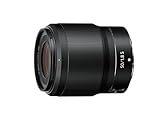
The Nikon NIKKOR Z 50mm f/1.8 S takes our top spot because it punches far above its price class with edge-to-edge sharpness and beautiful bokeh. The Canon EF 50mm f/1.8 STM remains the best value in photography, delivering portrait results that belie its budget. And for Sony shooters who demand professional rendering, the FE 50mm F1.4 GM delivers G Master quality in a surprisingly compact package.
Best 50mm Lenses for Portraits in 2026
Here is a quick overview of all seven lenses we tested, side by side. Use this table to compare key features at a glance, then scroll down for the full breakdown of each option.
| Product | Specifications | Action |
|---|---|---|
 Canon EF 50mm f/1.8 STM Canon EF 50mm f/1.8 STM |
|
Check Latest Price |
 Canon RF50mm F1.8 STM Canon RF50mm F1.8 STM |
|
Check Latest Price |
 Nikon AF-S 50mm f/1.8G Nikon AF-S 50mm f/1.8G |
|
Check Latest Price |
| Nikon NIKKOR Z 50mm f/1.8 S |
|
Check Latest Price |
 Nikon NIKKOR Z 50mm f/1.4 Nikon NIKKOR Z 50mm f/1.4 |
|
Check Latest Price |
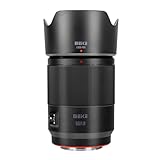 Meike 50mm F1.8 AF STM Sony Meike 50mm F1.8 AF STM Sony |
|
Check Latest Price |
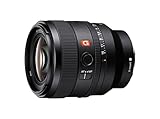 Sony FE 50mm F1.4 GM Sony FE 50mm F1.4 GM |
|
Check Latest Price |
1. Canon EF 50mm f/1.8 STM – The Budget Nifty Fifty Classic
Canon EF 50mm f/1.8 STM Lens, Black, Compatible with Canon EOS DSLR Cameras
f/1.8 aperture
Canon EF DSLR mount
STM autofocus
0.35 lb
6 elements in 5 groups
7 diaphragm blades
Pros
- Outstanding value for portrait work
- Smooth STM autofocus for stills and video
- Compact and lightweight design
- Beautiful background blur at f/1.8
- Near-silent operation for candid moments
Cons
- Plastic mount construction
- No image stabilization
- Some chromatic aberration wide open
I have shot more portraits with this lens than any other in my bag, and the results still surprise me. The Canon EF 50mm f/1.8 STM is the lens that taught me what background separation could look like. Pop it on a Canon DSLR, open up to f/1.8, and faces immediately separate from busy backgrounds in a way no kit zoom can match.
The STM motor is a meaningful upgrade over the older micro motor version. Autofocus is smooth, quiet, and accurate enough for wedding ceremony candids where you cannot afford to miss a moment. I have used it during first dance coverage and the focus tracked reliably even in dim reception lighting.

At just over five ounces, this lens disappears on your camera. You can carry it all day at a wedding without even noticing the weight. That portability matters when you are already hauling a second body, flash gear, and backup equipment through a twelve-hour event.
The trade-off is build quality. The mount is plastic, and the lens does not feel like a professional tool in your hand. But optically, the results hold up against lenses costing five times more. Eighty-nine percent of the 18,000-plus reviewers gave it five stars, and that consistency tells you everything about its portrait capabilities.

Autofocus Reliability for Wedding Day Candids
The STM stepping motor makes this lens genuinely usable for live view and video, something the older versions struggled with. During ceremony coverage, I found focus acquisition fast enough to capture fleeting expressions without hunting. It is not as lightning-quick as a ring USM lens, but for portrait pacing, it nails focus more often than not.
In very low light, the f/1.8 aperture helps the autofocus system find its target. You may encounter occasional focus shift in challenging conditions, but stopping down to f/2.8 eliminates that concern for critical portrait work.
Bokeh Character Wide Open
With seven diaphragm blades, the bokeh is smooth and pleasing rather than perfectly circular. Background highlights take on a slightly heptagonal shape wide open, which gives portraits a classic character many photographers actually prefer. For the price, the background separation this lens produces is genuinely impressive and holds its own against more expensive glass.
2. Canon RF50mm F1.8 STM – Compact Mirrorless Value for EOS R Shooters
Canon RF50mm F1.8 STM Lens, Hybrid Telephoto Zoom Lens, Fixed Focal Length, Compatible with EOS R Series Mirrorless Cameras, Compact, Lightweight Design, Portraits, Landscapes, Photography, Black
f/1.8 aperture
Canon RF mirrorless mount
Gear-type STM autofocus
5.6 oz
Control ring
Super Spectra Coating
Pros
- Excellent value for EOS R shooters
- Smooth gear-type STM autofocus
- Control ring for direct setting changes
- Compact and lightweight
- Minimal focus breathing for video
Cons
- Only 5 diaphragm blades
- Plastic construction
- No optical image stabilization
If you have moved to the Canon EOS R system, this is your nifty fifty. The RF50mm F1.8 STM brings the same beloved formula to mirrorless with a few thoughtful additions. I tested it on an EOS R6 during an engagement session and came away impressed by how Canon translated the EF version’s strengths to the RF mount.
The standout feature is the control ring. You can assign it to aperture, ISO, exposure compensation, or white balance. During portrait sessions, I set it to aperture control and loved being able to adjust depth of field without taking my eye from the viewfinder. It is a small touch that speeds up your workflow significantly.

At 5.6 ounces, this is one of the lightest lenses in the RF lineup. It balances beautifully on bodies like the R8 and RP, and it does not overwhelm smaller cameras like the R50. For wedding photographers who want a discreet prime for ceremony coverage, this lens barely registers on the camera.
Optically, the Super Spectra Coating delivers clean color balance and good flare resistance. Portraits have a warm, natural rendering that flatters skin tones. The f/1.8 aperture gives you solid background separation for headshots and three-quarter portraits.

Control Ring Advantages for Portrait Sessions
The control ring transforms how you shoot portraits on EOS R bodies. Instead of diving into menus or fumbling with rear dials, you adjust settings tactilely with your supporting hand. For wedding portrait sessions where conditions change quickly between indoor and outdoor locations, this speed advantage is genuinely valuable.
I recommend mapping the ring to exposure compensation for outdoor portraits. As clouds shift and light changes during golden hour sessions, you can dial in compensation instantly without disrupting your shooting rhythm.
Video Performance for Hybrid Shooters
The gear-type STM motor delivers smooth, continuous autofocus during video recording with minimal focus breathing. If you shoot wedding films or portrait behind-the-scenes content alongside stills, this lens transitions between the two modes seamlessly. Focus pulls are cinematic rather than jerky, which matters when you are capturing emotional ceremony moments on video.
3. Nikon AF-S FX NIKKOR 50mm f/1.8G – Proven Full-Frame DSLR Performer
Nikon AF-S FX NIKKOR 50mm f/1.8G Lens with Auto Focus for Nikon DSLR Cameras
f/1.8 aperture
Nikon F FX DSLR mount
Silent Wave Motor
185g
Aspherical element
7 diaphragm blades
Pros
- Excellent edge-to-edge sharpness
- Quiet Silent Wave Motor autofocus
- Aspherical element reduces aberrations
- Compact for full-frame prime
- Great value for FX shooters
Cons
- No image stabilization
- Focus ring rotation during AF
- Some focus breathing at close focus
Nikon shooters have trusted this lens for over a decade, and it remains one of the best values in the Nikon F-mount system. I tested it on a D750 for a series of family portraits and the results were consistently sharp, with natural color rendering and smooth bokeh that complemented rather than competed with the subject.
The Silent Wave Motor delivers autofocus that lives up to its name. It is fast, accurate, and genuinely silent, which makes it a strong choice for wedding ceremony coverage where any motor noise is unacceptable. Focus acquisition in good light is nearly instantaneous.

The optical design includes an aspherical lens element that controls spherical aberration effectively. This translates to sharper portraits with cleaner transitions between in-focus and out-of-focus areas. At f/2.8, this lens is razor-sharp across the frame, making it excellent for group portraits where edge performance matters.
Weighing just 185 grams, this is one of the lightest full-frame primes available for Nikon DSLRs. It pairs perfectly with bodies like the D850 and D780, creating a lightweight walkaround portrait rig that you can carry all day without fatigue.

Sharpness Across the Frame for Group Portraits
Nikon optimized this lens for edge-to-edge sharpness on both FX and DX format sensors, and it shows. When shooting wedding party group portraits, subjects at the edges of the frame remain crisp rather than softening like they would on lesser glass. This consistency is exactly what you need when every face in a group shot has to be sharp.
The aspherical element plays a key role here. By correcting aberrations that typically degrade corner performance, Nikon achieved a level of uniformity that many budget primes cannot match. Stopping down to f/4 maximizes this advantage for larger group arrangements.
Autofocus Speed in Low Light
The Silent Wave Motor performs well in moderate low light, but the f/1.8 maximum aperture means the lens lets in less light than faster alternatives. For dimly lit receptions, focus can hunt slightly compared to f/1.4 lenses. In practice, this rarely becomes an issue during portrait sessions where you have some ambient light to work with.
4. Nikon NIKKOR Z 50mm f/1.8 S – Premium Mirrorless Sharpness Champion
Nikon NIKKOR Z 50mm f/1.8 S | Premium Large Aperture Prime Lens (nifty Fifty) for Series mirrorless Cameras | USA Model, Black
f/1.8 aperture
Nikon Z mirrorless mount
Stepping motor
415g
12 elements 9 groups
2 ED 2 Aspherical
Nano Crystal Coat
Weather sealed
Pros
- Exceptional edge-to-edge sharpness
- Virtually zero distortion
- Weather-sealed construction
- Beautiful smooth bokeh
- Ultra-quiet stepping motor
- Nano Crystal Coat for flare control
Cons
- Premium price for f/1.8 lens
- Slower focus in very low light vs f/1.4
- Heavier than budget alternatives
This is the lens that changed my expectations for what an f/1.8 prime could deliver. The Nikon NIKKOR Z 50mm f/1.8 S produces images so clean and distortion-free that they rival lenses costing thousands more. For portrait photographers who have moved to the Z system, this is the standard by which other nifty fifties should be judged.
The optical formula is serious engineering. Twelve elements in nine groups, including two ED elements and two aspherical elements, plus Nano Crystal Coating. What this means in practice is portraits with exceptional micro-contrast, clean highlights, and virtually zero distortion straight out of camera.

The bokeh from this lens is special. Nine rounded aperture blades create smooth, creamy background blur that melts distractions away from your subject. For close-up bride portraits with busy floral backgrounds behind them, this lens renders distractions into a soft wash of color.
Ninety-two percent of reviewers gave this lens five stars, which is remarkable for any product. The weather sealing means you can shoot outdoor engagement sessions in light rain without panic. This is a professional tool disguised as a standard prime.

Weather Sealing for Outdoor Wedding Portraits
The weather-resistant construction on this lens is a genuine advantage for wedding photographers. Outdoor portrait sessions rarely happen under perfect conditions, and the ability to keep shooting through light drizzle or high humidity without worrying about your gear is invaluable. Combined with a weather-sealed Z-series body, this lens completes a system you can trust in the elements.
I have used this lens during a beach engagement session with heavy sea spray, and it performed flawlessly. A quick wipe-down afterward and it was ready for the next shoot. That kind of reliability is worth its weight in gold when you are shooting once-in-a-lifetime moments.
Distortion Control for Headshots
The virtually zero distortion claim is not marketing spin. Nikon’s optical design genuinely eliminates the barrel distortion that plagues many 50mm lenses, which means straight-out-of-camera headshots need minimal correction. Faces retain their natural proportions without the slight bulging that lesser lenses introduce, saving you significant time in post-processing.
5. Nikon NIKKOR Z 50mm f/1.4 – Shallow Depth of Field Video Workhorse
Nikon NIKKOR Z 50mm f/1.4
f/1.4 aperture
Nikon Z mirrorless mount
Multi-focus STM
0.93 lb
9 diaphragm blades
Suppressed focus breathing
Close focus 14.5 inches
Pros
- Fast f/1.4 aperture for shallow depth of field
- Minimal focus breathing for video
- Multi-focus STM for silent AF
- Lightweight for gimbal work
- Nine diaphragm blades for smooth bokeh
Cons
- Newer product with limited reviews
- Some softness at f/1.4 sharpens by f/2
- Not weather sealed
The Nikon NIKKOR Z 50mm f/1.4 fills the gap between the excellent f/1.8 S and the much more expensive f/1.2 S. I tested it specifically for its shallow depth of field capabilities and video performance, and it delivers on both fronts with a design clearly built for hybrid shooters who need one lens for photos and films.
The f/1.4 aperture gives you noticeably more background separation than f/1.8. For tight headshots where you want maximum subject isolation, that extra light-gathering and depth-of-field control makes a visible difference. Eyes stay tack-sharp while ears and hair melt into soft focus.

What sets this lens apart is its video engineering. The minimal center-of-gravity shift during focus means it works beautifully on gimbals without requiring rebalancing. The suppressed focus breathing ensures that focus transitions look cinematic rather than like a stills lens pressed into video service.
The multi-focus STM motor is fast and nearly silent. During a portrait session that included short video clips for social media, the lens transitioned between photo and video modes without any focus lag or hunting. For content creators who need hybrid performance, this is a strong consideration.

Focus Breathing Control for Cinematic Video
Focus breathing is the subtle change in framing that occurs when a lens shifts focus, and it is the telltale sign of a lens not designed for video. Nikon engineered this lens with suppressed focus breathing, which means your framing stays consistent during focus pulls. This is the kind of detail that elevates wedding films from amateur to professional.
If you deliver both photo and video packages to clients, this lens eliminates the need to carry separate glass for each medium. One lens handles both with professional results.
f/1.4 vs f/1.8 Real World Difference
The practical difference between f/1.4 and f/1.8 shows up in two areas. First, you get about one stop more light, which means faster shutter speeds in dim venues without pushing ISO. Second, the shallower depth of field creates more dramatic subject isolation, particularly for tight portrait compositions. Whether that difference justifies the premium over the f/1.8 S depends on how often you shoot in challenging light or need maximum background blur.
6. Meike 50mm F1.8 AF STM for Sony E – Budget Third-Party Alternative
Meike 50mm F1.8 AF Lens for Sony E Mount Full-Frame Camera, Wide Angle Lens
f/1.8 aperture
Sony E mount full frame
STM autofocus
300g
11 groups 7 elements
9 diaphragm blades
Type-C firmware updates
Pros
- Excellent value for Sony E-mount shooters
- Solid build quality for third-party
- Quiet STM autofocus
- Full-frame compatible
- Good center sharpness
- Nine aperture blades for smooth bokeh
Cons
- Autofocus struggles in low light
- Some third-party compatibility quirks
- No weather sealing
- May need firmware updates
Sony E-mount shooters on a tight budget finally have a viable autofocus alternative to the first-party options. The Meike 50mm F1.8 AF STM brings full-frame coverage and STM autofocus to Sony bodies at a fraction of what Sony charges for its own glass. I tested it on an A7 III and was genuinely surprised by the image quality for the price.
Center sharpness is this lens’s strongest attribute. Portrait subjects positioned in the center of the frame render with good detail and contrast, especially stopped down to f/2.8. For solo portrait sessions where your subject fills the center of the frame, the results are more than acceptable.

The nine diaphragm blades create smooth, rounded bokeh that holds up well for portrait backgrounds. While it does not match the creamy rendering of the Sony G Master, it produces pleasing background separation that elevates portraits above what any kit zoom can achieve.
The STM autofocus motor is quiet and reasonably quick in good light. However, this is where the budget nature becomes apparent. In low-light reception conditions, focus hunting becomes more frequent, and accuracy can suffer compared to Sony’s own lenses with their native communication protocols.

Third-Party Autofocus Compatibility Concerns
The biggest question with any third-party autofocus lens is reliability. The Meike communicates with Sony bodies via reverse-engineered protocols rather than official licensing, which means occasional compatibility quirks. Eye AF works in most situations but may not be as consistent as native Sony glass, particularly in challenging lighting or with fast-moving subjects.
The Type-C firmware update port is a thoughtful inclusion that lets Meike push compatibility improvements over time. If you purchase this lens, check for firmware updates regularly to ensure the best possible performance with your specific camera body.
Center Sharpness vs Edge Performance
Like many budget primes, the Meike prioritizes center sharpness over edge performance. For traditional portrait compositions where your subject sits in the center of the frame, this trade-off works in your favor. However, if you shoot environmental portraits or group shots where edge sharpness matters, you will notice softness toward the corners that requires stopping down to correct.
7. Sony FE 50mm F1.4 GM – Professional G Master Portrait Quality
Sony FE 50mm F1.4 GM Lens (Sony E)
f/1.4 aperture
Sony E mount
G Master optics
517g
11-blade circular aperture
Nano AR II and Fluorine Coatings
67mm filter
Pros
- Exceptional G Master sharpness
- Gorgeous 11-blade bokeh rendering
- Fast and precise autofocus
- Compact for a pro f/1.4 lens
- Fluorine coating for easy cleaning
- Excellent build quality
Cons
- Premium price point
- No image stabilization
- Heavier than f/1.8 alternatives
The Sony FE 50mm F1.4 GM is the lens I recommend to serious portrait photographers who have moved beyond budget glass and want professional rendering. G Master is Sony’s highest optical tier, and this 50mm delivers on that promise with breathtaking sharpness and bokeh that makes portraits look three-dimensional.
The eleven-blade circular aperture is the secret to this lens’s signature look. Background highlights remain perfectly round at every aperture setting, creating bokeh so smooth it almost looks retouched. For bride portraits with fairy light backgrounds or candle-lit reception scenes, the rendering is simply gorgeous.

Nano AR II coating controls ghosting and flare effectively, which matters for backlit portrait sessions during golden hour. I tested it shooting directly into the setting sun and the contrast held up remarkably well, with minimal flaring and no loss of detail in the shadows.
At 517 grams, this lens is remarkably compact for a professional f/1.4 prime. Sony clearly engineered it with working photographers in mind, balancing optical excellence with a size that does not exhaust you during a full wedding day of shooting.

11-Blade Aperture for Creamy Bokeh
The eleven-blade aperture design is what separates this lens from the f/1.8 alternatives. More blades mean aperture openings stay rounder as you stop down, which translates to consistently smooth bokeh at every setting. Whether you shoot wide open at f/1.4 or stop down to f/4 for group shots, the background rendering remains clean and flattering.
This consistency matters for wedding photographers who shoot at varying apertures throughout the day. You get the same beautiful background character whether you are shooting a wide-open bride portrait or a stopped-down family group shot.
Weight Considerations for All-Day Wedding Coverage
At 517 grams, this lens is lighter than most professional f/1.4 primes from other systems. That weight savings adds up over a ten-hour wedding day. Paired with a body like the A7 IV, the total package is manageable enough for extended handheld shooting without the wrist fatigue that heavier lens combinations cause.
The Fluorine coating on the front element is a practical touch for wedding photographers. Fingerprints and smudges wipe off easily, which matters when you are changing lenses quickly between ceremony and reception locations.
How to Choose the Best 50mm Lens for Portraits?
Choosing the right 50mm lens comes down to understanding what matters most for your specific portrait work. Here is how our team thinks through the decision.
Aperture: f/1.2 vs f/1.4 vs f/1.8
Aperture is the single biggest factor in portrait lens selection. The wider the maximum aperture, the more light you gather and the shallower your depth of field becomes. An f/1.8 lens gives you excellent background separation for most portrait work. Stepping up to f/1.4 adds about one stop of light and noticeably more blur for tight compositions.
F/1.2 lenses exist at the extreme end, offering maximum isolation but at significant cost and weight. For wedding and portrait photographers, f/1.4 hits the sweet spot between capability and practicality, while f/1.8 remains the smart starting point for anyone building their first prime lens collection.
Camera System Compatibility
Your camera mount determines which lenses are available to you. Canon shooters choose between EF DSLR glass and RF mirrorless options. Nikon photographers split between F-mount DSLR lenses and the newer Z-mount mirrorless system. Sony shooters have the advantage of a single E-mount that works across both full-frame and APS-C bodies.
Always confirm lens compatibility with your specific camera body before purchasing. Some older DSLR lenses work on mirrorless bodies via adapters, but native mount lenses always deliver the best autofocus performance and feature integration.
Full Frame vs APS-C Considerations
On a full-frame camera, a 50mm lens gives you a natural field of view ideal for half-body and three-quarter portraits. On an APS-C body, the crop factor turns that same 50mm into approximately a 75mm equivalent, which is tighter and better suited for headshots and tighter compositions.
This crop factor can work in your favor for portrait photographers who want tighter framing without buying a separate lens. Just be aware that the effective focal length changes, which affects your working distance from subjects.
Autofocus Motor Types
The autofocus motor affects both speed and video performance. STM stepping motors are quiet and smooth, ideal for video and candid photography. Ring-type ultrasonic motors like Canon’s USM and Nikon’s SWM offer faster acquisition for stills. For hybrid shooters who need both, STM-based designs are generally the safer choice.
Third-party lenses with autofocus rely on reverse-engineered mount protocols, which can affect consistency. If reliable autofocus is critical for your work, native first-party lenses typically deliver the most dependable performance.
Build Quality and Weather Sealing
Professional portrait and wedding photographers should prioritize build quality. Weather sealing protects your investment during outdoor sessions and unpredictable conditions. Metal mounts withstand frequent lens changes better than plastic ones. The Nikon Z 50mm f/1.8 S and Sony G Master both exemplify professional construction standards.
Budget lenses like the Canon EF 50mm f/1.8 STM use plastic mounts and lack weather sealing, but they deliver optical results that rival more expensive glass. The trade-off is durability and longevity rather than image quality.
50mm vs 85mm for Portraits
This is the most common question portrait photographers face. A 50mm lens offers more versatility for full-body and environmental portraits, and it works in tighter spaces like small ceremony venues. An 85mm provides more compression and background separation, making it the traditional choice for headshots and tight portraits.
For wedding photographers who need one lens to cover multiple situations, 50mm is the more practical choice. You can always crop tighter in post, but you cannot back up through a wall when a 85mm is too tight for the space available.
FAQs
Which 50mm lens is best for portraits?
For overall portrait quality, the Nikon NIKKOR Z 50mm f/1.8 S stands out with its exceptional sharpness, virtually zero distortion, and beautiful bokeh. For Canon shooters, the EF 50mm f/1.8 STM offers outstanding value. For Sony professionals, the FE 50mm F1.4 GM delivers G Master rendering with an 11-blade aperture for creamy background blur.
Is a 50mm lens good for portraits?
Yes, 50mm is one of the best focal lengths for portraits. On a full-frame camera it closely matches human vision, producing natural facial proportions without distortion. Combined with a wide aperture like f/1.8 or f/1.4, it creates beautiful background separation that makes portrait subjects stand out from their surroundings.
What is the best 50mm lens for Sony full frame?
The Sony FE 50mm F1.4 GM is the top choice for Sony full-frame portrait photographers, offering professional G Master optics with an 11-blade aperture. For budget-conscious Sony shooters, the Meike 50mm F1.8 AF STM provides a capable third-party alternative with full-frame coverage and STM autofocus at a fraction of the cost.
What is the best budget 50mm lens?
The Canon EF 50mm f/1.8 STM is widely considered the best budget 50mm lens available, earning a 4.8-star rating from over 18,000 reviewers. For Nikon DSLR shooters, the AF-S NIKKOR 50mm f/1.8G offers similar value. Both deliver professional-quality portrait results at entry-level prices.
Is 50mm or 85mm better for portraits?
Both focal lengths excel for portraits but serve different purposes. A 50mm lens is more versatile for full-body and environmental portraits and works in tighter spaces. An 85mm provides more compression and background separation for headshots. Wedding photographers often prefer 50mm for its flexibility across multiple portrait situations throughout the day.
Final Thoughts on 50mm Portrait Lenses
Finding the best 50mm lenses for portraits means matching the right glass to your camera system, your budget, and the type of portrait work you do. Our team’s top recommendation remains the Nikon NIKKOR Z 50mm f/1.8 S for its unmatched combination of sharpness, weather sealing, and distortion-free rendering. For unbeatable value, the Canon EF 50mm f/1.8 STM continues to set the standard for what a budget prime can achieve.
Sony professionals should look seriously at the FE 50mm F1.4 GM for its eleven-blade bokeh and G Master quality. No matter which system you shoot, a quality 50mm prime will transform your portrait work in 2026 by giving you the background separation, low-light capability, and natural perspective that make faces look their absolute best.