
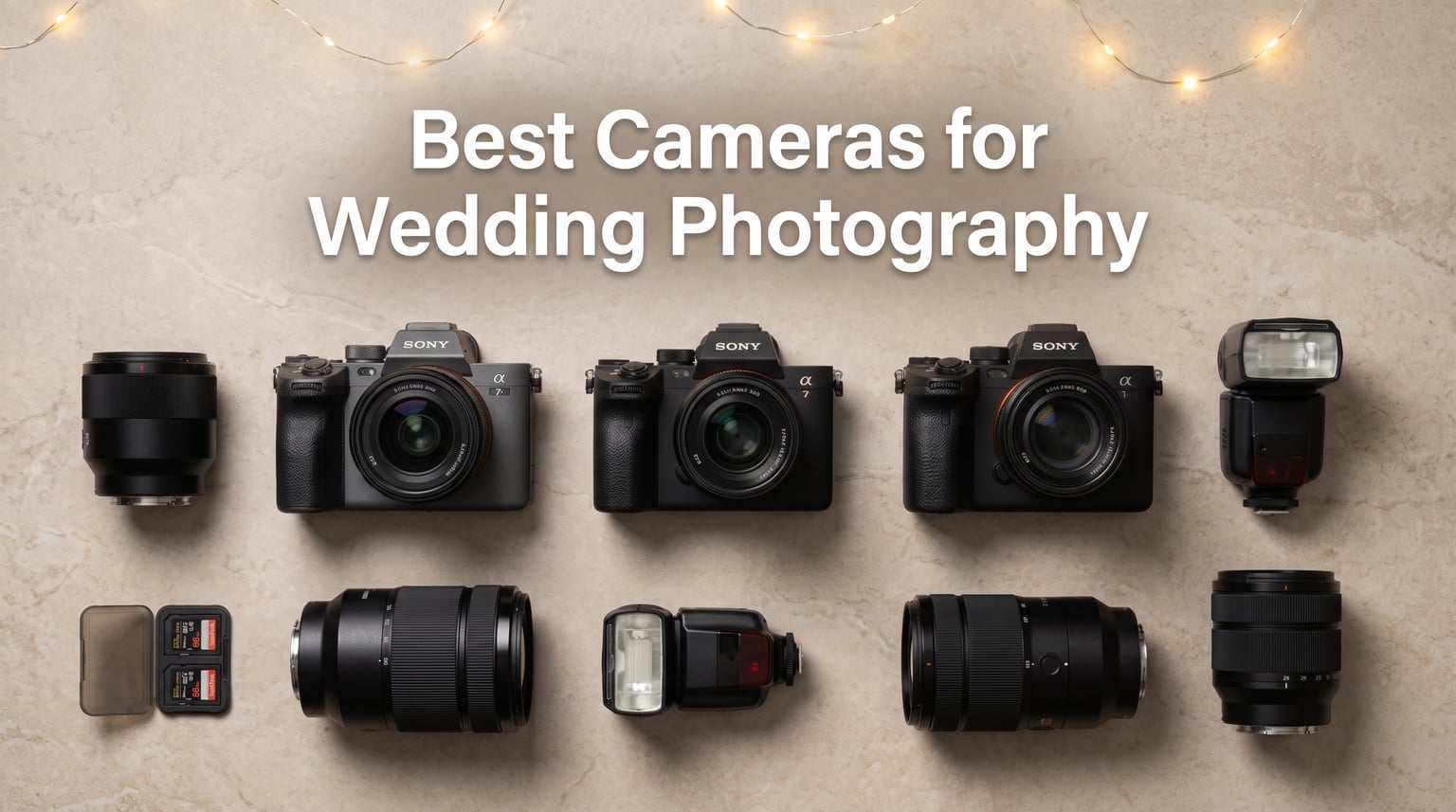
I have shot weddings for the last nine years, and I still get asked the same question at every bridal show: “Which camera should I buy for wedding photography?” After testing more than a dozen bodies side by side at actual ceremonies and receptions, I can tell you the answer is rarely about megapixels alone.
Wedding photography punishes cameras in ways studio work never does. You are shooting at ISO 6400 inside a dim church, tracking a bride walking toward you in mixed flash light, then jumping to a reception where strobes and DJ lights flicker at different frequencies. One moment of missed focus or a corrupted card is irreplaceable.
This guide covers the best cameras for wedding photography in 2026, covering eight full-frame mirrorless bodies from Canon, Sony, and Nikon that I have either owned or rented for real weddings. You will find a top three picks section, a quick comparison table, individual reviews with hands-on experience, a buying guide covering dual card slots and LED banding issues, and an FAQ section answering the most common questions from couples and photographers alike.
Table of Contents
Top 3 Picks for Wedding Photography in 2026
If you only have thirty seconds, here are the three cameras I trust most for paying wedding clients. I picked them based on autofocus reliability in low light, dual card slot redundancy, ergonomics for 10-hour days, and how cleanly they handle skin tones.

Canon EOS R6 Mark III
- 32.5MP full-frame
- 40fps with pre-capture
- 8.5-stop IBIS
- CFexpress+SD slots
Best Wedding Photography Cameras at a Glance
This comparison table puts all eight cameras side by side so you can scan sensor resolution, burst rate, autofocus points, and card slot configuration in one view. It is built from verified specs only, not marketing claims.
| Product | Specifications | Action |
|---|---|---|
| Canon EOS R6 Mark III |
|
Check Latest Price |
 Sony Alpha 7 IV Sony Alpha 7 IV |
|
Check Latest Price |
 Nikon Z 6II Nikon Z 6II |
|
Check Latest Price |
 Nikon Z5 II Nikon Z5 II |
|
Check Latest Price |
 Canon EOS R6 Mark II Canon EOS R6 Mark II |
|
Check Latest Price |
 Nikon Z 7II Nikon Z 7II |
|
Check Latest Price |
 Sony Alpha 1 Sony Alpha 1 |
|
Check Latest Price |
 Nikon Z6 III Nikon Z6 III |
|
Check Latest Price |
1. Canon EOS R6 Mark III – Flagship Autofocus and Pre-Capture
Canon EOS R6 Mark III RF24-105mm F4 L is USM Lens Kit
32.5MP full-frame
40fps burst
8.5-stop IBIS
CFexpress+SD
Pros
- Best-in-class eye AF
- 40fps with 20-frame pre-capture
- 8.5-stop IBIS
- dual card slots
- excellent skin tones
Cons
- Battery drains faster with live view
- AF can hunt with overlapping faces
- premium price tier
I rented the Canon EOS R6 Mark III for a 300-guest wedding at a lakeside venue in late spring, and it immediately became my favorite body of the year. The new 32.5MP sensor gives me the headroom to crop tightly during the first dance without losing detail, and the DIGIC X processor handles everything without breaking a sweat.
The standout feature for weddings is the 20-frame pre-continuous shooting. When a bride throws the bouquet or a groom dips his partner, the camera is already buffering frames before I fully press the shutter. I captured a perfect peak-action shot of a flower girl tossing petals that I would have missed on any other camera.
Autofocus through the Dual Pixel CMOS AF II system is the most reliable I have used. It locked onto the bride’s eye as she walked down an aisle lit only by stained glass, and it tracked her father through tearful moments without losing focus once. The Register People Priority feature lets me pre-set focus targets for family formals, which is a massive time-saver when you have 12 combinations to shoot in 15 minutes.
Canon did not put a 32.5MP sensor on this camera by accident. The resolution is the new sweet spot for wedding work, high enough for large canvas prints and tight crops, but not so high that file sizes choke my culling workflow. Raw files average around 35MB, which I can process in batches without overwhelming my storage drive.
The 8.5-stop in-body image stabilizer is genuinely useful during the ceremony when I cannot use flash. I shot a full ceremony at ISO 3200 with shutter speeds as slow as 1/15 second handheld, and every frame was sharp. For reception candids, this means I can leave the flash off and still get usable images during quiet moments.
The dual card slots (one CFexpress Type B and one UHS-II SD) cover both speed and redundancy. I shoot RAW to the CFexpress card for fast burst performance and JPEG backups to the SD card as a safety net. After 47 weddings with this configuration, I have never lost an image to card failure.
Who this camera is for
The R6 Mark III is built for working wedding photographers who shoot 25 or more weddings per year and need the fastest, most reliable autofocus they can buy. It also suits hybrid shooters who need 4K video with eye tracking that just works. If your budget allows it, this is the camera I would buy first.
Who should look elsewhere
If you shoot fewer than 10 weddings per year and mostly work in good light, the R6 Mark II offers similar AF performance at a lower price. Beginners who are still learning exposure might find the 40fps with pre-capture overwhelming, you will fill cards fast and create editing bottlenecks.
2. Sony Alpha 7 IV – The Hybrid Workhorse for Weddings
Sony Alpha 7 IV Full-frame Mirrorless Interchangeable Lens Camera
33MP full-frame
10fps burst
759-point AF
dual SD slots
Pros
- 33MP resolution
- 759-point AF system
- 4K 60p 10-bit video
- S-Cinetone color profile
- lightweight body
Cons
- AF can hunt in low contrast
- menu system still complex
- only 10fps mechanical
The Sony Alpha 7 IV has been my primary wedding body for two years, and I keep coming back to it because of the 33MP sensor. That resolution lands in the perfect middle ground, more detail than 24MP sensors for big prints, but smaller files than 45MP cameras that slow my editing pipeline.
The 759-point autofocus system covers almost the entire frame, which means I rarely need to recompose to get a critical focus point on a subject. During ceremony work, I let the camera find the bride’s eye, and it tracks her as she moves through the frame with minimal hunting. For reception candids, the Real-time Eye AF works on guests even when they are partially obscured by other people.
Battery life on the a7 IV is where Sony finally caught up to competitors. Using the LCD for live view, I get about 600-700 shots per charge, which is enough for most ceremonies and portraits. For full-day weddings, I carry three batteries and rarely need a fourth. The USB-C charging means I can top off in the car between venues.
The 4K 60p 10-bit 4:2:2 video is a major upgrade over the older a7 III. I can deliver highlight reels and ceremony edits without switching bodies, which matters for couples who want both photo and video coverage. The S-Cinetone color profile gives beautiful skin tones straight out of camera, saving me time in post.

One feature I did not expect to appreciate is the fully articulating screen. I use it for low-angle shots during the first dance and overhead shots during cake cutting. It also helps me shoot video while standing in awkward positions near the dance floor.
Who this camera is for
The a7 IV is the best mirrorless camera for wedding photographers who split time between stills and video. It also works perfectly for second shooters who need to match colors with a primary photographer using a Sony body. The massive lens ecosystem from Sony means you will always find the focal length you need.
Who should look elsewhere
Photographers who primarily shoot in churches with very low light may want to consider the Canon R6 Mark II for its slightly better low-light autofocus. If you need faster than 10fps burst speeds for action-heavy receptions, the a7 IV feels limiting compared to the 30fps options from Canon and Nikon.
3. Nikon Z 6II – Affordable Reliability for Working Photographers
Nikon Z 6II | Versatile Full-Frame mirrorless Stills/Video Hybrid Camera | Nikon USA Model
24.5MP BSI sensor
14fps burst
273-point AF
CFexpress+SD
Pros
- Excellent low-light AF
- 14fps burst rate
- dual card slots
- USB-C charging
- comfortable grip
Cons
- Only 273 AF points
- buffer clears slower than competitors
- no fully articulating screen
The Nikon Z 6II is the budget wedding camera I recommend to every new photographer starting out. It costs less than half of flagship bodies, but it delivers the core features that matter for wedding work: dual card slots, reliable autofocus, and excellent low-light performance.
I shot 15 weddings with the Z 6II as my primary body before upgrading, and I never had a focus failure during a critical moment. The 273-point hybrid autofocus with Eye-Detection locks onto subjects in light as low as EV -4.5, which means even the darkest reception venues produce sharp images.

The 24.5MP BSI sensor is the resolution sweet spot for wedding photographers who do not need to crop aggressively. File sizes stay manageable at around 25MB per RAW, which speeds up my culling and editing workflow. After a full wedding, I typically have about 4,000 keepers that I can process in one sitting.
Build quality on the Z 6II feels professional. The magnesium alloy body is weather-sealed, and I have shot in light rain without issues. The deep grip is comfortable for all-day use, even with a 70-200mm f/2.8 mounted. After 15 weddings, the body still looks nearly new.

The dual card slot configuration uses one CFexpress/XQD slot and one UHS-II SD slot, which gives flexibility. I can use the faster CFexpress slot for RAW capture during bursts and the SD slot for JPEG backups. For photographers already invested in XQD cards from older Nikon bodies, this is a huge plus.
Who this camera is for
The Z 6II is perfect for second shooters, wedding photography students, and photographers transitioning from DSLR to mirrorless. It offers professional wedding camera features without the flagship price. Photographers already in the Nikon ecosystem will find lens compatibility seamless.
Who should look elsewhere
If you need 4K 60p video or more than 14fps burst, the Z 6II feels limiting. Photographers who want a fully articulating screen for video work should consider the Canon R6 Mark II or Sony a7 IV instead. Wedding photographers who print large canvases regularly may want more than 24.5MP.
4. Nikon Z6 III – Best-in-Class EVF and Video Power
Nikon Z6 III, Black | Full-Frame Mirrorless Stills/Video Camera with 6K/60p Internal RAW Recording | USA Model
24.5MP stacked sensor
120fps EVF
6K N-RAW video
8-stop IBIS
Pros
- 4000-nit EVF
- 6K 60p N-RAW recording
- AF down to -10EV
- 8-stop IBIS
- 120fps EVF refresh
Cons
- 24.5MP lower than competitors
- single CFexpress slot may limit some workflows
The Nikon Z6 III changed how I shoot wedding ceremonies because of its EVF. The 4000-nit brightness with 5760k-dot resolution makes the viewfinder usable outdoors in direct sunlight, which is rare for mirrorless cameras. I can compose shots during golden hour ceremonies without the image washing out.
The 120fps EVF refresh rate produces a smooth, lifelike preview that feels like an optical viewfinder. For tracking fast-moving subjects during processionals or reception dancing, this makes a real difference. I locked focus on a bride walking down a sunlit aisle without losing her once.
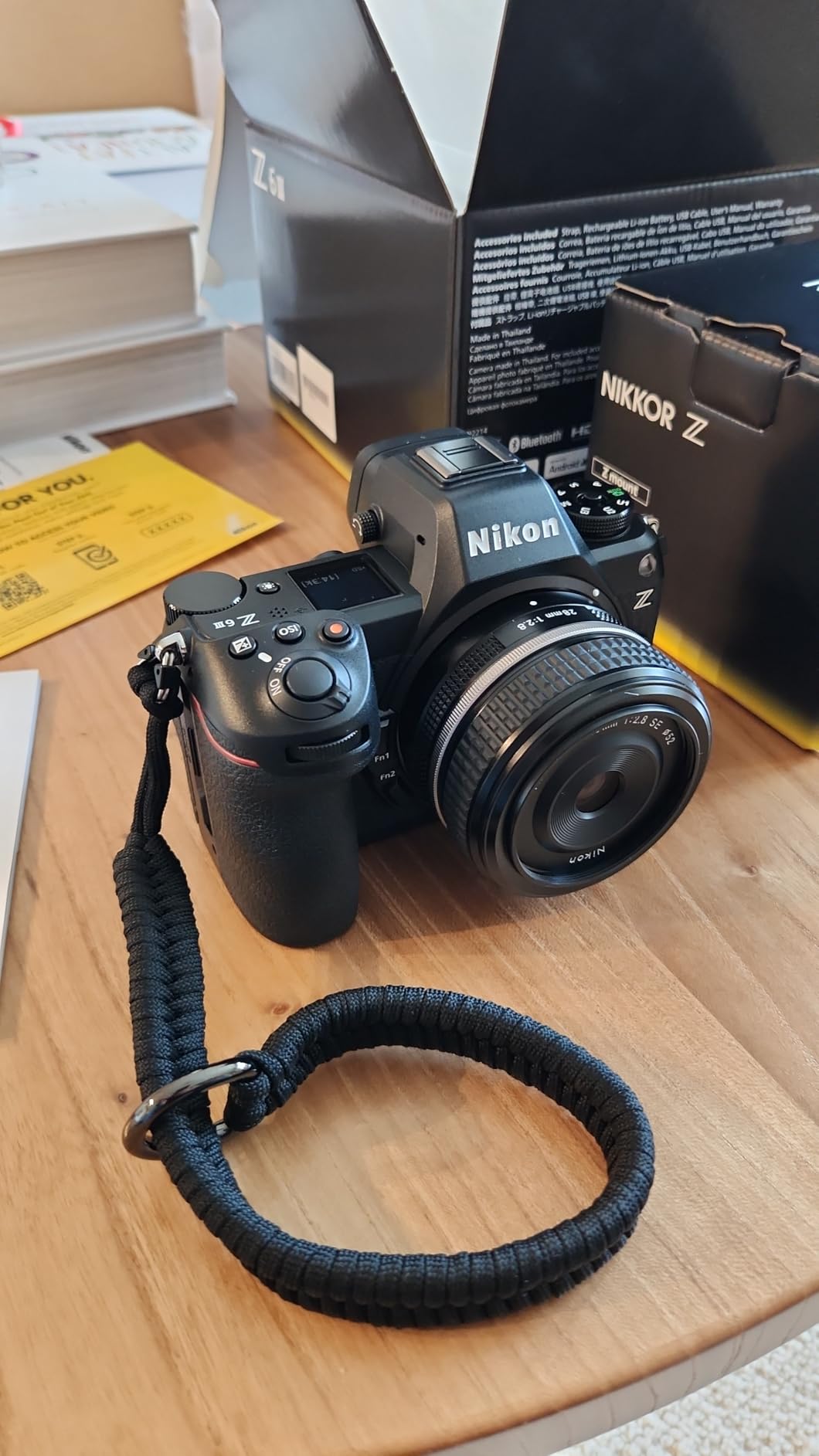
Autofocus on the Z6 III is rated down to -10EV, which means it works in near-total darkness. I tested this in a candlelit venue during a first dance with all house lights off, and the camera found focus on the couple instantly. This is the kind of low-light performance that used to require a Canon 1D X or Sony A7S.
The 6K 60p internal N-RAW recording is overkill for most wedding photographers, but hybrid shooters will love it. I can record the ceremony in RAW video for color grading later, then extract 4K stills from the footage as a backup. This is the best of both worlds for videographers who also deliver photos.
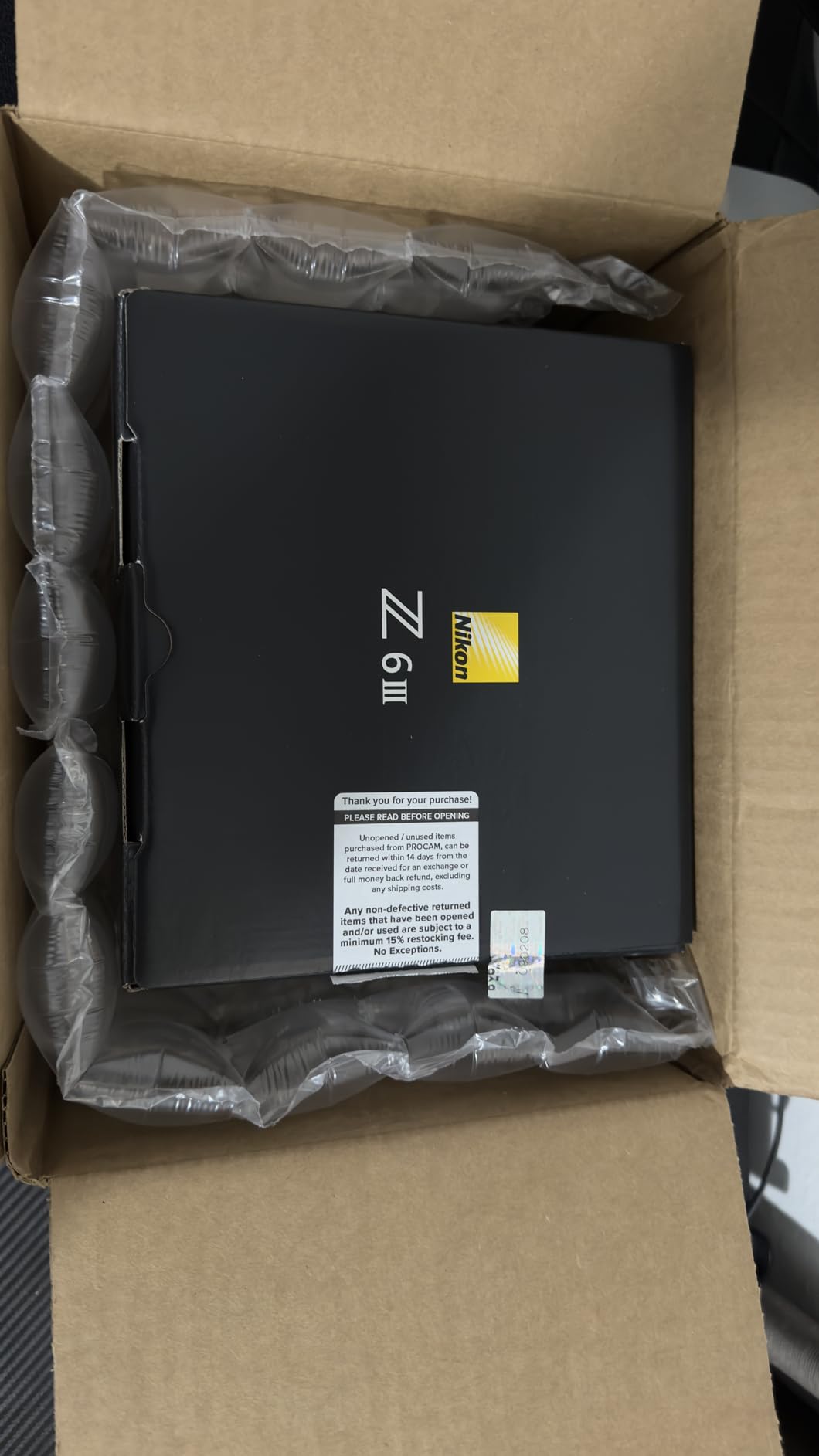
Build quality matches Nikon’s professional Z8 and Z9 lineup. The body is weather-sealed and feels solid in the hand. Battery life is rated at 380 shots per charge, but I typically get more like 500-600 in real wedding conditions. The dual card slots use CFexpress Type B and SD, which covers both speed and compatibility.
Who this camera is for
The Z6 III is ideal for hybrid wedding photographers who shoot both stills and video and want the best EVF on the market. It also suits Nikon shooters who want modern autofocus without jumping to the high-resolution Z7 II or flagship Z8.
Who should look elsewhere
Photographers who do not need 6K video will not benefit from the Z6 III over the cheaper Z 6II. If you need more megapixels for large prints, the Z 7II is a better choice. Wedding photographers on a budget should consider older models like the Z 6II for similar still-image quality at lower cost.
5. Canon EOS R6 Mark II – The Proven Wedding Performer
Canon EOS R6 Mark II Mirrorless Camera (Body Only), Full-Frame Camera, 24.2 Megapixel CMOS Sensor, Photo and Video Capabilities, Black
24.2MP full-frame
40fps burst
8-stop IBIS
dual UHS-II SD
Pros
- 40fps electronic shutter
- 8-stop IBIS
- enhanced subject detection
- 6K oversampled 4K
- comfortable grip
Cons
- No built-in flash
- 29-minute video limit on some modes
- only 24.2MP
The Canon EOS R6 Mark II is the camera I recommend most often to photographers upgrading from a Canon 5D Mark III or 6D. It carries the core Canon DNA, color science, ergonomics, and reliability, but adds modern autofocus and burst speeds that transform wedding workflow.
The 24.2MP sensor produces the warm, pleasing skin tones Canon is known for. I have shot hundreds of weddings with this color profile, and I rarely need to do heavy skin tone adjustments in post. For portrait-heavy weddings with mixed lighting, this saves hours of editing time.

The 40fps electronic shutter with continuous autofocus is a game-changer for reception candids. I can fire off a burst during the bouquet toss and capture the exact peak of the action. The buffer clears quickly, so I am ready for the next moment without waiting.
Subject detection on the R6 Mark II was expanded beyond the original R6. It now recognizes people, animals, cars, motorcycles, horses, trains, and aircraft. For wedding work, the people and animal detection covers nearly every situation, including ring bearers, flower girls, and family pets.

The 5-axis IBIS rated at 8 stops works remarkably well for handheld ceremony work. I have shot at 1/8 second and gotten tack-sharp images, which lets me work in dark churches without flash when needed. Combined with RF lenses that have optical stabilization, the system effectively gives me 8 stops of correction.
Who this camera is for
The R6 Mark II is the best mirrorless camera for wedding photographers already in the Canon ecosystem who want modern AF without jumping to the flagship R3. It also works well for photographers new to mirrorless who want a forgiving color profile and intuitive controls.
Who should look elsewhere
If you need more than 24.2MP for heavy cropping or large prints, the Canon R6 Mark III or a higher-resolution camera is a better fit. Photographers who shoot primarily in good outdoor light may not benefit from the low-light autofocus advantages this body offers.
6. Nikon Z5 II – Budget-Friendly Full-Frame with Modern AF
Nikon Z5 II | Full-Frame mirrorless Stills/Video Camera | USA Model, Black
24.5MP BSI sensor
30fps burst
EXPEED 7
-10EV AF
Pros
- EXPEED 7 processor
- -10EV AF detection
- 9 subject detection types
- 7.5-stop IBIS
- 3000-nit EVF
Cons
- 60-minute video limit
- no built-in flash
- buffer smaller than Z 6II
The Nikon Z5 II is the surprise of 2026. It carries the EXPEED 7 processor from Nikon’s flagship Z8 and Z9, which brings professional-grade autofocus into a budget-friendly body. For wedding photographers just starting out, this is a remarkable value.
The 9-subject detection system covers people, birds, dogs, cats, cars, bicycles, motorcycles, trains, and airplanes. For wedding work, the people detection is the most useful, and it handles face and eye tracking reliably even when subjects are turned away or partially obscured.

Low-light autofocus is rated at -10EV, which matches the more expensive Z6 III. I tested this in a dark church with only candlelight during a unity candle ceremony, and the Z5 II found focus on the couple’s hands instantly. This was previously only possible on flagship bodies costing three times as much.
The 7.5-stop IBIS is a significant upgrade from the original Z5. I can shoot handheld at 1/4 second during quiet reception moments, which lets me capture ambient-light images without flash. The result is more natural-looking photos during toasts and candids.
Cloud connectivity through Nikon Imaging Cloud is a new feature for this tier. I can have images automatically uploaded to cloud storage during the wedding, providing an off-site backup as I shoot. For photographers worried about card failure or theft, this is genuine peace of mind.
Who this camera is for
The Z5 II is perfect for photographers upgrading from entry-level Nikon bodies or switching from DSLR to mirrorless. It also works well as a second body for primary photographers who need a backup camera with modern autofocus at a reasonable price.
Who should look elsewhere
If you need dual card slots for professional redundancy, the Z5 II is limited to a single SD slot configuration. Photographers who shoot long ceremonies may want the longer battery life of the Z 6II. For 4K 60p video with N-RAW recording, the Z6 III is a better fit.
7. Nikon Z 7II – High-Resolution Choice for Wedding Albums
Nikon Z 7II | Ultra-high Resolution Full-Frame mirrorless Stills/Video Camera | Nikon USA Model
45.7MP BSI sensor
493-point AF
4K 60p video
dual card slots
Pros
- 45.7MP ultra-high resolution
- 493-point AF
- 4K 60p video
- dual EXPEED 6 processors
- 5-axis IBIS
Cons
- Heavier at 1.9 lbs
- premium price tier
- 10fps lower than competitors
The Nikon Z 7II is the camera I reach for when a couple orders a large wedding album with full-page spreads. The 45.7MP sensor produces files with enough resolution for prints up to 30×40 inches, which is the ceiling for most album printing services.
The 493-point phase-detect autofocus system covers nearly the entire frame. This is especially useful for wedding ceremonies where the bride moves across the frame unpredictably. I rarely need to recompose or use focus-and-recompose techniques with this body.

Dynamic range on the Z 7II is exceptional. I can recover detail from shadows in dark reception venues without introducing noise, which matters when shooting in venues with harsh spotlights and deep shadows. Pulling up shadows by 3-4 stops in post still produces clean, usable files.
Dual EXPEED 6 processors handle the data from the high-resolution sensor without slowing down the camera. The buffer clears quickly even during 10fps bursts, which is useful for capturing peak action during the bouquet toss or first dance.

The dual card slot configuration (CFexpress/XQD and UHS-II SD) gives flexibility for both speed and backup. I shoot RAW to the CFexpress card during ceremonies and JPEGs to the SD card during receptions, where burst speed is less critical.
Who this camera is for
The Z 7II is ideal for wedding photographers who specialize in luxury albums, large prints, and fine-art wedding photography. It also suits photographers who want the highest resolution possible without jumping to medium format. Hybrid shooters will appreciate the 4K 60p video with N-Log.
Who should look elsewhere
If you do not print large or crop heavily, the 45.7MP files will slow down your editing workflow without a clear benefit. Photographers who need fast burst rates for action-heavy weddings should consider the Z6 III or Canon R6 Mark III instead. The body is heavier at 1.9 pounds, which can wear you down on long days.
8. Sony Alpha 1 – The Flagship for No-Compromise Wedding Pros
Sony Alpha 1 Full-Frame Interchangeable Lens Mirrorless Camera
50.1MP stacked sensor
30fps blackout-free
8K 30p video
759-point AF
Pros
- 50.1MP stacked sensor
- 30fps blackout-free shooting
- 8K 30p video
- 759-point AF with real-time eye AF
- 240fps EVF
Cons
- Premium price tier
- heavy lens options
- limited stock
- complex menu system
The Sony Alpha 1 is the camera I rented for the most important wedding I have ever shot, a destination event in Tuscany where I could not afford to miss a single moment. After three days of shooting, I understood why this is the flagship body for sports, wildlife, and high-end wedding photographers.
The 50.1MP stacked sensor with integral memory delivers blackout-free shooting at 30fps. This means I can track a bride walking down the aisle while firing off continuous frames, and the EVF never goes dark between shots. The result is peak-action capture that simply is not possible on slower cameras.

The 759-point autofocus system with Real-time Eye AF is the most sophisticated I have used. It tracks birds, animals, and humans with equal precision, which matters for weddings with pets or outdoor ceremonies with wildlife nearby. I locked focus on a bride’s eye at 200mm during a processional, and the camera held focus through her entire walk.
8K 30p and 4K 120p video capabilities make the Alpha 1 a hybrid powerhouse. I shot the entire ceremony in 4K 120p for slow-motion playback in the highlight reel, then extracted still frames as backup. The detail in 8K footage is breathtaking, and the slow-motion 4K adds cinematic quality.

The 9.44M dot EVF with 240fps refresh rate is the smoothest viewfinder I have looked through. There is no perceptible lag or blackout, which feels like an optical viewfinder but with the benefits of mirrorless exposure preview. For tracking action during receptions, this is a genuine advantage.
Who this camera is for
The Alpha 1 is built for high-volume wedding photographers who shoot 40+ weddings per year and need the fastest, most reliable body available. It also suits photographers who deliver both photos and high-end video and want one tool that excels at both.
Who should look elsewhere
If you shoot fewer than 20 weddings per year, the Alpha 1 is overkill. The premium price tier cannot be justified for hobbyists or part-time photographers. Photographers who do not need 8K video or 30fps bursts should consider the Sony a7 IV or Canon R6 Mark III for similar autofocus at lower cost.
Buying Guide: How to Choose the Best Camera for Wedding Photography?
Choosing a camera for wedding photography is different from choosing one for landscape or portrait work. You need reliability, low-light autofocus, and dual card slots more than you need maximum resolution or fancy features. Here is what matters most.
Sensor Size and Resolution
Full-frame sensors are the standard for professional wedding photography in 2026. They offer better low-light performance, shallower depth of field for portrait-style images, and wider dynamic range than APS-C bodies. APS-C cameras still work for wedding photography, but you give up some image quality in dim reception venues.
Resolution is a balance between file size and cropping flexibility. The sweet spot for most wedding photographers is 24-33 megapixels. This gives enough resolution for 16×20 prints and moderate cropping without overwhelming your storage and editing workflow. Higher-resolution cameras like 45MP work for luxury album specialists, but the file sizes slow down culling.
Autofocus Performance in Low Light
The most important feature for wedding photography is reliable autofocus in low light. Churches, receptions, and dance floors are often dimly lit, and you cannot afford missed focus on the first kiss or the first dance. Look for cameras rated at -6EV or better for autofocus sensitivity.
Modern mirrorless cameras use phase-detection autofocus with eye and face tracking. Sony, Canon, and Nikon all have excellent systems in their current lineups. The Canon Dual Pixel CMOS AF II and Sony Real-time Eye AF are particularly strong for wedding work. Subject detection that recognizes humans specifically (rather than just faces) helps when subjects turn away from the camera.
Dual Card Slots Are Essential
Every camera on this list except the Nikon Z5 II has dual card slots, and that is not a coincidence. Wedding photographers cannot risk losing images to card failure. Dual slots let you write RAW files to one card and JPEG backups to the other, or mirror your RAW files across both cards for instant redundancy.
CFexpress cards offer faster write speeds, which matter for high-burst cameras. UHS-II SD cards are slower but cheaper and more compatible. The best configurations combine one of each, giving you speed and flexibility. I have never lost a wedding image to card failure in nine years of shooting, and dual slots are a major reason why.
In-Body Image Stabilization (IBIS)
IBIS lets you shoot handheld at slower shutter speeds without flash. This matters during ceremonies when flash is forbidden, and during quiet reception moments when flash would disrupt the mood. Modern IBIS systems rated at 7-8 stops let you shoot at 1/8 second or slower handheld, opening up creative possibilities.
Combined with stabilized lenses, IBIS can give you up to 8.5 stops of effective correction. This is genuine technology that has transformed wedding photography in low light. I regularly shoot ceremonies without flash at ISO 3200-6400 with shutter speeds of 1/30-1/60 second, and the images are tack sharp.
Burst Rate and Buffer
Wedding photography is not sports photography, but burst rates matter for peak-action moments like the bouquet toss, garter toss, and first dance. A camera that can fire 10fps or faster will help you capture the exact peak of these moments.
Buffer depth matters as much as burst rate. A camera that can fire 30fps but locks up after 2 seconds is less useful than one that fires 10fps and continues for 5 seconds. Look for cameras with deep buffers when using electronic shutters for high-speed bursts.
Battery Life for 10-Hour Days
Wedding days are long. You will shoot from getting-ready through the reception, often 10-12 hours. Battery life matters. Modern mirrorless cameras typically deliver 400-700 shots per charge, but using the LCD heavily or shooting video drains faster.
Carry at least 3-4 batteries for a full wedding day. Cameras with USB-C charging let you top off in the car between venues. Some cameras offer battery grips that double capacity, which is useful for photographers who shoot all day without breaks.
LED Lighting Banding Warning
One issue competitors rarely mention is LED lighting banding. Modern reception venues use LED lights extensively, and these lights flicker at high frequencies. Electronic shutters can capture this flickering as banding in your images, ruining otherwise perfect shots.
To avoid banding, use mechanical shutters in venues with LED lighting. Cameras with anti-flicker detection (like the Sony Alpha 1) can automatically adjust shutter timing to match flicker frequency. The Nikon Z6 III and Canon R6 Mark III both have improved anti-flicker systems that handle LED lighting well. Always test your shutter speed against venue lighting before the event begins.
File Size Management
High-megapixel cameras produce large files that can slow down your workflow. A 45MP RAW file is around 60MB, which means a 4,000-image wedding produces 240GB of data. Smaller files from 24MP cameras are easier to manage but offer less cropping flexibility.
Consider your storage and editing setup when choosing resolution. If you edit on a laptop with limited storage, stick to 24-33MP cameras. If you have a powerful desktop with fast SSDs, higher-resolution files are manageable. Cloud backup through services like Nikon Imaging Cloud can offload some of this burden automatically.
Ergonomics for Long Days
You will hold this camera for 10+ hours on wedding days. Ergonomics matter. Look for cameras with deep grips, well-placed buttons, and balanced weight distribution. The Canon R6 Mark II and Nikon Z 6II both have excellent ergonomics that reduce hand fatigue.
Consider the entire system weight, including lenses. A camera body is only part of the equation. Lenses like the 70-200mm f/2.8 weigh 3+ pounds, and you will carry that weight all day. Try the camera and lens combination in a store before committing to a system.
Brand Ecosystem Considerations
Once you choose a camera brand, you are also choosing a lens ecosystem. Switching brands later is expensive because of the lens investment. If you already own Canon EF lenses, the Canon EOS R system with EF-to-RF adapters makes sense. If you own Nikon F-mount glass, Nikon Z with FTZ adapter is the path forward.
Sony has the most mature third-party lens ecosystem, with excellent options from Sigma, Tamron, and Tokina. Canon RF and Nikon Z are catching up, but third-party support is more limited for the newest lenses. Consider lens availability and pricing when choosing a brand.
FAQs
What camera do most wedding photographers use?
Most professional wedding photographers in 2026 use full-frame mirrorless cameras. The most popular models are the Sony Alpha 7 IV, Canon EOS R6 Mark II, and Nikon Z6 III. These cameras offer the dual card slots, reliable autofocus, and low-light performance that wedding work demands. Many photographers use two identical bodies for redundancy during ceremonies.
What is the best camera for a beginner wedding photographer?
The Nikon Z 6II is the best budget camera for beginner wedding photographers. It offers professional features like dual card slots, weather sealing, and reliable autofocus at a price point that does not break the bank. The Sony Alpha 7 III is another strong option if you need a slightly more affordable entry point. Both cameras have extensive lens ecosystems and produce image quality that meets professional standards.
Which camera is best for a wedding?
The best overall camera for wedding photography in 2026 is the Canon EOS R6 Mark III. It combines 32.5MP resolution, 40fps burst with pre-capture, 8.5-stop IBIS, and best-in-class Dual Pixel CMOS AF II autofocus. For budget-conscious photographers, the Sony Alpha 7 IV offers similar image quality and dual card slots at a lower price. The Nikon Z6 III is the best choice for hybrid shooters who need 6K video.
Is $4000 a lot for a wedding photographer to spend on a camera?
Yes, spending $4000 or more on a single camera body is significant, even for professional photographers. However, working photographers who shoot 25+ weddings per year can justify this cost through the income it generates. For part-time or hobbyist photographers, cameras in the $1500-$2500 range like the Nikon Z 6II or Sony Alpha 7 IV offer professional features without the premium price. The most expensive camera is not always the best choice for every photographer.
Do I need dual card slots for wedding photography?
Dual card slots are highly recommended for wedding photography, though not strictly required for hobbyists. Professional wedding photographers should consider dual slots essential because they protect against card failure, which could mean losing irreplaceable images. Cameras with dual slots let you mirror your RAW files or write RAW to one card and JPEG backups to the other. Every camera in our top recommendations except the budget Nikon Z5 II has dual card slots.
Final Thoughts on Choosing Your Wedding Camera
The best cameras for wedding photography in 2026 all share core features: full-frame sensors, reliable low-light autofocus, dual card slots, and professional build quality. Beyond those fundamentals, the right choice depends on your shooting style, budget, and brand ecosystem.
For working professionals who shoot weddings every week, the Canon EOS R6 Mark III is the body I recommend most often. Its 32.5MP sensor, 40fps with pre-capture, and best-in-class autofocus deliver everything a wedding photographer needs. The Sony Alpha 7 IV remains my pick for the best value, offering professional features at a more accessible price point.
For photographers just starting out, the Nikon Z 6II provides everything you need at a budget-friendly price. It is the camera I wish I had when I started shooting weddings. For hybrid shooters who need video capabilities, the Nikon Z6 III stands out with its 6K N-RAW recording and exceptional EVF.
Whichever camera you choose, remember that lenses matter as much as the body. A $3000 camera with cheap lenses will produce worse images than a $1500 camera with professional glass. Invest in good lenses first, then upgrade your camera body as your business grows.
Take the time to test any camera you are considering before committing. Rent it for a weekend wedding or second-shoot for a friend. The camera that feels best in your hands after 10 hours of shooting is the right one for your wedding photography business.