
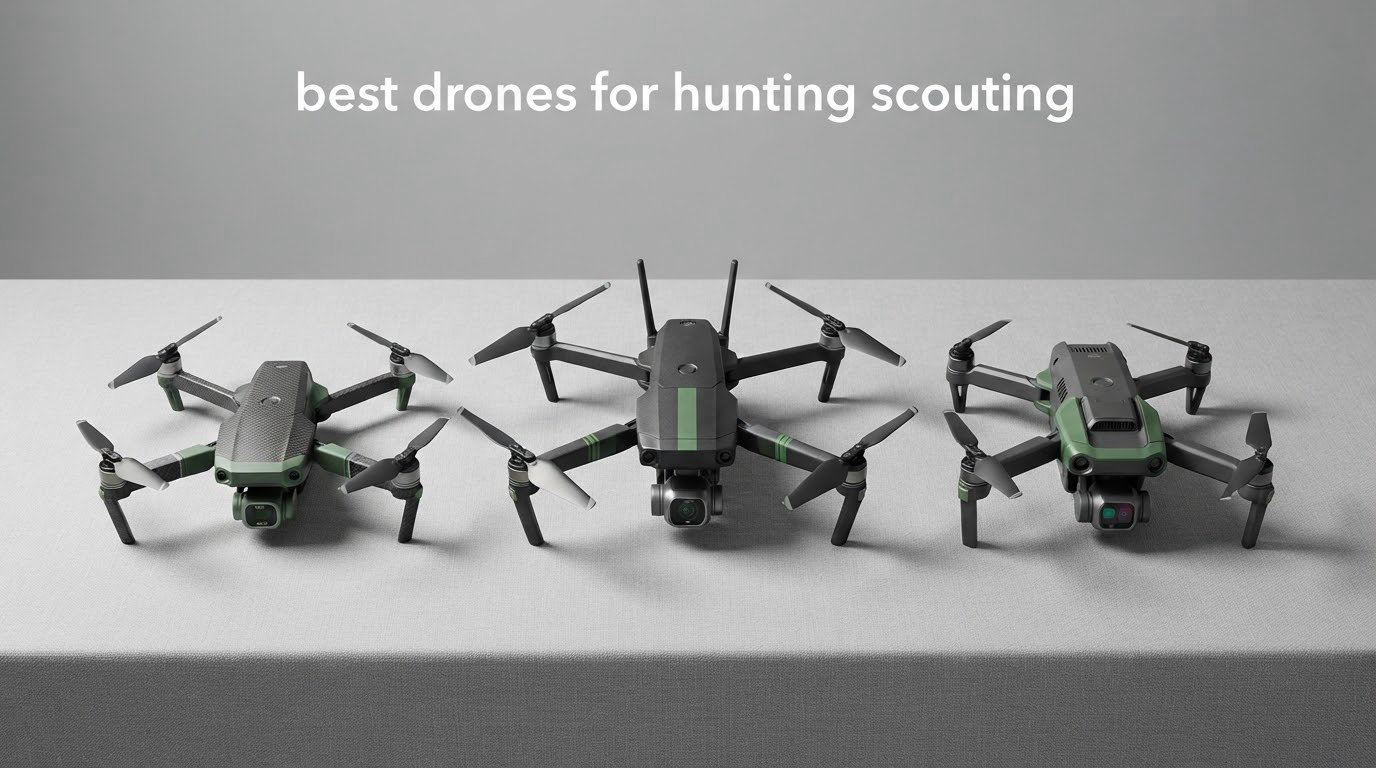
Most hunters buy a drone for one of two jobs: reading ground they cannot walk, or finding game they have already shot. Those are very different machines, and the gear that does one well usually does the other badly. A thermal rig that resolves a body in heavy timber will cost several times what a daylight mapping drone does, and it will not give you the clean 4K stills you need for a bedding-area photo.
We spent 2026 season cycles reading spec sheets, owner reports and forum threads to put together this guide to the best drones for hunting scouting available now. We looked at eight airframes across four price tiers, from a sub-249g packable scout to a full-size mapping platform with a 100-megapixel sensor. None of them carry a thermal camera, and we say so plainly below rather than pretending a daylight sensor can find a deer at night.
If you want the short version: the DJI Air 3S Fly More Combo is the pick we would carry for general scouting work, the Autel EVO 2 Pro V3 is the one to buy if you fly where DJI’s app causes friction or you want no geofencing, and the Holy Stone HS790 is the budget floor. Our full reasoning sits in the individual reviews, and the legal section comes before the buying guide because the rules decide which of those you can legally launch.
We earn a commission when you buy through our links, at no extra cost to you. That relationship does not change the rankings, and where the manufacturer claim and the owner reports disagree, we tell you.
Table of Contents
Top 3 Picks for Hunting Scouting in October 2026
These three cover the widest range of real scouting jobs, from mapping a big ranch in daylight to working low light on deer that stay hidden in brush.

DJI Air 3S Fly More Combo
- 1-inch CMOS plus 3x tele
- 45 minute flight time
- 20km video link
- Screen-equipped RC 2 remote

Autel EVO 2 Pro V3
- Sony 1-inch 6K sensor
- No geo-fencing
- Tri-band SkyLink 2.0
- Two batteries included

DJI Mavic 4 Pro Fly More Combo
- 100MP Hasselblad sensor
- 51 minute flight time
- 30km O4+ link
- Three batteries
The Air 3S wins because it does the most useful things well: a real 1-inch sensor, a genuine 3x tele for reading a distant funnel, three batteries in the box, and a controller with a screen so you are not hunting for a phone in the cold. The Autel takes the low-light slot because a 1-inch sensor with an adjustable aperture plus no geofencing is exactly what a backcountry pilot wants. The Mavic 4 Pro is the endurance and resolution option when you have the budget to fly a 4.2 kg aircraft across a large property in one sortie.
All 8 Scouting Drones at a Glance in October 2026
Every pick below is in the table with its sensor, endurance, link range and the job it suits best. Prices move constantly, so use the buttons rather than any figure you remember.
| Product | Specifications | Action |
|---|---|---|
| DJI Air 3S Fly More Combo |
|
Check Latest Price |
| Autel EVO 2 Pro V3 |
|
Check Latest Price |
| DJI Mavic 4 Pro Fly More Combo |
|
Check Latest Price |
 SKYROVER X1 Combo SKYROVER X1 Combo |
|
Check Latest Price |
 SKYROVER S1 Mini Combo SKYROVER S1 Mini Combo |
|
Check Latest Price |
 K600PRO GPS Drone K600PRO GPS Drone |
|
Check Latest Price |
 Holy Stone HS790 Holy Stone HS790 |
|
Check Latest Price |
 Holy Stone HS600 Holy Stone HS600 |
|
Check Latest Price |
Hunting Drones by the Numbers
These are the numbers that decide most purchases, and they are worth knowing before you read any product page.
249 g: the practical line for a recreational pilot. Under this weight the aircraft sits below the US registration threshold and needs no Remote ID module, which also means fewer rules to learn. Several picks here are designed around that line.
640×512: the resolution that thermal hunters talk about. Entry thermal drones use 320×256 sensors, which identify a warm body at short range but stop resolving detail at distance. The step up to a 640×512 radiometric sensor is where a deer becomes an animal rather than a warm smudge in brush.
45 minutes: a realistic ceiling for a single battery on a modern sub-1 kg airframe. Above 50 minutes you are reading a marketing maximum, not a flying figure.
About 25 percent: the amount most owners report losing from headline flight time once wind, altitude and cold are in the mix. This is why we look at the battery count in the box rather than the single-flight figure.
Line of sight: the FAA rule that matters most in the field. Your aircraft must stay within visual line of sight, which is why a 20 km or 30 km transmission number is a technical ceiling, not a legal permission.
Related reading: our picks on RAW-shooting drones and travel drones cover the camera side in more depth if your scouting doubles as filming.
1. DJI Air 3S Fly More Combo – Best Overall for Scouting
DJI Air 3S Fly More Combo (RC 2 Screen Remote Controller), 4K Drone
1-inch CMOS plus 3x tele
45 min flight
20km link
Screen RC 2 remote
Pros
- 1-inch CMOS wide camera paired with a dedicated 3x medium tele
- Real weight and motor size hold position in gusty open country
- RC 2 controller has a built-in screen so no phone is needed
- Three batteries plus charging hub and ND filter set in the box
- Omnidirectional obstacle sensing with Smart Return-to-Home
Cons
- Battery charger sold separately so you need a USB-C block
- Stills quality is closer to a phone than a dedicated camera
- Obstacle sensors do not protect when reversing in Sport Mode
This is the drone we would put in the truck bed for a general scouting season. At 724 g it is well under the registration-free line, it folds down to something you can carry on a hip, and it still holds a 1-inch CMOS sensor with a dedicated 3x medium tele alongside it. That pairing is what makes it useful rather than decorative: wide for mapping a food plot, tele for reading a distant funnel or checking a treeline without moving.
Owners consistently call it the sweet spot between mini-class and full-size drones, and the 4.7-star average across 832 ratings is the largest sample of any pick here. The 45-minute maximum flight time and 20km video transmission give you real working room on a big property, and the three batteries in the combo mean you can work two full sorties before you need a charger.
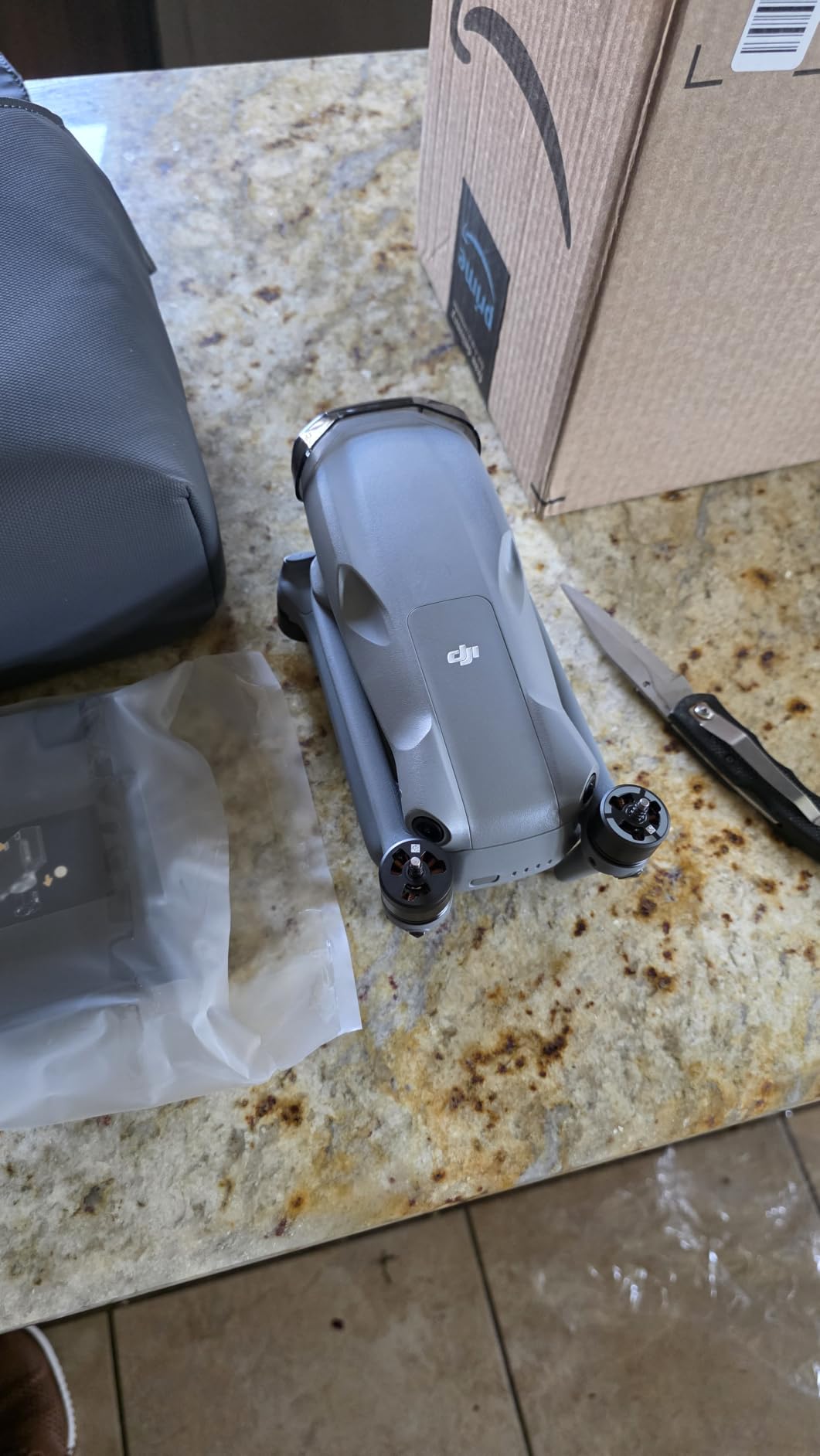
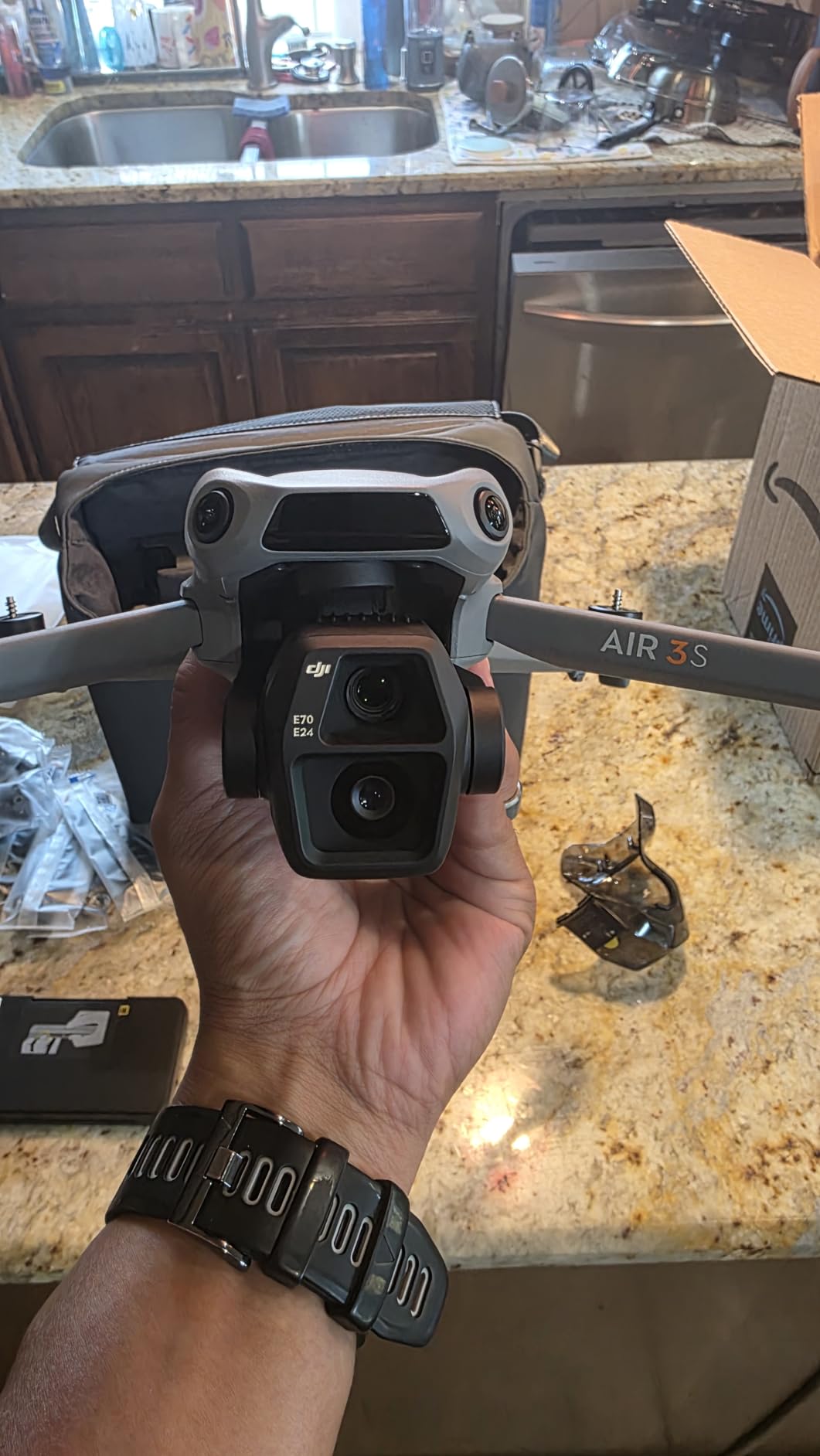
The forward-facing LiDAR and omnidirectional nightscape sensing matter more in hunting country than most reviews admit. Flying a treeline at 60 feet with a fixed camera mount is how drones end up in cottonwood; the Air 3S has a decent chance of stopping that first. Smart Return-to-Home also picks better routes when the GPS is weak, which happens constantly under heavy canopy.
Where it disappoints is in the details that annoy you on a long day. The battery charger is not included, so plan on buying a 65W or 100W USB-C block. The shoulder bag is a tight fit and gives only light impact protection, so a proper pack is worth adding. And the sensors will not save you in Sport Mode reverse, which is a lesson everyone learns once.
What you get that cheaper scouts do not
The tele camera is the single biggest jump. Reading a bedding area or a travel corridor from 300 yards without flying closer keeps you out of the flight path of the birds you are watching, and it cuts the number of batteries you burn getting the same picture. The 10-bit D-Log M and HLG color modes also mean you can pull detail back out of a dawn or dusk frame in post, which is when the light is best and the deer are moving.
Our walkie talkie picks cover the other half of a two-person scouting trip, because the drone and the spotter work better together than either alone.
Where it is the wrong choice
It is wrong if you need to shoot through timber at dawn, because it is a visual camera and image quality in low light is only as good as the sensor and the noise handling. It is also the wrong pick if you want zero geofencing, or if you would rather not deal with a 724 g aircraft that still requires registration and a TRUST test. For pure mapping of hundreds of acres in one flight, the Mavic 4 Pro below is the better machine.
2. Autel Robotics EVO 2 Pro V3 – Best for Low-Light Scouting Without Geofencing
Autel Robotics EVO 2 Pro V3 w/Son-y 1″ CMOS Sensor & 6K HDR Video
Sony 1-inch 20MP with 6K
40 min forward flight
No geo-fencing
Tri-band SkyLink
Pros
- Only major-brand pick here with no geo-fencing in no-fly zones
- Sony 1-inch 20MP sensor with adjustable aperture and ISO to 44000
- 6K capture with Moonlight Algorithm 2.0 for dawn and dusk
- Tri-band 2.4/5.8/900MHz SkyLink resists interference better than dual-band links
- Two batteries and a hard case plus a 6.4-inch OLED controller
Cons
- Hover endurance drops to about 35 minutes against the 40-minute forward figure
- 1191 g weight demands registration and sits well outside sub-250g rules
- Advanced skill level combined with no geofencing puts more on the pilot
- 5 percent one-star reviews signal a steady dissatisfied minority
The reason this one matters to hunters specifically is the missing geofencing. DJI aircraft refuse to launch or redirect near restricted airspace, and in parts of the West that includes places you may have a legal right to be. Autel leaves the airspace decisions with you, which is a real benefit in remote country and a genuine responsibility you have to carry. Pilots on r/drones and r/prepping repeatedly single this out as the reason they run Autel instead.
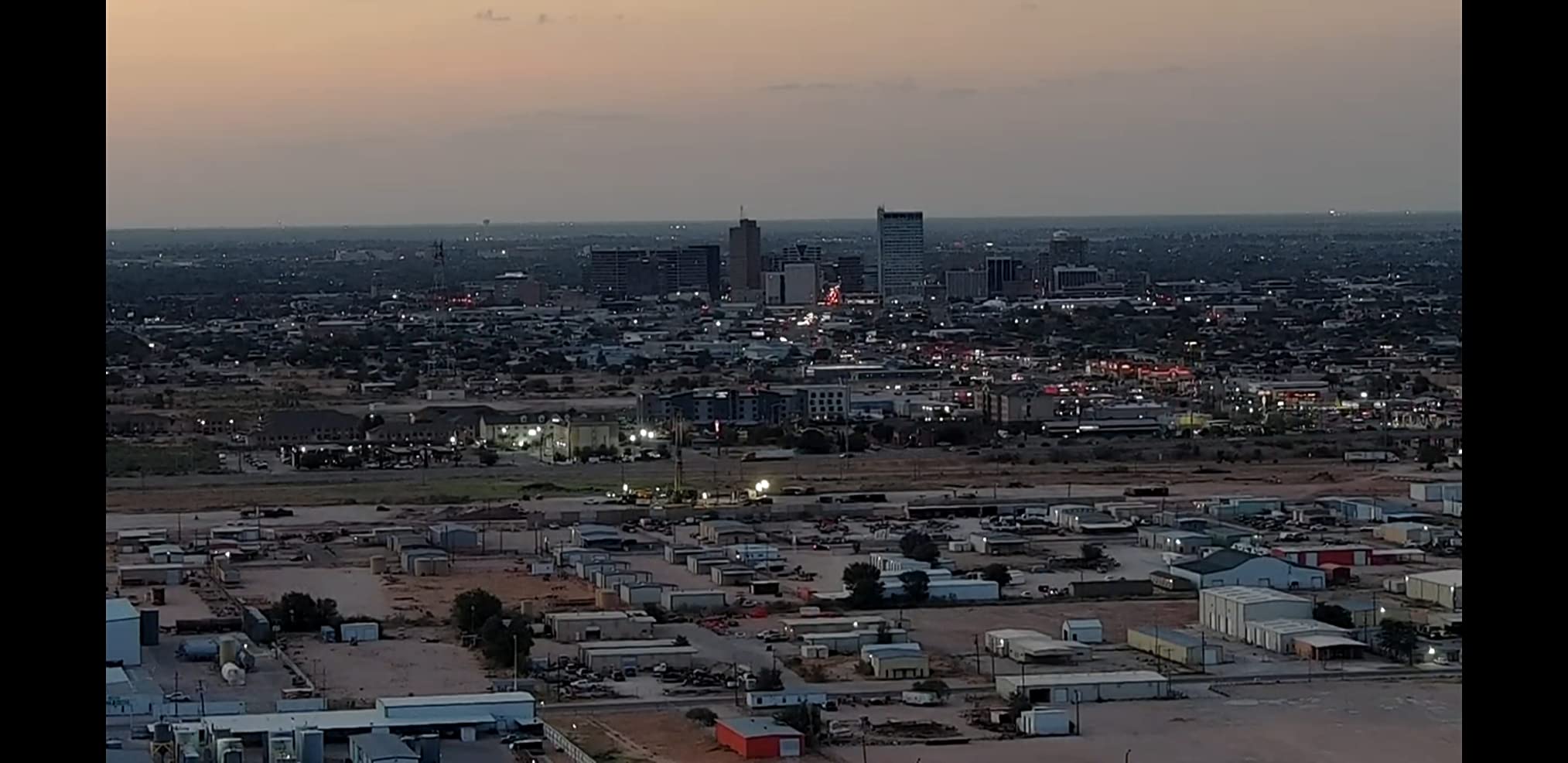
The imaging is genuinely good. A Sony 1-inch 20MP sensor with an adjustable aperture from f/2.8 to f/11 and ISO up to 44,000 gives you real control in the low light of a November dawn, and 6K capture with the Moonlight Algorithm 2.0 is exactly the mode you want when the deer are moving at first light and you are shooting into a bright sky. The 12-bit A-LOG and DNG output gives you far more latitude in post than a compressed straight-out-of-camera file.
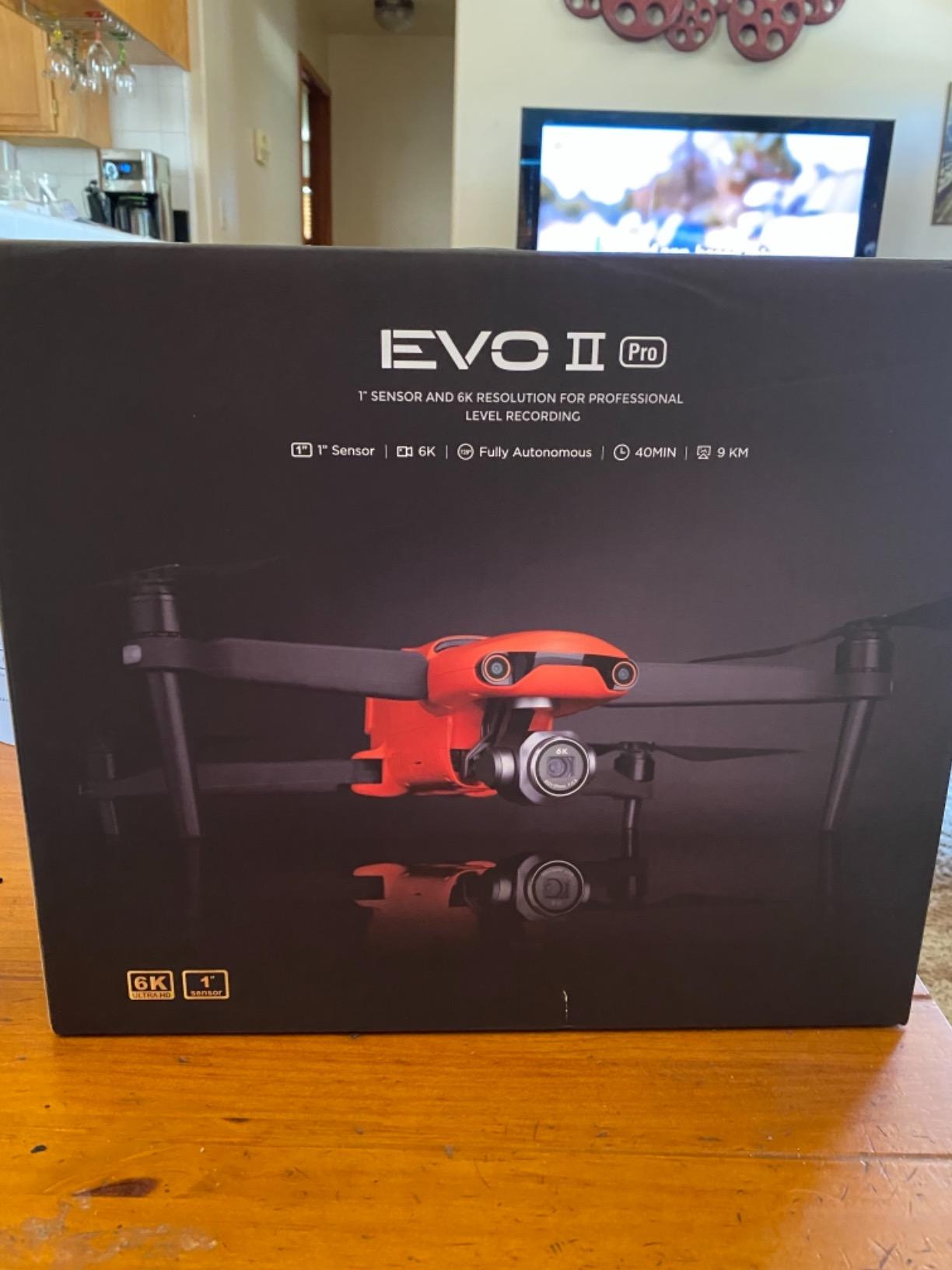
Endurance is the honest limit. The headline figure is 40 minutes of forward flight, and owners report closer to 35 minutes when hovering, which is what you do a lot of when you are scanning a ridge line. The 7100mAh battery is not the biggest in this class. Two batteries and a hard plastic case are included, so the two-sortie day is realistic even if each sortie is shorter than the Air 3S.
The link is a genuine strength. SkyLink 2.0 runs tri-band across 2.4, 5.8 and 900MHz out to 9 km, and that 900MHz band is what holds a link where a dual-band WiFi system drops. Around 360-degree omnidirectional obstacle avoidance comes from 12 computer vision sensors, 2 sonar sensors and 2 landing lights, which is meaningful when you are working a dense creek bottom.
Why geofencing matters more than specs
For most buyers the 6K sensor is the headline. For hunters the geofence is the story. There are places in Montana, Idaho and Alaska where a DJI aircraft will simply refuse a flight inside a national park boundary or near a restricted strip, and there are legal hunting days that fall on those days. Autel flies; you decide. That trade is worth understanding before you buy, not after you are standing in a field with a drone that will not arm.
The flip side is that no geofence means no software guardrail when you are tired, in wind, at low light. The 360-degree sensing is the substitute, and it needs a pilot who respects it.
Where it is the wrong choice
At 1191 g this is a registration aircraft, and its 35-minute hover time is the shortest real-world figure in the top four here. The skill level is listed as advanced, and the setup is more hands-on than a DJI package. If your scouting is casual weekend mapping of a small parcel you can walk, this is too much aircraft, and our budget picks below cover it at a fraction of the cost.
3. DJI Mavic 4 Pro Fly More Combo – Best for Mapping Big Ground
DJI Mavic 4 Pro Fly More Combo With DJI RC 2, Flagship Tri-Camera Drone
100MP 4/3 CMOS Hasselblad
51 min flight
30km O4+ link
Tri-camera
Pros
- 100MP 4/3 CMOS Hasselblad sensor for very high still detail
- 51-minute maximum flight time suits long mapping sorties
- 30km O4+ transmission carrying 10-bit HDR video
- Tri-camera wide plus dual tele for flexible framing at distance
- 0.1-lux omnidirectional obstacle sensing for low-light flying
- Three batteries and a parallel charging hub in the combo
Cons
- 4222 g takeoff weight is well outside the sub-249g no-registration category
- DJI Fly app is not distributed through Google Play and must be installed from the DJI site
- 11 percent one-star reviews indicate a meaningful dissatisfied share
- Heavy frame is awkward to launch from hand-launch cover
This is the machine for someone who maps. A hundred-megapixel 4/3 CMOS Hasselblad sensor produces stills with enough detail to read timber edges, sign and brush structure from altitude, and the tri-camera system with dual tele lenses means you can frame a 500-acre parcel in a single flight instead of circling. The 51-minute maximum flight time is the longest in this group, and with three batteries plus a parallel charging hub in the Fly More Combo you can cover a lot of ground in a day.
It also flies well in the conditions that matter. Zero point one lux nightscape omnidirectional obstacle sensing means the aircraft can see obstacles in genuine low light, which is when a lot of scouting actually happens. The 360-degree rotating Infinity Gimbal lets the camera reposition without awkward yaw compensation, and the 7-inch rotatable high-bright RC 2 screen is readable in direct sun.

Be realistic about the handling, though. At 4.2 kg this is not a packable scout, and you will be launching it from a road, a gate or a wide opening rather than a deer trail. It needs registration, a TRUST test and a pilot who has flown something this size. The O4+ 30km transmission is a technical ceiling; FAA line-of-sight rules mean your real working range over uneven ground is a fraction of that.
Rating sits at 4.4 across 220 reviews, and the gap between that and the Air 3S is instructive: buyers praise the Hasselblad imaging, the endurance and the long-range link, and complain about app installation friction, the weight class and a visible tail of one-star feedback. That last one is worth reading before you commit, because with 11 percent one-star reviews there is a real share of owners who had a problem.

Where the extra money actually goes
Three things. First, the sensor: 100MP 4/3 CMOS versus 1-inch is a genuine step in how much a treeline frame holds up when you zoom in later to identify a feed lane. Second, endurance: 51 minutes against 45 is another full traverse of a big parcel. Third, the tele system, which is what turns a mapping platform into a spotting platform when a buck shows up at the far end of the draw.
If you also shoot outdoor video, see how it compares to our RAW-shooting drone picks.
Where it is the wrong choice
It is wrong for anyone scouting parcels under about 100 acres, wrong for a hunter who walks the land anyway and just wants a quick look at a food plot, and wrong for anyone who flies from remote spots without a road. It is also the pick most affected by the app situation: the DJI Fly app is not distributed through Google Play, so you install it from DJI directly, and that detour scares more first-time buyers than any other single factor.
4. SKYROVER X1 Combo – Best Packable Scout Under 249g
SKYROVER X1 Drone with Camera Combo with Screen Controller, 4K/60fps Video, 8K Photo, 360° Obstacle Avoidance, Under 249g, 9.32-Mi Transmission, AI Night Shot, 96-Min Flight Time with 3 Batteries
Under 249g
32 min per battery
9.32-mile link
Screen controller
Pros
- Fixed-levelling 3-axis gimbal keeps the camera level unlike tilting gimbals at this tier
- 5.5-inch 700-nit touchscreen controller readable in daylight
- Under 249g means no US FAA registration and no Remote ID requirement
- Three batteries give roughly 96 minutes of total flight time
- 360-degree obstacle sensing with Smart Return to Home
Cons
- Controller software and operating app are reported as glitchy
- Operating software is not distributed through Google Play and needs manual installation
- Printed manual is thin so setup leans on self-discovery
- Replacement parts and accessories are harder to source than DJI equivalents
The X1 is the most interesting object in this roundup. At 249 g it sits under the registration threshold, and it ships with a 5.5-inch 700-nit touchscreen controller, so the whole package is a shoulder bag and no phone. That combination is what makes it a genuine walk-in scouting tool rather than a park toy: you can throw it in a day pack, walk to a ridge, and get a screen with a live feed in the air.
The gimbal is the differentiator. Instead of a tilting design that drifts, it is fixed-levelling, which keeps the horizon level and the frame square on a subject or a landscape. Owners with DJI experience compare the image stability and control feel favorably to a Mini 4 Pro class machine. The 1/1.32-inch CMOS with f/1.7 aperture and 48MP stills gives you 4K/60fps HDR video plus 8K stills, and the rating is 4.7 across 255 reviews.
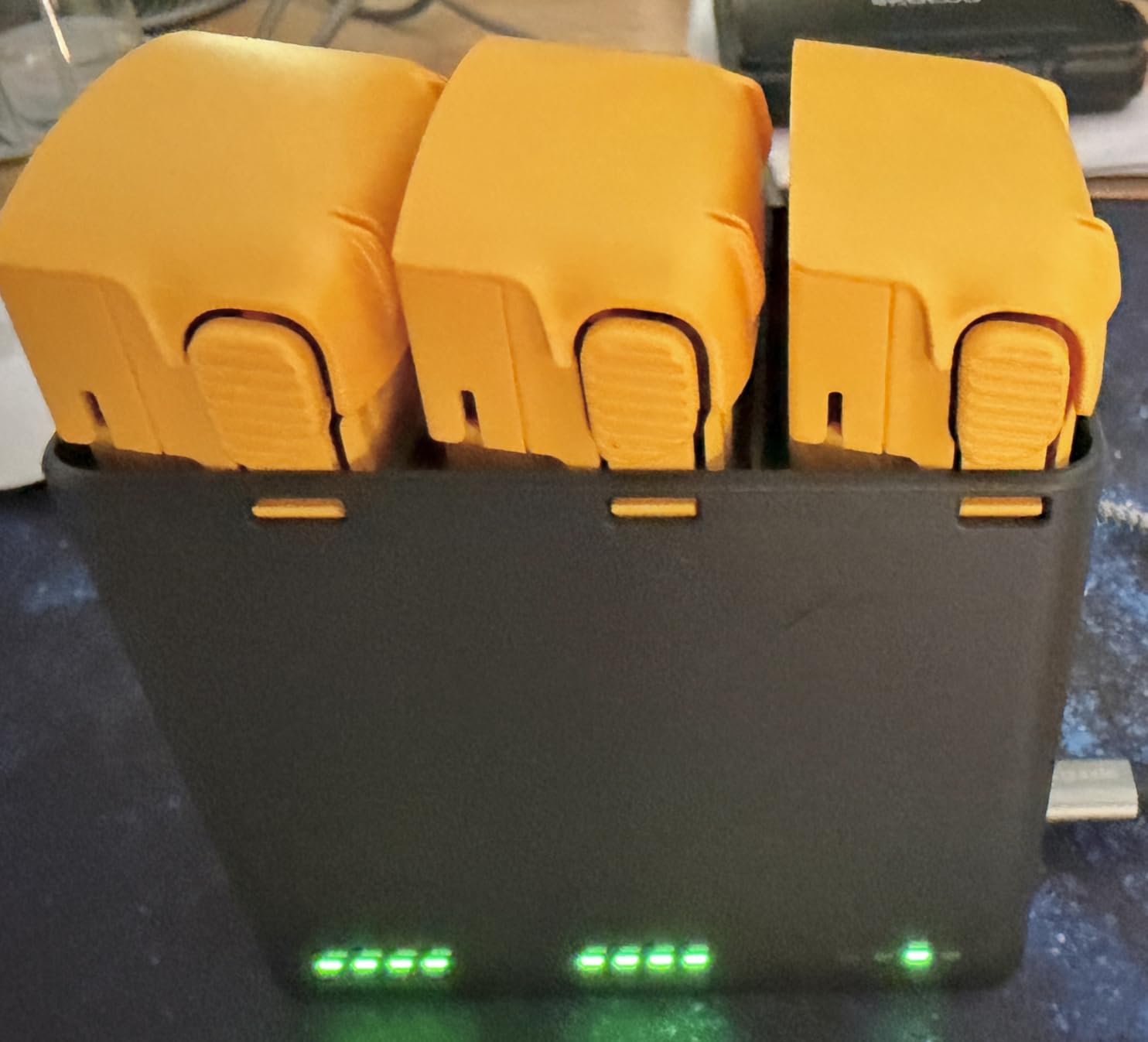
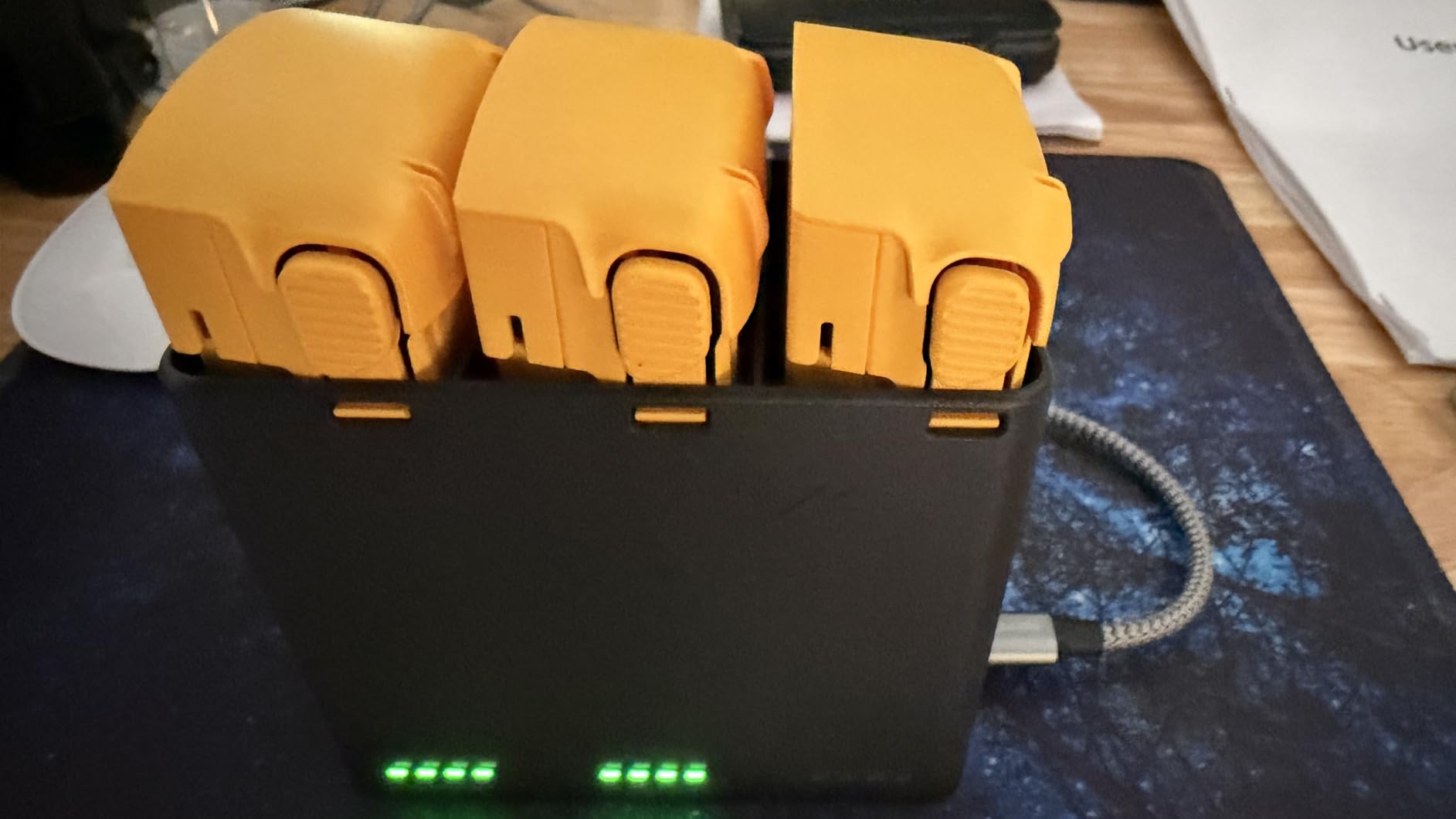
Endurance is 32 minutes per battery, which is realistic rather than generous, and three batteries plus a charging hub take you to about 96 minutes of flying before you need power from a vehicle. The SkyBridge transmission runs to 9.32 miles with 1080p/60fps live view, and 360-degree obstacle sensing with Smart Return to Home makes it approachable if you are new to flying.
The friction is software and support rather than hardware. Owners report the controller software and operating app as glitchy, and the app is not on Google Play so it needs manual installation. The printed manual is thin. Spare parts and accessories are harder to source than for DJI models, which matters more in a field than the spec sheet suggests. Support has been reported as responsive, which helps.
The 249g advantage, explained
Flying under 249 g removes the US registration requirement and the Remote ID obligation for recreational pilots. In practice that means less reading, fewer records, and no module to lose. For a hunter who wants to check a food plot on a Tuesday evening without treating it as an aviation project, that is worth more than another 5 minutes of flight time. It also means the aircraft packs into a pack you will actually bring.
One caution: this weight class is more sensitive to wind than anything heavier. Save the long treeline runs for a still day.
Where it is the wrong choice
Wrong if you need a thermal sensor, which it does not have. Wrong if you are not comfortable sideloading an app and learning a new interface. Wrong if you live somewhere parts break slowly, because accessory availability is the weak point. And wrong for anyone who wants to grow into bigger jobs later, since the 249 g ceiling caps the airframe.
5. SKYROVER S1 Mini Combo – Best Value for Daylight Scouting
Skyrover S1 Mini Drone Combo with Camera 4K/60fps Video, 48MP Photo with 8K Image Quality, 3-Axis Gimbal Stabilization, 39,000ft Video Transmission, Under 249g, Auto Track, 120-Min Flight Time with 3 Batteries
Under 249g
3-axis gimbal
Up to 40 min per battery
12km link
Pros
- Owners with DJI experience report comparable stability and responsiveness
- Under 249g keeps it registration-free and easy to pack
- Three batteries deliver roughly 120 minutes of total flight time
- Reliable Smart Return to Home with a low-battery verbal countdown
- Forward and downward obstacle avoidance verified in flight
Cons
- Tracking features are weaker than on the X1
- Occasional gimbal-stuck error requires a power cycle
- User manual is digital only
- Basic remote controller included rather than the screen model
- 3-axis gimbal feels looser when powered off and needs a startup calibration
Where the X1 is the enthusiast mini, the S1 is the value mini, and for most hunters it is the more sensible buy. You get a real 3-axis gimbal on a 1/2-inch CMOS, 4K/60fps video and 8K/48MP stills, at under 249 g. Owners with DJI experience describe comparable flight performance, stability and responsiveness, which is the single most useful compliment a sub-250 g drone can earn.
Endurance is where it pulls ahead of the X1. Up to 40 minutes per battery and up to 120 minutes across the three included batteries means you can work a whole morning from a truck bed without thinking about charging. Owners report mid-30s minutes per battery in practice, and the Smart Return to Home is dependable, landing within a foot or two of the target with a verbal low-battery countdown.
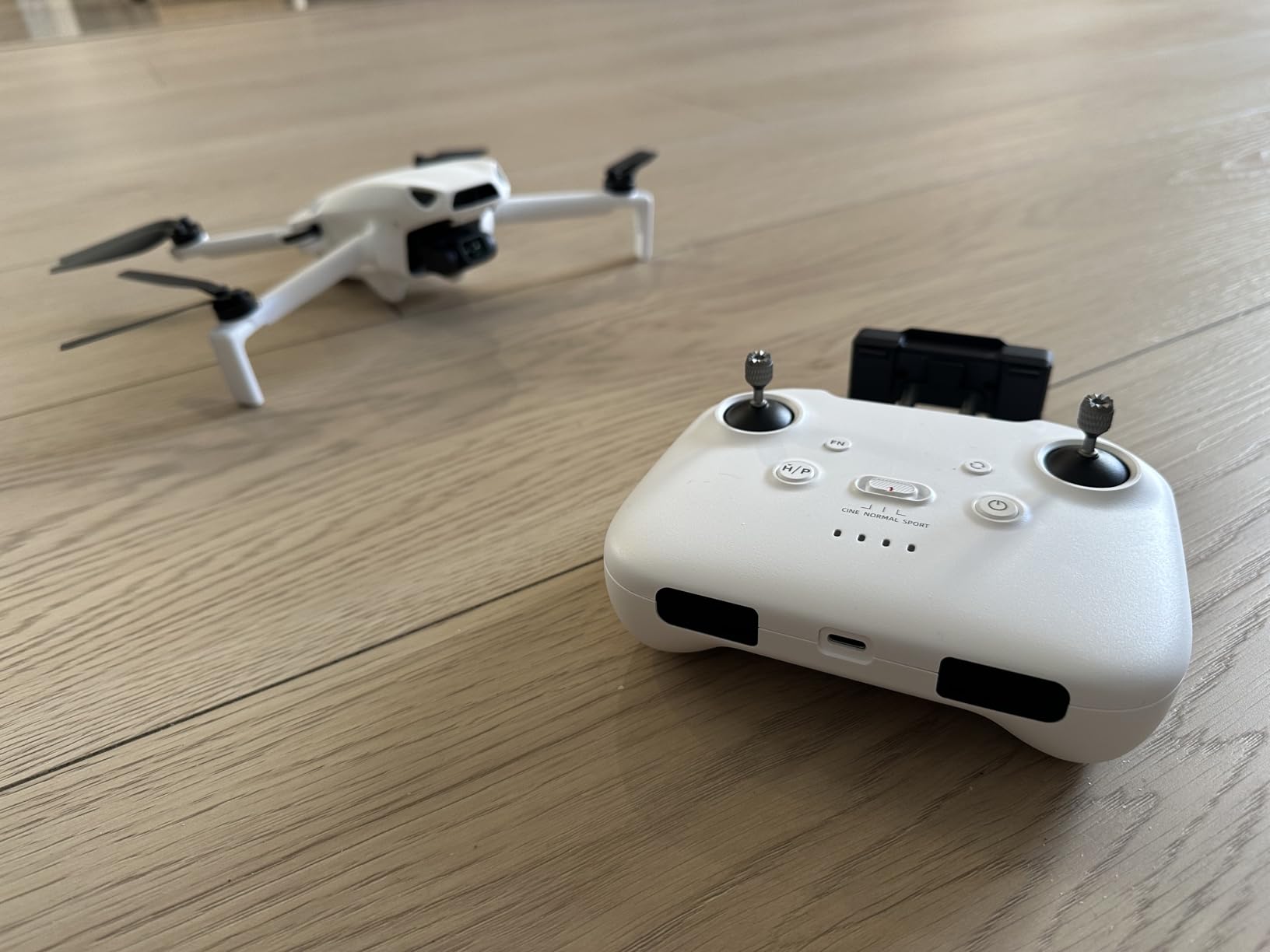
It is not perfect. The tracking features lag the X1, so AI Auto Track is a nice-to-have rather than a workflow tool. Some units show a gimbal-stuck error that clears with a power cycle, and at least one owner received a unit with a cut camera connector. There is one setup rule that catches people out: the gimbal cover must be removed before power-on or the gimbal reports a stuck error.
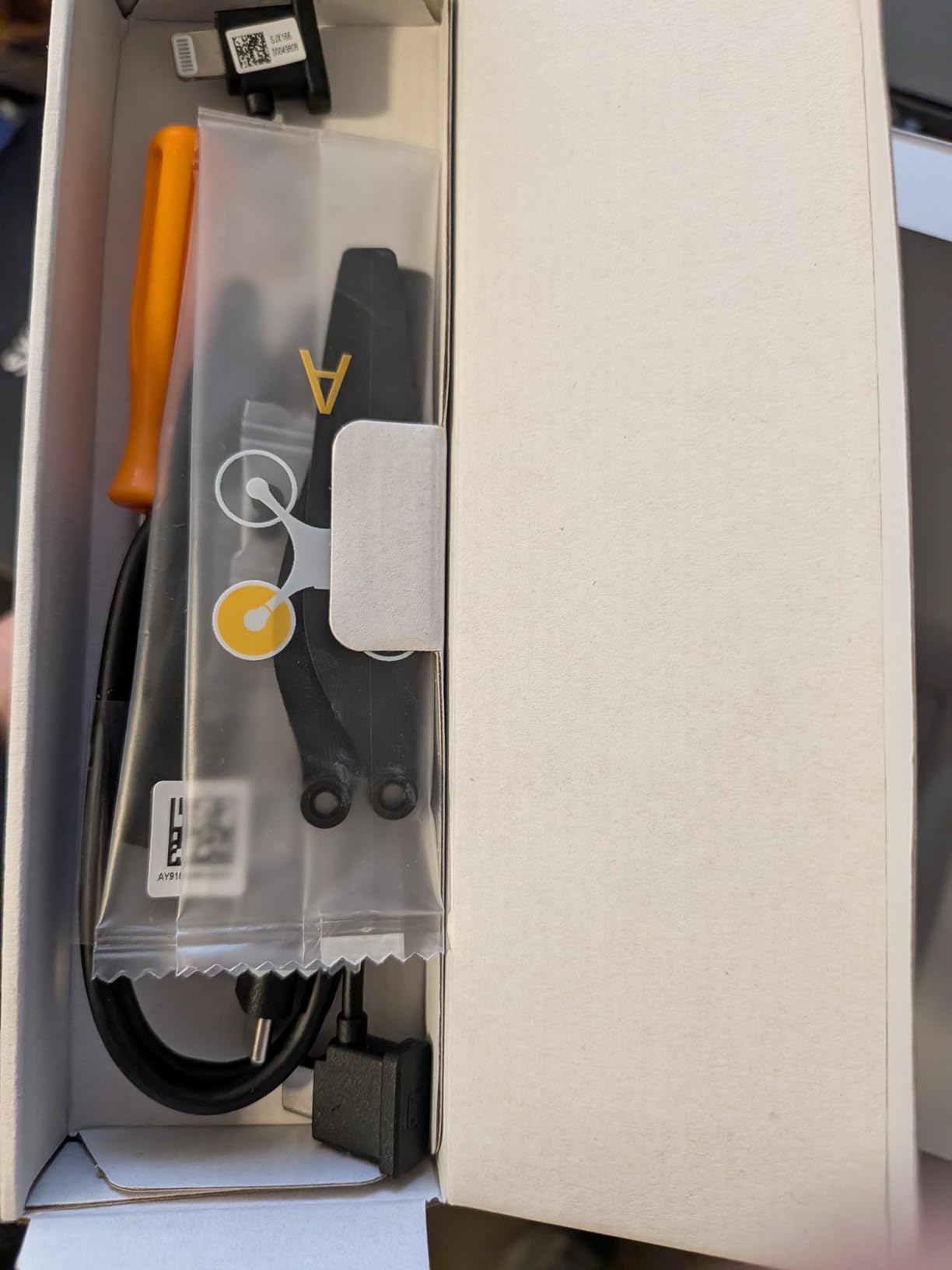
The 3-axis gimbal also feels looser when powered off and wants a calibration cycle at startup, so budget a minute on the truck tailgate. The included controller is a basic remote rather than the screen unit, which means you plug in a phone to fly. That is fine if you carry one anyway; it is not fine if you wanted a self-contained kit.
What you give up versus the X1
The screen controller and the better tracking, mostly. The X1’s 5.5-inch 700-nit display is a genuine advantage when you are scouting without a phone or in glare, and its AI tracking is better tuned. The S1 compensates with longer aggregate endurance and a phone-based workflow most people already have. Buyers also mention the digital-only manual, though on-controller tutorials largely fill the gap.
Our travel drone picks cover other packable options if you want to compare the sub-250 g class more broadly.
Where it is the wrong choice
Wrong if you fly in thick timber constantly, since forward and downward obstacle sensing is a step down from full 360-degree coverage and the 1/2-inch sensor struggles in deep shade. Wrong if you want to hand the aircraft to a partner who is not comfortable with an app. And wrong if your scouting needs are thermal, because it has no thermal sensor at all.
6. K600PRO GPS Drone – Best for Steady Open-Country Flight
K600PRO GPS Drone with EIS 4K Camera for Adults Beginner,3 Axis Gimbal Professional Long Range Drone with 5.5” Touchscreen on Controller,Auto Return Follow Me,15KM FPV Transmission 55 Min Flight Time
0.73 kg brushless frame
3-axis gimbal with EIS
15km link
55 min runtime
Pros
- 3-axis mechanical gimbal plus EIS keeps 4K footage steady at this tier
- 5.5-inch touchscreen controller with a built-in FPV view and no phone needed
- Heavy 0.73 kg brushless frame holds up better in wind
- Beginner aids including one-key takeoff
- height lock and a beginner mode
- 50x digital zoom and a 16GB SD card slot for stills
Cons
- About 6 percent of reviews sit at three stars
- Under 249g rules do not apply so FAA registration is required
- Long-range and zoom claims depend on open terrain
- Less established brand ecosystem means thinner accessory and support depth
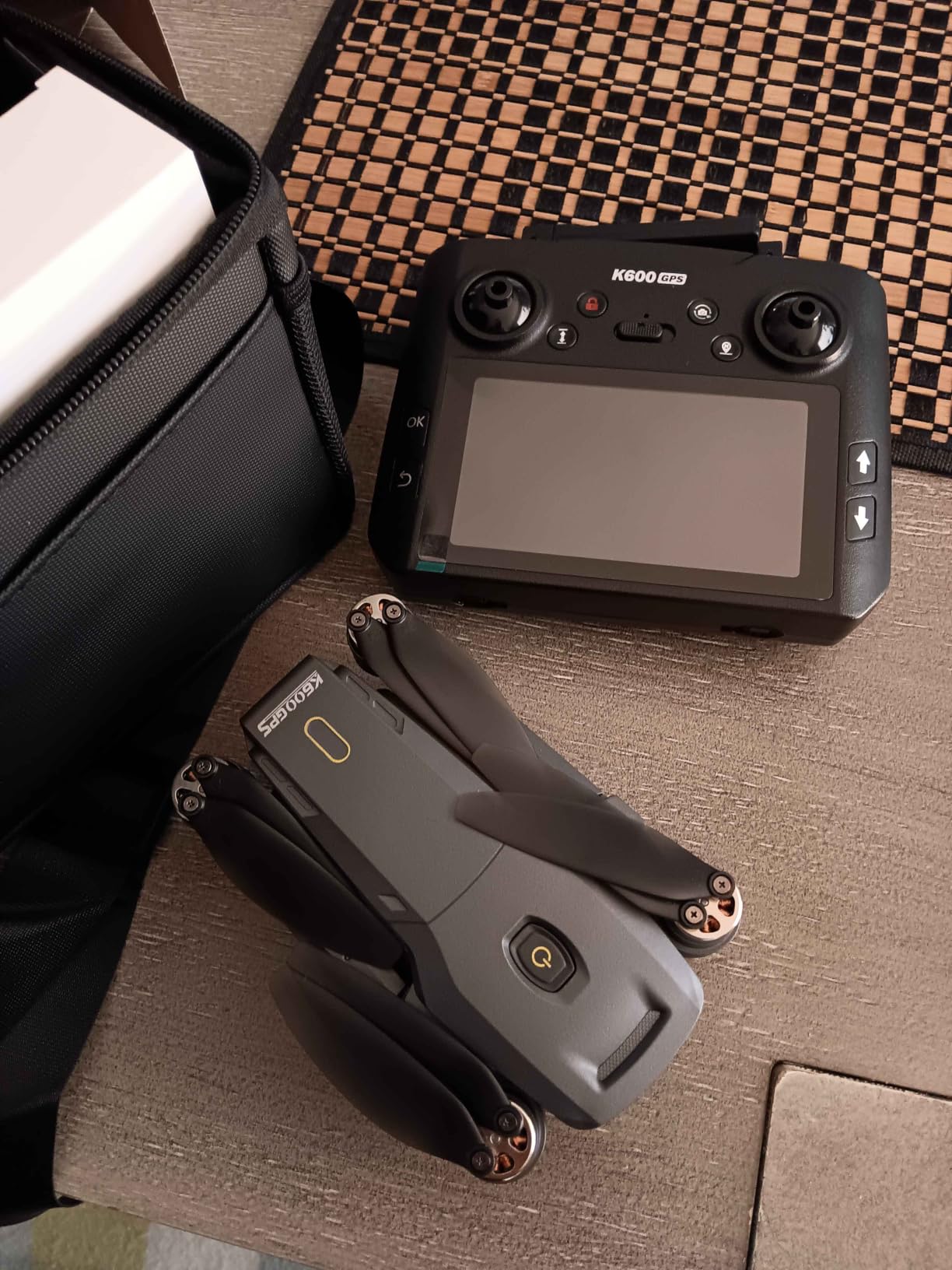
The K600PRO is unusual for what it puts in a frame this size. A 3-axis mechanical gimbal combined with electronic image stabilization is a spec you normally see well above this tier, and at 0.73 kg with brushless motors the aircraft has enough mass to hold position in wind rather than getting pushed around over a ridgeline. For flat, open hunting country, that is the combination that matters most.
Endurance is listed at up to 55 minutes on an 11.1V 3500mAh battery, and the controller has a 5.5-inch touchscreen with a real-time FPV view so you are not dependent on a phone. GPS return, follow me, orbit and point-of-interest modes cover the standard scouting workflow, and TOF plus six high-precision GPS sensors with height lock help at low altitude, which is exactly where you fly a treeline.
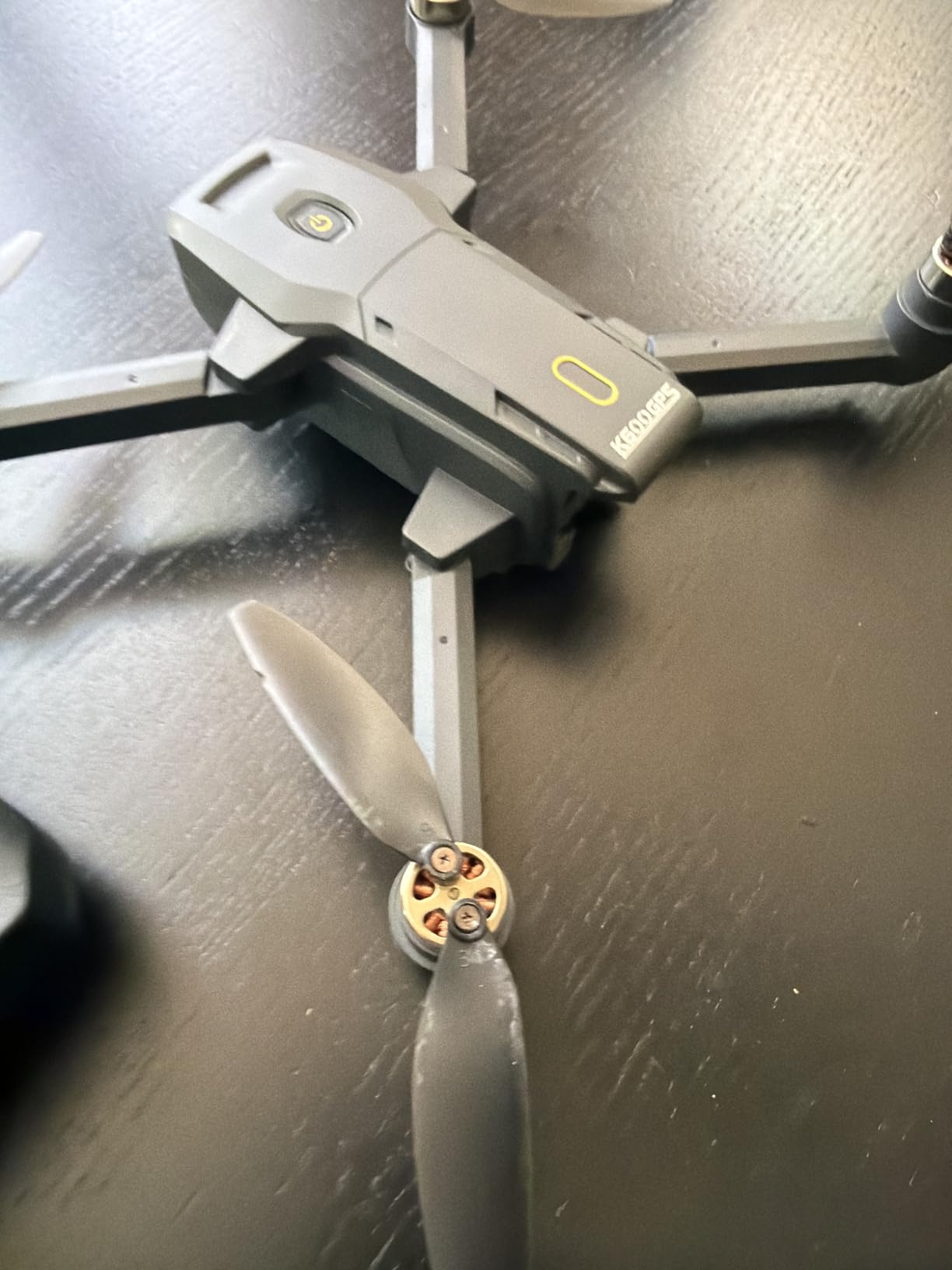
The honesty section on this one is the software ecosystem. The brand is less established than the majors, so accessories and support are thinner, and the 15km transmission figure assumes open terrain rather than the wooded creek bottoms and draws where most of your scouting happens. Roughly 6 percent of reviews sit at three stars, which points to some mid-tier dissatisfaction you should read before buying.
Also note the weight: at 0.73 kg you are above the 249 g line, so FAA registration applies before your first flight. That is a ten-minute online process and it changes nothing about the flying, but it is a step some buyers do not expect.
Why weight is your friend here
Flight physics is unfriendly to light aircraft. A sub-250 g drone in a 15 mph crosswind spends battery fighting the air and produces a shaky frame. A 0.73 kg brushless frame with larger motors sits in the wind instead of drifting through it, holds altitude without constant throttle, and gets your transects repeatable. For someone mapping food plots and creek lines in open country, that reliability is worth more than a registration exemption.
Pair it with the right accessories. Our hunting blind picks cover observation setups for when you want to sit still and watch what the drone found.
Where it is the wrong choice
Wrong for heavy timber, because the transmission and the 50x zoom claims both degrade in obstructed terrain and the sensor is not in the same league as a 1-inch CMOS. Wrong if you need long-term parts support and live in a rural area. And wrong if you want a brand ecosystem with an established repair network.
7. Holy Stone HS790 – Most Versatile With a Real 3-Axis Gimbal
Holy Stone HS790 6K Photo Drone with Camera for Adults, 3 Axis Brushless Gimbal 4K Video, 30000ft Transmission, 60Min Flight with Fast Charging Hub, AI Night Shot, GPS Smart Flight, Beginner Mode
3-axis brushless gimbal
Two batteries for 60 min
30000ft link
Remote ID
Pros
- 3-axis mechanical gimbal delivers steadier footage than 2-axis or EIS-only rivals
- Brushless motors and a 375 g frame give solid wind handling for the class
- Two batteries plus a hub that doubles as a power bank
- Built-in Remote ID handles US compliance with no add-on module
- Night mode and AI QuickShots expand options at dawn and dusk
Cons
- Video tops out at 4K/30FPS
- 6 percent one-star share suggests reliability and support complaints
- WiFi repeater transmission is more interference-prone than OcuSync-class links
- Listed 38 mp still resolution is interpolated despite 6K marketing
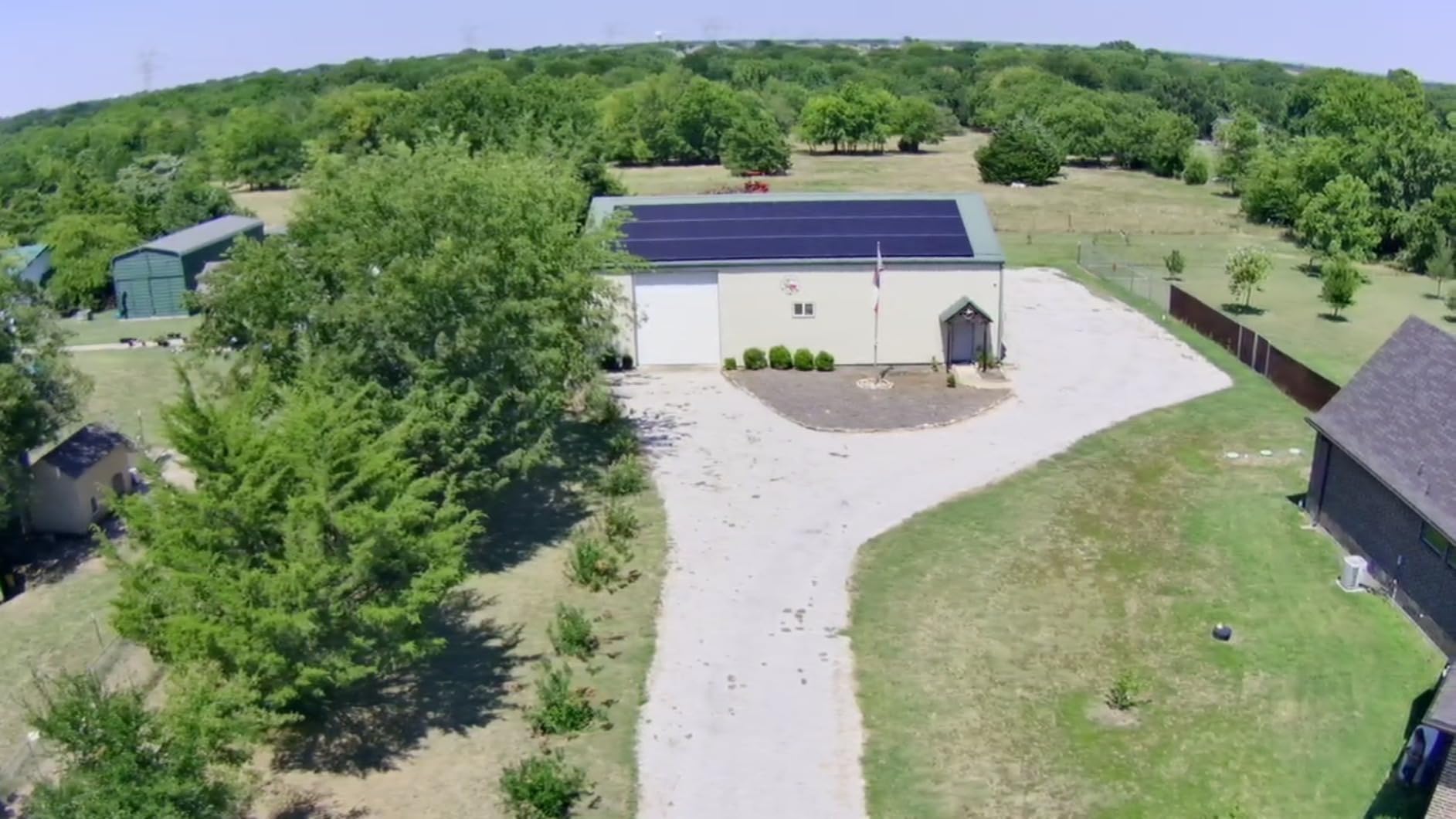
The HS790 is the most-reviewed airframe in this roundup at more than 3,600 ratings, and that sample size is the reason we trust the pattern of feedback. The 3-axis mechanical gimbal is the reason to buy it: at this money most competitors give you 2-axis or electronic stabilisation only, and a 3-axis mechanical mount is what keeps 4K footage steady enough to read a treeline from a still frame.
Two intelligent batteries give up to 60 minutes total flight time, and the smart PD charging hub doubles as a power bank, which is a genuinely useful field feature when you are a day walk from a vehicle. The 1506 brushless motors with a Level 5 wind claim and a 375 g weight make it steadier than its size suggests, and built-in Remote ID means no add-on module for US compliance.
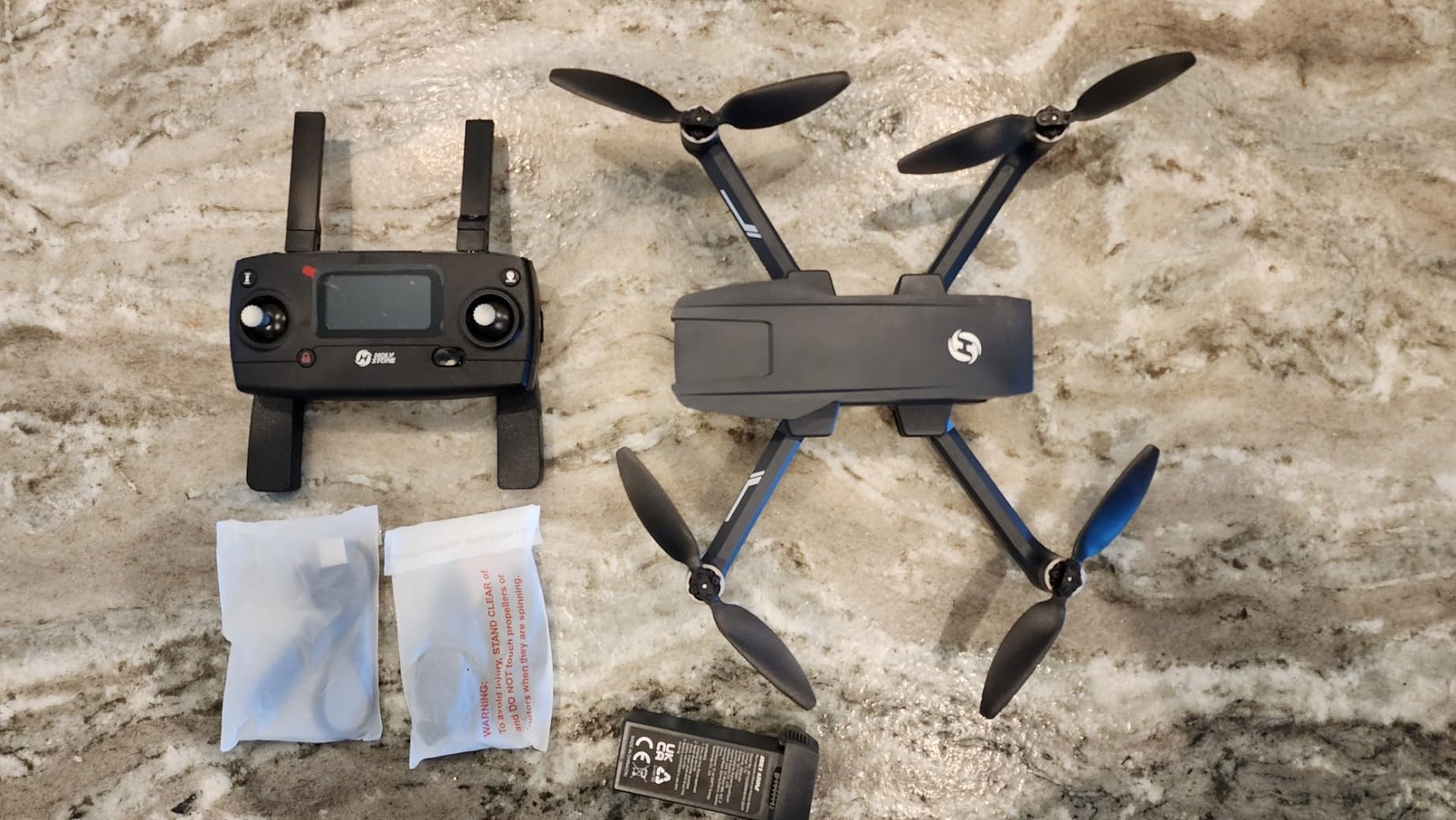
Now the limits. Video is 4K/30FPS, so you cannot match the 4K/60fps capture of the SKYROVER pair or the 6K of the Autel. The transmission runs 9km over WiFi repeater technology rather than an OcuSync-class link, which means it is more exposed to interference in a busy RF environment. And despite 6K marketing, the listed still resolution is 38 mp, so photo detail is interpolated rather than native.
Six percent one-star reviews is a visible tail. Read a sample of them before you buy, because at this price the failures tend to be support and quality control rather than anything you would have predicted.
What you get for the money
A mechanical 3-axis gimbal, brushless motors, two batteries, a charging hub that works as a power bank, built-in Remote ID, GPS auto return, follow me and waypoint flight, plus night mode and AI QuickShots. That is a real feature list for the entry point of this roundup, and it covers the scouting workflow: launch, pattern, return.
If you also run cameras on the ground, our trail camera picks cover the fixed-position side of the same job.
Where it is the wrong choice
Wrong if you need to grade footage or shoot stills you intend to print large, because the sensor is a Sony 1/3.2-inch with an f/2.0 aperture and interpolated stills. Wrong if you fly in dense woods or busy RF, where the WiFi repeater link is the weak link. And wrong if you need low-light performance, since the night mode is a processing feature rather than a large sensor.
8. Holy Stone HS600 – Best Starter Airframe With Built-In Remote ID
Holy Stone HS600 2-Axis Gimbal Drones with Camera for Adults 4K EIS, Integrated Remote ID, 20000 FT Range Transmission, GPS Drone with Brushless Motors, 4K/30FPS, Follow Me, Level 6 Wind Resistance
2-axis gimbal with EIS
Built-in Remote ID
10000ft link
Level 6 wind claim
Pros
- Lowest entry point here with brushless motors
- GPS and integrated Remote ID
- 2-axis gimbal plus EIS steadies 4K better than fixed-gimbal budget models
- Claimed Level 6 wind resistance is class-leading for this tier
- Single-cable phone streaming removes the usual WiFi pairing friction
- One-key
- lost-signal and low-battery return covered
Cons
- Lowest average rating here at 4.2 with 9 percent one-star reviews
- Only a 2-axis gimbal so pitch and roll correction is weaker than 3-axis
- Video limited to 4K/30FPS with still resolution listed at 8.29 mp
- Single-battery package means shorter sorties
- Manufacturer figures are inconsistent
- listing 197 g against a stated 541 g airframe
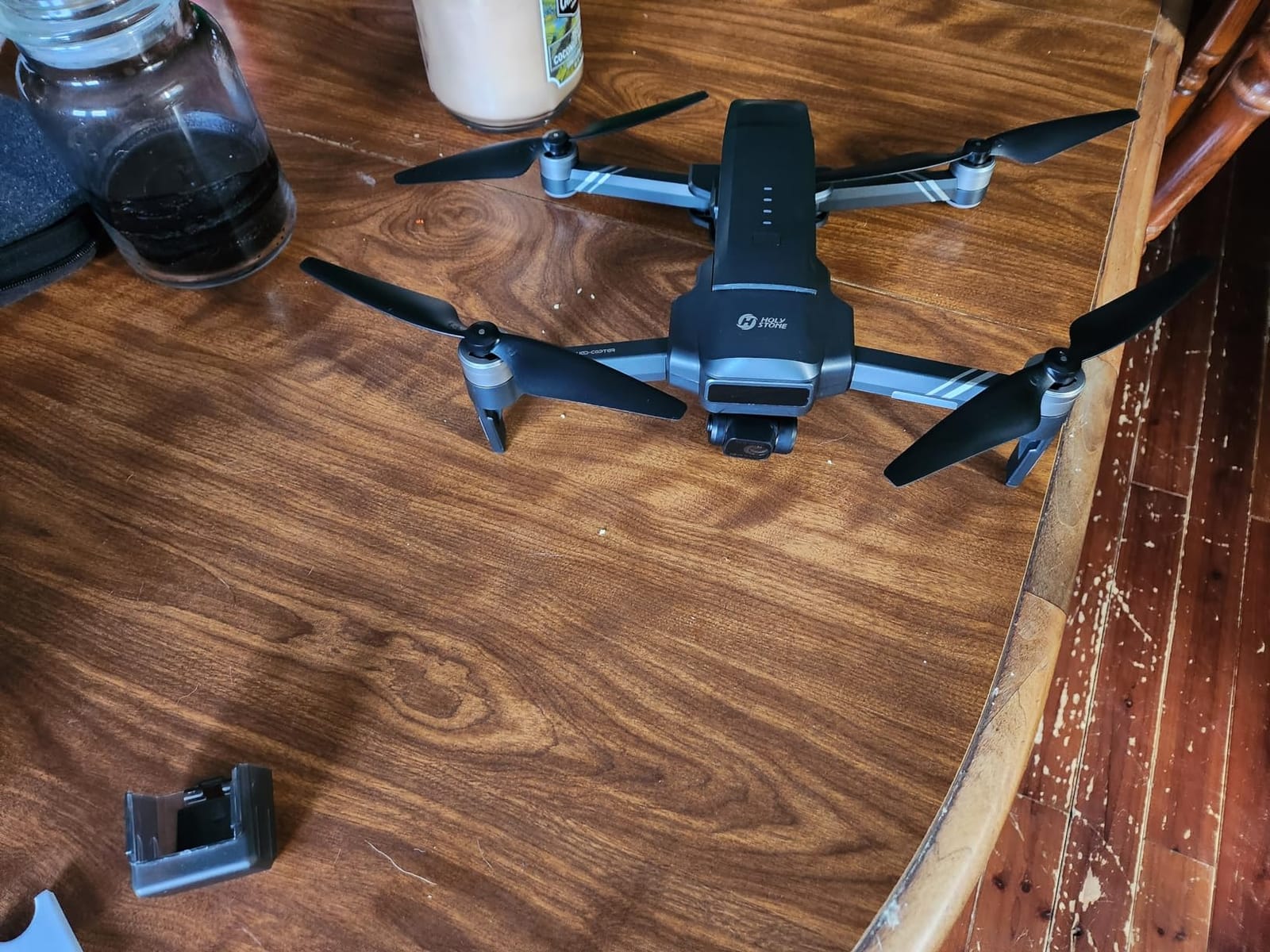
The HS600 is the cheapest way to find out whether a drone belongs in your scouting routine. For that job it has an unusually complete feature list: brushless motors, a claimed Level 6 wind resistance rating, GPS one-key return, lost-signal return and low-battery return, follow mode and waypoint mode, and integrated Remote ID so compliance needs no add-on module. The single-cable phone connection for real-time streaming removes the usual WiFi pairing friction, which is the friction that stops most beginners.
The 2-axis gimbal with EIS does steady 4K/30FPS better than fixed-gimbal budget models, though it cannot match a true 3-axis for pitch and roll. The 10,000ft WiFi repeater transmission is a shorter reach than the HS790, which is a fair trade for a smaller, cheaper airframe.
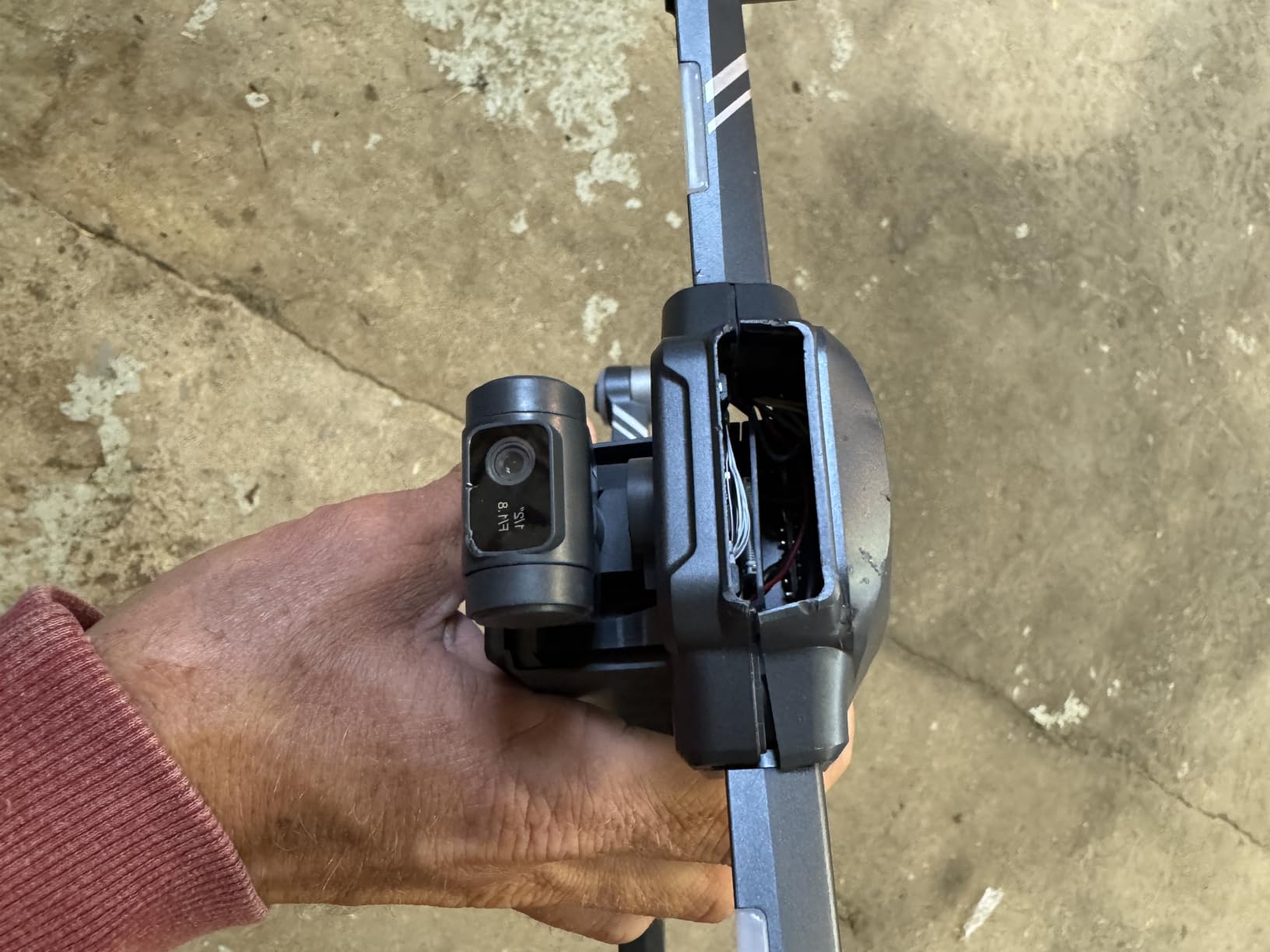
Two things to weigh honestly. First, the 4.2 average is the lowest in this roundup, with 9 percent one-star reviews, and the still resolution is listed at 8.29 mp, which is genuinely low. If you want photos of a bedding area to study later, this is not the drone.
Second, the specifications are internally inconsistent. The listed item weight is 197 g while the stated airframe figure in the same description is 541 g. That matters here because 249 g is a regulatory line as well as a handling one, and if the true takeoff weight is above it you need registration. We would treat this as a registration-required aircraft and check the actual weight on the aircraft before your first flight.
Is a cheap first drone worth it?
Sometimes. If you have never flown, a low-stakes machine lets you learn orientation, battery management and the return-home habit without risking an expensive aircraft on a bad landing. The HS600 handles wind better than its price suggests, and the built-in Remote ID means the compliance question is already answered for you.
It is a poor investment if you already know you will want a 1-inch sensor and a tele camera within a year, because you will replace it quickly. Think of it as tuition rather than tooling.
Where it is the wrong choice
Wrong for any job where the image is the point. A 2-axis gimbal, 8.29 mp stills and 4K/30FPS video will not hold up when you zoom into a photo to identify a feed lane. Wrong for long days, because a single battery means one sortie. And wrong if the weight inconsistency bothers you, which for a careful buyer it should.
Are Drones Legal for Hunting Scouting?
In most states, yes for off-season and pre-season scouting, and no for using a drone to locate, drive or take game during an active hunt. The distinction is the whole answer: mapping your own land before the season is broadly fine, while a drone in the air during a hunt is restricted or banned in a growing number of states. Check your state department of natural resources or fish and game agency before you fly, and check it again the season you hunt, because these rules change.
Rules that apply on top of state law, whichever state you are in:
The 249 g line. Under 249 g there is no US registration requirement and no Remote ID obligation for recreational pilots. Above it, you register and most newer aircraft need Remote ID broadcast, either built in or as a module.
Line of sight. You must keep the aircraft within visual line of sight at all times. A 20 km or 30 km transmission number is a hardware capability, not a legal range.
TRUST and Part 107. TRUST is the free online knowledge test recreational pilots take. Part 107 is the certification required for any paid or commercial work, which is the line that matters if you ever consider helping someone else find game.
Federal land and parks. National parks and some wilderness areas restrict or ban drone launch and landing entirely, regardless of who owns the surrounding land.
The ethical line. Experienced users on hunttalk.com are blunt about this: a drone is a mapping tool, not an animal-finding tool. Push game while you scout and you have ruined the resource for everyone, including yourself. We agree, and it is why nothing in this roundup is framed as a way to find live animals.
One more practical note. If your scouting drifts toward recovery, the thermal question is separate from the legality question, and it is covered in the guide and the FAQ below. No drone in this roundup carries a thermal sensor.
How to Choose a Hunting Scouting Drone
1. Thermal or visual: decide the job before the sensor
A visual drone maps terrain in daylight. A thermal drone finds heat signatures in low light or after dark. They are different categories of machine at different price levels, and no amount of marketing makes a 1/2-inch CMOS sensor work at night. If you are mapping food plots, reading funnels and photographing bedding areas, a visual drone is the right buy. If you are recovering a downed animal at dusk or in heavy cover, you need a thermal rig and should budget for a different product category entirely.
2. The thermal resolution ladder: 320 versus 384 versus 640
This ladder is the thing thermal hunters argue about, and it is worth understanding even if you never buy one. Entry thermal drones use 320×256 sensors, which detect a warm body at close range. Moving up to a 384-class sensor improves detail noticeably. The 640×512 radiometric sensor is where an animal resolves as an animal rather than a bright shape in brush at range. Users on r/Thermal and r/ThermalHunting describe exactly this upgrade path, and most conclude 320 is a learning tool while 640 is the real tool.
3. Flight time per battery and the real-world derating
Headline flight time is a lab figure. Owners consistently report losing about 25 percent to wind, altitude and cold, and late-season scouting in November or December costs more again because cold reduces lithium performance. That is why we read the battery count in the box as the real endurance figure. Three batteries is a full morning; one battery is one sortie.
4. Transmission range versus what you actually need
Marketing range is measured in open air with a clear line of sight. What you need is a link that holds over rolling timber at low altitude, which is a much harder test. A shorter-range tri-band or dual-band link that never drops is better than a 30km figure that stutters behind a ridge. Keep the aircraft within line of sight regardless of what the number says.
5. Return-to-home and failsafes for wooded country
Return-to-home is the feature that separates a hobby drone from a tool. Look for smart RTH that picks a clear route back, dynamic home points that follow you as you move, lost-signal return, low-battery return, and a locator buzzer in case you set it down in tall grass. The feature matters most on the flight where something has already gone slightly wrong.
6. The 249 g line, Remote ID and where registration starts
Under 249 g means no registration and no Remote ID. Above it, registration is required and most newer aircraft broadcast Remote ID either built in or through a module. Several picks here handle it internally, which is one less thing to forget. Weigh packed weight, not bare airframe weight, because the batteries and controller are what you carry.
7. Gimbal, sensor and low-light detail
A 3-axis mechanical gimbal produces visibly steadier footage than 2-axis or electronic-only stabilisation, and it is the first thing to check when buying on a budget. For sensor size, 1-inch with an adjustable aperture is the sweet spot for dawn and dusk work; 4/3-inch and larger is for mapping where you zoom in later. Lower-light scouting also favours a screen-equipped remote, since you are not managing a phone in poor light.
8. DJI, Autel and the US drone restrictions
US policy toward DJI has been a live question because of concerns over Chinese-made drones on sensitive infrastructure and the resulting restrictions on DJI products and app availability in the United States. Practically, the visible effect for buyers is app installation friction: the DJI Fly app is not distributed through Google Play and must be installed from DJI’s own site. Autel ships without geofencing and without that particular dependency, which is the practical reason r/drones and r/prepping owners keep recommending it. Check current rules and app availability at purchase time, since this area moves.
9. Noise: does the drone push game?
It does, and that is the strongest argument for using a drone before the season rather than during it. Motors and airflow make every drone audible, and a drone working a bedding area during daylight hours will move deer out of it. Brushless motors are quieter than brushed, and working at altitude rather than low is better for both the animals and the footage. Treat the drone as a mapping tool done in advance, not a live observation platform.
Frequently Asked Questions
Is it illegal to use a drone to scout for deer?
Usually it is legal to scout with a drone outside an active hunt, but most states restrict or ban using a drone to locate, drive or take game during a hunt. Montana, Colorado, Idaho and Alaska all have drone-related restrictions that differ in scope, so check your state department of natural resources or fish and game agency before flying.
What is the best thermal drone to find deer?
Thermal drones for deer recovery come in three resolution tiers: 320×256 for close work, 384 for better detail, and 640×512 radiometric for resolving an animal at range. Buyers generally find 320 is a learning tool and 640 is the real recovery tool, with the thermal category costing several times more than a visual scouting drone. None of the daylight drones reviewed here carry a thermal sensor.
Is it illegal to find deer with a thermal drone?
The legality depends on your state rather than the sensor. Finding game with a thermal drone during an open hunt is prohibited in many states regardless of whether the aircraft is thermal or visual. Scouting and mapping with a thermal drone outside hunting season is generally permitted, but you still must follow FAA rules on registration, line of sight and airspace.
What is the 1:1 rule for drones?
There is no formal 1:1 rule for recreational drone flying in the US. The binding rules are visual line of sight, the 400 foot altitude ceiling, staying clear of people and property, and flying in controlled airspace only with authorisation. Some states and parks impose additional restrictions, so check local agency guidance before you scout.
Do I need FAA registration for a drone over 250g?
Yes. In the US, any drone weighing more than 249 g must be registered, and most newer aircraft must broadcast Remote ID either built in or through a separate module. Registration is free, takes about ten minutes online, and applies to every flight including scouting on your own land. A TRUST test is also required before your first recreational flight.
Do I need a license to fly a thermal drone?
A thermal sensor does not change the licensing rules. Recreational pilots need to pass the free TRUST test and register any aircraft over 249 g. If you are flying for payment or as part of paid recovery work for someone else, you need a Part 107 remote pilot certificate instead. Some states add their own hunting-specific rules on top of the federal requirements.
Why did the US restrict DJI drones?
US policy toward DJI has been driven by concerns about drones made in China being used on sensitive infrastructure, which led to restrictions on DJI products and app availability in the United States. The practical effect for buyers is that the DJI Fly app is not distributed through Google Play and must be installed from DJI directly. Autel is the common alternative because it has no geofencing and no equivalent app restriction.
The Bottom Line
The best drone for hunting scouting in 2026 depends on ground size and how you fly, not on the spec sheet. For most hunters mapping daylight on private acreage, the DJI Air 3S Fly More Combo is the pick: a 1-inch sensor with a real tele, three batteries, a screen remote and the largest owner base here at 4.7 stars across 832 ratings.
Fly somewhere DJI’s app or geofencing is a problem and you want a big sensor at dawn? Take the Autel EVO 2 Pro V3 and accept the shorter hover time. Mapping hundreds of acres in one pass and you have the budget? The Mavic 4 Pro Fly More Combo. Staying under 249 g so you can walk in with it? The SKYROVER X1 for the screen and levelling gimbal, or the SKYROVER S1 Mini for value and endurance.
Whatever you buy, check your state’s rules before the season starts, keep it out of the air during an active hunt, and use it to map ground you intend to walk. That is the version of drone scouting that works season after season.