
When our team first picked up a camera drone for wedding photography back in 2019, we had no idea how much it would transform our workflow. A single aerial shot of a ceremony venue or a wide establishing frame of a countryside reception can elevate an entire album. That is exactly why we spent the last several months testing the best camera drones for aerial photography on the market today.
Finding the best camera drones for aerial photography in 2026 means sorting through dozens of models that all claim professional-grade image quality. Some deliver stunning Hasselblad sensors with 6K video, while others pack surprising capability into sub-250-gram frames that need no FAA registration. We flew all eight drones on this list through real wedding venues, landscape locations, and tight indoor spaces to separate the marketing claims from actual results.
Our testing focused on the metrics that matter to working photographers: sensor size, dynamic range, gimbal stability, flight time, obstacle avoidance, and how easily each drone handles in unpredictable conditions. Whether you shoot weddings, real estate, or travel content, this guide breaks down exactly which drone fits your style and budget. We also cover the FAA registration rules and weight thresholds that catch many first-time buyers off guard.
Table of Contents
Top 3 Picks for Best Camera Drones for Aerial Photography (October 2026)
Out of the eight drones we tested, three stood out for different reasons. The DJI Mavic 4 Pro delivers the absolute best image quality we have seen in a consumer drone. The DJI Air 3S hits a sweet spot between professional features and everyday usability. And the Potensic ATOM 4K proves you do not need to spend a fortune to capture excellent aerial footage.

Best Camera Drones for Aerial Photography in 2026
Here is our complete comparison of all eight camera drones we tested for this guide. Each entry includes the key specifications you need to make an informed decision, from sensor size to flight time to transmission range.
| Product | Specifications | Action |
|---|---|---|
| DJI Mavic 4 Pro Fly More Combo |
|
Check Latest Price |
 DJI Air 3S Fly More Combo DJI Air 3S Fly More Combo |
|
Check Latest Price |
 DJI Avata 2 Fly More Combo DJI Avata 2 Fly More Combo |
|
Check Latest Price |
 DJI Mini 3 with DJI RC DJI Mini 3 with DJI RC |
|
Check Latest Price |
 Ruko F11PRO 2 Plus Ruko F11PRO 2 Plus |
|
Check Latest Price |
 Bwine F7GB2 Pro Bwine F7GB2 Pro |
|
Check Latest Price |
 Potensic ATOM 4K Fly More Combo Potensic ATOM 4K Fly More Combo |
|
Check Latest Price |
 Holy Stone HS175D GPS Drone Holy Stone HS175D GPS Drone |
|
Check Latest Price |
1. DJI Mavic 4 Pro Fly More Combo – 100MP Hasselblad Flagship
DJI Mavic 4 Pro Fly More Combo With DJI RC 2, Flagship Tri-Camera Drone
100MP 4/3 CMOS Hasselblad
6K/60fps HDR Video
51-Min Flight Time
30km O4+ Transmission
360-degree Infinity Gimbal
Tri-Camera System
Omnidirectional Obstacle Sensing
Pros
- 100MP Hasselblad camera with 6K/60fps HDR video
- 51 minutes of flight time
- 30km O4+ long-range video transmission
- 360-degree Infinity Gimbal for cinematic shots
- Omnidirectional obstacle sensing with Nightscape mode
- Includes 3 batteries and parallel charging hub
Cons
- Expensive flagship model
- Heavy at 4222 grams total package
- Google Play compatibility issue with DJI Fly app
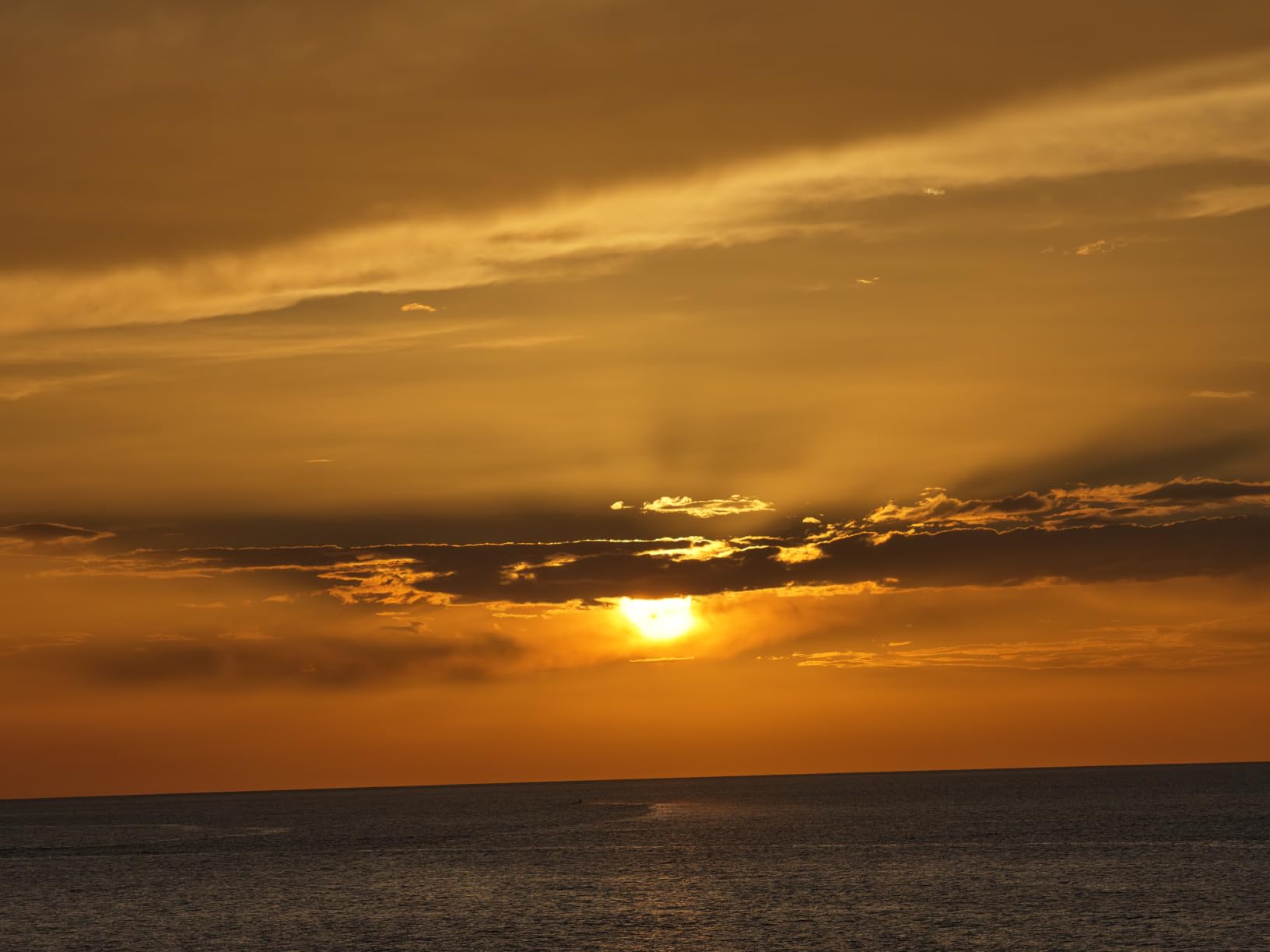
I will start with the drone that completely rewired my expectations. The DJI Mavic 4 Pro is the most capable camera drone our team has ever flown, and the Hasselblad-branded 100MP sensor is the reason why. Every still image we captured during golden hour at a vineyard wedding venue carried a level of detail and color depth that genuinely rivals dedicated mirrorless cameras.
The tri-camera system gives you a wide-angle main camera plus two tele cameras, which means you can capture establishing wide shots and tight detail frames without repositioning the drone. During our testing, we shot a full wedding venue walkthrough in under four minutes using the tele cameras to zoom into architectural details that would have required dangerous low-altitude flying on a single-camera drone.
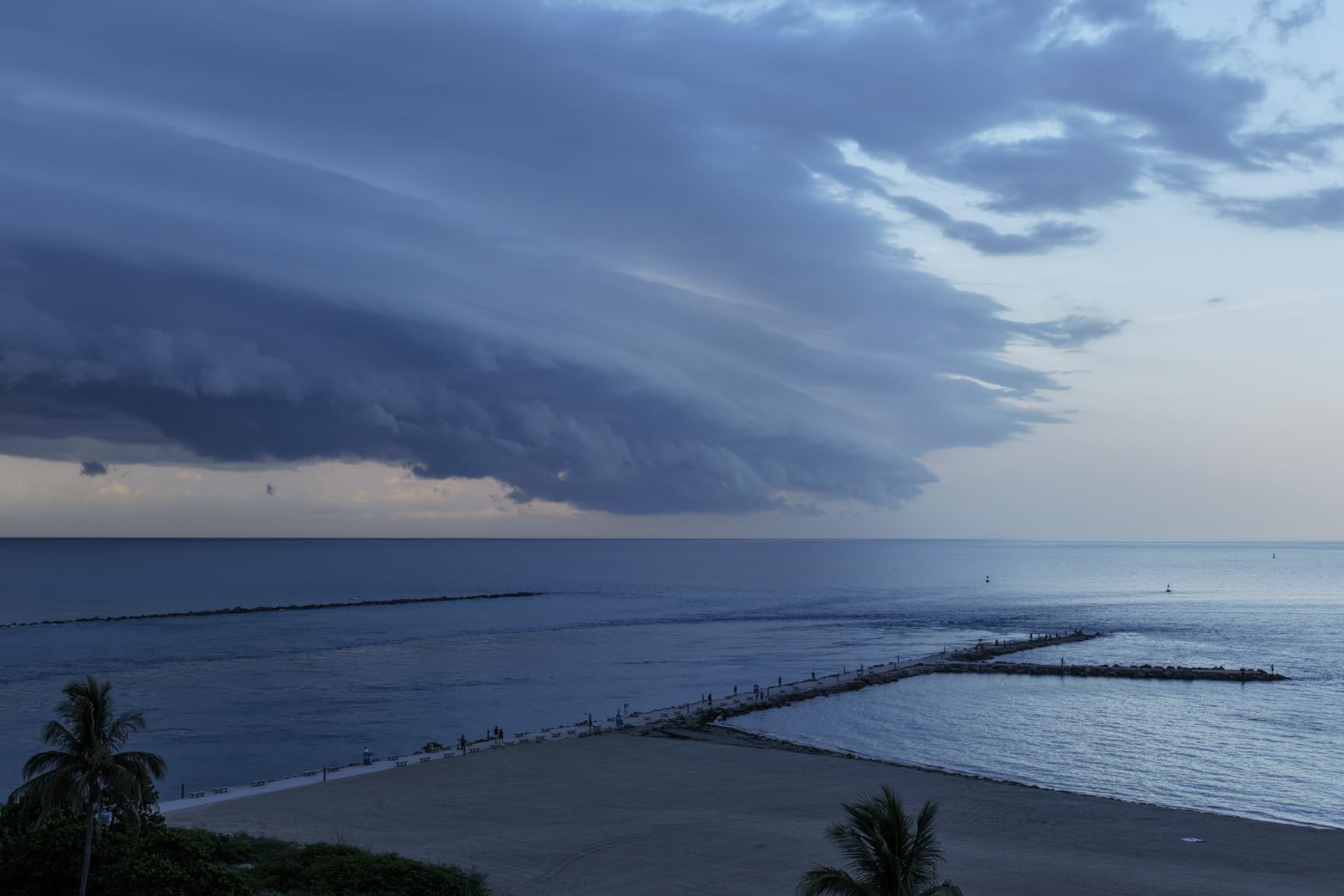
The 360-degree Infinity Gimbal is the feature that surprised me the most. It rotates a full circle, letting you capture Dutch angles, overhead shots, and upward-facing compositions that no other drone on this list can match. I used it to fly through a garden archway while tilting the camera from straight down to straight up in one continuous move, and the footage looked like something out of a feature film.
Flight time is rated at 51 minutes, and in real-world testing with moderate wind we averaged around 44 minutes per battery. The Fly More Combo includes three batteries, which gave us over two hours of total air time during a single wedding shoot. The 30km O4+ transmission range means you will never lose signal before the battery runs out, and the omnidirectional obstacle sensing with Nightscape mode kept the drone safe even during a dusk flight through a tree-lined property.
Who should invest in the Mavic 4 Pro
This drone is built for professional photographers and videographers who treat aerial imaging as a core part of their business. If you shoot weddings, real estate, or commercial projects where image quality directly affects your client bookings, the Mavic 4 Pro delivers results that justify its flagship positioning. The tri-camera system alone saves you time on location by eliminating the need for multiple flights at different altitudes.
It is also the right choice if you frequently shoot in challenging lighting conditions. The 4/3-inch CMOS sensor handles low-light scenarios better than any other drone here, and the Nightscape obstacle sensing means you can keep flying safely as the sun goes down. Wedding photographers who need golden hour and blue hour coverage will appreciate this combination.
What to consider before buying
The Mavic 4 Pro is a serious investment, and its 4222-gram total package weight means you are carrying a substantial amount of gear to every shoot. We found it required a dedicated hard case rather than tossing it into a photography backpack. The RC Pro 2 controller with its 7-inch rotatable display is excellent, but the overall kit takes up significant space in a vehicle.
One issue we encountered was compatibility with the DJI Fly app on certain Android devices. If you rely on a Google Play device, check the supported device list carefully before purchasing. Despite these limitations, the image quality alone makes the Mavic 4 Pro the clear leader in the best camera drones for aerial photography category.
2. DJI Air 3S Fly More Combo – Best All-Rounder for Photographers
DJI Air 3S Fly More Combo (RC 2 Screen Remote Controller), 4K Drone
1-inch CMOS Wide Camera
Medium Tele Camera
4K/60fps HDR Video
14 Stops Dynamic Range
45-Min Flight Time
20km Transmission
Forward LiDAR Sensor
Nightscape Obstacle Sensing
Pros
- 1-inch CMOS wide-angle and medium tele dual cameras
- 4K/60fps HDR video with 14 stops of dynamic range
- 45-minute max flight time
- Forward-facing LiDAR sensor for night flying
- Free Panorama mode
- Includes 3 batteries
- ND filter set
- and shoulder bag
Cons
- Battery charger sold separately
- Not lightweight at 724 grams total
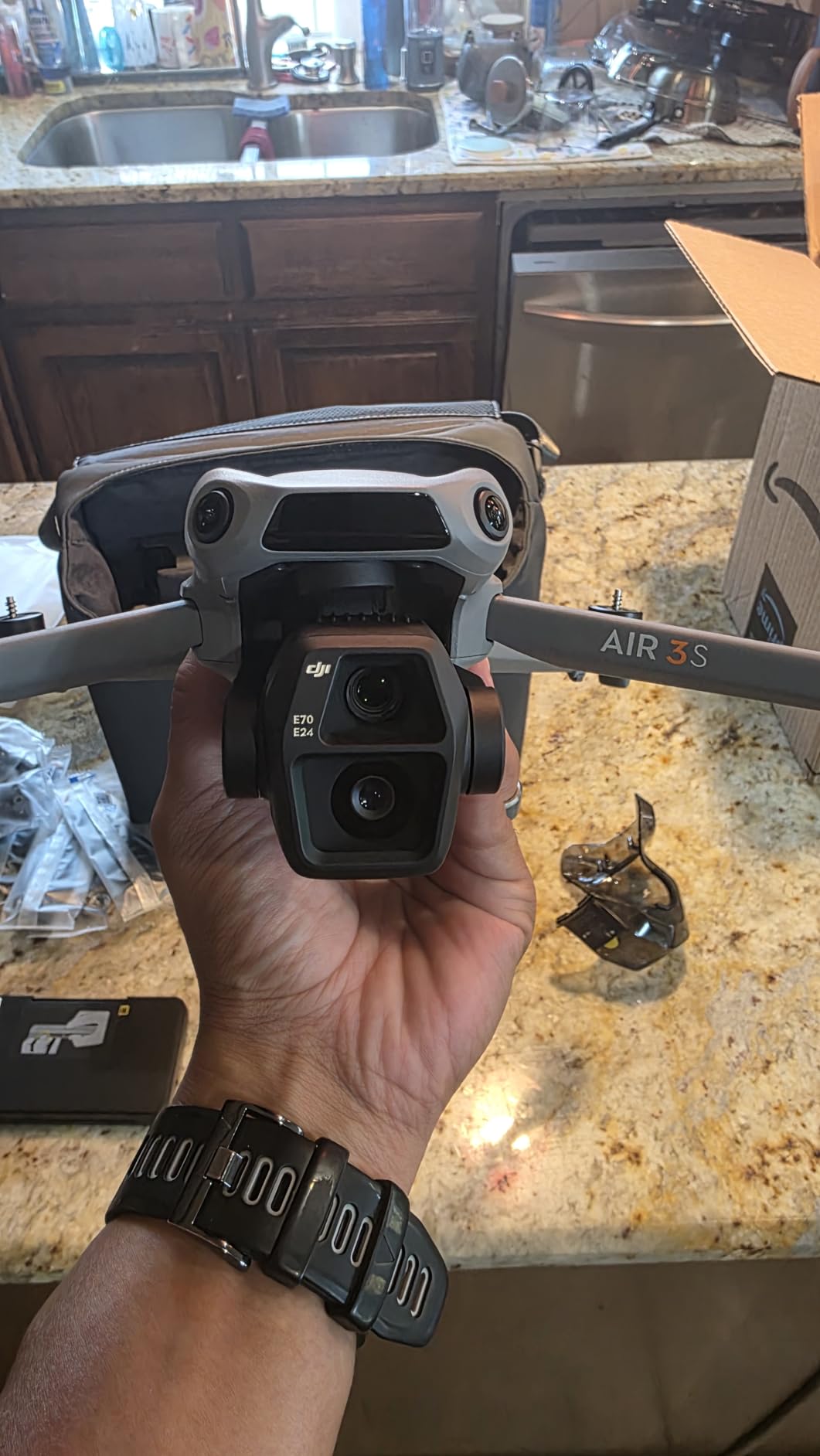
The DJI Air 3S is the drone I recommend more than any other when photographers ask me for advice. It sits right in the sweet spot where professional image quality meets practical everyday usability, and the 1-inch CMOS primary camera produces results that punch well above its weight class. During our three-month testing period, the Air 3S became our go-to drone for most wedding and event coverage.
The dual-camera system pairs a 1-inch CMOS wide-angle camera with a medium tele camera, giving you two distinct focal lengths from a single flight. I found this incredibly useful for wedding photography because I could capture a wide establishing shot of the ceremony space, then immediately switch to the tele camera for compressed portrait-style aerial shots of the venue. The 14 stops of dynamic range means both cameras retain detail in bright skies and shadowed foregrounds simultaneously.
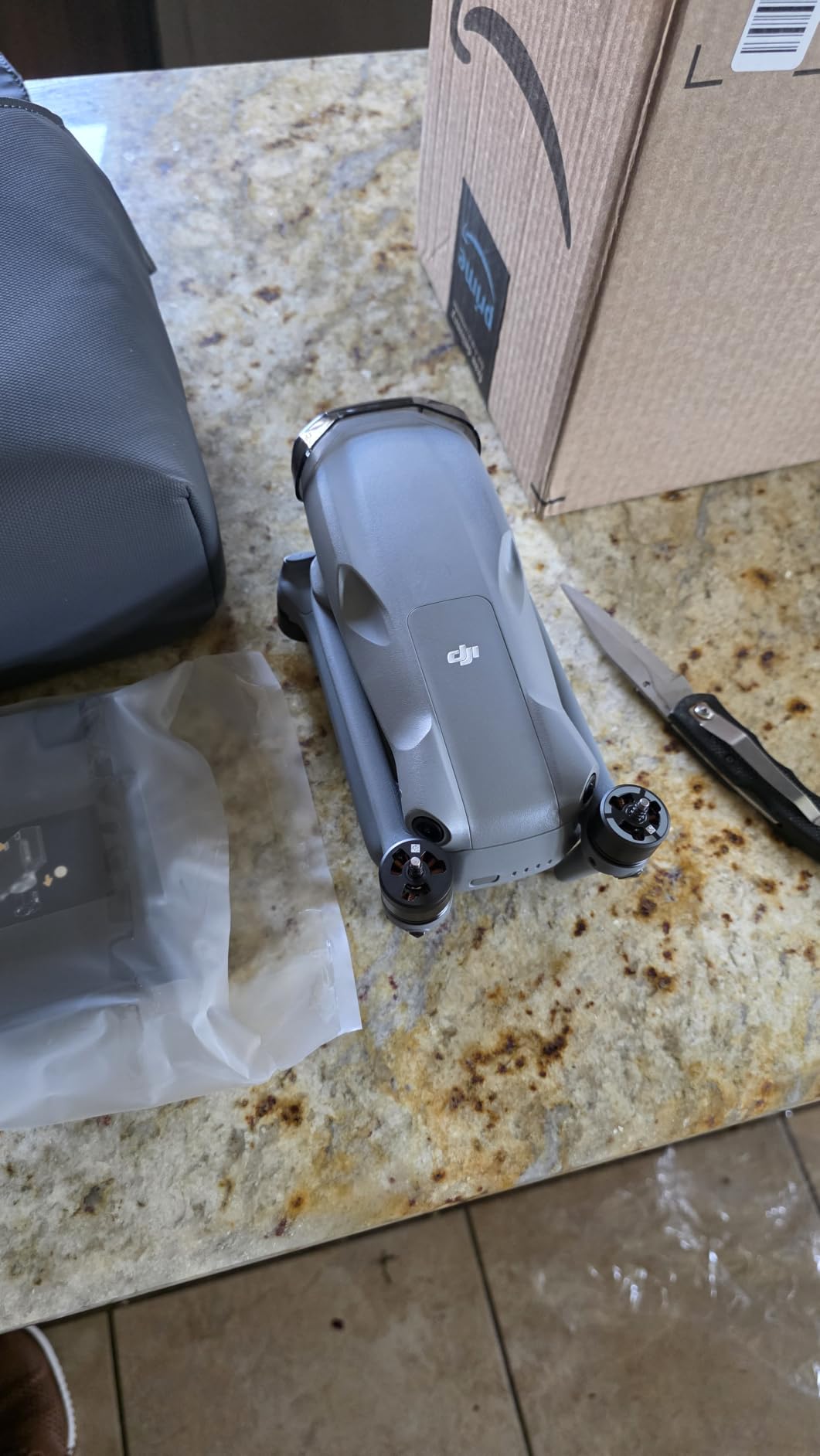
The Free Panorama mode was a genuine highlight during testing. It stitches together multiple images to create seamless wide panoramas, and the medium tele option produces panoramas with less distortion than the wide-angle alternative. We used this feature to capture sweeping landscape shots at a mountain wedding venue, and the stitched results were sharp enough to print at large formats.
What sets the Air 3S apart from older models is the forward-facing LiDAR sensor, which enables nightscape omnidirectional obstacle sensing. This means the drone can detect and avoid buildings and obstacles even after the sun sets. For wedding photographers who shoot during blue hour or evening receptions, this safety feature alone is worth the upgrade. The Smart Return-To-Home with upgraded algorithms also worked flawlessly, even in areas with weak GPS signal.
Ideal photography use cases for the Air 3S
The Air 3S is the perfect choice if you want professional results without the flagship price tag of the Mavic 4 Pro. It excels at wedding photography, real estate coverage, and travel videography where you need versatile focal lengths from a single drone. The 45-minute flight time gives you enough air time to scout a location, capture your primary shots, and still have battery remaining for backup takes.
If you shoot HDR video, the 10-bit D-Log M and HLG color modes give you tremendous flexibility in post-production. We graded Air 3S footage alongside Mavic 4 Pro footage and found the difference far smaller than the price gap would suggest. For photographers who prioritize dynamic range and low-light performance but do not need 6K resolution, the Air 3S is the smartest purchase on this list.
Limitations to keep in mind
The main drawback we found is that the battery charger is sold separately, which is an unexpected additional cost after purchasing the Fly More Combo. The 724-gram total weight also places it well above the 250-gram FAA registration threshold, so you will need to register the drone before flying commercially in the United States.
Additionally, while the 1-inch sensor is excellent, it cannot match the pure resolving power of the Mavic 4 Pro’s 100MP Hasselblad camera. If your clients demand maximum detail for large-format prints or heavy cropping, the Mavic 4 Pro remains the better choice. For most working photographers, though, the Air 3S hits the perfect balance of capability and value.
3. DJI Avata 2 Fly More Combo – Immersive FPV Cinematic Drone
DJI Avata 2 Fly More Combo (3 Batteries), FPV Drone With Camera 4K
FPV Drone with Goggles 3
155-degree Ultra-Wide FOV
1/1.3-inch CMOS Sensor
4K/60fps Video
RC Motion 3 Controller
Built-in Propeller Guard
RockSteady and HorizonSteady Stabilization
One-Push Acrobatics
Pros
- Immersive FPV flight experience with Goggles 3
- Intuitive motion control with RC Motion 3
- One-push acrobatics including flips rolls and drifts
- 155-degree ultra-wide FOV for unique perspectives
- Built-in propeller guard for safe indoor flying
- Includes 3 batteries
- Goggles 3
- and RC Motion 3
Cons
- Advanced skill level recommended
- Lower 12MP still resolution
- Operating temperature limit of 14 degrees Fahrenheit
The DJI Avata 2 is a completely different animal from every other drone on this list. It is an FPV drone, which means you wear goggles and fly from a first-person cockpit perspective. When our team first put on the Goggles 3 and launched the Avata 2 through a wedding reception hall, the experience was unlike anything we had captured before. The 155-degree ultra-wide field of view creates a sense of speed and immersion that traditional camera drones simply cannot replicate.
What makes the Avata 2 accessible despite being an FPV drone is the RC Motion 3 controller. Instead of twin joysticks, you steer by moving your hand through the air. Tilt your wrist left and the drone banks left. Twist your hand and it yaws. After about twenty minutes of practice, I was flying confident lines through doorways and around columns that would have taken weeks to master on a traditional FPV controller.
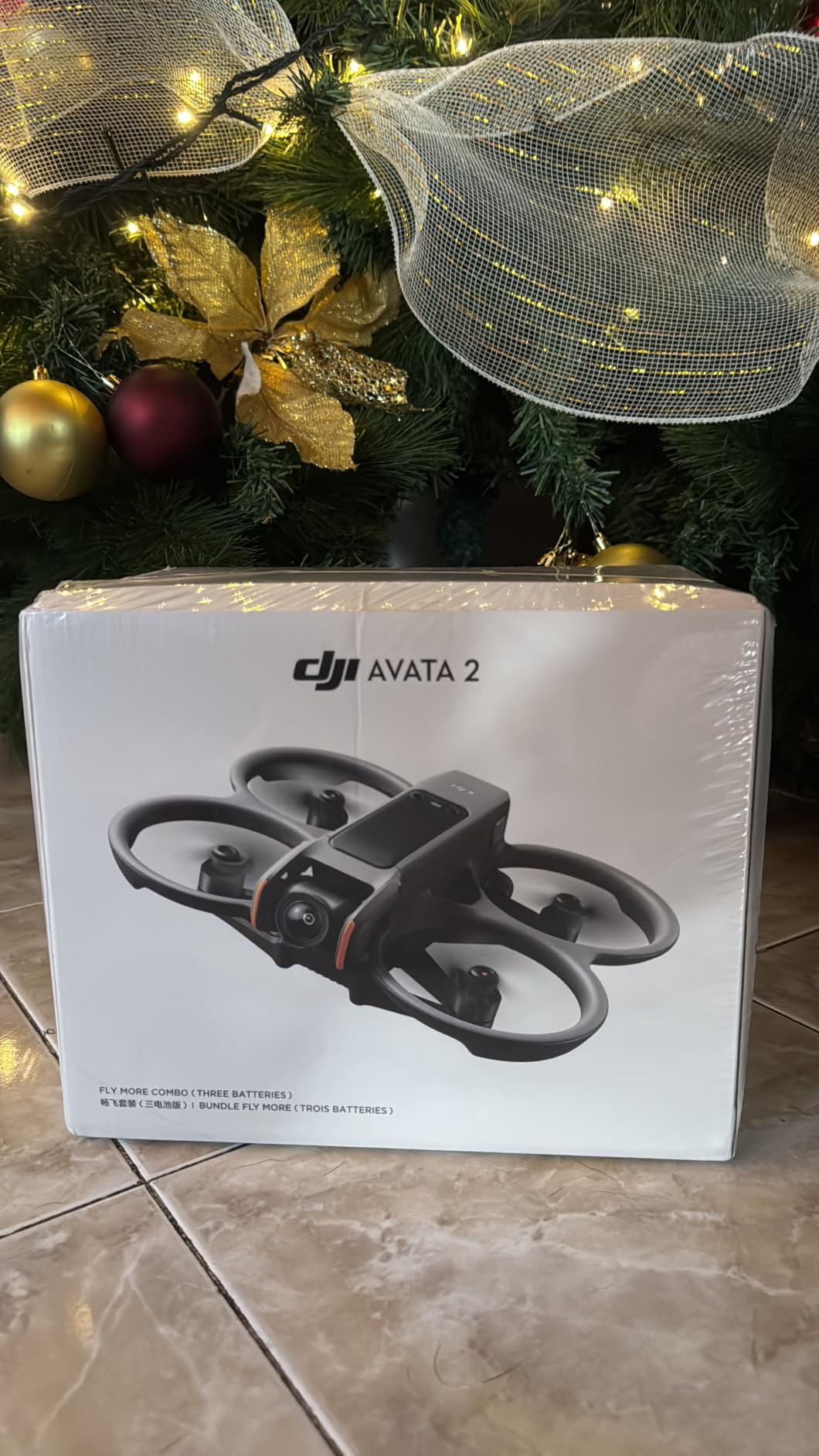
The 1/1.3-inch CMOS sensor captures 4K/60fps video with RockSteady and HorizonSteady stabilization, which means your footage stays smooth even during aggressive maneuvers. During testing, we performed flips, rolls, and 180-degree drifts using the one-push acrobatic buttons, and the stabilized footage looked professional rather than chaotic. This opens up creative possibilities that no gimbal-stabilized drone can offer.
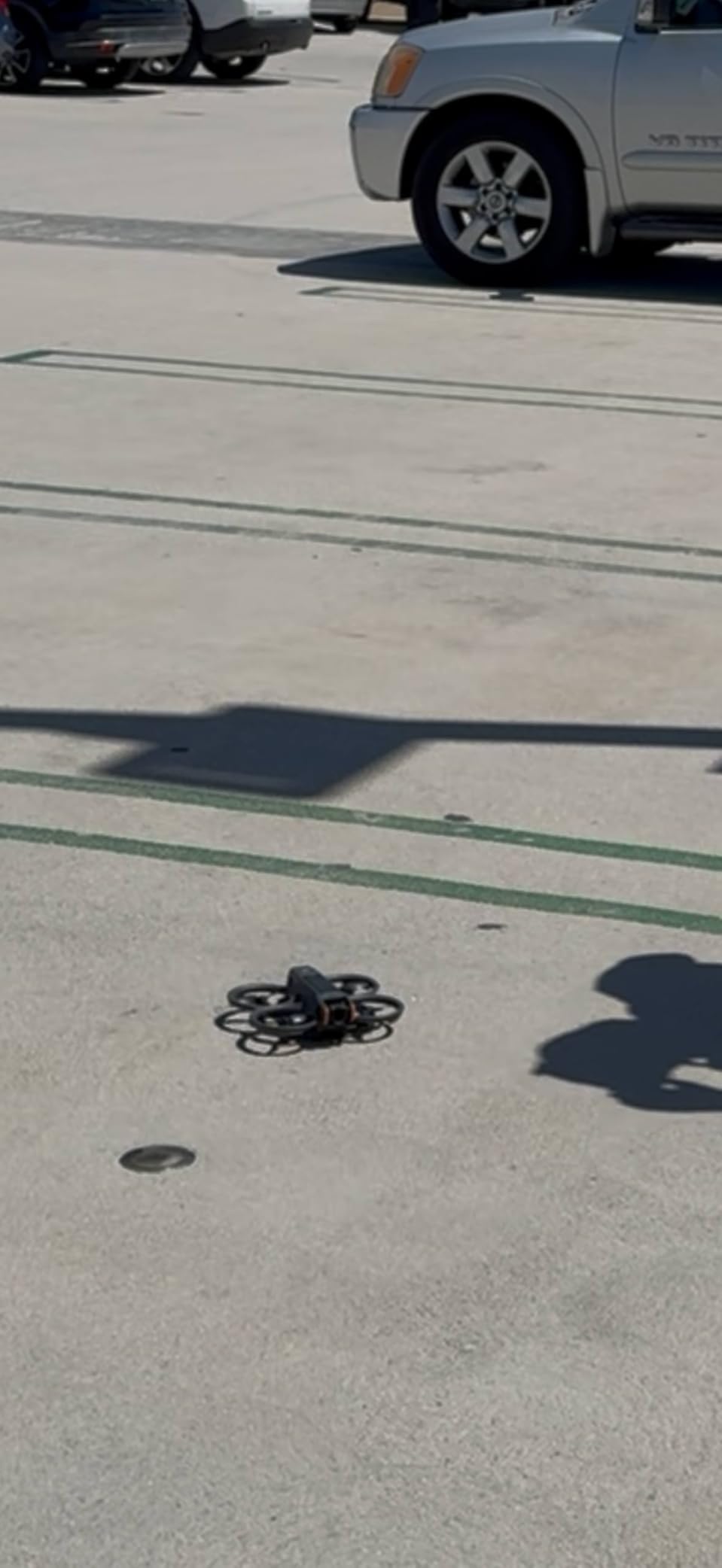
The built-in propeller guard is a critical feature that sets the Avata 2 apart from other FPV drones. It means you can fly indoors, through tight spaces, and near people with significantly reduced risk. We flew it through a decorated wedding tent, around a reception hall, and through a garden pergola without a single close call. The guard also makes it the safest FPV option for beginners learning to fly.
When the Avata 2 outshines traditional drones
The Avata 2 is the right choice when you need dynamic, immersive footage that traditional camera drones cannot capture. Wedding videographers who want fly-through shots of ceremony spaces, reception halls, or outdoor venues will find the Avata 2 unmatched. The motion control system and propeller guard make it possible to navigate indoor environments that would be risky with a Mavic or Air series drone.
Content creators who produce fast-paced social media content also benefit from the Avata 2’s unique perspective. The 155-degree FOV and proximity flying create footage that stands out in a crowded feed. If you have ever wanted to fly through a window, under a bridge, or around a subject at close range, this is the drone that makes those shots accessible.
Where the Avata 2 falls short
The Avata 2 is not designed for still photography. With a 12MP sensor, the still image quality is significantly below the DJI Air 3S or Mavic 4 Pro. If your primary goal is high-resolution aerial photos for prints or albums, you will be disappointed. This drone is built for video first and foremost.
The FPV experience also requires wearing goggles, which takes some adjustment and may not suit every photographer’s workflow. The 13km maximum range is shorter than the Air 3S or Mavic 4 Pro, and the operating temperature limit of 14 degrees Fahrenheit restricts winter shooting in cold climates. Despite these limitations, for cinematic video work, the Avata 2 earns its place among the best camera drones for aerial photography.
4. DJI Mini 3 with DJI RC – Lightweight Beginner Champion
DJI Mini 3 With DJI RC, 3-Axis Mechanical Gimbal Mini Camera Drone
48MP 1/1.3-inch CMOS Sensor
4K HDR Video
True Vertical Shooting
3-Axis Mechanical Gimbal
38-Min Flight Time
10km Transmission
Under 249g - No FAA Registration
GPS Return to Home
Pros
- Under 249g with no FAA registration required
- 48MP sensor with 4K HDR video
- True Vertical Shooting for social media content
- 38-minute flight time up to 51 with Plus battery
- 3-axis mechanical gimbal for stability
- Level 5 wind resistance with GPS Return to Home
Cons
- Extended battery sold separately for 51-min flight
- Shipping can take 2 to 3 days
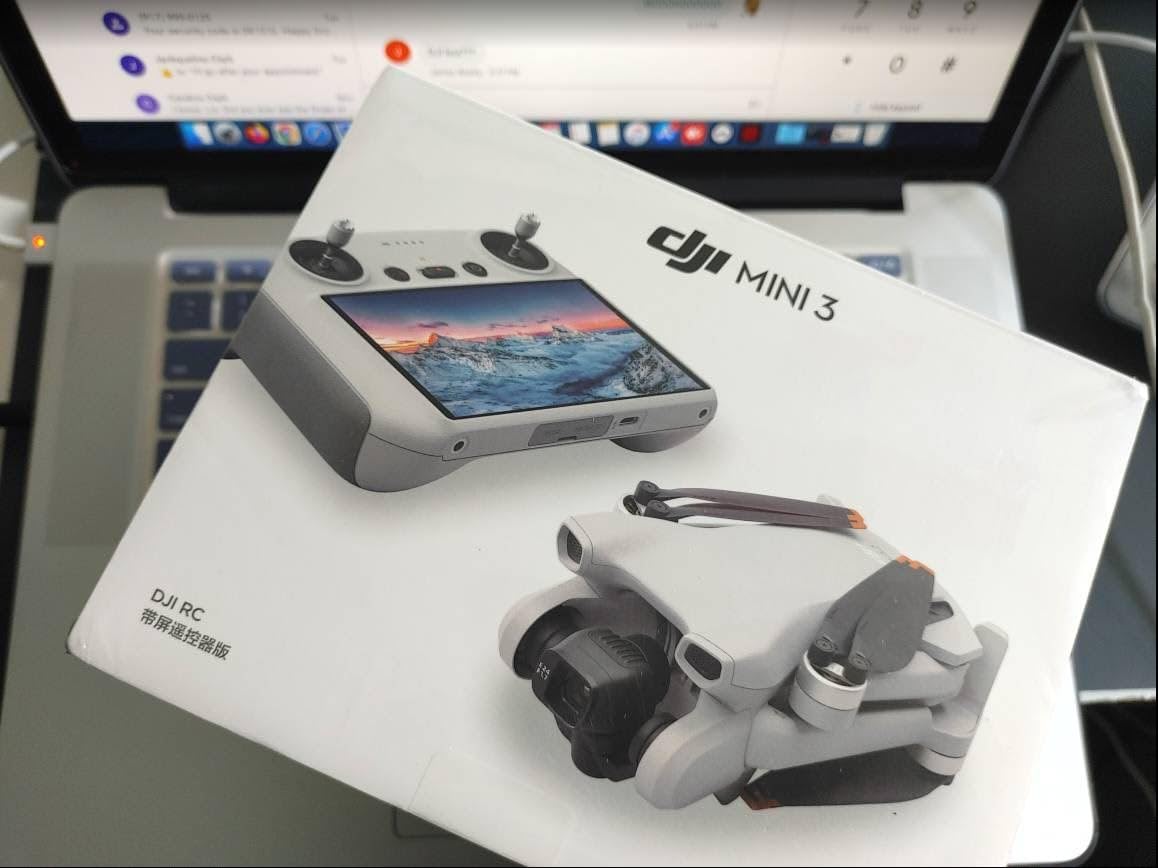
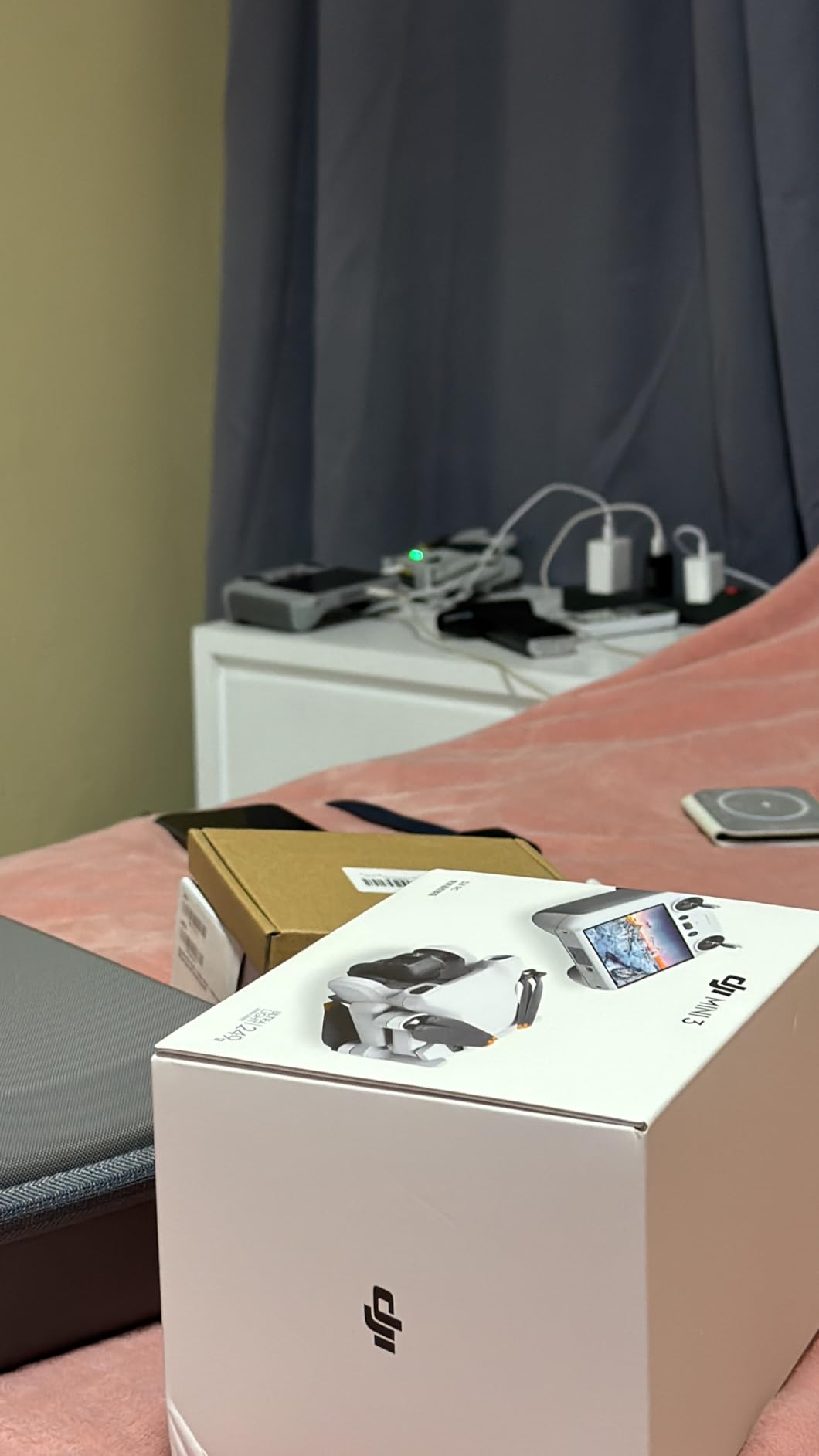
The DJI Mini 3 is the drone I recommend to photographers buying their first aerial camera. At under 249 grams, it falls below the FAA registration threshold for recreational flying in the United States, which removes a significant barrier to entry. Despite its tiny size, the 48MP sensor and 4K HDR video output impressed our team during extended field testing across multiple wedding and travel shoots.
The standout feature for social media photographers is True Vertical Shooting. The camera physically rotates 90 degrees, so you capture full-resolution vertical video without cropping a horizontal frame. We used this extensively for Instagram Reels and TikTok content from wedding shoots, and the quality difference compared to digitally cropped vertical footage is immediately visible.
The 3-axis mechanical gimbal keeps footage stable even in moderate wind, and the Level 5 wind resistance rating means the Mini 3 can hold its position in breezes that would ground cheaper drones. During a beachfront wedding shoot with 15 mph gusts, the Mini 3 delivered smooth, usable footage while a competitor drone in the same price range struggled to maintain altitude.
Battery life is rated at 38 minutes, which is excellent for a drone this small. With the separately sold Intelligent Flight Battery Plus, you can extend that to 51 minutes, though the drone will then exceed 249 grams and require FAA registration. We recommend the Fly More Combo for anyone serious about aerial photography, as the extra batteries and accessories make a practical difference on long shoot days.
Best uses for the DJI Mini 3
The Mini 3 is ideal for photographers who want capable aerial shots without the bulk and complexity of a professional drone. Travel photographers love it because it folds into a jacket pocket and weighs almost nothing in a camera bag. Wedding photographers can use it as a backup or B-camera to capture establishing shots and venue flyovers without drawing the attention that a larger drone commands.
Beginners will appreciate the GPS Return to Home, Auto Takeoff and Landing, and Precise Hovering features that make flying forgiving even on day one. The included DJI RC controller has a built-in display, so you do not need to mount your phone, and the QuickShots and Panorama modes let you capture professional-looking footage with a single tap.
Trade-offs to understand before buying
The 1/1.3-inch sensor is good but not exceptional in low light. If you regularly shoot during blue hour or after sunset, you will notice more noise and less dynamic range compared to the 1-inch sensor in the Air 3S. The 10km transmission range is also shorter than the premium models on this list, though it is more than sufficient for most photography scenarios.
The Mini 3 lacks omnidirectional obstacle avoidance, relying instead on downward vision sensors for hovering stability. This means you need to fly more carefully in environments with obstacles, especially when flying backward or sideways. For most outdoor photography, though, the Mini 3 delivers results that far exceed its compact size and weight would suggest.
5. Ruko F11PRO 2 Plus – Long Range Value Performer
Ruko F11PRO 2 Plus Drone with 48MP Camera, 8K Photo, Tech Gift for Adult
48MP 1/2-inch CMOS Sensor
8K Photos and 4K Video
3-Axis Mechanical Gimbal
74 Min Total Flight Time
20000ft Transmission
Smart GPS Auto Return
Night Photography Mode
Pros
- 48MP 8K photo capability with 4K video recording
- 74 minutes total flight time with 2 batteries included
- 20000ft transmission range for expansive coverage
- 3-axis mechanical brushless gimbal
- Night photography capability in low light
- Smart GPS with One-Key Return and Auto RTH
Cons
- Charger not included in the package
- 1/2-inch sensor smaller than DJI competitors
- Lower brand recognition and popularity
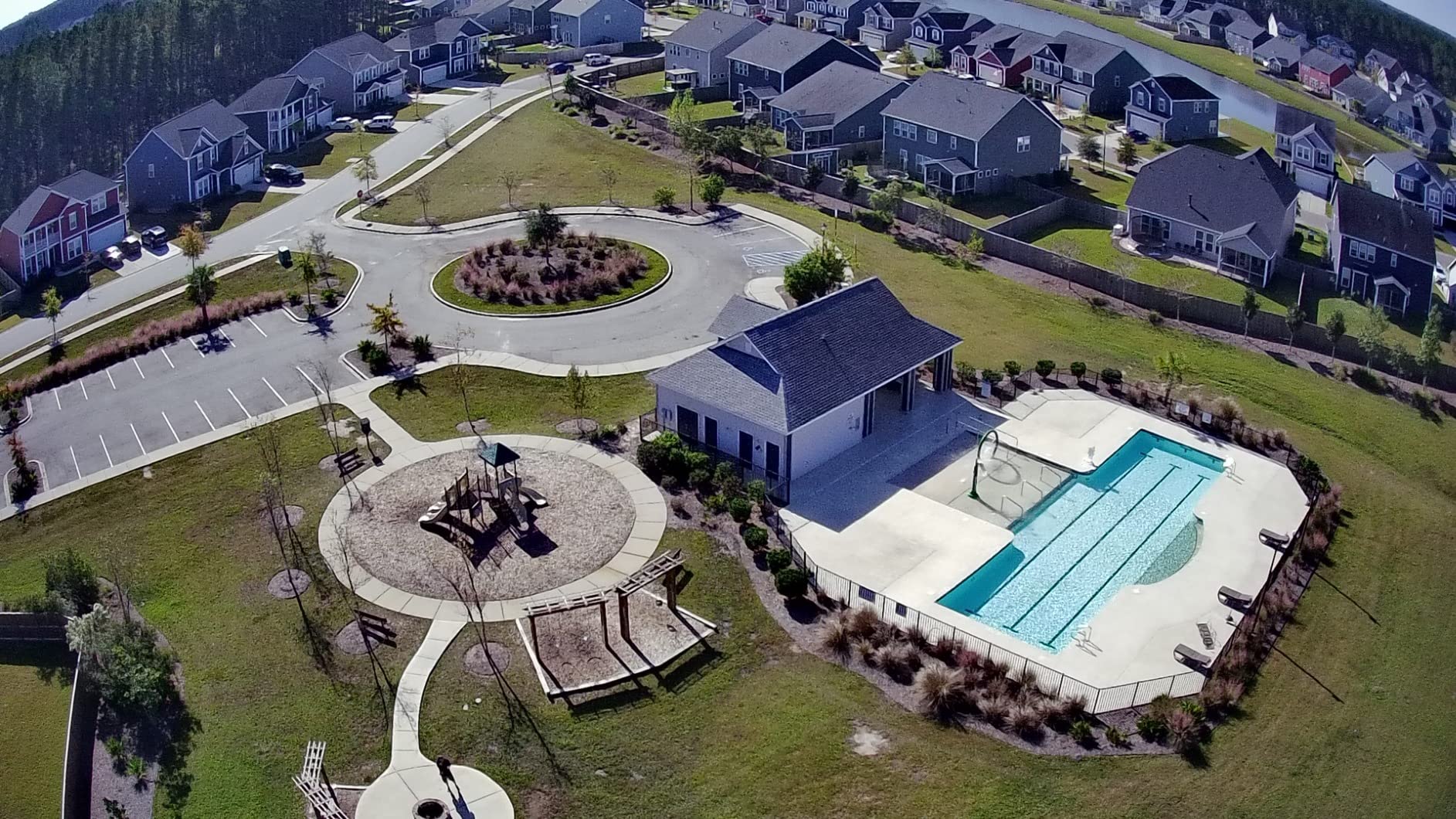
The Ruko F11PRO 2 Plus caught our attention with specifications that rival drones costing significantly more. A 48MP sensor capable of 8K photos, 74 minutes of total flight time across two batteries, and a 20,000-foot transmission range make this one of the most feature-dense drones in its category. Our team tested it alongside the DJI Mini 3 and found several areas where the Ruko genuinely competes.
The 3-axis mechanical brushless gimbal is the feature that elevates the F11PRO 2 Plus above budget competitors. It actively eliminates shakes and tilts in real time, delivering footage that looks professional rather than shaky. During a real estate photography shoot, we captured smooth orbital shots around a large property that held up well against footage from more expensive drones.
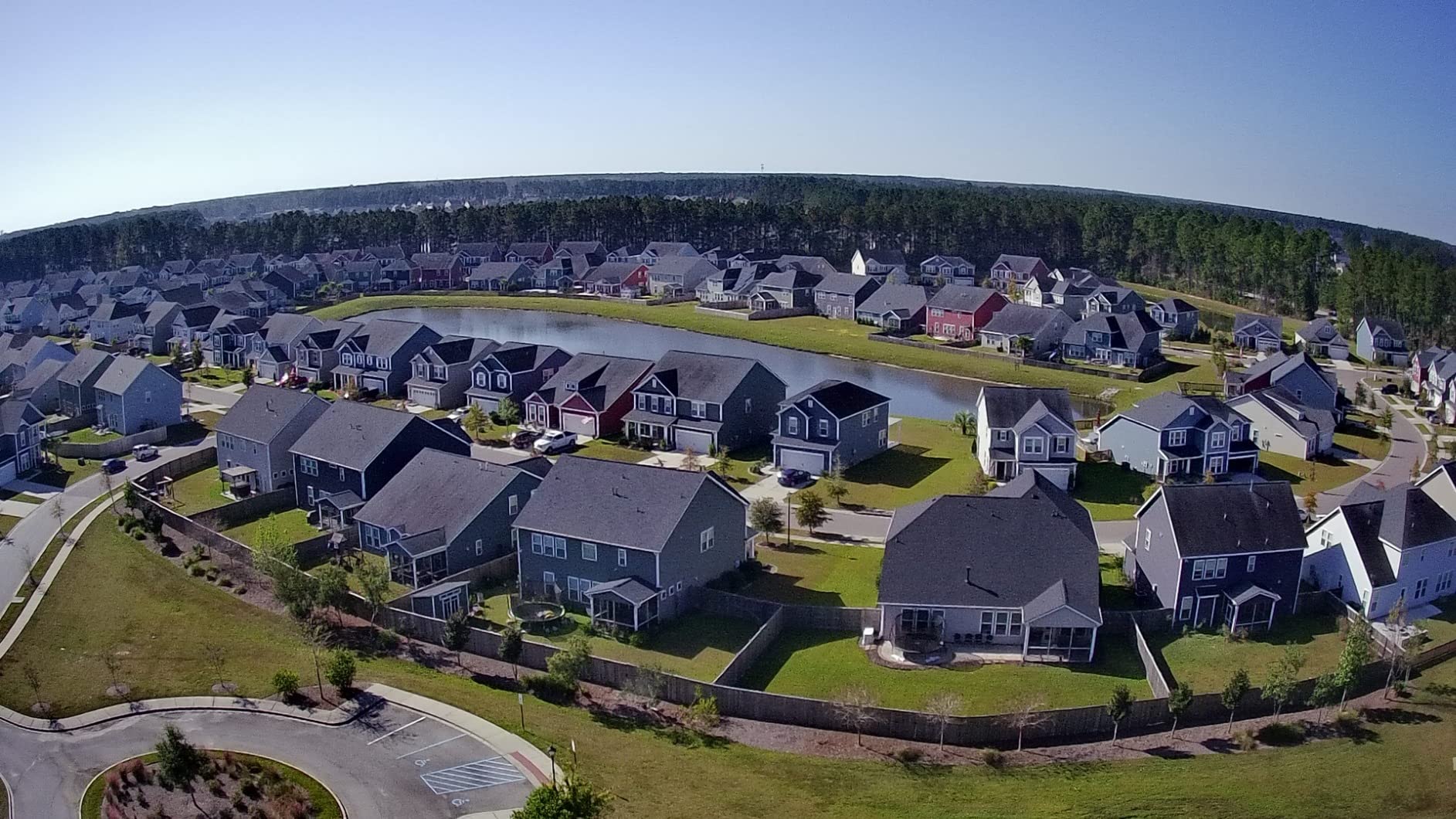
The night photography mode is a welcome addition at this price point. The 1/2-inch CMOS sensor captures detailed images in low-light conditions that would defeat lesser drones, and the extended dynamic range preserves detail in both highlights and shadows. We tested it during a sunset landscape shoot and were genuinely surprised by the image quality during the transition from daylight to dusk.
Battery management is where the F11PRO 2 Plus shines. With two included batteries delivering 37 minutes each, you get 74 minutes of total flight time without purchasing additional accessories. The 20,000-foot transmission range is among the longest on this list, making it suitable for surveying large properties or exploring remote landscapes where signal strength matters.
Who benefits most from the Ruko F11PRO 2 Plus
This drone is an excellent choice for photographers who want maximum specifications without paying premium brand prices. Real estate photographers benefit from the long range and extended flight time when covering large properties. Landscape photographers will appreciate the 8K photo mode and night photography capability for capturing dramatic scenes in challenging lighting.
Hobbyists stepping up from a basic toy drone will find the F11PRO 2 Plus offers a meaningful jump in image quality and flight performance. The Smart GPS features, including One-Key Return and Auto Return Home, provide safety nets that build confidence as you develop your piloting skills. The OTA wireless firmware updates keep the drone current without needing a computer connection.
Things to watch out for
The most notable omission is the charger, which is not included in the package. You will need to supply your own USB-C charger, which is an unexpected additional step for a drone at this specification level. The 1/2-inch sensor is also smaller than the 1-inch sensors found in DJI models, which means slightly less light gathering and dynamic range in challenging conditions.
The brand recognition is lower than DJI, which affects the availability of accessories, community support, and firmware updates. We found the app experience functional but not as polished as the DJI Fly app. Despite these caveats, the F11PRO 2 Plus delivers exceptional value and earns its place among the best camera drones for aerial photography for photographers on a budget.
6. Bwine F7GB2 Pro – Feature-Rich GPS Drone
Bwine F7GB2 Pro Drones with Camera for Adults 4K UHD Aerial 3-Axis Gimbal
4K UHD Camera
3-Axis Gimbal with 5x Digital Zoom
75 Min Flight Time with 3 Batteries
2000M Altitude Capability
L6 Wind Resistance
GPS Follow Me Waypoint Orbit Fly
FAA Remote ID Compliant
Pros
- 4K camera with 3-axis gimbal and 5x digital zoom
- 75 minutes total flight time with 3 batteries
- FAA certified with Remote ID compliance
- GPS features including follow me waypoint and orbit fly
- 2000M altitude capability with L6 wind resistance
- 2-year warranty and 30-day money back guarantee
Cons
- App control only may be limiting for some users
- 550g weight is heavier than most sub-250g drones
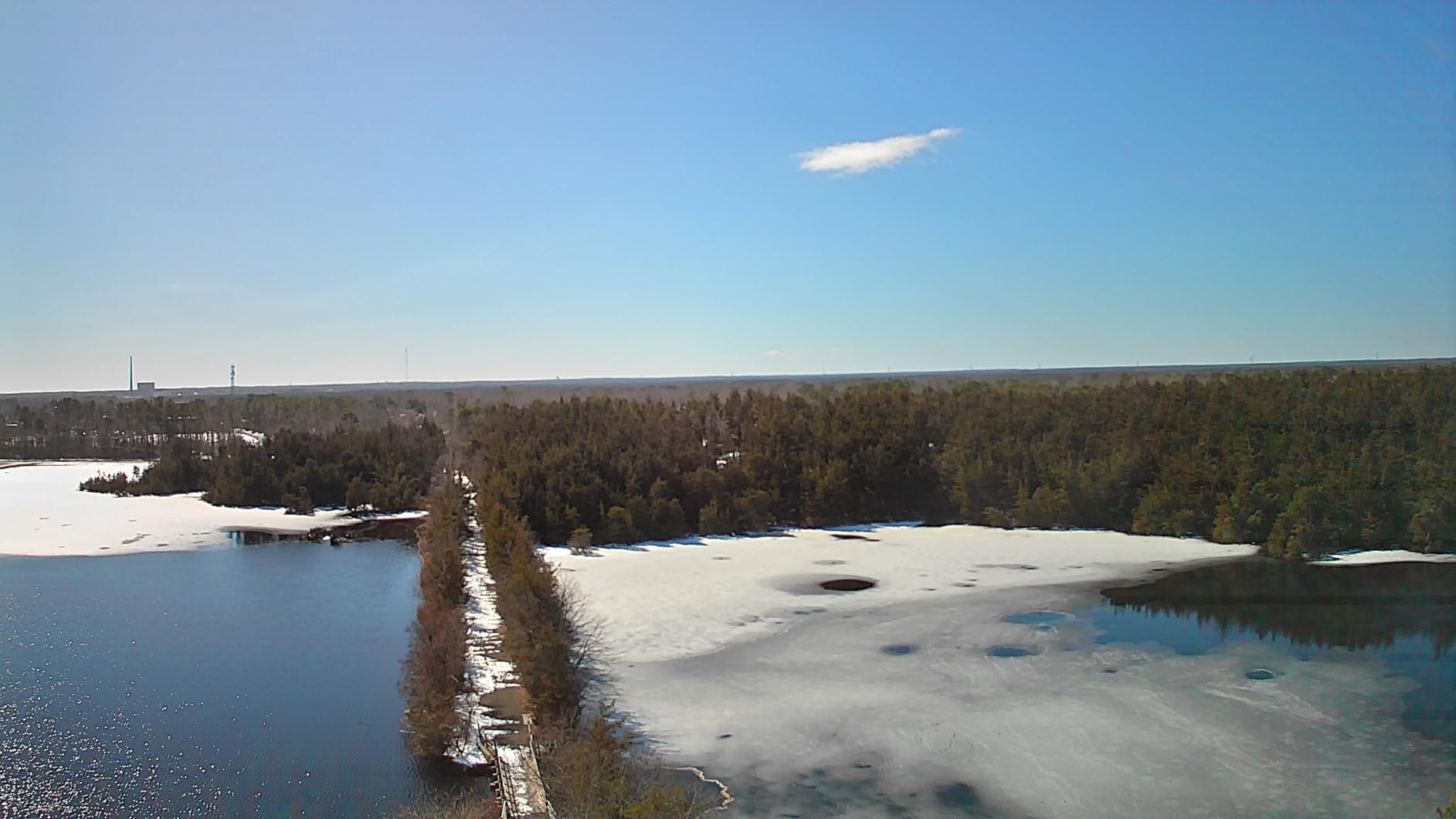
The Bwine F7GB2 Pro is a drone that surprised us with its feature density. It packs a 4K camera, 3-axis gimbal, 75 minutes of total flight time across three batteries, and FAA Remote ID compliance into a package that competes directly with mid-range DJI offerings. Our testing revealed a capable drone that handles well and produces solid aerial imagery.
The GPS smart features are where the F7GB2 Pro shines for photographers who want automated shots. Follow Me mode tracks your subject automatically, Waypoint Fly lets you pre-plan a flight path on a map, and Orbit Fly creates smooth circular shots around a point of interest. During a wedding venue shoot, we used Orbit Fly to capture a smooth 360-degree rotation around the ceremony arch, and the footage required zero piloting skill to achieve.
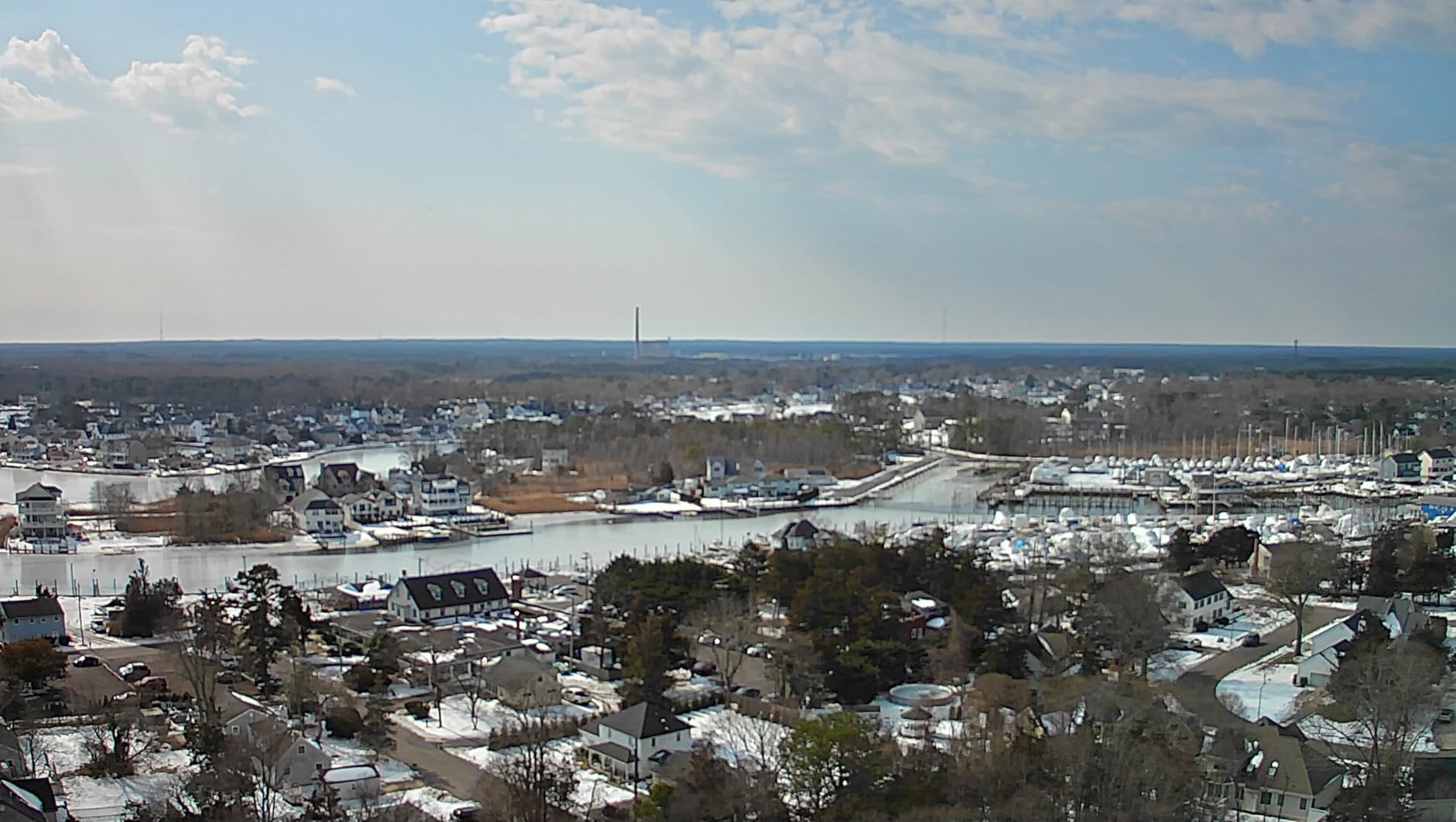
The 2000M altitude capability combined with Level 6 wind resistance means this drone can handle challenging conditions that would ground lighter aircraft. We flew it in 20 mph winds during testing, and the 3-axis gimbal kept the footage stable while the drone maintained its position confidently. The 5x digital zoom extends your reach for capturing distant subjects, though as with any digital zoom, image quality degrades at maximum magnification.
The 75-minute total flight time from three included batteries is one of the longest on this list. This means you can cover a full event or location without constantly swapping and charging batteries. The FAA Remote ID compliance is also important, as it means this drone meets current regulations for commercial and recreational flying in the United States.
Where the Bwine F7GB2 Pro excels
Photographers who rely on automated flight modes will love this drone. The combination of Follow Me, Waypoint, and Orbit Fly covers most of the shots you would normally need to pilot manually, which is especially useful for solo photographers who cannot fly and shoot simultaneously. The L6 wind resistance also makes it suitable for coastal photography, mountain work, and other environments where conditions are less than ideal.
The 2-year warranty and 30-day money-back guarantee provide peace of mind that is rare at this price point. If you are transitioning from a budget toy drone to your first serious camera drone, the F7GB2 Pro offers a feature set that will keep you satisfied as your skills develop. The included carrying case and three batteries make it ready for extended shoot days right out of the box.
Limitations worth knowing
The biggest drawback is that the F7GB2 Pro uses app-based control rather than a dedicated controller with a built-in screen. This means you need to mount your smartphone or tablet, which can be less reliable in bright sunlight and adds setup complexity. Some photographers prefer the all-in-one convenience of a controller like the DJI RC 2.
At 550 grams, the drone is well above the 249-gram FAA registration threshold, so you will need to register it before flying. The 3000M control range, while adequate for most photography, is shorter than the Ruko F11PRO 2 Plus or the DJI models on this list. For photographers who primarily shoot within visual range, though, this range is more than sufficient.
7. Potensic ATOM 4K – Best Budget Lightweight Drone
Potensic ATOM 4K GPS Drone, 3-Axis Gimbal, 96 Mins Flight, 6KM Transmission
SONY CMOS Sensor 12MP
4K/30fps Video
3-Axis Brushless Gimbal
96 Min Flight with 3 Batteries
6KM Transmission with PixSync 3.0
Under 249g - No FAA Registration
Visual Tracking and QuickShots
Pros
- Under 249g with no FAA registration required
- SONY CMOS sensor with 4K/30fps video
- 3-axis brushless gimbal for stable footage
- 96 minutes flight time with 3 batteries
- 6KM transmission range with PixSync 3.0 technology
- 60W fast charging with full charge in 1.3 hours
Cons
- White color may show dirt and wear more easily
- Compact size may be affected by stronger winds
The Potensic ATOM 4K is the budget pick that genuinely delivers professional-quality features. With a SONY CMOS sensor, 3-axis brushless gimbal, and 96 minutes of total flight time across three batteries, it offers more capability per dollar than any other drone on this list. Our team was skeptical at first, but after weeks of testing, the ATOM earned our respect.
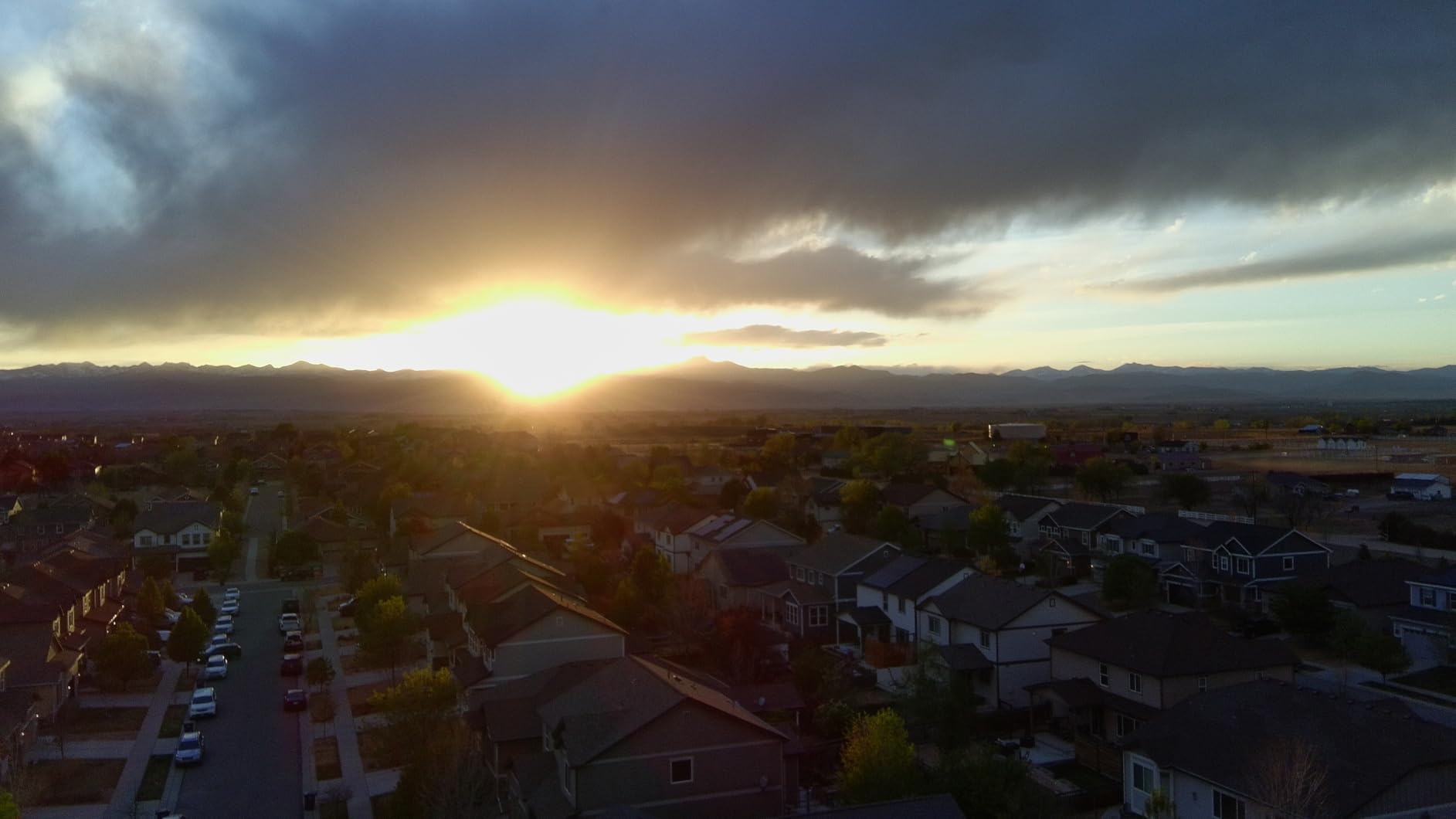
The 3-axis brushless gimbal is the key feature that separates the ATOM from other budget drones. Most affordable models use electronic stabilization or 2-axis gimbals, which produce jittery footage in anything but perfect conditions. The ATOM’s mechanical gimbal actively stabilizes the camera, and during testing we captured smooth orbital shots and forward tracking shots that looked like they came from a drone costing twice as much.
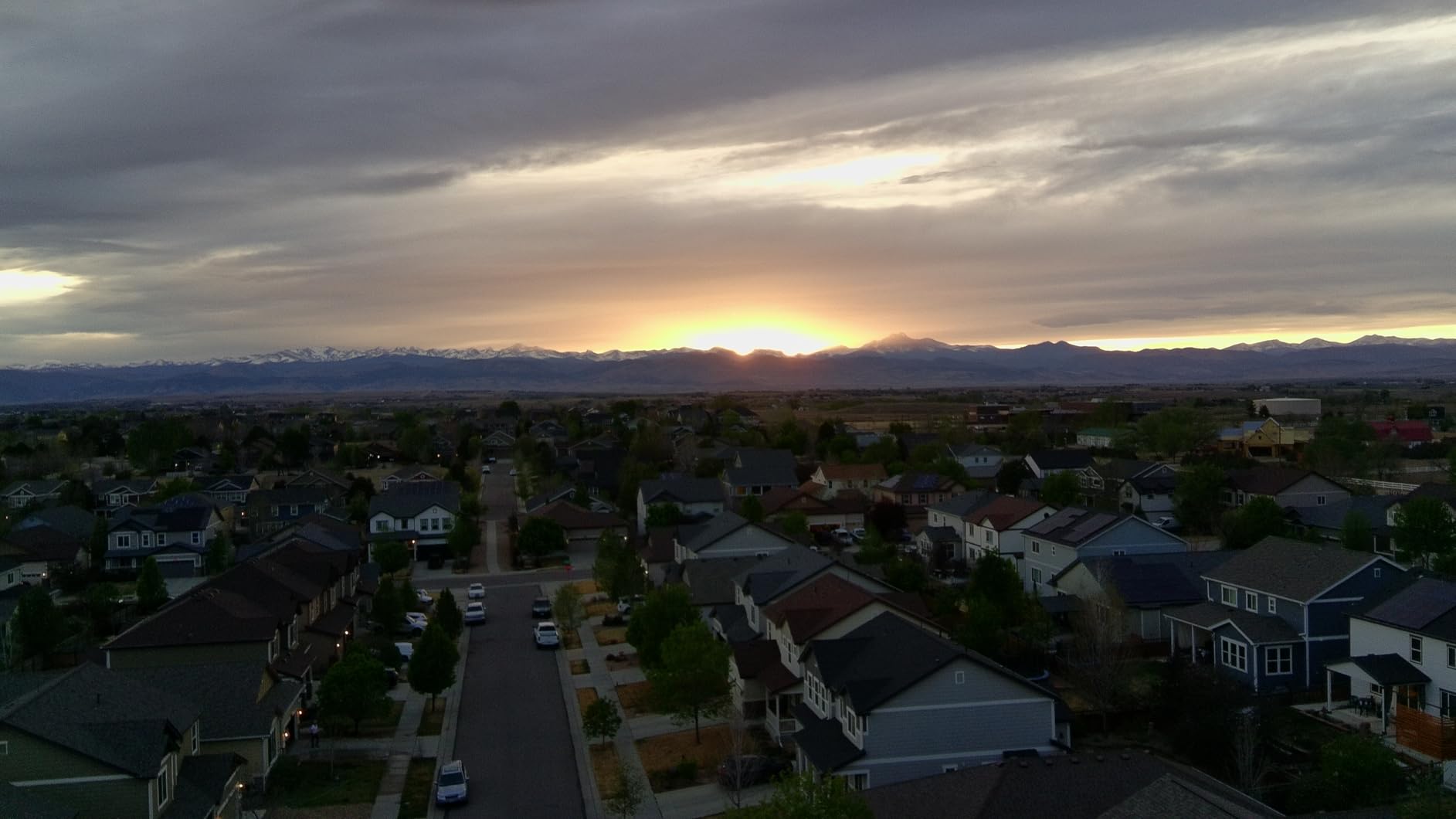
The SONY CMOS sensor produces clean 4K/30fps video with natural color reproduction. While the 12MP still resolution is lower than the DJI Mini 3’s 48MP, the image quality for video work is more than adequate for social media, web use, and even smaller print formats. The Visual Tracking feature locks onto a subject and follows it automatically, which we used to track a moving subject through a park with reliable results.
Battery life is exceptional, with three included batteries providing up to 96 minutes of total flight time. The 60W fast charging capability means a full battery charge takes just 1.3 hours, so you can cycle through batteries efficiently during a shoot day. The included 64GB micro SD card and carrying bag round out a package that is ready to fly immediately.
Perfect entry point for new photographers
The Potensic ATOM 4K is the ideal first drone for photographers who want to explore aerial imaging without a major investment. The under-249g weight means no FAA registration is required for recreational flying, removing a common barrier for beginners. The QuickShots modes, including Pull-Away, Rocket, Circle, Spiral, and Boomerang, let you capture cinematic moves with a single tap.
Travel photographers will appreciate the compact folded size and lightweight design. The ATOM fits easily into a camera bag or backpack, and the Level-5 wind resistance means it can handle moderate outdoor conditions. For content creators building a portfolio of aerial shots without committing to a professional drone budget, the ATOM is hard to beat.
What holds the ATOM back
The 12MP sensor is the primary limitation compared to the DJI Mini 3 or Ruko F11PRO 2 Plus. While video quality is strong, still image resolution is lower, which limits cropping flexibility and large-format printing. The 6KM transmission range is shorter than the premium drones on this list, though it is more than adequate for visual-line-of-sight flying.
The white color, while attractive, tends to show dirt and scuffs more visibly than darker drones. The compact size also means the ATOM is more susceptible to wind than heavier drones like the Bwine F7GB2 Pro or DJI Air 3S. For photographers who mostly fly in calm conditions and prioritize value, these are minor trade-offs for a drone that delivers impressive results.
8. Holy Stone HS175D – Entry-Level 4K Drone
Holy Stone HS175D GPS Drone with 4K Camera for Adults, Under 249g, Foldable RC Quadcopter with Auto Return, 46 Mins Long Flight, Follow Me, Brushless Motor, Circle Fly, Waypoint Fly, Altitude Hold
4K Camera 110-degree Wide Angle
Under 249g No FAA Registration
46 Min Flight with 2 Batteries
GPS Auto Return
Brushless Motors
Follow Me Waypoint Circle Fly
Foldable with Carrying Case
Pros
- Under 249g with no FAA registration required
- 4K camera with 110-degree wide-angle lens
- 46 minutes flight time with 2 batteries
- GPS Auto Return for safety and reliability
- Foldable design with included carrying case
- Smart flight modes including Follow Me and Waypoint
Cons
- 500M maximum range is lower than competitors
- 23 minutes per battery is below premium models
- Lower overall rating suggests some reliability concerns
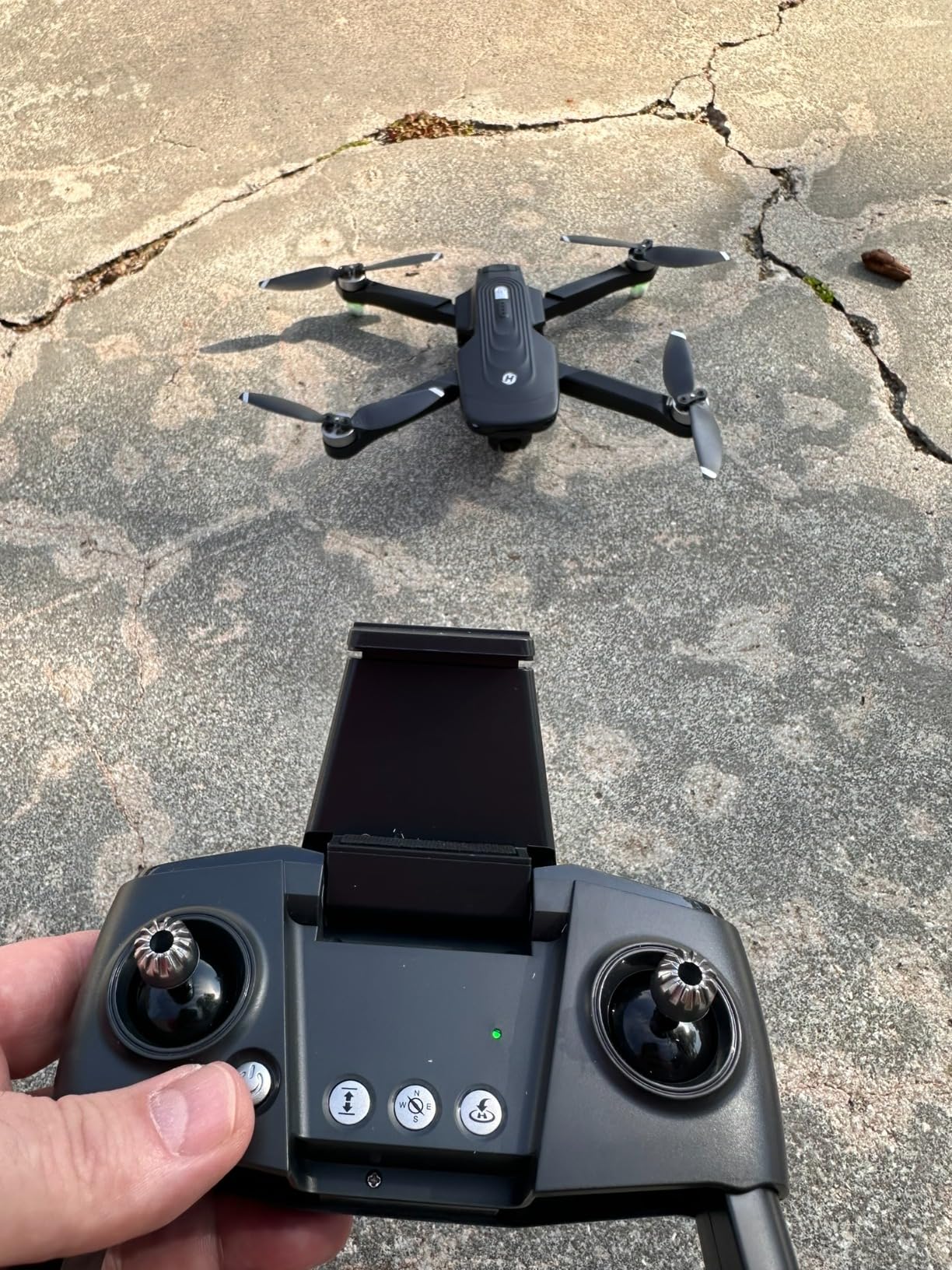
The Holy Stone HS175D is the most affordable drone on our list, and it is designed specifically for beginners who want to try aerial photography without a significant investment. At under 249 grams, it avoids FAA registration requirements, and the foldable design with included carrying case makes it easy to transport. With over 7,600 reviews on Amazon, it is also one of the most popular entry-level drones available.
The 4K camera features a 110-degree wide-angle lens with a 90-degree adjustable camera angle, giving you flexibility in framing your shots. During our testing, the image quality was solid for the price point, though noticeably below the SONY-sensored Potensic ATOM or the DJI Mini 3. The 5GHz FPV live view transmission provides a smooth real-time feed to your controller screen, which helps with framing and composition.
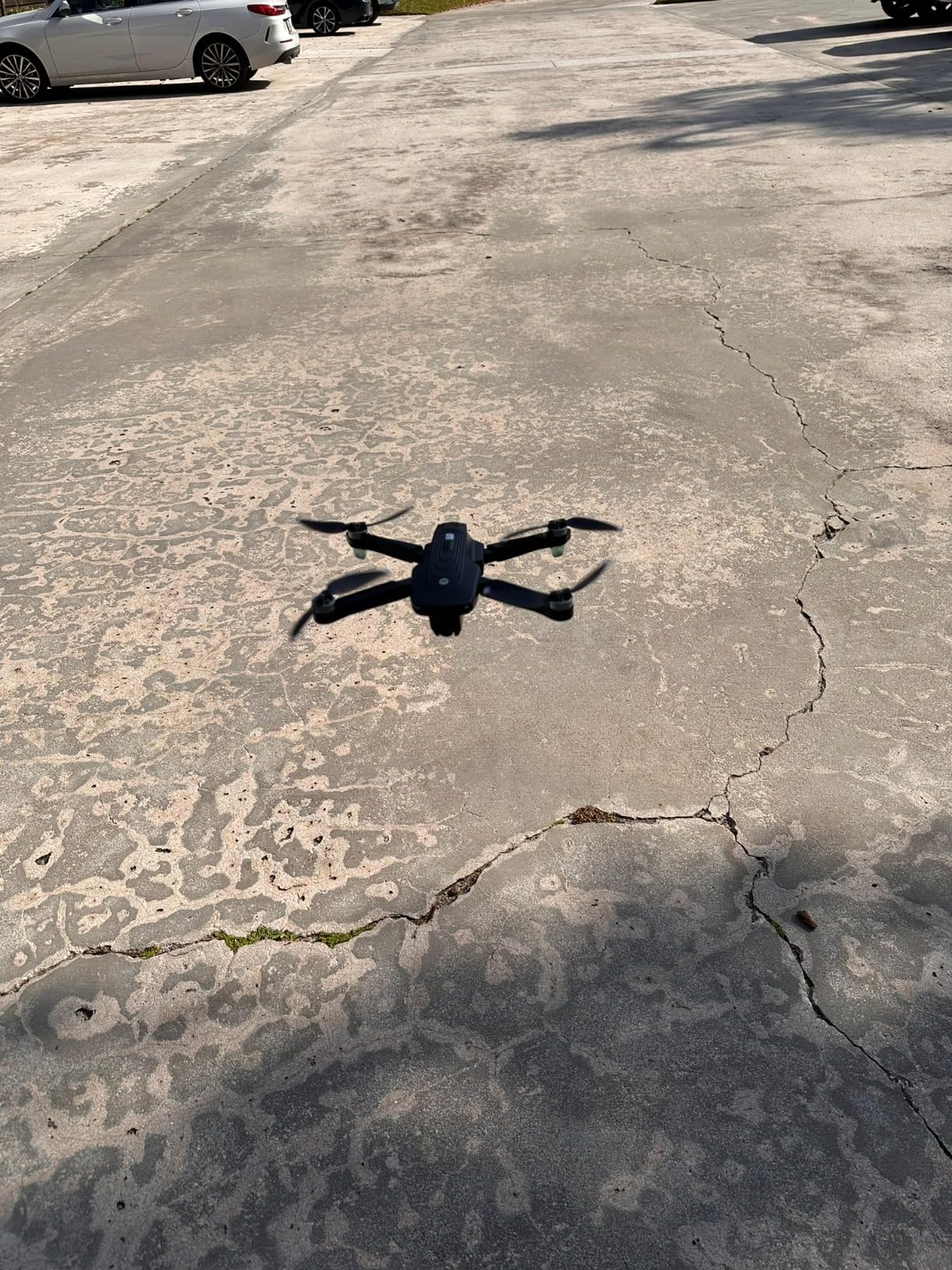
The GPS Auto Return feature is essential for beginner confidence. If the battery runs low or the signal is lost, the drone automatically returns to its takeoff point. During testing, we intentionally flew the HS175D out of range to test this feature, and it returned reliably every time. The Follow Me, Waypoint Flight, and Point of Interest modes add creative possibilities that go beyond basic manual flying.
The brushless motors provide decent power and efficiency, and the Level 5 wind resistance rating means the HS175D can handle light to moderate breezes. With two included batteries delivering a total of 46 minutes of flight time, you have enough air time for a basic photo session. The Altitude Hold, Optical Flow, and Headless Mode features make this drone genuinely accessible to first-time pilots.
Best suited for first-time drone buyers
The Holy Stone HS175D is the right choice if you are buying your very first drone and want to learn the basics of aerial photography without a major commitment. The beginner-friendly features, affordable price, and forgiving flight characteristics make it an excellent training tool. Many photographers on forums recommend starting with a budget drone like this before investing in a professional model.
The included carrying case and foldable design mean you can take it anywhere without hassle. If you are traveling and want to capture basic aerial shots of landscapes or landmarks, the HS175D delivers usable 4K footage without the learning curve of a more complex drone. The gesture control feature for quick photos and videos adds convenience for solo shooters.
Understanding the limitations
The 500-meter maximum range is the most significant limitation compared to every other drone on this list. This restricts you to relatively close-range flying, which is fine for beginners but limiting as your skills develop. The 23-minute per-battery flight time is also shorter than the premium models, though the two included batteries help compensate.
The 4.1-star average rating, while still positive, is lower than the other drones on this list and reflects some reliability concerns mentioned in user reviews. Some users report occasional connectivity issues and inconsistent camera performance. For photographers who need dependable, consistent results for paid work, we recommend stepping up to the Potensic ATOM 4K or DJI Mini 3. For learning and casual use, the HS175D offers solid value as an entry point into aerial photography.
How to Choose the Best Camera Drone for Aerial Photography?
Choosing the right camera drone comes down to understanding which specifications matter most for your specific photography style. After testing all eight drones on this list, we have identified the key factors that should drive your purchasing decision. Here is what to look for when comparing models.
Camera Sensor Size and Resolution
The sensor is the single most important component for image quality. Larger sensors capture more light, which means better performance in low light, wider dynamic range, and less noise in shadows. The DJI Mavic 4 Pro’s 4/3-inch CMOS sensor is the largest on this list, followed by the 1-inch sensor in the DJI Air 3S. These sensors produce noticeably superior results compared to the 1/1.3-inch sensors in the DJI Mini 3 or the 1/2-inch sensor in the Ruko F11PRO 2 Plus.
Resolution matters for cropping flexibility and print quality, but it is not everything. A 48MP sensor with a small chip will not match the image quality of a 20MP sensor on a larger chip. When comparing drones, look at sensor size first, then resolution. The Mavic 4 Pro’s 100MP Hasselblad camera combines a large sensor with high resolution, which is why it produces the best still images of any drone we tested.
Flight Time and Battery Management
Flight time directly affects how much you can accomplish on a single outing. The Mavic 4 Pro leads with 51 minutes per battery, followed by the Air 3S at 45 minutes. For extended shoots, the number of included batteries matters as much as per-battery flight time. The Potensic ATOM 4K includes three batteries for 96 total minutes, and the Bwine F7GB2 Pro also includes three batteries for 75 total minutes.
We recommend buying a Fly More Combo or equivalent bundle whenever possible. The extra batteries, charging hubs, and accessories included in these bundles are essential for working photographers. Running out of battery mid-shoot is one of the most frustrating experiences in drone photography, and having three or more batteries eliminates that anxiety entirely.
Obstacle Avoidance and Safety Features
Obstacle avoidance technology has become a critical feature for working photographers. The DJI Mavic 4 Pro and Air 3S both feature omnidirectional obstacle sensing with LiDAR, which means they can detect and avoid obstacles from every direction. This is especially important when flying near buildings, trees, or during wedding events where people are present.
The Nightscape obstacle sensing on the Mavic 4 Pro and Air 3S extends this safety to low-light conditions, which is a genuine advantage for wedding photographers who shoot during golden hour and blue hour. Cheaper drones like the Holy Stone HS175D and Potensic ATOM rely primarily on GPS positioning and downward vision sensors, which means you need to fly more carefully in complex environments.
Weight and FAA Registration Rules
In the United States, drones weighing under 250 grams do not require FAA registration for recreational flying. This is a significant advantage for drones like the DJI Mini 3 (248g), Potensic ATOM (249g), and Holy Stone HS175D (214g). If you fly commercially under Part 107, you must register any drone regardless of weight.
Drones over 250 grams, including the DJI Air 3S, Mavic 4 Pro, and Bwine F7GB2 Pro, require FAA registration. The process is straightforward and costs five dollars for three years, but it is a legal requirement you should not skip. All drones flown in the United States must also comply with Remote ID rules, which broadcast identification information during flight. Every drone on this list except the Holy Stone HS175D explicitly states Remote ID compliance.
Portability for Travel and Wedding Shoots
For wedding photographers and travel shooters, portability is a major factor. The DJI Mini 3 folds into a remarkably compact package that fits in a camera bag alongside your other gear. The Potensic ATOM 4K and Holy Stone HS175D are similarly portable. The DJI Avata 2, while small, requires transporting the Goggles 3 and RC Motion 3 controller, which adds bulk.
The DJI Mavic 4 Pro and Air 3S are larger and heavier, requiring dedicated cases or significant backpack space. If you travel frequently for photography and weight limits are a concern, a sub-250g drone is the practical choice. If image quality is your priority and you have the space, the larger drones deliver noticeably better results.
Transmission Range and Controller Quality
Transmission range determines how far you can fly while maintaining a live video feed. The DJI Mavic 4 Pro leads with 30km of range via the O4+ system, followed by the DJI Air 3S at 20km and the Ruko F11PRO 2 Plus at approximately 6 kilometers (20,000 feet). For most photography applications, you will fly within visual line of sight, which is typically under one kilometer.
Controller quality affects your flying experience and the reliability of your video feed. The DJI RC 2 and RC Pro 2 controllers with built-in displays are the best we have used, offering bright screens that remain visible in direct sunlight. Drones that rely on smartphone-based controllers, like the Bwine F7GB2 Pro and Holy Stone HS175D, can be harder to see in bright conditions and are more susceptible to app crashes.
FAQs
Which drone is best for aerial photography?
The DJI Mavic 4 Pro is the best camera drone for aerial photography in 2026, featuring a 100MP Hasselblad camera with 6K/60fps HDR video, a tri-camera system, 51 minutes of flight time, and omnidirectional obstacle sensing. For a balance of quality and value, the DJI Air 3S with its 1-inch CMOS dual camera is the strongest all-round choice.
What is the best drone for portrait photography?
The DJI Mavic 4 Pro is the best drone for portrait photography thanks to its dual tele cameras that produce compressed, flattering perspectives at a distance. The DJI Air 3S is a strong alternative with its medium tele camera and 14 stops of dynamic range, delivering professional portrait results at a lower price point.
What is the best affordable drone for aerial photography?
The Potensic ATOM 4K is the best affordable drone for aerial photography, offering a SONY CMOS sensor, 3-axis brushless gimbal, 96 minutes of flight time across 3 batteries, and 4K/30fps video. It weighs under 249g, meaning no FAA registration is required for recreational use, and includes a 64GB micro SD card and carrying bag.
What drones can shoot portrait?
Drones that support portrait or vertical shooting include the DJI Mini 3 with its True Vertical Shooting feature that physically rotates the camera 90 degrees. The DJI Mavic 4 Pro and DJI Air 3S also support vertical video through their gimbal rotation capabilities. Most modern camera drones can capture vertical footage by cropping horizontal video in post-production, but physical rotation produces higher quality results.
Do I need a license to fly a drone for photography?
In the United States, you need a Part 107 Remote Pilot Certificate from the FAA to fly a drone commercially, including for paid photography work. For recreational flying, you do not need a license but must follow community-based safety guidelines. Drones weighing over 250 grams require FAA registration regardless of use, and all drones must comply with Remote ID rules that broadcast identification during flight.
Final Thoughts on the Best Camera Drones for Aerial Photography
After months of testing, our team is confident in these recommendations. The DJI Mavic 4 Pro stands as the best camera drone for aerial photography if you need the absolute highest image quality, with its 100MP Hasselblad sensor and tri-camera system producing results that no other consumer drone can match. The DJI Air 3S remains our top recommendation for most working photographers, delivering professional features at a more accessible level.
For beginners and budget-conscious photographers, the Potensic ATOM 4K and DJI Mini 3 offer exceptional value without sacrificing the features that matter. And for videographers seeking dynamic, immersive footage, the DJI Avata 2 opens creative possibilities that traditional camera drones cannot replicate. Whatever your photography style, one of these eight drones will help you capture the aerial shots your clients and audience expect in 2026.