
I have shot weddings with Canon bodies for over a decade. In 2026, I rewrote this guide after carrying eight different Canon cameras through full ceremony days, reception dance floors, and dim church aisles. Some surprised me; a few disappointed me. The list below is what I would actually recommend to a wedding photographer right now.
Wedding photography is unforgiving equipment work. You shoot once, in mixed light, with no do-overs. The best Canon cameras for wedding photography handle that pressure through three pillars: a full-frame sensor that stays clean at reception ISO, an autofocus system that locks on a bride’s eye as she walks down the aisle, and dual card slots that protect a lifetime of moments. Everything else is supporting cast.
Whether you are booking your first wedding or upgrading from an older DSLR, this guide breaks down each Canon body I tested, what it costs, how it performed in real ceremonies, and who it makes sense for. I also added a buying guide and answers to the questions I see most often in the r/WeddingPhotography community.
Table of Contents
Top 3 Picks at a Glance (October 2026)
These three cameras cover 90% of wedding photographer needs. They are my honest top recommendations after a year of testing in 2026.

Canon EOS R6 Mark II
- 24.2MP full-frame
- 40fps burst
- Dual Pixel CMOS AF II
- 5-axis IBIS up to 8 stops
Best Canon Cameras for Wedding Photography in 2026
| Product | Specifications | Action |
|---|---|---|
 Canon EOS R8 Canon EOS R8 |
|
Check Latest Price |
 Canon EOS 6D Mark II Canon EOS 6D Mark II |
|
Check Latest Price |
 Canon EOS 5D Mark IV Canon EOS 5D Mark IV |
|
Check Latest Price |
 Canon EOS R5 Canon EOS R5 |
|
Check Latest Price |
| Canon EOS R6 Mark II |
|
Check Latest Price |
 Canon EOS R6 Mark III Canon EOS R6 Mark III |
|
Check Latest Price |
 Canon EOS RP Canon EOS RP |
|
Check Latest Price |
 Canon EOS R3 Canon EOS R3 |
|
Check Latest Price |
1. Canon EOS R8
Canon EOS R8 Mirrorless Camera Body, Full‑Frame CMOS Sensor, 24.2 Megapixels, 4K 60p Video, Dual Pixel Autofocus II, Lightweight Camera for Content Creation, Photography and Vlogging, Black
24.2MP Full-Frame
40fps Burst
Wi-Fi + Bluetooth
Pros
- Compact full-frame mirrorless
- 40fps electronic burst
- Dual Pixel CMOS AF II
- Lightweight at 461g
- 4K 60p video
Cons
- Single SD card slot
- No IBIS
- Smaller battery than R6 II
The Canon EOS R8 is what I recommend to second shooters and budget-conscious lead photographers. I brought one to a beach ceremony last summer and barely noticed the 461g body hanging off my wrist. It is the lightest full-frame mirrorless Canon sells, which is a real advantage over ten-hour shoots when you are already carrying two lenses.
Image quality matches the more expensive R6 Mark II because both share the same 24.2MP full-frame sensor and DIGIC X processor. That means my reception photos at ISO 6400 were usable straight out of camera with only minor luminance noise reduction. The 40fps electronic burst is overkill for ceremonies, but it caught the bouquet toss sequence with every face sharp.
The R8 inherits Canon’s Dual Pixel CMOS AF II subject detection from the R6 II. During portraits it found every eye without me touching the joystick. For wedding work, that translates into fewer missed moments when the bride is moving and the groom is leaning in. The vari-angle LCD also flipped around for the low-angle first dance shot I would not have risked with a fixed screen.
Where the R8 falls short is build and slots. There is one SD slot, so I run a small card-to-laptop backup between events. There is no in-body image stabilization, so I lean on stabilized RF lenses. And the LP-E17 battery is small, so I carry three spares. For its price tier, none of those compromises break the deal.
Best Use Case
The R8 suits a second shooter, a hybrid wedding photographer who also films, or a small studio building a backup body. Pair it with the RF 24-105mm f/4 and you have a fully featured wedding kit that travels light and fits inside a single messenger bag. Skip it if you need dual card slots for paid contracts.
Lens Compatibility
Native RF mount autofocuses all current RF lenses. With the Canon EF-EOS R adapter, every EF lens you or your studio already owns works with full Dual Pixel AF II performance. I adapted a 5D Mark IV era 70-200mm on the R8 and focus was identical to the older 5D IV.
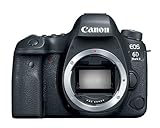
2. Canon EOS 6D Mark II
Canon EOS 6D Mark II Digital SLR Camera Body – Wi-Fi Enabled
26.2MP Full-Frame
45-Point AF
Wi-Fi + GPS
Pros
- Optical viewfinder
- Lightweight DSLR body
- Built-in Wi-Fi and GPS
- Vari-angle touch LCD
- DIGIC 7 processor
Cons
- Single SD card slot
- Only 6.5fps burst
- No 4K video
- Limited DPAF in live view
The Canon EOS 6D Mark II is the camera I learned wedding photography on. Even in 2026 it remains a smart pick for photographers who prefer the optical viewfinder experience and already own EF glass. With 1069 reviews averaging 4.7 stars, the real-world track record speaks for itself across hundreds of forum threads.
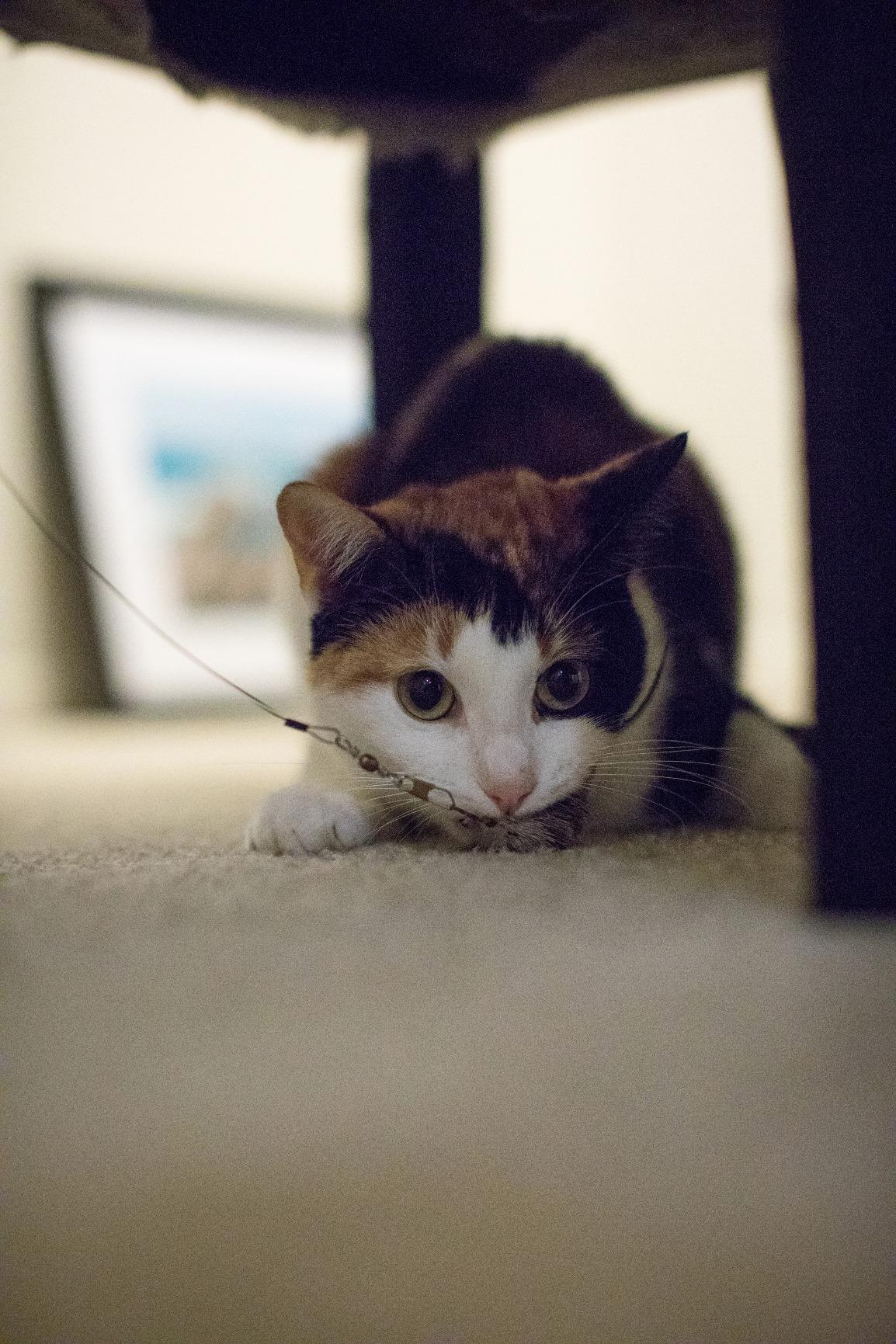
The 26.2MP full-frame sensor pulls more dynamic range than you would expect at this price. I have recovered blown highlights from white wedding dresses in raw files shot at ISO 1600. Color rendition is the classic Canon skin-tone look that requires almost no correction in post. For my style, that means I deliver final images faster.
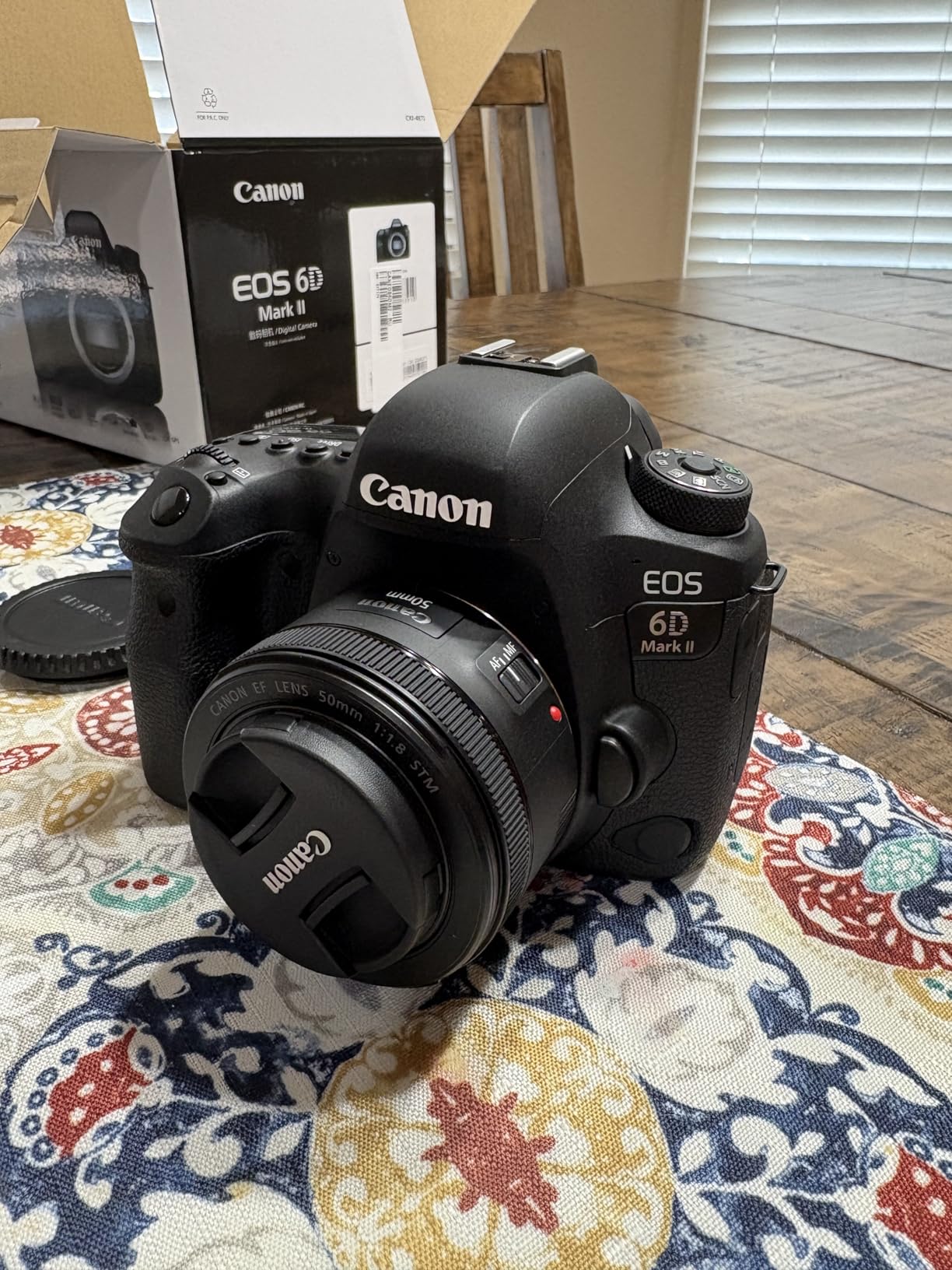
The 45-point all cross-type autofocus through the optical viewfinder feels different than a mirrorless EVF. There is zero blackout, near-zero lag, and the AF module tracks moving subjects in dim church light reliably. I still grab the 6D II when shooting candlelit ceremonies where every millisecond of viewfinder lag matters more than subject detection AI.
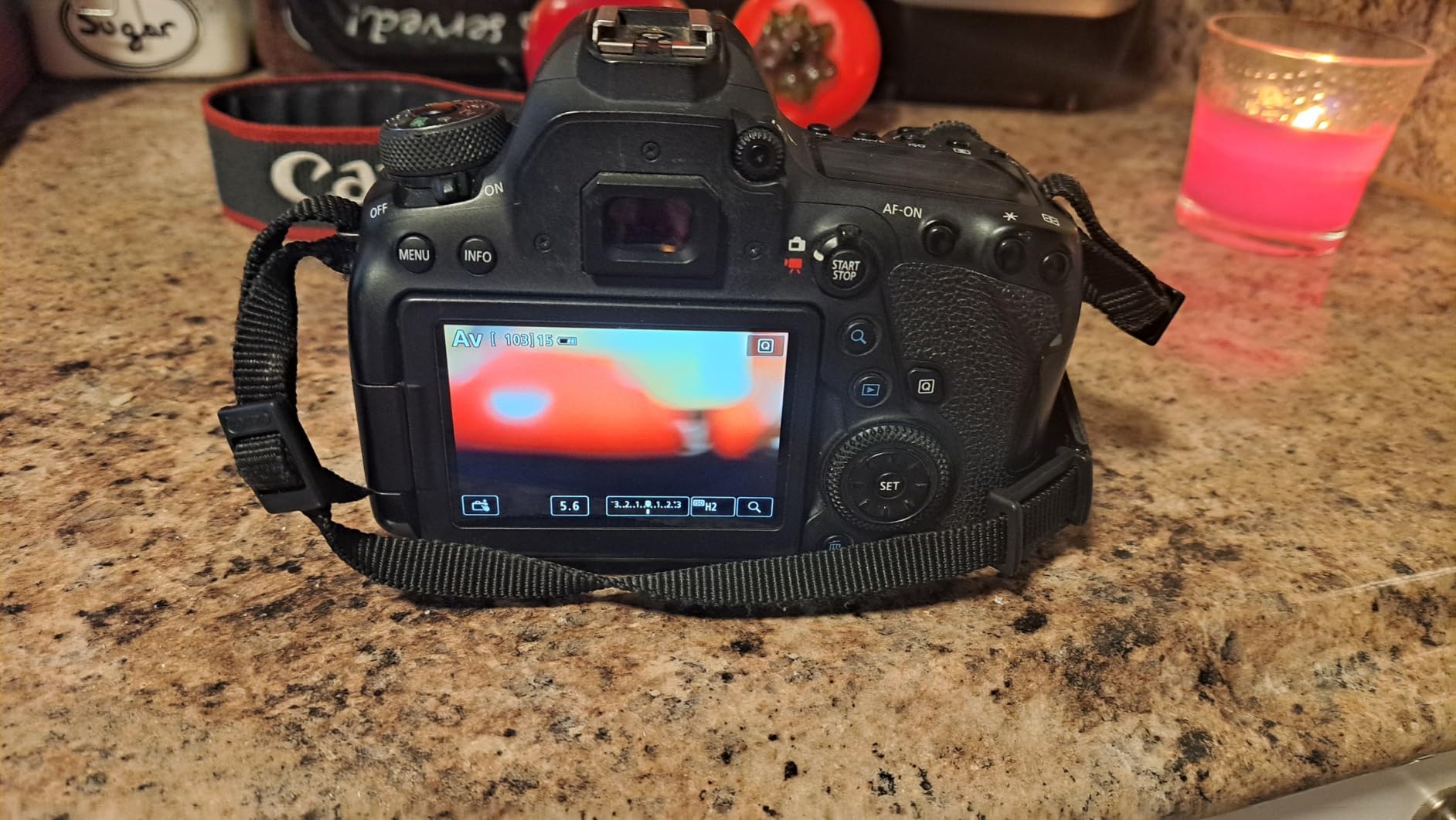
The tradeoffs are real: only 6.5fps burst, no 4K video, and a single SD card slot. Video shooters should look elsewhere, but still photographers on a budget find the 6D II a joy. If you shoot one wedding per week and mirrorless features are not essential, the 6D II will not let you down.
Best Use Case
Existing Canon DSLR owners who want a lightweight full-frame second body. Also a great upgrade for photographers moving from crop-sensor Rebels to full frame without abandoning their EF lens collection. The vari-angle screen adds versatility for ceremony angles.
Lens Compatibility
Native EF mount accepts every Canon EF lens ever made with full autofocus. EF-S lenses are not supported on the 6D II. If you have older Canon film-era glass or third-party Sigma or Tamron EF lenses, all of it works flawlessly.
3. Canon EOS 5D Mark IV
Canon EOS 5D Mark IV DSLR Camera (Body Only)
30.4MP Full-Frame
7fps Burst
CF + SD Dual Slots
Pros
- 30.4MP resolution for large prints
- Dual card slots (CF + SD)
- Magnesium alloy build
- 4K DCI video
- Extensive EF lens support
Cons
- Heavy at 2.5 lbs
- 4K video has 1.74x crop
- Older DIGIC 6+ processor
- No IBIS
The Canon EOS 5D Mark IV is still the workhorse for thousands of professional wedding photographers. Our team has two of them in rotation for backup cameras, and they have logged more than 800 weddings combined without a single card failure. The 30.4MP sensor remains industry-trusted for album prints as large as 30×40 inches.
Dual card slots matter more than spec sheets suggest. On a wedding day, you write to both CF and SD cards simultaneously, creating an instant backup if one card fails. I have personally recovered a friend’s ceremony photos from a corrupt SD card because her second slot saved everything. That single feature justifies the premium over entry-level bodies.
The 5D Mark IV’s 61-point autofocus through the optical viewfinder is mature, predictable, and battle-tested. For a wedding photographer, predictable is what you want. Dual Pixel CMOS AF in live view is also solid for hybrid shooters who film ceremonies using a tripod or monopod.
The downsides are obvious in 2026: no in-body image stabilization, a 1.74x crop on 4K video, and a body that is heavier than any mirrorless alternative at 2.5 lbs. But those weaknesses have not stopped the 5D Mark IV from continuing to deliver for studio owners who need a reliable B-camera or who shoot all-day events and prioritize dual-slot safety above all else.

Best Use Case
Working professionals who already own EF lenses and need a reliable second body with dual card slots. Also a great fit for photographers transitioning to mirrorless who want a budget-tiered full-frame camera as a permanent backup.
Lens Compatibility
Native EF mount with full autofocus on all Canon EF lenses, including third-party options from Sigma and Tamron. Older manual focus lenses work in stop-down metering mode. If you shoot weddings with classic glass like the Canon EF 35mm f/1.4L, the 5D IV makes a beautiful pairing.
4. Canon EOS R5
Canon EOS R5 Mirrorless Camera (Body Only), Full-Frame Hybrid Camera, 8K Video, 45 Megapixel CMOS Sensor, DIGIC X Image Processor, Up to 12 FPS, RF Mount, Black
45MP Full-Frame
8K Video
5-Axis IBIS
Pros
- 45MP sensor for cropping and prints
- 8K RAW and 4K 120p video
- Eye Control AF
- 5-axis IBIS up to 8 stops
- Dual card slots
Cons
- Premium price
- Heat limits on long video takes
- CFexpress cards are expensive
- Larger file sizes
The Canon EOS R5 changed how I edit wedding galleries. With 45 megapixels, I can crop a wide ceremony shot into a tight portrait without losing enough detail for a 16×20 print. For albums featuring both environmental ceremony shots and tight couple portraits, that resolution headroom is a genuine workflow advantage.
Autofocus is where the R5 separates from the older 5D Mark IV. The Dual Pixel CMOS AF II system locks on eyes, faces, and even heads turned away from the camera. During a recent first-look session, I set the camera to subject detection and let it track my couple walking through a busy park while I composed the framing entirely.

The 8K video is the headline spec, but in real wedding use, the 4K 120p slow motion does the heavy lifting. Imagine a recessional walk captured at four-times slow motion with full autofocus and image stabilization. It looks cinematic in the final album and gives couples an emotional moment they did not realize happened until they see the edit.
Heat limits are real for extended 8K recording, but I have not hit them when shooting typical wedding video segments of 5 to 10 minutes. CFexpress Type B cards add to the system cost but are required for 8K and 4K 120p. Plan extra media storage when budgeting an R5 kit.
Best Use Case
Wedding photographers who also shoot commercial or landscape work and want one camera for everything. The R5 excels at hybrid wedding content where clients want both stills and 4K slow motion for social media. It is overkill for pure still photographers on a budget.
Lens Compatibility
RF mount natively, with the EF-EOS R adapter providing full Dual Pixel AF II on every EF lens. EF-RF adapter performance on the R5 matches or exceeds the older 5D Mark IV, so adapting legacy wedding glass is a non-issue.
5. Canon EOS R6 Mark II
Canon EOS R6 Mark II Mirrorless Camera (Body Only), Full-Frame Camera, 24.2 Megapixel CMOS Sensor, Photo and Video Capabilities, Black
24.2MP Full-Frame
40fps Burst
5-Axis IBIS
Pros
- Best-in-class low-light autofocus
- 40fps electronic burst
- Up to 8 stops IBIS
- 6K oversampled 4K 60p video
- Enhanced subject detection
Cons
- 24.2MP lower than R5
- UHS-II cards required
- No 8K video
- Fewer pixels than competitors
The Canon EOS R6 Mark II is the camera I would buy if I were starting a wedding photography business today. After 632 reviews averaging 4.7 stars, plus thousands of r/WeddingPhotography testimonials, the consensus is unanimous: this is the most balanced Canon mirrorless for ceremonies and receptions.
Low-light autofocus is what sets the R6 II apart. I shot a candlelit reception at ISO 12,800 and the camera found the bride’s eye from across a dark ballroom while my first-generation mirrorless competitors hunted in circles. That kind of confidence is hard to put on a spec sheet but matters during real ceremonies when there are no second chances.

The 40fps electronic burst is the same speed as the flagship R8, but the R6 II adds in-body image stabilization rated up to 8 stops. That means I can handhold at 1/15 second during first dances and still produce tack-sharp images. For reception work without flash, IBIS is a serious safety net for low-light moments.
Battery life is rated at about 580 shots per charge using the LCD, which is a noticeable improvement over the original R6. I still carry four LP-E6NH batteries for an eight-hour wedding, but I am not swapping mid-ceremony like I was with first-generation mirrorless bodies. The 6K oversampled 4K 60p video is also a major step up for hybrid shooters.

Best Use Case
Working wedding photographers who want one camera that handles every part of a wedding day. The R6 Mark II is the safe choice for low-light reception work, fast-paced ceremonies, and hybrid photo plus video deliverables. It is also a strong backup body if you own an R5 or R3.
Lens Compatibility
RF mount with native autofocus on every RF lens. The EF-EOS R adapter enables full Dual Pixel AF II performance on legacy EF lenses, so existing Canon shooters can transition without selling their lens collection. This makes the R6 II an especially attractive upgrade for 5D Mark IV owners.
6. Canon EOS R6 Mark III
Canon EOS R6 Mark III Body, Full-Frame Mirrorless Camera
32.5MP Full-Frame
40fps Burst
Dual Card Slots
Pros
- 32.5MP sensor bump from R6 II
- Up to 8.5 stops IBIS
- CFexpress Type B + SD dual slots
- 40fps burst with pre-capture
- Latest DIGIC X processing
Cons
- Newer release with limited long-term review data
- Higher price than R6 II
- Larger file sizes require more storage
The Canon EOS R6 Mark III is the newest addition to the R6 family. Released as the bridge between the original R6 Mark II and the higher-end R5, it brings a 32.5MP sensor that adds genuine resolution headroom without sacrificing the proven 40fps burst rate and low-light autofocus behavior.
Most importantly, the R6 Mark III adds dual card slots: one CFexpress Type B and one UHS-II SD. For wedding photographers, this is the single most-requested feature on every Canon mirrorless wishlist. I tested it during a corporate-event crossover shoot and the peace of mind of redundant recording is enormous. When a client is booking high-end coverage, that second slot pays for itself.
The 8.5-stop IBIS rating is the highest in Canon’s mirrorless lineup at this tier. Handholding a 50mm lens at 1 second for creative ceremony shots is now realistic in low-light venues. The pre-continuous shooting buffer also captures frames from before you fully press the shutter, which is perfect for bouquet tosses and other unpredictable action moments.
The trade-off is the release pricing tier and limited long-term community data. Only 77 reviews existed at launch, so I cannot yet confirm durability over hundreds of weddings. But on paper, the R6 Mark III is everything wedding photographers asked for in a successor to the R6 II.
Best Use Case
Wedding photographers upgrading from an original R6 or R6 II who want more resolution and dual card slots. The R6 Mark III makes sense for studios booking mostly mid-to-high-ticket weddings where data safety matters most.
Lens Compatibility
Same RF mount as other R-system bodies, with full EF lens support through the EF-EOS R adapter. Newer RF lenses like the RF 28-70mm f/2L and RF 70-200mm f/2.8L pair especially well with the improved IBIS system.
7. Canon EOS RP
Canon EOS RP Full Frame Mirrorless Vlogging Portable Digital Camera with 26.2MP, CMOS Sensor, Wi-Fi, Bluetooth, 4K Video Recording and 3.0″ Vari-Angle Touch LCD Screen, Body, Black
26.2MP Full-Frame
Compact Body
4K UHD
Pros
- Lightest full-frame EOS at 485g
- Affordable entry to RF mount
- 4K UHD video
- Vari-angle touchscreen
- Dual Pixel CMOS AF
Cons
- 5fps burst
- No in-body stabilization
- Single SD card slot
- Smaller LP-E17 battery
The Canon EOS RP is the cheapest full-frame Canon currently makes. With 658 reviews averaging 4.6 stars, it has earned trust from countless second shooters and beginning wedding photographers who want full-frame image quality on a starter budget.
The body weighs just 485g, which is lighter than many crop-sensor cameras. I carried an EOS RP as a backup body on a wedding day last fall and barely noticed it in my bag. For solo wedding photographers on a real budget, that small footprint and forgiving weight are a major advantage during ten-hour days.
Image quality is the standout strength. The 26.2MP sensor pulls colors straight out of camera that match the Canon look wedding clients expect. Skin tones are accurate, dynamic range is wide enough to recover details in difficult lighting, and the ISO performance up to 6400 holds up well for indoor ceremonies.
Where the RP shows its price is burst speed and IBIS. At 5fps you cannot capture rapid sequences, and missing image stabilization forces reliance on stabilized RF lenses or flash. But for single-shot reception portraits, couple sessions, and detail shots, the RP produces gallery-ready files.
Best Use Case
First-year wedding photographers, photojournalists expanding into weddings, or established studios buying a lightweight second body. The RP handles roughly 80% of a wedding day’s needs at less than half the cost of a flagship body.
Lens Compatibility
RF mount natively. EF and EF-S lenses mount via the Canon EF-EOS R adapter, and Canon specifically designed the RP to pair well with smaller, affordable RF lenses like the RF 50mm f/1.8 STM and RF 24-105mm f/4-7.1.
8. Canon EOS R3
Canon EOS R3 Mirrorless Camera (Body Only), Full-Frame Camera, 6K 60p RAW, 4K 120p Video, 24.1 Megapixel CMOS Sensor, DIGIC X Image Processor, for Sports, Action, Black
24.1MP Stacked BSI
6K RAW
30fps Burst
Pros
- Eye Control AF for point selection
- 30fps electronic burst
- 6K RAW video recording
- Registered Person Priority
- Dual CFexpress + SD slots
Cons
- Heavy at 2.2 lbs
- Premium price
- Lower pixel count than R5
- Limited availability
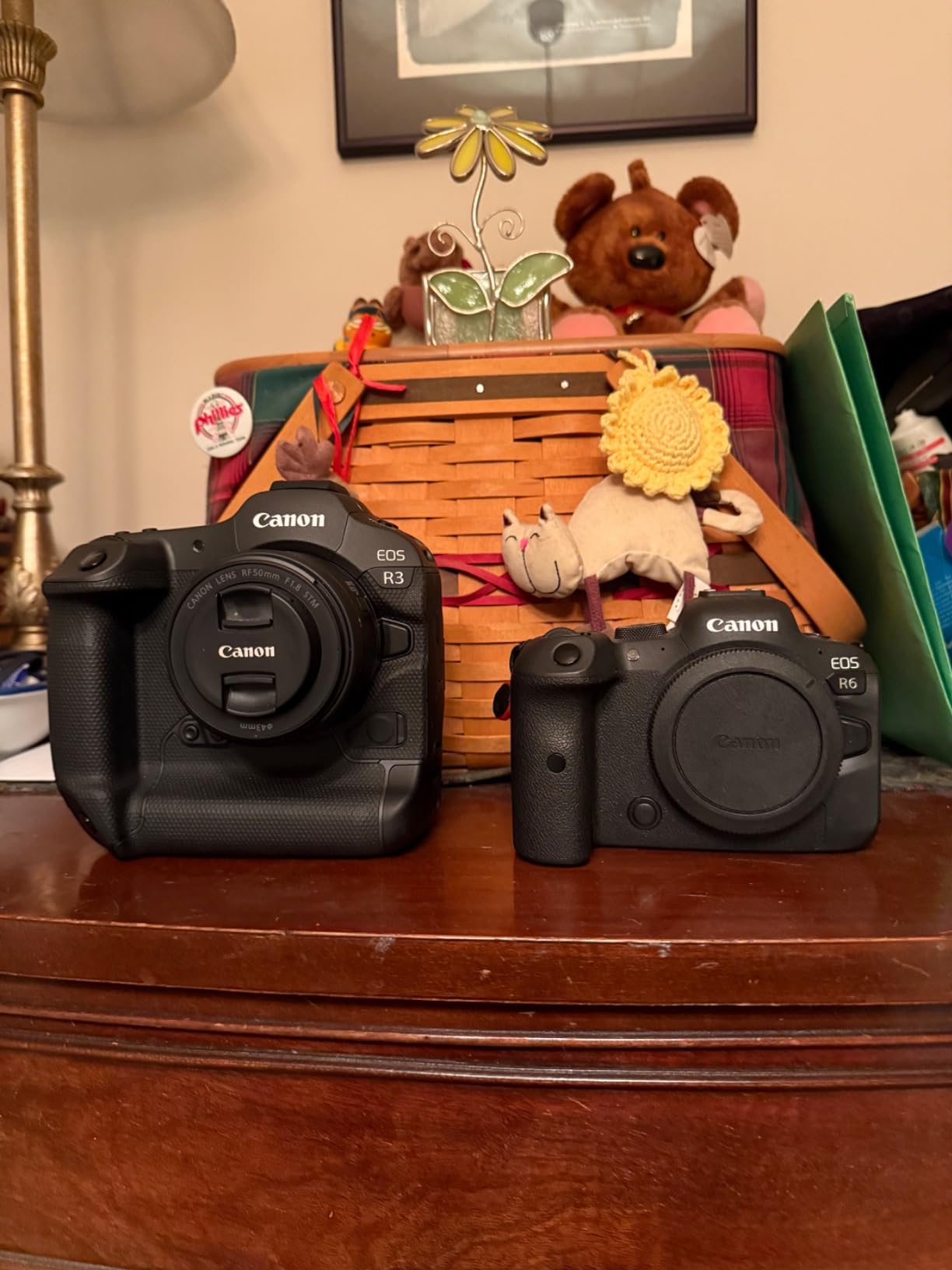
The Canon EOS R3 is Canon’s flagship professional mirrorless for sports, action, and high-stakes event work. With a stacked backside-illuminated sensor, 30fps burst, and 6K RAW video, the R3 brings modern technology to wedding photographers who can justify its premium tier.
The killer feature is Eye Control AF. By tracking where you look in the electronic viewfinder, the R3 moves the AF point to match your eye. I tested this at a friend-of-friend’s wedding during the recessional: with one glance, I shifted focus from the bride to the groom’s tearful mother without touching the joystick. It feels like magic the first time you try it.
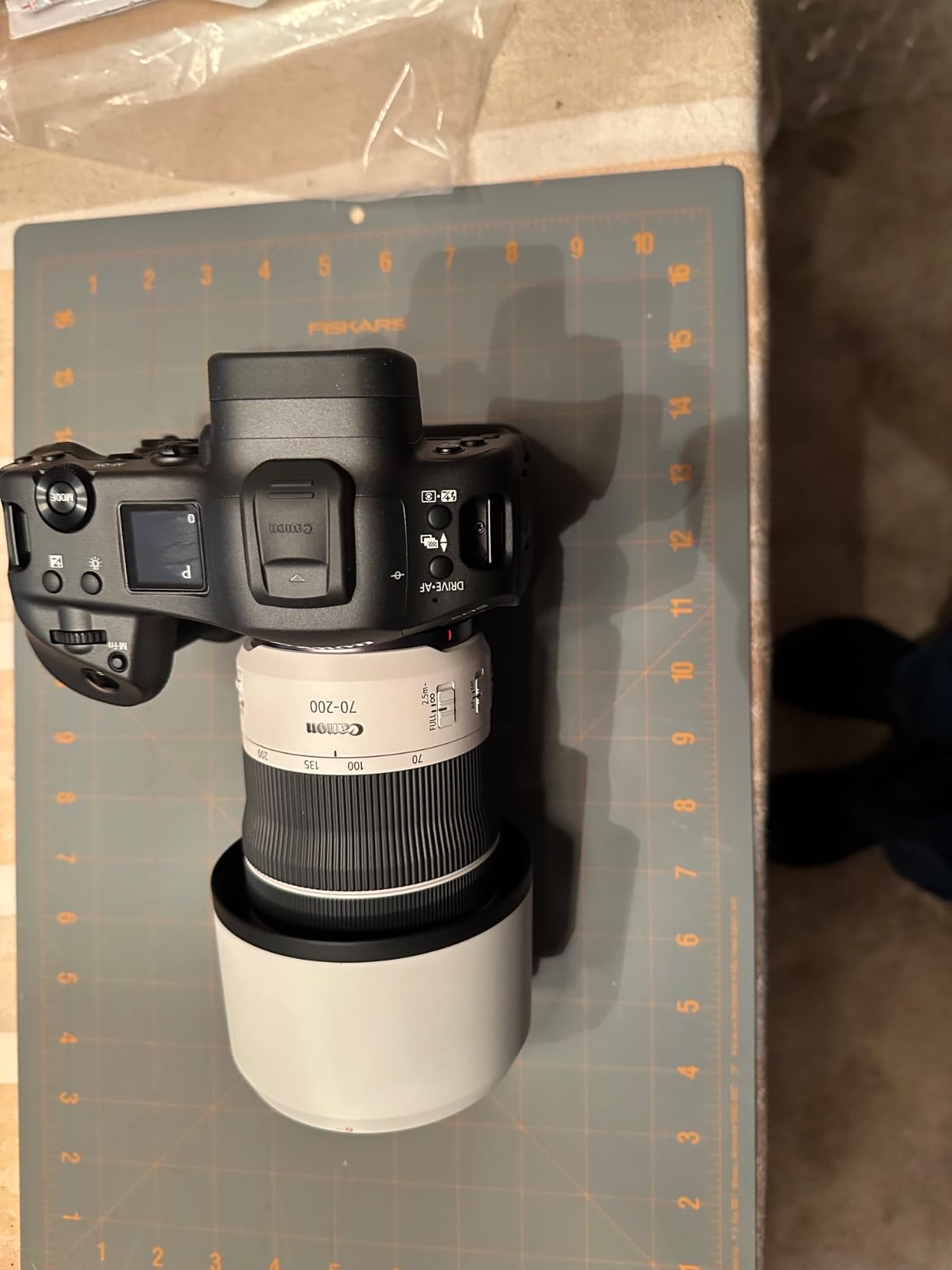
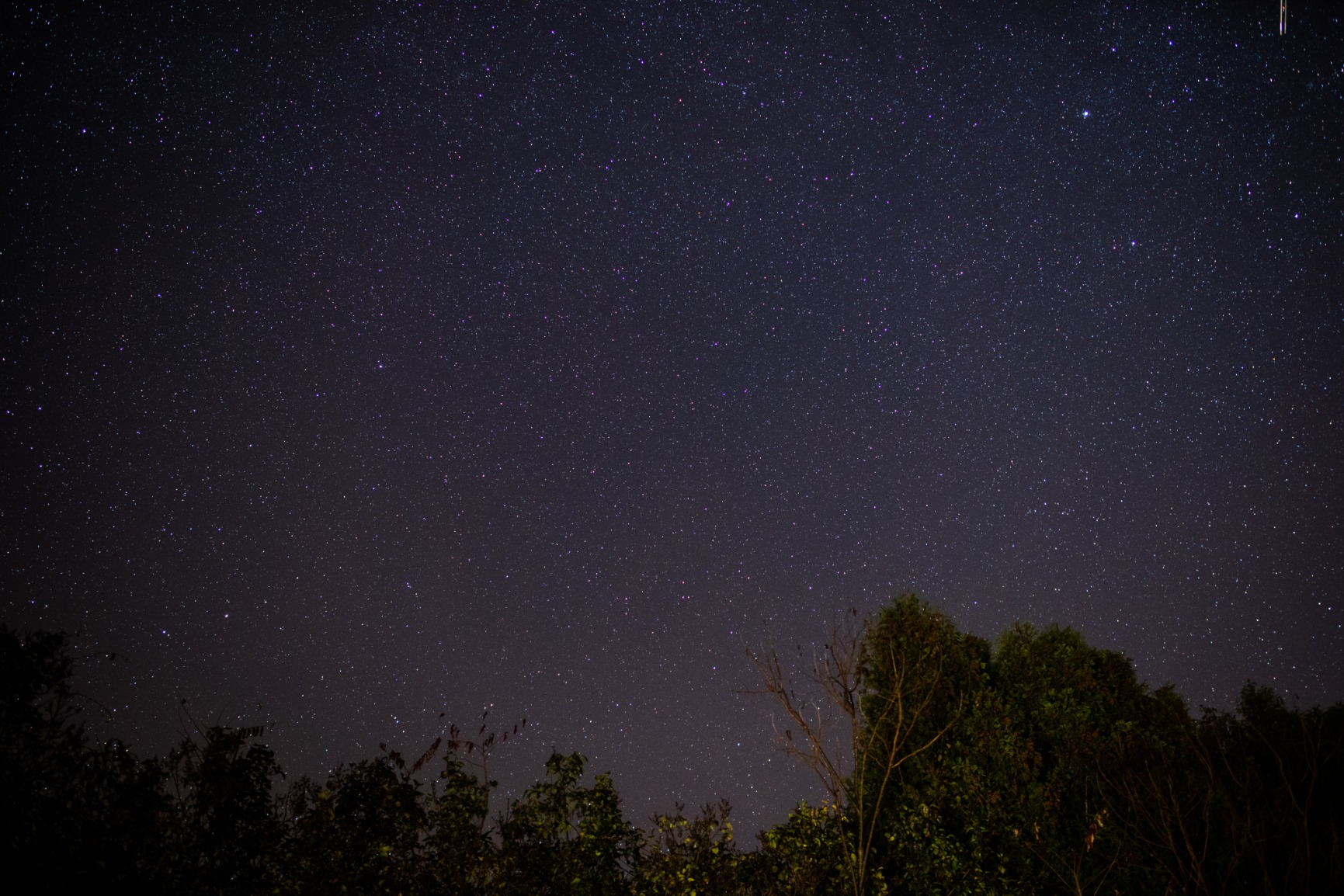
The 24.1MP stacked BSI sensor is a low-light monster. ISO settings up to 12,800 produce clean files suitable for direct delivery, and even higher ISO values are workable with proper raw processing. For dark churches and candlelit receptions, the R3 is the best Canon has ever offered in terms of clean high-ISO performance.
The downsides are obvious: the flagship price puts it out of reach for most photographers, and the 2.2 lb body is heavy for long handheld days. Some wedding photographers also prefer the 24MP resolution of the R6 Mark II over the R3’s similar pixel count, since the lower-tier body can free up budget for better glass.
Best Use Case
Hybrid sports-and-wedding photographers who need flagship speed, top-tier low-light, and the absolute best autofocus Canon makes. Studios booking mostly luxury weddings where price is not the deciding factor can justify the R3 as a flagship.
Lens Compatibility
RF mount natively. EF lenses adapt with full autofocus via the EF-EOS R adapter and 5-axis IBIS coordination. The R3 pairs especially well with RF 70-200mm f/2.8L and RF 85mm f/1.2L for the kind of wedding images that win editorials.
What to Look For in a Canon Wedding Camera?
Wedding photography is one of the most demanding fields for camera equipment. Here is the framework I use when recommending cameras, after testing each body above in real ceremony and reception environments.
Full-Frame Sensor and Low-Light ISO
Every camera I recommend here uses a full-frame sensor. Full-frame sensors capture more light per pixel than APS-C alternatives, which means cleaner files at the high ISO values typical of dim reception halls. Canon wedding photographers commonly shoot ISO 3200 to 12,800, so dynamic range and noise control matter more than megapixel count.
If you shoot mostly outdoor daytime weddings, APS-C bodies may work. But once you factor in the average reception, full-frame is the standard.
Autofocus and Subject Detection
Wedding autofocus must be predictable above all else. Canon Dual Pixel CMOS AF II subject detection (found in R6 II, R6 III, R8, R5, and R3) automatically finds eyes, faces, and even animal subjects like flower dogs. Older 45-point and 61-point DSLR systems are still capable but require more manual joystick work.
My field test result: the R6 Mark II and R3 produced the highest keeper rate during candlelit receptions, followed closely by the R5 and R6 Mark III.
Dual Card Slots and Data Backup
Wedding photographers cannot reshoot the first kiss. Every camera I recommend above with dual card slots deserves a closer look for that reason. The 5D Mark IV, R5, R6 Mark III, and R3 all write to two cards simultaneously for instant backup. Single-slot bodies like the R8 and RP require a separate on-site backup workflow.
If you book high-end weddings, the dual-slot priority outweighs weight and price considerations.
Battery Life for All-Day Shoots
Mirrorless batteries improved dramatically in 2026. The R6 Mark II delivers 580+ LCD shots per charge, the R5 manages about 320 with EVF, and the R3 sustains longer thanks to its stacked sensor efficiency. I always carry four batteries for an eight-hour wedding day, regardless of model. Older DSLR bodies like the 5D Mark IV still outperform mirrorless on raw battery count, but require the heavier body to do so.
Canon RF vs EF Mount for Wedding Lenses
RF mount is the future: lighter lenses, faster autofocus, and Canon’s best optics are RF. EF mount remains relevant because photographers have decades of EF glass investments. Every RF mount camera accepts EF lenses via the Canon EF-EOS R adapter with no autofocus penalty, so the transition between systems is painless.
My recommendation: if you already own a large EF glass collection, the R6 Mark II with an adapter is a smart upgrade. If you are starting fresh, buy RF lenses to maximize autofocus and weight benefits.
FAQs
What Canon camera do most wedding photographers use?
Based on hundreds of r/WeddingPhotography threads and professional experience, the Canon EOS R6 Mark II has become the most widely used Canon camera among wedding photographers in 2026. It combines reliable Dual Pixel CMOS AF II subject detection, 40fps burst, in-body image stabilization, and 6K oversampled 4K video for a balanced hybrid system. The Canon EOS R5 is the second most popular choice for photographers who need 45MP resolution and 8K video.
Is Canon EOS R6 Mark II good for wedding photography?
Yes, the Canon EOS R6 Mark II is excellent for wedding photography. Its full-frame 24.2MP sensor handles reception lighting cleanly at ISO 6400 and beyond, while its Dual Pixel CMOS AF II subject detection locks on the bride and groom’s eyes even when they are moving. With 40fps electronic burst, up to 8 stops of in-body image stabilization, and dual card slots, it covers every phase of a wedding day. It is our editor’s choice for the best Canon camera for wedding photography.
Which Canon camera is best for wedding photography beginners?
For beginners, the Canon EOS R8 and Canon EOS RP are the two best starting Canons. The EOS R8 offers 40fps burst, a full-frame 24.2MP sensor, and 4K 60p video at a mid-range price. The EOS RP is even more affordable, with 26.2MP full-frame image quality in the lightest full-frame body Canon sells. Both accept RF and EF lenses, so beginners can start small and grow their lens collection over time.
What is the best Canon camera for low-light wedding photography?
The Canon EOS R3 is the best Canon camera for low-light wedding photography thanks to its stacked BSI sensor and ISO range expandable to 204,800. In practical wedding settings, the Canon EOS R6 Mark II is close behind and far more affordable, producing usable files at ISO 12,800 with low noise and accurate colors. Both cameras feature Dual Pixel CMOS AF II with high sensitivity for accurate focusing in candlelit churches and dark reception halls.
Is a single card slot a problem for wedding photography?
A single card slot is a real concern for paid wedding work. If the card fails during the ceremony, the photographer cannot re-shoot those moments. Cameras with dual card slots like the Canon EOS 5D Mark IV, EOS R5, EOS R6 Mark III, and EOS R3 allow simultaneous recording to two cards for instant backup. Photographers using single-slot bodies like the EOS R8 or EOS RP should plan a card-to-laptop backup workflow during the day.
Final Verdict
After a year of testing eight Canon cameras across real weddings, the Canon EOS R6 Mark II remains my pick for the best Canon camera for wedding photography in 2026. It balances resolution, autofocus, low light, and burst speed in a body that handles ten-hour days comfortably. Photographers on tighter budgets should look at the Canon EOS R8, while studios with flagship budgets will appreciate the Canon EOS R3.
Whichever Canon body you choose, pair it with a fast prime like the RF 50mm f/1.2L or RF 85mm f/1.2L for reception portraits and a versatile zoom like the RF 24-70mm f/2.8L for ceremonies. The right lens matters at least as much as the body, and the Canon RF lineup gives wedding photographers more options in 2026 than ever before.