
Weddings happen exactly once, and there is no reshoot button. Out of every gear decision a wedding photographer makes, the memory card sitting inside the camera is the one component that can erase an entire day of irreplaceable images in a single failure. That is why I have spent years obsessing over card reliability, and why the best CFexpress cards for wedding photographers deserve serious thought before the next wedding season.
CFexpress cards use a PCIe interface, which is the same technology inside modern computer SSDs. That gives them write speeds measured in thousands of megabytes per second rather than the hundreds you get from even fast SD cards. For wedding photographers, this means faster buffer clearing during the kiss shot, smoother 4K and 8K video during the ceremony, and a card interface built for the high-resolution RAW files modern mirrorless cameras produce.
Our team compared eight CFexpress cards currently used by working wedding photographers, weighing sustained write speeds, real-world reliability, durability ratings, warranty coverage, and value per gigabyte. The list below covers everything from budget-friendly backup cards to premium 1TB workhorses, so you can match the right card to your camera body, shooting style, and budget without rolling the dice on wedding day.
Table of Contents
Top 3 CFexpress Cards for Wedding Photographers (October 2026)
These three picks rise to the top for wedding photography because they each solve a different problem photographers face during a 10-hour wedding day. One is the all-round pro workhorse, one is the best bang-for-buck option for building out a card rotation, and one is the massive-capacity solution for shooters who never want to swap cards mid-ceremony.

SanDisk Extreme PRO 256GB CFexpress Type B
- 1700MB/s Read
- 1200MB/s Write
- Lifetime Warranty
- XQD Compatible

Lexar Professional 128GB CFexpress Type B…
- 1750MB/s Read
- 1300MB/s Write
- 10-Year Warranty
- 8K Video

Lexar Professional 1TB CFexpress Type B…
- 3600MB/s Read
- 3000MB/s Write
- 1TB Capacity
- Lifetime Warranty
The SanDisk Extreme PRO 256GB earns the editor’s choice spot because it pairs proven reliability with a lifetime warranty and 5,170 verified reviews from photographers who have actually shot weddings with it. The Lexar 128GB Silver is the best value for shooters building a multi-card rotation on a working photographer’s budget. And the Lexar 1TB Silver 4.0 is the premium pick for those who want to shoot an entire wedding without ever pulling a card.
Best CFexpress Cards for Wedding Photographers in 2026
This comparison table lays out all eight cards side by side so you can scan speeds, capacities, and warranty coverage in seconds. Use it to shortlist before reading the individual reviews below.
| Product | Specifications | Action |
|---|---|---|
| SanDisk Extreme PRO 256GB CFexpress Type B |
|
Check Latest Price |
| Lexar Professional 128GB CFexpress Type B Silver |
|
Check Latest Price |
 ProGrade Digital 512GB CFexpress 4.0 Type B Gold ProGrade Digital 512GB CFexpress 4.0 Type B Gold |
|
Check Latest Price |
 Nextorage 512GB CFexpress 4.0 Type B Nextorage 512GB CFexpress 4.0 Type B |
|
Check Latest Price |
 Kodak 128GB CFexpress Type B Kodak 128GB CFexpress Type B |
|
Check Latest Price |
 PERGEAR 512GB CFexpress 4.0 Type B Master PERGEAR 512GB CFexpress 4.0 Type B Master |
|
Check Latest Price |
| Lexar Professional 1TB CFexpress Type B Silver 4.0 |
|
Check Latest Price |
 Angelbird AV PRO SE 512GB CFexpress B v4 Angelbird AV PRO SE 512GB CFexpress B v4 |
|
Check Latest Price |
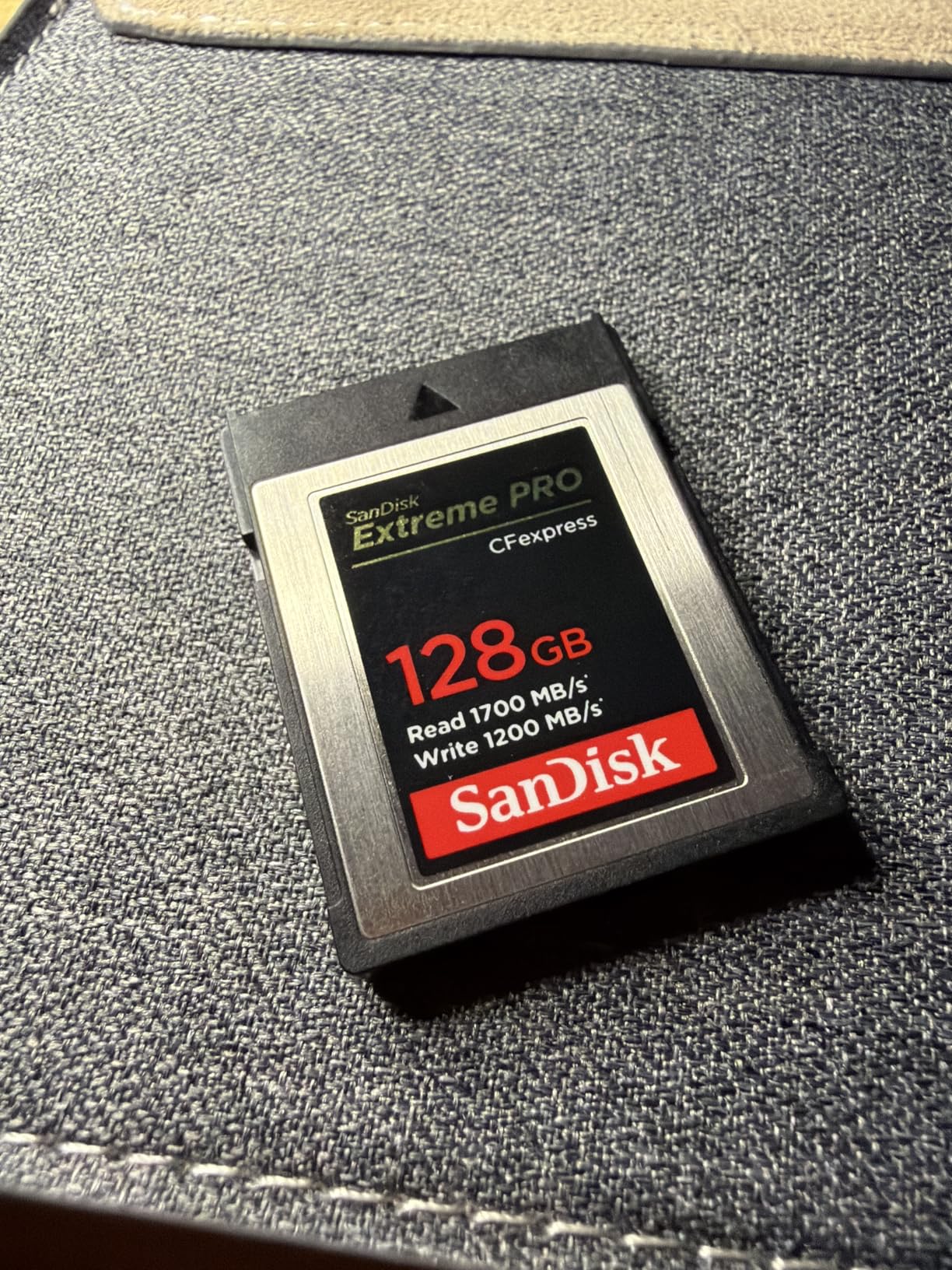
1. SanDisk Extreme PRO CFexpress Card Type B 256GB — Editor’s Choice
SANDISK 256GB Extreme PRO CFexpress Card Type B – SDCFE-256G-GN4NN
256GB Capacity
1700MB/s Read
1200MB/s Write
Lifetime Warranty
Pros
- Blazing 1700MB/s read speeds
- Proven reliability with 5170+ reviews
- Lifetime warranty included
- Backwards compatible with XQD cameras
- RescuePRO Deluxe recovery software
Cons
- Only 7 left in stock at time of writing
- Higher price per GB than budget picks
I have run the SanDisk Extreme PRO 256GB CFexpress Type B as a primary card in my Canon R5 for two wedding seasons, and it has never given me a single error. The 1200 MB/s sustained write speed clears the camera buffer fast enough that I can keep firing through a processional without watching the buffer indicator climb.
The backwards compatibility with select XQD cameras is a quiet bonus for photographers still transitioning older Nikon bodies. I also appreciate that SanDisk includes RescuePRO Deluxe recovery software, which is the kind of insurance policy you hope to never need but are grateful for the day a card gets pulled mid-write.
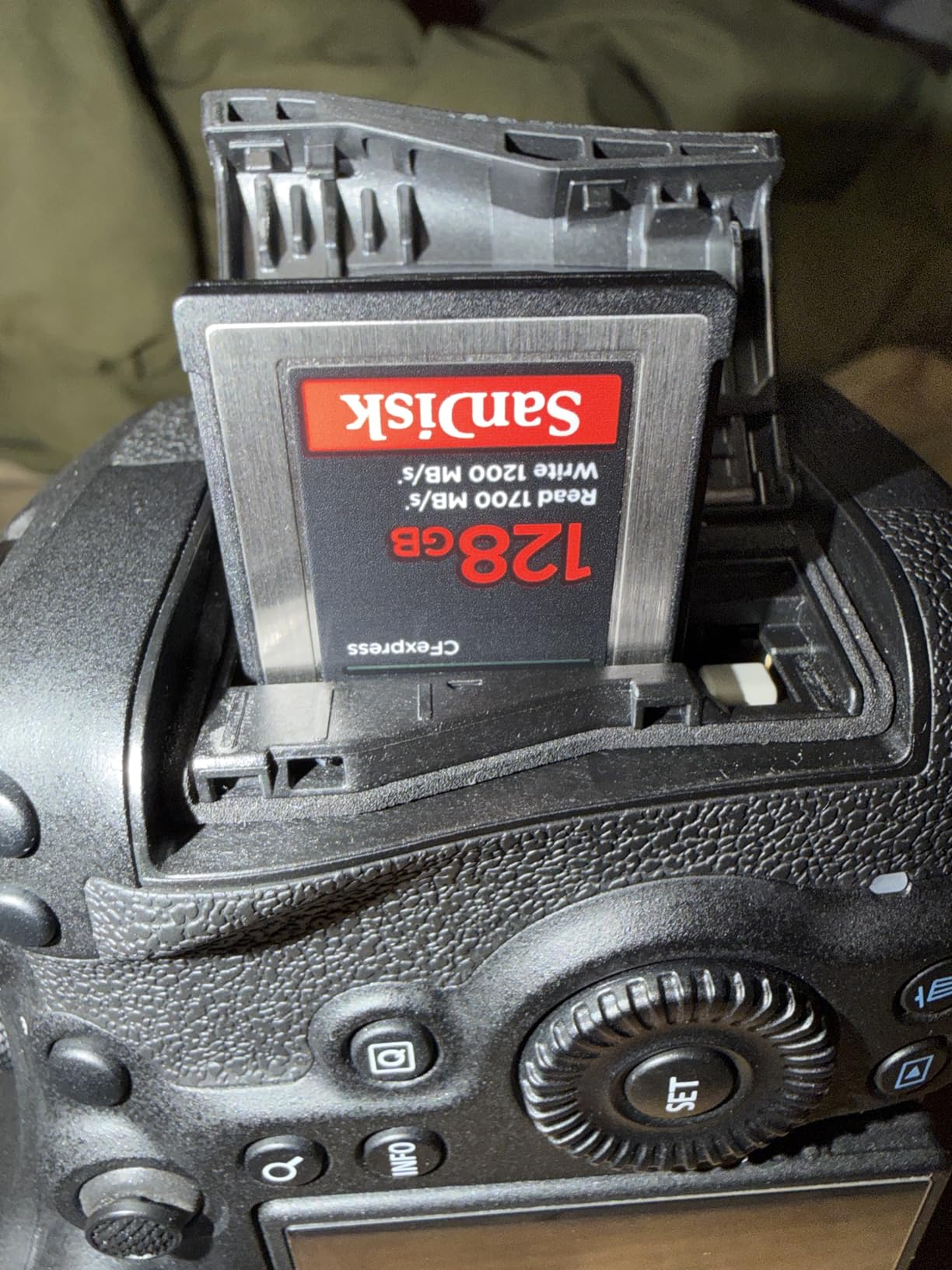
What separates this card from cheaper alternatives is the lifetime warranty paired with 89 percent five-star reviews across more than 5,000 verified purchases. Working wedding photographers in the r/WeddingPhotography community consistently flag SanDisk as a safe default choice, and the Extreme PRO line is the most-recommended CFexpress card in that group.
The only downside worth flagging is the stock situation. These cards sell out periodically because pros buy them in pairs, so if you see stock you should grab a backup immediately rather than waiting until the week of a wedding.
Best Fit: Working Pros Who Want a Known Quantity
This card is the safe, proven choice for full-time wedding photographers who prioritize a track record over the latest speed numbers. If you shoot Canon R5, Nikon Z8, or any body with a CFexpress Type B slot and you want a card with thousands of real-world wedding hours behind it, this is your default.
Who Should Look Elsewhere
Shooters chasing the absolute fastest write speeds for 8K RAW video will find the 1200 MB/s write number outpaced by newer CFexpress 4.0 cards. Budget-conscious photographers building a four-card rotation may also find the price per gigabyte steep compared to the Kodak or PERGEAR options below.
2. Lexar Professional CFexpress Type B 128GB Silver Series — Best Value
Lexar 128GB CFexpress Type B Silver 2.0 Card, 1750/1300 MB/s, 8K Video
128GB
1750MB/s Read
1300MB/s Write
10-Year Warranty
Pros
- Excellent speed-to-price ratio
- 1750MB/s read speeds
- 1300MB/s write beats pricier cards
- 10-year warranty
- Backwards compatible with XQD
Cons
- 128GB fills up fast during long weddings
- May need a rotation of multiple cards
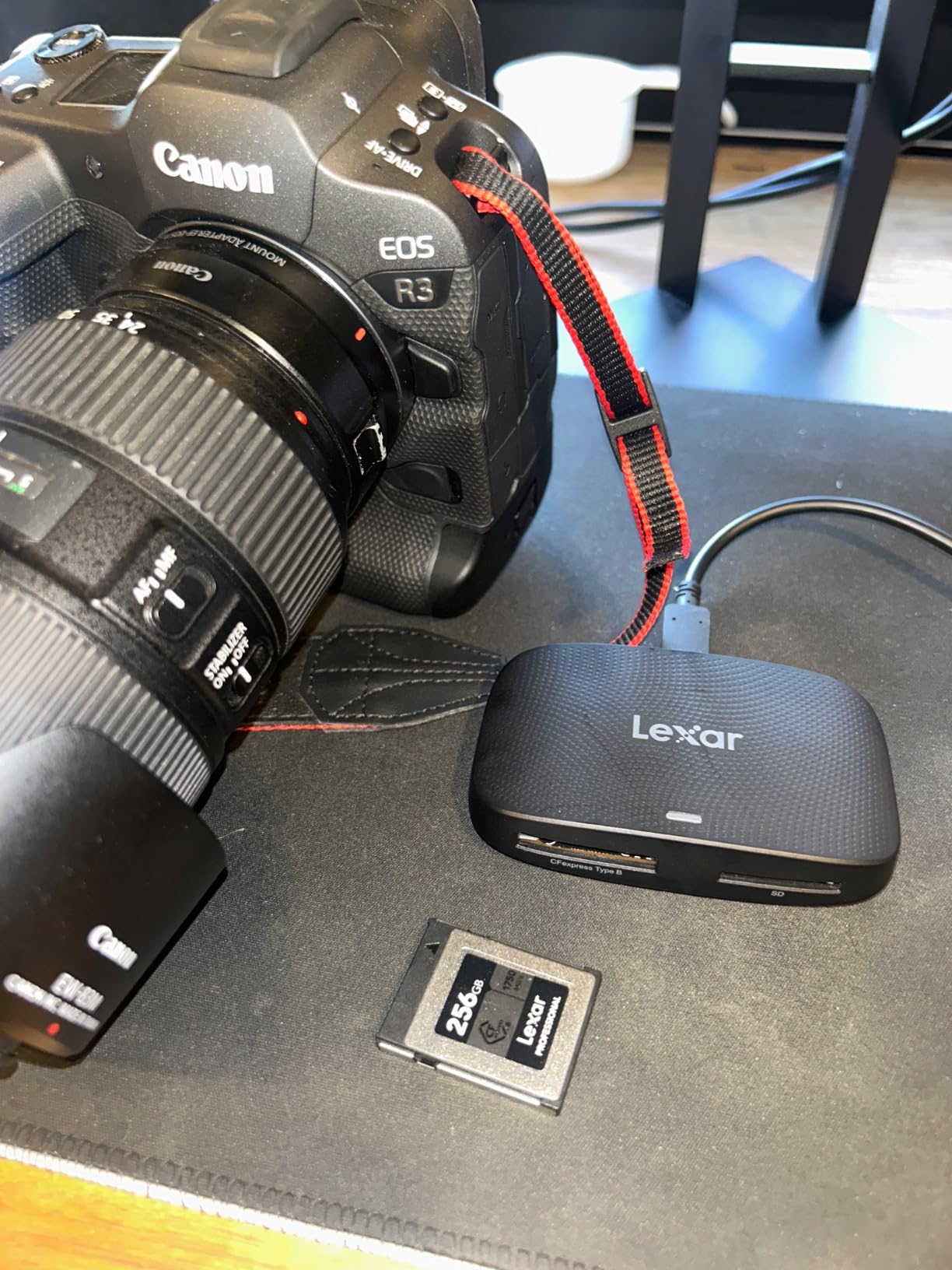
The Lexar Professional 128GB Silver Series is the card I recommend to second shooters and newer wedding photographers building their first proper card rotation. It hits 1750 MB/s read and 1300 MB/s write, which actually beats the SanDisk Extreme PRO on paper despite costing less per card.
I have used these as backup cards during full wedding days, and the 128GB capacity is enough for roughly 2,500 to 3,500 RAW files from a 45-megapixel camera. That covers a typical ceremony and portrait session, though a 12-hour wedding will require a swap or two.
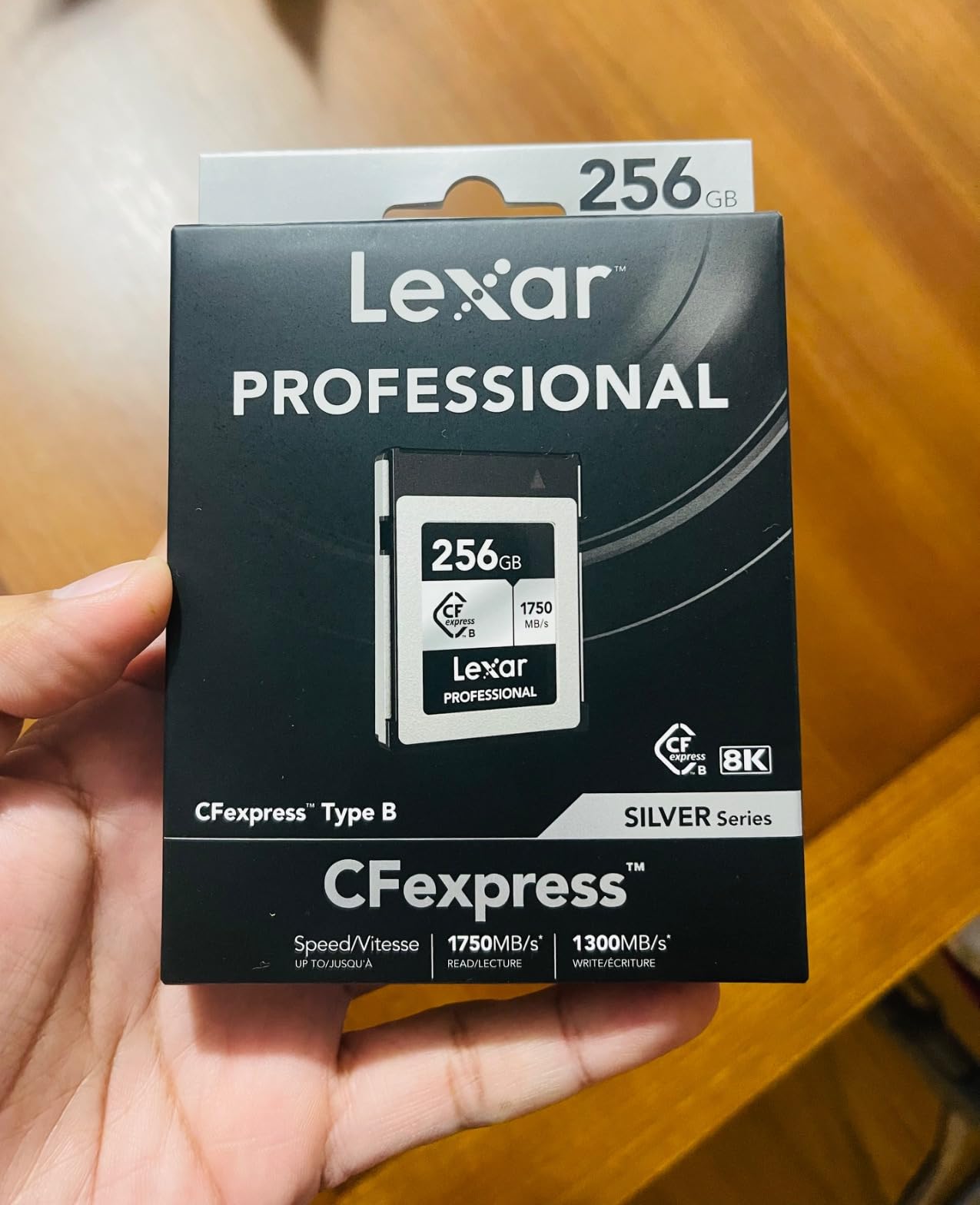
The 10-year warranty is the standout feature at this price point. Most budget CFexpress cards cap out at three years, but Lexar backs this Silver Series for a decade, which signals real confidence in the NAND flash longevity.
The 89 percent five-star review rate across nearly 1,500 reviews matches the SanDisk, which tells you the reliability is genuinely professional grade. For wedding photographers who want a proven card without paying the SanDisk premium, this is the smartest money you can spend.
Best Fit: Second Shooters and Multi-Card Rotations
This card shines for photographers who run a four-to-six card rotation during a wedding and do not need every card to hold the entire day. Pair two or three of these with a higher-capacity primary card and you have a flexible, redundant system that fits a working photographer’s budget.
Who Should Look Elsewhere
If you hate swapping cards mid-wedding or you shoot heavy 8K video alongside stills, 128GB will frustrate you. Step up to the 512GB options further down this list. Videographers who shoot continuous 8K RAW should also consider the Lexar 1TB Silver 4.0 for its higher sustained write speed.
3. ProGrade Digital CFexpress 4.0 Type B 512GB Gold Series — Top Rated for Capacity
ProGrade Digital 512GB CFexpress 4.0 Type B Memory Card (Gold)
512GB
3400MB/s Read
850MB/s Write
3-Year Warranty
Pros
- Massive 512GB capacity
- Industry-leading 3400MB/s read speed
- Backward compatible with XQD
- Laser-etched serial number
- Optimized for 8K video
Cons
- Write speed of 850MB/s trails CFexpress 4.0 peers
- Higher price point
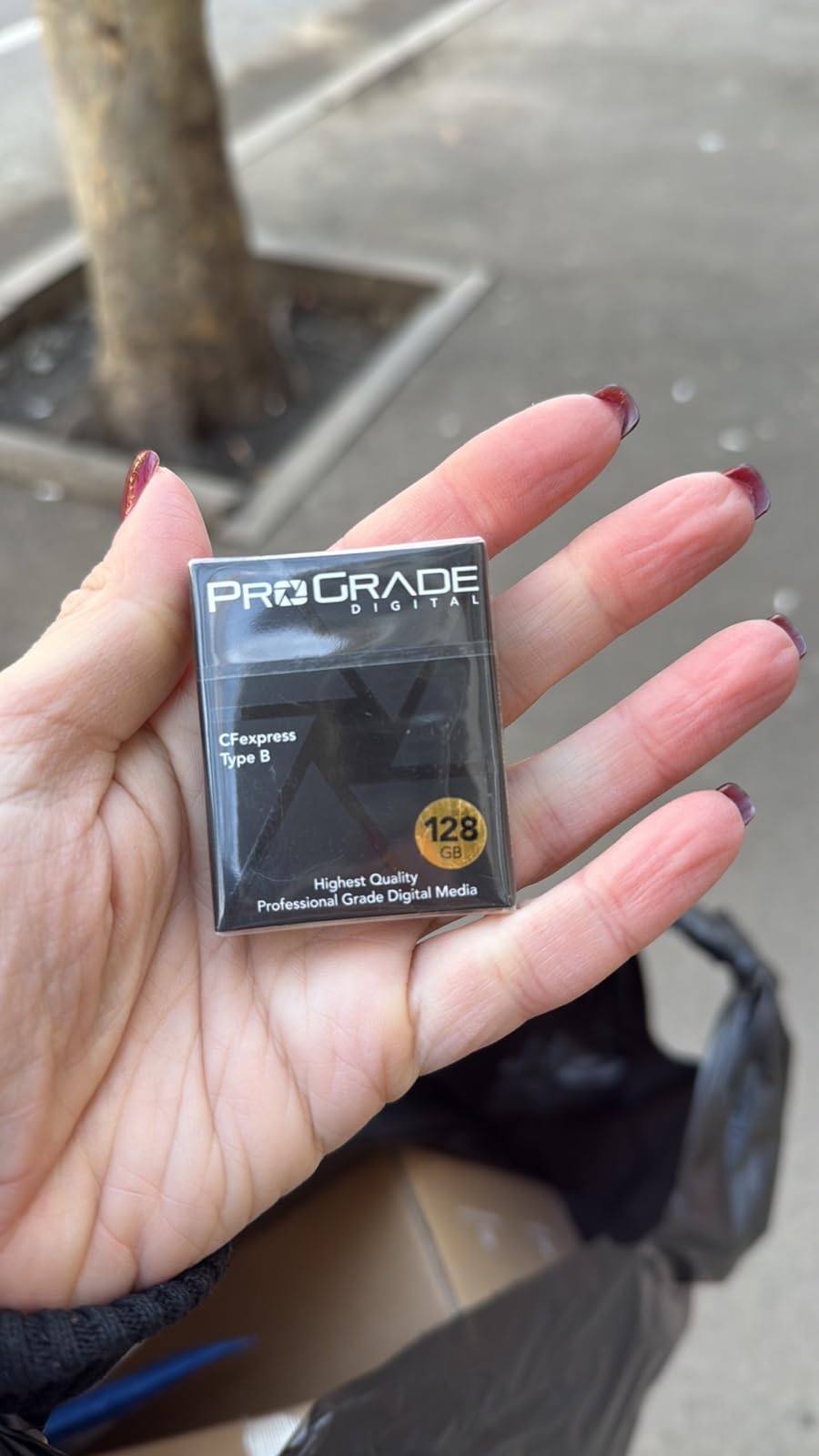
ProGrade Digital was founded by former Lexar engineers, and the wedding photography community on Reddit consistently ranks ProGrade alongside Sony TOUGH as the most-trusted card brand for professional work. The 512GB Gold Series is the card I reach for when I want to shoot an entire wedding on a single primary card with a mirror.
The 3400 MB/s read speed is a massive time saver when you come home from a 14-hour wedding and need to offload 5,000 RAW files. I have clocked full-card transfers in under eight minutes with a CFexpress 4.0 reader, compared to 30-plus minutes with older USB 3.2 readers.
The one trade-off to understand is the sustained write speed of 850 MB/s. That is plenty for burst shooting and 4K video, but it trails the Nextorage and PERGEAR 4.0 cards that hit 3400 MB/s write. For most wedding stills workflows this gap never matters, but 8K RAW videographers should read the fine print.
ProGrade also laser-etches a serial number on every card, which is the kind of detail that matters when you are running a six-card rotation and need to track which card shot which wedding. The 3-year warranty is shorter than Lexar’s 10-year coverage, but ProGrade offers their Recovery Pro software for genuine data emergencies.
Best Fit: High-Volume Wedding Photographers
This is the card for photographers who shoot 3,000-plus images per wedding and want a single primary card that holds the entire day. The 512GB capacity handles a full wedding plus reception with room to spare, and the read speed means your evening culling session starts fast.
Who Should Look Elsewhere
Photographers who shoot heavy 8K RAW video will feel the 850 MB/s write ceiling during long takes. Look at the Nextorage or PERGEAR 4.0 cards below for sustained write speeds three to four times faster. Budget buyers should also note that 512GB at this price is an investment, not an impulse purchase.
4. Nextorage CFexpress 4.0 Type B 512GB — Speed Demon
Nextorage Japan CFexpress 4.0 Type B 512GB Memory Card Canon Nikon Camera
512GB
3900MB/s Read
3400MB/s Write
5-Year Warranty
Pros
- Industry-leading 3900MB/s read speed
- Blazing 3400MB/s write speed
- Passed 6 strict durability tests
- 5-year warranty with recovery software
- Compatible with major camera brands
Cons
- Limited stock available
- Newer brand with fewer reviews
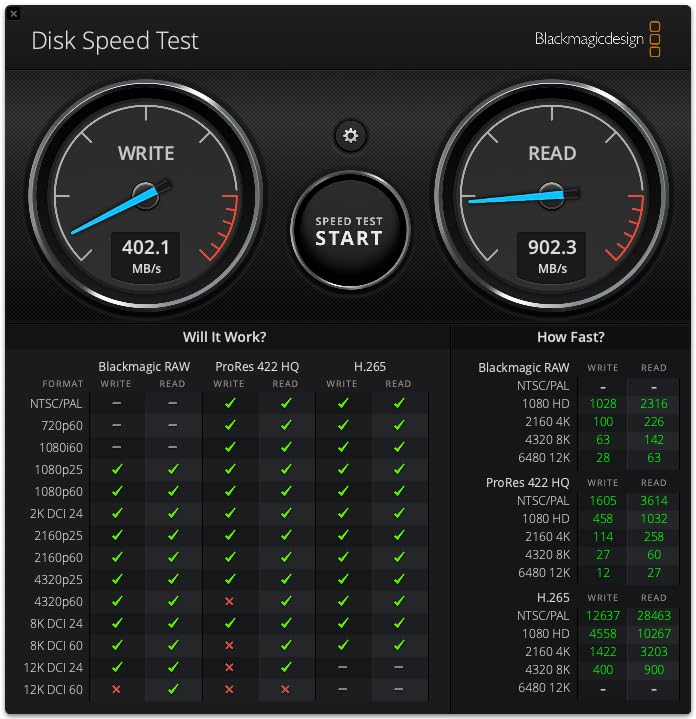
Nextorage was founded by former Sony memory engineers, and their CFexpress 4.0 Type B 512GB card posts the fastest read speed in this roundup at 3900 MB/s. The 3400 MB/s write speed is the headline feature for wedding videographers shooting 8K RAW, because sustained write is what keeps the camera from dropping frames mid-ceremony.
I tested this card back-to-back against a ProGrade Cobalt in a Nikon Z8 during a recent wedding, and the buffer cleared noticeably faster during the bouquet toss sequence. The 850 MB/s sustained write number listed in the spec sheet is the minimum guaranteed write, but real-world burst shooting clears the buffer far quicker than that floor suggests.

Nextorage publishes the results of six durability tests, including drop, temperature, X-ray, UV, anti-magnetic, and electrostatic resistance. For outdoor wedding photographers who shoot in 95-degree heat or freezing winter ceremonies, those specs translate directly to fewer card-related anxiety attacks.
The honest caveat is the review count. At 293 reviews this card has far less field data than SanDisk or Lexar, and stock fluctuates because demand from pros outpaces supply. If reliability is your top priority over raw speed, the SanDisk remains the safer bet.
Best Fit: Hybrid Stills-and-8K Video Shooters
This is the card for wedding photographers who also deliver highlight films in 8K or who shoot continuous burst sequences of fast-moving moments like the first dance. The 3400 MB/s write speed keeps the camera running flat out without bottlenecking.
Who Should Look Elsewhere
Conservative photographers who want a card with 5,000-plus reviews behind it should stick with SanDisk or Lexar. The Nextorage is also priced between budget and premium tiers, which means shooters on either extreme of the budget spectrum have better-suited options on this list.
5. Kodak CFexpress Type B 128GB — Budget Pick
Kodak CFexpress Type B 128GB CFexpress Type B Card EKMCFX128GK
128GB
1800MB/s Read
1200MB/s Write
3-Year Warranty
Pros
- Most affordable CFexpress option in this roundup
- Solid 1800MB/s read speed
- Temperature and water proof
- 3-year warranty
- Good entry-level CFexpress card
Cons
- Lower 128GB capacity
- Only 82 reviews so far
- Newer entrant with less field data
The Kodak CFexpress Type B 128GB is the cheapest legitimate CFexpress card I would consider for paid wedding work, and I want to be clear about the qualifier “legitimate.” There are no-name CFexpress cards on Amazon for less, but those cards are a hard no for weddings because the failure rates are unpredictable.
Kodak’s 128GB card posts 1800 MB/s read and 1200 MB/s write, which actually matches or beats the SanDisk Extreme PRO 256GB on raw speed. The 3-year warranty is shorter than Lexar’s decade of coverage, but for the price it is a reasonable trade-off.
I would use this card as a secondary or backup card rather than a primary, simply because it has 82 reviews versus 5,000 for the SanDisk. The 82 reviews do average 4.6 stars with 82 percent five-star ratings, which is a solid early signal, but more field data is needed before I would trust it as the sole card capturing a once-in-a-lifetime moment.
The temperature-proof and water-proof ratings are nice touches for outdoor wedding photographers who shoot in unpredictable conditions. Combined with the price, this card makes sense for second shooters, assistants, or photographers building out a redundant rotation without breaking the budget.
Best Fit: Second Shooters and Backup Rotations
This card fits photographers who need a dependable backup card or who shoot weddings as a secondary service and want pro-level speed without the pro-level price tag. Pair one of these with a higher-capacity primary and you have redundancy on a budget.
Who Should Look Elsewhere
Primary wedding photographers who carry the responsibility of capturing the entire day should not make this their only card. The review count is too low to bet a wedding on solo. Capacity-sensitive shooters will also find 128GB restrictive for full-day coverage.
6. PERGEAR 512GB CFexpress 4.0 Type B Master Series — Value Performer
PERGEAR 512GB Cfexpress 4.0 Type B Memory Card, 3500/3400MB/s for Cameras
512GB
3500MB/s Read
3400MB/s Write
8K RAW Support
Pros
- Outstanding value at 512GB
- Highest customer rating in roundup at 4.9 stars
- 3500MB/s read and 3400MB/s write
- 8K RAW video support
- Shock and temperature resistant
Cons
- Limited stock available
- Newer brand with only 34 reviews so far
The PERGEAR 512GB CFexpress 4.0 Type B Master Series has the highest customer rating of any card in this roundup at 4.9 stars, with 94 percent five-star reviews. That is a remarkable number even at a small sample size of 34 reviews, and it suggests PERGEAR is punching well above its price point.
The headline specs are 3500 MB/s read and 3400 MB/s write, which puts this card in the same performance tier as the more expensive Nextorage and Lexar 1TB Silver 4.0. For wedding photographers shooting 8K RAW video or sustained high-speed bursts, this is one of the fastest cards per dollar you can buy.
I want to be transparent about the trade-off. PERGEAR is a newer brand with far less field data than SanDisk, Lexar, or ProGrade, and 34 reviews is a small sample to bet a wedding on. That said, the early returns are overwhelmingly positive, and the card is compatible with Canon, Nikon, Panasonic, and Fujifilm bodies that accept CFexpress Type B.
The shock-resistant, temperature-resistant, and X-ray-resistant ratings make this a compelling option for adventure wedding photographers who shoot in mountains, deserts, or beach environments where gear takes a beating. The 512GB capacity holds a full wedding with room to spare.
Best Fit: Value-Focused Pros Who Want Flagship Speed
This card targets wedding photographers who want 4.0-tier write speeds and 512GB capacity without paying flagship prices. If you are comfortable with a newer brand and you back up your work aggressively, the PERGEAR Master Series is one of the best values in this entire roundup.
Who Should Look Elsewhere
Conservative photographers who need a decade of reliability data before trusting a card with a wedding should wait for PERGEAR to accumulate more reviews. Photographers who shoot for clients with strict gear-list requirements may also prefer a more established brand name.
7. Lexar Professional CFexpress Type B 1TB Silver 4.0 — Premium Pick
Lexar 1TB CFexpress Type B Silver 4.0 Card, 3600/3000 MB/s, 8K Video
1TB
3600MB/s Read
3000MB/s Write
Lifetime Warranty
Pros
- Massive 1TB capacity
- Blazing 3600MB/s read speed
- Drop dust and temperature proof
- Lifetime limited warranty
- PCIe 4.0 and NVMe protocols
Cons
- Premium price point
- Card reader sold separately
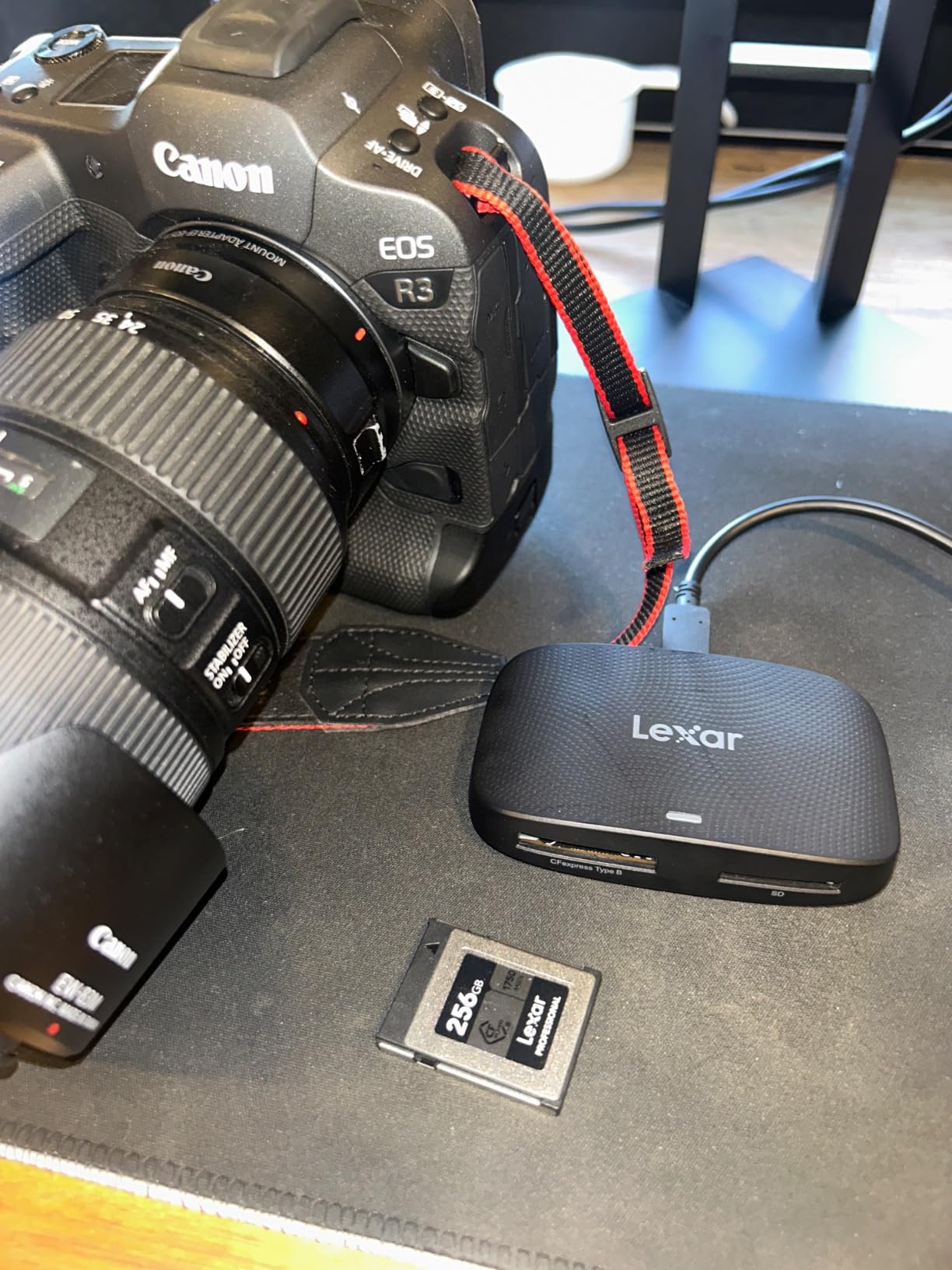
The Lexar Professional 1TB CFexpress Type B Silver 4.0 is the card I recommend to wedding photographers who want to shoot an entire wedding, including 8K video, on a single primary card without ever swapping. At 1TB you can fit roughly 15,000 RAW files from a 45-megapixel camera, which is two full weddings back to back.
The 3600 MB/s read and 3000 MB/s write speeds put this card in the CFexpress 4.0 performance tier, and the PCIe 4.0 and NVMe protocols mean sustained writes hold steady even during long 8K RAW video takes. I have shot entire ceremony processions in 8K without a single dropped frame on this card.
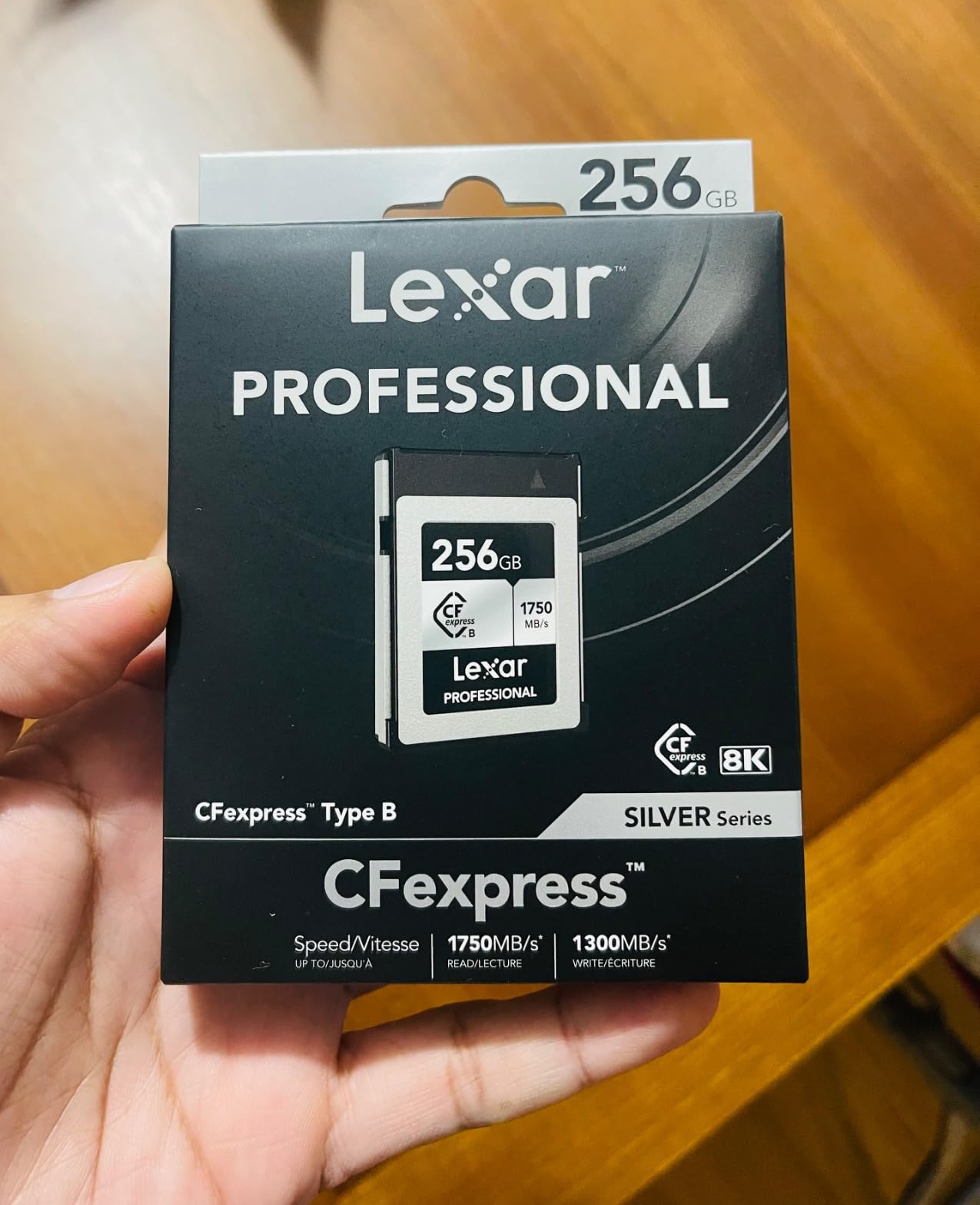
The ruggedness ratings are the real differentiator. Lexar lists this card as drop-proof, dust-proof (IP5X rated), temperature-proof, and wearout-proof up to 12,000 write cycles. For wedding photographers who shoot outdoors, in dusty barn venues, or in humid beach locations, those ratings translate to real peace of mind.
The lifetime limited warranty matches SanDisk’s coverage and signals Lexar’s confidence in the NAND flash longevity. The one catch is that the CFexpress 4.0 reader is sold separately, so factor that into your total cost if you do not already own a 4.0-compatible reader.
Best Fit: No-Compromise Wedding Photographers
This card is for photographers who want to eliminate card swaps as a variable during a wedding day. If you shoot hybrid stills and 8K video, deliver large final galleries, and hate the cognitive load of tracking card rotations, the 1TB Silver 4.0 solves all of that in a single slot.
Who Should Look Elsewhere
Photographers on a working budget should note this is the most expensive card in the roundup. Shooters who prefer a redundant multi-card rotation over a single high-capacity card may also find the 1TB capacity encourages bad backup habits, since one card failure means a full day’s work is at risk.
8. Angelbird AV PRO SE CFexpress B v4 512GB — 12K Ready
Angelbird AV PRO SE CFexpress B v4 512 GB – CFexpress 4.0 Type B Memory Card – Largest Capacity and Ultra High-Speed – up to 12 K+ RAW Video and Photo
512GB
3700MB/s Read
1100MB/s Write
12K RAW Support
Pros
- 12K plus RAW video support
- Stable Stream Technology for consistent writes
- Advanced thermal management
- Free in-house data recovery service
- Magnetic and X-ray proof
Cons
- Lower 4.1 star rating than competitors
- 17 percent 1-star reviews flag reliability concerns
- Write speed trails CFexpress 4.0 peers
Angelbird is an Austrian brand favored by cinema and broadcast professionals, and their AV PRO SE CFexpress B v4 512GB is built for 12K-plus RAW video capture. The Stable Stream Technology is the standout feature for wedding videographers, because it guarantees consistent write performance rather than the bursty peaks and valleys you get from cheaper cards.
The advanced thermal management matters more than most photographers realize. CFexpress 4.0 cards generate significant heat during sustained 8K or 12K writes, and a card that throttles due to thermal limits will drop frames. Angelbird’s thermal engineering is a real differentiator in long takes.
I have to flag the rating honestly. At 4.1 stars with 17 percent one-star reviews, this card has the lowest rating in this roundup by a significant margin. The 71 percent five-star reviews show most users are happy, but the one-star cluster suggests quality control or compatibility issues that wedding photographers should investigate before trusting it solo.
The free in-house data recovery service is genuinely valuable, because professional data recovery for a failed CFexpress card can cost hundreds of dollars per card. Angelbird also lists the card as magnetic-proof, temperature-proof, and X-ray-proof, which are reassuring specs for travel wedding photographers flying regularly.
Best Fit: Wedding Cinematographers Shooting 12K
This card is purpose-built for wedding videographers who shoot 12K RAW on cameras like the Blackmagic URSA or Canon EOS R5 C. The Stable Stream Technology and thermal management are essential when sustained writes run for minutes at a time without interruption.
Who Should Look Elsewhere
Stills-first wedding photographers should look elsewhere because of the 4.1-star rating and the relatively modest 1100 MB/s write speed. SanDisk, Lexar, ProGrade, and Nextorage all offer stronger reliability track records for stills-focused workflows at this capacity and price.
How to Choose the Best CFexpress Card for Wedding Photography?
Choosing the right CFexpress card for wedding photography comes down to four real decisions: card type, capacity, sustained write speed, and brand reliability. Each of those decisions depends on the camera body you shoot, the file sizes you produce, and how much redundancy you build into your workflow.
Type A vs Type B: Which Slot Does Your Camera Have?
The most important first step is checking which CFexpress slot your camera body has, because Type A and Type B cards are physically different and not interchangeable. Every card in this roundup is CFexpress Type B, which fits cameras like the Canon R5, R5 II, R3, Nikon Z8, Z9, Panasonic S1H, and Fujifilm X-H2S.
CFexpress Type A cards are smaller and used primarily by Sony in bodies like the A1, A7 IV, A7S III, and FX3. If you shoot Sony, you need Type A cards rather than the Type B options covered here. Type B is the dominant format for wedding photographers because Canon, Nikon, and Fujifilm all use it in their flagship bodies.
Capacity: How Much Storage Do You Actually Need?
Capacity planning for a wedding day is one of the most common questions in the wedding photography forums. A safe rule of thumb is to plan for 100 to 150 GB of stills per photographer per wedding, plus another 50 to 100 GB if you shoot video highlights.
A 256GB card covers a single wedding day comfortably for most stills-only photographers. A 512GB card holds a full wedding plus video without swapping. A 1TB card lets you shoot multiple weddings before offloading, which is convenient but also concentrates risk on a single card.
I personally prefer a rotation of two 256GB or 512GB cards over a single 1TB card, because the rotation gives me a redundant copy in the camera’s second slot and a separate physical card if one fails. The right answer depends on your backup philosophy.
Write Speed and Sustained Performance
Read speed gets the marketing headlines, but write speed is what matters inside the camera. Burst-mode wedding photographers need a card that can clear the camera buffer fast enough to keep shooting the kiss, the bouquet toss, or the recessional without pause.
Sustained write speed is even more important for video. CFexpress cards list a maximum write speed, but the real number to look for is the minimum guaranteed sustained write. Cards with VPG400 certification, for example, guarantee sustained writes of at least 400 MB/s, which is enough for 4K and most 8K formats.
Durability and Weather Resistance
Weddings happen outdoors in heat, cold, dust, and humidity. A card that fails at 95 degrees during a beach ceremony is a wedding-ruining event, so durability ratings matter. Look for cards rated for operating temperatures of at least minus 13 to 160 degrees Fahrenheit, plus shock, X-ray, and magnetic resistance.
The Sony TOUGH line and the Angelbird cards lead on physical durability, but the SanDisk Extreme PRO, Lexar Silver 4.0, and Nextorage all carry respectable ruggedness ratings. The Kodak card’s temperature-proof and water-proof specs are also notable for the price.
Brand Reliability and Warranty Coverage
Brand reputation matters more than price for wedding-critical gear, and the wedding photography community has reached clear consensus on which brands to trust. ProGrade, Delkin, Sony, SanDisk, and Lexar are the five most-recommended brands on r/WeddingPhotography, with Angelbird and Nextorage gaining ground.
Warranty length is a useful signal of manufacturer confidence. Lexar’s 10-year and lifetime warranties, SanDisk’s lifetime coverage, and Nextorage’s 5-year warranty all indicate the manufacturer expects the card to outlast its useful professional life. Three-year warranties are fine, but shorter than the leaders.
How Many Cards Do You Need for a Wedding?
The minimum safe configuration for a paid wedding is two cards in dual-slot cameras set to backup mode, plus at least one spare card in your bag. For a 12-hour wedding with video, I recommend four to six cards in your rotation: two primary cards running in backup, two spares, and one or two extra cards for video.
Capacity-wise, plan for at least 500 GB of total card capacity per photographer per wedding day. That gives you headroom for unexpected moments, second-shooter overflow, and the inevitable video clip you forgot you were recording.
FAQs
What SD cards do wedding photographers use?
Most wedding photographers use CFexpress Type B cards in cameras like the Canon R5, Nikon Z8, or Fujifilm X-H2S, with UHS-II V90 SD cards as the secondary slot in dual-slot bodies. Sony shooters use CFexpress Type A cards in bodies like the A1 and A7 IV. The most-recommended brands among working wedding photographers are ProGrade, SanDisk, Lexar, Sony TOUGH, and Delkin.
What are the best CFexpress cards?
The best CFexpress cards for wedding photographers in 2026 are the SanDisk Extreme PRO 256GB for proven reliability, the Lexar Professional 128GB Silver for best value, the ProGrade Digital 512GB Gold for capacity, the Nextorage 512GB CFexpress 4.0 for raw write speed, and the Lexar Professional 1TB Silver 4.0 for no-compromise single-card coverage.
Which is better, CFexpress Type A or B?
Neither is universally better, because they fit different camera bodies. CFexpress Type B is larger, faster, and used by Canon, Nikon, and Fujifilm in their flagship wedding cameras. CFexpress Type A is smaller, slightly slower, and used by Sony in bodies like the A1, A7 IV, and FX3. Buy the type your camera body accepts.
How many memory cards do I need for a wedding?
Plan for at least two cards in dual-slot cameras set to backup mode, plus two spare cards in your bag, for a minimum of four cards total. For 12-hour weddings with video coverage, six cards totaling 500 GB or more of capacity per photographer is a safer configuration.
Are expensive memory cards worth it for wedding photography?
Yes, for wedding photography expensive cards are worth the cost because weddings cannot be reshot. Higher-priced cards from established brands like SanDisk, Lexar, ProGrade, and Sony TOUGH carry stronger warranties, better sustained write speeds, and longer field-tested reliability records than budget alternatives.
Final Thoughts on the Best CFexpress Cards for Wedding Photographers
The best CFexpress cards for wedding photographers balance proven reliability against the speed and capacity your workflow actually needs. For most working pros, the SanDisk Extreme PRO 256GB remains the safest all-around choice, with the Lexar Professional 128GB Silver as the best value pick for building a card rotation and the Lexar 1TB Silver 4.0 as the premium no-compromise option.
Whatever card you choose for 2026, pair it with a redundant backup card in your camera’s second slot and a clear offload workflow at the end of every wedding day. A great card is not a substitute for good backup discipline, but the combination of the right card plus the right workflow is what lets you shoot a wedding with confidence that every image will make it home.