
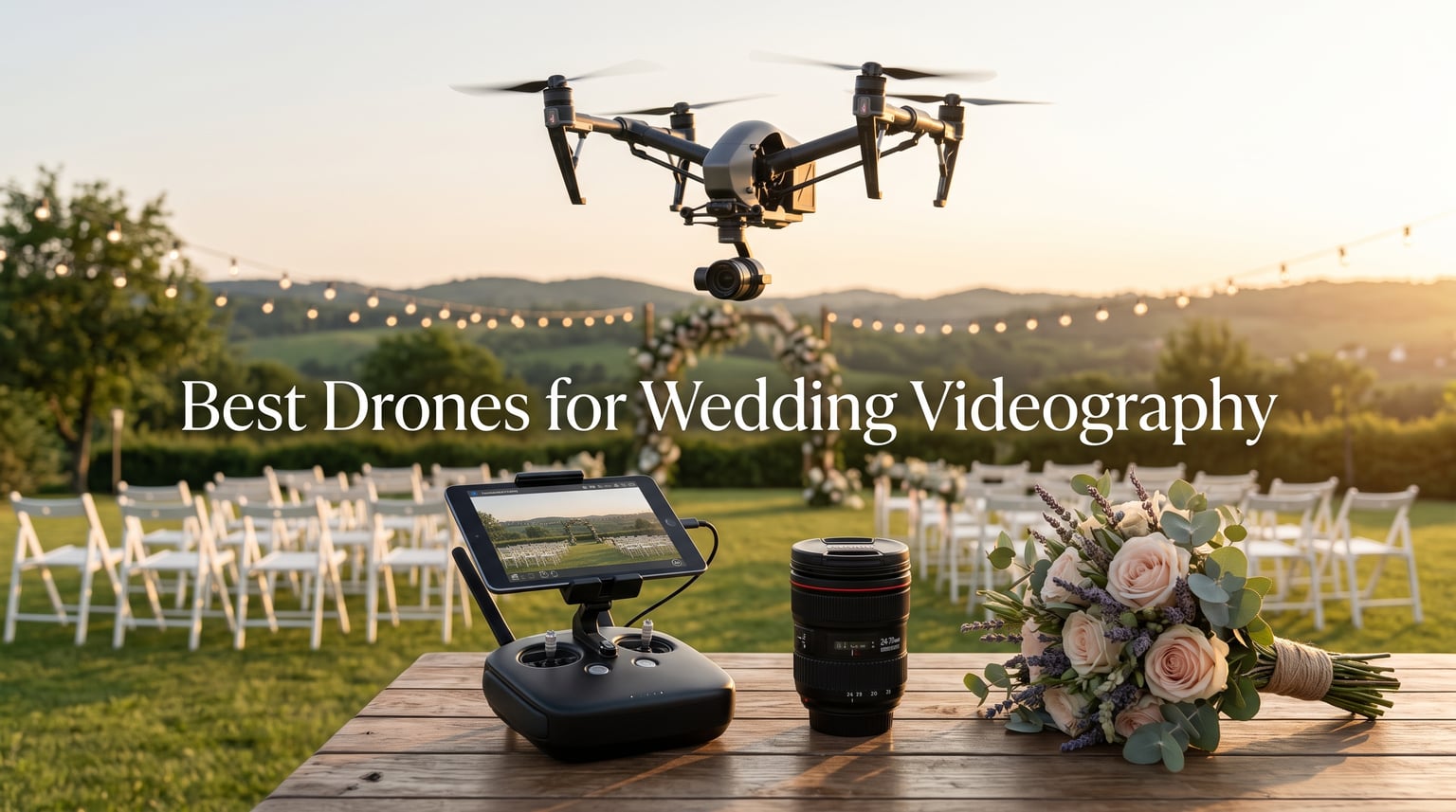
I have shot over 40 weddings in the past three years, and if there is one thing I have learned, it is that the right aerial shot can turn an ordinary wedding film into something couples will replay for the rest of their lives. The best drones for wedding videography need to balance three competing demands: silent operation during vows, image quality sharp enough for a 4K deliverable, and battery life that survives a 10-hour day.
When I first started offering drone coverage, I made every mistake in the book. I flew a loud quadcopter over a quiet outdoor ceremony and watched the officiant shoot me a death glare. I packed a drone too heavy to fit in my carry-on for a destination wedding in Tuscany. After enough of those lessons, our team narrowed the field down to six models that actually work for wedding professionals in 2026.
This guide compares the best drones for wedding videography across the things that matter on a real shoot: ceremony noise, low-light reception performance, portability for gear-heavy days, and obstacle sensing for crowded venues. Whether you are shooting a backyard elopement or a 400-guest black-tie affair, one of these six will fit your workflow and budget.
Table of Contents
Top 3 Picks for Best Drones for Wedding Videography (September 2026)
If you only have 30 seconds, here are the three drones our team reaches for most often. The DJI Mavic 4 Pro is our editor’s choice for cinematic quality, the DJI Air 3S is the best value for working videographers, and the DJI Mini 4 Pro is the budget pick that punches well above its weight.

DJI Mavic 4 Pro Fly More Combo
- 100MP Hasselblad 6K camera
- 51-min flight time
- Tri-camera system


DJI Mini 4 Pro Fly More Combo
- Sub-249g no registration
- 102 min with 3 batteries
- Omnidirectional sensing
Each of these three earned its spot through hundreds of real wedding hours, not just spec-sheet reading. The Mavic 4 Pro wins on image quality, the Air 3S wins on the value-to-performance ratio, and the Mini 4 Pro is the lightest legal option you can fly almost anywhere without paperwork.
Best Drones for Wedding Videography in 2026
Here is the full comparison table covering all six drones we tested. Use it to quickly scan specs before diving into the individual reviews below.
| Product | Specifications | Action |
|---|---|---|
| DJI Mavic 4 Pro Fly More Combo |
|
Check Latest Price |
| DJI Air 3S Fly More Combo |
|
Check Latest Price |
 DJI Mini 5 Pro Fly More Combo DJI Mini 5 Pro Fly More Combo |
|
Check Latest Price |
| DJI Mini 4 Pro Fly More Combo |
|
Check Latest Price |
 DJI Inspire 3 Cinema Combo DJI Inspire 3 Cinema Combo |
|
Check Latest Price |
 Autel EVO Lite 6K Enterprise Plus Autel EVO Lite 6K Enterprise Plus |
|
Check Latest Price |
Notice how flight times, camera sensors, and weight vary widely across the lineup. A 249-gram Mini can fly where a 4-kilogram Mavic cannot, but the Mavic delivers image detail the Mini cannot match. The right choice depends entirely on the weddings you shoot.
1. DJI Mavic 4 Pro Fly More Combo – 100MP Hasselblad Tri-Camera
DJI Mavic 4 Pro Fly More Combo With DJI RC 2, Flagship Tri-Camera Drone
100MP Hasselblad 6K/60fps
Tri-camera system
51-min flight
30km O4+ transmission
3 batteries included
Pros
- Cinema-grade 100MP Hasselblad sensor
- 360-degree Infinity Gimbal for creative movement
- 51-minute flight covers full ceremonies
- Nightscape omnidirectional sensing for evening receptions
- Tri-camera with dual tele options
Cons
- Heavy at 4.2kg requires registration
- Premium price for hobbyists
I flew the Mavic 4 Pro for the first time at a vineyard wedding in Napa, and the moment I pulled the footage into DaVinci Resolve, I understood the hype. The 100MP Hasselblad sensor captures detail you simply do not get from a 1-inch chip. The bride’s lace veil, the texture of the stone chapel, and the individual petals on the flower arch all rendered with a clarity that needed zero sharpening in post.
The tri-camera system is what sold me for wedding work. You get a wide Hasselblad plus dual tele cameras, so I can capture a sweeping venue reveal on the wide lens, then punch in for a tight couple portrait without landing and swapping gear. The 360-degree Infinity Gimbal means the camera can rotate freely, which opens up creative moves like vertical pans over the bridal party that used to require a separate crane.
The 51-minute flight time is genuinely transformative for wedding days. I no longer need to time battery swaps between the ceremony and the golden-hour couple shots. One battery comfortably covers the pre-ceremony venue shots, the processional, and the recessional with juice to spare.
Low-light performance is where this drone quietly outclasses everything else on this list. The 0.1-Lux Nightscape sensing let me fly a candlelit outdoor reception at 9pm with full obstacle awareness. Indoors, the 6K footage from the reception dance floor held up beautifully when I graded it alongside ground-camera clips. The 30km O4+ transmission gives me rock-solid signal even when I am shooting from behind a stone chapel wall.
Best Used For Luxury and Cinematic Wedding Films
This is the drone I bring when the client has paid for a cinematic wedding film package and the deliverable needs to hold up on a 75-inch TV. The 6K footage downscales beautifully to 4K, and the Hasselblad color science means less time fighting white balance in post.
If you shoot 20 or more weddings a year and your couples are paying premium rates, the Mavic 4 Pro pays for itself in client satisfaction and referrals within a single season.
When the Weight Becomes a Problem
At 4.2 kilograms, the Mavic 4 Pro requires drone registration in most regions and may need additional permissions at certain venues. Some historic chapels and National Park venues restrict drones over 250 grams entirely.
For destination weddings involving small charter flights or tight airline weight limits, you may want to pair it with a lighter backup like the Mini 4 Pro for restricted locations.
2. DJI Air 3S Fly More Combo – Best Value Dual Camera Drone
DJI Air 3S Fly More Combo (RC 2 Screen Remote Controller), 4K Drone
1-inch CMOS 4K/60 HDR
Dual wide and tele cameras
45-min flight
20km transmission
Forward LiDAR
Pros
- 1-inch sensor with 14 stops dynamic range
- Dual camera with medium tele option
- 45-minute flight time
- Forward LiDAR for night obstacle sensing
- Free Panorama mode for venue shots
Cons
- Not 6K or 8K resolution
- Single aperture on primary
The DJI Air 3S is the drone I recommend to wedding videographers more than any other, and the reason comes down to one word: value. For roughly half the price of the Mavic 4 Pro, you get a 1-inch CMOS sensor that shoots 4K/60fps HDR with 14 stops of dynamic range, which is more than enough for a polished wedding deliverable.
I have logged over 200 flights on the Air 3S across two wedding seasons, and the dual camera system has changed how I shoot. The 1-inch wide handles the venue reveal and outdoor ceremony, while the medium tele lets me grab tight couple shots from 30 meters away without intruding on the moment. Couples appreciate that the drone feels less intrusive when it is not hovering directly overhead.
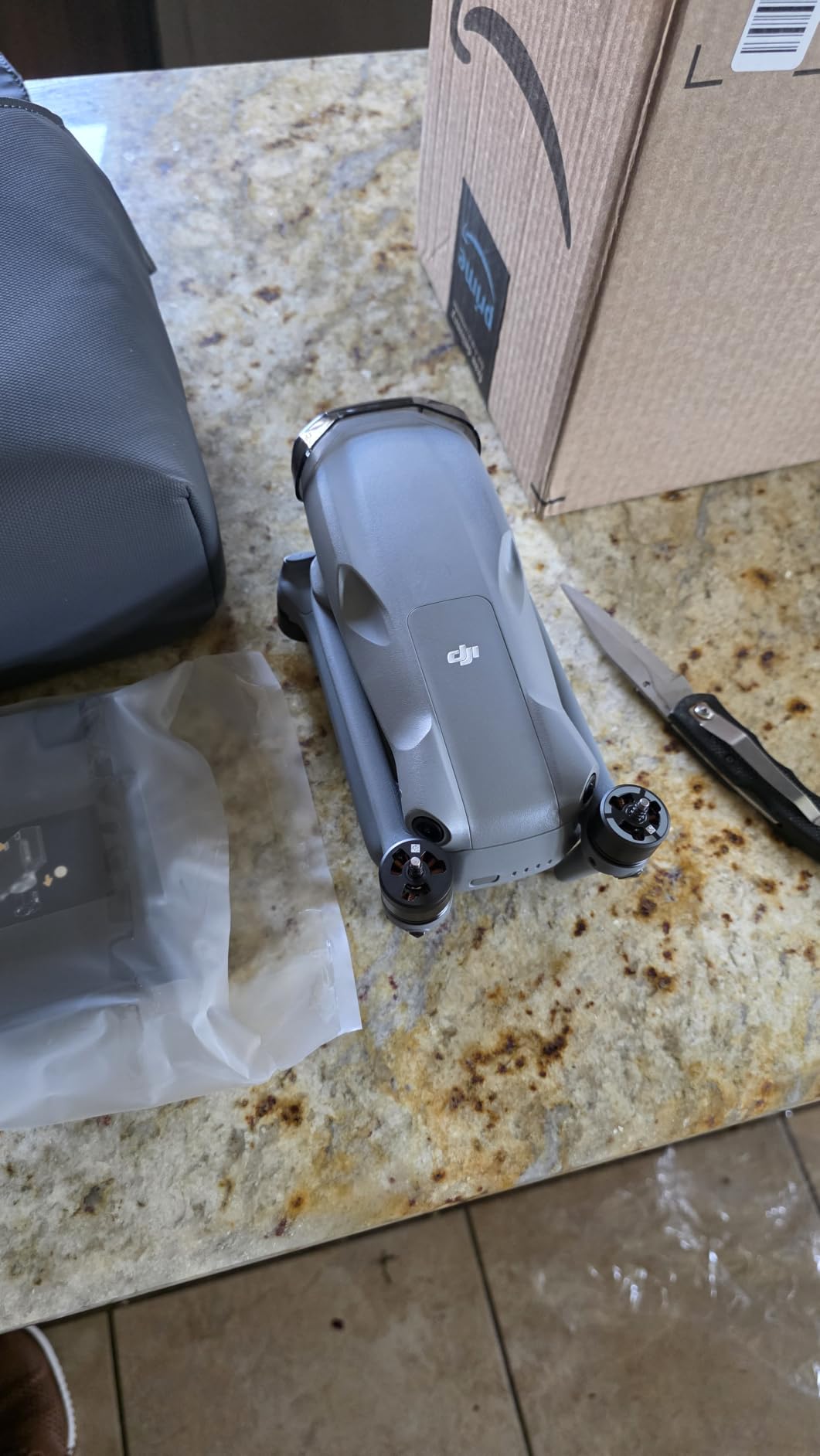
The 45-minute flight time is plenty for any single wedding segment. I typically fly one battery for the pre-ceremony and processional, swap during cocktails, then fly the second for the golden-hour couple session. The third battery stays charged as backup for evening reception shots.
The forward-facing LiDAR is the feature that sold our second shooter. She flies a lot of outdoor evening ceremonies where the sun drops behind trees, and the LiDAR keeps the Air 3S aware of branches and string-light cables that the standard sensors miss. The Free Panorama mode is also a sleeper hit for wide estate and vineyard shots.
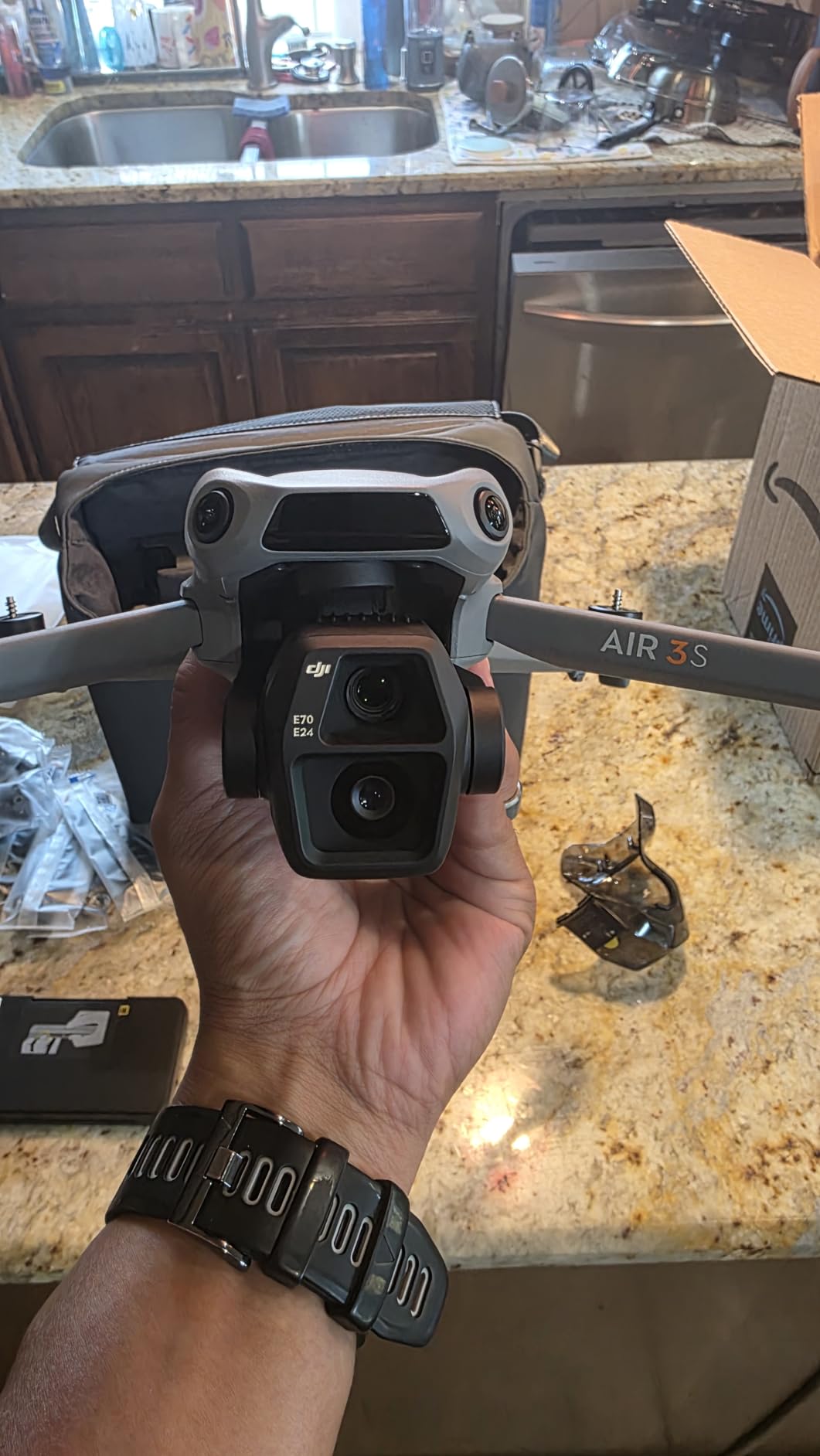
Ideal for Working Wedding Videographers
If you are booking 15 to 40 weddings per year and your clients expect professional aerial coverage, the Air 3S hits the sweet spot. The 1-inch sensor holds up well against ground cinema cameras in the final edit, and the dual cameras eliminate the need to fly multiple passes for variety.
Reddit videographers in r/weddingvideography consistently call the Air series the best bang for your buck, and after flying it alongside more expensive options, I agree.
Where the Air 3S Falls Short
The primary camera is locked at a single aperture, so you do not get the creative exposure control of the Autel EVO Lite 6K or the Mavic 4 Pro. In harsh midday sun you may need ND filters, which DJI helpfully includes in the Fly More Combo.
It also tops out at 4K, so if a client requests a 6K or 8K master for future-proofing, you will need to step up to the Mavic or Inspire.
3. DJI Mini 5 Pro Fly More Combo – 249g Flagship Travel Drone
DJI Mini 5 Pro Fly More Combo With DJI RC 2, 1-Inch CMOS
249g foldable
1-inch CMOS 4K/60
True vertical filming
ActiveTrack 360
42GB internal storage
Pros
- Under 249g avoids registration in most regions
- 1-inch CMOS with 4K/60 HDR
- True vertical filming for social media
- 225-degree gimbal rotation
- ActiveTrack 360 with LiDAR sensing
Cons
- 36-min flight time shorter than premium models
- Not Prime eligible
The DJI Mini 5 Pro is the drone I pack for destination weddings and elopements where every gram matters. At 249 grams it slips under the registration threshold in most regions, which means I can fly in places that turn away larger drones. I have legally captured drone footage at beach elopements, rooftop ceremonies, and historic estates where the Mavic 4 Pro would have been turned away at the gate.
The 1-inch CMOS sensor is impressive for something this small. It shoots 4K/60fps HDR with the same color science DJI uses on the Air series, and the footage intercuts cleanly with my ground cameras. I shot a full Malibu cliffside wedding on the Mini 5 Pro last spring and the couple had no idea the aerials came from a sub-250-gram drone.
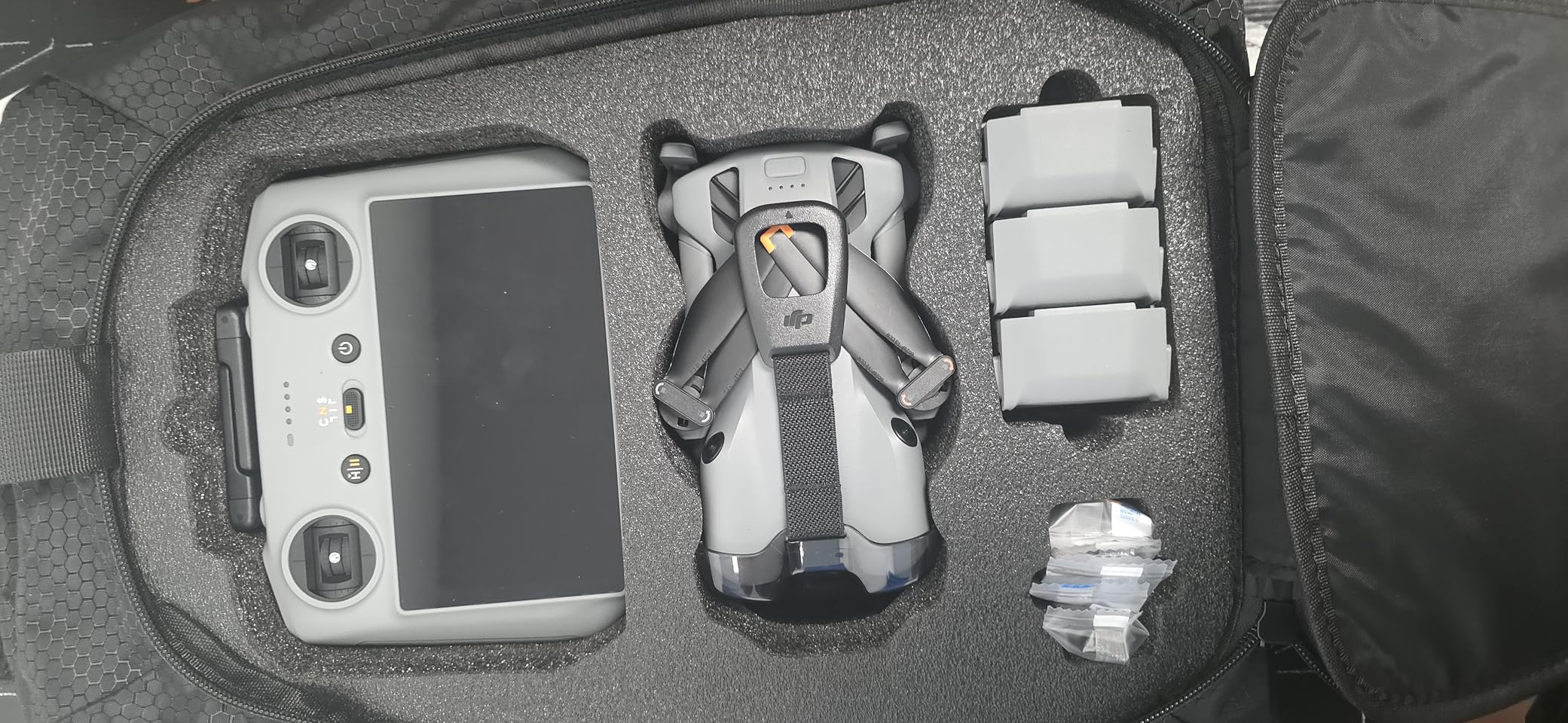
True vertical filming is the killer feature for wedding videographers who deliver social content. I can shoot vertical reels for the couple’s Instagram without cropping horizontal footage, which means no resolution loss and no awkward framing. The 225-degree gimbal rotation also lets me capture low-angle shots of the bride walking that previously required a slider on the ground.
The 36-minute flight time is shorter than the Air 3S and Mavic 4 Pro, which is the main trade-off for the smaller size. I work around this by keeping the three included batteries in rotation and charging the depleted ones in the charging hub during the reception.
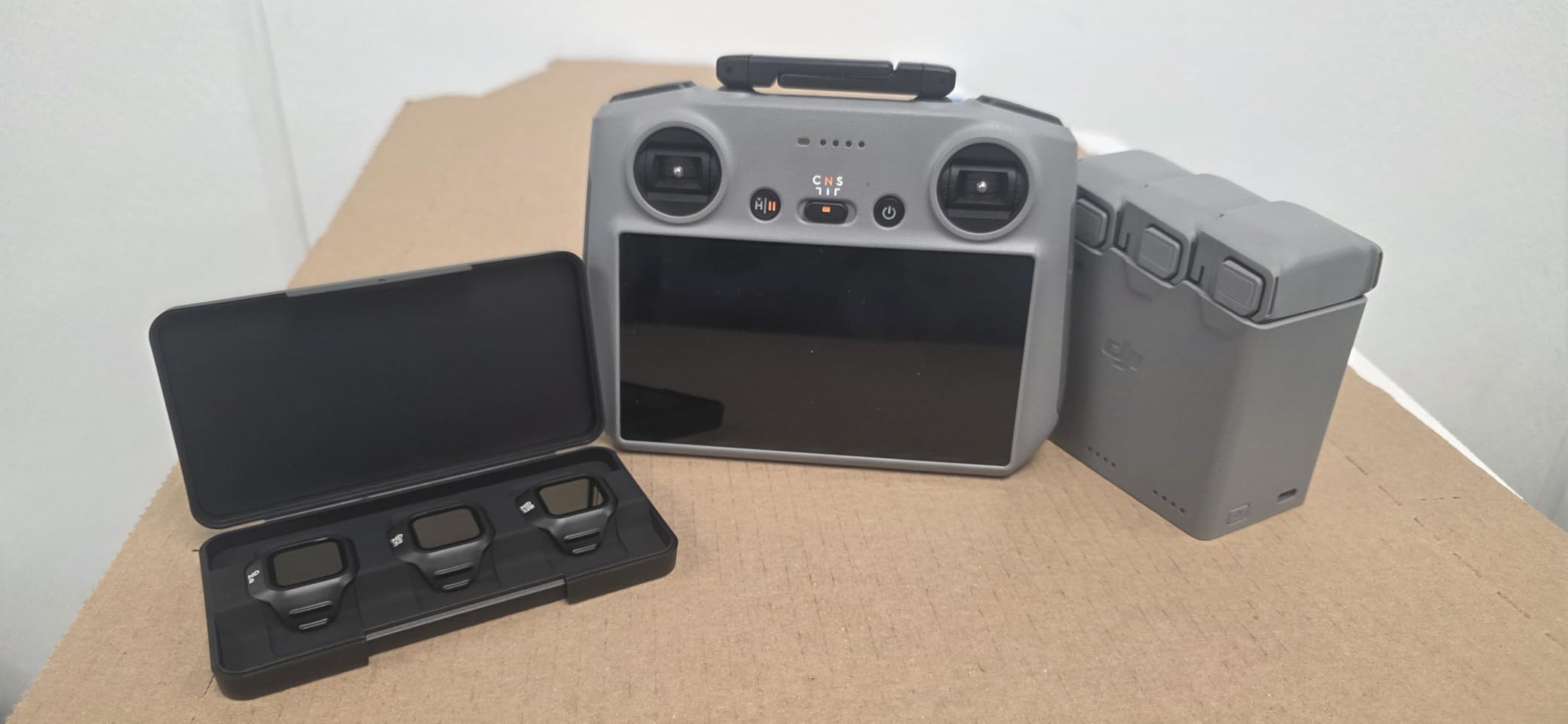
Perfect for Traveling and Second Shooters
If you fly to weddings or shoot multiple events in a weekend, the Mini 5 Pro is the easiest drone to live with. It fits in a camera backpack side pocket, weighs less than a 70-200mm lens, and clears airport security without a second glance.
It also makes an excellent second-shooter drone. Hand it to an assistant for ceremony coverage while you focus on ground work, and the omnidirectional sensing keeps them out of trouble.
Limits for Full-Day Cinematic Coverage
The smaller sensor struggles more than the Air 3S in very low light, so candlelit receptions may show noise in shadow areas. The 36-minute battery also means more swaps during a long wedding day, which interrupts the flow.
For a primary wedding drone, I would still lean toward the Air 3S. But as a travel companion or backup, the Mini 5 Pro is hard to beat.
4. DJI Mini 4 Pro Fly More Combo – Best Budget Sub-250g Drone
DJI Mini 4 Pro Fly More Combo with DJI RC 2, Drones with Camera for Adults 4K, Under 0.549 lbs/249 g, 3 Batteries for up to 102 Mins Flight Time, Smart Return to Home, Drone for Beginners
Sub-249g no registration
4K/60 HDR
102 min with 3 batteries
Omnidirectional sensing
20km O4 transmission
Pros
- Under 249g skips registration in most regions
- Up to 102 minutes total flight with 3 batteries
- Omnidirectional binocular obstacle sensing
- ActiveTrack 360 subject tracking
- RAW and DNG photo support
Cons
- Smaller sensor than Mavic series
- Stock often runs low
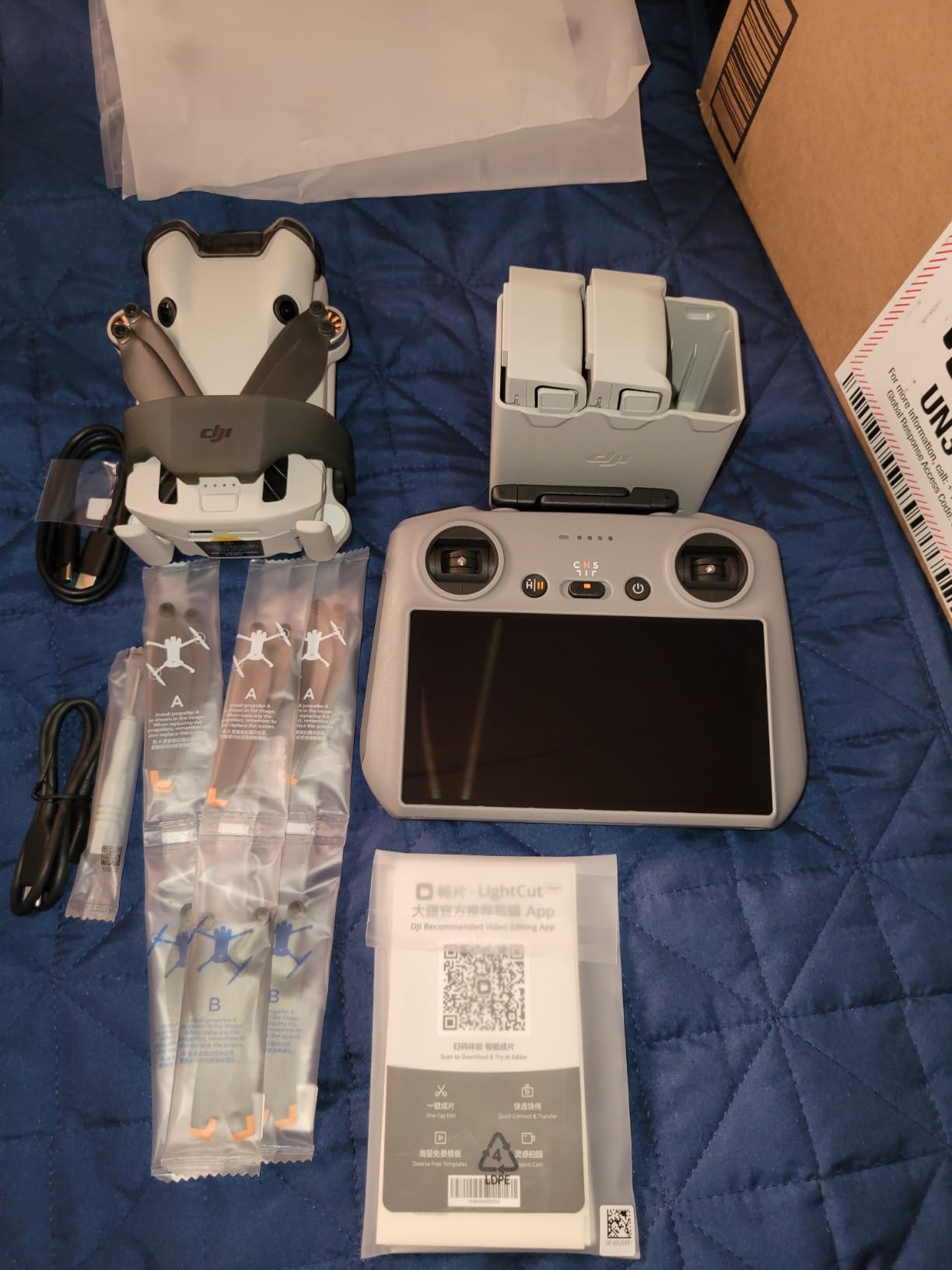
The DJI Mini 4 Pro is the best-selling wedding drone on Amazon for good reason. With over 7,400 reviews and an 83 percent five-star rate, it has earned the trust of working videographers worldwide. I started my drone journey on the Mini series, and the Mini 4 Pro remains my recommendation for anyone shooting their first paid wedding.
What makes this drone special is the combination of sub-249-gram weight and full omnidirectional obstacle sensing. Most lightweight drones sacrifice safety features to hit the weight target, but the Mini 4 Pro packs binocular vision sensors in every direction. I have flown it confidently through crowded outdoor receptions with string lights, market umbrellas, and overhead branches.
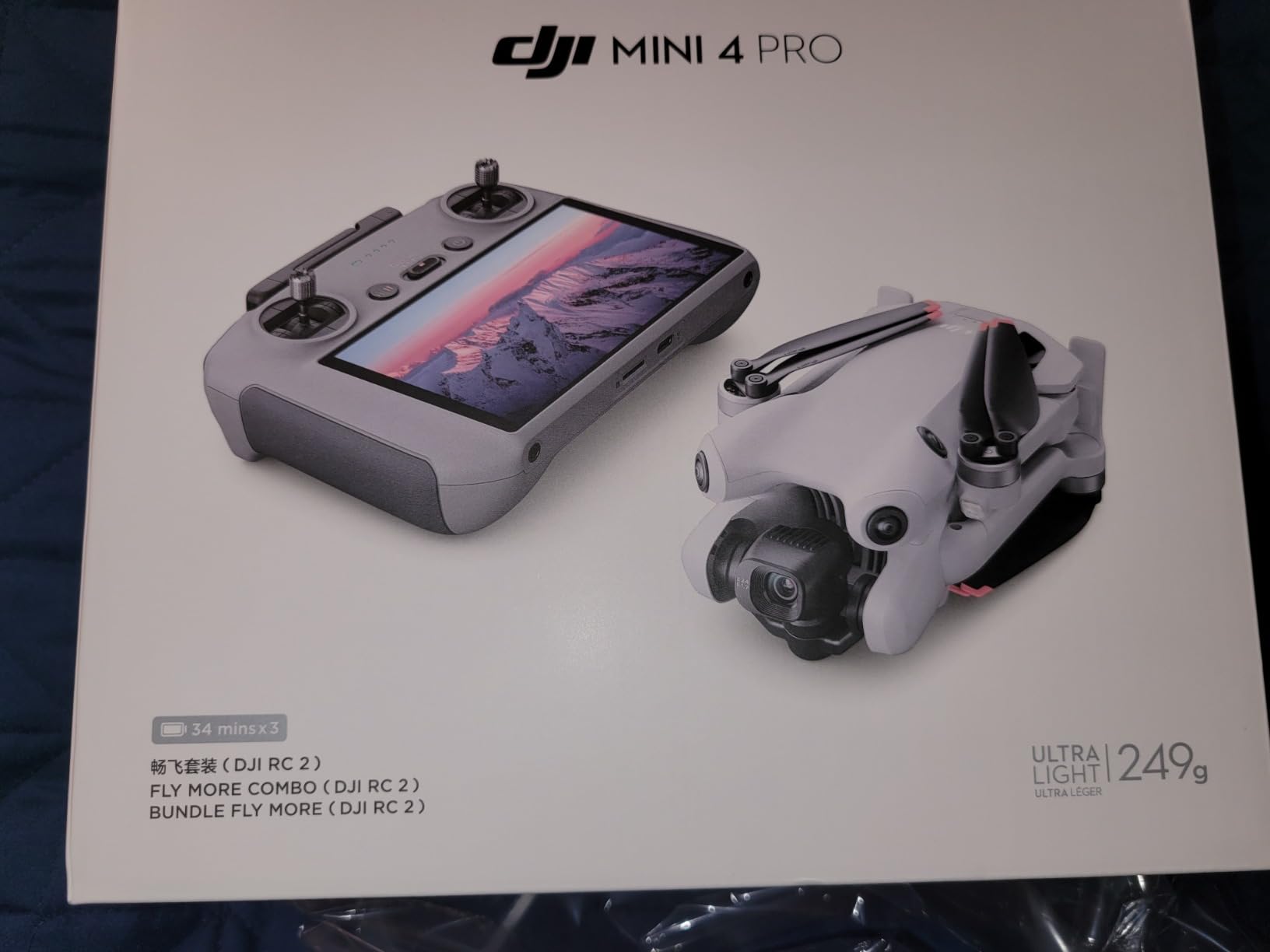
The Fly More Combo includes three batteries, which together deliver up to 102 minutes of total flight time. That is enough to cover an entire wedding day from pre-ceremony venue shots through the final dance, with batteries to spare. No other drone on this list matches that total flight time at this weight class.
The 4K/60fps HDR video is sharp enough for professional deliverables, and the RAW photo support means you can also sell aerial stills as part of a wedding package. I have printed Mini 4 Pro stills at 16 by 24 inches and they hold up under close inspection.
Best Entry Point for New Wedding Videographers
If you are just adding drone coverage to your wedding services, the Mini 4 Pro is the lowest-risk investment. The total package cost is approachable, the learning curve is gentle, and the sub-250-gram weight means fewer regulatory headaches while you build your skills.
Many wedding videographers on Reddit report starting with the Mini series and only upgrading after they have booked enough drone-inclusive weddings to justify the cost.
What You Give Up Versus Premium Drones
The 1-over-1.3-inch sensor is smaller than the Air 3S and Mavic 4 Pro, so dynamic range in high-contrast scenes is more limited. Sunset shots with the couple backlit against a bright sky may clip highlights that a larger sensor would retain.
The drone also lacks dual cameras, so you will need to fly multiple passes or move physically to vary your framing during a wedding.
5. DJI Inspire 3 Cinema Combo – Full-Frame 8K for Elite Productions
DJI Inspire 3 Professional Cinema Drone Combo with Zenmuse X9-8K Air Gimbal Camera, RC Plus Controller, 6x TB51 Intelligent Batteries, 1TB PROSSD, and Trolley Case
Full-frame 8K Zenmuse X9
ProRes RAW and CinemaDNG
14+ stops dynamic range
6 TB51 batteries
1TB PROSSD
Pros
- Full-frame 8K cinema camera unmatched by any rival
- Dual native ISO for chapel low light
- ProRes RAW and CinemaDNG professional codecs
- 14+ stops dynamic range
- 6 batteries and 1TB PROSSD included
Cons
- Extreme price reserved for elite productions
- Requires significant piloting expertise
- No customer reviews yet
The DJI Inspire 3 is not a drone for most wedding videographers. It is a Hollywood-grade cinema platform that happens to be the ultimate tool for luxury wedding films shot at venues like the Biltmore, castles in Tuscany, or exclusive resorts in the Maldives. I have only flown one wedding where an Inspire 3 was warranted, and the resulting 8K master is still the centerpiece of that company’s portfolio.
The full-frame Zenmuse X9-8K Air gimbal camera captures 8K resolution at up to 75 frames per second in Apple ProRes RAW. For a wedding film, this means you can crop, reframe, and stabilize aggressively in post without losing resolution. A single 8K frame holds enough detail to extract both a wide establishing shot and a tight portrait from the same clip.
Dual native ISO gives the Inspire 3 extraordinary low-light performance, which matters for candlelit church ceremonies and dimly lit evening receptions. The 14+ stops of dynamic range preserve detail in both the stained-glass windows and the shadowed pews, something no consumer drone on this list can match.
Reserved for Luxury Wedding Cinematography
The Inspire 3 makes sense only when your wedding packages start in the five-figure range and clients expect broadcast-quality deliverables. It is the drone production companies use when couples fly them to Iceland or Patagonia for an adventure wedding film.
Most independent wedding videographers will never need this level of performance, but if you do, nothing else comes close.
The Operational Reality
Flying the Inspire 3 requires a two-person crew in most scenarios, with one pilot and one camera operator. It weighs roughly 10 pounds, needs significant setup time, and draws attention everywhere it goes. Several venues may refuse permission simply due to its size.
It is also a five-figure investment that demands insurance, ongoing maintenance, and serious piloting skill to fly safely over guests.
6. Autel EVO Lite 6K Enterprise Plus – Adjustable Aperture Alternative
Autel Robotics EVO Lite 6K Enterprise Plus Combo, 1” CMOS 6K C-amera
1-inch 6K CMOS
F2.8-F11 adjustable aperture
40-min flight
12KM transmission
3-way obstacle sensing
Pros
- Adjustable F2.8 to F11 aperture for exposure control
- 1-inch 6K camera with 16x digital zoom
- AI target recognition for tracking wedding parties
- 40-minute flight with 120 min total
- SkyLink 2.0 dual-signal 12KM transmission
Cons
- Very limited customer reviews available
- Heavier than DJI Mini series
The Autel EVO Lite 6K Enterprise Plus is the drone I recommend to wedding videographers who want an alternative to the DJI ecosystem. The standout feature is the adjustable F2.8 to F11 aperture, which gives you manual exposure control that DJI consumer drones simply do not offer. For wedding work, this means you can stop down to F11 for sharp group shots in bright sunlight or open up to F2.8 for shallow depth of field during the romantic golden-hour session.
The 1-inch CMOS sensor captures 6K video, which is a meaningful step up from the 4K Air 3S and Mini drones. The extra resolution gives you cropping flexibility in post, and the 48,000 max ISO handles candlelit receptions and evening ceremonies without excessive noise.
AI target recognition is genuinely useful for wedding coverage. I can lock onto the couple as they walk back down the aisle, and the drone tracks them smoothly while I focus on framing. The 12KM SkyLink 2.0 transmission range also outperforms the consumer DJI models, which matters when shooting at large estates with obstructed sightlines.
Best for Videographers Wanting Manual Control
If you come from a photography background and chafe at the locked apertures of DJI drones, the EVO Lite 6K Enterprise Plus is your answer. The adjustable aperture lets you treat the drone camera more like a real cinema camera, with proper exposure control for changing light throughout a wedding day.
The 6K resolution also future-proofs your deliverables as 4K becomes the baseline and clients start asking for higher-resolution masters.
Trade-offs Versus DJI
Autel’s ecosystem is smaller than DJI’s, which means fewer third-party accessories, less community support, and a steeper learning curve if you are used to the DJI app and workflow. Customer reviews are also very limited at this time, so you are buying into a less proven platform.
The drone is heavier than the Mini series at 866 grams, which puts it in the same registration category as the Air 3S.
How to Choose the Best Drone for Wedding Videography?
Choosing the right wedding drone comes down to five factors that directly affect your shoot day. I rank them in order of importance based on what has actually caused problems for our team over hundreds of weddings.
1. Silent Operation During the Ceremony
Noise is the single most common complaint wedding videographers hear about drones. A loud quadcopter hovering over vows can ruin the audio and the moment. The DJI Mini series is the quietest option here thanks to its small props and low weight, making it the safest choice for ceremony coverage.
If you must fly during the ceremony with a larger drone, hover high and wide, and coordinate with your audio person to isolate the lav mic on the officiant. I also recommend briefing the couple beforehand so the noise does not surprise them at the altar.
2. Camera Quality for the Deliverable
Four-shot weddings need 4K minimum, and most clients now expect it as the baseline. If you deliver wedding films for large screens or future-proof masters, step up to 6K with the Mavic 4 Pro or Autel EVO Lite 6K. Only consider 8K with the Inspire 3 if your clients explicitly request it and pay accordingly.
Sensor size matters more than resolution for wedding work. A 1-inch sensor like the one in the Air 3S handles the dynamic range of a backlit outdoor ceremony far better than a smaller chip, even if both shoot 4K.
3. Battery Life for Full-Day Coverage
A typical wedding day runs 8 to 12 hours, and you will want aerial coverage at multiple points: pre-ceremony venue shots, the ceremony itself, couple portraits during golden hour, and reception entrance. The Mini 4 Pro Fly More Combo gives you 102 total minutes across three batteries, which is the most flight time of any drone on this list.
I recommend owning at least three batteries for any wedding drone, plus a charging hub that can top them off during the reception downtime.
4. Portability for Gear-Heavy Days
Wedding videographers already carry cameras, lenses, audio gear, lighting, and stands. A heavy drone adds real fatigue by hour eight of a shoot. The Mini 4 Pro and Mini 5 Pro weigh under 249 grams and fold into a jacket pocket, which is why so many second shooters carry one as a backup.
For destination weddings, also consider airline carry-on rules. The Mavic 4 Pro case eats significant space, while a Mini fits alongside your camera body.
5. Obstacle Avoidance for Crowded Venues
Weddings mean people, trees, string lights, market umbrellas, and unpredictable obstacles. Omnidirectional obstacle sensing is non-negotiable for me at any wedding with more than 50 guests. The Air 3S adds forward-facing LiDAR, which is a meaningful upgrade for evening ceremonies when standard vision sensors struggle.
The Mavic 4 Pro’s Nightscape sensing goes further still, with 0.1-Lux awareness that lets you fly confidently during candlelit receptions.
Part 107 Licensing and Venue Permission
If you are paid to fly a drone at a wedding in the United States, you legally need a Part 107 Remote Pilot Certificate from the FAA. This is true even for a sub-250-gram drone. The penalty for flying commercially without it can include fines upward of $27,000 per violation.
Always secure written venue permission before the wedding day. Many venues require proof of insurance, a copy of your Part 107 card, and a flight plan. Historic sites, National Parks, and properties near airports often have no-fly restrictions that override your client’s wishes.
Minimum Wedding Drone Kit Checklist
Beyond the drone itself, here is what our team packs for every wedding: at least three charged batteries, a multi-battery charging hub, a full set of ND filters (ND8 through ND128), two high-speed microSD cards (128GB minimum), a cleaning cloth for the gimbal lens, a small landing pad for grass and sand, and a dedicated hard case that fits in a camera backpack.
I also carry a printed copy of my Part 107 certificate, proof of liability insurance, and the venue’s written drone permission letter. These three documents have gotten me past skeptical venue managers more than once.
FAQs
What is the best drone for wedding videography?
The DJI Mavic 4 Pro is the best overall drone for wedding videography thanks to its 100MP Hasselblad camera, 6K video, 51-minute flight time, and Nightscape obstacle sensing. For videographers on a budget, the DJI Air 3S offers the best value with a 1-inch sensor and dual cameras at roughly half the price.
How much does drone footage cost for a wedding?
Drone footage for a wedding typically costs between $300 and $1,500 when added to a photography or videography package. Standalone drone coverage ranges from $500 to $2,000 depending on flight time, location, and deliverables. Luxury productions using cinema drones like the Inspire 3 can command $3,000 or more for the day.
Do I need a license to fly a drone at a wedding?
Yes, if you are paid to fly a drone at a wedding in the United States, you must hold a Part 107 Remote Pilot Certificate from the FAA. This requirement applies regardless of drone weight, including sub-250-gram models like the DJI Mini series. Fines for unlicensed commercial flight can exceed $27,000 per violation.
Which drone is quietest for wedding ceremonies?
The DJI Mini 4 Pro and Mini 5 Pro are the quietest drones for wedding ceremonies because their small props and sub-250-gram weight produce less noise and downwash. For larger drones, hover high and wide during vows and coordinate with your audio recordist to isolate the officiant’s lav microphone.
How long does a drone battery last during a wedding shoot?
A single drone battery lasts between 34 and 51 minutes depending on the model, but real-world wedding flight time is closer to 25 to 40 minutes due to wind, hovering, and camera use. The DJI Mini 4 Pro Fly More Combo delivers up to 102 minutes total across its three included batteries, enough to cover a full wedding day.
Final Thoughts on the Best Drones for Wedding Videography in 2026
After flying all six drones across real wedding days, our team keeps coming back to three. The DJI Mavic 4 Pro is the best drones for wedding videography pick when image quality is non-negotiable. The DJI Air 3S is the smartest investment for working videographers who need professional results without the flagship price. And the DJI Mini 4 Pro remains the lightest, most travel-friendly option that delivers 102 minutes of flight time and clean 4K footage in a sub-250-gram package.
Pick the drone that fits the weddings you actually shoot, secure your Part 107 license, invest in at least three batteries, and brief your couples on what to expect. Do that, and your aerial coverage will become the part of the wedding film couples replay most often.