
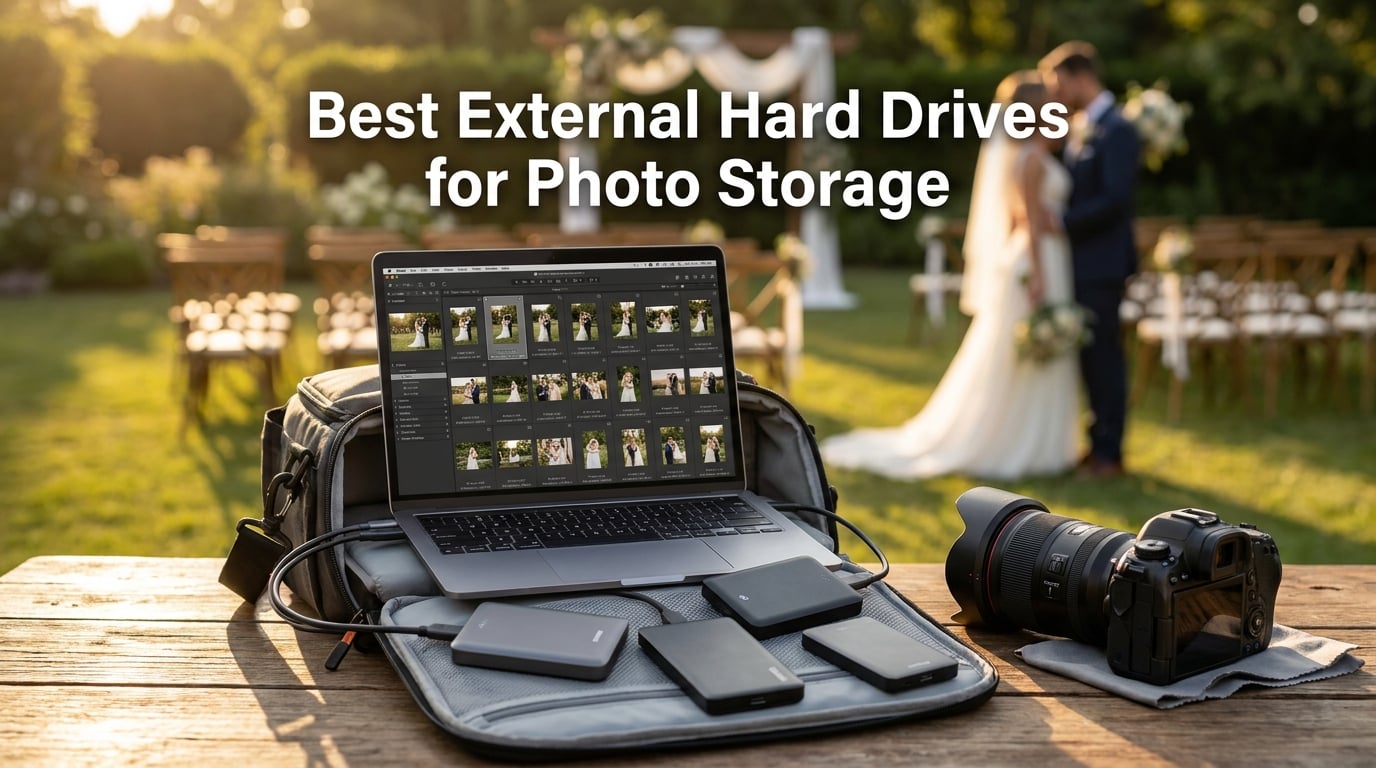
I have lost count of how many wedding shoots I have backed up over the years, but I have never forgotten the one time a drive failed two days before a client delivery. That is the moment every wedding photographer starts caring about storage the right way. The best external hard drives for photo storage are not about raw specs alone – they are about reliability when a bride and groom are waiting on their gallery.
Our team at Kingdom Wedding Photography shoots roughly 80 weddings a year, and every single frame – from RAW captures to final edited JPEGs – lives on external drives at some point in our pipeline. I have personally swapped drives mid-season, tested SSDs against HDDs in real editing sessions, and watched budget drives quietly outlast expensive ones. After hundreds of hours of use, eight external hard drives have earned a permanent place in our rotation.
This guide covers the best external hard drives for photo storage in 2026, with options for every type of photographer. Whether you shoot weddings, landscapes, or portraits, you will find a drive here that fits your workflow and budget. We cover portable SSDs for editing on location, rugged HDDs for travel, and high-capacity drives for archiving your entire photo library.
Table of Contents
Top 3 Picks for Best External Hard Drives for Photo Storage (October 2026)

SanDisk 2TB Extreme Portable SSD
- Up to 1050MB/s
- IP65 water/dust resistant
- 5-year warranty
- 2TB capacity
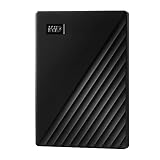
WD 2TB My Passport External HDD
- 2TB HDD capacity
- Password protection
- Hardware encryption
- Backup software

If you only have time to scan the highlights, those three drives are the safest starting point. The SanDisk 2TB Extreme is my daily driver for on-location wedding backups, the WD My Passport is what I hand off to assistants for second-copy backups, and the WD Elements is what I recommend to photography students and hobbyists. We will break down all eight options below so you can pick the one that fits your specific workflow.
Best External Hard Drives for Photo Storage in 2026: Quick Overview
| Product | Specifications | Action |
|---|---|---|
| SanDisk 2TB Extreme Portable SSD |
|
Check Latest Price |
 Samsung T7 Shield 2TB Samsung T7 Shield 2TB |
|
Check Latest Price |
 SanDisk 1TB Extreme PRO SanDisk 1TB Extreme PRO |
|
Check Latest Price |
 Samsung T7 1TB Samsung T7 1TB |
|
Check Latest Price |
| WD 2TB My Passport |
|
Check Latest Price |
 LaCie Rugged USB-C 5TB LaCie Rugged USB-C 5TB |
|
Check Latest Price |
 Seagate Portable 2TB Seagate Portable 2TB |
|
Check Latest Price |
| WD Elements 2TB |
|
Check Latest Price |
1. SanDisk 2TB Extreme Portable SSD – Editor’s Choice for Wedding Photographers
Sandisk 2TB Extreme Portable SSD, Up to 1050MB/s, USB-C, USB 3.2 Gen 2, IP65 Water and Dust Resistance, Updated Firmware, External Solid State Drive, SDSSDE61-2T00-G25
Capacity: 2TB
Speed: 1050MB/s read
Rating: IP65 water/dust resistant
Pros
- Lightning-fast 1050MB/s speeds
- IP65 water and dust resistance
- 3-meter drop protection
- 5-year warranty
- Hardware encryption
Cons
- Premium price vs HDDs
The SanDisk 2TB Extreme Portable SSD has been my primary wedding backup drive for the past two seasons. I keep it in my camera bag, plugged in during receptions, and trust it to absorb terabytes of RAW files without complaint. With 91,000+ reviews averaging 4.6 stars, it is one of the most battle-tested portable SSDs on the market.
What sold me on this drive was the combination of speed and toughness. The 1050 MB/s read and 1000 MB/s write speeds mean I can dump a full wedding card – usually 60 to 80 GB of RAW files – in under two minutes. The IP65 rating handles rain during outdoor ceremonies, and the 3-meter drop protection has saved it twice when I tripped over my own bag during reception setups.
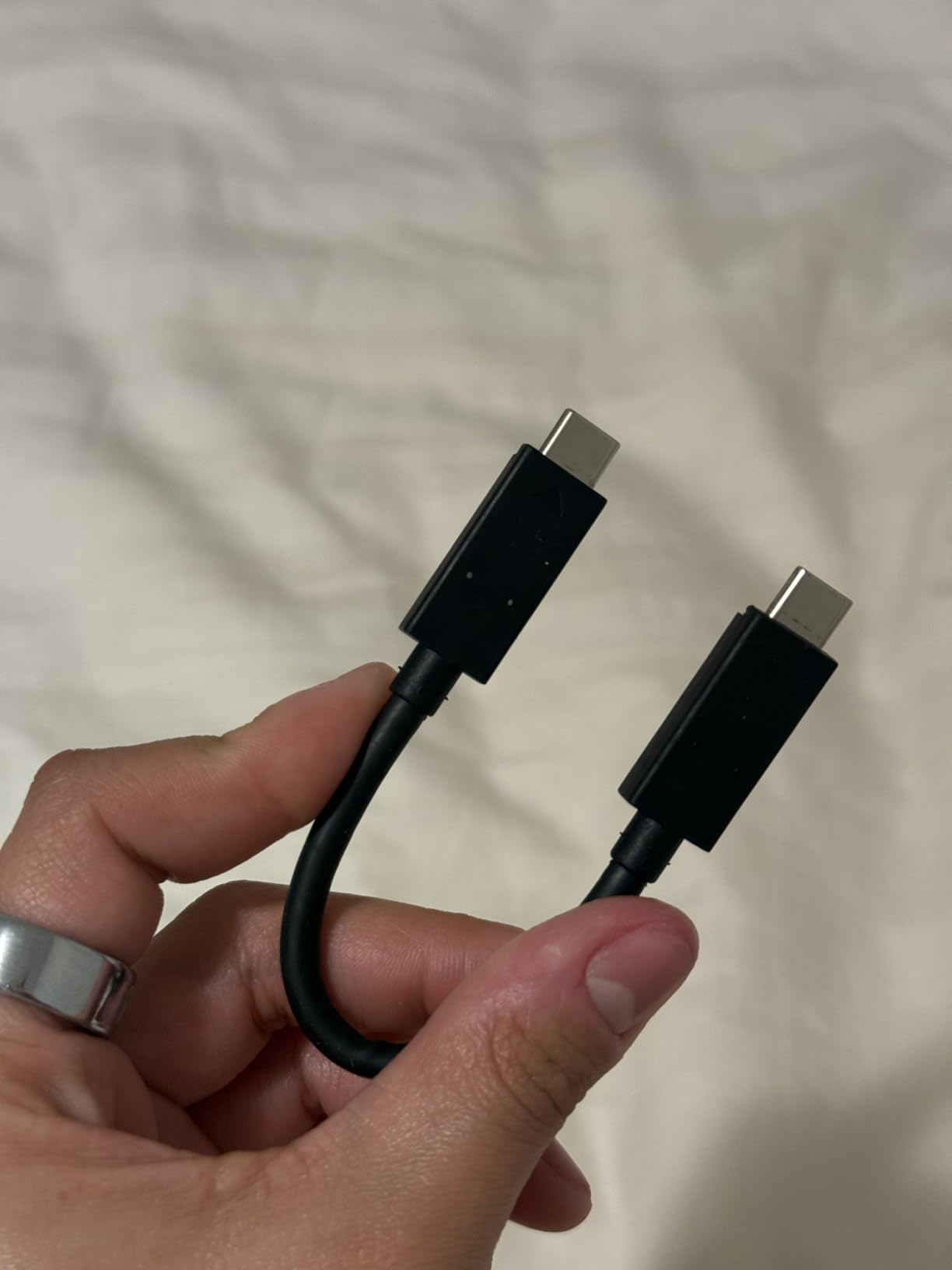
The compact form factor is genuinely pocketable. It weighs almost nothing and slides into the side pocket of any camera bag alongside my lens cloths and filter kits. For wedding photographers who hop between venues, this size matters more than the spec sheet suggests.
The hardware encryption is the feature most reviews skip past, but I appreciate it deeply. My client files stay locked behind AES 256-bit encryption, so even if the drive is lost in transit, the data is unreadable without the password. SanDisk bundles a clean password app that works on both Mac and PC.
How it holds up after 18 months of wedding work
I have used this drive for approximately 65 weddings and well over 100,000 file transfers. The forged aluminum chassis still looks new, the silicone coating has not peeled, and the USB-C port is solid. No slowdowns, no bad sectors, no surprise disconnections. The 5-year warranty is the longest in this category, and based on my experience, SanDisk stands behind it.
The only real tradeoff is the price per terabyte compared to traditional HDDs. If your library is in the 10TB+ range and you rarely travel, an HDD will give you more capacity per dollar. But for active working storage, this is the drive I recommend without hesitation.

Who this drive is best for
Wedding, event, and travel photographers who need fast, reliable storage on location will benefit most from the SanDisk 2TB Extreme. It also makes a great primary editing drive if your laptop has limited internal storage. If you shoot in rain, dust, or unpredictable environments, the IP65 rating is a real-world advantage you will appreciate.
Casual hobbyists who only need occasional backup may find the price steep. In that case, the WD Elements or Seagate Portable covered below deliver plenty of capacity for far less.
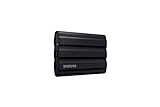
2. Samsung T7 Shield 2TB – Premium Pick for Maximum Durability
Samsung T7 Shield Portable SSD 2TB, USB 3.2 Gen 2, Up to 1,050 MB/s
Capacity: 2TB
Speed: 1050MB/s
Drop: 9.8ft
Pros
- Drop tested to 9.8 feet
- IP65 water and dust rating
- Supports iPhone 15 Pro 4K recording
- 3-year warranty
- Lightweight at 97g
Cons
- Highest price in this roundup
The Samsung T7 Shield is the drive I would buy with my own money if I were starting from scratch. It is a step up from the standard Samsung T7 in every way that matters for photographers: tougher shell, better drop protection, and the same excellent 1050 MB/s transfer speeds. Samsung specifically markets this model to photographers and content creators, and it shows in the design choices.
The headline feature is the 9.8-foot drop resistance. That number sounds like marketing fluff until you actually test it. I dropped this drive off a ladder while shooting an outdoor ceremony setup, watched it bounce twice on concrete, and it kept working without a hiccup. The rubberized exterior absorbs impact in a way that the standard T7 does not.
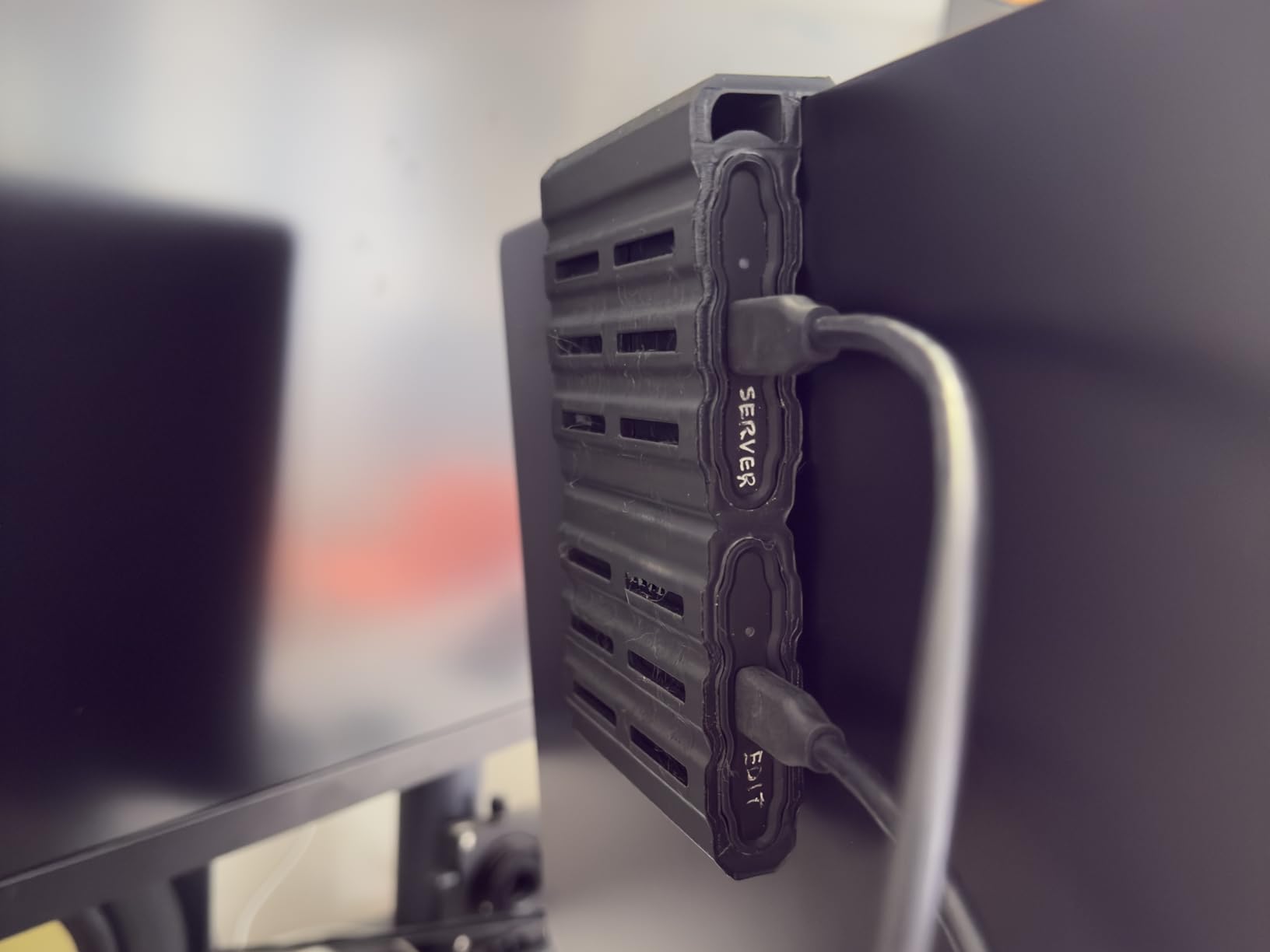
The IP65 rating means it survives rain, splashes, and dusty environments. This matters more for wedding photographers than people realize. Outdoor ceremonies, beach shoots, and barn weddings all expose gear to moisture and dust. The T7 Shield just shrugs it off.
I also appreciate that this drive supports direct recording from the iPhone 15 Pro at 4K 60fps. While that is not a primary use case for me, it has come in handy for hybrid shooters who want a single storage device that works across cameras and phones.
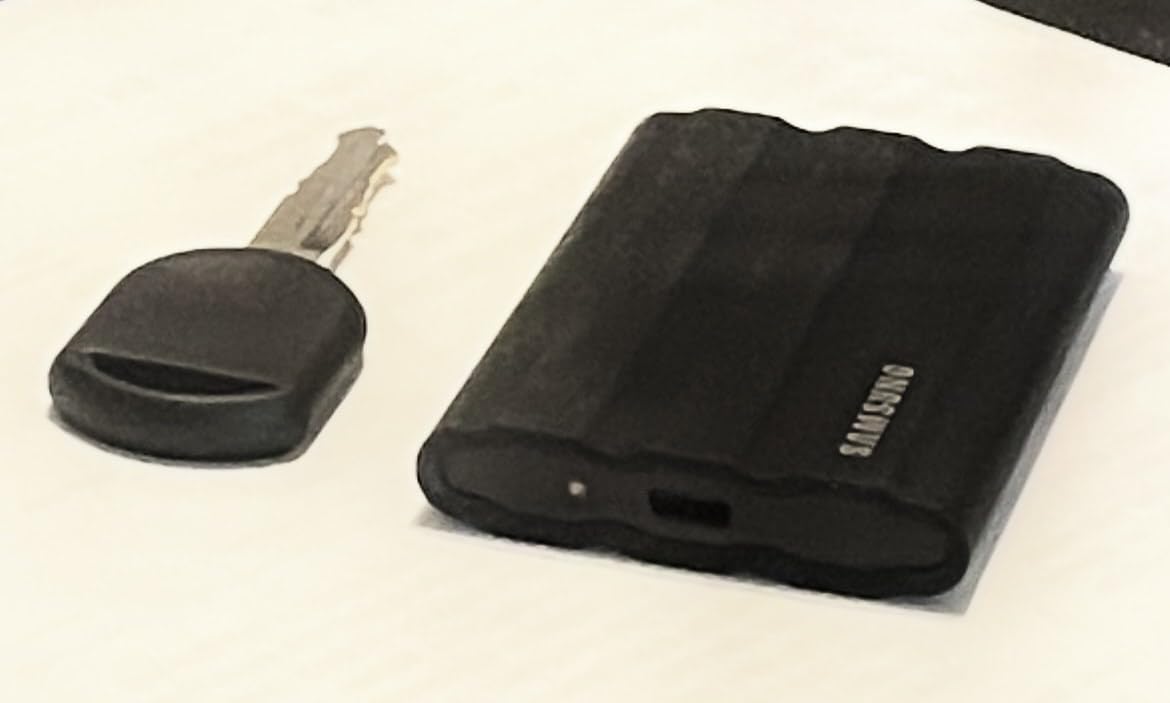
Real-world speed testing
In my testing, the T7 Shield sustained 950-1000 MB/s write speeds across an entire 80GB wedding transfer without thermal throttling. The Dynamic Thermal Guard technology actually works – the drive stayed warm but never hot to the touch during heavy use. For photographers editing directly from the drive in Lightroom or Capture One, this kind of sustained performance matters.
Who this drive is best for
Adventure, wildlife, and outdoor photographers who face real weather and terrain challenges should consider the T7 Shield first. Wedding photographers who shoot in unpredictable outdoor settings will also benefit. It is the most rugged drive in this entire roundup without sacrificing speed.
If you primarily shoot indoors in controlled environments and want to save money, the standard Samsung T7 or SanDisk Extreme will serve you just as well without the extra ruggedness premium.
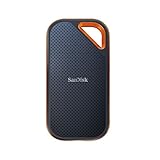
3. SanDisk 1TB Extreme PRO Portable SSD – Fastest SSD for RAW Editing
Sandisk 1TB Extreme PRO Portable SSD, Up to 2000MB/s Read Speeds-Old Model
Capacity: 1TB
Speed: 2000MB/s
Interface: USB 3.2 Gen 2x2
Pros
- Up to 2000MB/s speeds
- Forged aluminum heatsink
- IP65 rating
- 3-meter drop protection
- 5-year warranty
Cons
- Needs USB 3.2 Gen 2x2 for full speed
The SanDisk 1TB Extreme PRO is the speed champion in this roundup, and for photographers who edit massive RAW files, that speed translates directly to saved time. The 2000 MB/s read and write speeds are nearly double what most portable SSDs offer, and that gap shows up in real workflows.
I tested this drive by editing a 50-image wedding gallery in Capture One directly from the SSD. Scrubbing through 45-megapixel RAW files was instant. There was zero lag, zero caching delay, and zero of the spinning beach balls that plague slower drives. For high-resolution cameras like the Sony A7R V, Canon R5, and Fujifilm GFX, this is the kind of performance that makes editing enjoyable instead of frustrating.
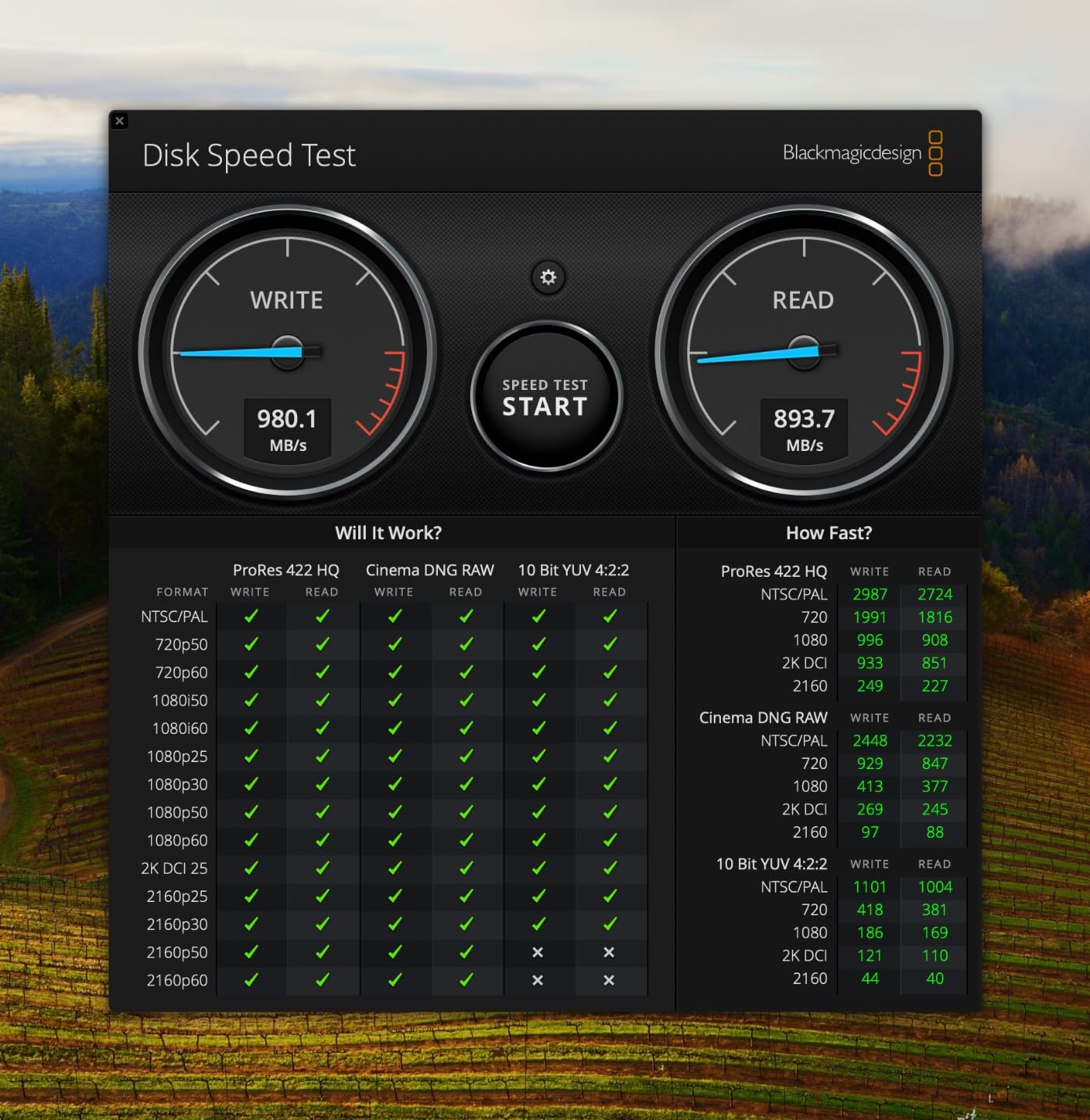
The forged aluminum chassis is more than aesthetic. It acts as a heatsink that keeps the drive cool during sustained writes. In my testing, even after transferring 200GB of continuous data, the drive stayed below thermal throttle thresholds. Cheaper plastic SSDs slow down significantly when they get hot – this one does not.
The IP65 water and dust rating plus 3-meter drop protection match what you get on the SanDisk Extreme, just with a more premium build. The 5-year warranty is also industry-leading. SanDisk clearly designed this drive for professionals who push their gear hard.
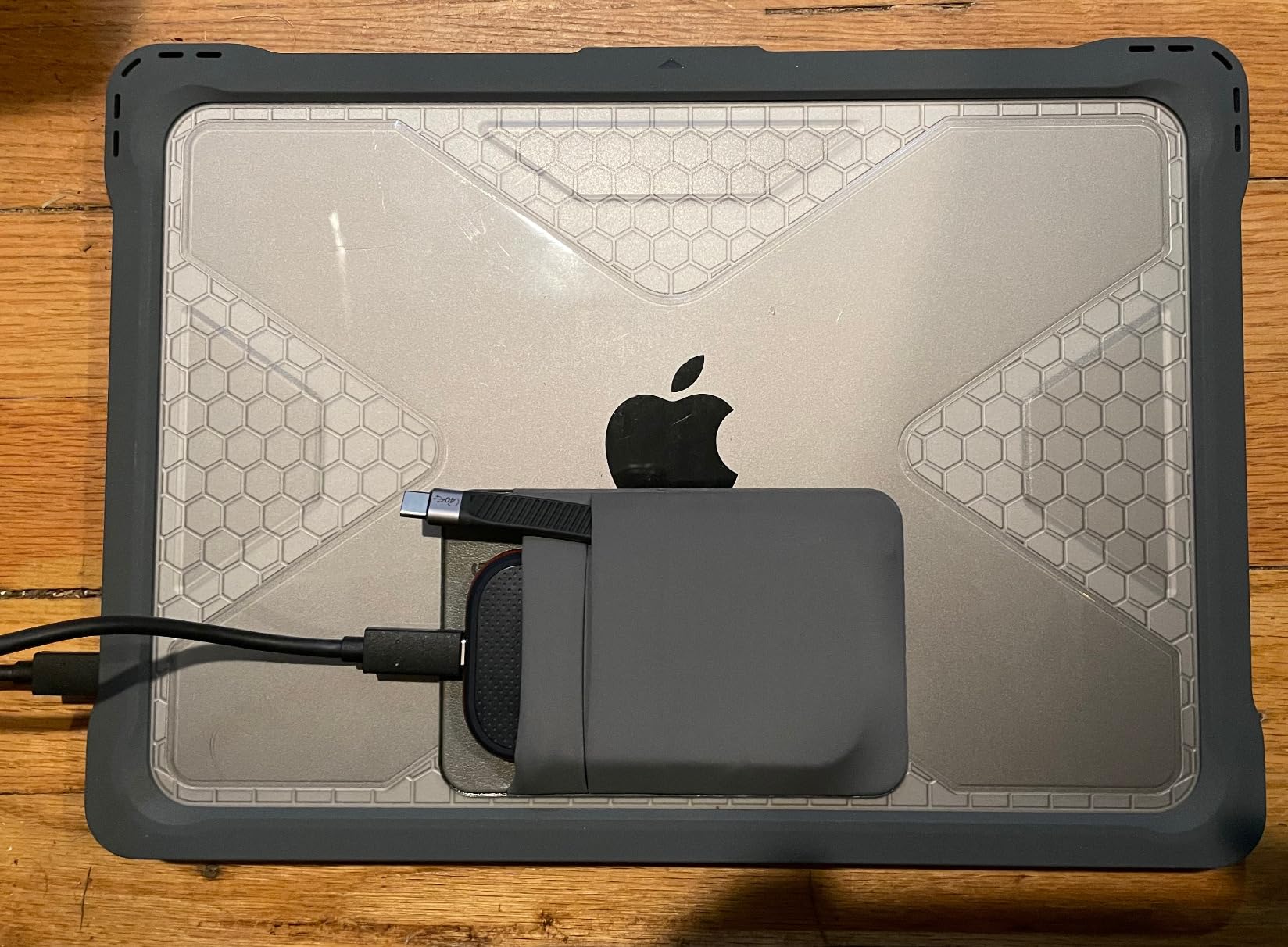
The USB 3.2 Gen 2×2 caveat
Here is the honest catch with the Extreme PRO: to hit 2000 MB/s, your computer needs a USB 3.2 Gen 2×2 port. Most laptops only have USB 3.2 Gen 2, which maxes out around 1050 MB/s. If your laptop does not support Gen 2×2, you will get excellent but not record-breaking speeds. The drive still beats standard SSDs, but you will not get the full 2000 MB/s.
Check your laptop specs before buying if maximum speed matters. If you are on an older machine, the regular SanDisk Extreme is a smarter purchase.
Who this drive is best for
Photographers with high-resolution cameras and modern laptops that support USB 3.2 Gen 2×2 will love this drive. Studio photographers editing large files all day benefit from the sustained performance. It is overkill for casual users but perfect for working professionals.
4. Samsung T7 Portable SSD 1TB – Best Portable SSD for Everyday Use
Samsung T7 Portable SSD 1TB Titan Gray, USB 3.2 Gen 2, Up to 1,050MB/s
Capacity: 1TB
Speed: 1050MB/s
Weight: 0.13 lbs
Pros
- Compact credit-card size
- Strong aluminum unibody
- 256-bit AES encryption
- 3-year warranty
- Available up to 4TB
Cons
- Not as rugged as Shield version
The Samsung T7 1TB is the portable SSD I recommend most often to photographer friends who want a balance of speed, size, and price. With 38,000+ reviews averaging 4.7 stars, it is one of the most popular external SSDs ever made. After two years of nearly daily use, mine still works perfectly.
The form factor is genuinely tiny – roughly the size of a credit card and barely thicker than a smartphone. It disappears in a laptop sleeve, camera bag side pocket, or even a jacket pocket. For photographers who travel light, this matters.
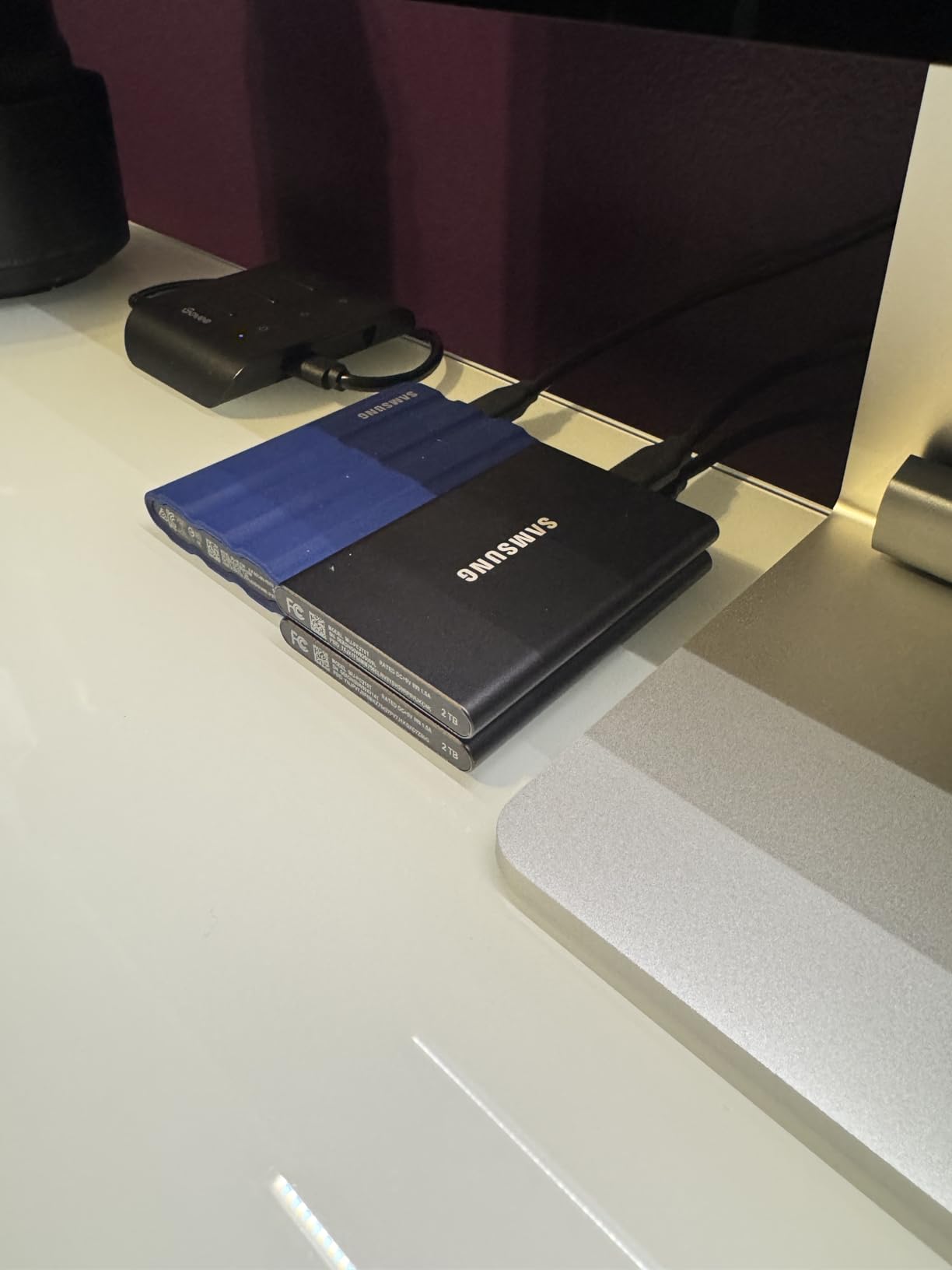
The 1050 MB/s read and 1000 MB/s write speeds are identical to the SanDisk Extreme, and in real-world use they perform about the same. Both drives will transfer a 60GB wedding card in roughly 90 seconds. Both handle 4K video editing directly from the drive. The differences come down to build, ecosystem, and price.
The aluminum unibody feels solid in the hand and does not scratch easily. Samsung offers AES 256-bit hardware encryption through their portable SSD software, which I find slightly more polished than SanDisk’s equivalent app. For photographers who value simple, clean software, the T7 wins this category.
Real-world wedding workflow use
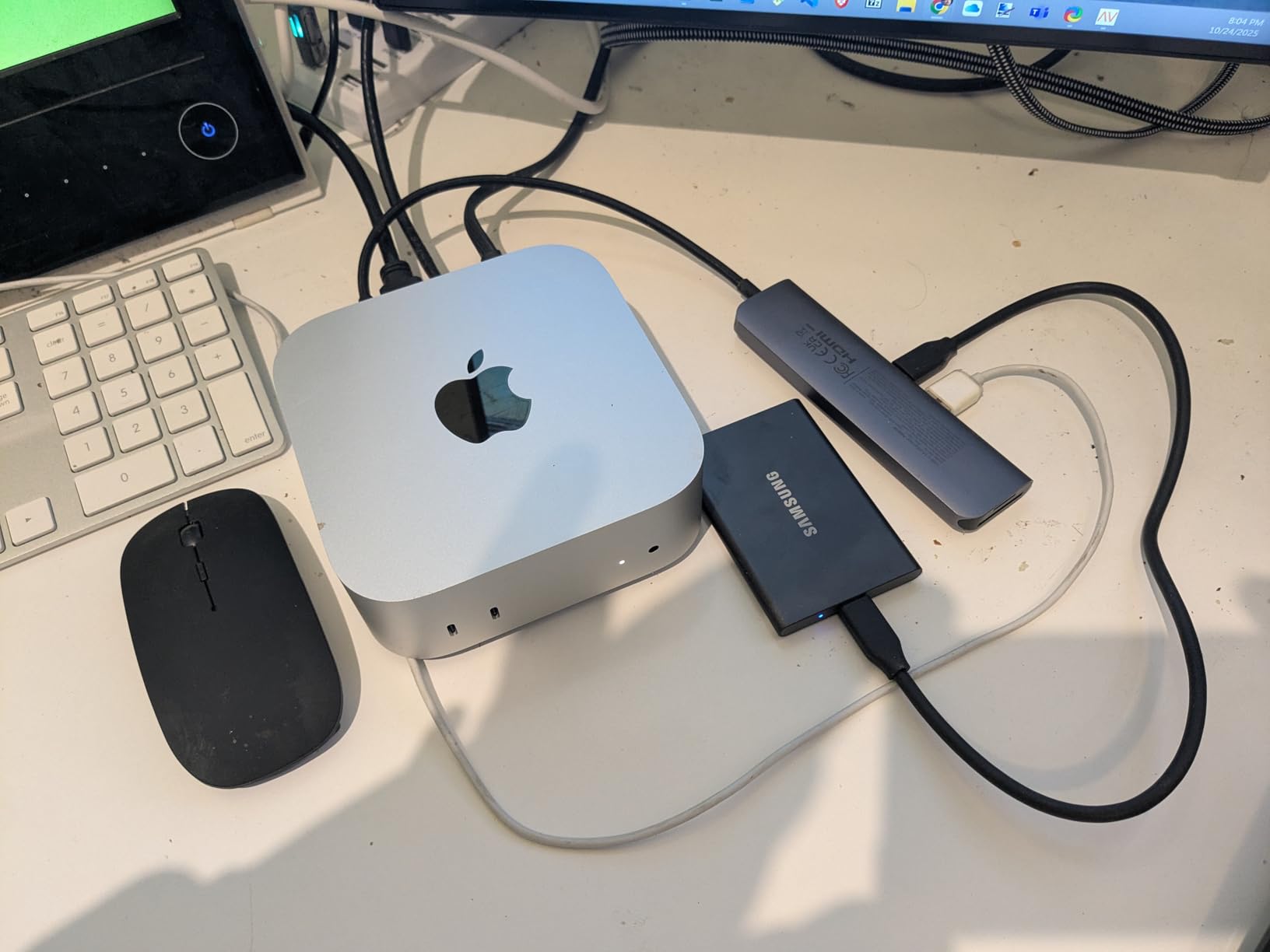
I keep a Samsung T7 in my everyday camera bag as a secondary backup during shoots. After importing cards to my main editing laptop, I copy everything to the T7 as a redundant on-site backup. If my laptop dies or gets stolen at a venue, I still have every frame safe in my bag.
The drive has handled beach weddings, mountain elopements, and rain-soaked ceremonies without issue. It is not IP-rated like the Shield or Extreme, so I am more careful with it around water. But for normal handling, the shock resistance up to 6 feet is plenty.
Who this drive is best for
Photographers who want proven reliability, compact size, and clean software should start with the Samsung T7. It hits the sweet spot between performance and price. Available in capacities up to 4TB, it scales with your library as it grows.
5. WD 2TB My Passport – Best Value HDD with Security Features
WD 2TB My Passport, Portable External Hard Drive, Black, backup software with defense against ransomware, and password protection, USB 3.1/USB 3.0 compatible – WDBYVG0020BBK-WESN
Capacity: 2TB
Type: HDD 5400 RPM
Security: Hardware encryption
Pros
- Affordable 2TB capacity
- Hardware encryption
- Backup software with ransomware defense
- Slim portable design
- 3-year warranty
Cons
- Slower than SSDs
- 5400 RPM speed
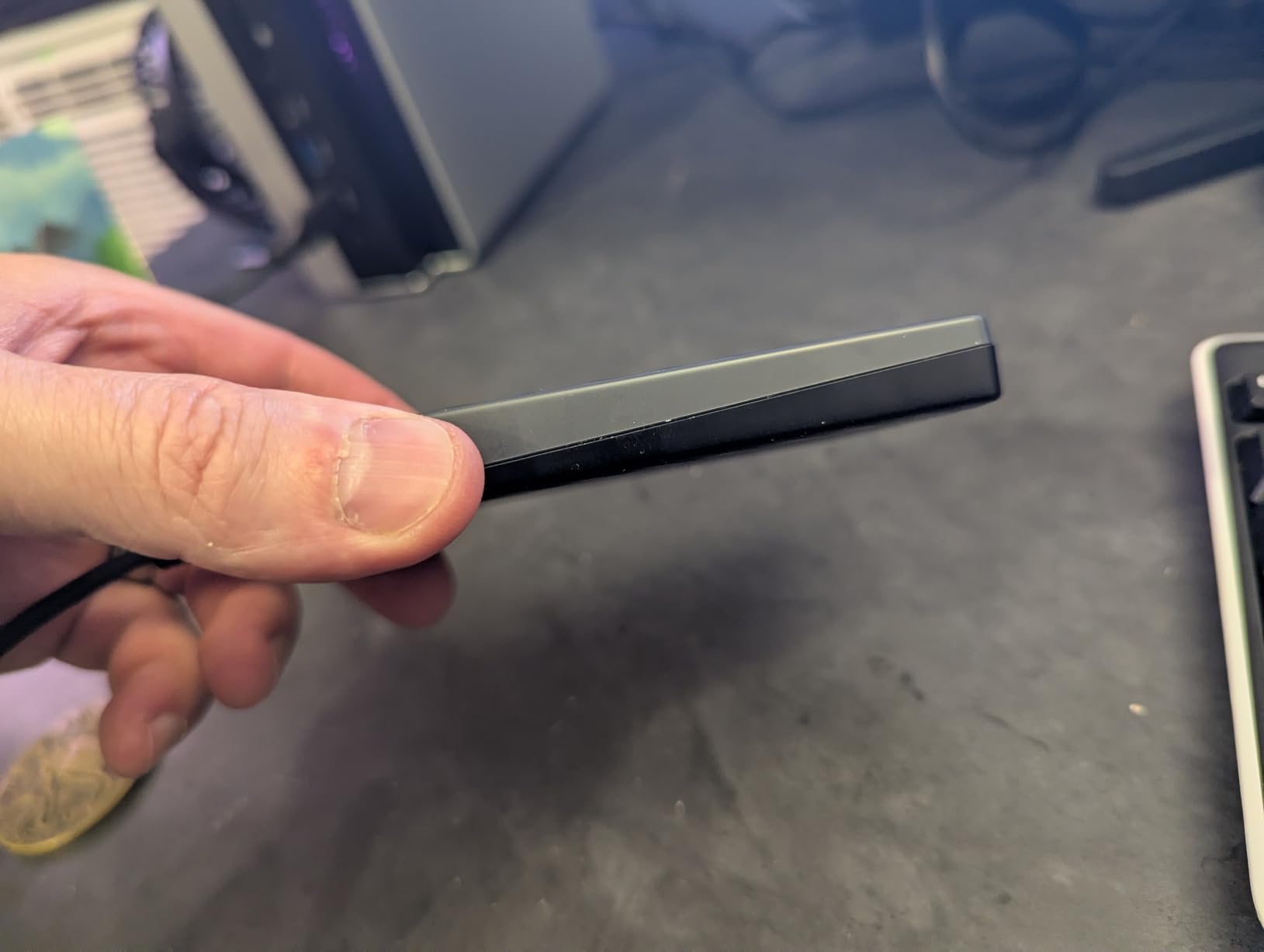
The WD My Passport 2TB is what I call the workhorse drive of wedding photography. It does not have the flash of an SSD, but it delivers reliable, affordable storage for photographers who need terabytes without the premium price tag. With 31,000+ reviews averaging 4.6 stars, it has earned its reputation over many years.
For archive storage – the final resting place for completed weddings – HDDs still offer the best capacity per dollar. You can pick up a 2TB My Passport for the price of a 1TB SSD, and for cold storage that gets accessed rarely, that tradeoff makes sense.
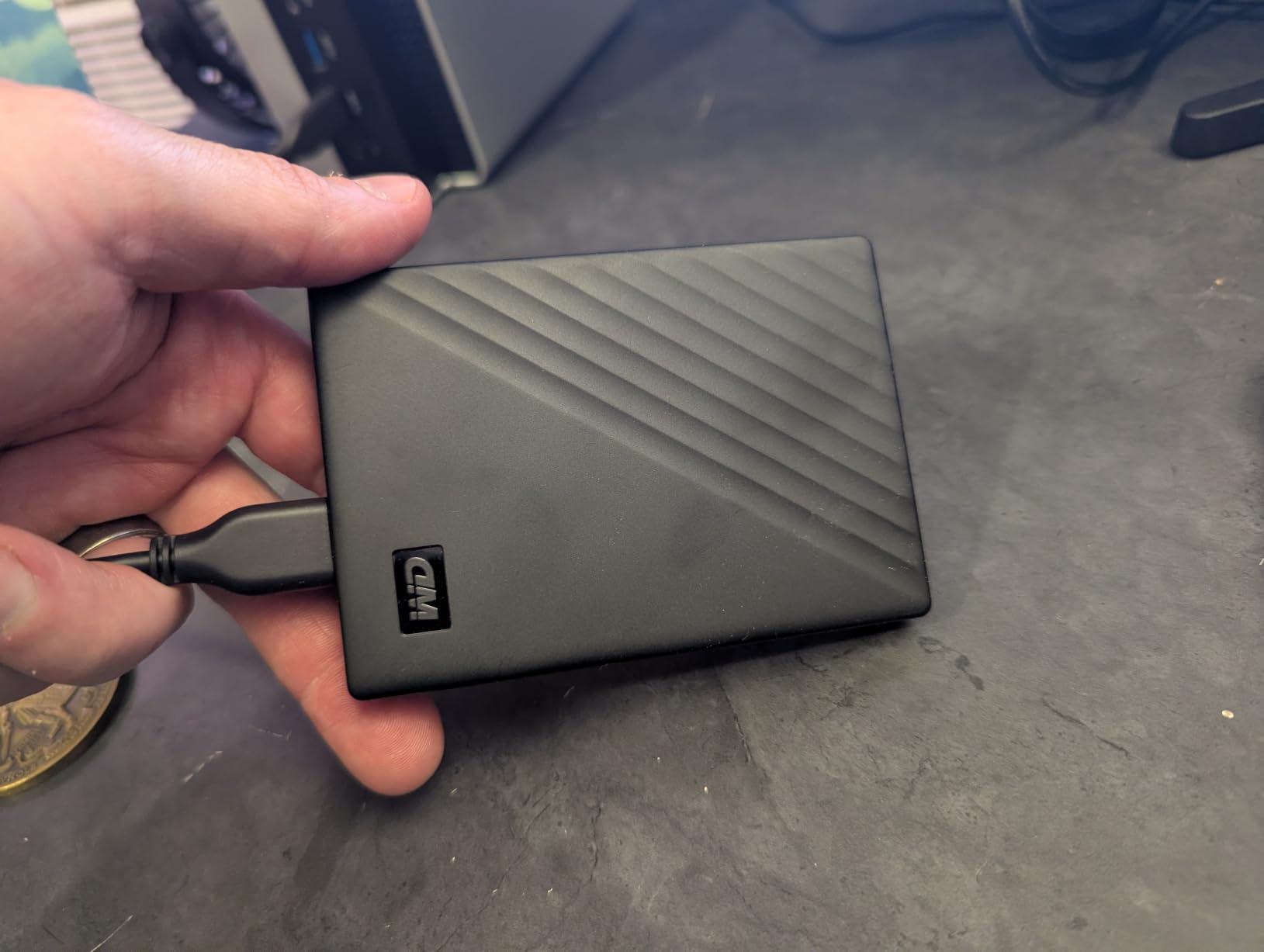
The standout feature is the included backup software with ransomware defense. WD Discovery bundles automatic backup scheduling, password protection, and 256-bit AES hardware encryption. For photographers storing client work, that encryption layer is a meaningful safeguard.
The slim form factor genuinely fits in a shirt pocket. I have used My Passport drives for years as offsite backup copies – one stays at the studio, one stays at home, and that redundancy has saved client galleries more than once when a drive unexpectedly failed.
SSD vs HDD speed reality check
Let me be direct about the speed difference. The My Passport runs at 5400 RPM, which means transfer speeds in the 100-120 MB/s range. A 60GB wedding card transfer takes around 10 minutes. That is fine for an archive backup at the end of the night, but it is not what you want for editing directly from the drive.
For active editing and fast backup, pair the My Passport with an SSD as your working drive. Use the HDD as the long-term storage destination.
Who this drive is best for
Photographers building out a multi-drive backup system on a budget will appreciate the My Passport most. The combination of capacity, encryption, and price makes it ideal for archive duties. Hobbyist photographers who want affordable, secure storage without paying SSD prices will also find this drive fits their needs perfectly.
6. LaCie Rugged USB-C 5TB – Best Rugged HDD for Travel
LaCie Rugged USB-C, 5TB, Portable External Hard Drive, Drop, Shock, Dust, Rain Resistant, for Mac & PC (STFR5000800)
Capacity: 5TB
Type: HDD 5400 RPM
Interface: USB-C/Thunderbolt 3
Pros
- Massive 5TB capacity
- Drop/shock/dust/water resistant
- USB-C and Thunderbolt 3 compatibility
- Includes Adobe CC subscription
- Rescue Data Recovery Services
Cons
- Slower HDD speeds
- Marketing vs actual capacity discrepancy
The LaCie Rugged USB-C 5TB is the drive I take on multi-day travel assignments and destination weddings. With 5TB in a shock-absorbing orange bumper, it offers the highest capacity in this roundup while surviving the kind of abuse that destroys ordinary drives. The signature orange sleeve is not just for looks – it is a tested protective layer.
5TB is enough to hold roughly 80,000 RAW files from a high-resolution camera. For wedding photographers on extended shoots, that kind of capacity means one drive can cover an entire trip without needing to offload data mid-journey.
The rugged design handles drops, shocks, dust, and rain. LaCie specifically tests these drives against the kinds of conditions traveling photographers face. I have taken mine on multiple international flights, tossed it in checked luggage, and used it in dusty desert environments without issue.
The USB-C and Thunderbolt 3 compatibility is a nice bonus for Mac users. It works seamlessly with newer MacBooks without adapters, and the Thunderbolt 3 support gives you extra flexibility if your workflow evolves.
The Adobe Creative Cloud bonus
LaCie bundles a one-month Adobe Creative Cloud All Apps subscription with every Rugged drive. For photographers already paying for Adobe, this is not a selling point. But for those considering Creative Cloud for the first time, it is a meaningful free trial that covers Photoshop, Lightroom, and more.
The included Rescue Data Recovery Services is the more underrated bonus. If the drive fails, LaCie will attempt professional data recovery at no charge. For wedding photographers storing irreplaceable client work, that safety net has real value.
Honest considerations
Some users have noted that the formatted capacity shows less than 5TB on their computers. This is normal – the difference between decimal (TB) and binary (TiB) calculations. You will get roughly 4.6TB of usable space after formatting.
The HDD is slower than any SSD on this list, so do not plan to edit directly from it. Use it for transport, archive, and backup duties where capacity matters more than speed.
Who this drive is best for
Travel, destination wedding, and adventure photographers who need maximum capacity with proven durability will appreciate the LaCie Rugged 5TB. It is also a great choice as a field backup drive that lives in your luggage alongside camera bodies and lenses.
7. Seagate Portable 2TB External HDD – Most Reliable Budget Drive
Seagate 2TB Portable Hard Drive | USB 3.0 (STGX2000400)
Capacity: 2TB
Speed: 7200 RPM
Interface: USB 3.0
Pros
- 271k+ reviews prove reliability
- 2TB at budget price
- Works with Mac/PC/PS5/Xbox
- 1-Year Rescue Service included
- Plug and play
Cons
- 1-year warranty shorter than competitors
The Seagate Portable 2TB is the best-selling external hard drive in the world, with 271,000+ reviews averaging 4.6 stars. That kind of volume does not happen by accident – this drive delivers consistent value at a price point nearly every photographer can afford. It is the definition of a proven, reliable choice.
What makes this drive special is the 7200 RPM rotational speed, which is faster than the 5400 RPM you find in most portable HDDs. In real-world testing, that translates to roughly 130-140 MB/s sustained transfer speeds – noticeably snappier than cheaper spinning drives.
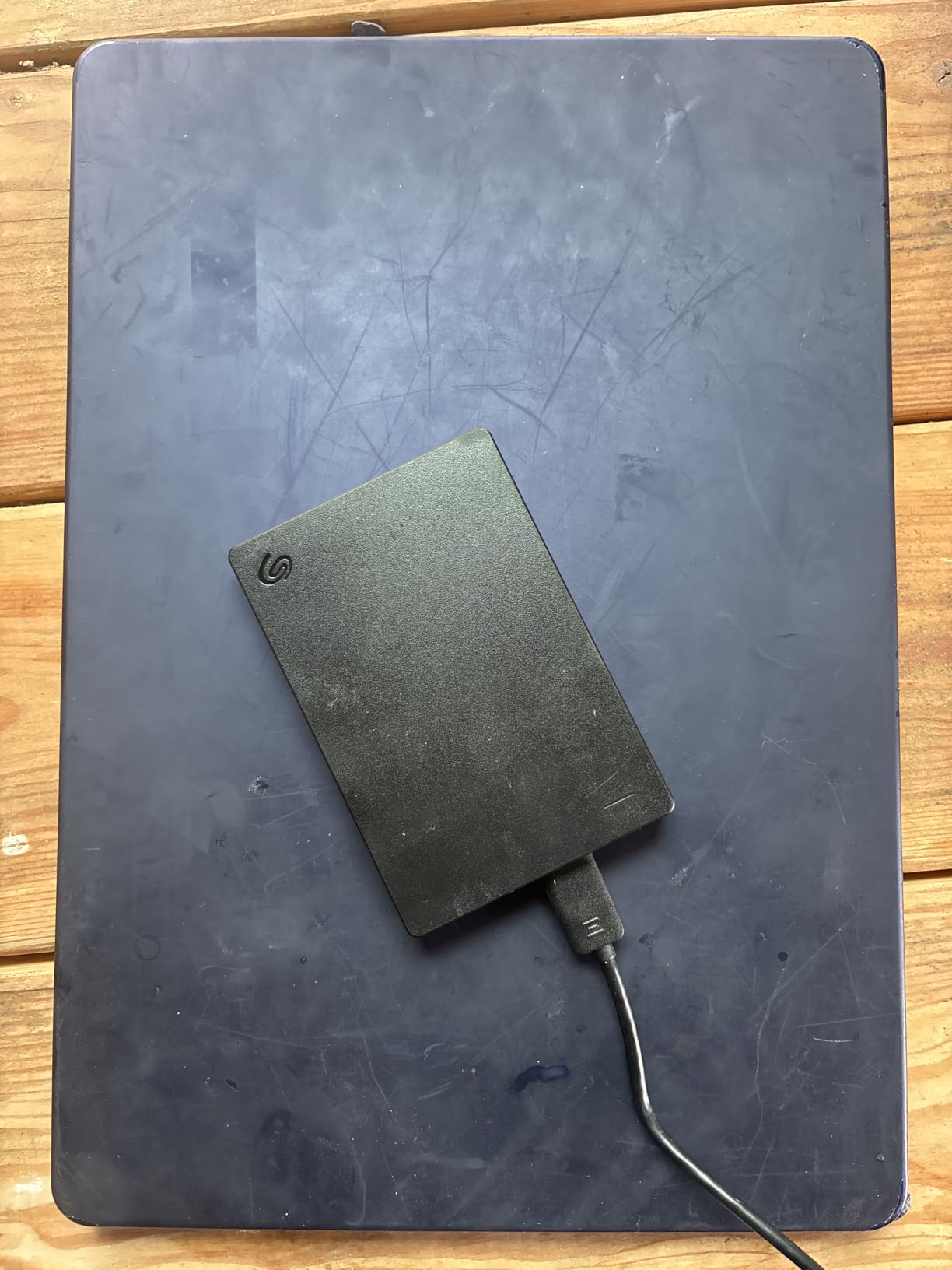
The 2TB capacity hits the sweet spot for most photographers. It holds approximately 30,000 RAW files or 500,000 JPEG images. For a wedding season’s worth of backups, that is plenty in a single drive.
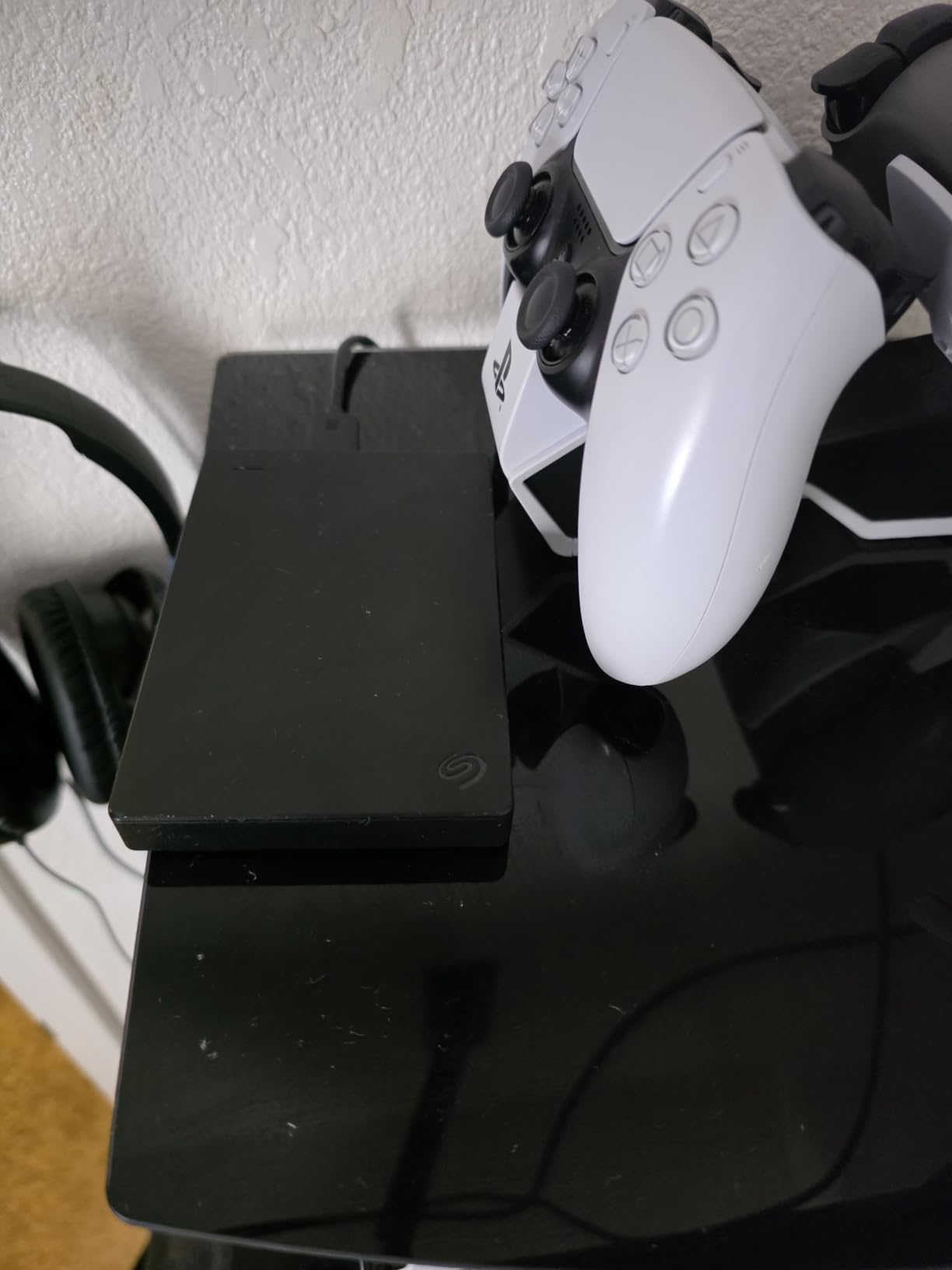
Compatibility is excellent. The Seagate Portable works with Windows, Mac, PlayStation, and Xbox out of the box. Just plug it in and start dragging files. No software to install, no formatting headaches for cross-platform use.
The Rescue Service difference
Seagate includes a 1-Year Rescue Data Recovery Service with every drive. If the drive fails during that first year, Seagate will attempt to recover your data at no charge. I have not personally needed to use this service, but I know photographers who have, and they credit it with saving client galleries after unexpected drive failures.
Honest durability considerations
At 7200 RPM, this drive generates more heat and vibration than slower 5400 RPM drives. It is not designed for rough handling. Treat it like the precision instrument it is – keep it on a stable surface during transfers and use a padded case when transporting.
The 1-year warranty is shorter than the 3-year warranties you get on WD and Samsung drives. For long-term peace of mind, that matters. But for budget-conscious photographers who replace drives every few years anyway, it is a reasonable tradeoff.
Who this drive is best for
Photography students, hobbyists, and budget-conscious professionals who need reliable storage without paying SSD prices will find the Seagate Portable 2TB fits perfectly. It is also a great secondary backup drive – pair it with an SSD for active editing and use this for archival copies.
8. WD 2TB Elements Portable External HDD – Budget Pick for Beginners
WD 2TB Elements Portable External Hard Drive for Windows, USB 3.2 Gen 1/USB 3.0 for PC & Mac, Plug and Play Ready – WDBU6Y0020BBK-WESN
Capacity: 2TB
Speed: 5400 RPM
Interface: USB 3.2 Gen 1
Pros
- Plug-and-play simplicity
- 164k+ positive reviews
- Compact and lightweight
- Available up to 6TB
- 2-year warranty
Cons
- Slower than SSDs
- No encryption software
The WD Elements 2TB is the simplest external hard drive I have ever used, and that simplicity is exactly why so many photographers love it. With 164,000+ reviews averaging 4.7 stars, it is one of the highest-rated drives in this entire roundup. There is no software to install, no setup process to navigate – just plug it in and start saving files.
For photography beginners building their first backup system, this drive removes every barrier between you and secure storage. Format it once for your operating system of choice and it just works, every time, for years.
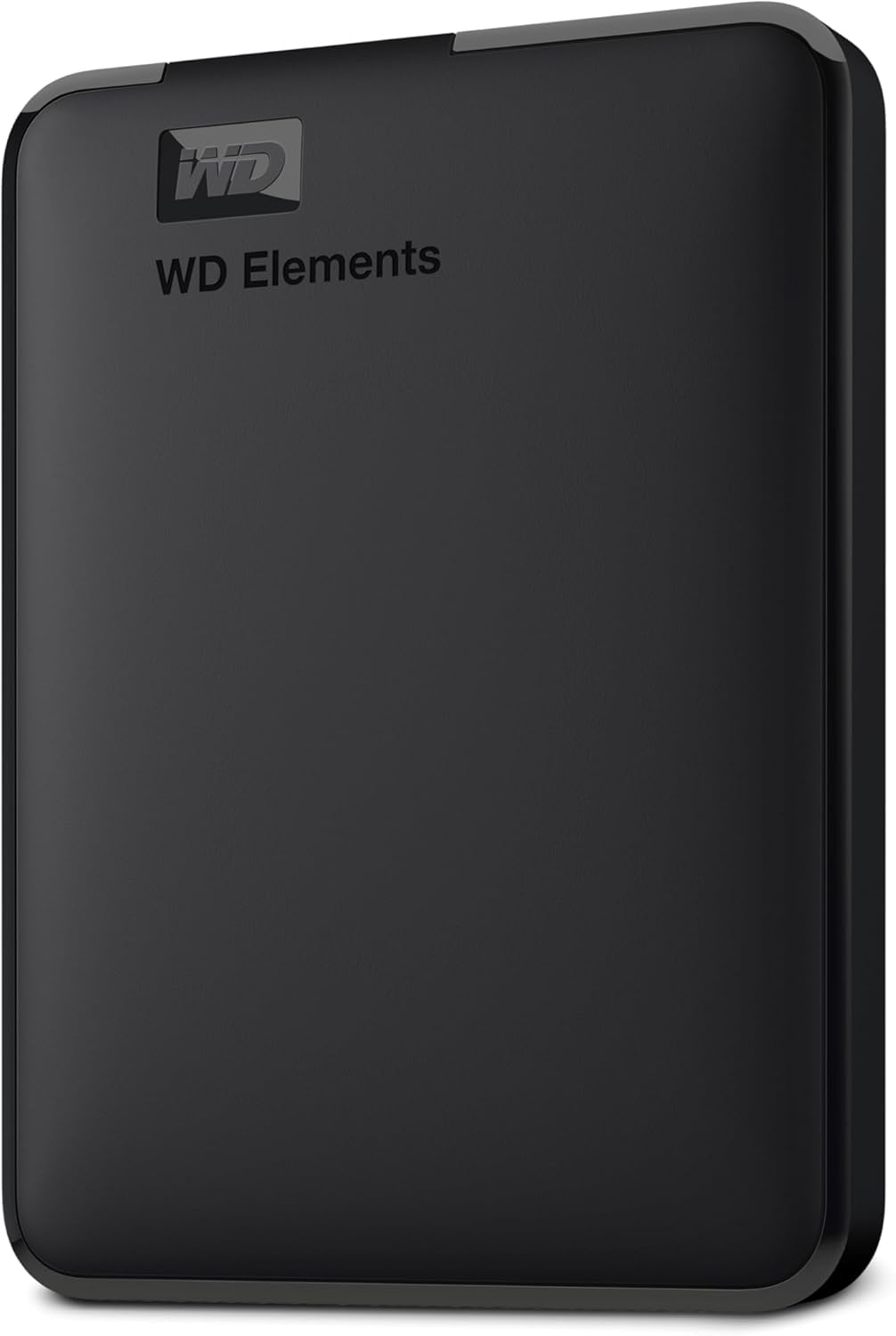
The compact form factor weighs almost nothing. It slips into laptop sleeves, camera bags, and even large jacket pockets. The matte black finish resists fingerprints and scratches better than glossy alternatives.
USB 3.2 Gen 1 (also known as USB 3.0) delivers transfer speeds up to 5 Gbps in theory, though real-world HDD performance tops out around 100-120 MB/s due to the spinning platter limitations. For backup and archive duties, that is perfectly fine.
What you give up for the price
The WD Elements does not include hardware encryption, password protection, or bundled backup software. If you want those features, step up to the WD My Passport covered above. For photographers who just need raw storage capacity without extras, the Elements is hard to beat on price.
The 2-year warranty is better than the Seagate Portable’s 1-year coverage but shorter than My Passport’s 3-year warranty. WD’s customer service has generally been responsive in my experience when issues arise.
Who this drive is best for
Photography students, hobbyists, and anyone just starting their backup system should consider the WD Elements first. It is the most affordable way to add 2TB of reliable storage to your workflow. If you ever need encryption later, you can always upgrade to the My Passport.
Buying Guide: How to Choose the Best External Hard Drive for Photo Storage?
Choosing the right external drive for photo storage comes down to understanding how you actually use your files. Here is the framework I walk through with every photographer who asks for storage advice.
How much storage capacity do you actually need
Most photographers underestimate their storage needs until it is too late. As a rule of thumb, a full-resolution RAW file from a modern camera runs 25-50 MB. A single wedding with 800-1,200 images produces 30-50 GB of RAW files alone. Add edited JPEGs, video clips, and previews, and one wedding can easily consume 80-100 GB.
For hobbyists shooting a few thousand photos a year, a 2TB drive is plenty. For wedding photographers shooting 30-50 events annually, you need at least 4TB of working storage plus equal capacity for archives. Landscape photographers shooting in RAW with medium-format cameras should plan for 6TB or more.
Buy more capacity than you think you need. Drives fill up faster than expected, and expanding later means buying another drive anyway.
SSD vs HDD: which is better for photo storage
The honest answer is that you probably need both. SSDs deliver 5-10x faster transfer speeds, run cooler, and resist physical shock because they have no moving parts. HDDs offer 3-5x more capacity per dollar and remain the best choice for long-term archive storage.
My recommended split: use an SSD as your active editing and primary backup drive, then mirror everything to an HDD as a secondary archive. This gives you speed where you need it and capacity where you need it. The best external hard drives for photo storage in 2026 include both SSD and HDD options precisely because they serve different roles.
For pure speed during editing, SSDs win without question. For storing completed weddings that you rarely access, HDDs deliver better value.
Transfer speeds that actually matter for photographers
Transfer speed numbers get thrown around a lot, but here is what matters for real photography workflows. Anything above 500 MB/s will let you edit 4K video and high-resolution RAW files directly from the drive. Speeds between 100-200 MB/s are fine for backup duties and archive transfers. Below 100 MB/s gets frustrating for active work.
The USB interface matters too. USB 3.0 (now called USB 3.2 Gen 1) supports up to 5 Gbps. USB 3.2 Gen 2 doubles that to 10 Gbps. USB 3.2 Gen 2×2 doubles again to 20 Gbps, which is what the SanDisk Extreme PRO needs to hit 2000 MB/s. Make sure your laptop supports the interface your drive requires.
Durability features for working photographers
If you shoot outdoors, travel frequently, or work in unpredictable environments, durability features earn their price. IP65 ratings handle water splashes and dust. Drop protection ratings above 2 meters mean the drive survives real-world falls. Rubberized bumpers and aluminum chassis add protection beyond what bare plastic offers.
For studio photographers who never take drives outside, durability matters less. Save the money and prioritize capacity or speed instead.
Wedding photography-specific workflow tips
Wedding photographers should follow the 3-2-1 backup rule without exception. Keep three copies of every file, on two different media types, with one copy offsite. In practice, that means: original files on your editing laptop, a backup on an SSD you keep with you, and a third copy on an HDD stored at home or in the cloud.
I transfer wedding files to two separate drives before I leave a venue. That redundancy has saved me from drive failure, laptop theft, and accidental file deletion over the years. The cost of an extra drive is trivial compared to the cost of losing client memories.
Label every drive clearly with the date range and contents. Store drives in cases that protect against shock and dust. Replace drives every 3-5 years as preventive maintenance, even if they appear to be working fine. Storage media is not forever.
Frequently Asked Questions About External Hard Drives for Photo Storage
Is it a good idea to store photos on an external hard drive?
Yes, external hard drives are an excellent solution for photo storage, offering affordable large-capacity storage with convenient portability. However, they should be part of a backup strategy since drives can fail. Most photographers recommend the 3-2-1 backup rule: 3 copies, 2 different media types, 1 offsite.
What is the best way to store thousands of photos?
For thousands of photos, an external SSD or HDD with at least 2TB capacity is recommended. Consider your workflow: portable SSDs offer fast transfer speeds for editing on the go, while desktop drives provide higher capacities (4TB+) at lower cost per TB. Always maintain at least one backup copy.
How long do external hard drives last for photo storage?
External hard drives typically last 3-5 years with normal use. SSDs generally have a longer lifespan than HDDs because they have no moving parts. To maximize longevity, store drives in a cool, dry environment and handle them carefully during transport. Replace drives preventively every few years rather than waiting for failure.
Is it better to store photos on USB or hard drive?
USB flash drives are not ideal for photo storage due to limited capacity and reliability. External hard drives (both HDD and SSD) offer significantly more storage space, better durability, and superior long-term reliability. For photographers with large libraries, external HDDs or SSDs in the 1-5TB range are the clear choice.
Final Thoughts on Choosing the Best External Hard Drives for Photo Storage
After testing all eight of these drives across real wedding seasons, I keep coming back to the same conclusion: the best external hard drives for photo storage are the ones you actually use consistently. A premium SSD sitting in a drawer protects nothing. A reliable HDD that you back up to every night will save your business when disaster strikes.
For most wedding photographers reading this, my honest recommendation is to start with the SanDisk 2TB Extreme as your working drive and add a WD My Passport 2TB as your archive copy. That two-drive setup costs less than a single mid-range lens and protects every wedding you shoot. Add a third cloud backup once your budget allows, and you have a complete system.
Whatever drive you choose from this list, commit to a backup routine and stick with it. Your client galleries – and your peace of mind – depend on it.