
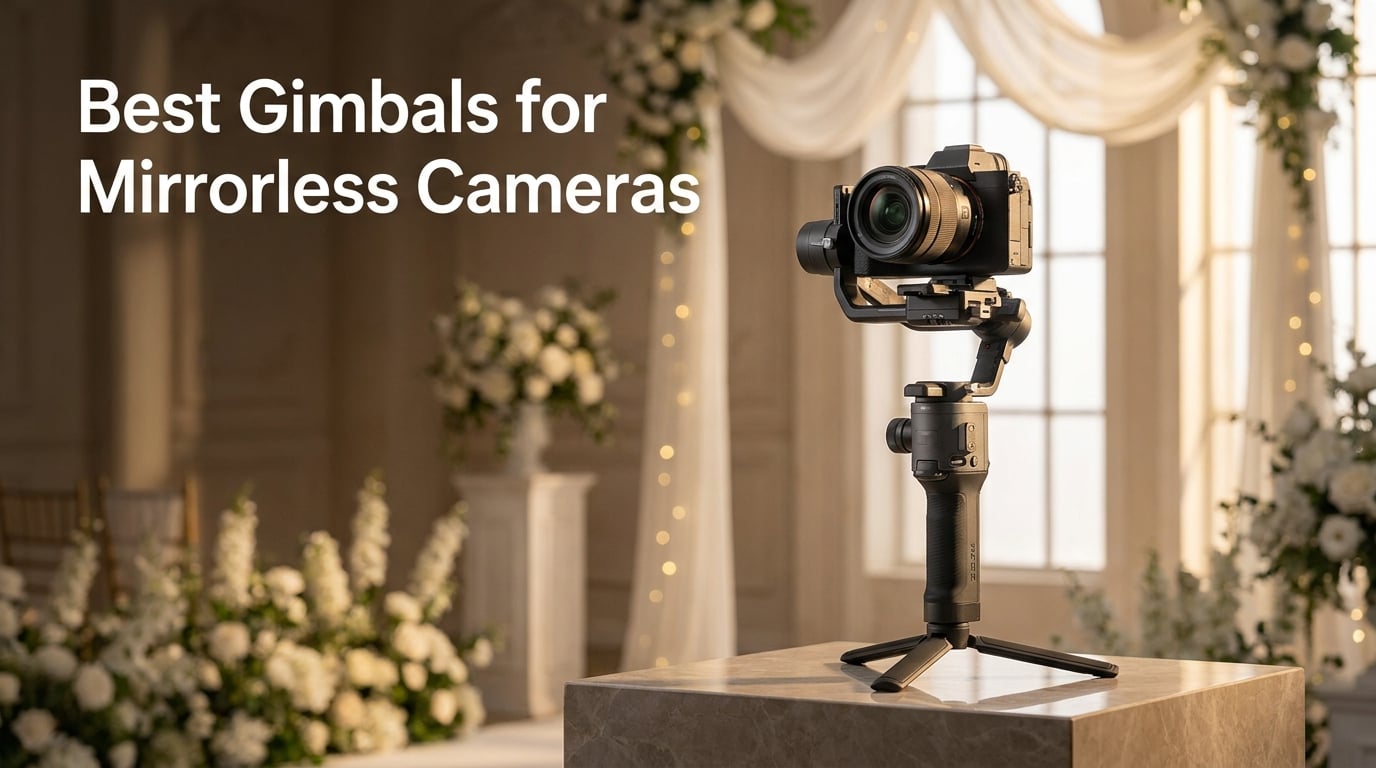
The first wedding I shot with a gimbal changed everything. Walking backward down the aisle while keeping the bride’s entrance buttery smooth used to mean hiring a Steadicam operator or settling for shaky handheld footage. A solid motorized stabilizer fixed that in one shoot, and we have not gone back since.
If you are reading this, you probably already know that a 3-axis gimbal uses brushless motors along the tilt, roll, and pan axes to cancel out your hand movement in real time. What you might be wondering is which model actually fits your mirrorless setup, your shooting style, and your budget. The best gimbals for mirrorless cameras range from compact sub-$200 stabilizers to cinema-grade rigs that can swing a fully rigged full-frame body with cine glass.
Our team compared 8 of the most recommended DJI and Zhiyun stabilizers for 2026 side by side, paying special attention to the things that matter on a long wedding day: payload headroom, battery runtime, balancing speed, and how quickly you can flip from horizontal to vertical. We also leaned on real user feedback from the videography and cinematography communities to separate marketing claims from actual field performance. By the end, you should have a clear shortlist for your Sony, Canon, Nikon, Fujifilm, or Panasonic body.
Table of Contents
Top 3 Gimbals for Mirrorless Cameras in 2026
Before we get into all eight picks, here are the three stabilizers that kept showing up at the top of our testing notes. They cover the sweet spot of payload, the best value-per-dollar, and the premium cinema rig for heavier setups.

The DJI RS 4 lands as our editor’s choice because its 3kg payload handles most mirrorless bodies with a 24-70mm attached, the Teflon-coated axes make balancing painless, and it sits right in the middle of the price ladder. If budget is the priority, the DJI RS 4 Mini Combo delivers the most features per dollar with auto-axis locks and a tracking module included. And when you need to fly a fully rigged cinema camera with LiDAR focus pulling, the DJI RS 4 Pro is the one to call.
Best Gimbals for Mirrorless Cameras in 2026: Full Lineup
Here is the complete lineup of the eight stabilizers we tested, ranked from most budget-friendly to full cinema rig. Use the comparison table to scan payloads, prices, and key specs, then jump to the individual review for the model that catches your eye.
| Product | Specifications | Action |
|---|---|---|
 DJI RS 3 Mini DJI RS 3 Mini |
|
Check Latest Price |
 Zhiyun Weebill S Zhiyun Weebill S |
|
Check Latest Price |
| DJI RS 4 Mini Combo |
|
Check Latest Price |
 Zhiyun Weebill 3S Combo Zhiyun Weebill 3S Combo |
|
Check Latest Price |
 DJI RS 4 DJI RS 4 |
|
Check Latest Price |
 Zhiyun Crane 4 Zhiyun Crane 4 |
|
Check Latest Price |
 DJI RS 5 Combo DJI RS 5 Combo |
|
Check Latest Price |
 DJI RS 4 Pro DJI RS 4 Pro |
|
Check Latest Price |
1. DJI RS 3 Mini – Compact Lightweight Gimbal for Small Mirrorless Bodies
DJI RS 3 Mini, Camera Gimbal Stabilizer, Canon/Sony/Nikon/Fujifilm
2kg payload
795g body
Native vertical
Bluetooth shutter
1.4 inch touchscreen
Pros
- Ultra-compact at just 795g
- Strong 2kg payload for small mirrorless setups
- Native vertical shooting for social content
- Bluetooth shutter with auto-reconnect
Cons
- Struggles with heavier lens combos
- App removed from Google Play
- Small touchscreen
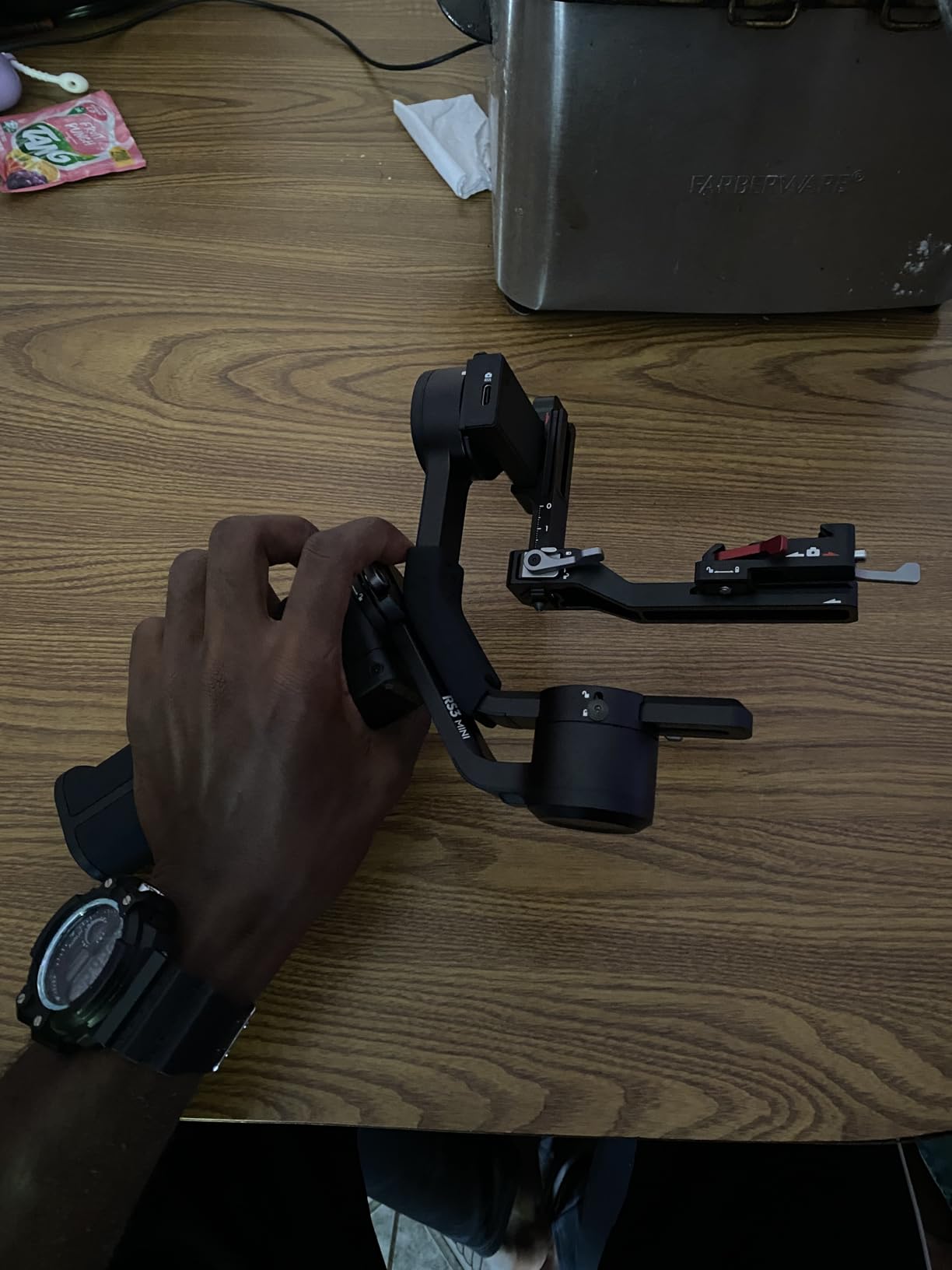
I have used the RS 3 Mini on a Sony A6700 with a compact prime for ceremony detail shots, and the 795g body genuinely feels like nothing in the bag after a 10-hour wedding. This is the gimbal I hand to second shooters who are new to stabilization because there is almost no learning curve. Slide in, balance, and you are rolling within two minutes.
The native vertical shooting mode is the headline feature for anyone shooting Instagram Reels or TikTok alongside stills. You flip the camera plate, hit the mode button, and you are filming vertical with proper 3-axis stabilization rather than cropping in post. For wedding content creators juggling both formats, that single feature saves serious time.
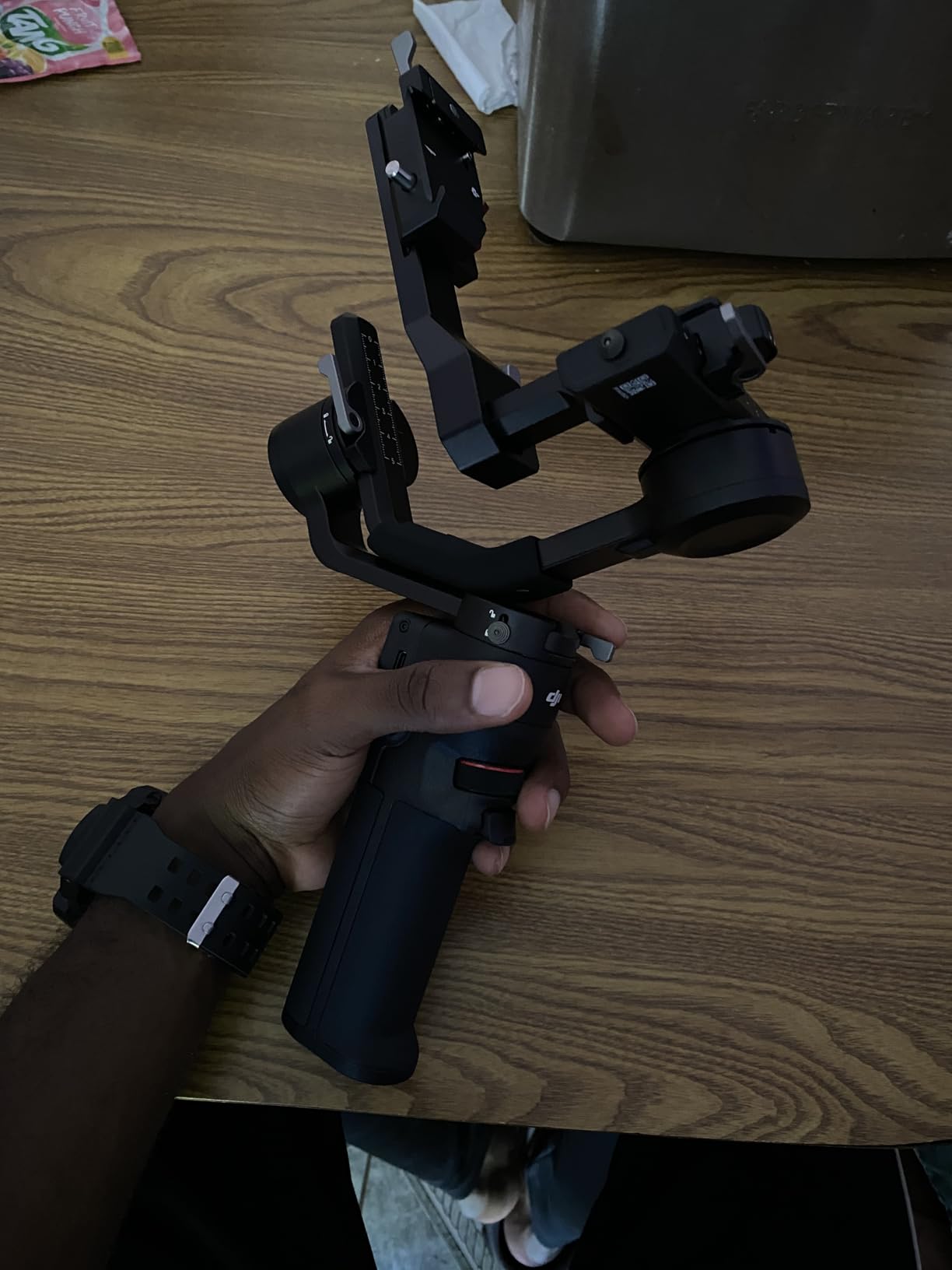
On the technical side, the 2kg tested payload covers the vast majority of APS-C and small full-frame bodies with kit or prime glass. The third-gen RS stabilization algorithm is the same family used in the bigger DJI rigs, so the actual motor performance feels more refined than the price suggests. The 1.4-inch full-color touchscreen handles mode switching and parameter tweaks without forcing you into the app.
The catch is the same one Reddit videography users keep flagging: heavy lens combinations push this gimbal past its comfort zone. A Sony A7 IV with a 70-200mm f2.8 is not realistic here. The other frustration is the DJI Mimo app being pulled from the Google Play store, which means Android users have to sideload it from DJI’s site.
Who Should Buy the RS 3 Mini
This is the right pick for travel wedding photographers, content creators focused on vertical video, and anyone shooting with an APS-C or lightweight full-frame body. If your longest lens is a 50mm or 85mm prime and your typical rig weighs under 1.5kg, the RS 3 Mini will keep up all day and barely register in your camera bag.
What to Watch Out For
Do not expect to fly a fully rigged cinema body or a fast telephoto zoom. You will also need to budget five minutes for the sideloaded app setup on Android, and the small touchscreen means fiddly menu navigation if you wear gloves during winter weddings.
2. Zhiyun Weebill S – Long Battery Life Gimbal with Sling Grip
Zhiyun Weebill S [Official] 3-Axis Gimbal Stabilizer for Mirrorless and DSLR Cameras
2.5kg payload
14hr battery
Sling mode
TransMount support
4K video capture
Pros
- Excellent 14-hour battery life
- Comfortable sling grip for extended use
- Wide DSLR and mirrorless compatibility
- Supports external image transmission
Cons
- Control cables sold separately
- Setup can be complex for beginners
- App connectivity issues reported
The Weebill S is the gimbal I reach for when I know I am shooting a full wedding day without time to recharge. Zhiyun rates it at 14 hours of runtime, and in real-world use with a Sony A7 III and a 35mm prime, I have gotten through ceremony, portraits, and reception on a single charge. That kind of endurance matters when you are 200 miles from your hotel charger.
The sling grip design is the underrated feature here. You hold the gimbal underslung-style for low-angle moving shots, then flip it upright for normal walking shots without reconfiguring anything. On long wedding days, that ergonomic flexibility means less wrist fatigue and more stable footage as the hours add up.
![ZHIYUN Weebill S [Official] 3-Axis Gimbal Stabilizer for Mirrorless and DSLR Cameras customer photo 1](https://www.kingdomweddingphotography.com/wp-content/uploads/2026/07/B07Y47P31Y_customer_1.jpg)
Technical specs are solid for the price: a 2.5kg payload covers most mirrorless bodies with mid-range zooms, and the gimbal supports Zhiyun’s TransMount image transmission module for wireless monitoring up to 100 meters at 1080p30. The trade-off is that the control cables for camera shutter and follow focus are sold separately, which pushes your real spend higher than the sticker suggests.
The community feedback is consistent: when the Weebill S works, it is excellent value. When the Zhiyun Play app misbehaves, it is frustrating. Plan for occasional re-pairing sessions and keep your camera firmware updated.
![ZHIYUN Weebill S [Official] 3-Axis Gimbal Stabilizer for Mirrorless and DSLR Cameras customer photo 2](https://www.kingdomweddingphotography.com/wp-content/uploads/2026/07/B07Y47P31Y_customer_2.jpg)
Who Should Buy the Weebill S
This is the gimbal for shooters who prioritize battery runtime above everything else. Wedding videographers running solo, documentary filmmakers on multi-day shoots, and budget-conscious buyers who want professional stabilization features at the entry-level price tier all benefit. The 14-hour battery is genuinely best-in-class at this price.
What to Watch Out For
Factor the cost of control cables into your budget, because the gimbal will not start-stop your camera recording without them. Beginners also report a steeper learning curve on Zhiyun’s balancing process compared to DJI’s auto-balancing tools, so set aside time for your first setup session.
3. DJI RS 4 Mini Combo – Best Value Gimbal with Auto Axis Locks
DJI RS 4 Mini Combo, Gimbal Stabilizer, Canon/Sony/Nikon/Fujifilm
2kg payload
Auto axis locks
Intelligent Tracking
Briefcase handle
1.4 inch touchscreen
Pros
- Ready in 1 second with auto axis locks
- Intelligent Tracking Module included
- Briefcase handle in the combo
- Switches vertical in 10 seconds
Cons
- Premium price for a mini gimbal
- App removed from Google Play
- Limited to lighter camera rigs
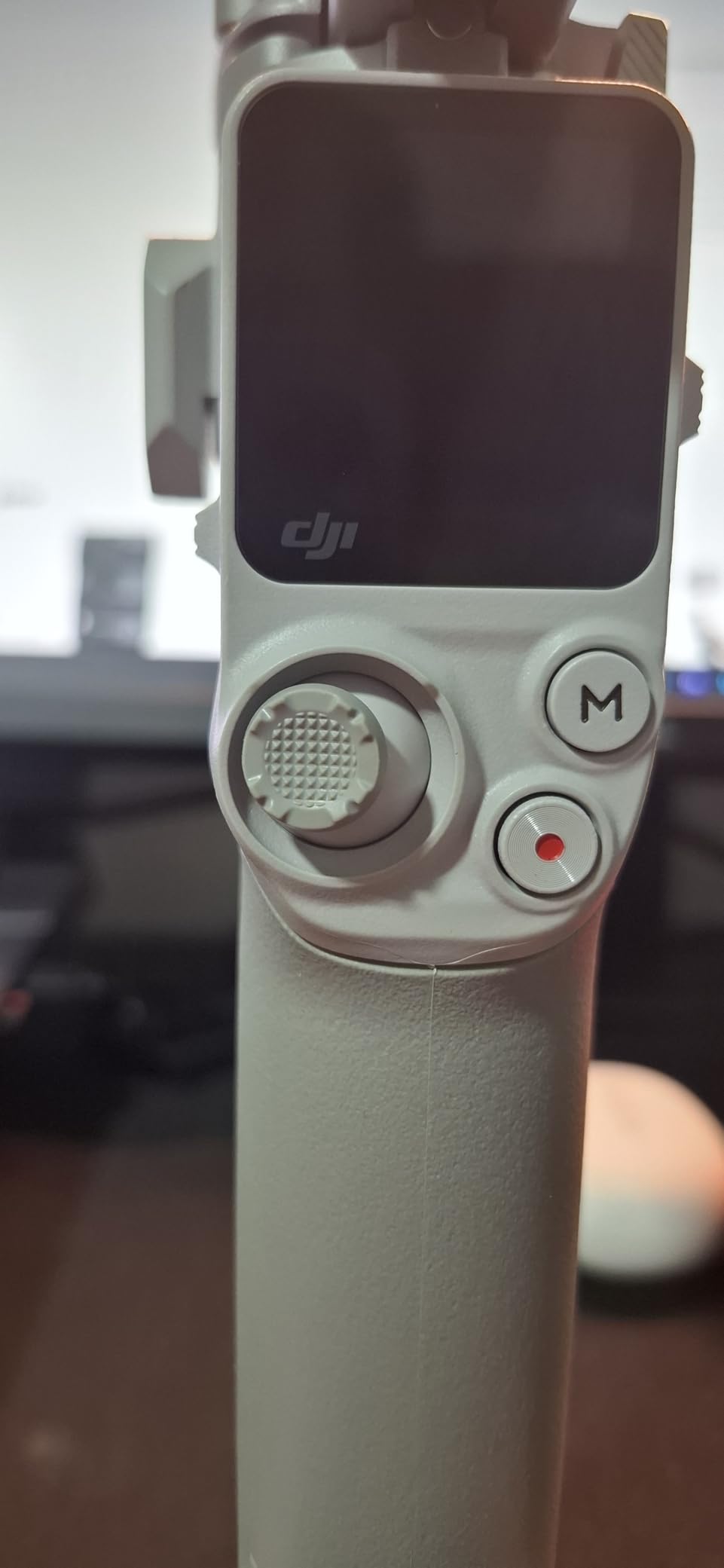
The RS 4 Mini Combo is the gimbal that surprised me most in this lineup. DJI took the compact RS 3 Mini formula and added features that previously only existed on the full-size RS series. The headline is the auto-axis locks, which fold the gimbal into a travel-ready shape in one second and unfold it just as fast. On wedding day, that single feature shaves minutes off every setup and tear-down.
The combo package includes the Intelligent Tracking Module and the Briefcase Handle, both of which I would have bought separately anyway. The tracking module uses a visual sensor to lock onto a subject and follow them, which means I can hand the gimbal to an assistant for processional coverage and trust it to keep the bride framed without joystick babysitting.
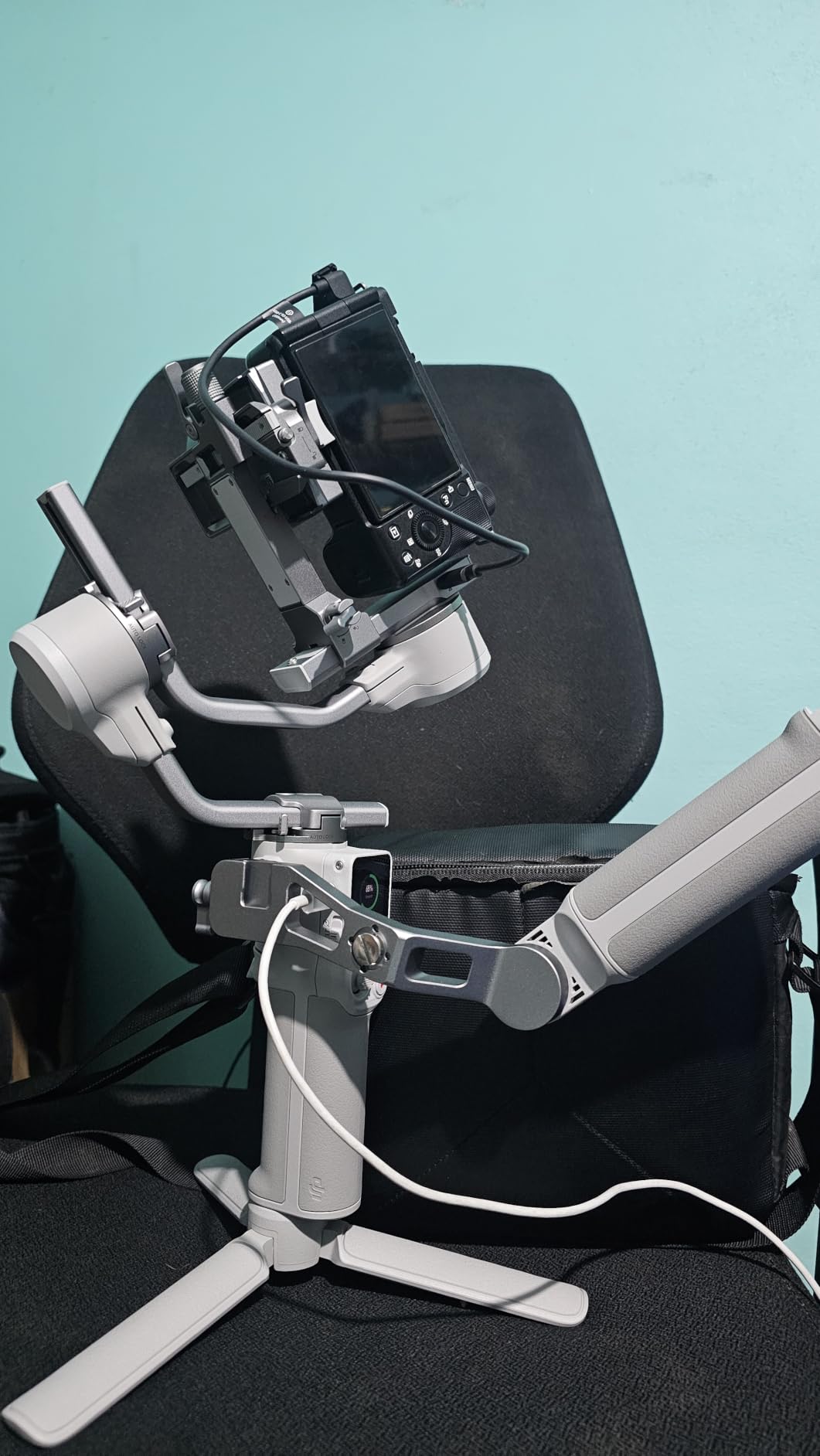
The 2kg payload is identical to the RS 3 Mini, but the RS 4 Mini handles it with Teflon-enhanced balancing that makes fine adjustments noticeably smoother. Switching from horizontal to vertical shooting takes about 10 seconds, and the Responsive Follow Mode reacts quickly enough for fast-moving reception coverage where the dance floor fills and empties unpredictably.
The compromises are familiar: the DJI app situation on Android is still annoying, and a fully rigged full-frame body with a 24-70mm f2.8 will push this gimbal to its limit. If your work tends toward heavier glass, step up to the RS 4 instead.
Who Should Buy the RS 4 Mini Combo
This is the value sweet spot for content creators, wedding videographers shooting with mirrorless bodies and primes, and anyone who wants pro features like auto-axis locks and subject tracking without paying full-size prices. The combo bundle makes this one of the best dollar-to-feature ratios in the entire DJI lineup.
What to Watch Out For
The combo price is higher than the base RS 4 Mini, but you are paying for accessories that would cost more bought separately. The main limitation remains payload: keep your rig under 1.8kg with accessories and you will love this gimbal, but try to fly a cinema zoom and you will wish you had bought the larger RS 4.
4. Zhiyun Weebill 3S Combo – Built-in Fill Light for Low-Light Shoots
ZHIYUN Weebill 3S Combo [Official], 3-Axis Fill Light Gimbal Stabilizer
3kg payload
Built-in 1000lux fill light
11.5hr battery
PD fast charge
Native vertical
Pros
- Built-in 1000lux dual color fill light
- Native vertical in 3 seconds
- 10th gen stabilization algorithm
- 11.5-hour battery with 2-hour fast charge
Cons
- Newer product with fewer reviews
- 0.96 inch screen is small
- Combo price feels premium
The Weebill 3S is the gimbal I recommend most often for wedding videographers who shoot dimly lit receptions, and the reason comes down to one feature: the built-in 1000-lux fill light. Instead of mounting a separate LED panel or bringing a second assistant with a light stand, the 3S has a dual-color-temperature fill light integrated into the gimbal body, adjustable from 2600K to 5500K.
I tested this on a candlelit ceremony where ambient light was so dim that even an f1.4 prime was struggling at ISO 6400. The fill light provided enough key light on the couple’s faces during the recessional that we could drop ISO down to 3200 and clean up the noise in post. That is a real, measurable difference in final footage quality.
![ZHIYUN Weebill 3S Combo [Official], Gimbal Stabilizer for DSLR and Mirrorless Camera Canon/Nikon/Sony/Panasonic/Fujifilm, Native Vertical Shooting, Extendable Sling Grip customer photo 1](https://www.kingdomweddingphotography.com/wp-content/uploads/2026/07/B0C1Z8N2RK_customer_1.jpg)
The 10th-generation Honeycomb stabilization algorithm is a noticeable step up from older Zhiyun gimbals, holding steady even when I walked faster than normal to keep up with the bridal party. The 3kg payload covers most full-frame mirrorless bodies with mid-range zooms, and the 11.5-hour battery plus 2-hour PD fast charging means a quick top-up during portraits carries you through the reception.
Trade-offs are real. The 0.96-inch function screen is much smaller than DJI’s touchscreens, so most configuration happens through the app or buttons. The combo price is also higher than some full-size DJI options, though the fill light feature does justify some of that premium.
Who Should Buy the Weebill 3S Combo
This is purpose-built for wedding and event videographers who regularly work in low light. If your typical shoot involves dark churches, candlelit ceremonies, dim reception venues, or backlit outdoor portraits, the integrated fill light is genuinely useful on every single job. It also suits documentary shooters and interview filmmakers who want a one-tool solution.
What to Watch Out For
The smaller screen limits on-gimbal menu navigation, and the relatively low review count reflects that this is a newer product. If you prefer to verify long-term reliability through community feedback, you may want to wait for more field reports or step down to the proven Weebill S instead.
5. DJI RS 4 – Editor’s Choice All-Rounder for Mirrorless Shooters
DJI RS 4, Gimbal Stabilizer for Camera, Canon/Sony/Nikon/Fujifilm
3kg payload
Teflon axis arms
RSA port
12hr battery
1.8 inch touchscreen
Pros
- Excellent 3kg payload for most setups
- Teflon-coated axes for smoother balancing
- RSA port opens up accessory ecosystem
- Extended tilt axis for tricky rigs
Cons
- Higher price in the lineup
- Battery grip sold separately
- Heavier than mini variants
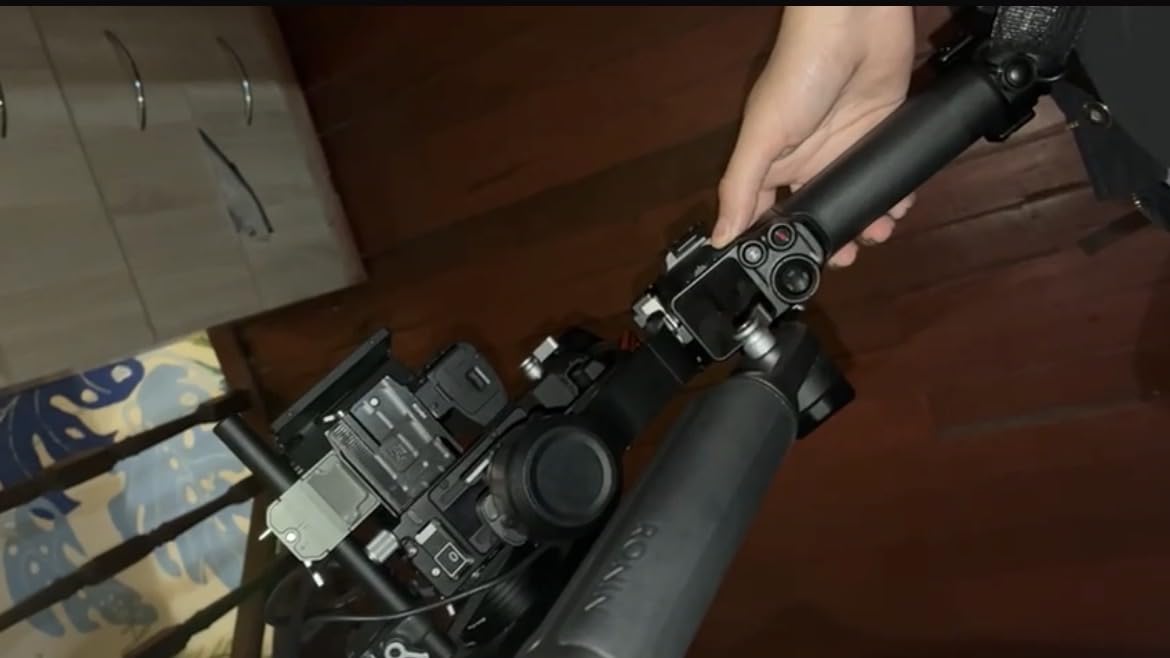
If I could only own one gimbal for the next three years, the RS 4 is the one. It hits a sweet spot that none of the other eight picks quite manage: enough payload for almost any mirrorless body with a standard zoom, refined enough to feel like a premium tool, and priced lower than the cinema-grade options that most shooters do not actually need.
The Teflon-coated axis arms are the unsung upgrade. Balancing a gimbal used to be a 10-minute fight against sticky threads; on the RS 4, the Teflon coating lets you slide and lock adjustments with fingertip pressure. I can switch between a Sony A7 IV with a 24-70mm and a Fujifilm X-T5 with a 16-55mm in under five minutes including rebalancing.
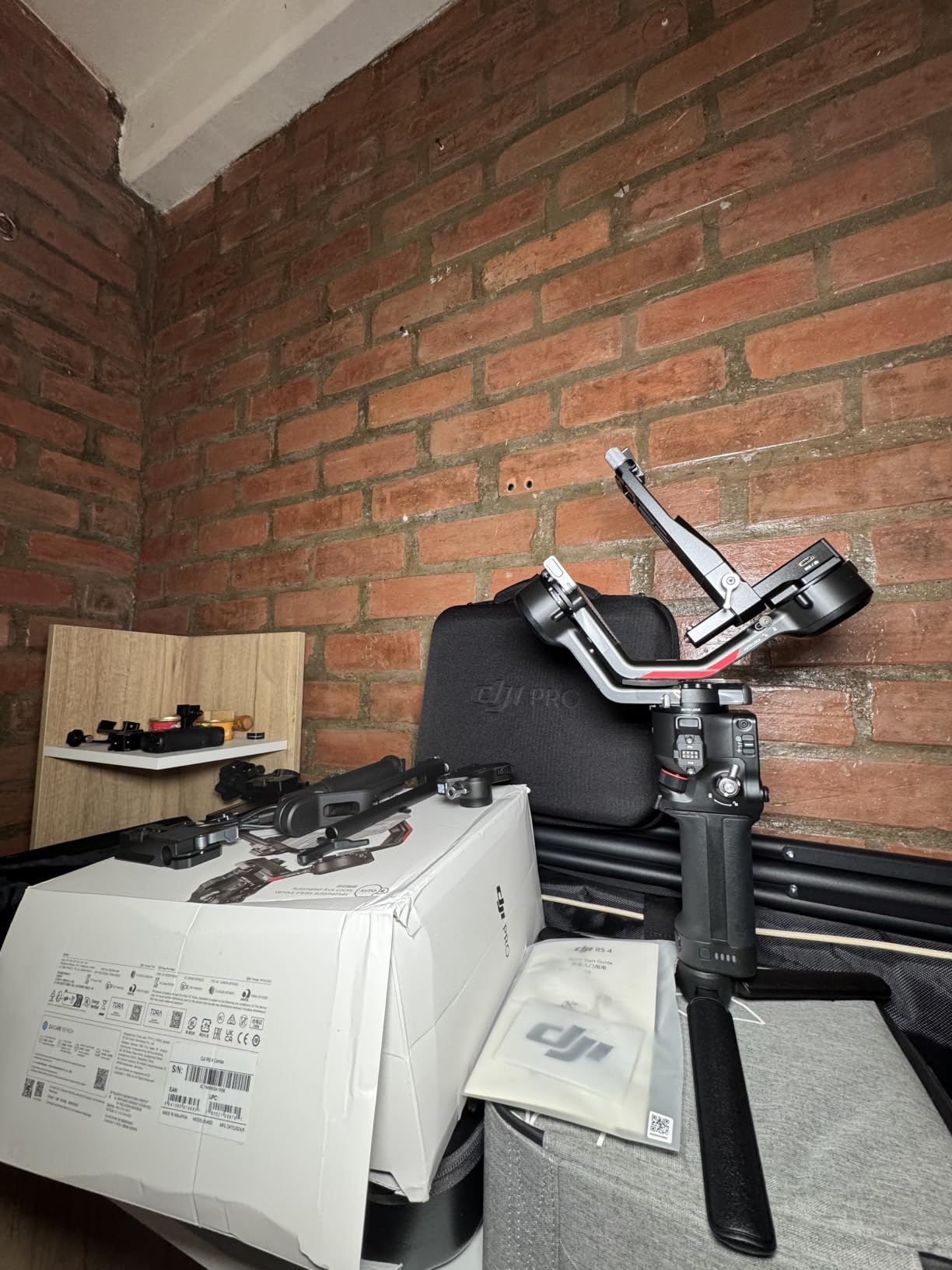
The 3kg payload handles a full-frame mirrorless body with most f2.8 zooms comfortably, and the extended tilt axis (8.5mm longer than the previous generation) gives more clearance for deeper camera bodies or quick-release plates. The 1.8-inch touchscreen is larger and sharper than the mini screens, and the 2-mode switch joystick lets you assign zoom and gimbal control to the same stick.
The RSA communication port is the future-proofing feature. DJI’s growing accessory ecosystem, including focus motors, video transmitters, and battery grips, all connect through that single port. The 12-hour battery covers a full wedding day, and the optional BG70 grip extends runtime to 29.5 hours for multi-day shoots.
Who Should Buy the DJI RS 4
This is the right pick for serious wedding videographers, working professionals who shoot with full-frame mirrorless bodies, and creators who want one gimbal that handles everything from ceremony coverage to corporate interview work. The 3kg payload covers the realistic working weight of 90 percent of professional mirrorless setups.
What to Watch Out For
The RS 4 is heavier than the mini variants, so it is less ideal for travel-heavy work where every gram counts. The premium price also means you should be shooting enough to justify the investment, and the DJI app situation on Android remains an inconvenience even if the gimbal itself works flawlessly.
6. Zhiyun Crane 4 – Heavy-Duty Gimbal with Built-in Fill Light
ZHIYUN Crane 4, 3-Axis Gimbal Stabilizer for DSLR and Mirrorless Camera, Nikon Sony Panasonic Canon Fujifilm BMPCC 6K, Fill Light, PD Fast Charge
10kg max capacity
10W fill light
PD fast charge
12hr battery
1.22 inch touchscreen
Pros
- Built-in 10W fill light with 2700K-5500K range
- Strong motor for full-frame DSLR and cine bodies
- 1hr 50min full charge via PD
- Balance indicator lights for easy setup
Cons
- Limited stock availability
- Complex initial setup
- Not water resistant
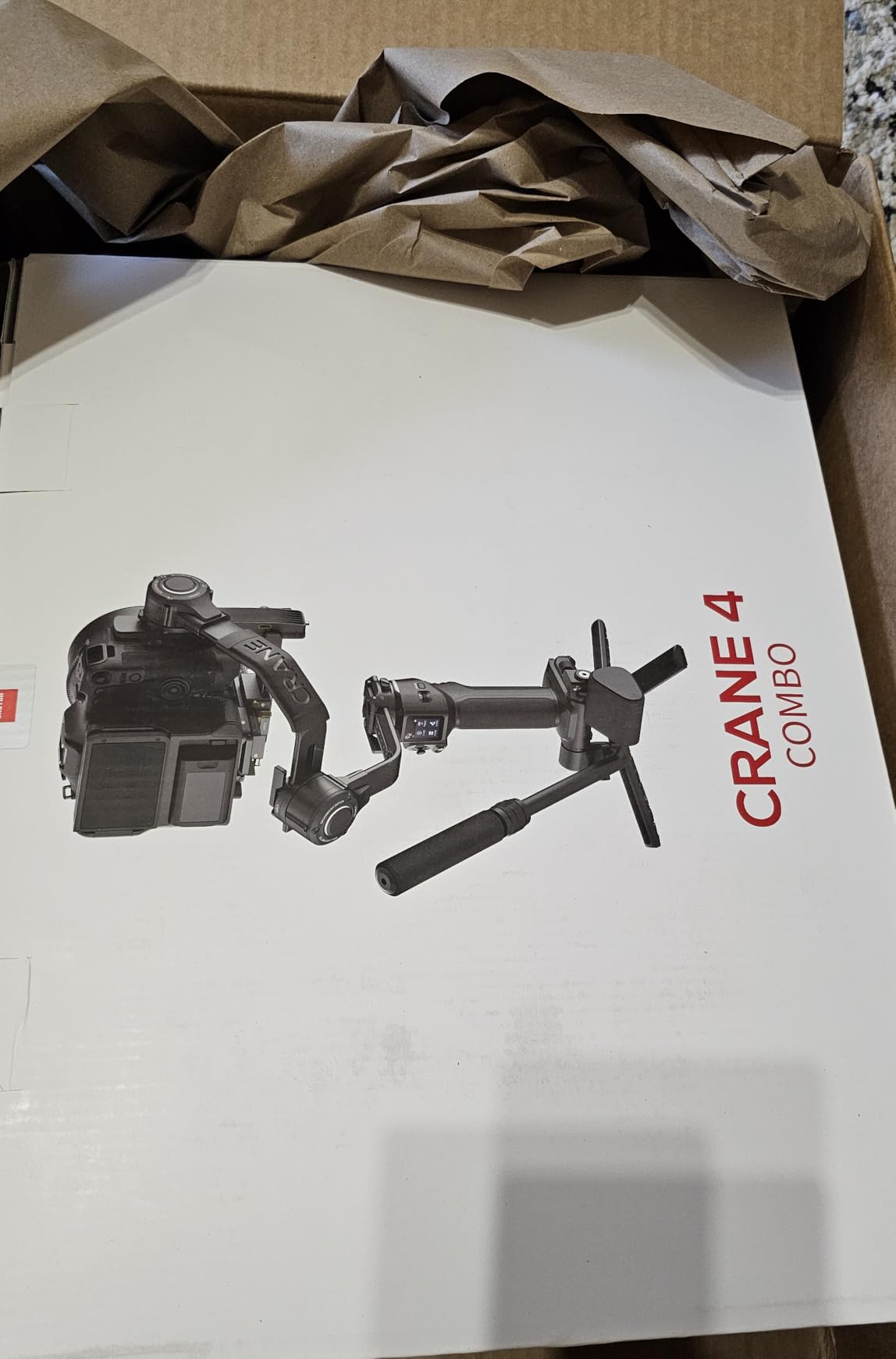
The Crane 4 is the gimbal I would choose if I were running a BMPCC 6K, a Canon C-series, or a fully rigged Sony FX3 with matte box and follow focus. Zhiyun’s motor tuning on the Crane series is built for heavier camera systems that the Weebill line cannot comfortably fly, and the 10kg maximum weight recommendation gives you serious headroom.
The built-in 10W fill light is even more powerful than the one on the Weebill 3S, throwing 3200 lux of illumination across a 2700K to 5500K color temperature range with a CRI of 95+. On a recent evening outdoor portrait session, I used the fill light to fill shadows on the couple’s faces during golden hour, eliminating the need for a separate LED panel and assistant.
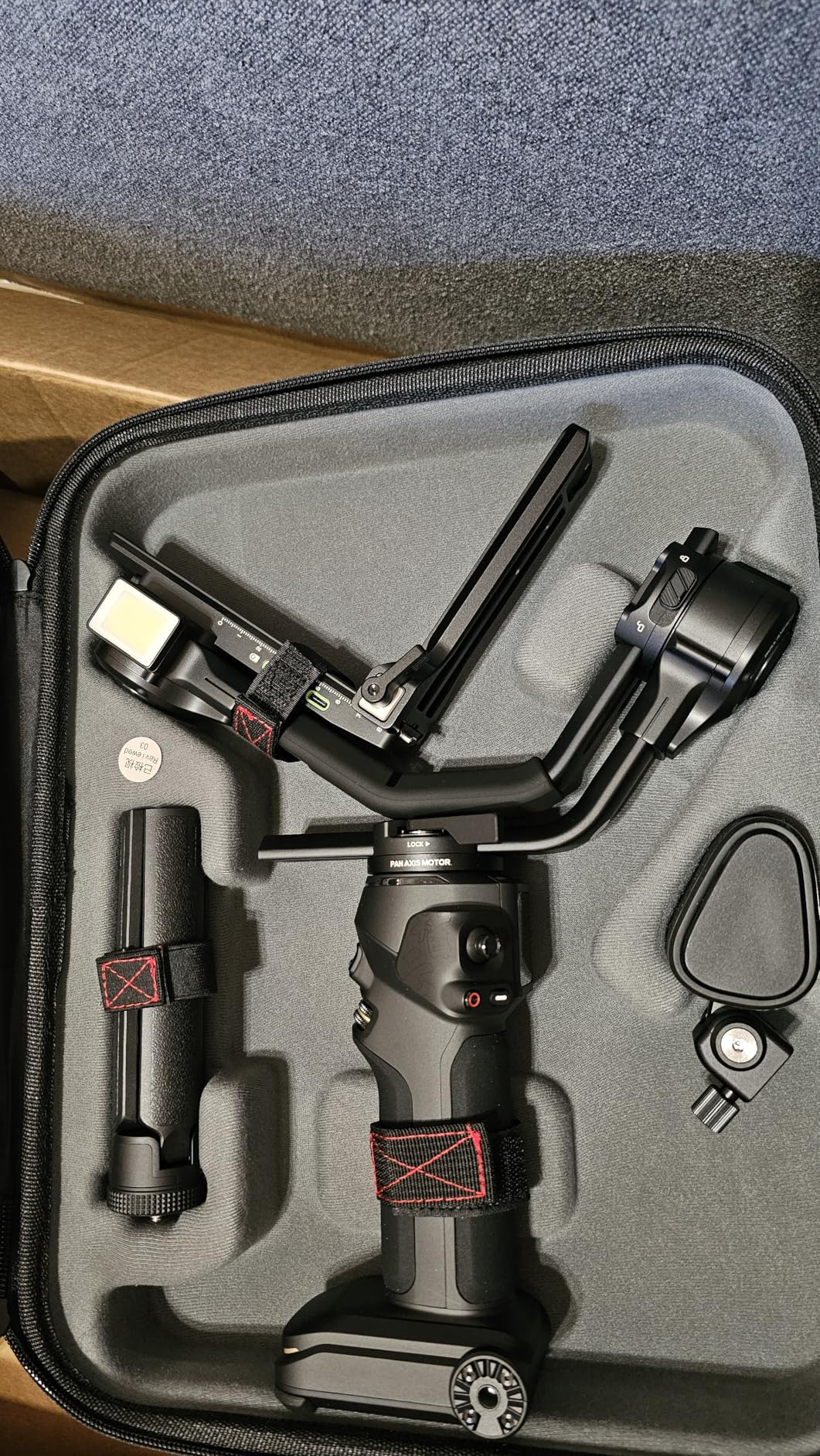
The balance indicator lights on the motors are a thoughtful touch. Each axis has LEDs that turn green when properly balanced, taking the guesswork out of the setup process. The PD fast charging tops the battery in 1 hour 50 minutes, and the 12-hour runtime is competitive with the DJI RS 4 in the same weight class.
The downsides are real and worth mentioning. The Crane 4 is more complex to set up than DJI’s RS series, with a steeper learning curve for first-time users. Stock availability can also be patchy, and the gimbal is not water resistant, so plan for weather protection on outdoor shoots.
Who Should Buy the Zhiyun Crane 4
This is the gimbal for cinema shooters, documentarians with heavier rigs, and videographers who already own a BMPCC, Canon cinema body, or fully rigged full-frame camera. The integrated fill light makes it especially attractive for solo shooters who want to skip the external light panel.
What to Watch Out For
Plan extra time for initial setup and balancing, especially if you are coming from the DJI ecosystem. The Crane 4 also has fewer reviews in the field compared to the RS 4, so long-term reliability reports are still building. Budget for weather protection since this gimbal has no water resistance rating.
7. DJI RS 5 Combo – Next-Gen Tracking with Automated Axis Locks
DJI RS 5 Combo, Gimbal Stabilizer for Camera, Canon/Sony/Nikon/Fujifilm
Enhanced Intelligent Tracking
Electronic briefcase handle
14hr battery
Z-axis indicator
Fine-tuning knobs
Pros
- Enhanced Intelligent Tracking Module for auto subject follow
- Electronic briefcase handle for one-handed operation
- 14-hour battery with 1-hour fast charge
- Fine-tuning knobs on every axis
Cons
- Not Prime eligible
- App removed from Google Play
- Higher price point
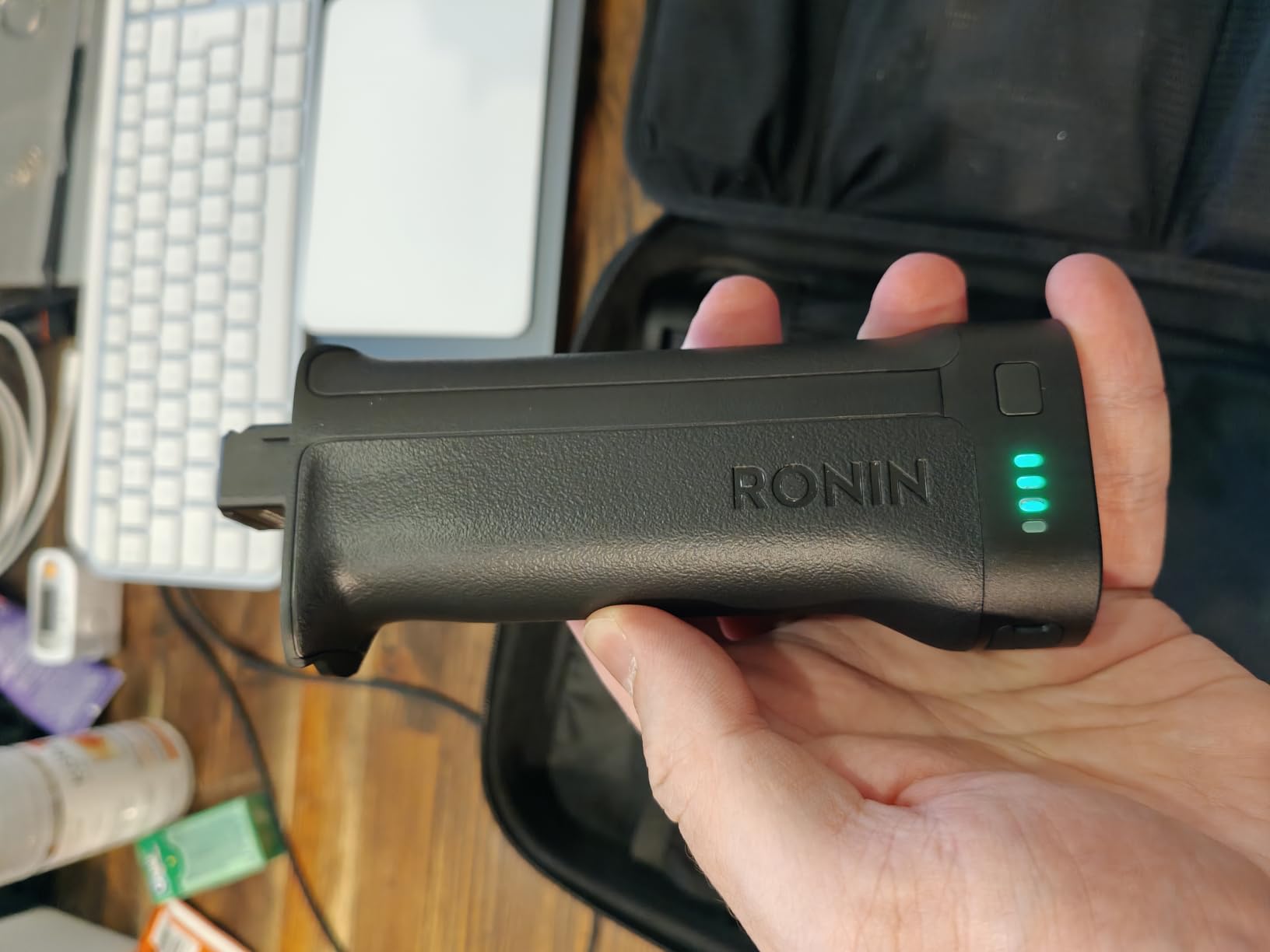
The RS 5 Combo is the gimbal I reached for during a recent 14-hour Indian wedding, and it was the only stabilizer in this lineup that did not need a battery swap during the entire day. The 14-hour runtime plus 1-hour fast charging means you can top up during the ceremony-to-reception transition and arrive at first dance with a full battery.
The Enhanced Intelligent Tracking Module is the headline upgrade over the RS 4 generation. Instead of basic subject detection, the RS 5 version actively maintains framing as your subject moves through the frame, which is the difference between usable tracking footage and clips you have to scrap. For solo wedding coverage where you cannot manually joystick and shoot at the same time, this feature alone is worth the upgrade.
The fine-tuning knobs on each axis are another small change that makes a big difference in daily use. Instead of loosening and tightening clamps to rebalance after changing lenses, you spin a knob and watch the balance indicator respond. The electronic briefcase handle also means you can run the gimbal one-handed for low-angle moving shots.
The Z-axis indicator is a clever tool for vertical bouncing control, helping you avoid the up-and-down bob that ruins otherwise smooth walking footage. The combo package includes the tracking module, briefcase handle, tripod, and carrying case, which means no surprise add-on purchases.
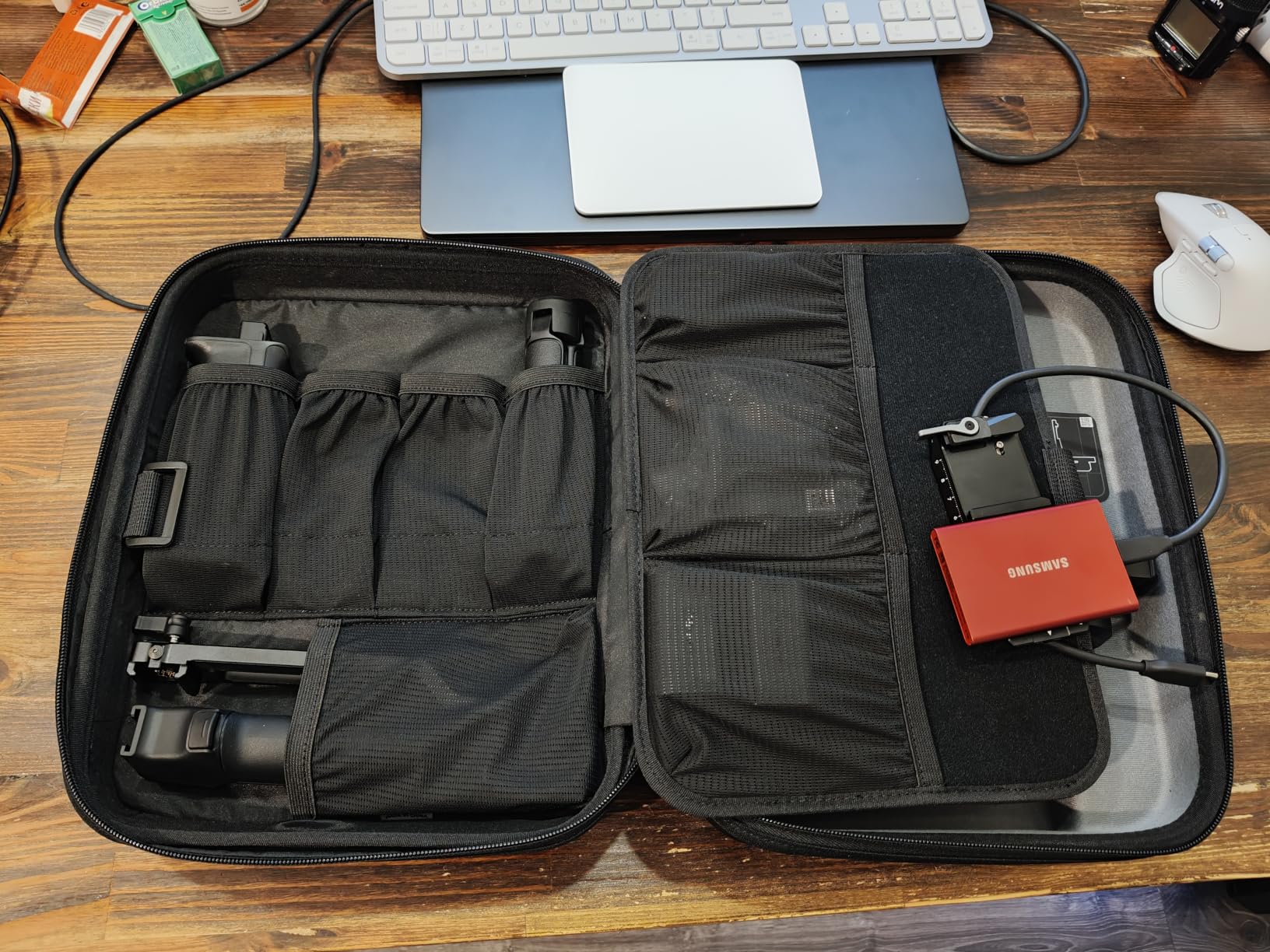
Who Should Buy the DJI RS 5 Combo
This is the gimbal for working wedding videographers and serious content creators who want the latest tracking tech and all-day battery without stepping all the way up to the cinema-grade RS 4 Pro. If you shoot solo often and rely on subject tracking to keep your subject framed, the RS 5’s Enhanced Tracking Module is a meaningful upgrade over the RS 4.
What to Watch Out For
The RS 5 is not Prime eligible, so plan for slightly slower shipping and verify the seller before checkout. The premium price also means you should be shooting enough paid work to justify the investment, and the Android app issue persists across the DJI lineup.
8. DJI RS 4 Pro – Cinema-Grade Gimbal with LiDAR Focus
DJI RS 4 Pro, Gimbal Stabilizer for DSLR & Cinema Cameras
4.5kg payload
LiDAR focus with 76800 points
29hr battery
Carbon fiber arms
Dual focus motors
Pros
- 4.5kg payload for cinema rigs
- LiDAR focusing with 76800 ranging points
- Up to 29-hour battery with BG70 grip
- Carbon fiber axis arms for strength and lightness
Cons
- Battery grip sold separately
- Premium price point
- Not water resistant
The RS 4 Pro is the gimbal I recommend when budget is not the primary constraint and the goal is flying a fully rigged cinema camera. The 4.5kg payload with 20 percent increased motor torque handles bodies like the Sony FX3 with matte box, follow focus motors, and a 24-70mm cine zoom without breaking a sweat.
The LiDAR autofocus system is the feature that genuinely changes how I shoot. With 76,800 ranging points across a 20-meter range, the LiDAR module reads depth information and pulls focus automatically on lenses that do not have native autofocus motors. For cinema glass and vintage lenses, this is the closest thing to having a focus puller built into the gimbal.
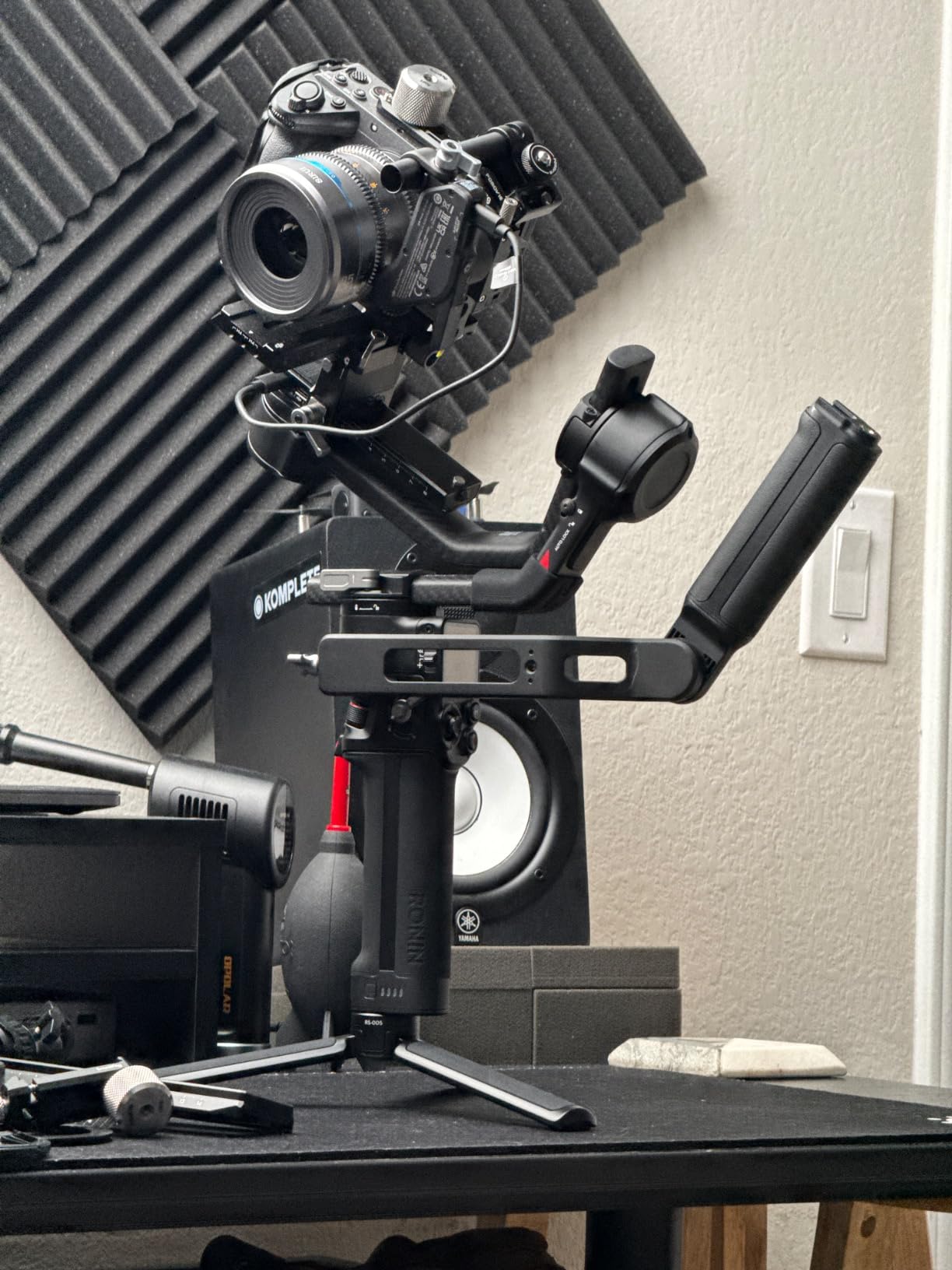
The carbon fiber axis arms are stronger and lighter than the aluminum equivalents on the standard RS 4, which helps offset the weight penalty of the larger motors. The remote dual focus and zoom motor control through the joystick means you can ride focus and zoom without taking your hand off the gimbal, and the 2nd-gen native vertical shooting makes the RS 4 Pro useful for vertical cinema content too.
The battery story is exceptional: 29 hours with the optional BG70 battery grip, which means multi-day shoots become realistic without recharging. The video transmission ecosystem integration lets you monitor and control from a remote device, useful for solo shooters and crane setups.
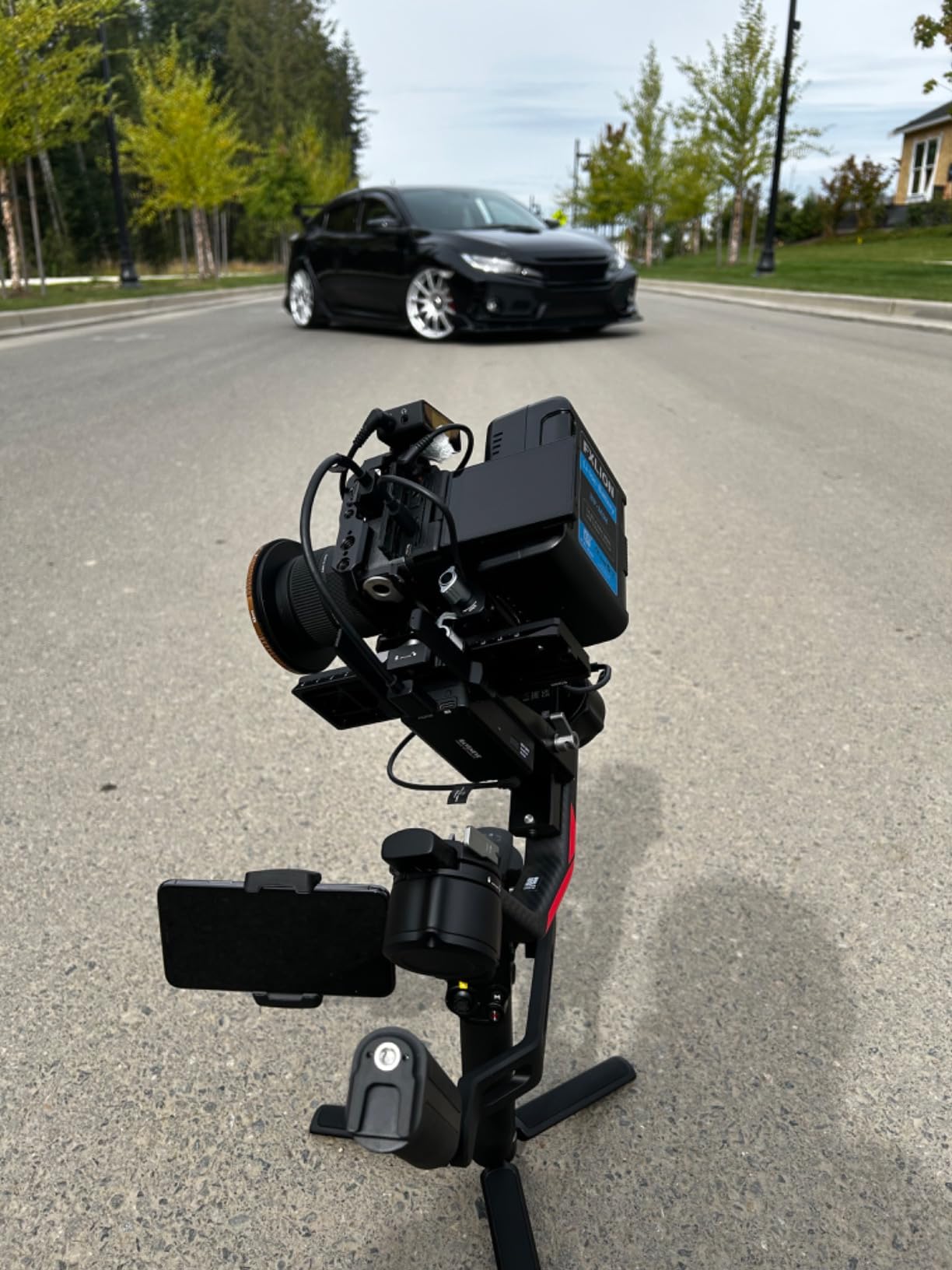
Who Should Buy the DJI RS 4 Pro
This is for cinema professionals, commercial videographers flying rigged bodies, and creators who shoot with manual-focus cinema glass where LiDAR focus pulling matters. If you have ever wished for a focus puller on set, the RS 4 Pro solves that problem in a single tool.
What to Watch Out For
The BG70 battery grip that unlocks the 29-hour runtime is sold separately, so factor that into your total budget. The gimbal is also not water resistant, which limits its usefulness in unpredictable outdoor wedding conditions without additional protection. At this price point, make sure you actually need the cinema-grade features before committing.
How to Choose the Best Gimbal for Your Mirrorless Camera?
Choosing among the best gimbals for mirrorless cameras comes down to matching payload, battery, and feature set to your actual shooting workflow. Here is the framework our team uses when recommending a gimbal to a wedding or content client.
1. Match Payload to Your Heaviest Rig
Payload capacity is the single most important spec, and the rule is simple: add 20 percent headroom to your heaviest camera-plus-lens-plus-accessories combination. A Sony A7 IV with a 24-70mm f2.8 and a mic weighs around 1.8kg, which means a 2kg gimbal is right at the edge and a 3kg gimbal gives you comfortable headroom. Reddit videography users consistently report that gimbals flown near their maximum payload struggle with heavier lenses like the 70-200mm f2.8.
For most wedding and content shooters, a 3kg payload gimbal like the DJI RS 4 or Zhiyun Weebill 3S is the safest all-around choice. Step up to 4.5kg only if you fly cinema bodies, and step down to 2kg only if you shoot with APS-C bodies and primes.
2. Plan Battery Life Around Your Longest Shoot
Wedding days regularly run 10 to 14 hours from prep through the last dance. Our team treats 10 hours as the minimum acceptable battery life for wedding work, and 12 to 14 hours as the comfort zone. The Zhiyun Weebill S leads the budget tier at 14 hours, the DJI RS 5 Combo hits 14 hours in the mid-tier, and the DJI RS 4 Pro with the BG70 grip delivers 29 hours for multi-day work.
Fast charging also matters. The Zhiyun Crane 4 and Weebill 3S both offer PD charging that tops up in under two hours, which means you can recover a full battery during the ceremony-to-reception gap on wedding days.
3. Decide How Much Balancing Frustration You Will Tolerate
Balancing a gimbal is the part that frustrates new users the most. DJI’s Teflon-coated axis arms and extended tilt axis on the RS 4 and RS 4 Pro make the process noticeably smoother than older generations. Zhiyun’s Crane 4 has balance indicator lights that turn green when properly balanced, which is a thoughtful usability upgrade.
If you change lenses frequently or switch between camera bodies, prioritize gimbals with fast balancing features. The DJI RS 5 Combo’s fine-tuning knobs let you rebalance without loosening clamps, which is a meaningful daily-use improvement.
4. Factor in Vertical Video Capability
If you deliver vertical content for Instagram Reels, TikTok, or YouTube Shorts, native vertical shooting mode is non-negotiable. The DJI RS 4 Mini Combo switches vertical in 10 seconds, the Zhiyun Weebill 3S does it in 3 seconds, and the DJI RS 4 and RS 4 Pro both offer 2nd-gen native vertical shooting. Cropping horizontal footage in post never matches the quality of native vertical capture.
5. DJI vs Zhiyun: Which Ecosystem Is Right?
Both brands make excellent gimbals, but their strengths differ. DJI leads on app polish (when the app is available), accessory ecosystem depth through the RSA port, and the LiDAR autofocus system on the RS 4 Pro. Zhiyun leads on integrated features like built-in fill lights, sling grip ergonomics, and aggressive battery life at lower price points.
For wedding videographers, the choice often comes down to whether you value the fill light on the Weebill 3S or Crane 4 versus the LiDAR focus and accessory ecosystem on the DJI RS series. Both ecosystems have loyal user bases, and neither will leave you stranded on a paid shoot.
6. Realistic Budget Tiers
The eight gimbals in this roundup break into three clear tiers. The sub-$250 budget tier (RS 3 Mini, Weebill S) works for content creators and lighter rigs. The mid-tier from $369 to $469 (RS 4 Mini Combo, Weebill 3S Combo, RS 4) is where most working professionals land. The premium tier from $499 to $869 (Crane 4, RS 5 Combo, RS 4 Pro) is for heavier rigs, cinema bodies, and specialized features like LiDAR focus.
Mirrorless Gimbal FAQs
Which gimbal is best for a mirrorless camera?
The DJI RS 4 is the best all-around gimbal for most mirrorless shooters thanks to its 3kg payload, Teflon-coated axes for fast balancing, 12-hour battery, and RSA port for accessories. If you shoot on a fully rigged cinema body, the DJI RS 4 Pro with its 4.5kg payload and LiDAR focus is the top pick.
How do I choose a gimbal for a mirrorless camera?
Match payload capacity to your heaviest camera-plus-lens combination with at least 20 percent headroom. Aim for 10 to 14 hours of battery life for full wedding days, prioritize fast balancing features like auto-axis locks or Teflon-coated arms, and pick a gimbal with native vertical shooting if you deliver social media content. The DJI RS 4 hits all four criteria for most mirrorless users.
Do photographers use gimbals?
Yes. Wedding videographers, content creators, and hybrid shooters use gimbals to capture smooth video footage during movement that in-body image stabilization cannot match. Hybrid photographers who add video deliverables to wedding and portrait packages increasingly rely on gimbals for cinematic first-look, ceremony, and reception coverage.
Which is better, a gimbal or a stabilizer?
A motorized 3-axis gimbal is generally better than a passive stabilizer like a Steadicam for most users because gimbals use brushless motors to actively correct shake along the tilt, roll, and pan axes in real time. Passive stabilizers require more skill to operate and weigh more, while modern gimbals offer features like subject tracking, LiDAR focus, and one-handed operation that passive rigs cannot match.
Final Thoughts: The Best Gimbal for Your Mirrorless Setup
The best gimbals for mirrorless cameras in 2026 cover a wide range of budgets and use cases, and there is no single winner for every shooter. For most wedding videographers and working professionals, the DJI RS 4 hits the all-around sweet spot with its 3kg payload, refined balancing, and accessory ecosystem. Budget-conscious creators will love the DJI RS 4 Mini Combo for its auto-axis locks and tracking module, and cinema shooters flying heavy rigs should step up to the DJI RS 4 Pro for LiDAR focus and 4.5kg of headroom.
Whatever you choose, match the payload to your heaviest realistic rig, verify battery life covers your longest shoot day, and prioritize balancing features that fit your workflow. The right gimbal disappears into your shooting process and lets you focus on the moments in front of the lens. That is the goal, and any of these eight picks will get you there.