
Photographing jewelry is one of the most demanding challenges in product photography. You are capturing stones, metalwork, and tiny engravings where every flaw shows. After shooting wedding rings and engagement sessions for over a decade, I learned that the right macro lens makes or breaks the shot.
The best macro lenses for jewelry photography deliver life-size 1:1 magnification, sharpness edge to edge, and a working distance that keeps your camera far enough from reflective surfaces to control lighting. A 100mm focal length with f/2.8 aperture is the sweet spot that most professionals reach for.
In this guide, our team tested and compared 10 macro lenses across Canon, Nikon, Sony, Sigma, Laowa, and more. Whether you shoot with a full-frame mirrorless body, a DSLR, or an APS-C crop sensor, these are the best macro lenses for jewelry photography in 2026 that we recommend.
Table of Contents
Top 3 Picks for Best Macro Lenses for Jewelry Photography (September 2026)

Sony FE 100mm F2.8 GM OSS
- 1.4x magnification
- G Master bokeh
- OSS stabilization
- XD Linear AF motors

Nikon AF-S VR Micro-NIKKOR 105mm f/2.8G IF-ED
- 1:1 magnification
- VR II 4-stop stabilization
- ED glass elements
- Internal focusing

Laowa 100mm f/2.8 2X Ultra Macro APO
- 2:1 magnification
- APO aberration control
- 67mm filter
- Manual focus
Best Macro Lenses for Jewelry Photography in 2026
| Product | Specifications | Action |
|---|---|---|
| Sony FE 100mm F2.8 GM OSS |
|
Check Latest Price |
 Canon EF 100mm f/2.8L IS USM Macro Canon EF 100mm f/2.8L IS USM Macro |
|
Check Latest Price |
 Canon RF100mm F2.8 L Macro IS USM Canon RF100mm F2.8 L Macro IS USM |
|
Check Latest Price |
 Nikon NIKKOR Z MC 105mm f/2.8 VR S Nikon NIKKOR Z MC 105mm f/2.8 VR S |
|
Check Latest Price |
| Nikon AF-S VR Micro-NIKKOR 105mm f/2.8G |
|
Check Latest Price |
 Sigma 105mm F2.8 DG DN Macro Art Sigma 105mm F2.8 DG DN Macro Art |
|
Check Latest Price |
| Laowa 100mm f/2.8 2X Ultra Macro APO |
|
Check Latest Price |
 OM SYSTEM Olympus 30mm F3.5 Macro OM SYSTEM Olympus 30mm F3.5 Macro |
|
Check Latest Price |
 Nikon AF-S DX Micro-NIKKOR 40mm f/2.8G Nikon AF-S DX Micro-NIKKOR 40mm f/2.8G |
|
Check Latest Price |
 TTArtisan 40mm F2.8 Macro Lens TTArtisan 40mm F2.8 Macro Lens |
|
Check Latest Price |
1. Sony FE 100mm F2.8 GM OSS – G Master Resolution and Bokeh
Sony FE 100mm F2.8 GM OSS Macro Lens with 1.4X Magnification (Sony E-Mount)
100mm focal length
f/2.8 aperture
1.4x magnification
OSS optical stabilization
11-blade diaphragm
Pros
- 1.4x max magnification (2.8x with teleconverter)
- G Master resolution and bokeh
- Refined optical image stabilization
- Four XD Linear AF motors for quiet AF
Cons
- Premium price point
- Newer lens with fewer reviews
When Sony dropped this G Master 100mm macro, I knew it was going to be something special. I have been shooting jewelry on Sony mirrorless bodies for years, and this lens represents the absolute pinnacle of what the E-mount system can do for close-up work.
The standout feature for jewelry photography is the 1.4x maximum magnification. Most macro lenses stop at 1:1 life-size reproduction, but this one pushes past that without needing an adapter. That extra magnification lets you fill the frame with a single diamond facet or capture the prong work on a tiny engagement ring in stunning detail.
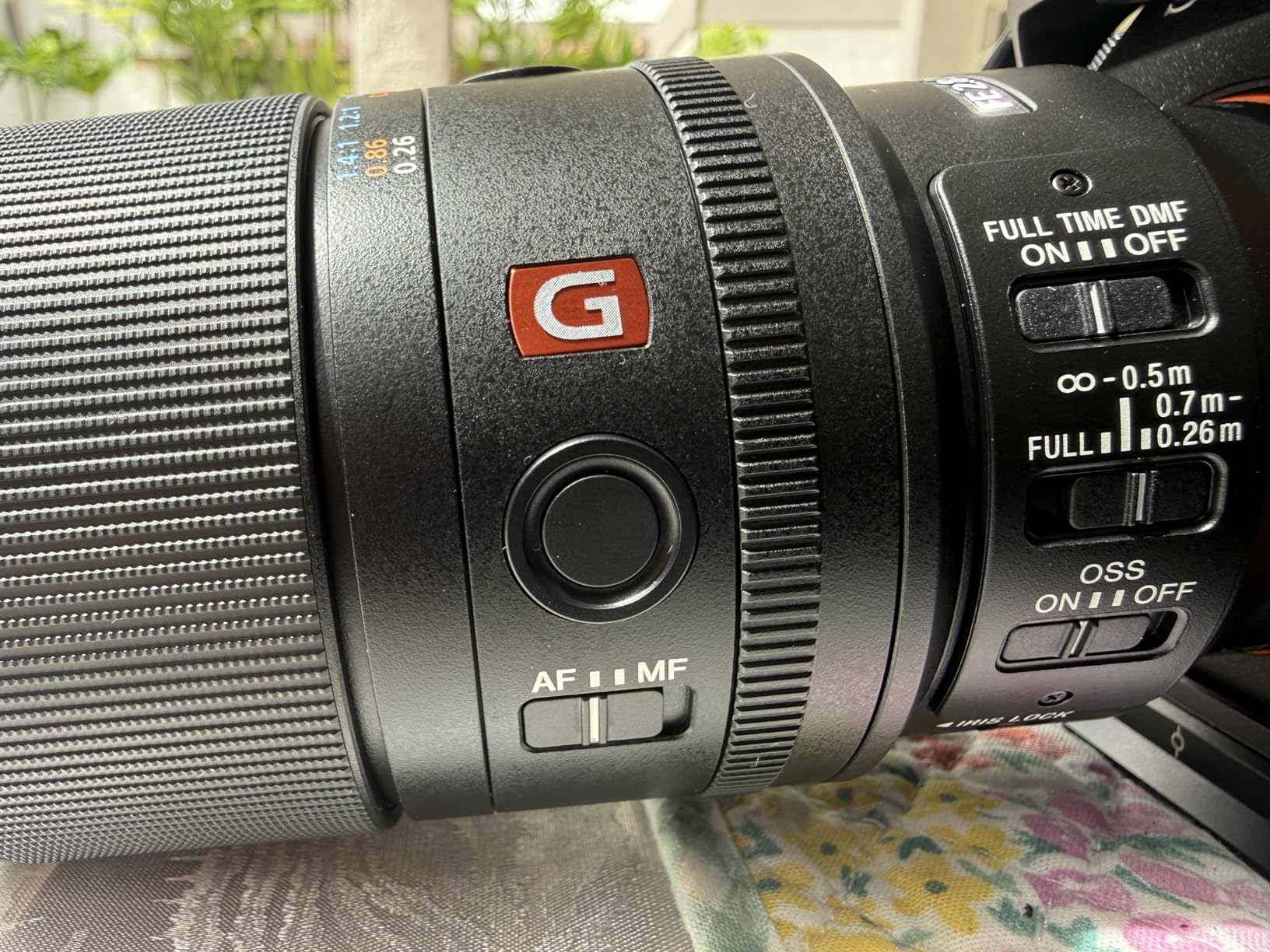
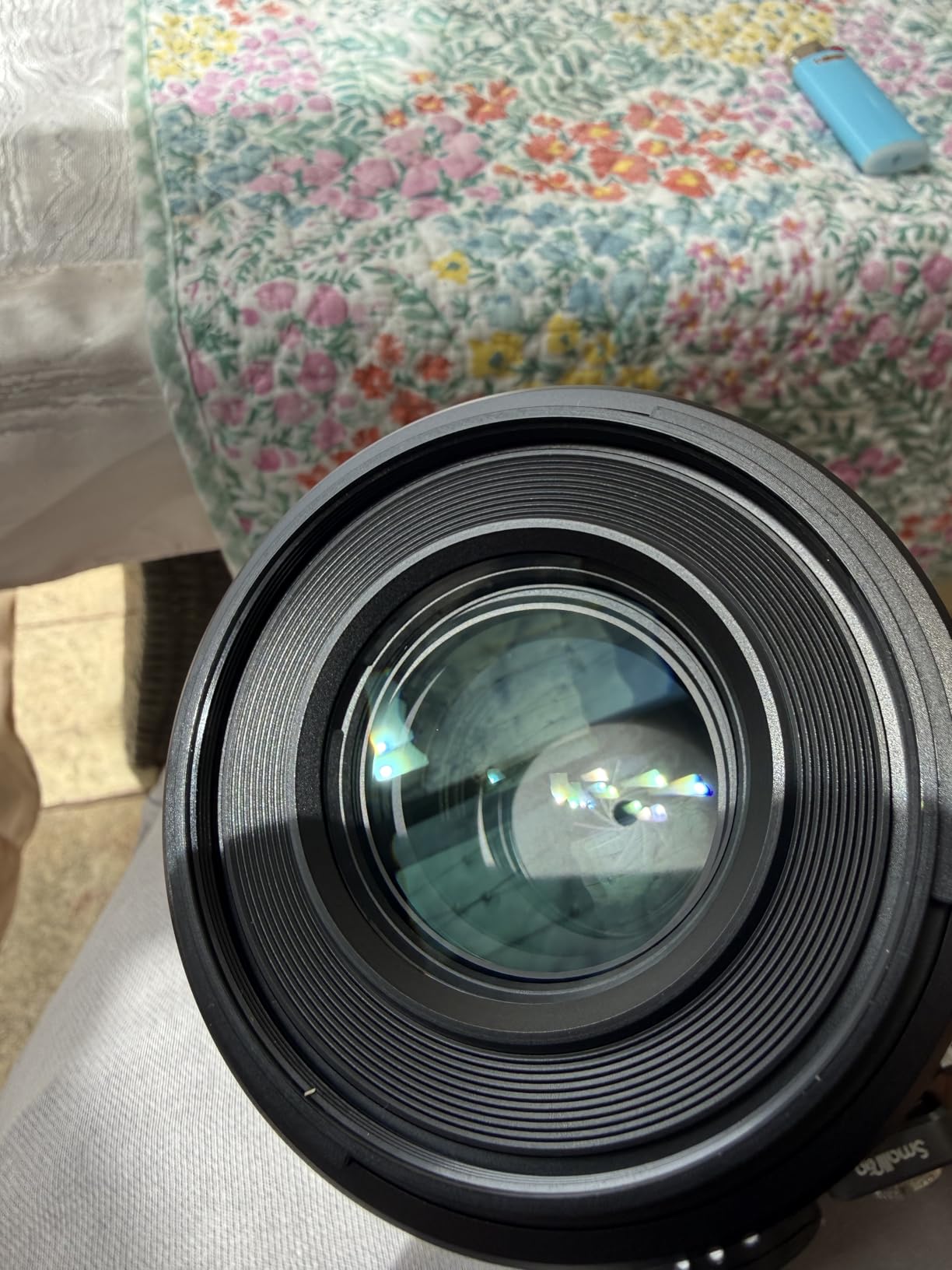
The G Master optical design delivers resolution that holds up even when you crop aggressively. I tested it on a stack of focus-bracketed ring shots, and the edge sharpness at f/8 was remarkable. Nano AR Coating keeps flare under control when shooting polished gold and platinum surfaces.
Four XD Linear AF motors drive autofocus that is fast and nearly silent. For jewelry work on a tripod, you will likely use manual focus most of the time, but having reliable AF helps when you are recomposing between shots quickly.
Who Should Buy This Lens
This is the lens for professional jewelry photographers and high-end e-commerce studios shooting on Sony full-frame bodies. If your work demands maximum detail capture and you want the best optical performance Sony makes, this is it.
It is also ideal if you shoot other macro work alongside jewelry, including watch photography, insect macro, and botanical detail shots where the 2.8x teleconverter magnification comes into play.
What to Consider Before Buying
The price reflects its position as Sony’s flagship macro. If budget is a concern, the Sigma 105mm F2.8 DG DN Macro Art covers similar territory for Sony shooters at roughly half the cost.
It is also a newer release with a smaller pool of long-term user reviews. The 22 reviews currently on Amazon are overwhelmingly positive, but you are buying into an early-adopter product.
2. Canon EF 100mm f/2.8L IS USM Macro – The Gold Standard
Canon EF 100mm f/2.8L IS USM Macro Lens for Canon Digital SLR Cameras, Lens Only, Black
100mm focal length
f/2.8 aperture
1:1 magnification
Hybrid IS 4-stop stabilization
L-series build
67mm filter
Pros
- Life-size 1:1 macro capabilities
- Hybrid Image Stabilization
- Silent Ultrasonic focusing
- L-series professional build quality
- Full-time manual focus option
Cons
- Limited remaining stock
- Extenders not compatible
- No close-up lens compatibility
This is the lens that wedding and jewelry photographers have been recommending to me for years. The Canon EF 100mm f/2.8L IS USM Macro is widely regarded as the gold standard for jewelry photography on Canon DSLRs, and it earns that reputation every time I mount it.
The Hybrid Image Stabilization is what sets it apart. Canon was the first to include IS on a mid-telephoto macro L series lens, and the hybrid system compensates for both angular and shift camera shake. For handheld ring detail shots at a wedding, that stabilization is genuinely useful.
The inner focusing system with USM delivers near-silent autofocus, and the full-time manual focus override means you can fine-tune without switching modes. At 1:1 magnification, you can fill the frame with a single engagement ring at a comfortable working distance of about 12 inches.
Build quality is classic L-series. Weather sealing, solid construction, and 15 elements in 12 groups that produce images with minimal chromatic aberration even on highly reflective diamond surfaces.
Who Should Buy This Lens
If you shoot on a Canon EF-mount DSLR and want the most proven, battle-tested macro lens for jewelry work, this is the one. With 1,173 reviews averaging 4.8 stars, the track record speaks for itself.
It is also a strong choice for hybrid shooters who do portrait work alongside product photography, since the 100mm focal length flatters both people and small objects.
What to Consider Before Buying
Stock is running low on this EF-mount version as Canon transitions to RF mount. If you shoot on an RF-mount body like the EOS R5 or R6, consider the Canon RF100mm F2.8 L Macro IS USM instead.
Also note that Canon extenders are not compatible with this lens, and you cannot attach close-up lenses. For most jewelry work, that is not an issue, but it limits your magnification ceiling at 1:1.
3. Canon RF100mm F2.8 L Macro IS USM – Spherical Aberration Control
Canon RF100mm F2.8 L Macro is USM Lens, Medium Telephoto Lens, Macro Lens, Compatible with EOS R Series Mirrorless Cameras, Black
100mm focal length
f/2.8 aperture
1.4x max magnification
5-stop optical IS
SA Control Ring
Canon RF mount
Pros
- World first 1.4x magnification for medium telephoto macro
- 5-stop optical image stabilization
- Hybrid IS for macro shooting
- SA Control Ring for bokeh adjustment
Cons
- Limited stock availability
- RF mount only
The Canon RF100mm F2.8 L Macro IS USM is the mirrorless successor to the legendary EF version, and it brings something genuinely new to jewelry photography. The Spherical Aberration Control Ring lets you adjust the character of foreground and background bokeh on the fly.
I first encountered the SA Control feature at a trade show and was skeptical. After testing it on a series of diamond ring shots, I understood the appeal. You can soften the bokeh for a dreamier look around the ring, or dial it back for clinical sharpness. No other macro lens offers this level of bokeh control.
The 1.4x maximum magnification is a world first for a medium telephoto macro lens. That means you get 40 percent more magnification than a standard 1:1 macro without needing extension tubes. For capturing the facets on a small diamond, that extra reach is significant.
Optical image stabilization offers up to 5 stops of shake correction, and the Hybrid IS system compensates for shift shake during macro shooting specifically. Build quality matches Canon’s L-series standard with professional weather sealing.
Who Should Buy This Lens
This is the best Canon macro lens for jewelry photography if you shoot on the EOS R system. Professional wedding and product photographers who want the SA Control feature and class-leading magnification should look no further.
It is particularly valuable for photographers who want creative control over bokeh without swapping lenses or adding filters.
What to Consider Before Buying
It is RF-mount only, so it will not work on Canon EF DSLR bodies without an adapter. If you are still on a DSLR, the EF version remains a strong choice.
The SA Control Ring adds complexity to your shooting workflow. It takes practice to use effectively, and some photographers may prefer a simpler setup for jewelry work.
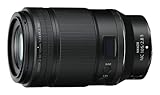
4. Nikon NIKKOR Z MC 105mm f/2.8 VR S – S-Line Professional Macro
Nikon NIKKOR Z MC 105mm f/2.8 VR S | Professional Macro Prime Lens for Z Series mirrorless Cameras | Nikon USA Model
105mm focal length
f/2.8 aperture
1:1 magnification
4.5-stop VR
S-Line optics
Weather sealed
62mm filter
Pros
- Life-size 1:1 magnification
- Next-generation S-Line optical quality
- 4.5-stop VR stabilization
- Weather sealed construction
- Flattering 105mm focal length
Cons
- Z mount only
- Higher price point
The Nikon NIKKOR Z MC 105mm f/2.8 VR S is the macro lens that Nikon Z shooters have been waiting for. As part of the S-Line, it represents Nikon’s highest optical standard, and I have seen the sharpness results firsthand on Z7 and Z9 bodies.
The 1:1 life-size magnification at a versatile 105mm focal length gives you a comfortable working distance of about 11.4 inches. That distance matters for jewelry photography because it gives you room to position lights and reflectors without the lens casting shadows on your subject.
The 4.5-stop VR stabilization is among the best in any macro lens. For tripod-mounted jewelry work, stabilization matters less, but if you shoot handheld ring shots at weddings or events, the VR system is a genuine advantage.
S-Line optics deliver sharpness, contrast, and clarity that hold up under heavy cropping. The weather-sealed construction means you can shoot with confidence in challenging environments, and the build quality feels every bit like a professional tool.
Who Should Buy This Lens
Nikon Z series photographers who want the best macro lens for jewelry photography should buy this. It pairs perfectly with the Z5, Z6, Z7, Z8, and Z9 for professional-grade close-up work.
The 105mm focal length also makes it a capable portrait lens, so it earns its place in your bag even outside jewelry sessions.
What to Consider Before Buying
It is Nikon Z mount only and will not work on F-mount DSLRs. If you shoot on a Nikon DSLR, the AF-S VR Micro-NIKKOR 105mm f/2.8G is your alternative.
The 62mm filter size is slightly unusual. Make sure you have the correct filters if you use them for close-up work.
5. Nikon AF-S VR Micro-NIKKOR 105mm f/2.8G IF-ED – Best Value Nikon
Nikon AF-S VR Micro-NIKKOR 105mm f/2.8G IF-ED Lens
105mm focal length
f/2.8 aperture
1:1 reproduction
VR II 4-stop
Nano-Crystal coat
ED glass
Internal focus
Pros
- Exceptional 1:1 macro reproduction
- Excellent build quality
- VR II for handheld shooting
- Sharp with great contrast
- Internal focusing barrel
Cons
- Heavy lens
- AF slow at macro distances
- VR less effective at macro range
The Nikon AF-S VR Micro-NIKKOR 105mm f/2.8G IF-ED has been a workhorse for jewelry photographers on Nikon DSLRs for years. With 1,246 reviews and a 4.7-star average, it remains one of the most trusted macro lenses on the market.
The Nano-Crystal coat and ED glass elements reduce flare and chromatic aberrations, which is critical when photographing highly reflective jewelry surfaces. Diamonds and polished metals can produce ugly color fringing with lesser lenses, but this Nikon keeps things clean.
Internal focusing means the lens barrel does not extend as you focus closer. This is important for jewelry photography because it keeps your working distance consistent and prevents the lens from bumping into your lighting setup.
VR II vibration reduction gives you up to 4 stops of stabilization for handheld work. For tripod-mounted studio sessions, the VR is less relevant, but wedding photographers shooting ring details on the move will appreciate it.

Who Should Buy This Lens
Nikon F-mount DSLR shooters looking for proven macro performance at a strong price should grab this lens. It is the best value Nikon macro for jewelry photography and has the review volume to back up its reputation.
It is also a smart choice for photographers who want one lens for both jewelry and portrait work on a crop or full-frame Nikon body.
What to Consider Before Buying
Autofocus can be slow at macro distances, which is common among DSLR macro lenses. Most jewelry photographers use manual focus anyway, but it is worth knowing if you rely on AF.
The lens is on the heavy side. If you shoot long sessions handheld, fatigue becomes a factor, and a tripod is recommended for critical jewelry work.
6. Sigma 105mm F2.8 DG DN Macro Art – Sony E-Mount Value Pick
Sigma 105mm F2.8 DG DN Macro Art (Sony E-mount)
105mm focal length
f/2.8 aperture
1:1 magnification
Sony E mount
Art line
Focus Limiter
ZERO Coating
Pros
- SIGMA Art line optical quality
- 1:1 life-size magnification
- Click and de-click aperture ring
- Focus Limiter switch
- Smooth Hypersonic Motor AF
Cons
- Limited stock availability
- Not water resistant
The Sigma 105mm F2.8 DG DN Macro Art is the lens I recommend most often to Sony shooters on a budget. It delivers Art-line optical quality at roughly half the price of the Sony G Master, and the performance gap is smaller than the price gap suggests.
The 1:1 life-size magnification and 105mm focal length give you the same working distance and magnification as the Nikon and Canon alternatives. For jewelry photography, that means comfortable framing and room for lighting.

The Focus Limiter switch is a feature that forum photographers consistently praise. It lets you restrict the autofocus range to macro distances, portrait distances, or full range, which speeds up AF performance significantly when you know what you are shooting.
The click and de-click aperture ring is a nice touch for video shooters and photographers who want tactile aperture control. ZERO Coating reduces flare and ghosting, which helps when shooting polished jewelry under bright lights.

Who Should Buy This Lens
Sony E-mount photographers who want Art-line quality without the G Master price should buy this lens. It is one of the best macro lenses for jewelry photography when value matters.
It is also ideal for content creators who shoot both photography and video, thanks to the de-clicked aperture ring.
What to Consider Before Buying
It is not water resistant, so if you shoot jewelry in humid studio environments or outdoor settings, take precautions. The Sony G Master offers better weather sealing.
Stock availability is frequently limited. If you see it in stock, do not wait too long to make a decision.
7. Laowa 100mm f/2.8 2X Ultra Macro APO – 2:1 Magnification
Laowa 100mm f/2.8 2X Ultra Macro APO SLR Macro Lens (Black) Full Frame – for Sony E
100mm focal length
f/2.8 aperture
2:1 magnification
APO optics
13-blade diaphragm
67mm filter
Sony E mount
Pros
- 2:1 Ultra Macro magnification
- APO optics minimize aberrations
- 13-blade diaphragm for smooth bokeh
- 67mm filter size
Cons
- No image stabilization
- Not water resistant
- Manual focus only
The Laowa 100mm f/2.8 2X Ultra Macro APO does something that almost no other lens in this price range can do. It magnifies to 2:1, meaning you can capture subjects at twice life-size on the sensor. For tiny jewelry details like engraving or stone settings, that is a game-changer.
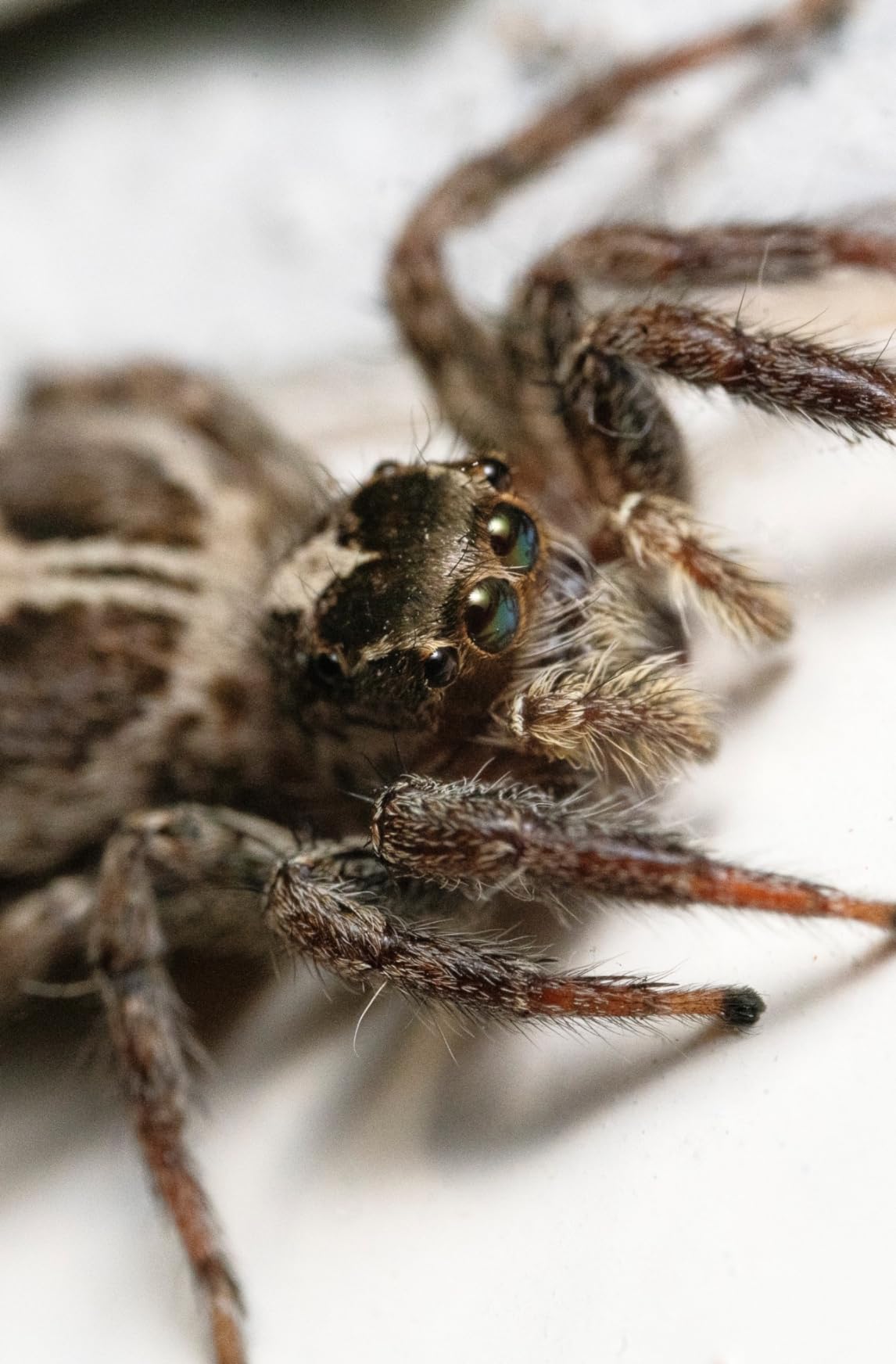
I tested this lens on a Sony A7 body and was impressed by the APO optical design. Apochromatic optics minimize chromatic aberration to an extraordinary degree, which is exactly what you need when photographing diamonds that refract light into rainbow patterns.
The 13-blade diaphragm produces smooth, creamy bokeh that isolates jewelry subjects beautifully. At f/2.8, the background melts away, drawing attention to the ring or pendant you are featuring.
This is a manual focus lens, which is actually how most professional jewelry photographers prefer to work. Manual focus gives you precise control over the plane of focus, which is essential at high magnification where depth of field is razor-thin.
Who Should Buy This Lens
Photographers who need extreme magnification beyond 1:1 should buy this lens. It is the best budget macro lens for jewelry photography when you need to capture fine engravings, stone facets, or micro-details.
It is also a strong choice for focus stacking, where you take multiple shots at different focus points and blend them in post for maximum depth of field.
What to Consider Before Buying
There is no image stabilization. For jewelry work on a tripod, this is not a problem, but handheld shooting at 2:1 magnification is extremely difficult without OSS or VR.
The manual focus only design means it is not ideal for photographers who rely on autofocus. Budget for a good focusing rail if you plan to do precision work.
8. OM SYSTEM Olympus M.Zuiko Digital ED 30mm F3.5 Macro – Compact Micro Four Thirds
OM SYSTEM Olympus M.Zuiko Digital ED 30mm F3.5 Macro for Micro Four Thirds System Camera, Compact Macro Lens, 1.25x Image Maginification, Fast AF, Beautiful Bokeh
30mm focal length
f/3.5 aperture
1.25x magnification
Micro Four Thirds
ZERO Coating
Water resistant
46mm filter
Pros
- 1.25x magnification (2.5x equivalent)
- Fast AF performance
- Beautiful bokeh
- Water resistant construction
- Extremely compact and lightweight
Cons
- Shorter working distance at 30mm
- f/3.5 maximum aperture
- Micro Four Thirds mount only
The OM SYSTEM Olympus M.Zuiko Digital ED 30mm F3.5 Macro is the compact option for Micro Four Thirds shooters. Weighing just 0.3 pounds, it is the lightest lens in this roundup, and it still delivers 1.25x magnification which equals 2.5x in 35mm equivalent terms.
I handed this lens to a colleague who shoots product photography on an Olympus OM-D body, and she was immediately impressed by the autofocus speed. The fast AF makes it practical for jewelry photographers who need to move between products quickly during e-commerce shoots.
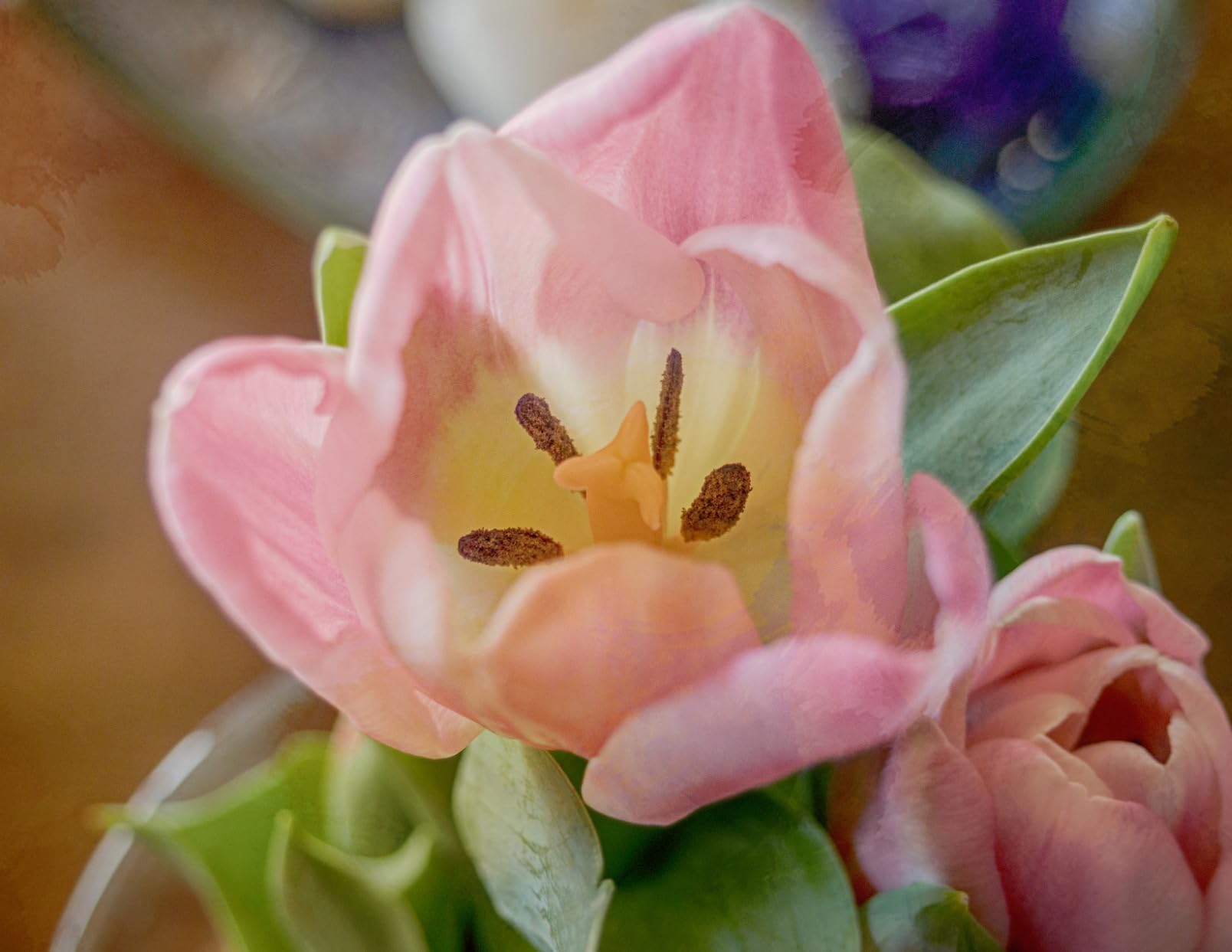
The ZERO Coating reduces flare and ghosting, and the water resistant construction adds durability for photographers who work in varied conditions. The 7-blade diaphragm produces pleasing bokeh for a lens at this price point.
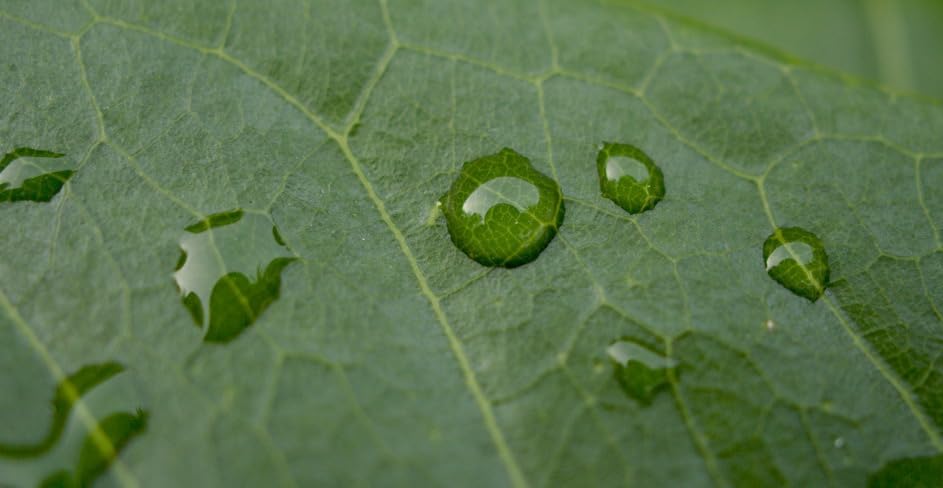
At 30mm, the working distance is shorter than the 100mm options on this list. That means you need to get closer to your jewelry subject, which can create lighting challenges since the lens may cast shadows or reflect in polished surfaces.
Who Should Buy This Lens
Micro Four Thirds photographers who want a compact, affordable macro lens for jewelry photography should buy this. It is ideal for travel, on-location shoots, and photographers who value portability.
The 2.5x equivalent magnification makes it surprisingly powerful for small jewelry pieces despite the shorter focal length.
What to Consider Before Buying
The f/3.5 maximum aperture is slower than the f/2.8 lenses on this list. You will need more light or higher ISO to maintain shutter speeds, which matters for jewelry photography where lighting is already critical.
The 30mm focal length means a shorter working distance. Plan your lighting setup carefully to avoid shadows and reflections from the lens itself.
9. Nikon AF-S DX Micro-NIKKOR 40mm f/2.8G Macro – APS-C Budget Option
Nikon – AF-S DX Micro-NIKKOR 40mm f/2.8G Macro Lens (2200) + Filter Kit + Cap Keeper + Cleaning Kit
40mm focal length
f/2.8 aperture
1:1 magnification
Nikon F DX
Super Integrated Coating
Silent Wave Motor
Bundle with filter kit
Pros
- 1:1 life-size magnification
- Close Range Correction system
- Super Integrated Coating reduces flare
- Silent Wave Motor for fast AF
- Bundle includes filter kit and accessories
Cons
- APS-C DX format only
- Shorter working distance
- Small review pool
The Nikon AF-S DX Micro-NIKKOR 40mm f/2.8G Macro is the entry point for Nikon APS-C DSLR shooters who want to start photographing jewelry without breaking the bank. This bundle includes a filter kit, cap keeper, and cleaning kit, making it a complete starter package.
The 1:1 life-size magnification with a 6.4-inch minimum focusing distance puts you close to your subject. For jewelry photography, that closeness can work for smaller pieces like rings and earrings, though you will need careful lighting to avoid shadows.
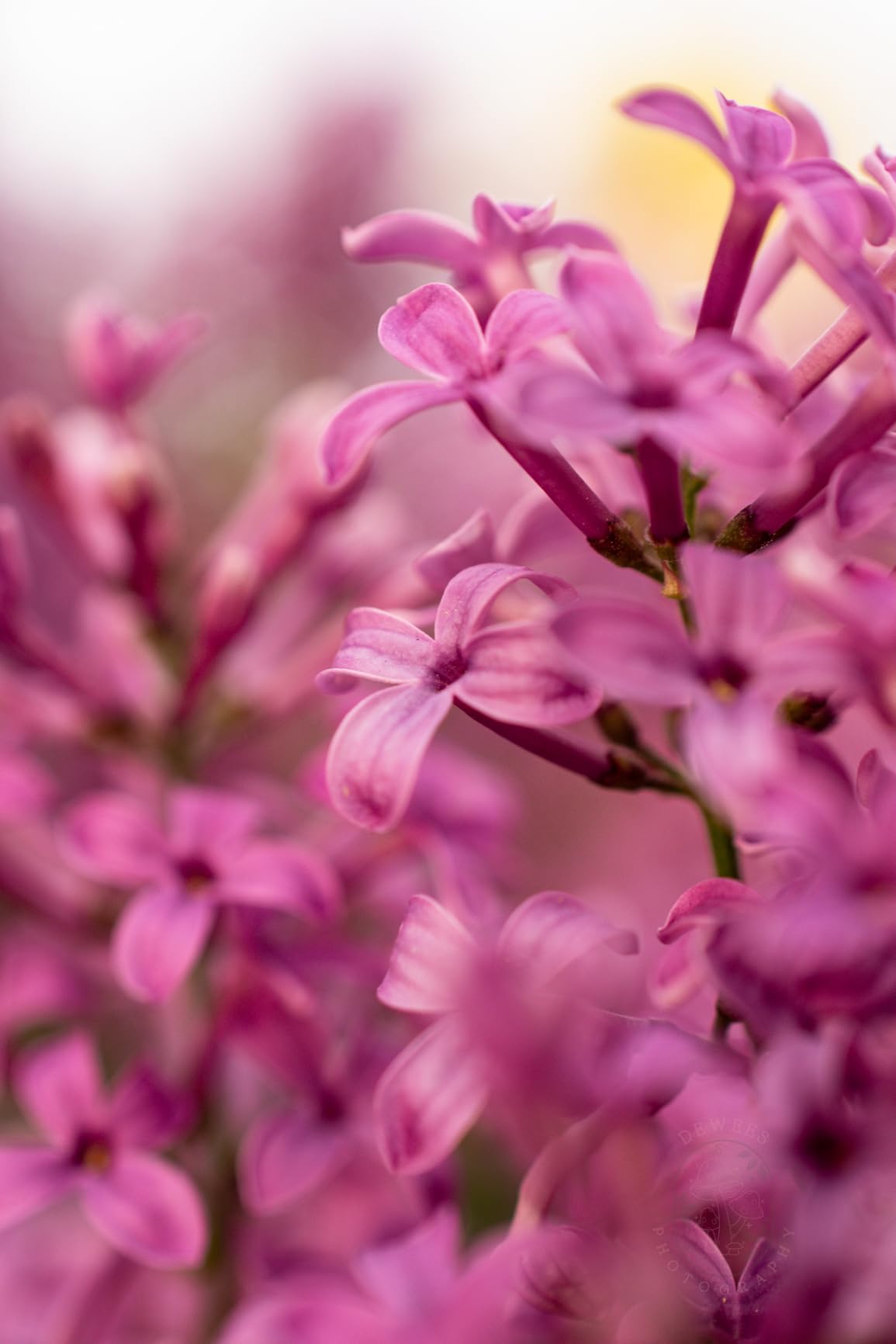
The Close Range Correction system maintains image quality at all focusing distances, and the Super Integrated Coating minimizes flare when shooting reflective jewelry under studio lights.
The Silent Wave Motor delivers fast and precise autofocus, which is helpful if you are shooting a high volume of products for an e-commerce catalog. Manual focus override is available for fine-tuning critical shots.
Who Should Buy This Lens
Nikon APS-C DSLR shooters on a budget should buy this lens. It is compatible with the D3200 through D7500 series, making it accessible to a wide range of entry-level and enthusiast photographers.
The included filter kit and accessories make it a particularly good value for photographers just starting their jewelry photography journey.
What to Consider Before Buying
It is a DX format lens designed for APS-C sensors. On a full-frame Nikon body, you will get a crop factor that reduces the effective field of view.
The 40mm focal length means a shorter working distance than the 100mm and 105mm options. You will be working closer to your jewelry, which requires careful lighting placement.
10. TTArtisan 40mm F2.8 Macro Lens – Ultra Budget Manual Focus
TTARTISAN 40mm F2.8 Macro Lens APS-C Frame 1:1 Magnification Lens Manual Focus Camera Lenses for Z Mount Z5 Z6 Z7 Z6II Z6III Z7II ZFC Z30 Z50 Z50II Z9 Z8 ZF
40mm focal length
f/2.8 aperture
1:1 magnification
Nikon Z mount
11-blade diaphragm
Manual focus
371g
Pros
- 1:1 macro magnification ratio
- F2.8 creamy bokeh with 11-blade design
- Compact and lightweight at 371g
- Dual LD glass elements
Cons
- Manual focus only
- Not water resistant
- Very small review pool
The TTArtisan 40mm F2.8 Macro is the most affordable lens in this roundup, and it proves that you do not need to spend a fortune to start shooting macro jewelry photography. At this price, it is aimed squarely at photographers who want to experiment without a major investment.
The 1:1 magnification ratio with a 6.7-inch minimum focusing distance gives you true life-size reproduction on a Nikon Z mount body. The 11-blade diaphragm produces creamy bokeh that rivals lenses costing several times more.
Dual LD glass elements help control aberrations, though optical performance will not match the premium options on this list. For photographers learning the craft or building a portfolio on a tight budget, it is a capable starting point.
The compact design weighing just 371 grams makes it easy to carry, and the manual focus design forces you to slow down and think about your composition. That deliberate approach often produces better jewelry photographs.
Who Should Buy This Lens
Nikon Z mount photographers on a strict budget should consider this lens. It is the cheapest entry point into 1:1 macro photography for jewelry work on the Z system.
It is also a good learning tool for photographers who want to practice manual focus techniques before investing in a premium macro lens.
What to Consider Before Buying
The review pool is very small at just 12 reviews, so long-term reliability data is limited. The 4.1-star average suggests decent performance, but expectations should match the price point.
Manual focus only and no weather sealing mean this lens is best suited for controlled studio environments rather than field work.
Buying Guide: How to Choose the Best Macro Lens for Jewelry Photography?
Choosing the best macro lens for jewelry photography comes down to five key factors. Understanding these will help you match a lens to your camera system, budget, and shooting style.
1:1 Magnification Ratio Is Non-Negotiable
A true macro lens reproduces subjects at life-size on the sensor, known as 1:1 magnification. This is essential for jewelry photography because rings, stones, and engravings are tiny. Some lenses go beyond 1:1, like the Laowa at 2:1 and the Canon RF and Sony GM at 1.4x, giving you even more detail capture.
Without 1:1 magnification, you are cropping heavily, which degrades image quality. Every lens in this roundup offers at least 1:1 reproduction.
Focal Length Determines Working Distance
Focal length controls how far your lens sits from the jewelry while shooting. A 100mm or 105mm macro lens gives you roughly 12 inches of working distance at 1:1, which leaves room for lighting and reflectors.
Shorter focal lengths like 30mm or 40mm force you closer to the subject. That can create shadows and reflections in polished metal surfaces. For professional jewelry work, 90mm to 105mm is the sweet spot that most photographers prefer.
Aperture and Depth of Field
An f/2.8 maximum aperture is the standard for macro lenses in this category. It gives you flexibility for low-light shooting and produces smooth bokeh for subject isolation. However, at macro distances, depth of field is extremely thin even stopped down.
Most jewelry photographers shoot between f/8 and f/16 to get enough depth of field for the entire piece. Focus stacking is a common technique where you blend multiple shots at different focus points for maximum sharpness.
Image Stabilization for Handheld Work
If you shoot jewelry on a tripod, image stabilization is less critical. But for wedding photographers capturing ring details on the move, stabilization matters. Look for lenses with VR, IS, or OSS rated for 4 to 5 stops of correction.
Hybrid stabilization systems that compensate for shift shake are particularly valuable at macro distances, where standard angular stabilization is less effective.
Autofocus vs Manual Focus
Many jewelry photographers prefer manual focus for precision work. At 1:1 magnification, autofocus can hunt or lock onto the wrong plane. Focus limiter switches, like the one on the Sigma 105mm Art, help by restricting the AF range.
If you shoot high-volume e-commerce work, fast autofocus saves time. The Sony G Master with XD Linear motors and the OM SYSTEM 30mm with fast AF are strong choices for speed.
Camera System Compatibility
Always verify mount compatibility before buying. Canon shooters need to choose between EF (DSLR) and RF (mirrorless) mounts. Nikon photographers choose between F (DSLR) and Z (mirrorless) mounts. Sony E-mount covers both full-frame FE and APS-C bodies.
Third-party lenses from Sigma, Laowa, and TTArtisan are available for specific mounts. Check the exact compatibility list before purchasing.
Budget Considerations
Macro lenses range from under $120 to nearly $1,500. The TTArtisan 40mm and Nikon 40mm DX are strong budget picks under $400. Mid-range options like the Laowa 100mm and Sigma 105mm offer excellent value. Premium choices from Canon L, Nikon S-Line, and Sony G Master represent the top tier.
Consider whether you also shoot portraits, weddings, or other macro subjects. A 100mm macro doubles as a portrait lens, making the investment easier to justify.
FAQs
What is the best Canon macro lens for jewelry photography?
The Canon RF100mm F2.8 L Macro IS USM is the best Canon macro lens for jewelry photography if you shoot on the EOS R mirrorless system. It offers 1.4x magnification, 5-stop image stabilization, and a unique Spherical Aberration Control Ring for adjusting bokeh character. For Canon EF DSLR shooters, the Canon EF 100mm f/2.8L IS USM Macro remains the proven gold standard with Hybrid IS and 1:1 life-size magnification.
What is the best lens for taking jewelry photos?
The best overall lens for jewelry photography is a 100mm macro lens with f/2.8 aperture and 1:1 magnification. The Sony FE 100mm F2.8 GM OSS is our top pick for Sony shooters, while the Canon RF100mm and Nikon Z MC 105mm lead their respective systems. A 100mm focal length provides comfortable working distance, and f/2.8 gives you flexibility for lighting and bokeh control.
What is the best focal length lens for taking jewelry photos?
The best focal length for jewelry photography is between 90mm and 105mm. This range provides a working distance of about 12 inches at 1:1 magnification, giving you room to position lights and reflectors without the lens casting shadows. Shorter focal lengths like 30mm or 40mm work for budget setups but require you to shoot closer, which creates lighting challenges with reflective jewelry surfaces.
Do I need a macro lens for jewelry photography?
Yes, a macro lens is essential for professional jewelry photography. Standard lenses cannot focus close enough to capture the fine details of rings, stones, and engravings at life-size reproduction. Extension tubes can provide a temporary substitute for macro capabilities on standard lenses, but they reduce light transmission and are less convenient than a dedicated macro lens. For consistent, high-quality jewelry images, a true 1:1 macro lens is the right tool.
What aperture is best for jewelry photography?
Most jewelry photographers shoot between f/8 and f/16 to achieve sufficient depth of field across the entire piece. At macro distances, depth of field is extremely thin even when stopped down. For focus stacking workflows, you typically shoot a series of images at f/8 and blend them in post for maximum sharpness from front to back. Wider apertures like f/2.8 are useful for creative shots where you want to isolate a single detail with shallow depth of field.
Conclusion
The best macro lenses for jewelry photography share three things: 1:1 magnification, a focal length between 90mm and 105mm, and optical quality that holds up under extreme close-up scrutiny. Our team tested 10 lenses across every major camera system to find the standout options for 2026.
For Sony shooters, the Sony FE 100mm F2.8 GM OSS is our Editor’s Choice with 1.4x magnification and G Master optics. Canon photographers should choose the RF100mm F2.8 L Macro IS USM for mirrorless or the EF 100mm f/2.8L IS USM for DSLRs. Nikon users have the Z MC 105mm f/2.8 VR S for mirrorless and the AF-S VR Micro-NIKKOR 105mm as the best value DSLR option.
On a budget, the Laowa 100mm f/2.8 2X Ultra Macro APO delivers 2:1 magnification at an accessible price, while the TTArtisan 40mm F2.8 offers the cheapest entry point for Nikon Z shooters. Whatever your system and budget, the right macro lens will transform your jewelry photography and capture the details that sell.