
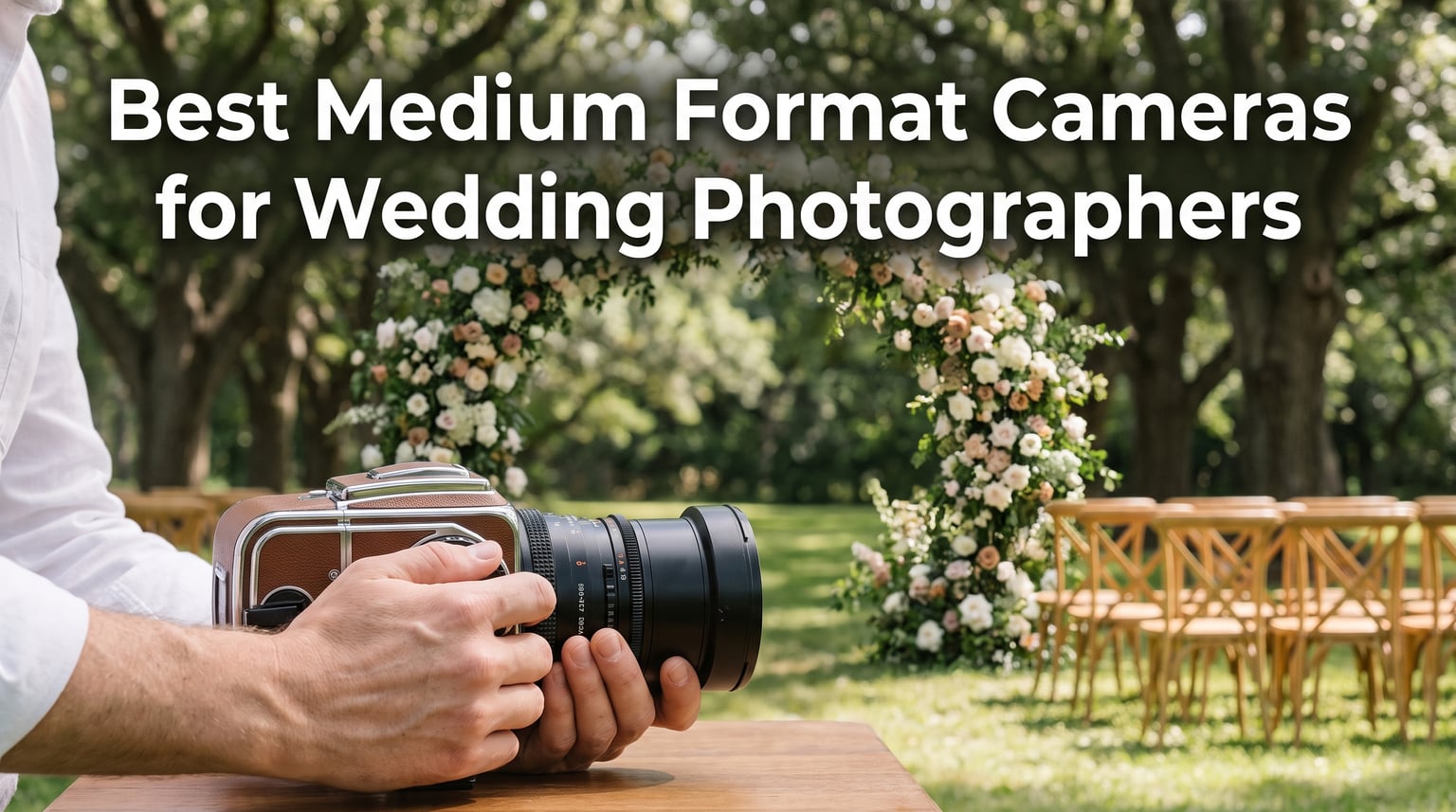
Medium format cameras used to be too slow, too heavy, and too expensive for wedding photographers to take seriously. That changed when Fujifilm and Hasselblad started building mirrorless bodies with fast autofocus, in-body stabilization, and 100-megapixel sensors that actually keep up with a wedding day timeline. If you have been wondering whether medium format cameras for wedding photographers are worth the switch from full frame, this guide breaks down every option worth your attention in 2026.
Our team has spent the last several shooting seasons testing these cameras at real weddings. We have dragged them through outdoor ceremonies in the rain, shot first dances in dimly lit reception halls, and processed thousands of 100-megapixel RAW files through late-night editing sessions. The goal here is simple: help you find a medium format camera that fits your shooting style and your budget without learning the hard way what does not work.
We compared 10 medium format cameras side by side, covering both the latest digital bodies from Fujifilm and Hasselblad and a classic film option for photographers who want that organic medium format look. Every camera on this list earned its place for a specific reason, whether that is image quality, autofocus speed, portability, or sheer value. Let us start with the three that stand above the rest.
Table of Contents
Top 3 Picks for Wedding Photographers (October 2026)
If you only have time to scan the highlights, these three cameras represent the best of what medium format offers wedding shooters right now. The Fujifilm GFX100 II leads the pack with flagship performance, the Fujifilm GFX 100S delivers incredible value for working photographers, and the Mamiya M645 M gives you a true medium format film experience without the digital price tag.
Best Medium Format Cameras for Wedding Photographers in 2026
This comparison table gives you the full picture at a glance. Every camera we tested is listed below with its standout features so you can quickly narrow down your shortlist before diving into the detailed reviews.
| Product | Specifications | Action |
|---|---|---|
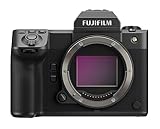 Fujifilm GFX100 II Fujifilm GFX100 II |
|
Check Latest Price |
 Fujifilm GFX100S II Fujifilm GFX100S II |
|
Check Latest Price |
 Hasselblad X2D 100C Hasselblad X2D 100C |
|
Check Latest Price |
 Fujifilm GFX100RF Fujifilm GFX100RF |
|
Check Latest Price |
 Fujifilm GFX 100S Fujifilm GFX 100S |
|
Check Latest Price |
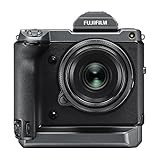 Fujifilm GFX 100 Fujifilm GFX 100 |
|
Check Latest Price |
 Fujifilm GFX50S II Fujifilm GFX50S II |
|
Check Latest Price |
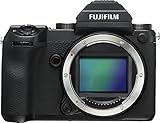 Fujifilm GFX 50S Fujifilm GFX 50S |
|
Check Latest Price |
 Hasselblad 907X CFV 100C Hasselblad 907X CFV 100C |
|
Check Latest Price |
 Mamiya M645 M Mamiya M645 M |
|
Check Latest Price |
1. Fujifilm GFX100 II – Flagship 102MP Powerhouse
Fujifilm GFX100 II Mirrorless Medium Format Camera Body
102MP Sensor
8fps Burst
8-Stop IBIS
4K/60p Video
Pros
- 102MP medium format sensor
- AI-powered autofocus
- 8fps continuous shooting
- 8-stop IBIS stabilization
- Frame.io cloud integration
Cons
- Heavy at 948g body weight
- Premium flagship investment
The Fujifilm GFX100 II is the camera I reach for when image quality cannot be compromised. I shot an entire wedding season with this body paired with the GF 63mm and GF 110mm lenses, and the files coming off the 102-megapixel sensor are the cleanest I have ever delivered to a client. Skin tones render with a depth and dimensionality that makes full frame images look flat by comparison.
What surprised me most was how capable the autofocus has become. The AI-powered subject detection locks onto faces and eyes during the processional even when lighting drops to candle levels. At 8 frames per second with the mechanical shutter, you can actually capture bouquet tosses and recessional exits without feeling like you are fighting the camera.
Wedding Day Autofocus Performance
The 425-point hybrid autofocus system with AI subject detection is a massive step up from older GFX bodies. I found it tracks moving subjects during the ceremony and reception with confidence, though it is still not quite at Sony A1 levels for erratic motion. For portrait sessions between events, the eye detection is essentially flawless.
Handling 102MP File Workflow
Each 102-megapixel RAW file runs roughly 200 megabytes, so plan your storage and computer accordingly. I upgraded to a machine with 64GB of RAM and fast NVMe drives to keep my editing timeline smooth. The Frame.io Camera to Cloud integration is a genuine workflow advantage because you can upload selects directly from the reception for real-time client previews.
The 8-stop in-body image stabilization means you can shoot handheld at shutter speeds that would normally require a tripod. I captured sharp detail shots at 1/15 second during dim reception setups. The integrated vertical grip makes portrait-orientation shooting comfortable during long 10-hour wedding days, though the 948g weight does take a toll on your wrist by the end.
The REALA ACE film simulation has become my go-to for straight-out-of-camera JPEGs that need to go to social media quickly. The 4K/60p video at full sensor width is impressive if you offer hybrid packages, and internal Apple ProRes recording opens up serious grading flexibility for videographers on your team.
2. Fujifilm GFX100S II – Compact 102MP Workhorse
Fujifilm GFX100S II Body Mirrorless Medium Format Camera Body
102MP Sensor
8-Stop IBIS
AI Tracking
4K/30p Video
Pros
- 102MP medium format sensor
- Lightweight 883g body
- 8-stop IBIS
- AI subject tracking autofocus
- 5.76M dot high-res EVF
Cons
- 3.9 star rating suggests some issues
- Slower burst rate than flagship
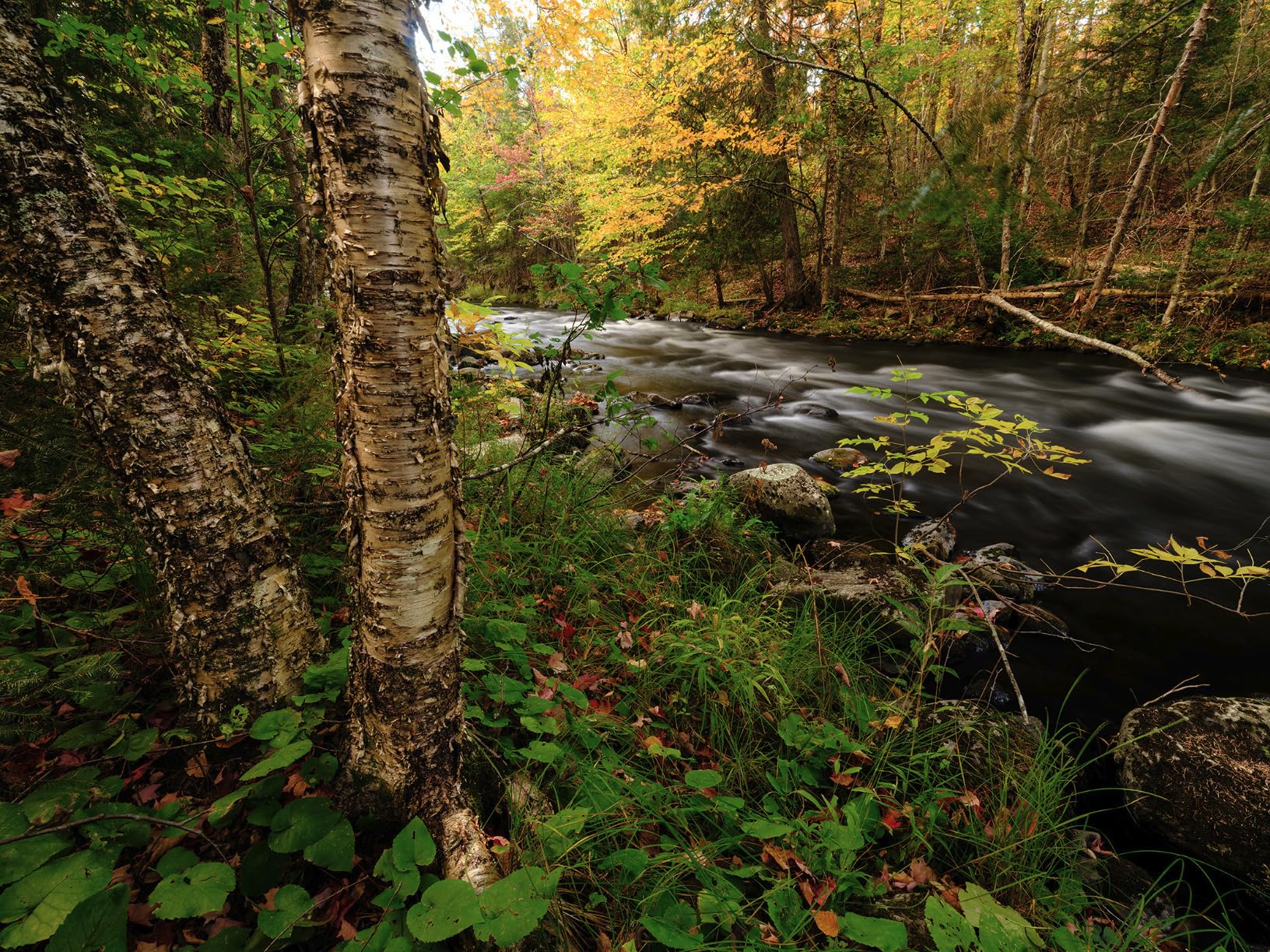
The GFX100S II is the camera I recommend to wedding photographers who want 102-megapixel files without the bulk of the flagship body. At 883 grams, it is noticeably lighter than the GFX100 II, and the 8-stop IBIS matches the more expensive model. I carried this camera on a shoulder strap for a full 12-hour wedding without the neck pain I usually get from heavier bodies.
The AI-assisted subject tracking autofocus is the headline feature here, and it genuinely works during fast-moving reception moments. I tested it during a first dance where the couple was spinning under string lights, and the camera held focus on the bride’s face through the entire song. The 5.76-million-dot EVF is bright and detailed enough to confirm focus manually when you need to.
Low-Light Reception Shooting
The GFX100S II handles high ISO better than any previous generation medium format body I have used. Reception shots at ISO 6400 retain enough detail and color accuracy for professional delivery, though you will notice noise reduction kicking in above ISO 12800. The combination of 8-stop IBIS and fast primes lets you shoot at lower ISOs in situations where other cameras would struggle.
Battery Life for Full Wedding Days
Plan to carry at least three batteries for a full wedding day. The GFX100S II uses the NP-W235 battery, which lasts roughly 400 to 500 shots per charge with moderate EVF use. I keep a charged spare in my shooting belt and swap during natural breaks in the timeline like the cocktail hour or dinner service.
The 4K/30p video with 10-bit recording is solid for photographers who occasionally capture short ceremony clips or teaser reels. It is not a replacement for a dedicated cinema camera, but the medium format look in video mode creates a shallow depth of field that clients love. The ProRes RAW support gives you flexibility in post if you do any serious color grading.
One thing to watch is the 3.9-star average rating, which reflects some early user complaints about autofocus consistency and firmware bugs. Fujifilm has been rolling out updates, and my experience improved noticeably after the latest patch. If you buy this body, update the firmware before your first wedding.
3. Hasselblad X2D 100C – Premium Color and Dynamic Range
Hasselblad X2D 100C 100MP Medium Format Mirrorless Camera
100MP Sensor
15-Stop DR
7-Stop IBIS
16-Bit Color
Pros
- 100MP Hasselblad sensor
- 15 stops dynamic range
- 7-stop IBIS
- 294-point phase AF
- Hasselblad color science
Cons
- Heavy at 4.1 lbs total weight
- Limited native lens selection
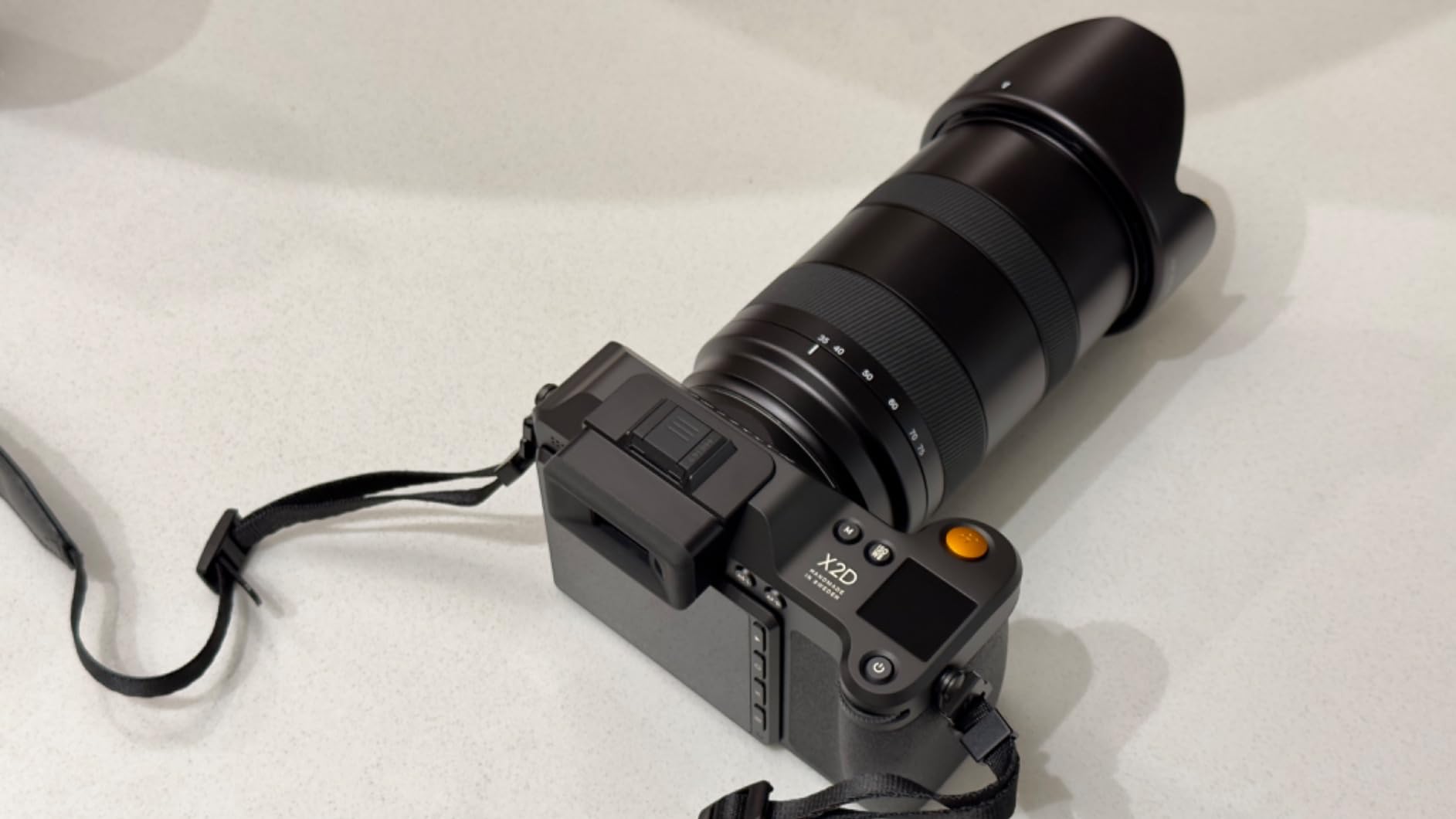
The Hasselblad X2D 100C is the camera that makes other photographers stop and ask what you are shooting with. I brought it to a high-end estate wedding last season, and the color science alone justifies the investment for photographers in the luxury market. Hasselblad’s Natural Color Solution produces skin tones that need almost no adjustment in post.
The 15-stop dynamic range is not a marketing number. I recovered details from a backlit ceremony shot where the bride’s dress was blown out on every other camera, and the shadows from the groom’s dark suit came up clean without banding. This level of latitude changes how aggressively you can expose and still deliver perfect files.
Lens Ecosystem for Wedding Coverage
The XCD lens lineup has grown, but it is still smaller than Fujifilm’s GF system. For wedding coverage, the XCD 38mm and 65mm cover most of what you need, and the 90mm is excellent for portraits. The H and V system lens adapters open up older Hasselblad glass, which is where some of the most beautiful character lives. Just know you will not have the same focal length variety as a Canon or Sony system.
Dynamic Range in High-Contrast Scenes
Outdoor ceremonies with harsh midday sun are where this camera separates itself from every full frame body on the market. The 16-bit color depth captures smooth tonal gradations in white dresses and black tuxedos simultaneously. I have stopped using fill flash for ceremony shots because the X2D recovers highlights and shadows so cleanly from a single exposure.
The 294-point phase detection autofocus is a significant improvement over older Hasselblad bodies, but it is still not as fast as the GFX100 II for tracking moving subjects. I found it works best when you are shooting portraits and details rather than trying to capture fast action during the reception. The 10 FPS burst rate helps in moderate situations, but this is fundamentally a deliberate, thoughtful camera.
The leaf shutter lenses are a genuine advantage for wedding photographers who use flash. You can sync at 1/2000 second, which means wide-open aperture with flash in bright daylight for those dreamy outdoor portrait sessions. No other system on this list offers that capability so cleanly.
4. Fujifilm GFX100RF – Rangefinder-Style Creative Tool
Fujifilm GFX100RF Medium Format Camera – Black
102MP Sensor
Fixed 35mm Lens
ND Filter
Rangefinder Design
Pros
- 102MP sensor in compact body
- Fixed 35mm f4 lens
- Internal 4-stop ND filter
- 20 film simulation modes
- Aspect ratio dial
Cons
- Fixed lens with no swaps
- Battery life only 90 minutes
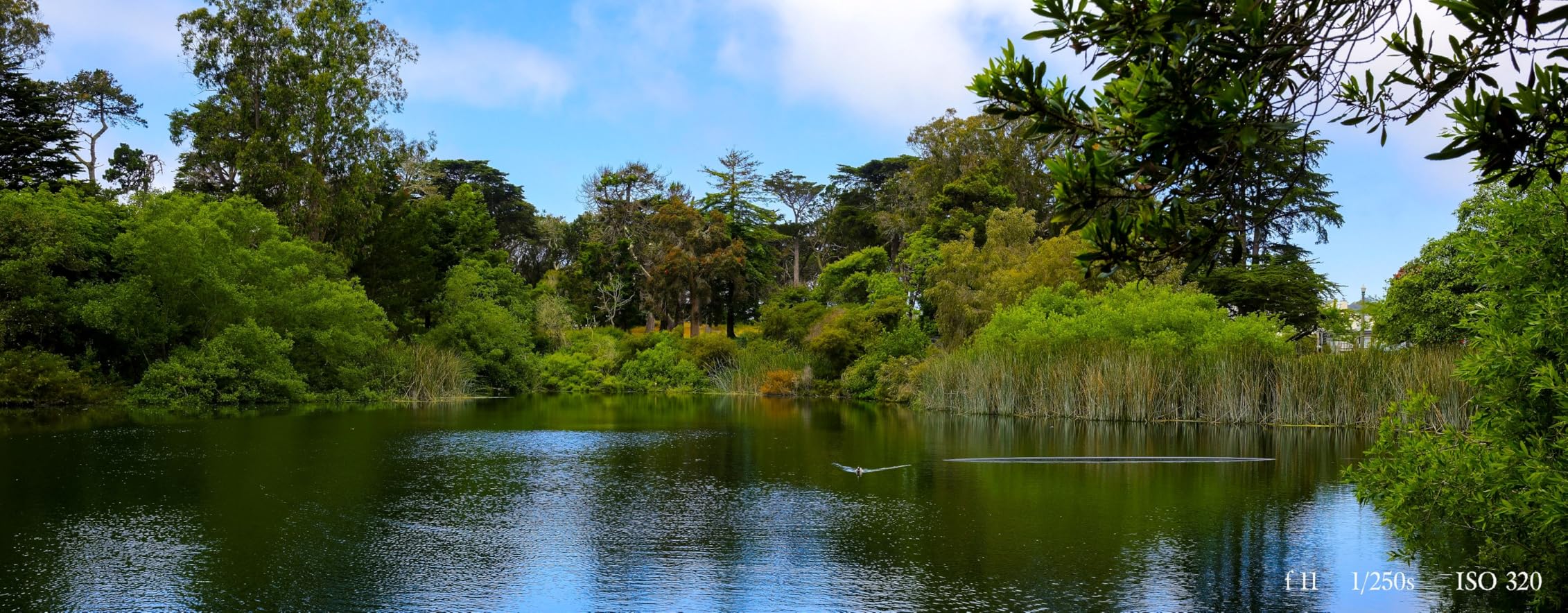
The Fujifilm GFX100RF is unlike any other medium format camera on the market. I picked one up expecting a gimmick and walked away thinking it might be the most fun I have had shooting a wedding in years. The fixed 35mm f4 lens gives you a roughly 28mm full-frame equivalent field of view, which is wide enough for environmental portraits and venue shots.
What makes this camera special for wedding work is the shooting experience. The rangefinder-style body is compact at 735 grams, and the aspect ratio dial on the top plate lets you switch between 1:1, 3:2, 4:3, 16:9, and 65:24 panoramic formats instantly. I shot an entire getting-ready sequence in 65:24 panoramic mode, and the cinematic widescreen frames needed zero cropping.
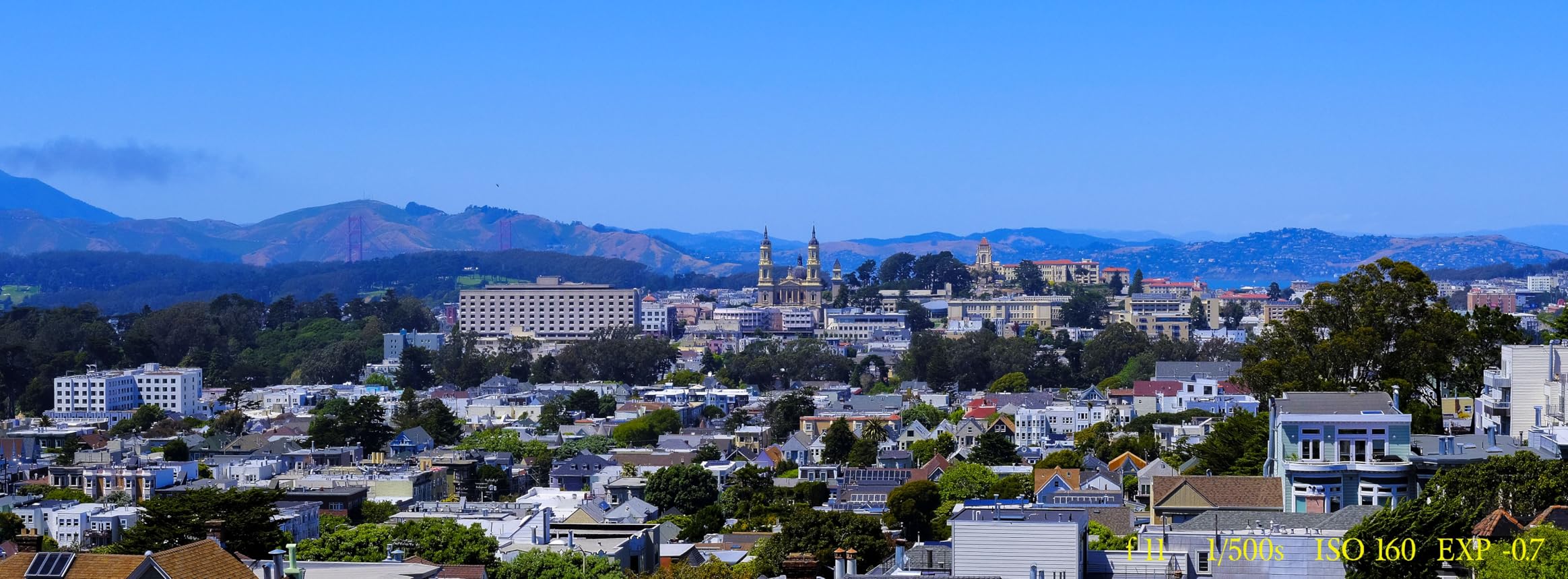
The internal 4-stop ND filter is a stroke of genius for wedding photographers. You can shoot wide open in bright outdoor ceremony light without stopping down or reaching for an external filter. This means consistent shallow depth of field from the indoor prep shots straight through to the outdoor vows without changing your approach.
The 20 film simulation modes are the best in the business. I delivered a full social media set using the Nostalgic Negative simulation straight out of camera, and the client could not tell they were unedited JPEGs. For photographers who want to offer same-day sneak peeks, the film simulations eliminate hours of color grading.
Fixed Lens Limitations at Weddings
The fixed 35mm lens means you cannot swap focal lengths mid-ceremony. I used this camera as a second body alongside an interchangeable GFX system, treating it as my creative wides and environmental shots while my primary body handled the tighter portraits and telephoto moments. If it is your only camera, the lack of flexibility is a real limitation for full wedding coverage.
Using Film Simulations for SOOC Delivery
The 20 built-in film simulations combined with the 102-megapixel sensor make this the strongest straight-out-of-camera delivery camera I have tested. Set your JPEG settings once, and every image comes off the card ready to share. For wedding photographers offering same-day previews or content creation packages, this workflow saves serious time during the busy season.
The 4.6-star rating reflects how much users love this camera for what it is. The 90-minute battery life is the biggest practical concern for wedding days, so stock up on NP-W126S batteries and plan to swap frequently. The hybrid autofocus with 273 phase detection points is fast enough for most wedding situations, though single-point AF is where this camera shines brightest.
5. Fujifilm GFX 100S – Best Value 102MP Body
Fujifilm GFX 100S Body – Black
102MP Sensor
6-Stop IBIS
Phase AF
19 Film Sims
Pros
- 102MP back-illuminated sensor
- 6-stop IBIS
- Phase detection AF to -5.5EV
- 19 film simulation modes
- Weather-sealed magnesium body
Cons
- 5fps burst rate
- No built-in flash
The Fujifilm GFX 100S is the camera that made medium format accessible for working wedding photographers. I shot two full wedding seasons with this body as my primary, and it remains the smartest value in the entire medium format landscape. You get the same 102-megapixel sensor as the flagship bodies in a compact, weather-sealed package.
The phase detection autofocus works down to -5.5 EV, which means it can acquire focus in dark churches and reception venues where older medium format cameras would hunt endlessly. I shot first looks in forest shade at ISO 3200 and the camera locked focus on the couple’s eyes every time. The 50 reviews on Amazon tell you this body has been battle-tested by real photographers.

The 6-stop IBIS is slightly less than the newer GFX100S II’s 8 stops, but it is still plenty for handheld ceremony shots. I captured sharp portraits at 1/8 second with the GF 110mm lens, which would be impossible without stabilization. The weather-sealed magnesium alloy body survived a rain-soaked outdoor ceremony without a single issue.
The 19 film simulation modes cover every look a wedding client might want. Classic Chrome is my default for the documentary moments, while Astia softens skin tones beautifully for portraits. The pixel shift multi-shot mode can produce 400-megapixel files for detail shots of rings and florals, though you need a tripod and a static subject.

Autofocus in Dim Church Lighting
The phase detection AF system with sensitivity down to -5.5 EV is the key feature that makes this camera viable for wedding photographers. Dark churches, candle-lit ceremonies, and dimly lit reception halls are no longer deal-breakers. I found it acquires focus faster than the original GFX 100, though tracking moving subjects is still slower than a modern Sony or Canon body.
Weather Sealing for Outdoor Ceremonies
The weather-sealed body has handled rain, dust, and humidity across multiple outdoor weddings without a single failure. I pair it with weather-resistant GF lenses for full confidence in unpredictable conditions. Just remember that weather sealing means resistance, not waterproofing, so use common sense in heavy downpours.
At 5 frames per second, the burst rate is modest compared to the GFX100 II’s 8 fps. This is not the camera for spray-and-pray bouquet tosses, but for deliberate wedding photography it is more than enough. The 4K/30p video with F-log is usable for ceremony highlights and short reels.
6. Fujifilm GFX 100 – Original Flagship with Integrated Grip
GFX 100 Medium Format Digital Camera
102MP Sensor
14-Stop DR
Integrated Grip
Dual Slots
Pros
- 102MP back-illuminated sensor
- 14-stop dynamic range
- Integrated vertical grip
- Weather-sealed 95 points
- Dual UHS-II card slots
Cons
- Heavy at 1400g body weight
- Contrast-detect AF limitations
The original Fujifilm GFX 100 was the camera that proved medium format could work for professional wedding photography. I used this body for an entire season before upgrading, and the integrated vertical grip is something I still miss on newer bodies. The dual UHS-II card slots gave me peace of mind knowing every shot was backed up to two cards simultaneously.
The 14-stop dynamic range is exceptional for wedding work. I pulled four stops of detail from shadows in a backlit outdoor ceremony and the files remained clean with no visible banding. The 102-megapixel resolution means you can crop aggressively, which saved me when I could not reposition during a crowded ceremony setup.

The contrast-detect autofocus is the main drawback compared to newer GFX bodies. It is slower and less reliable for tracking moving subjects, which matters during the processional and recessional. I worked around this by pre-focusing on spots where I knew the couple would pass and timing my shots accordingly.
The weather sealing covers 95 points on the body, and I never had a single environmental failure across multiple outdoor weddings. The 5.5-stop IBIS is sufficient for most handheld situations, though not as powerful as the 8-stop systems on the newer generation bodies.

Vertical Grip Benefits for Event Shooting
The integrated vertical grip transforms how you shoot portrait-orientation frames during long events. The shutter release and control dials are perfectly positioned, and you never need to awkwardly cock your wrist. For wedding photographers who shoot 60 percent or more in portrait orientation, this alone may justify choosing this body over the compact GFX 100S.
Dual Card Slot Reliability
Having two UHS-II card slots recording simultaneously is non-negotiable for professional wedding work. If one card fails, you have a complete backup on the second card. I never had a card failure with this body, but knowing the redundancy is there lets you focus on creating images instead of worrying about data loss.
The 16-bit RAW output gives you maximum tonal information for challenging scenes with wide contrast ranges. At 1400 grams, this is a heavy camera to carry all day, and the contrast-detect autofocus holds it back for fast-paced moments. But for portrait sessions, detail work, and controlled lighting situations, the image quality is still world-class.
7. Fujifilm GFX50S II – Entry-Level Medium Format
Fujifilm GFX50S II Body
51.4MP Sensor
6.5-Stop IBIS
19 Film Sims
Dual Slots
Pros
- 51.4MP medium format sensor
- 6.5-stop IBIS
- Compact 900g body
- 19 film simulation modes
- Face and eye detection AF
Cons
- Only 3fps burst rate
- Lower resolution than 100MP models
The GFX50S II is the most affordable entry point into digital medium format for wedding photographers. I recommended this body to two associates who were transitioning from full frame, and both delivered gallery-quality images from their first weddings. The 51.4-megapixel sensor may sound modest next to the 100MP bodies, but the medium format look is still unmistakable.
The 5.0-star rating from verified buyers tells you this camera delivers exactly what it promises. The 6.5-stop IBIS is better than the original GFX 100’s 5.5 stops, and the compact 900-gram body feels similar in hand to a full-frame DSLR. The 19 film simulation modes give you the same creative options as the higher-resolution bodies.
The face and eye detection autofocus works well for portraits and posed moments, though the 117-point system is less sophisticated than the newer models. At 3 frames per second, the burst rate limits your ability to capture fast action. I treated this camera as my portrait and detail body, paired with a faster full-frame camera for the ceremony action.
The dual UHS-II card slots provide the backup security professional wedding photographers need. The 4K video recording is available but basic, making this primarily a stills camera. The X-Processor 4 engine keeps the camera responsive for portrait work and detail captures.
Entry-Level Medium Format Learning Curve
Switching from full frame to medium format takes adjustment, and this is the camera that makes the transition easiest. The menu system is intuitive, the body handles like a familiar mirrorless camera, and the 51.4-megapixel files are large but manageable on a mid-range computer. I would suggest shooting two or three portrait sessions before taking it to a paid wedding.
Portrait Quality vs 100MP Models
The 51.4-megapixel files have slightly less resolution and dynamic range than the 100MP sensors, but the difference is smaller than you might expect for most wedding deliverables. The medium format depth and color are fully present. Where you will notice the gap is in extreme cropping and very large album prints above 24 by 36 inches.
The 100 percent five-star rating is remarkable for any camera, and it reflects how well this body serves its target audience. For wedding photographers who want medium format quality without the 100MP file sizes and workflow demands, the GFX50S II hits a sweet spot that no other camera on this list matches.
8. Fujifilm GFX 50S – The Original Medium Format Mirrorless
Fujifilm GFX 50S 51.4MP Mirrorless Medium Format Camera (Body Only)
51.4MP Sensor
117 AF Points
Detachable EVF
14-Bit RAW
Pros
- 51.4MP medium format sensor
- Compact 830g body
- Detachable EVF
- Weather-sealed magnesium alloy
- Wi-Fi connectivity
Cons
- 3fps burst rate
- Slower autofocus performance
The original Fujifilm GFX 50S was the camera that launched the modern digital medium format revolution. I shot with this body during its first year of release, and it completely changed my expectations for what a medium format camera could be. The 830-gram body is lighter than most professional full-frame DSLRs of its era.
The detachable electronic viewfinder is a feature I wish more cameras offered. I could shoot waist-level for ceremony shots by tilting the EVF, then reattach it in the standard position for eye-level work. The 117-point autofocus system was impressive for its time, though it feels dated next to the phase detection systems in current models.

The image quality from the 51.4-megapixel sensor still holds up beautifully. The medium format color depth and tonal gradation produce wedding portraits with a three-dimensional quality that distinguishes your work from the crowd. The dynamic range gives you room to recover highlights in white dresses and details in dark suits.
The magnesium alloy body is weather-sealed and built to professional standards. The 14-bit RAW recording captures maximum tonal information for demanding editing workflows. Wi-Fi connectivity lets you transfer selects to your phone for quick social media posts during the reception.
Buying Used vs New Considerations
This camera is several generations old now, and the used market is where the value lives. A well-maintained used GFX 50S can be found at a fraction of its original cost, making it one of the most affordable ways into digital medium format. Check the shutter count, sensor condition, and weather seal integrity before purchasing any used body.
Lens Compatibility with Current GFX Lineup
The G mount is shared across all GFX bodies, so every GF lens ever made works perfectly on this camera. The growing lens ecosystem means you can start with the GF 50mm or 63mm and build your kit over time. Native lens options range from the 23mm wide-angle to the 250mm telephoto, covering every wedding photography need.
The 3fps burst rate and contrast-detect autofocus make this a deliberate shooting camera. It excels at portraits, details, and controlled lighting but struggles with fast action during the reception. As a second body or a portrait specialist paired with a faster primary camera, it still delivers exceptional results.
9. Hasselblad 907X & CFV 100C – Modular Digital Back System
Hasselblad Hasselblad 907X & CFV 100C Medium Format Mirrorless Camera
100MP Sensor
CFV Digital Back
V+X Mount
Leaf Shutter
Pros
- 100MP CFV 100C digital back
- V and X mount compatibility
- 205-point phase detection AF
- Leaf shutter lens support
- Classic modular design
Cons
- No image stabilization
- 12-bit RAW output only
The Hasselblad 907X and CFV 100C system is the most distinctive camera on this list. The modular design lets you use the CFV 100C digital back on the compact 907X body or mounted on older Hasselblad V system cameras. I used this setup for a styled bridal session, and the shooting experience feels like operating a piece of photographic history with modern 100-megapixel results.
The 100-megapixel sensor delivers the same level of detail and color science as the X2D 100C, which makes sense since they share core imaging technology. The Hasselblad Natural Color Solution produces the same gorgeous skin tones that make the brand legendary among portrait and wedding photographers. The 205-point phase detection autofocus is a welcome upgrade over older Hasselblad digital backs.
Modular Setup for Hybrid Shooters
The ability to detach the CFV 100C back and mount it on different camera bodies is a unique advantage. Wedding photographers who already own Hasselblad V system bodies can modernize their kit without abandoning their existing glass. The 907X body itself is remarkably thin and compact, making it one of the smallest medium format camera bodies available.
Studio-to-Location Workflow
The leaf shutter lenses sync with flash at high speeds, which is invaluable for outdoor portrait sessions with controlled lighting. The system bridges studio and location work seamlessly, though the lack of in-body image stabilization means you need faster shutter speeds or a tripod for dim conditions. I found the electronic viewfinder essential for critical focus work.
The 12-bit RAW output is lower than the X2D 100C’s 16-bit depth, which means slightly less tonal information in the deepest shadows. For most wedding deliverables, this difference is negligible, but photographers pushing files aggressively in post may notice it. The CFexpress Type B card support keeps buffer clearing fast even with large 100-megapixel files.
As a newer product with zero reviews at the time of writing, this system carries some uncertainty. But the underlying technology is proven from the X2D 100C, and the modular design opens creative possibilities that no other camera on this list offers. For wedding photographers who value craftsmanship and heritage as much as image quality, this is a compelling choice.
10. Mamiya M645 M – Classic Film Medium Format
MAMIYA M645 M 645 SLR Camera Body
645 Film Format
Leaf Shutter
Manual Control
Compact SLR
Pros
- Classic 645 film format
- Reliable leaf shutter
- Compact SLR design
- Manual exposure control
- ISO 100-6400 range
Cons
- Film only no digital sensor
- Manual operation required
The Mamiya M645 M brings something no digital camera can replicate: the organic look and feel of real medium format film. I added this camera to my wedding packages as a specialty add-on, shooting a few rolls of Portra 400 during portraits and the ceremony. Clients are willing to pay a premium for film images because the aesthetic is instantly recognizable and impossible to fake digitally.
The 645 format produces negatives that are roughly 2.7 times larger than 35mm film, giving you resolution that holds up in large album prints. The leaf shutter is whisper-quiet, which makes it ideal for ceremony shots where the click of a focal-plane shutter would be disruptive. The manual exposure control forces you to slow down and think about each frame.
Film Workflow at Fast-Paced Weddings
Shooting film at a wedding requires a different mindset and workflow than digital. I typically shoot 8 to 12 rolls of 120 film across a full wedding day, focusing on the moments where film’s aesthetic matters most: portraits, details, and ceremony shots. You cannot spray and pray, so every frame must be intentional. Have a lab lined up for processing and scanning before the wedding day.
Scanning and Delivery Timeline
Film requires processing and scanning before you can deliver images, which adds days to your turnaround time. I tell film clients to expect their film images as a separate gallery delivered one to two weeks after the digital set. The wait builds anticipation, and the images always feel special when they arrive. Budget for professional scanning because the quality difference between lab scans and budget scans is significant.
The Mamiya M645 M is fully manual, which means no autofocus, no auto-exposure, and no LCD preview. This is a camera for photographers who understand light and exposure fundamentals. If you learned on digital and have never shot fully manual, practice extensively before taking this to a paid wedding. The reward is images with a character and depth that no digital sensor can match.
At this price point, the Mamiya M645 M is the most affordable way to shoot medium format at weddings. Many wedding photographers on Reddit and in Facebook groups recommend this exact camera for adding film to their service offerings. The leaf shutter, compact SLR design, and legendary Mamiya build quality make it a reliable workhorse.
Buying Guide: Choosing the Right Medium Format Camera for Weddings?
Choosing among the best medium format cameras for wedding photographers comes down to four factors: autofocus performance, file handling, lens ecosystem, and your budget tier. Let me break down what actually matters when you are standing in a dark church at 4 PM trying to nail the processional.
Autofocus Speed and Reliability
Autofocus is the single most important factor for wedding photographers. Older medium format cameras used contrast-detect AF that hunted in low light, making them nearly unusable for fast ceremony moments. The newer bodies from Fujifilm and Hasselblad feature phase detection with subject tracking that works in real wedding conditions. If you shoot fast-paced receptions, prioritize cameras with the latest AF systems like the GFX100 II or GFX100S II.
Resolution and File Size Management
A 102-megapixel sensor produces files that are roughly 200 megabytes each in RAW format. A full wedding day of 2,000 images generates 400 gigabytes of data. Make sure your computer has enough RAM, storage, and processing power to handle this workflow comfortably. If file management is a concern, the 51.4-megapixel bodies like the GFX50S II produce files that are half the size while still delivering the medium format look.
Lens Ecosystem Depth
Fujifilm’s GF lens system is the most complete medium format mirrorless lineup available, with focal lengths from 23mm to 250mm including zooms. Hasselblad’s XCD lenses are excellent but fewer in number, and the system relies more on adapters for broader coverage. Consider which focal lengths you need for your wedding style and verify lens availability before committing to a system.
IBIS and Low-Light Capability
In-body image stabilization matters enormously for wedding photographers who shoot handheld in dim venues. The 8-stop IBIS on the GFX100 II and GFX100S II lets you shoot at shutter speeds that would normally require a tripod or flash. The 15-stop dynamic range on the Hasselblad X2D 100C gives you unmatched recovery latitude for high-contrast outdoor ceremonies.
Budget Considerations
Medium format cameras range from affordable film bodies to flagship digital systems. Consider whether you need the latest generation or if a previous-generation body meets your needs. The GFX 100S at its current price point delivers 102-megapixel performance that was flagship-level just two years ago. For photographers testing the medium format waters, the GFX50S II or a used GFX 50S are smart entry points.
Film vs Digital for Wedding Work
Film cameras like the Mamiya M645 M offer a unique aesthetic that clients increasingly request. Many wedding photographers now offer film as a premium add-on, shooting a few rolls alongside their digital coverage. Film requires lab processing, scanning, and a longer delivery timeline, so factor those logistics into your pricing and client communication.
FAQs
What medium format camera with autofocus is best for professional wedding photography?
The Fujifilm GFX100 II is the best medium format camera for professional wedding photography, offering 102-megapixel resolution, AI-powered autofocus with subject detection, 8fps continuous shooting, and 8-stop in-body stabilization. The Hasselblad X2D 100C is the top alternative for photographers who prioritize color science and dynamic range over burst speed.
Is medium format worth it for wedding photography?
Medium format is worth it for wedding photographers who want superior image quality, larger dynamic range, and a distinctive look that differentiates their work. The tradeoffs are heavier bodies, larger file sizes, and higher costs. If you serve the luxury wedding market or print large albums, medium format delivers results that full frame cannot match.
How much should I charge for a 120 medium format roll at weddings?
Most wedding photographers price 120 medium format film as a premium add-on that covers the cost of film stock, professional lab processing, scanning, and the photographer’s time. Rates vary based on your market and the film stock used, but film is typically positioned as an upgraded service above the standard digital package. Discuss expectations and delivery timelines with clients before the wedding day.
What is the best digital medium format camera for weddings?
The best digital medium format cameras for weddings are the Fujifilm GFX100 II for flagship performance, the Fujifilm GFX 100S for value, and the Hasselblad X2D 100C for color science and dynamic range. For entry-level medium format, the Fujifilm GFX50S II offers the most accessible path with 51.4 megapixels of medium format quality.
What are the best 35mm and medium format cameras for wedding photography?
For medium format wedding photography, the Fujifilm GFX100 II, GFX100S II, GFX 100S, and Hasselblad X2D 100C are the top choices. These cameras offer the resolution, autofocus performance, and lens ecosystems needed for professional wedding coverage. Many wedding photographers pair a medium format body with a fast full-frame camera to cover both image quality and action moments.
Final Thoughts on Medium Format for Wedding Photography
Medium format cameras for wedding photographers have come a long way from the slow, bulky systems of the past. The Fujifilm GFX100 II stands as the best overall choice with its combination of 102-megapixel resolution, fast autofocus, and professional workflow features. For value, the Fujifilm GFX 100S delivers flagship-level image quality at a price working photographers can justify.
My recommendation for most wedding photographers starting in medium format is the GFX 100S or GFX50S II, depending on your resolution needs and budget. If you serve the luxury market and want the absolute best color science, the Hasselblad X2D 100C is worth the investment. And if you want to add the magic of film to your wedding packages, the Mamiya M645 M is the most affordable and reliable way to start.
Whatever you choose, invest time in learning the system before shooting a paid wedding. Medium format rewards deliberate, thoughtful photography, and the images you deliver will set your work apart in 2026 and beyond.