
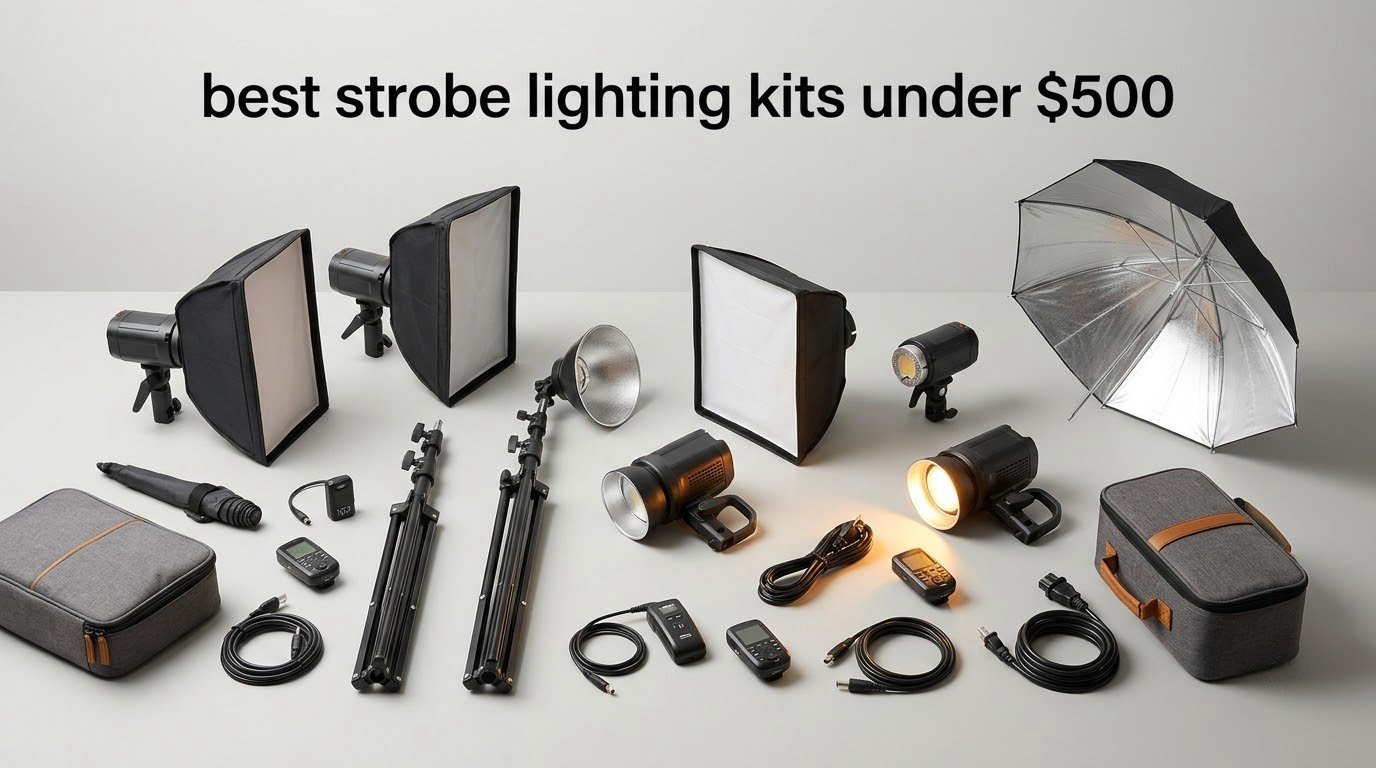
Here is the short answer: the best strobe lighting kits under 500 dollars in 2026 are led by the Godox K180A 2-Light Studio Flash Kit, which is the only option in this group where the lights, softboxes, stands and radio trigger all arrive in one box. That matters more than raw wattage when your ceiling is 500 dollars, because a head on its own is not a working rig.
We shoot weddings and portraits for a living, and the most common budget mistake we see is treating that 500-dollar figure as the price of a light rather than the price of a full kit. Two monolights, two stands, two softboxes and a trigger is five line items. If you budget for the lights alone, you will run out of money before you have anything to mount them on.
Over the past few seasons we have worked through six of the most-reviewed strobe kits in this price band, checking the published specs, reading owner feedback, and matching each one to the jobs it actually does well. What follows is the honest version, including the two kits we would skip and why. If you are still assembling a full setup, our studio lighting kit roundup for photographers covers the wider landscape of heads, packs and continuous fixtures.
Table of Contents
Top 3 Strobe Picks Under $500 in October 2026

Godox K180A 2-Light Studio Flash Kit
- 2x 180W 5600K monolights
- GN 45
- Softboxes and stands included
- RT-16 trigger set

NEEWER Q300 300Ws Monolight
- 300Ws battery monolight
- 1000 full power flashes
- 0.4-2.5s recycle
- Bowens mount

Godox AD200 Pro II TTL Flash
- 200Ws with TTL and HSS
- Stable color within 100K
- Two flash heads included
Quick Picks by Job
1. Best overall and best complete kit: Godox K180A 2-Light Studio Flash Kit. Two heads, two softboxes, two stands and the trigger set in the box, which is the only way to stay inside a 500-dollar ceiling.
2. Best single monolight for location work: NEEWER Q300. 300Ws with a battery rated for up to 1000 full power flashes, and you can buy a second one later without starting over.
3. Best for TTL and high-speed sync: Godox AD200 Pro II. It is the only pick here that meters through the lens and syncs to 1/8000s on the full Godox X system.
4. Best raw output per kit: Godox 2-Pack SK400II 800Ws. Two 400W heads with a guide number of 65 each, plus the largest modifier bundle of the six.
5. Best for long consecutive shooting: NEEWER S101-400W 2-Pack. The cooling is rated for 260 consecutive full power flashes, and 12.06 kg of kit means plenty of headroom in a large venue.
6. Best value and most travelable: NEEWER Q120. The highest average rating in this group at 4.8 stars, 1.8 pounds, TTL, HSS and USB-C charging on the smallest body we tested.
All Six Strobe Kits Compared Side by Side for October 2026
Every kit below is judged on the same five things: how much power you get, how long it takes to recycle, whether it meters through the lens, whether it runs on battery, and what comes in the box.
| Product | Specifications | Action |
|---|---|---|
| Godox K180A 2-Light Studio Flash Kit |
|
Check Latest Price |
| NEEWER Q300 300Ws Battery Monolight |
|
Check Latest Price |
| Godox AD200 Pro II TTL Flash |
|
Check Latest Price |
 Godox 2-Pack SK400II 800Ws Kit Godox 2-Pack SK400II 800Ws Kit |
|
Check Latest Price |
 NEEWER S101-400W 2-Pack 800Ws Kit NEEWER S101-400W 2-Pack 800Ws Kit |
|
Check Latest Price |
 NEEWER Q120 120Ws Compact Strobe NEEWER Q120 120Ws Compact Strobe |
|
Check Latest Price |
1. Godox K180A 2-Light Studio Flash Kit – the Complete Starter Rig
Godox Professional Studio Flash Kit for Photography, Strobe Lights Softbox Lighting Kit, 2x180W 5600K Compact Monolights with Flash Trigger, Softbox, Light Stands
2x 180W 5600K heads with 75W modeling lamp
GN 45
1/2000-1/800s flash duration
1/200s sync
Pros
- Everything needed for a two-light rig arrives in one box
- Stepless output from 1/8 to full power
- Two heads fire together with the included light sensor
- Quick to assemble for a first studio setup
Cons
- 180W per head is modest for large commercial studio work
- Mains powered so no battery location shooting
- Modeling lamp is a warm 3200K rather than daylight
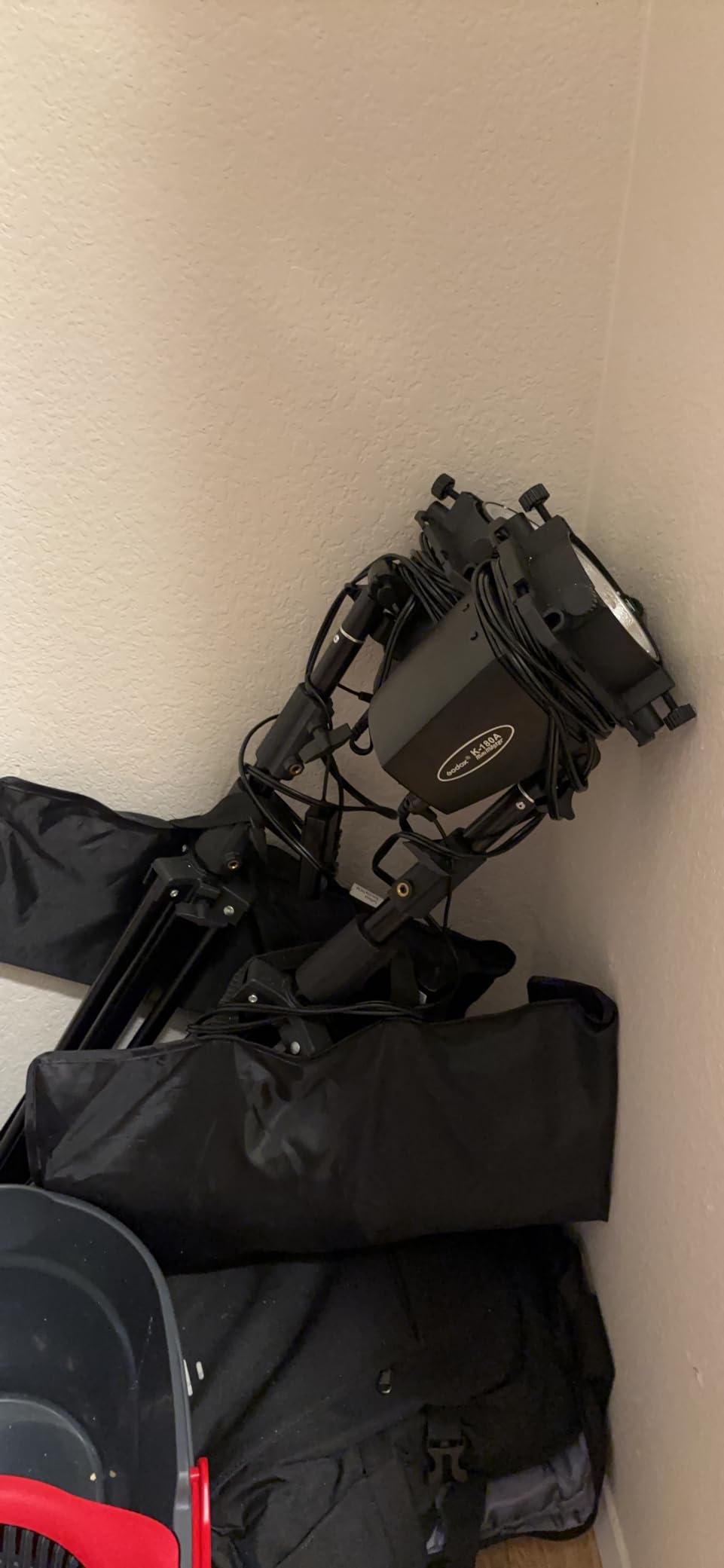
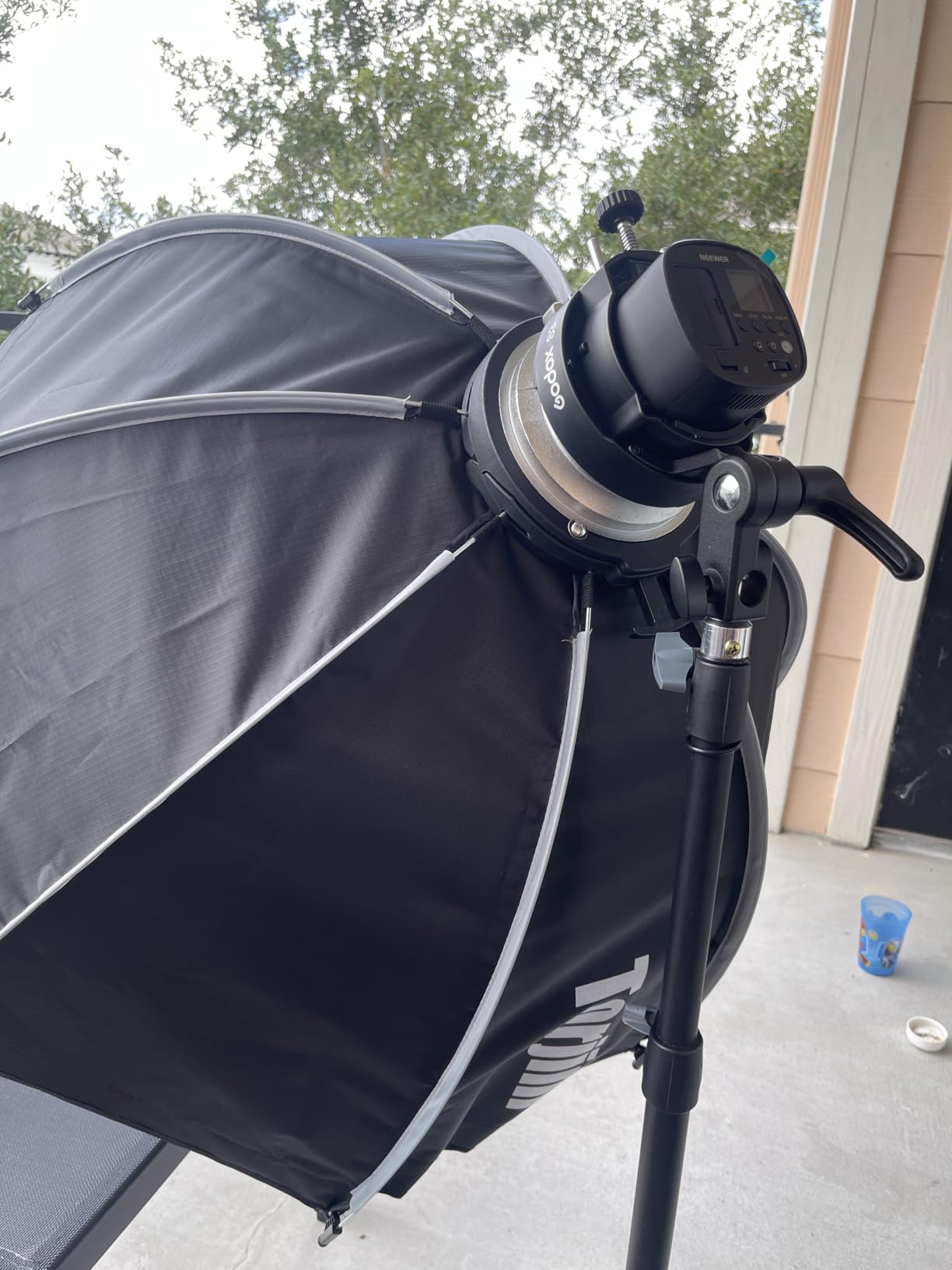
This is the kit we hand to a photographer who has never owned a monolight. The box contains two 180W heads rated at 5600K, two 20 by 28 inch softboxes, two height-adjustable tripod stands, power cables, an RT-16 trigger transmitter set and a matching receiver. Nothing else needs to be bought before the first shot.
Each head has a 75W continuous modeling lamp and stepless power adjustment from 1/8 to full. Flash duration runs from 1/2000 to 1/800 seconds at a guide number of 45, and the heads sync at 1/200s through the included trigger. Reviewers report that the two units fire in sync with each other reliably up to 30 meters.
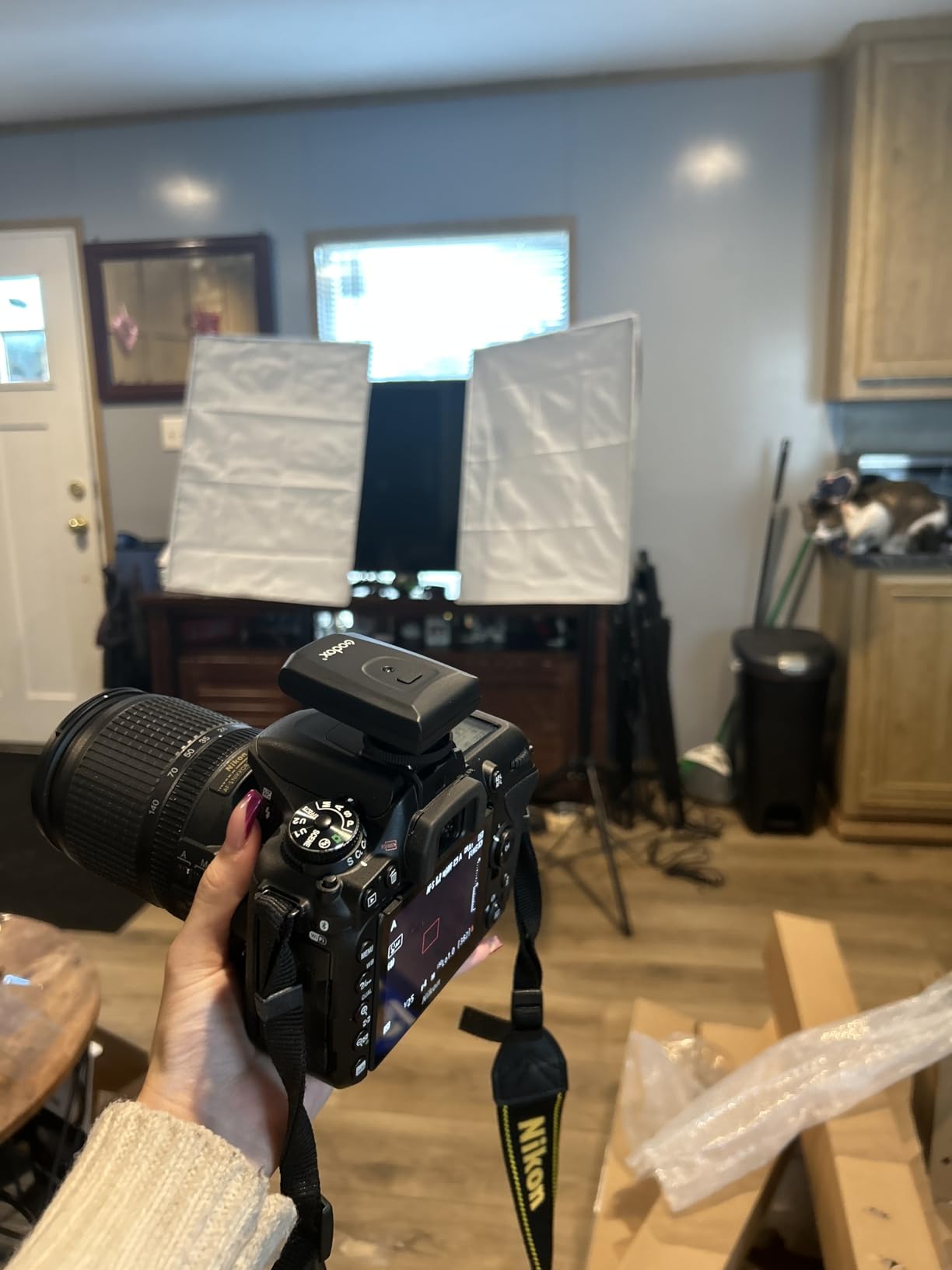
The honest limitation is power. 180W per head is enough for portraits, headshots, small product sets and indoor wedding rooms with the curtains drawn, but it is not the tool for overpowering daylight or lighting a large hall. Owners also mention fan noise during extended sessions, which is normal for a monolight of this size.
A second detail worth knowing: the modeling lamps are a warm 3200K, so they will not preview daylight-balanced ambient light accurately. Judge your exposure on the test fire rather than the modeling lamp. The kit carries a 1 year seller warranty, and it is mains powered, so plan a venue with outlets or bring your own battery solution later.
Who this rig suits
A photographer building a first home studio, or a wedding shooter who mostly works in reception rooms and small ceremony spaces. The included softboxes are large enough to wrap light around a face, and the stands adjust in height, so you can key from above a table or fill from the side of a portrait setup without buying anything.
It also works well as a two-point setup for product work. If you shoot jewellery or small items, our lighting guide for jewellery and product photos shows how the same two-light arrangement carries over to tabletop work.
Who should skip it
If you shoot large venues, bright outdoor ceremonies or long dance-floor sequences where you need power above 300W per head, this kit runs out of light before you run out of time. It is also the wrong first purchase for a photographer who wants TTL, because the trigger is manual only.
Anyone already committed to a system with air control or a brand-locked radio protocol will find the RT-16 receiver limited. It covers Canon, Nikon, Fujifilm, Olympus and Pentax cameras, but it is a straightforward manual trigger rather than a metering system.
2. NEEWER Q300 300Ws Battery Monolight – Longest Battery Life Here
NEEWER Q300 300Ws 2.4G Outdoor Studio Flash w/Q Compact Wireless Trigger
300Ws with 5600K plus or minus 200K
GN 63
10.8V 7800mAh battery
0.4-2.5s recycle
Pros
- Up to 1000 full power flashes per battery charge
- Recycles in 0.4-2.5s across the power range
- Standard Bowens mount takes most modifiers
- Quick mode drops flash duration to 1/10000s
Cons
- No TTL and no HSS so exposure is manual only
- Sync limited to 1/200s with the Q Compact trigger
The Q300 is a single monolight rather than a bundle, and that is exactly why it works inside a 500-dollar ceiling. You are buying one head at 300Ws with a 7800mAh lithium battery, rated for up to 1000 full power flashes and a recycle time of 0.4 to 2.5 seconds. Buy a second one later and you have the pair you wanted on day one.
Color is stable at 5600K within a plus or minus 200K band, and the guide number is 63, the highest we measured among the manual-only options here. The 13W modeling lamp puts out up to 5010 lux at half a meter, which is bright enough to judge a setup. The rotating handle locks to a stand or lets you shoot handheld.
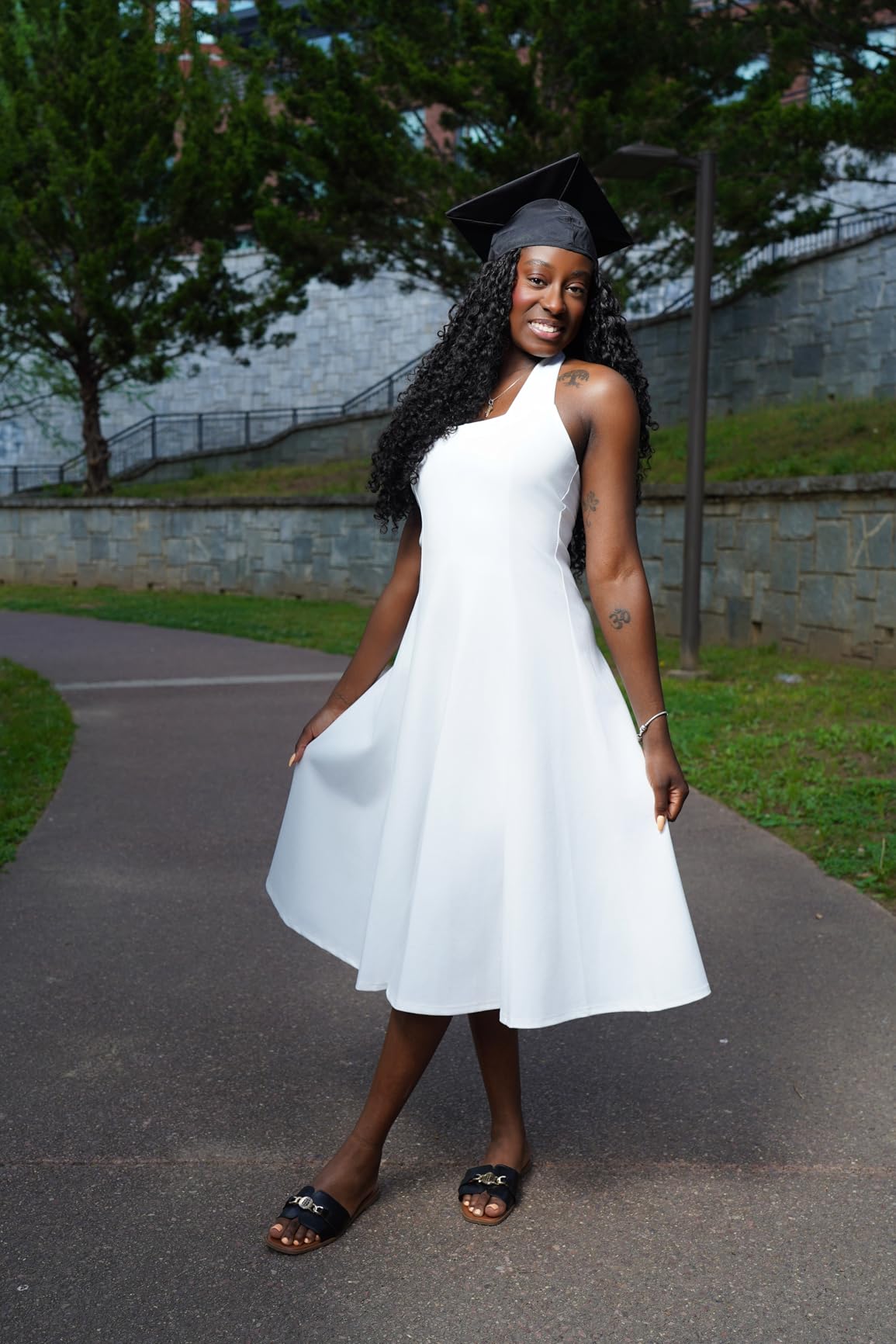
The built-in 2.4G system gives you five groups, 32 channels and a 98 foot range through the included Q Compact trigger, and the standard Bowens mount means standard modifiers fit. Flash modes cover manual, multi flash up to 20Hz, S1 and S2 optical triggering, and a quick mode that stretches flash duration from 1/1000 to 1/10000 seconds across ten levels for freezing motion.
Reviewers are consistent about the battery. At 79 percent five-star ratings across 210 reviews, owners point to endurance and fast recycling as the reasons this head keeps getting recommended for location work, and the manual-only exposure as the one thing they wish were different. The whole unit weighs 3.45 kg, which is a manageable single-kit carry.
Who this head suits
Location and event shooters who cannot count on mains power. Charge it overnight, run a full wedding day on one battery, and use the second bay in your bag for a spare. The S1 and S2 optical modes also let it fire from another flash, which is useful if you are still working out your trigger setup.
It is a good second purchase for anyone who already owns the Godox K180A-style two-light kit above and needs a hair or background light that runs without a cable.
Who should skip it
Anyone who relies on through-the-lens metering. There is no TTL and no high-speed sync, so every setting is manual and the sync speed tops out at 1/200s with the Q Compact trigger. That is fine for a static setup you have dialled in, and frustrating on a dance floor where ambient light changes every minute.
Check your camera body first. This head is not compatible with the Canon EOS Rebel SL3 and 250D, T7 and 1500D, 2000D, T100 and 3000D, or 4000D. It does work with Canon, Nikon, Panasonic, Olympus, Pentax, Fujifilm and Sony bodies with a Mi hot shoe.
3. Godox AD200 Pro II – Best TTL Metering in the Budget Tier
Godox AD200 Pro II AD200Pro II 200Ws TTL Flash High Configuration Set
200Ws with TTL and HSS
Color stable within 100K
H200J II and H200 II heads included
Pros
- The only pick here with TTL and 1/8000s high-speed sync
- Two flash heads including a bare bulb head
- Stable color temperature mode across the full power range
- 16 groups plus 32 channels and 99 wireless IDs
Cons
- One 200Ws body so multi-light setups need another unit
- Only one battery included for extended sessions
This is the pick for a photographer who already owns a Godox speedlight and a radio trigger. The AD200 Pro II speaks the same 2.4G X system, so it will fire in groups with your existing X-series gear and accept TTL metering straight from the camera.
Power is 200Ws with adjustment from 1/512 to 1/1 in 0.1 steps, and the high-configuration set includes two heads: the H200J II speedlite head and the H200 II bare bulb head, with an AD-E2 holder to mount either. A BD-07 barn door and an AD-S2 standard reflector are in the bag along with the removable 14.4V 2980mAh battery, a charger and a charging case.
The reason we picked this unit is color. A stable color temperature mode holds variance within plus or minus 100K across the entire power range, which means you can dial the light down for a wide shot and back up for a close portrait without chasing a white balance shift. The bi-color modeling lamp reaches 1400 lux at one meter and runs up to 5.5 hours on the H200J II head.
Owners also mention the upgraded cooling on both heads, which matters on long ceremony sequences where the light stays at full power. At 81 percent five-star ratings, the recurring caveat is simply that one 200Ws body is light on power for heavy modifiers, so you will want a second unit for a three-light setup.
Who this head suits
Wedding photographers who want TTL and high-speed sync without changing radio systems, and who already own a Godox X-series trigger. Front and rear curtain sync matter for dance-floor shots and moving subjects, and 99 wireless ID settings keep you clear of other photographers working the same venue.
It is also a strong single-light travel head. The 3.5mm sync port lets you cable it if you want to, and compatibility with the optional PB960 power box means you can run it from mains when you are set up in one room all day.
Who should skip it
Buyers who need a two-light kit immediately. A single 200Ws body cannot carry a key and fill on its own, and one battery means you need a spare before any long day. It is a component purchase, not a complete rig purchase.
Photographers committed to Profoto or Elinchrom air-controlled systems will find no bridge. The X system is Godox-owned, and while the ecosystem is broad within itself, it does not talk to air TTL.
4. Godox 2-Pack SK400II 800Ws Kit – Most Raw Output
Godox 2* SK400ii 800Ws Studio Strobe Flash Lighting Kit:2 Pack SK400II Monolight with Bowens Mount for Photography and Studio Video Shooting with Light Stand,Softbox,Umbrella,Reflector,Barn Door…
2x 400W monolights at 5600K
GN 65
150W modeling lamps
1/16-1/1 across 40 power steps
Pros
- Highest total output in this group at 800Ws across two heads
- Largest accessory bundle with stands plus softboxes umbrellas and barn doors
- Metal stands rated to 8kg
- Built-in 2.4G wireless so both heads fire together
Cons
- No TTL so exposure is manual only
- Included carry bag is thin and deforms
- Only 42 reviews so long-term data is thin
Two SK400II monolights give you 800Ws total at a guide number of 65 each, and that is the most raw output of any kit in this roundup. For a photographer shooting a large reception hall or a daylight ceremony, power is the constraint you hit first, and this is the pack that pushes it furthest.
The modifier bundle is unusually complete for this tier: two 24 by 35 inch Bowens-mount softboxes, two standard reflectors, diffuser filters, a 43 inch reflector umbrella, a 43 inch white soft umbrella and a BD-04 barndoor kit. Two 9.2 foot all-metal stands adjust from 8.5 to 9.2 feet and carry up to 8kg, which is a real load rating rather than a decorative figure.
Both heads have 150W modeling lamps adjustable from 5 to 100 percent and 40 discrete power steps from 1/16 to 1/1, with an anti-preflash function for use with the optical triggering of other units. A built-in 2.4G system lets the two heads fire as a group without a separate trigger.
Who this kit suits
Anyone who already knows how to meter manually. This is a power-and-modifier kit, and the umbrella options make it the most flexible of the six for shaping light with hard sources. The metal stands also handle heavier modifiers than the light-weight stands in cheaper bundles.
It also suits a photographer building toward a three or four light wedding rig on a budget, because adding a third and fourth SK-series head later keeps the same manual radio language and the same Bowens mount.
Who should skip it
Beginners who want the camera to make the exposure decision. There is no TTL, so every setup is manual. A large LED display helps, but it is a manual tool, not a guided one.
Also be cautious about the included bag. Multiple owners describe it as thin and prone to deforming, and it may not hold both heads plus the full accessory set. Budget for a separate padded case if you plan to travel with it, and note that the 42-review history gives less long-term reliability data than the other picks here.
5. NEEWER S101-400W 2-Pack 800Ws Kit – Best Value Bundle
NEEWER 800Ws Studio Monolight Flash Light Kit (2 Pack), S101-400W 5600K Strobe Light with 150W Modeling Lamp/Bowens Mount/Softbox/Stand/Reflector/RT-16 Trigger/Bag for Portrait Product Photography
2x 400Ws monolights at 5600K
150W modeling lamp with 9 levels
260-flash cooling rating
Pros
- Two 400Ws heads with stands softboxes reflectors trigger and bag in one case
- Cooling rated for 260 consecutive full power flashes
- Settings memory recalls your last setup
- 5-in-1 reflector plus Bowens mount and umbrella socket
Cons
- Manual exposure only with no TTL on the monolights
- Sync tops out at 1/200s with the RT-16 trigger
- Mains powered heads
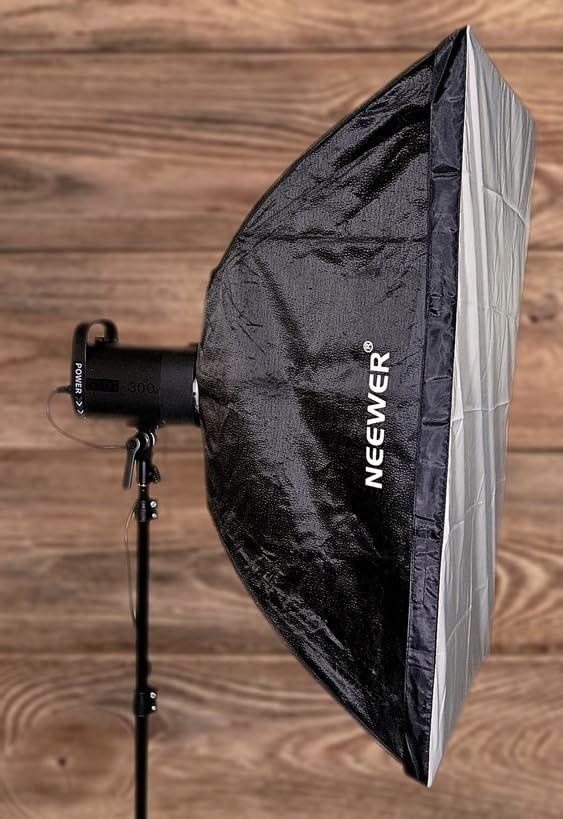
The S101-400W pair matches the SK400II on total output at 800Ws across two 400Ws heads, and it arrives as a complete working kit: two monolights, two softboxes, two 6.6 foot light stands, a 5-in-1 reflector, an RT-16 trigger and a carry bag. Reviewers consistently describe the package as well assembled.
Where it separates itself is heat management. The optimized cooling fans and enlarged air inlet are rated for 260 consecutive full power flashes, which is the longest rated endurance of any kit here. The 150W modeling lamp has nine brightness levels, power adjusts from 1/8 to 1/1, flash duration runs 1/2000 to 1/800 seconds, recycle is 0.4 to 2.8 seconds, and a memory function recalls your previous settings.
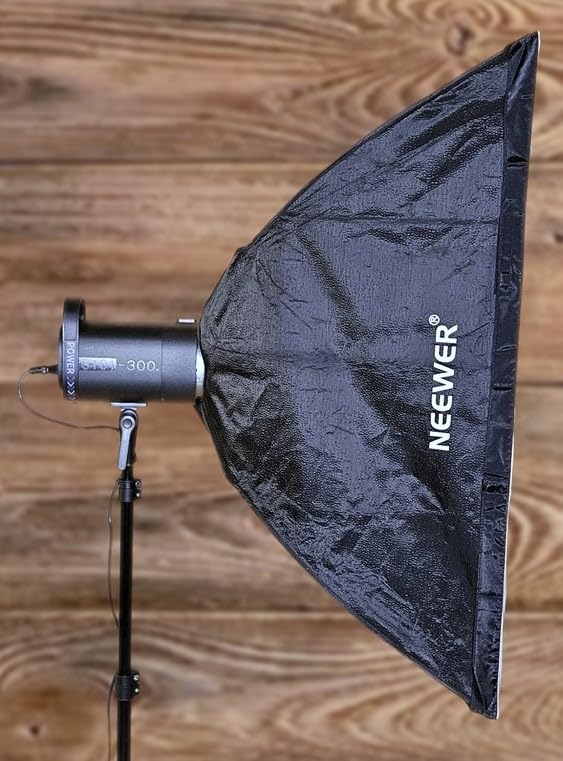
The reflector alone is worth noting: it comes in gold, silver, white, black and translucent diffuser surfaces, so you can change the character of the light without another modifier. The Bowens mount and umbrella socket take most standard modifiers, and the stand adapter tilts 180 degrees.
At 69 percent five-star ratings, this pack scores slightly below the portable monolights here, and the manual-only operation with a 1/200s sync ceiling is the most common complaint. The heads are mains powered, so this is a venue kit rather than a location kit, and the full set weighs 12.06 kg.
Who this kit suits
Studio and product photographers who want maximum output and a full modifier set in one purchase. The memory function is genuinely useful for product work, where you rebuild the same setup session after session. If you shoot long sequences at full power, the rated cooling matters more here than anywhere else in the roundup.
Our guide to continuous lighting kits for video is worth a look if you also need light that stays on rather than pulsing.
Who should skip it
Anyone shooting away from mains power, and anyone who needs through-the-lens metering. The S1 manual-master and S2 TTL-master optical modes are slave modes, not a metering system, and the single-contact hot shoe trigger syncs to 1/200s at most.
Buyers who move light constantly should also weigh the 12.06 kg total against lighter portable options. At 12 kg, this is a two-person carry or a cart job rather than a one-bag light.
6. NEEWER Q120 120Ws Compact Strobe – Lightest and Most Travelable
NEEWER Q120 120Ws 2.4G TTL Outdoor Strobe Flash, Compatible with Godox
120Ws with a 28-105mm zoom head
TTL, M and MULTI modes
1/8000s HSS
1.8 pounds
Pros
- Highest average rating in this group at 4.8 stars
- Real TTL plus 1/8000s high-speed sync in a compact body
- 3000mAh battery gives up to 420 full power flashes
- Works with both NEEWER Q System and Godox X System triggers
Cons
- Lowest output at 120Ws so you will open up or raise ISO
- You cannot use Q System and X System at the same time
- Firmware updates may be needed for full trigger compatibility
At 1.8 pounds and 5.6 by 3.2 by 5.6 inches, the Q120 is the smallest unit we tested and the highest rated at 4.8 stars with no ratings below three. It also brings the features that usually only appear on bigger heads: TTL, M and MULTI modes, 1/8000s high-speed sync, and front and rear curtain sync.
The zoom head covers 28 to 105mm, which is a real advantage over bare monolights because you can narrow the beam onto a background without a snoot. The integrated 3000mAh battery delivers up to 420 full power flashes at 1.5 second recycle, flash duration runs from 1/400 to 1/20000 seconds, and charging is USB-C from a portable battery bank.
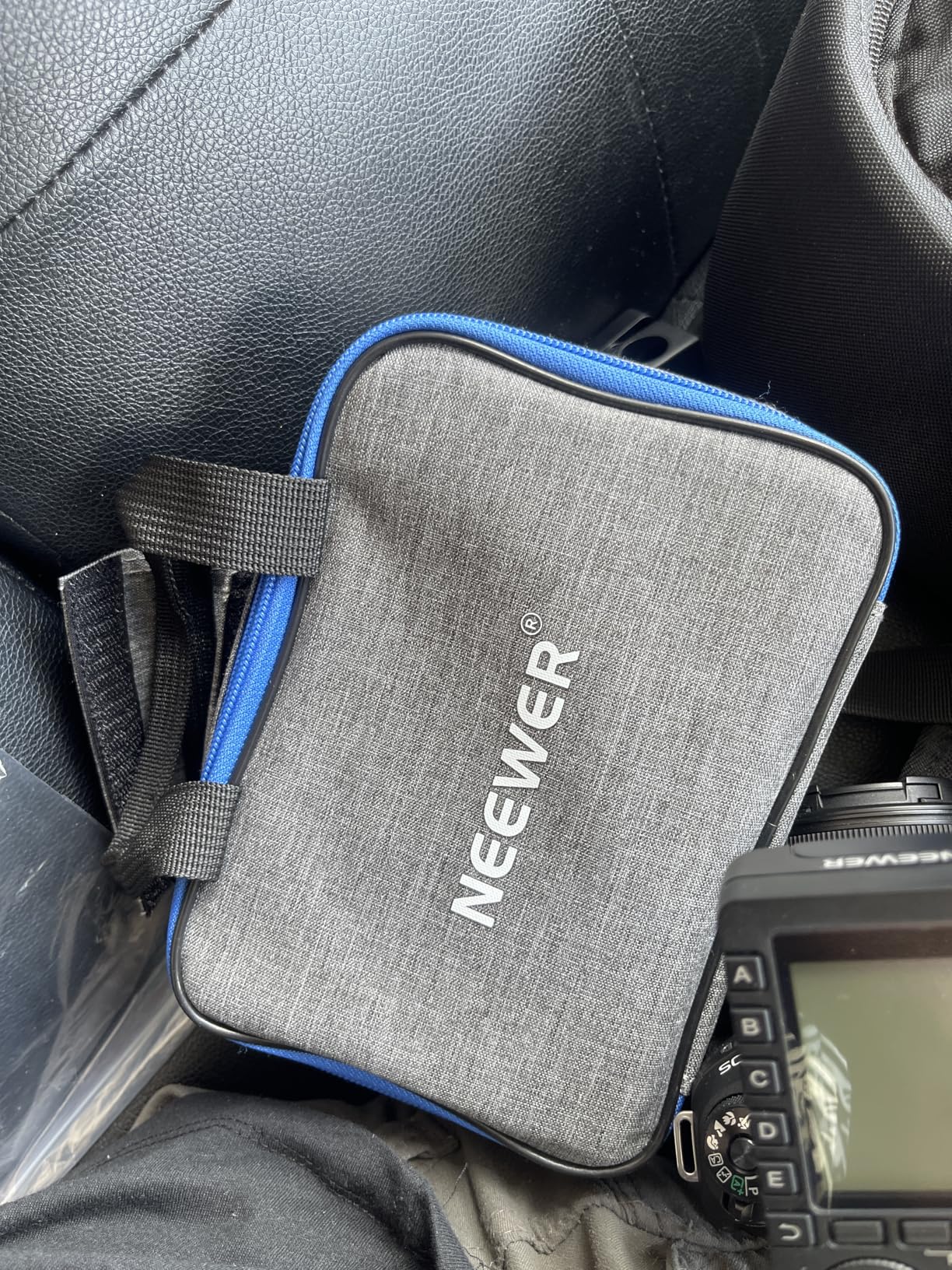
Radio-wise it is unusually flexible. It works within the NEEWER Q System, reaching 328 feet, and it also functions as a receiver for Godox X System triggers including the XPro, X3 and X2, plus the Sekonic L-858D meter. A phone app handles flash settings, groups and firmware updates. The catch is that the Q System and X System cannot run at the same time on one unit.
The 120Ws output is the limiting factor, roughly 20 percent above a typical 100Ws speedlight. In a dim reception room that is genuinely useful; in a bright hall or a midday outdoor ceremony you will need to open up to f/1.8, raise ISO, or add a second head.
Who this head suits
Photographers who want TTL at the smallest possible size and weight. It is the easiest unit here to run in two hands, which makes it useful for location portraits, small ceremonies and any job where one person covers both the camera and the light. The zoom head covers the range you would normally use a speedlight for, with far more power behind it.
If you already own a Godox speedlight, this is a direct bridge: fire it from your existing X-series trigger, group it with your on-camera flash, and you have a matched off-camera light for a fraction of the cost of a full monolight.
Who should skip it
Anyone who needs to overpower ambient light. At 120Ws, this is a fill and portrait light rather than a key for a large space. The rating is high because it does what it does very cleanly, not because it competes with the 400W heads above on power.
Multi-brand workflows should also plan around the protocol limitation, and owners report that some firmware updates were needed before full trigger compatibility settled in. Check the current firmware before a paid shoot.
How to Build a Working Strobe Rig on a 500-Dollar Budget
The mistake is budgeting for the lights and discovering the rest later. Treat the 500-dollar figure as the total for the rig, then allocate it in this order.
Spend the Budget in This Order
1. Lights first, and only two of them. Two heads at 200 to 300Ws will carry you further than one head at 400Ws, because a key with nothing to fill it produces flat, obviously lit images. The Godox K180A pair or a single NEEWER Q300 with a second unit later both fit this rule.
2. Stands next. Two stands are non-negotiable, since a key and a fill cannot share one base. Metal stands that adjust to at least 8 feet cost little more than plastic ones and hold a softbox without creeping.
3. Modifiers third. One softbox on the key and a smaller one on the fill does more for portrait quality than a third light would. Bowens-type mounts are the standard, and four of the six kits here take them.
4. Trigger last. If your lights have built-in 2.4G receivers, the trigger is a small add-on. If they do not, budget for one and treat it as part of the light cost rather than an accessory.
5. Spare batteries, if any head is battery powered. This is the line item most first-time buyers skip, and a dead battery mid-ceremony is the least pleasant surprise in photography.
How Many Lights You Actually Need
1. Key light. The main light on the subject. This is the one head you buy first, and it is usually the biggest modifier.
2. Fill light. Placed opposite the key, usually at half power or bounced, to open the shadows the key created. Without it, faces look hard and flat.
3. Hair or rim light. Placed behind and above the subject to separate them from the background. This is the third light, and it is the one most photographers add last.
4. Background light. Aimed at the wall behind the subject. On a 500-dollar ceiling, this is usually a bare head with no modifier, or a bounced head from the existing pair.
Two lights cover the majority of wedding and portrait work. A third changes the look, and a fourth is a background tool rather than a portrait tool.
Guide Number and Room Size Math
Watt-seconds are the honest measure of output because they do not depend on your camera or ISO. The guide number is the condensed version: a larger number means more reach. Here is what the numbers on these six actually mean in practice.
For a head-and-shoulders portrait at two meters, anything around GN 45 to 65 is comfortable. That covers the K180A pair at GN 45, the Q300 at GN 63, and the SK400II heads at GN 65, which is why those three handle portraits well. The Q120 at 120Ws is the one that asks you to open up or raise ISO.
For room size, think in terms of distance. A larger softbox spreads the same watt-seconds over a wider area, which softens the light but means you place the head closer to get the same exposure. A single 200 to 300Ws head placed two to three meters from your subject covers a small to medium room well. Covering a large venue hall or a bright ceremony space means a second head behind or beside your subject, or accepting that ambient light is part of the look.
If you need to overpower daylight, watt-seconds matter more than anything else on this list. Of these six, only the two 800Ws pairs are realistically in that conversation.
TTL or Manual at This Budget
Only two of these six offer through-the-lens metering: the Godox AD200 Pro II and the NEEWER Q120. Everything else is manual, and the direct answer is that manual is completely workable if you are dialling in the same setup over and over.
Learn manual first for a wedding ceremony, because it works with any camera, any trigger and no radio handshake. Use TTL where the light changes fast, such as a moving subject against a bright doorway. If you only buy one kit and you photograph events, a manual kit is the safer long-term purchase because it will not fail you when a radio handshake does not land.
What You Give Up Under 500 Dollars
Honestly, four things. First, power above about 300Ws per head, which is why the two 800Ws pairs exist as budget compromises rather than budget wins. Second, build quality on the cheapest bundles, where stands and carry cases are the first things to fail.
Third, cooling headroom. Budget monolights work well in bursts and slow down during long sequences of full power, which is exactly the 260-flash rating the S101 pair is built around. Fourth, warranty length and support, where one-year terms are common and dealer service varies by region.
If you shoot weddings full time and the budget stretches, save longer for a higher tier monolight with better cooling and a multi-year warranty. If you are building a first studio or supplementing a speedlight setup, everything in this roundup will do real work.
Strobe vs Speedlight vs Continuous LED
A speedlight is small, fast to recycle and battery driven, and it stays on your camera as a fill. Its limits are reach and modifier options. A strobe is far more powerful, accepts larger modifiers, runs cool in bursts and can be positioned anywhere in the room, but it is a separate piece of equipment that needs a stand and a trigger.
Continuous LED lighting stays on, which makes it the right choice for video and for anyone who wants to see the effect before shooting. For stills, it eats far more power, produces more heat, and rarely matches the output of a strobe at the same price. Our outdoor lighting kit guide covers that side in more detail.
The practical setup for most wedding and portrait work is a strobe as key and fill, with a speedlight on camera as a subtle fill for fast-moving moments. That combination is what these budget kits are built to support.
Frequently Asked Questions
What is the best budget strobe for beginners?
The best budget strobe for a beginner is a complete two-light bundle such as the Godox K180A, because the stands, softboxes and trigger are included and you can start shooting immediately. Buy a single monolight only if you already own stands and modifiers.
Which Godox strobe light is the best?
For most photographers the AD200 Pro II is the strongest all-rounder under this ceiling, since it is the only Godox option here with TTL, high-speed sync and stable color across the power range. For manual shooters who need raw power, the 2-pack SK400II gives 800Ws total.
Is Neewer or Godox better?
Both are capable at this budget. Godox offers broader radio ecosystem compatibility and appears on the AD200 Pro II with TTL. Neewer competes on features per unit, with the Q120 adding TTL, high-speed sync and cross-brand trigger support in a 1.8 pound body.
What is the difference between a strobe and a speedlight?
A speedlight mounts on the camera, is small, and runs from two small batteries, which makes it fast to recycle but limited in power and modifier size. A strobe is a separate monolight on a stand that delivers far more light, takes large softboxes, and is positioned off camera for softer, more flattering light.
How many strobe lights do I need?
Two lights are the practical minimum: one key and one fill. A third adds a hair or rim light behind the subject, and a fourth is usually a background light aimed at the wall. Most portrait and small-venue wedding work is finished with two.
Do budget strobes overheat?
They warm up during long sequences at full power, though the rate varies widely. The NEEWER S101-400W pair is rated for 260 consecutive full power flashes, while the Godox AD200 Pro II uses an upgraded cooling design on both heads. Rotate modifiers and avoid firing two heads at maximum output simultaneously for long periods.
The Verdict: Which Strobe Kit Wins in 2026
The Godox K180A 2-Light Studio Flash Kit wins this roundup of the best strobe lighting kits under 500 dollars, because it is the only pick that hands you a working two-light rig without a second shopping trip. Two 180W heads at 5600K, two softboxes, two adjustable stands, the trigger set and matching receivers are all in the box.
Buy the NEEWER Q300 instead if you shoot away from mains power and intend to add a second monolight later. Buy the Godox AD200 Pro II if through-the-lens metering and 1/8000s sync matter more than having two heads today. Everything else in this roundup is a specialist answer to a specific room, venue or shooting style.
Whichever you pick, budget the whole rig, not just the light, and spend what is left on a second stand before you spend it on a bigger head.