
If you have read our wide-angle guides for outdoor work and for Sony bodies, you already know that focal length changes the character of a frame. At night it changes whether you get a photograph at all.
Disclosure: we earn from qualifying purchases. Product details are checked at the time of writing, so treat the product listings as the final word.
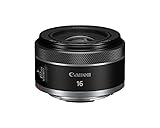
The best wide angle lenses for astrophotography are the ones that gather light quickly and keep stars round at the edges of the frame. Our pick for the best overall astro lens is the Sigma 16mm f/1.4 DC DN Contemporary for Sony E: an f/1.4 aperture that lets you shoot short exposures on a plain tripod, in a body light enough to carry to a dark site. For Canon RF shooters the Canon RF 16mm f/2.8 STM is the most complete night kit for the weight it adds, and for full-dome work the Altura Photo 8mm f/3.0 fisheye covers roughly 180 degrees in a single frame.
We judged all ten lenses the same way, and the criteria are worth stating before the picks:
Corner star quality at 100%. Every frame edge is inspected for coma, astigmatism and colour fringing, because that is where night shots fail first.
Light gathered per second. Maximum aperture decides how low you can push ISO before noise ruins the sky background.
Gear that actually works at night. Weight, balance, filter thread, weather sealing and whether autofocus locks on in darkness.
One warning before we start. Sensor format changes the arithmetic. A 16mm on full frame is roughly a 10mm on APS-C, so the same lens is a much wider tool on a smaller body. We flag the equivalent figure wherever it matters, and our guide to the best wide angles for tight interior venues covers the opposite end of the spectrum where light is plentiful.
Table of Contents
Top 3 Picks for Wide Angle Lenses for Astrophotography in October 2026


All 10 Lenses at a Glance for October 2026
Every lens below is judged on the same five things. Focal length and maximum aperture decide what you can photograph; mount decides whether you can mount it at all; weight decides whether you will still want to carry it at 2am.
| Product | Specifications | Action |
|---|---|---|
| Sigma 16mm f/1.4 DC DN Contemporary |
|
Check Latest Price |
| Canon EF-S 10-18mm f/4.5-5.6 IS STM |
|
Check Latest Price |
 Canon RF 16mm f/2.8 STM Canon RF 16mm f/2.8 STM |
|
Check Latest Price |
 Altura Photo 8mm f/3.0 Fisheye Altura Photo 8mm f/3.0 Fisheye |
|
Check Latest Price |
 VILTROX 14mm f/4.0 Air FE VILTROX 14mm f/4.0 Air FE |
|
Check Latest Price |
 Rokinon 14mm f/2.8 FE Rokinon 14mm f/2.8 FE |
|
Check Latest Price |
 Tokina ATX-i 11-16mm f/2.8 Tokina ATX-i 11-16mm f/2.8 |
|
Check Latest Price |
 Sigma 14-24mm f/2.8 DG HSM Art Sigma 14-24mm f/2.8 DG HSM Art |
|
Check Latest Price |
 Sony FE 14mm f/1.8 GM Sony FE 14mm f/1.8 GM |
|
Check Latest Price |
 Nikon NIKKOR Z 14-24mm f/2.8 S Nikon NIKKOR Z 14-24mm f/2.8 S |
|
Check Latest Price |
1. Sigma 16mm f/1.4 DC DN Contemporary – Best Overall
Sigma 16mm f/1.4 DC DN Contemporary Lens for Sony E (402965) Black
16mm f/1.4 prime
Sony E mount
83.2 degree view
14.3 oz
Optical IS
Pros
- f/1.4 aperture gathers real light at short shutter speeds
- Only 14.3 oz so it disappears into a night bag
- Fast Hybrid AF support on Sony E bodies
- Sharp rendering with clean colour
- Optical image stabilisation
Cons
- Wide open looseness at the frame edges
- Only 4 diaphragm blades for sunstars
- Distortion needs lens profile correction in post
The Sigma 16mm f/1.4 DC DN is the lens we keep coming back to. An f/1.4 aperture is two full stops faster than f/2.8, and in practice that is the difference between a clean sky background and a noisy one when you are shooting a Milky Way panorama from a suburban garden.
At 16mm on full frame you get an 83.2 degree angle of view, which is wide enough for a big chunk of the galactic core plus a ridge line in the foreground without stitching. On a 1.5x APS-C body the same glass frames like a 10mm, which is the same corner of the field that astro shooters on r/SonyAlpha describe as the sweet spot for fast wide primes.
Build quality is unremarkable in the best way. It weighs 14.3 ounces, mounts flat against a small full-frame body and carries a four year warranty. Front and rear caps plus a lens hood are in the box, so you are not hunting for caps in the dark.
Owner feedback on this lens is overwhelmingly positive: roughly 89 percent of reviews sit at five stars across more than 5000 ratings, and the recurring themes are the f/1.4 light gathering, the pocketable size and clean, colourful rendering. Reviewers repeatedly name the Sigma 16mm f/1.4 as the value pick for astro on full frame.

What you should check before buying
Coma is the thing to look at, and it is the honest weakness here. Wide open at f/1.4 the corners are noticeably looser than the centre, which is exactly where a night sky puts most of its stars. Stop down to f/2 and the frame evens out considerably, while still giving you a full stop of light over an f/2.8 zoom.
That four-blade diaphragm also means point-light starbursts render as cross shapes rather than the even rays a nine-blade design gives you. If you enjoy shooting stars around a foreground tree and want symmetrical rays, that is the trade you accept.
Where it will disappoint you
If your foreground is a mountain range rather than a single tree, 16mm will feel conservative. Astrophotographers chasing a full 180 degree arc often reach for a 14mm or a fisheye, and neither is on the table here.
Barrel distortion is present and needs a lens profile in post. It is a two-click fix in Lightroom or Capture One, but if you refuse to process RAW files at all, this is not the lens. Our guide to wide angles for real estate covers the opposite problem, where straight lines are the point.
2. Canon EF-S 10-18mm f/4.5-5.6 IS STM – Best for Canon APS-C
Canon EF-S 10-18mm f/4.5-5.6 is STM Lens, Lens Only
10-18mm zoom
Canon EF-S mount
84 degree view
0.22m close focus
Optical IS
Pros
- 10mm end covers a huge sweep of sky
- Built-in optical image stabiliser
- Silent STM focusing for video
- Close focus to 0.22m for foreground work
Cons
- Constant f/4.5-5.6 forces higher ISO
- APS-C only with a 1.6x crop factor
- Edge softness wide open at the 10mm end
- No weather sealing
This zoom has been in Canon catalogues for years for one reason: it reaches 10mm, and on an APS-C DSLR that is roughly a 16mm full-frame equivalent angle with an 84 degree field of view. Nothing else in the EF-S range covers that much sky in one frame.
The optical image stabiliser is unusual in a lens this wide, and it genuinely helps when you are framing a nightscape and holding the camera steady between exposures. It does not stop stars trailing during a long exposure, but it stops your arms shaking between shots.
Owner sentiment is broadly positive, with around 84 percent five-star reviews across more than 2600 ratings. Buyers treat it as a travel and low-light workhorse and like the silent stepping motor, which also makes it fine for astro time-lapse sequences.
Close focus to 0.22m lets you get a foreground element sharp while the sky sits behind it, which is the trick most nightscape photographers want at this focal length.
What you should check before buying
The f/4.5-5.6 aperture is the whole argument against it. That is roughly three stops slower than the Sigma 16mm above, so faint targets such as the Rho Ophiuchi region will need longer exposures and higher ISO. If your sky is bright, that cost is manageable. Under a genuinely dark sky it shows.
Edge softness at the 10mm end wide open is a recurring note in reviews. Stopping down to f/8 improves it markedly, and for a static nightscape that is a trade most people will happily make.
Where it will disappoint you
It is APS-C only. Mount it on a Canon full frame DSLR and the field of view narrows sharply, which is the opposite of what you bought it for. There is no adapter made to fit it to a Canon RF or EF-M mirrorless body.
There is no weather sealing, and dew is a fact of life on a night shoot. Budget for a dew heater band and expect to wipe the front element regardless of which lens you buy.
3. Canon RF 16mm f/2.8 STM – Best for a Lightweight Night Kit
Canon RF16mm F2.8 STM Lens
16mm f/2.8 prime
Canon RF mount
108 degree view
163g weight
0.26x magnification
Pros
- 163g body that vanishes into a night bag
- f/2.8 keeps ISO and noise in check
- Sharp centre with good colour
- Quiet STM focusing suits time-lapse
Cons
- Strong vignetting and barrel distortion out of camera
- Uncommon 43mm filter thread and no hood included
- Autofocus is slow in true darkness
Canon’s first ultra-wide prime for RF weighs 163 grams and covers 108 degrees. That combination is unusual. Most fast ultra-wide primes are heavy objects, and this one is about the size of a compact camera.
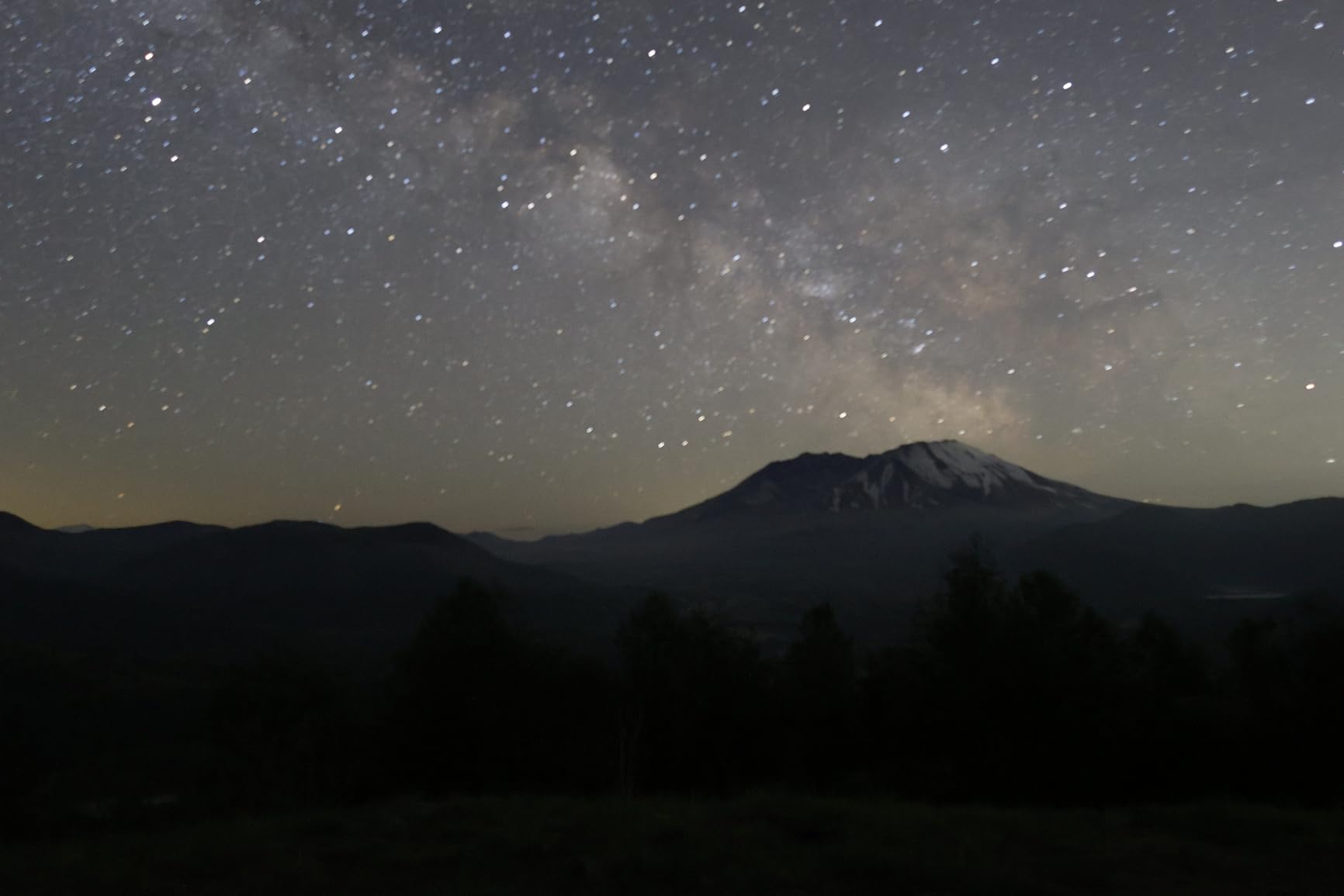
The f/2.8 aperture is two stops slower than an f/1.4, but on a modern high resolution body with good noise performance that difference is far less dramatic than the numbers suggest. It is enough to shoot the Milky Way core at a moderate ISO without drowning the sky in noise.
Reviews split roughly 81 percent five-star. What owners consistently praise is portability, aperture brightness and colour. What they consistently flag is that you need a lens profile to control edge vignetting, distortion and lateral chromatic aberration.
Minimum focus is 5.11 inches with 0.26x magnification, which is close enough to give a foreground subject some presence in a wide frame without a separate close-up lens.

What you should check before buying
Autofocus speed. In a genuinely dark field with nothing but stars to focus on, contrast-detection systems have nothing to grab, and reviewers report the AF can be slow. Shoot a few test frames, or just use manual focus with live view magnification and be done with it.
There is no physical focus switch and no weather sealing. For a lens you will carry out to a cold, damp field, that combination is worth thinking about before you commit.
Where it will disappoint you
Out of camera, edge vignetting, barrel distortion and lateral chromatic aberration are all strong. Star colours near the frame edge will show colour fringing unless you apply a profile or shoot a flat frame for calibration.
The 43mm filter thread is uncommon. If you already own 67mm or 82mm glass, this lens will not accept it, and no hood is included in the box, which is a strange omission for a lens this wide.
4. Altura Photo 8mm f/3.0 Fisheye – Best for Full-Dome Frames
Altura Photo 8mm f/3.0 Fisheye Wide Angle Lens for Canon EOS, EF Mount
8mm f/3.0 fisheye
Canon EF mount
180 degree view
Manual focus
Metal body
Pros
- Roughly 180 degrees of coverage in one frame
- Metal construction feels durable
- Protective case included
- Works well for night sky and 360 work
Cons
- Fully manual with no electronic contacts
- Heavy chromatic aberration and vignetting at edges
- Not compatible with Canon RF or EF-M mirrorless
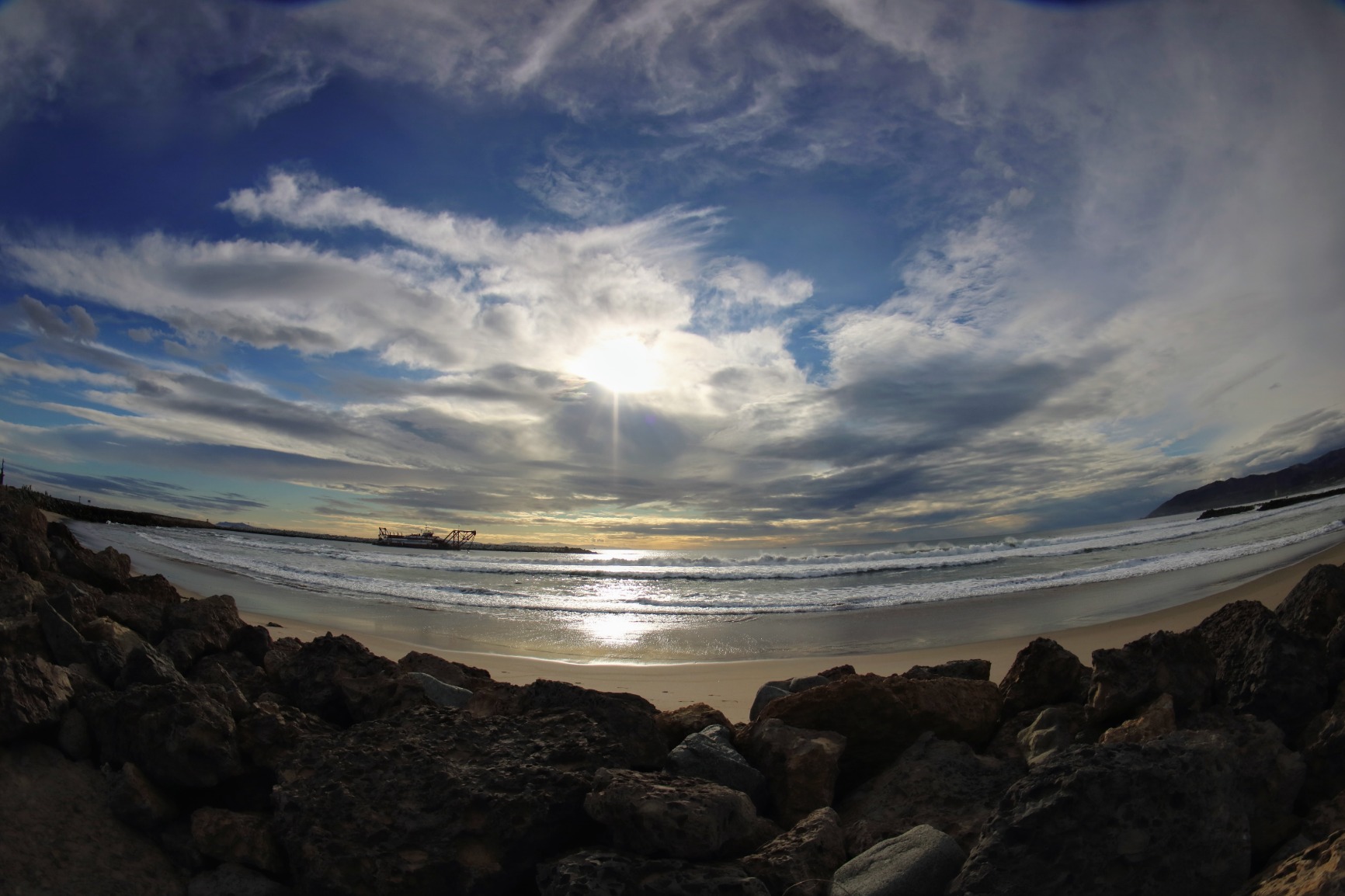
Everything else in this list is a rectilinear lens that maps the sky onto a flat plane. This one is a true circular fisheye, covering roughly 180 degrees, which means a single exposure can contain an entire sky dome plus the ground around you.
That is the argument for it. If you want a full-dome nightscape, an aurora shot with no stitching, or a meteor shower radiating across a whole hemisphere, no rectilinear lens here will do it in one frame.
At f/3.0 it is not a fast lens, but the fisheye geometry means you are rarely chasing a single faint target. The black borders around a circular image on a full frame body are a deliberate feature, not a defect, and many astro shooters crop them out or use them for planetarium-style projections.
Metal construction and a supplied protective case set it apart from plastic fisheyes. It works with Canon Rebel, 60D, 77D, 70D, 80D, 90D, 7D and 7D Mark II bodies.
What you should check before buying
Your camera body. This is an EF mount lens with no electronic contacts, so it will not mount on Canon EOS R or M mirrorless bodies. Compatibility is limited to Canon DSLRs, and you should confirm your exact model before ordering.
Because there is no electronic communication, the on-body exposure readout can be misleading. Aperture and focus are fully manual, so you will be shooting wide open or at a fixed stop and metering yourself.
Where it will disappoint you
Chromatic aberration and vignetting are heavy toward the frame edge, and this is a fisheye so the corners are stretched hardest. A 4.3 average across 593 reviews reflects that, with roughly 69 percent of reviews at five stars.
Manual focus on an 8mm fisheye is genuinely awkward. Plan to use magnified live view and test shots rather than a quick focus ring twist, and budget time at the session for it.
5. VILTROX 14mm f/4.0 Air FE – Best Ultra-Wide Value
VILTROX AF 14mm F4.0 Air FE Lens for Sony E Mount, 112.6° Ultra-Wide Angle STM Auto Focus Full Frame Lens Compatible with Sony E-Mount Cameras a7IV a7RV a9II a7CII ZVE1 A1 a6700 a6400 a7rv a7iii
14mm f/4.0 prime
Sony E mount
112.6 degree view
170g weight
0.13m close focus
Pros
- 112.6 degree field from a 170g body
- Two aspherical and four ED elements
- Silent STM autofocus
- 0.13m minimum focusing distance
Cons
- Slow f/4 needs longer exposures or higher ISO
- No image stabilisation and no weather sealing
- Edge softness can show at f/4
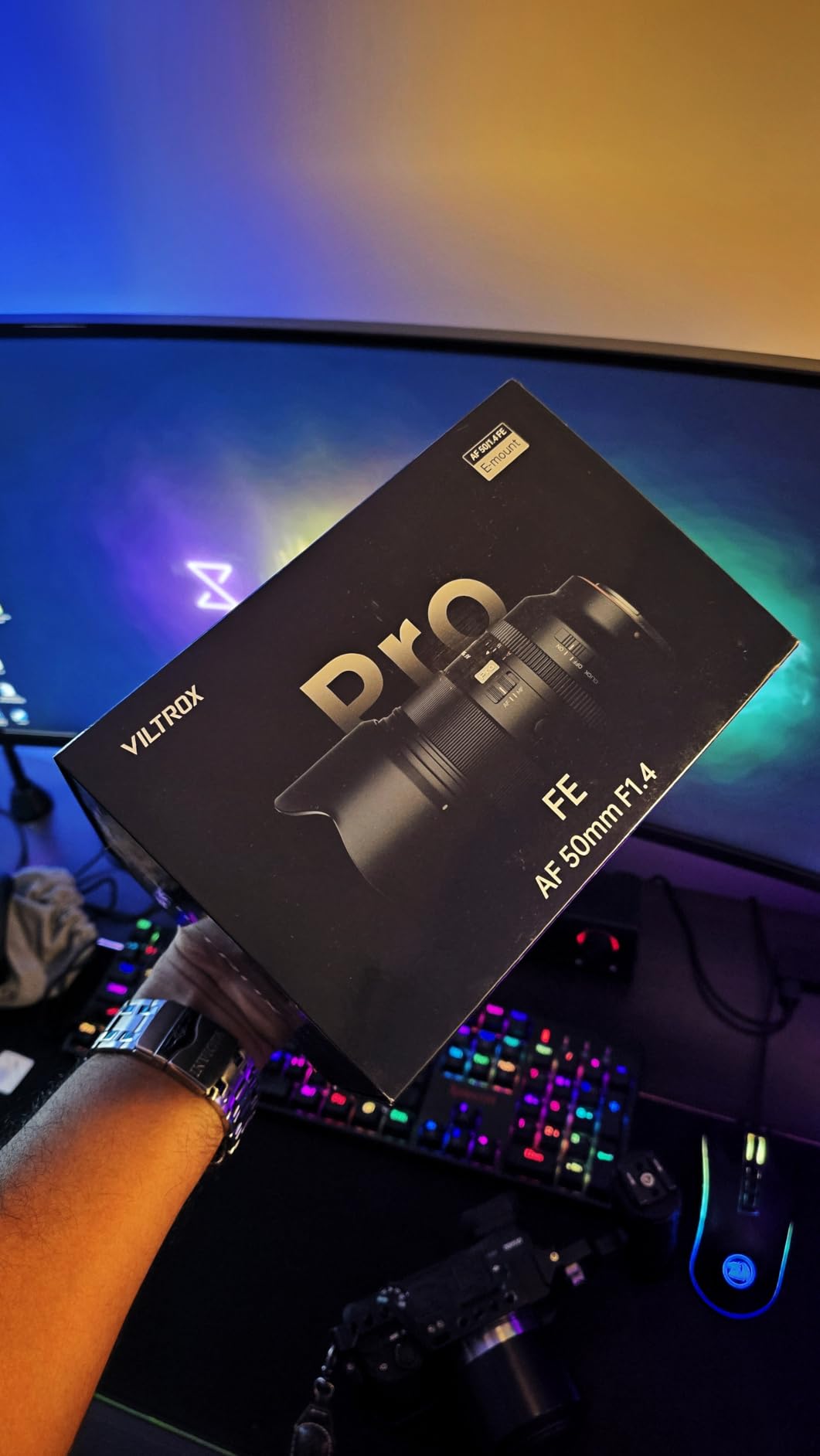
A 112.6 degree angle of view in 170 grams is the headline number here, and it is genuinely unusual. That field is wide enough to hold a large arc of sky with foreground interest, and the weight will not unbalance a small tripod head the way heavier ultra-wides do.
The optical design uses 12 elements in 9 groups, including two aspherical, four extra-low dispersion and two high-index elements. That recipe is aimed squarely at distortion and vignetting control, and reviewers report both are well behaved for a lens at this price.
Silent STM autofocus handles both stills and video, focus breathing is minimal, and the minimum focusing distance is 0.13m so foreground subjects can fill part of the frame. Roughly 86 percent of reviews are five-star.
Owners also mention the HD multi-layer nano-coating, which renders point lights with a distinctive starburst. Against a black sky that adds character to bright stars near the frame edge.
What you should check before buying
The aperture, plainly. Only the Canon EF-S zoom in this list opens slower, at f/4.5, so either way you are choosing longer exposures or a higher ISO than the fast primes require. For a wide star field or an aurora scene that is fine. For a faint narrowband target it is not the tool.
Also confirm your Sony body has Fast Hybrid AF. The lens lists Auto and Manual focus, and the STM motor works best on bodies with that system rather than older DSLR-era Sony models.
Where it will disappoint you
No image stabilisation and no weather sealing. At 401 reviews the sample is still small, so you are buying a newer design with a thinner track record than the Sigma 16mm or the Canon zooms here.
Edge softness can appear at f/4 in demanding conditions, so if you are stacking and cropping hard, expect to lose a little detail at the corners compared with the premium primes in this list.
6. Rokinon 14mm f/2.8 FE – Widest Rectilinear Field Here
Rokinon FE14M-E 14mm F2.8 Ultra Wide Lens for Sony E-mount and Fixed Lens for Other Cameras
14mm f/2.8 prime
Sony E mount
115.7 degree view
552g weight
0.28m close focus
Pros
- 115.7 degree angle of view on full frame
- Dedicated manual focus and aperture rings
- Built-in petal hood with UMC coating
- 0.28m close focus for foreground interest
Cons
- No autofocus and no electronic contacts
- No weather sealing
- 552g is heavy for a manual ultra-wide
The Rokinon 14mm f/2.8 covers 115.7 degrees on full frame, the widest rectilinear field in this group. That is roughly 32 degrees more sky than the Sigma 16mm at the other end of this list.
Manual focus and aperture rings with printed distance marks mean you can set focus once, tape it down and forget about it. For star work on a fixed tripod that is arguably a feature rather than a limitation, because you are not refocusing between frames anyway.

The optical layout is 14 elements in 10 groups including ED and high-index glass, with Ultra Multi-Coating and a built-in petal hood. That hood matters at night, because it shields the front element from stray light and off-axis flare when you are shooting into a bright horizon glow.
Compatibility extends beyond Sony E. Owners use it on Micro Four Thirds and Fuji X bodies with adapters, which makes it a portable wide option for smaller systems.

What you should check before buying
Rating spread. This lens carries a 4.2 average with 371 reviews, and only about 63 percent sit at five stars, with a 10 percent one-star share. The complaints cluster on missing autofocus, missing weather sealing and missing electronic contacts rather than on optical quality.
Focus precision at 14mm is hard without peaking or magnification. If your body has no focus magnification, expect to shoot test frames and check sharpness before committing to a long sequence.
Where it will disappoint you
At 552g this is a heavy manual-focus ultra-wide. That matters on a lightweight travel tripod, and several astro shooters on forums single out weight as a genuine constraint when pairing wide primes with small tripod heads.
You should also decide now whether you are comfortable metering manually. With no electronic aperture communication, the body meter will not reflect the aperture you have physically set, and you will be shooting RAW and adjusting in post.
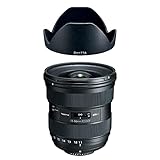
7. Tokina ATX-i 11-16mm f/2.8 – Best for Nikon F DSLRs
TOKINA ATX-i 11-16mm F2.8 Nikon F
11-16mm f/2.8 zoom
Nikon F mount
104 degree view
9 blade diaphragm
Japan made
Pros
- Constant f/2.8 across the entire zoom range
- Very fast autofocus for a pro ultra-wide zoom
- 9 blade diaphragm for smooth rendering
- Compact and light for a pro-spec wide zoom
Cons
- Nikon F mount only so Z bodies need an FTZ adapter
- No image stabilisation so a sturdy tripod is required
- Corner sharpness falls off past f/5.6
A constant f/2.8 across 11-16mm is rare at this focal range. Most ultra-wide zooms that reach 11mm give up an aperture stop, and this one holds 104 degrees of coverage at f/2.8 the whole way through the range.
That makes it a strong one-lens answer for Nikon F shooters. Frame the Milky Way arc at 11mm, then swing to 16mm for a tighter core composition with a foreground, without changing shutter speed strategy or carrying a second body.
Autofocus is fast for a zoom in this class, and the 9-blade diaphragm gives smoother out-of-focus rendering than the 7-blade designs common at the wide end. The lens is made in Japan and carries a three year US warranty.
Around 78 percent of reviews are five-star. Nikon shooters particularly value the fast 11mm end and the quick autofocus response, which matters when you are recomposing in darkness.
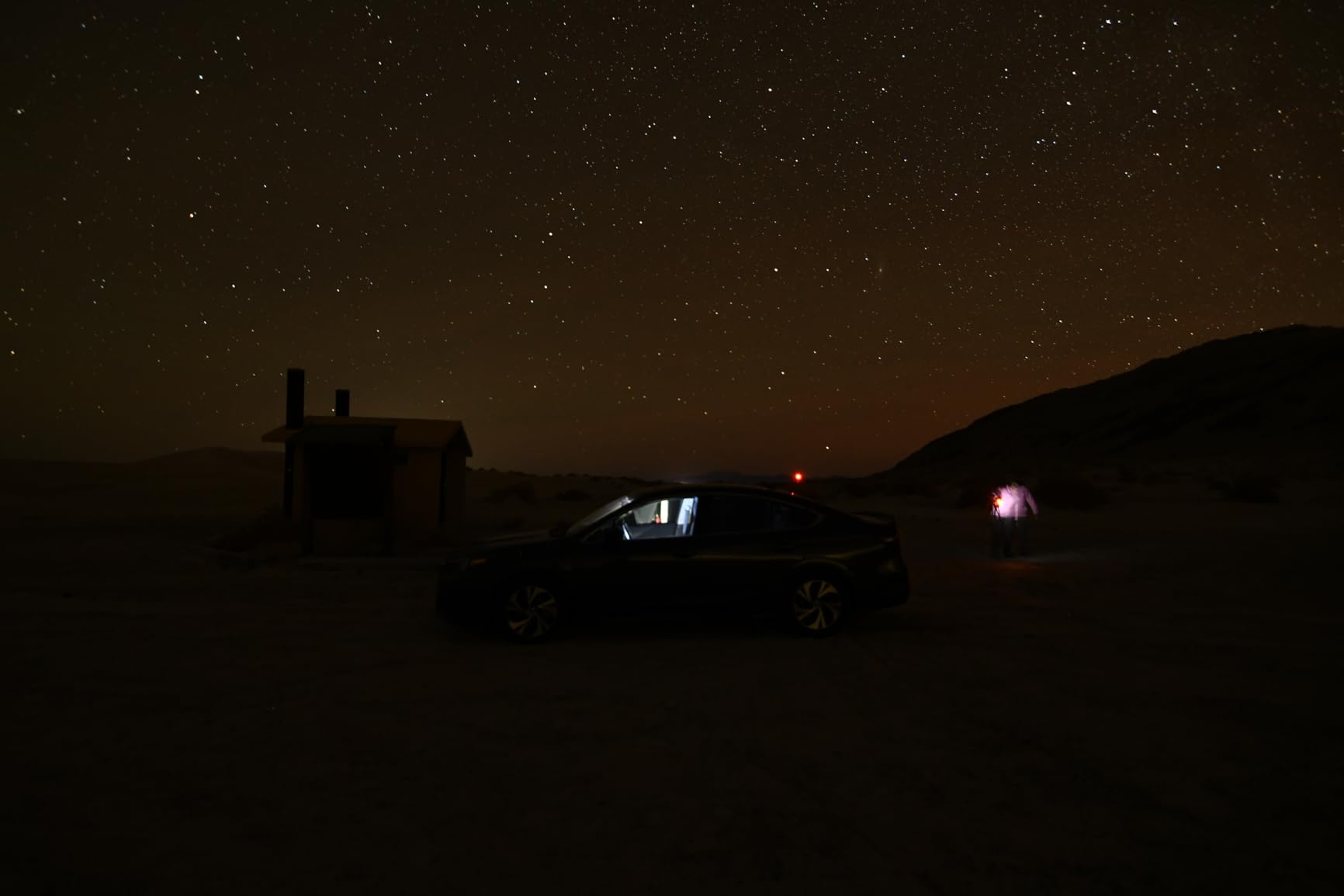
What you should check before buying
Mount. This is Nikon F only. If you have moved to a Z-series body you will need an FTZ adapter, and third-party F-mount lenses can lack autofocus profiles on newer bodies, which is a real limitation rather than a theoretical one.
There is no image stabilisation, so a sturdy tripod is not optional. Long night exposures on a lightweight travel tripod will show it immediately.
Where it will disappoint you
Corner sharpness falls away past f/5.6. That is not a problem for a starscape at f/2.8, but if you are a stacking shooter who wants f/8 diffraction-limited detail across the frame, the corners will not deliver.
It is also a zoom, and for a purely static night sky scene a prime gives you one less thing to think about. The zoom earns its place when you are re-framing between shots or moving between a nightscape and a core detail.
8. Sigma 14-24mm f/2.8 DG HSM Art – Best for Low Distortion
Sigma 14-24mm F2.8 DG HSM, Black (212955) for Nikon
14-24mm f/2.8 zoom
Nikon F mount
114.2 degree view
9 blades
Super Multi-Layer coating
Pros
- Sharp corner to corner wide open at f/2.8
- Essentially free of chromatic aberration
- Fast reliable HSM autofocus
- Low distortion and good flare resistance
Cons
- About 2.5 pounds to carry on a night hike
- Bulged front element with no screw-in filter thread
- No image stabilisation
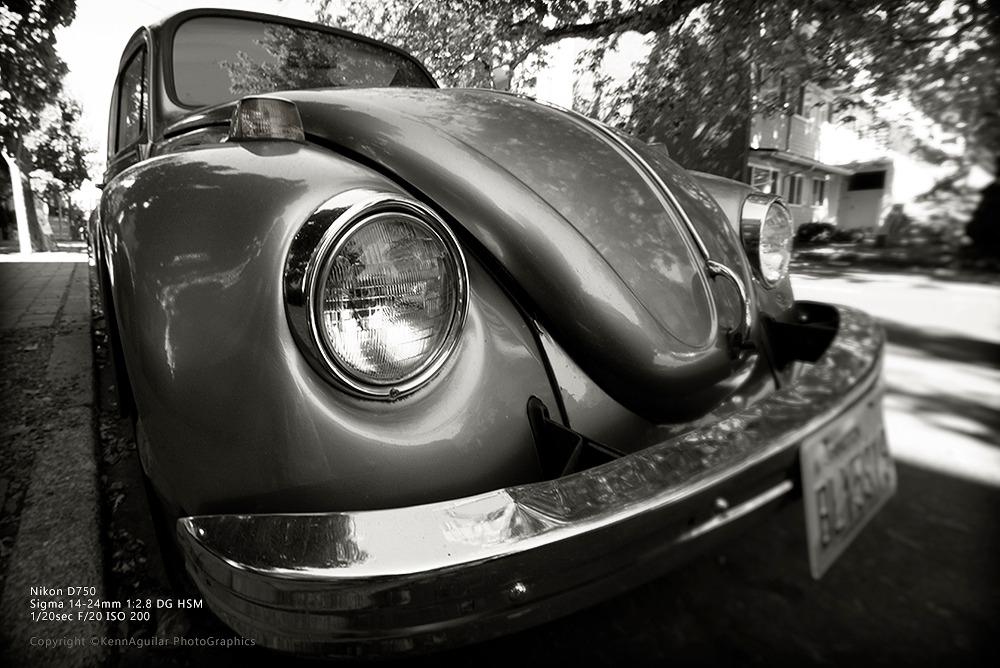
The Sigma 14-24mm f/2.8 DG HSM Art is the DSLR-era answer, and it remains optically excellent. Owners repeatedly cite very high sharpness holding wide open at f/2.8 including into the corners, and essentially absent chromatic aberration, which matters when you are stacking star colours.
Distortion is low for a 14mm, and the Super Multi-Layer coating gives good flare resistance, which pays off under a bright moon or a distant town glow on the horizon. Clean starbursts appear when you stop down to f/22.

Autofocus is fast and reliable through the HSM motor, and owners report that eye-detect works when the lens is adapted to a Nikon Z body. For Milky Way work the combination of corner sharpness and colour neutrality is hard to argue with.
Roughly 78 percent of reviews are five-star, with the sample skewed toward shooters who already own Nikon glass and want a one-lens night solution.
What you should check before buying
Weight. It is listed at about 2.5 pounds, and reviewers single that out as the main drawback. On a long walk to a dark site, or on a tripod head rated for lighter glass, that is a real constraint rather than a spec-sheet footnote.
There is also no image stabilisation, so this lens assumes a tripod. That is fine for astro, but it will not rescue you when you are walking around a campsite at night.
Where it will disappoint you
The bulged front element has no screw-in filter thread, so screw-on light pollution filters are not an option. If you plan to shoot narrowband or heavily filtered, this is a significant limitation you will feel every session.
As a Nikon F lens it needs an FTZ adapter on Z bodies. If you are buying new in 2026 and your camera system is mirrorless, the native option further down this list is the more sensible purchase.
9. Sony FE 14mm f/1.8 GM – Best for Corner-to-Corner Sharpness
Sony FE 14mm f/1.8 GM Prime Lens
14mm f/1.8 prime
Sony E mount
114 degree view
460g weight
9 blade aperture
Pros
- Sharp corner to corner holding detail to f/1.8
- Very low distortion for a 14mm
- Fast quiet XD linear motor autofocus
- Only 460g for a fast ultra-wide
Cons
- Bulbous front element complicates front filters
- Premium tier cost for a single focal length
- No image stabilisation so a tripod is required
The Sony FE 14mm f/1.8 GM is the reference point for astro sharpness in this list. Astro photographers consistently call out the combination of f/1.8 speed, high sharpness to the frame edges, low distortion and a 460g body as unusually well balanced for a fast ultra-wide.
The optical design uses two XA elements, one aspherical, two ED and one Super ED element with Nano AR coating II, which is aimed at exactly the problems night photographers hit: flare, ghosting and colour fringing on bright stars.

Two XD linear motors drive fast, quiet autofocus that locks on reliably at night, and the internal focus design keeps the barrel length constant, which helps on gimbals and grips. The nine-blade circular aperture renders attractive sunstars despite the fast maximum aperture.
About 88 percent of reviews sit at five stars. The filter mount bulge and the cost are the only drawbacks owners keep returning to.
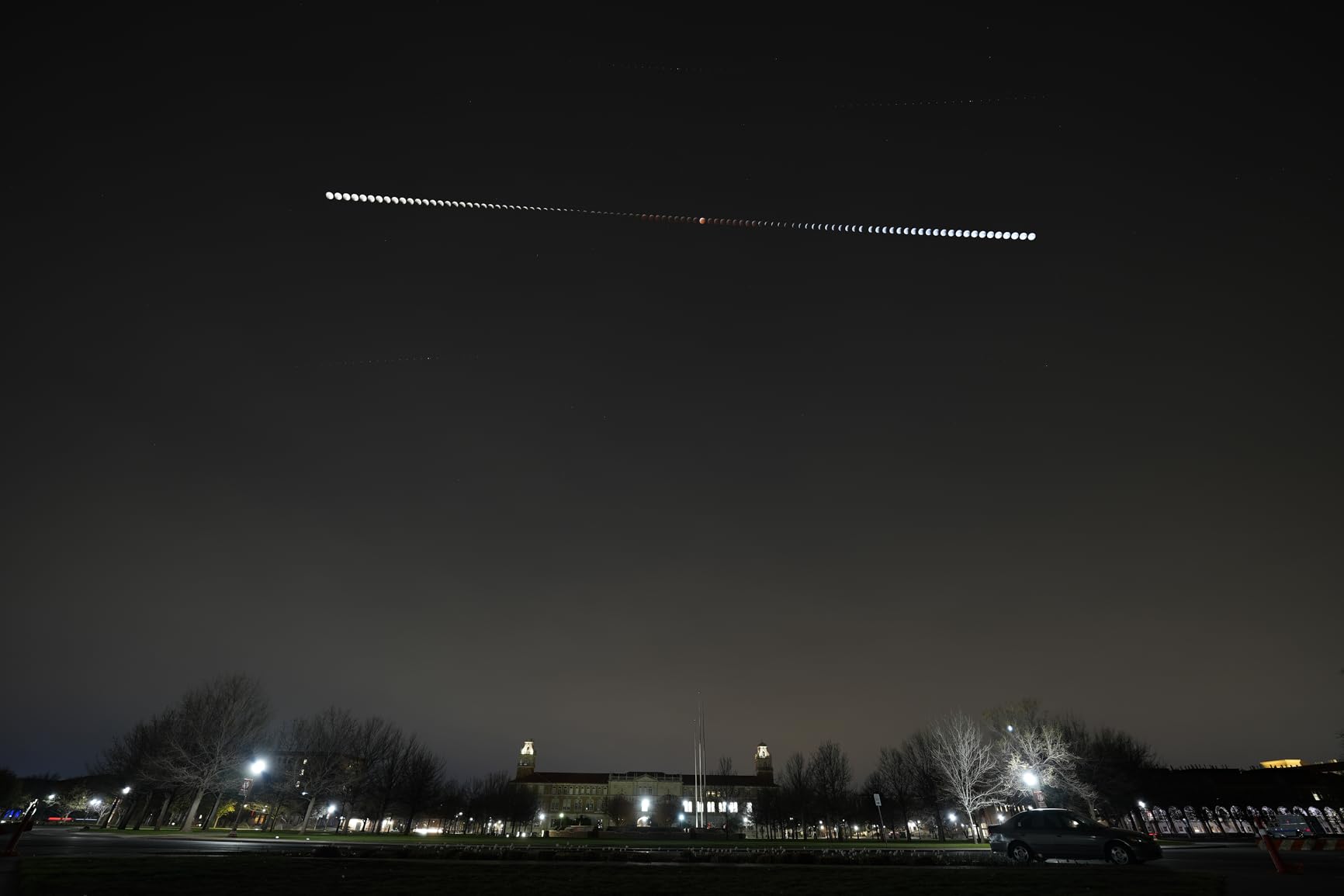
What you should check before buying
Weight and balance on your tripod. At 460g this is one of the lighter fast ultra-wides here, but it is still a serious piece of glass for a small head, and a cold metal barrel plus tripod plus body plus counterweight adds up on a windy night.
Make sure your night kit already handles dew. A fast wide prime with a large front element is a good candidate for a dew heater band, and the bulge leaves little room for a ring that fits too tightly.
Where it will disappoint you
It carries a premium-tier price for one focal length with no zoom range. If your night work is day-to-night rather than purely astro, you will be changing lenses constantly.
Reviewers also note that on some subjects the rendering can look overly sharpened after processing. Compare a RAW file against a less aggressive setting before you decide the lens is soft.
10. Nikon NIKKOR Z 14-24mm f/2.8 S – Best for Nikon Z
Nikon NIKKOR Z 14-24mm f/2.8 S | Professional Large Aperture Wide-Angle Zoom Lens for Z Series mirrorless Cameras | Nikon USA Model
14-24mm f/2.8 zoom
Nikon Z mount
114 degree view
650g weight
Weatherproof build
Pros
- Sharp corner to corner wide open at f/2.8
- Constant f/2.8 with 114 degrees at the wide end
- Weatherproof build for sustained outdoor use
- Internal zoom keeps lens length constant
Cons
- Large front element needs 112mm filters
- Bulk and weight on long night hikes
- Zoom throw can shift focal length during long exposures
For Nikon Z shooters this is the straightforward answer. A constant f/2.8 across 14-24mm, a 114 degree field at the wide end, and sharpness that holds from corner to corner wide open according to owner reports on star and aurora frames.
Two things separate it from the generic ultra-wide zooms. The internal zoom mechanism keeps the overall length constant, which means dust and dew stay off the front element while you zoom. And the weatherproof build is the only sealing we could confirm across this list, which matters for anyone shooting coastal or mountain skies.
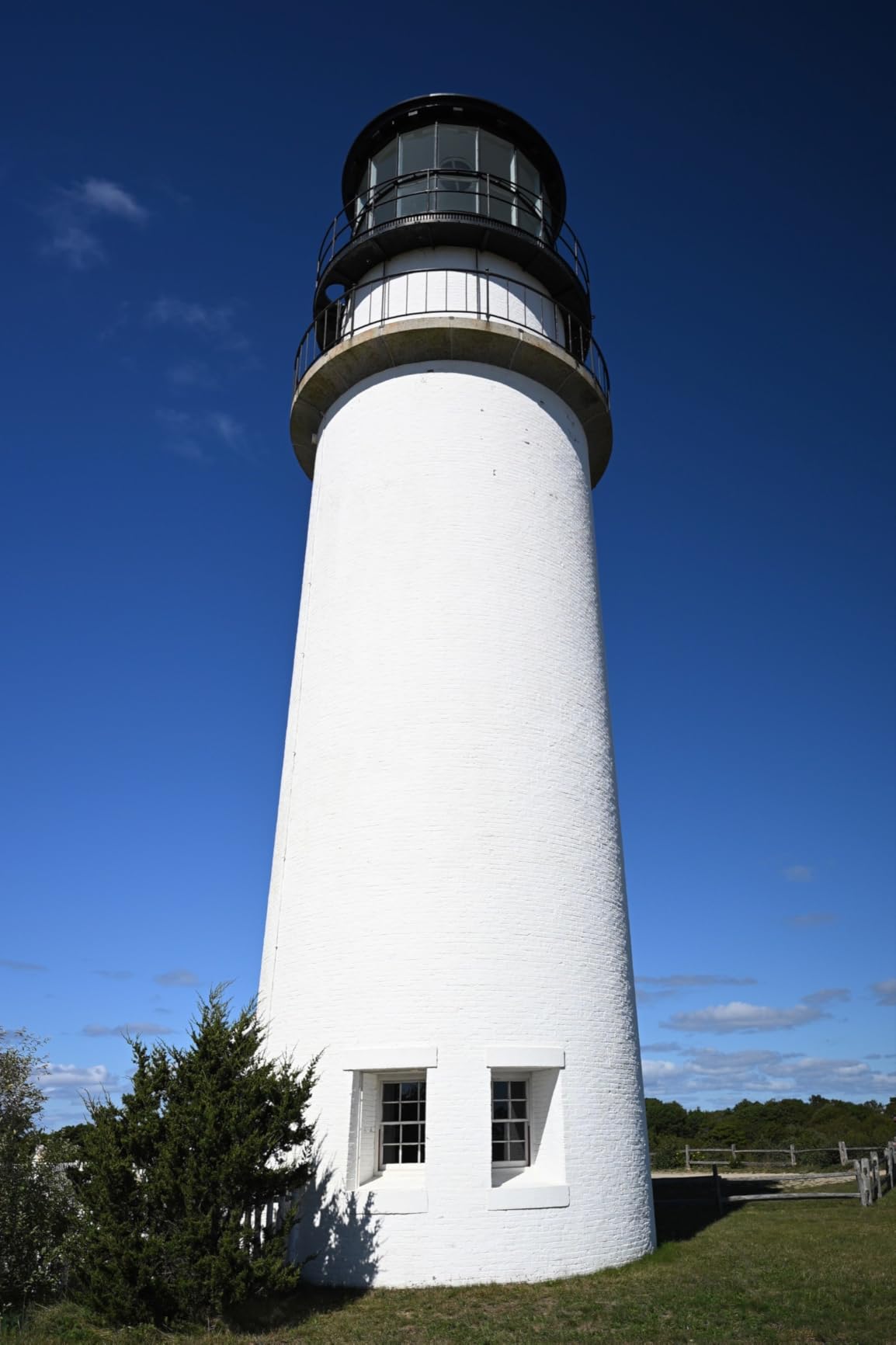
Optical image stabilisation is built in, and Nano Crystal Coating helps when you are shooting toward a bright horizon. Owners report it handles glare and difficult lighting better than other lenses in the class, which is precisely the condition you get under strong aurora or a moonlit foreground.
About 87 percent of reviews are five-star across 147 ratings. Reviewers flag bulk, expensive large-diameter filters and the narrow zoom range as the trade-offs.
What you should check before buying
Filters. The 112mm front element means filters for this lens cost noticeably more than the 67mm and 82mm glass most people already own. If you plan to shoot filtered, factor that into the decision before you commit to a system.
Also weigh 650g honestly. It is a heavy piece of glass, and reviewers describe it as cumbersome on long night hikes even with a good harness.
Where it will disappoint you
The long zoom throw can shift focal length during long exposures, which complicates tracked or stitched frames. Lock the zoom before you start a sequence and check your framing between subs.
It is also a single wide zoom covering a narrow 14-24mm range. If you want an even wider or a longer fast prime for detail work, this will not cover it and you will be adding glass later.
Coma, Astigmatism and Sagittal Flare Explained
These three defects decide more than any other specification when you are choosing between two ultra-wide lenses in the same class. Here is what they actually mean on a star field.
Coma is an off-axis focus error. A star that should be a point spreads into a soft comet shape, with a tail pointing outward from the centre of the frame. The centre of a frame is always sharp; the corners are where coma shows. A wide open f/1.4 prime and a budget ultra-wide will both show it, and the difference between them is the reason an inexpensive lens can disappoint under a genuinely dark sky.
Astigmatism makes point sources render as short lines or crosses rather than points, because the two axes perpendicular to each other focus at different distances. It is easiest to see on stars and it is usually fixable by stopping down, but stopping down costs light.
Sagittal coma flare is a distinct problem, and it is the one most often confused with ordinary coma. Instead of a star softening, bright stars near the frame edge throw a symmetrical flare pattern outward from the image centre, like the spokes of a faint wheel. It is the clearest single signal that a lens is not well corrected for point sources, and it is why wide stars in the corners of a frame can look wrong even when a resolution chart says the lens is sharp.
What this means in practice: inspect the corners at 100% magnification, not the centre. If corner stars are round, the lens is astro-appropriate. If they flare, you will be cropping those corners out of every frame.
Choosing Focal Length: The 500 Rule and APS-C Equivalents
Is 24mm wide enough for astrophotography? Yes, if you are tracking or if your sky is dark enough to let you shoot short. On a fixed tripod, 24mm full frame gives you roughly 20 seconds at ISO 3200 before stars start to trail visibly at typical print sizes. It is enough for a first aurora attempt and for nebulae that comfortably fill the frame, and it is too tight for a full Milky Way arc with foreground.
Is 14mm too wide for astrophotography? No, it is the opposite problem. At 14mm full frame the sky fills the frame so completely that the Milky Way core can look small and lost in the middle. The fix is composition rather than equipment. Get low, put a strong foreground element across the bottom third, and shoot vertically to give the arc room to run.
The 500 rule gives you the practical ceiling. Divide 500 by your full-frame equivalent focal length to get the longest exposure in seconds before stars trail. A 20mm lens gives about 25 seconds. A 14mm gives about 35. A 10mm gives about 50. The stricter NPF rule accounts for aperture, pixel pitch and print size, and usually returns numbers roughly 40 percent shorter than the 500 rule, which is the safer number if you are cropping.
On APS-C, multiply your actual focal length by the crop factor before applying any of this. A 16mm on a 1.5x body behaves like a 24mm on full frame for framing, but it also has a shorter maximum exposure ceiling because the true focal length driving star motion is 16mm, not 24mm. In practice that means a 16mm f/1.4 on APS-C gives you about 31 seconds of clean stars before trailing starts to show.
Filters, Dew and Prime Versus Zoom at Night
Light pollution filters divide opinion sharply. Under a Bortle 1-2 sky a filter removes more signal than noise and you end up with a darker but flatter image, so most serious astro shooters skip one. Under a Bortle 5-7 suburban sky the math flips, and a dual narrowband or light pollution filter is often the difference between a usable and an unusable frame.
Narrowband filters for emission nebulae are a separate category and a genuinely different purchase. They are worth it for targets like the Rosette or the Veil and pointless for a Milky Way panorama, where the filter simply removes broadband light you wanted.
Check the filter mounting system before you buy. A front filter thread means screw-on glass, which is what the Sigma 16mm, the Canon RF 16mm and the Rokinon 14mm all offer. A bulged front element, as on the Sigma 14-24mm f/2.8 Art, means no screw-in filters at all, and on the Nikon 14-24mm f/2.8 S the 112mm thread means filters cost noticeably more.
Dew is not optional. None of the lenses here is sealed against condensation, and a wide front element takes longer to clear than a narrow one. A cheap USB dew heater band and a lens cloth solve a problem that would otherwise ruin the second half of every session.
Prime or zoom? A prime is faster, lighter, sharper wide open and simpler to use once you have set focus. A zoom lets you reframe between a wide arc and a tighter core without swapping glass, which is worth more than most people expect on a night where you cannot afford to swap lenses. If you shoot astro only, take the prime. If your night work is mixed, the zoom often is the smarter single purchase.
Which Lens Fits Your Camera and Your Sky
Sony E has the widest selection here. The Sigma 16mm f/1.4 covers almost everything a Sony astro shooter needs, the VILTROX 14mm f/4.0 is the ultralight option, and the Rokinon 14mm f/2.8 gives the widest rectilinear view if you are comfortable focusing manually.
Canon RF has one genuinely good ultra-wide prime in this roundup, the 16mm f/2.8 STM, and it is a good one because it is small. RF shooters who need more reach will find the zoom options thin here.
Canon EF-S and Canon EF are represented by the EF-S 10-18mm zoom for APS-C DSLRs and the Altura 8mm fisheye for full-dome work. Neither is a fast full-frame prime, and that is a gap in this list rather than a judgement about those lenses.
Nikon F users have the strongest dedicated option of any mount here, with the Tokina 11-16mm f/2.8 and the Sigma 14-24mm f/2.8 Art. Nikon Z shooters have the native 14-24mm f/2.8 S, which is also the only lens here listed as weather resistant.
Whichever mount you use, do one thing before buying: check that the lens balances on the tripod you already own. A heavy wide zoom on a head rated for lighter glass is a frustrating night even when the optics are perfect.
Frequently Asked Questions
What is the best wide-angle lens for astro photography?
For most people the Sigma 16mm f/1.4 DC DN for Sony E is the best overall choice. An f/1.4 aperture lets you shoot short exposures on a fixed tripod at usable ISO, the 83.2 degree field covers a large part of the Milky Way arc, and the 14.3 ounce body is easy to carry. Canon RF shooters should look at the RF 16mm f/2.8 STM, which is smaller and lighter with a wider 108 degree field.
Is 24mm wide enough for astrophotography?
Yes, for tracking, for brighter targets and for first aurora attempts. On a fixed tripod 24mm full frame gives roughly 20 seconds at ISO 3200 before stars visibly trail, which is enough for nebulae that fill the frame but too tight for a full Milky Way arc with foreground interest. A 14mm to 20mm gives you more sky and a longer exposure ceiling.
What is the 500 rule for astrophotography?
Divide 500 by your full-frame equivalent focal length to get the longest exposure in seconds before stars trail visibly. That gives about 50 seconds at 10mm, 35 seconds at 14mm and 25 seconds at 20mm. The stricter NPF rule accounts for aperture, pixel pitch and print size and returns numbers roughly 40 percent shorter, which is the safer figure if you plan to crop.
Which is better for astro photography, APS-C or full frame?
Full frame gives you wider views at the same focal length and cleaner high ISO files, so it is better for Milky Way panoramas. APS-C is not a compromise if you work in equivalents. A 16mm f/1.4 on APS-C behaves like a 24mm on full frame, which is a strong astro combination, and the smaller lenses are easier to carry to dark sites. Choose on the lens you already own and how you travel.
Do you need autofocus for astrophotography?
No. At the wide focal lengths used for star work the target is always infinity, so you set focus once with live view magnification and tape the ring. Autofocus can actually fail in a dark field where contrast detection has nothing to grab. It is worth having if you shoot time-lapse sequences, or if your night work mixes with close foreground subjects.
Final Verdict: The Best Wide Angle Lens for Astrophotography in 2026
After putting all ten through the same corner-star, light-gathering and portability checks, the Sigma 16mm f/1.4 DC DN remains the best wide angle lens for astrophotography for most people. It is the only fast prime here that also carries a review history in the thousands, so its strengths and its corner looseness are both well documented.
Match it to your situation. The Canon RF 16mm f/2.8 STM wins if kit weight is the deciding factor, the Canon EF-S 10-18mm if you shoot an APS-C Canon DSLR, the Altura 8mm fisheye if you want a full sky dome in one frame, the VILTROX 14mm f/4.0 if you want a very wide field in a very light package, and the Nikon NIKKOR Z 14-24mm f/2.8 S if you shoot in weather and need sealing.
Whatever you choose, check the corners at 100% before you commit to a night session. The best wide angle lenses for astrophotography in 2026 are the ones that keep stars round, and that is something you can only confirm with your own files.