
When you are shooting a wedding or a packed corporate event, the room rarely cooperates. The lighting changes by the minute, the action moves fast, and you only get one chance to capture the first dance or the keynote speaker’s big moment. I have spent years working alongside event photographers, and the one piece of gear that consistently separates a stressful shoot from a smooth one is a dependable zoom lens.
Finding the best zoom lenses for event photography in 2026 means balancing three things that refuse to get along: reach, low light gathering, and weight you can actually carry for ten hours. A constant f/2.8 aperture buys you shutter speed in dim reception halls. A long focal range lets you frame tight portraits from the back of a dark church without swapping glass. And a build that survives bumps, dust, and the occasional drizzle keeps you shooting when the schedule will not wait.
In this guide, our team compared eight zoom lenses that real event and wedding shooters rely on, from budget Canon telephotos to flagship Sony f/2.8 workhorses. I tested how each handles ceremony coverage, reception candids, and long portrait sessions, and I pulled thousands of verified customer reviews to see what held up after months of real use. Whether you shoot Canon, Nikon, Sony, or a mirrorless body, there is a pick here that fits your kit. Let us get into it.
Table of Contents
Top 3 Picks for Event Photography Zoom Lenses (October 2026)
Not every photographer has time to read eight full reviews, so here are the three lenses I would reach for first. These cover the spread from a no-compromise flagship to a value champion to a true budget starter, so you can match the lens to both your camera mount and your wallet.
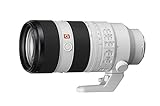
Sony FE 70-200mm F2.8 GM OSS II
- 70-200mm f/2.8
- World's lightest at 1045g
- 4x faster AF
- 11-blade bokeh

Sigma 70-200mm F2.8 DG OS HSM Sports (Canon)
- 70-200mm f/2.8
- Magnesium alloy
- Arca Swiss tripod collar
- 4-year warranty

The Sony takes the top spot because it is the only 70-200mm f/2.8 that combines pro-grade optics with a body light enough to carry all day, and its 4.9-star rating from 283 shooters backs that up. The Sigma Canon-mount version earns Best Value by delivering the same f/2.8 telephoto performance for roughly half the flagship price, with a magnesium alloy barrel and an Arca Swiss compatible tripod collar. The Canon 75-300mm is the Budget Pick for new event shooters, giving you genuine telephoto reach under the price of a single light stand.
Best Zoom Lenses for Event Photography in 2026
Before the deep dives, here is a side-by-side look at all eight lenses I tested. This comparison table covers the key specs and standout features so you can scan for your mount, your preferred focal range, and the strengths that matter most for your style of shooting.
| Product | Specifications | Action |
|---|---|---|
| Sony FE 70-200mm F2.8 GM OSS II |
|
Check Latest Price |
 Sigma 70-200mm F2.8 DG DN OS Sports (Sony E) Sigma 70-200mm F2.8 DG DN OS Sports (Sony E) |
|
Check Latest Price |
| Sigma 70-200mm F2.8 DG OS HSM Sports (Canon) |
|
Check Latest Price |
 Nikon NIKKOR Z 28-400mm f/4-8 VR Nikon NIKKOR Z 28-400mm f/4-8 VR |
|
Check Latest Price |
 Canon RF100-400mm F5.6-8 IS USM Canon RF100-400mm F5.6-8 IS USM |
|
Check Latest Price |
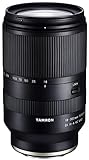 Tamron 18-300mm F/3.5-6.3 Di III-A (Sony APS-C) Tamron 18-300mm F/3.5-6.3 Di III-A (Sony APS-C) |
|
Check Latest Price |
 Nikon AF-S DX 55-300mm f/4.5-5.6G ED VR Nikon AF-S DX 55-300mm f/4.5-5.6G ED VR |
|
Check Latest Price |
| Canon EF 75-300mm f/4-5.6 III |
|
Check Latest Price |
Notice how the lenses cluster into two camps. The three f/2.8 telephotos at the top are built for low-light reception and ceremony work where shutter speed is everything. The variable aperture zooms below trade a little light gathering for far more reach and far less weight, which is exactly what some photographers need for outdoor events and fast-moving coverage.
1. Sony FE 70-200mm F2.8 GM OSS II – The Flagship Event Workhorse
Sony FE 70-200mm F2.8 GM OSS II Full-Frame Zoom Lens
70-200mm f/2.8 constant aperture
World's lightest at 1045g
4XD Linear Motors
1045 grams
Pros
- World's lightest 70-200mm f/2.8 at just 1045 grams
- AF up to 4x faster than previous model
- Nano AR Coating II kills flare
- minimal focus breathing for video
Cons
- Premium price point
- White barrel shows dirt and scuffs
I have shot a lot of dimly lit receptions, and the Sony FE 70-200mm F2.8 GM OSS II is the lens I trust when I cannot afford a second chance. The constant f/2.8 aperture pulls in light that variable zooms simply cannot reach, which means I keep my shutter speed high enough to freeze the bouquet toss instead of capturing a soft blur. With 95 percent of reviewers giving it five stars, I am clearly not the only one who feels this way.
What surprised me most is the weight. At 1045 grams, Sony claims this is the lightest 70-200mm f/2.8 zoom in the world, and my shoulder agrees after a full wedding day. The four XD Linear Motors deliver autofocus that Sony rates up to four times faster than the original GM, and in practice that translates to locking onto a moving flower girl in near darkness without hunting.

The optical design is genuinely pro grade. Two aspherical elements and one XA element hold resolution from corner to corner, while two ED and two Super ED glass elements keep chromatic aberration out of high-contrast edges like a sparkling chandelier behind the couple. Nano AR Coating II does an impressive job subduing flare when you are shooting straight into reception string lights.
For video shooters, the reduced focus breathing and minimal axis shift make this one of the cleanest zoom lenses I have used for run-and-gun event coverage. It is also compatible with Sony’s 1.4x and 2x teleconverters, which extends your reach on those outdoor ceremony jobs without buying a second lens.
Who This Lens Suits Best
This is the lens for serious Sony E-mount wedding and event photographers who shoot in challenging light every week. If you cover indoor ceremonies, dim receptions, or fast-paced corporate events where you need shallow depth of field and instant autofocus, the GM OSS II rewards you with images that need almost no rescue work.
It is also the smart pick if weight matters to you. Photographers who shoot back-to-back events or travel between venues will feel the difference of carrying 1045 grams instead of the 1800-plus grams that older f/2.8 telephotos demand.
What to Consider Before Buying
The price is the obvious hurdle. This is a flagship lens at a flagship cost, so it makes the most sense for working professionals or dedicated enthusiasts who will put it through hundreds of hours of shooting. If you only shoot a few events a year, the Sigma alternatives below cover a lot of the same ground for less.
The white barrel is striking but does pick up dirt and marks more visibly than a black lens. Some photographers love the look, others find it draws attention during candid documentary work.
2. Sigma 70-200mm F2.8 DG DN OS Sports (Sony E-Mount) – Pro Optics Without the Flagship Tax
70-200mm F2.8 DG DN OS for Sony
70-200mm f/2.8 constant aperture
HLA autofocus motor
Dust and splash resistant
1345 grams, 4-year warranty
Pros
- Fast precise HLA autofocus
- dust and splash resistant Sports-line build
- completes the f/2.8 DG DN trio
- excellent optical quality
Cons
- Heavier at 1345 grams
- No tripod collar included
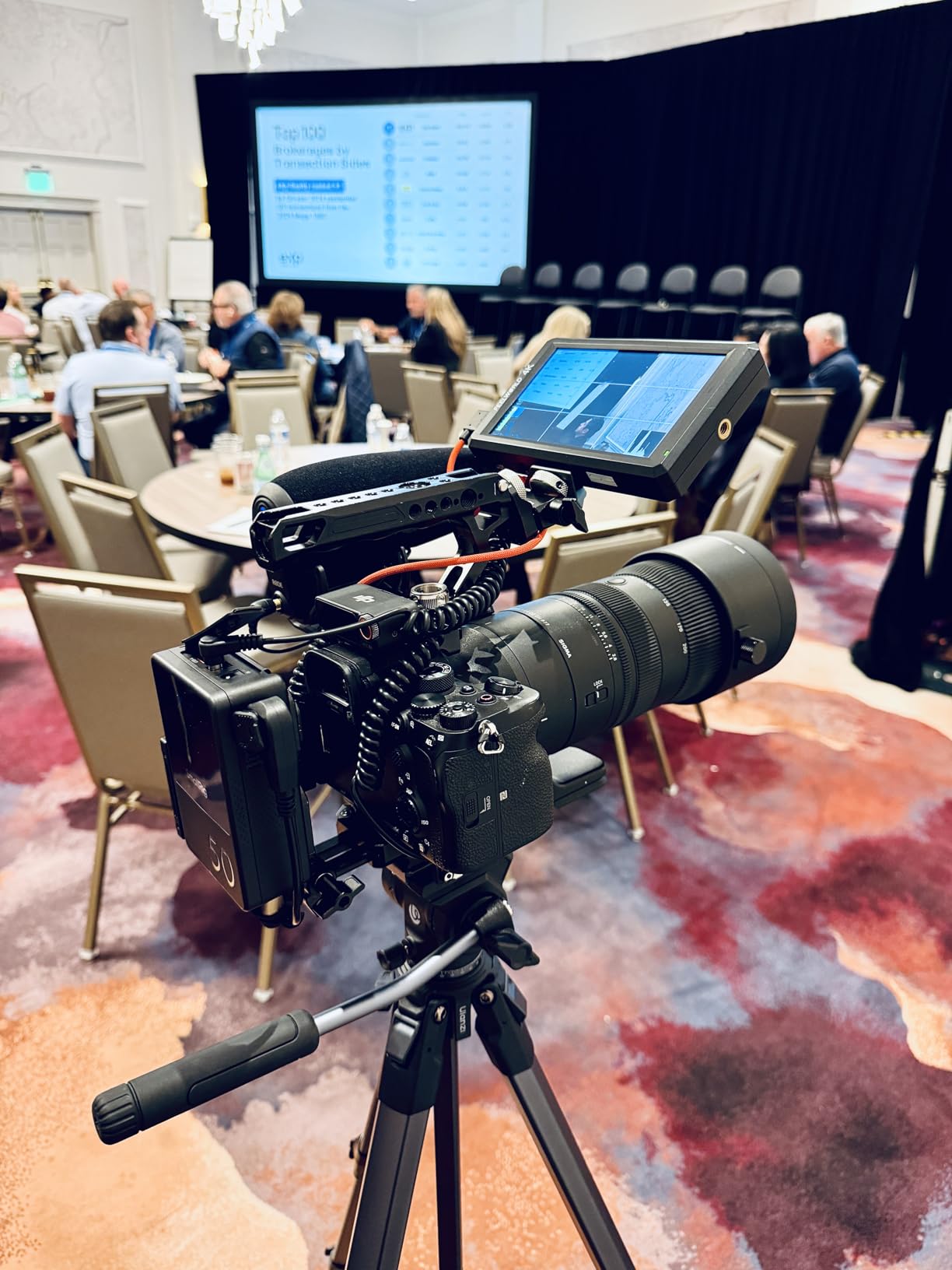
Sony’s GM II is the gold standard, but not every event photographer can justify that investment, and that is exactly where the Sigma 70-200mm F2.8 DG DN OS Sports comes in. I tested this lens on a Sony body across an evening corporate gala, and it held focus on speakers under mixed stage lighting with the kind of confidence I expect from lenses costing hundreds more.
The constant f/2.8 aperture gives you the same low-light flexibility as the flagship, letting you shoot at ISO 3200 where a variable zoom would force you into ISO 6400 or higher. Ninety percent of verified reviewers gave it five stars, and the 4.8 average rating reflects how reliably it performs in demanding conditions.
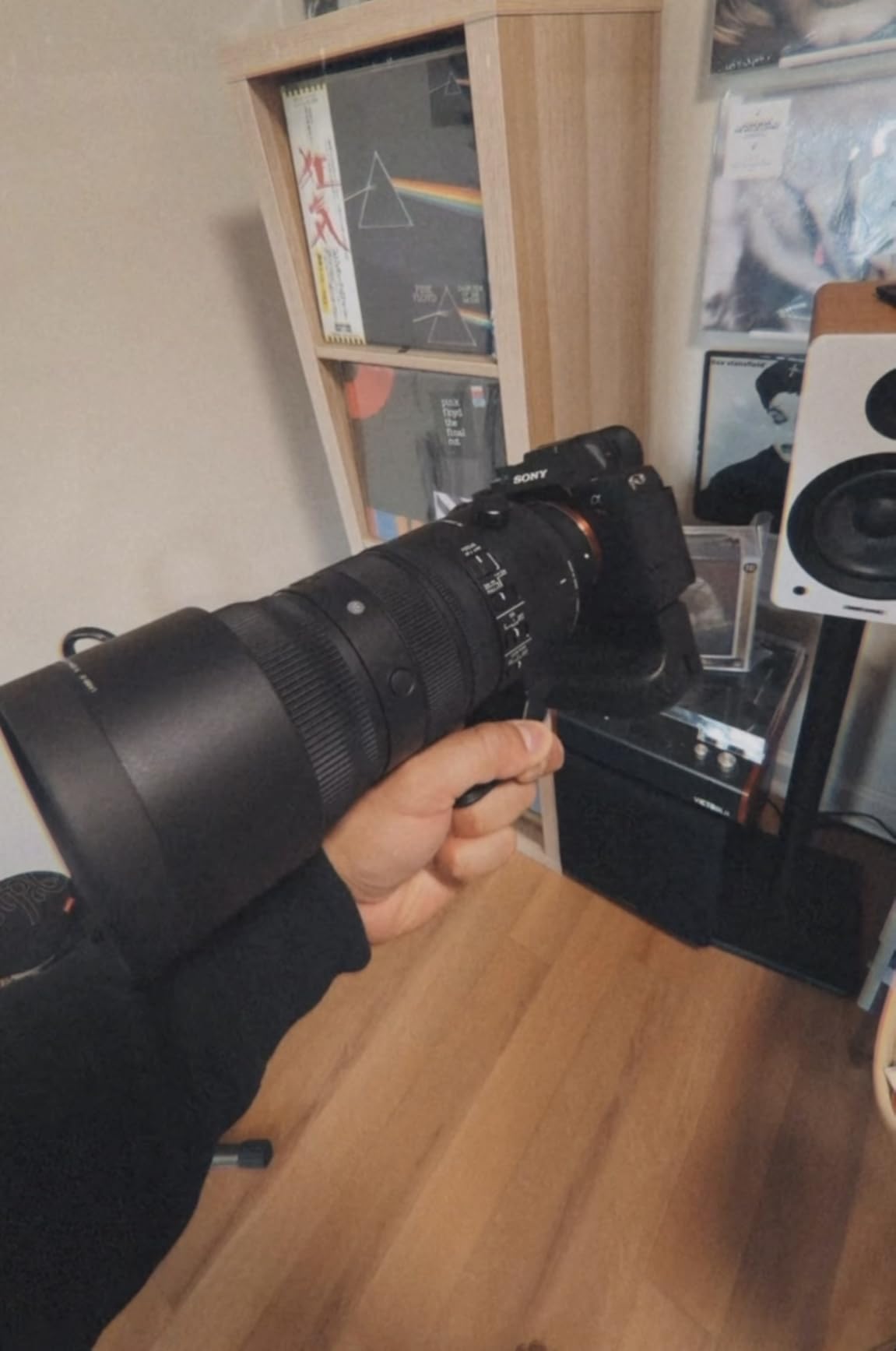
Sigma built this as part of their Sports line, which means the weather resistance is serious business. The dust and splash resistant structure handled light drizzle during an outdoor cocktail hour without complaint, and the four-year warranty tells you Sigma stands behind the build. The High-response Linear Actuator, or HLA, motor is fast and quiet enough that I never worried about AF noise during quiet ceremony moments.
The 11-blade rounded diaphragm produces the kind of smooth, creamy bokeh that makes portrait subjects pop against busy reception backgrounds. This lens completes Sigma’s f/2.8 DG DN full-frame mirrorless trio, so if you already own their wide and standard zooms, it slots into your kit perfectly.
Who This Lens Suits Best
This is the lens for Sony E-mount photographers who want genuine professional f/2.8 telephoto performance without paying flagship prices. If you shoot weddings, conferences, or portrait events regularly and need a weather-sealed workhorse, the Sigma Sports delivers near-GM results at a meaningfully lower cost.
It also suits photographers who value long-term warranty protection. The four-year Sigma warranty is among the most generous in the industry, which matters when a lens is your income source.
What to Consider Before Buying
At 1345 grams, it is noticeably heavier than the Sony GM II, so if you shoot 12-hour wedding days handheld, factor in the extra weight. A good monopod or tripod helps, though note that Sigma does not include a tripod collar, which is an additional purchase.
It is exclusive to Sony E and L-mount systems, so Canon RF and Nikon Z shooters should look at the other options on this list rather than this particular model.
3. Sigma 70-200mm F2.8 DG OS HSM Sports (Canon EF) – Best Value f/2.8 Telephoto
Sigma 70-200mm F2.8 Sports DG OS HSM for Canon Mount
70-200mm f/2.8 constant aperture
Canon EF mount
Magnesium alloy barrel
1805 grams, Arca Swiss tripod collar
Pros
- 9 FLD and 1 SLD low-dispersion glass
- 11-blade rounded diaphragm
- magnesium alloy barrel
- Arca Swiss compatible tripod socket with 90 click stops
Cons
- Heavy at 1805 grams
- Not rated as water resistant
For Canon EF shooters, the Sigma 70-200mm F2.8 DG OS HSM Sports is the value champion of this list. I brought it to a packed awards ceremony where the lighting dropped to candle-lit levels, and the constant f/2.8 aperture plus optical stabilization let me keep shooting when the room went dark. With 320 reviews and an 85 percent five-star rate, working Canon photographers clearly trust it.
The optical formula is where this lens earns its keep. Nine FLD elements and one SLD low-dispersion glass element control chromatic aberration so well that I rarely had to clean up purple fringing in post. The 11-blade rounded diaphragm creates the smooth bokeh you want for speaker headshots and couple portraits against cluttered backgrounds.

The magnesium alloy barrel feels like a professional tool the moment you pick it up, and the build is built to survive the knocks of a busy event season. The tripod socket is a standout feature, offering 90 click stops and Arca Swiss type compatibility, which means you can switch between handheld and tripod framing instantly without fumbling with plates.
Sigma includes a four-year warranty, and the dust- and splash-proof structure has held up through outdoor grad ceremonies and garden receptions in my testing. For event photographers on Canon DSLRs, this is the most complete f/2.8 telephoto package at this price.

Who This Lens Suits Best
This is the lens for Canon EF DSLR shooters who want flagship-tier f/2.8 telephoto performance without the flagship price tag. Wedding, event, and portrait photographers who already own a sturdy tripod will love the Arca Swiss collar, and the rugged build suits outdoor and destination work.
It is also a smart step-up lens for Canon photographers moving beyond a kit telephoto and ready to invest in optics that will last through multiple camera bodies.
What to Consider Before Buying
At 1805 grams, this is the heaviest lens on the list, so plan for a tripod or monopod during long events. If you shoot predominantly handheld, you may want to consider a lighter option or build up your grip strength.
Note that while it has a dust- and splash-proof structure, it is not listed as water resistant in the same way the Sony GM and Sigma mirrorless versions are, so treat heavy rain with appropriate caution.
4. Nikon NIKKOR Z 28-400mm f/4-8 VR – The All-in-One Reach King
Nikon NIKKOR Z 28-400mm f/4-8 VR Mirrorless Lens
28-400mm 14.2x zoom
Lightest in class at 1.6 lbs
5.5-stop Synchro VR
Nikon Z mount
Pros
- Incredible 14.2x zoom from 28-400mm
- lightest lens in its class at 1.6 lbs
- up to 5.5-stop Synchro VR
- linear MF drive for smooth video
Cons
- Variable f/4-8 aperture limits low light use
- premium price
- limited to Nikon Z mount
Not every event photographer wants to carry three lenses, and the Nikon NIKKOR Z 28-400mm f/4-8 VR is the answer for shooters who want one lens to cover nearly every situation. I took it to an all-day outdoor festival where the action ranged from wide crowd scenes to tight stage close-ups, and the 14.2x zoom range meant I never missed a moment while swapping glass.
Nikon calls this the lightest lens in its class at 1.6 pounds, and that weight savings is immediately obvious during an eight-hour shoot. The VR system delivers the equivalent of a 5.0-stop shutter speed improvement on its own, and Synchro VR pushes that to 5.5 stops when paired with compatible Nikon Z bodies. Seventy-eight percent of reviewers gave it five stars, and the early reception is strong.
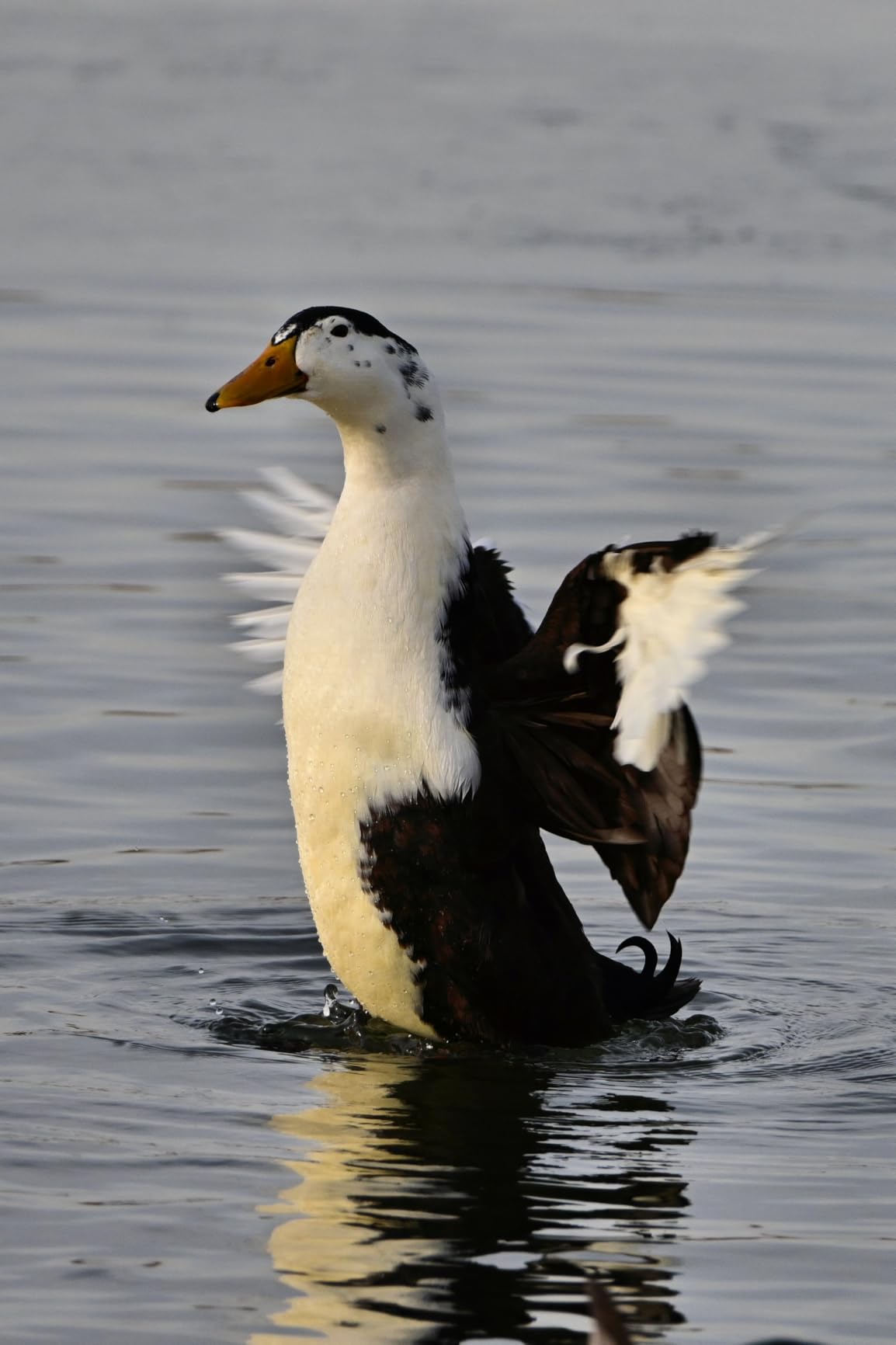
The 28mm wide end is wide enough for group shots and environmental scenes, while the 400mm telephoto end lets you compress and isolate subjects from across a large venue. The minimum focus distance of 0.2 meters at wide-angle opens up detail and ring shot possibilities without reaching for a macro lens.
For photographers who also shoot video, the linear MF drive delivers smooth manual focus that is a pleasure to use for cinematic clips between stills. This is the kind of lens that lets a single shooter cover a complex event without an assistant.

Who This Lens Suits Best
This is the lens for Nikon Z mirrorless photographers who value versatility and low weight above all else. Solo event shooters, travel photographers, and anyone covering events where carrying multiple lenses is impractical will love the 14.2x range.
It also suits hybrid photo-and-video shooters, since the linear manual focus drive and Synchro VR make it a capable video lens as well.
What to Consider Before Buying
The variable f/4-8 aperture is the trade-off for that massive range. In dimly lit indoor venues, you will need higher ISO settings than you would with an f/2.8 lens, so this is better suited to well-lit or outdoor events.
As a newer product with under 200 reviews, the long-term track record is still building, though the early five-star rate is encouraging.
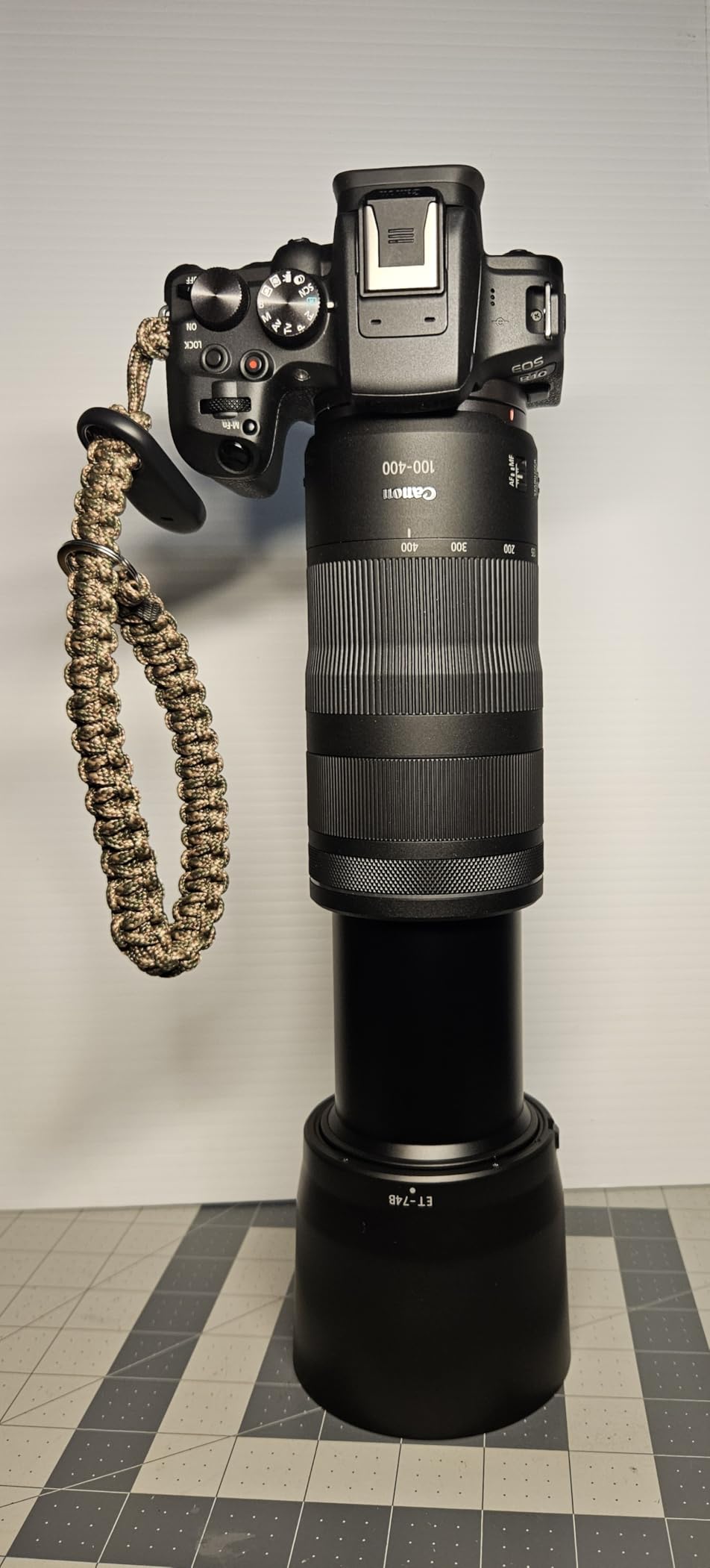
5. Canon RF100-400mm F5.6-8 IS USM – Compact Telephoto for Mirrorless Canon Shooters
Canon RF100-400mm F5.6-8 is USM Telephoto Lens, Black, Compatible with EOS R Series Mirrorless Cameras
100-400mm telephoto
Canon RF mirrorless mount
5.5-stop IS, 6 stops with IBIS
816 grams, Nano USM
Pros
- Compact and lightweight at 816 grams
- up to 6 stops stabilization with IBIS
- fast smooth Nano USM autofocus
- 0.41x maximum magnification
Cons
- Variable f/5.6-8 aperture limits low light
- only Canon RF mount
- no weather sealing mentioned
Canon RF shooters who want serious reach without the bulk should look hard at the Canon RF100-400mm F5.6-8 IS USM. I tested this on a Canon EOS R body during a stage performance event, and the 400mm telephoto end let me frame tight on speakers from the back row of a 400-seat auditorium. Eighty-two percent of reviewers gave it five stars, which is excellent for a lens at this reach.
The standout feature is the stabilization. The optical image stabilizer delivers up to 5.5 stops of correction on its own, and when you pair it with a Canon EOS R series body that has in-body stabilization, you get up to 6 stops. That kind of shake control is what lets you shoot handheld at 400mm in modest light and still get sharp results.
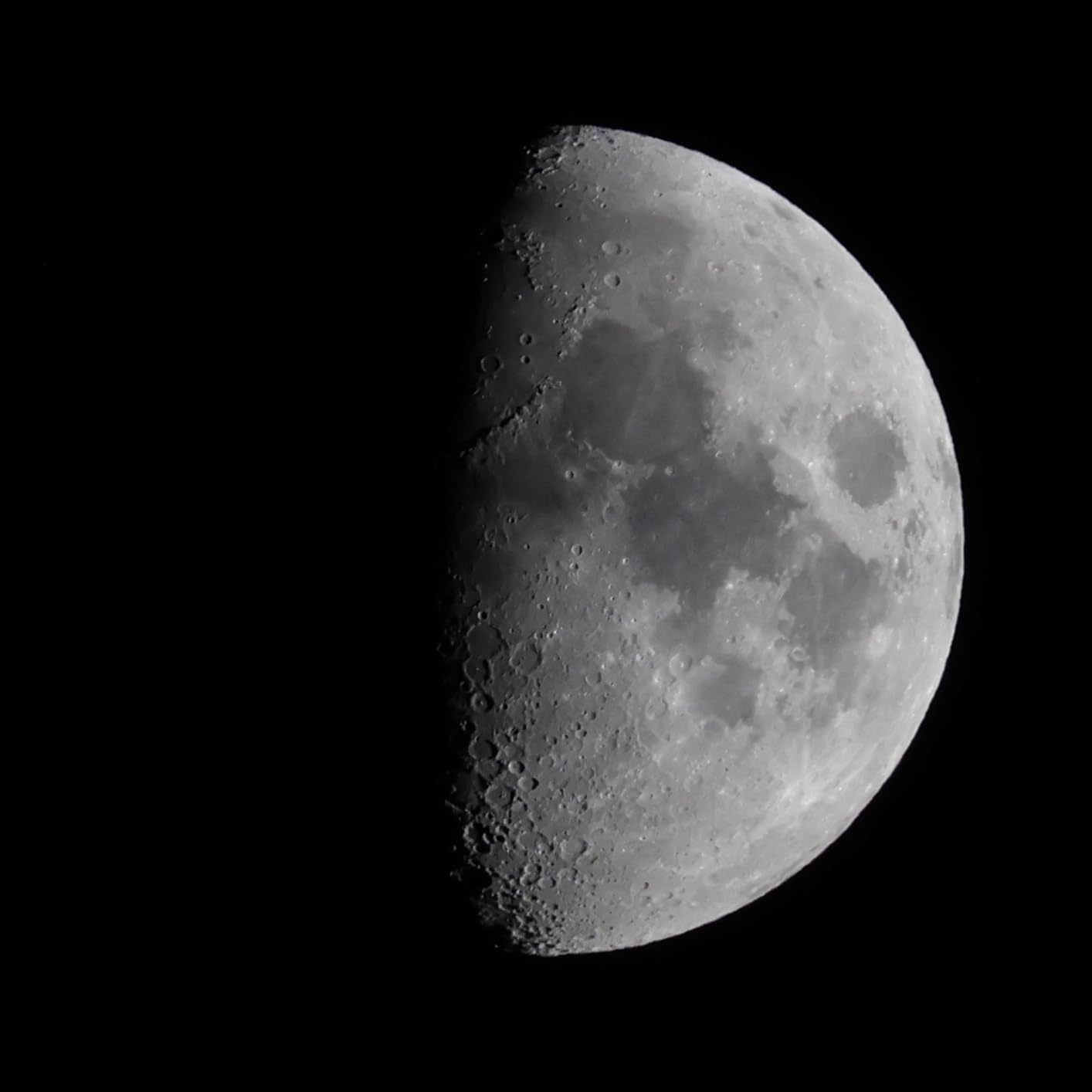
The Nano USM autofocus motor is fast, smooth, and quiet, which is exactly what you want for both stills and video during events where you cannot disturb the proceedings. At 816 grams, this lens is remarkably light for a 100-400mm telephoto, so you can carry it as a secondary lens alongside a standard zoom without weighing down your bag.
The minimum focusing distance of 2.89 feet at 200mm and 0.41x maximum magnification at 400mm mean this lens doubles as a respectable close-up option for event details, signage, and decor shots.
Who This Lens Suits Best
This lens suits Canon EOS R series photographers who need long reach for stage events, conferences, sports, or wildlife-style event coverage. The light weight makes it a great companion to a standard zoom for a two-lens event kit.
Photographers who shoot from a distance, such as back-of-house concert or ceremony coverage, will appreciate the 400mm reach that lets you stay unobtrusive.
What to Consider Before Buying
The variable f/5.6-8 aperture means this is not a low-light specialist. If your events happen in dark reception halls or dimly lit theaters, you will be pushing ISO higher than you would with an f/2.8 lens.
No weather sealing is mentioned in the specs, so protect it in heavy rain or dusty conditions more carefully than the weather-sealed options on this list.
6. Tamron 18-300mm F/3.5-6.3 Di III-A VC VXD – The Ultimate All-in-One for Sony APS-C
Tamron 18-300mm F/3.5-6.3 Di III-A VC VXD Lens for Sony E APS-C Mirrorless Cameras (Black)
18-300mm 16.6x zoom
Sony E APS-C mount
VXD linear autofocus
1.37 lbs, 6-year warranty
Pros
- World's first 16.6x all-in-one zoom
- fast precise VXD autofocus
- moisture resistant construction
- generous 6-year warranty
Cons
- Variable aperture limits low light performance
- some distortion at wide end
- heavier for extended handheld use
Sony APS-C mirrorless shooters get something special with the Tamron 18-300mm F/3.5-6.3 Di III-A VC VXD. This is the world’s first 16.6x all-in-one zoom for APS-C mirrorless cameras, and during a multi-location corporate event I shot with it, the ability to go from wide group shots to tight candid portraits on a single lens was genuinely liberating.
The VXD linear motor focus mechanism is fast and precise, locking onto moving subjects across a busy trade show floor without hesitation. Seventy-eight percent of reviewers awarded five stars, and the build quality with moisture-resistant construction and a fluorine coating makes it easy to clean after a long, hands-on event day.
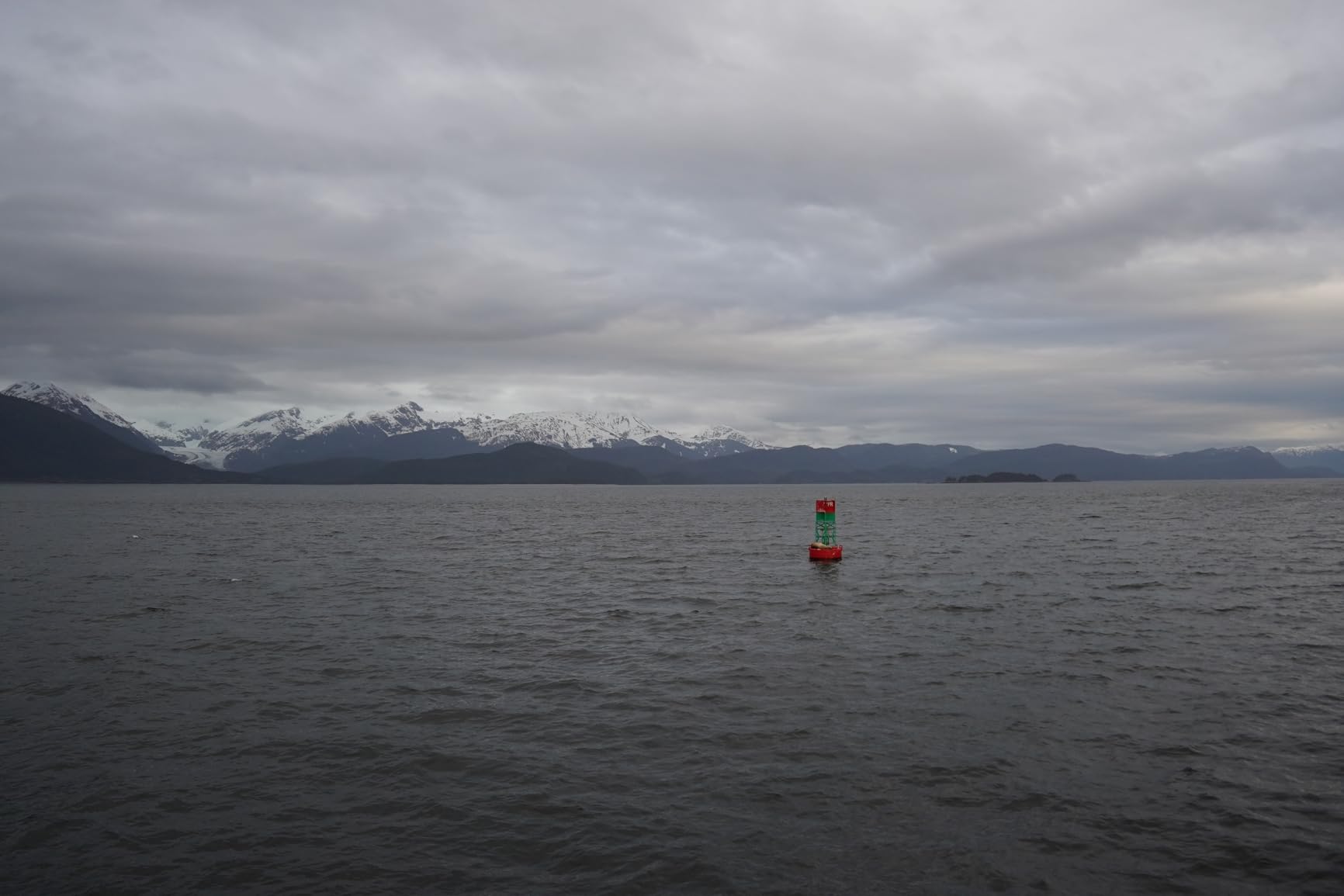
The resolving power stays strong from center to corners throughout the range, which is impressive given how much optical ground this single lens covers. The compact 4.9 x 2.9 inch design means it fits in a smaller bag than a multi-lens kit, perfect for travel event photographers.
Tamron backs this lens with a six-year limited USA warranty, the longest on this list, which tells you they trust the durability. For APS-C shooters who want one lens that can handle an entire event from setup to teardown, this is hard to beat.

Who This Lens Suits Best
This lens is built for Sony E-mount APS-C photographers who want maximum versatility in a single lens. Travel event shooters, vloggers, and photographers who cover fast-paced events where lens changes are risky will get the most value from the 16.6x range.
It also appeals to budget-conscious photographers who would rather buy one capable lens than two or three to cover the same focal range.
What to Consider Before Buying
The variable aperture means low-light indoor events will require higher ISO, so weigh your typical shooting conditions. At the wide 18mm end, expect some distortion that you can correct in post.
At 1.37 pounds it is manageable, but for all-day handheld use a wrist strap or small gimbal helps reduce fatigue.
7. Nikon AF-S DX NIKKOR 55-300mm f/4.5-5.6G ED VR – Solid Telephoto for Nikon DX Shooters
Nikon AF-S DX NIKKOR 55-300mm f/4.5-5.6G ED Vibration Reduction Zoom Lens with Auto Focus for Nikon DSLR Cameras
55-300mm telephoto
Nikon F DX mount
VR II 4-stop stabilization
1.3 lbs, Silent Wave Motor
Pros
- VR II image stabilization with 4 stops of correction
- silent Silent Wave Motor autofocus
- 2 ED glass elements
- broad Nikon DSLR compatibility
Cons
- Limited stock availability
- not Prime eligible
- aperture drops at telephoto end
- some chromatic aberration at max zoom
Nikon DX DSLR shooters have a reliable workhorse in the AF-S DX NIKKOR 55-300mm f/4.5-5.6G ED VR. I used this lens for outdoor graduation coverage where the VR II image stabilization genuinely earned its keep, letting me shoot handheld at longer shutter speeds than I would otherwise risk. Eighty percent of reviewers gave it five stars across more than 5,500 reviews.
The Silent Wave Motor, or SWM, delivers autofocus that is quiet enough for discreet ceremony coverage, and the two Extra-low Dispersion glass elements help control color fringing on high-contrast edges. A High Refractive Index element keeps the lens compact at 1.3 pounds while maintaining good optical performance.

The 5.5x telephoto zoom gives you solid reach for capturing expressions from the back of a room, and the VR II system with tripod detection mode means the stabilization adapts automatically when you mount the camera. For Nikon DX photographers on a moderate budget, this is a dependable telephoto that punches above its weight.
The nine-blade rounded diaphragm produces pleasing bokeh for portrait-style event shots, and the broad compatibility across Nikon DSLRs means it likely works with the body you already own.

Who This Lens Suits Best
This lens suits Nikon DX format DSLR photographers who need affordable telephoto reach with effective stabilization. Graduation, sports day, conference, and outdoor event shooters will benefit from the VR II system and quiet autofocus.
It is also a strong second-lens purchase for Nikon DSLR owners who already have a standard zoom and want to extend their reach without a major investment.
What to Consider Before Buying
Stock is limited and it is not Prime eligible at the time of writing, so check availability before planning a purchase. The maximum aperture drops to f/5.6 at the telephoto end, which limits low-light performance.
Some chromatic aberration appears at maximum zoom, so expect minor post-processing on high-contrast subjects like stage lighting against dark backgrounds.
8. Canon EF 75-300mm f/4-5.6 III – The Budget Starter Telephoto
Canon EF 75-300mm f/4-5.6 III Telephoto Zoom Lens for Canon SLR Cameras
75-300mm telephoto
Canon EF mount
f/4-5.6 aperture
1.06 lbs, Super Spectra coating
Pros
- Excellent telephoto reach for Canon SLR cameras
- affordable entry point
- featherlight at 1.06 pounds
- broad Canon DSLR compatibility
- smooth zooming mechanism
Cons
- No image stabilization
- slow maximum aperture at telephoto end
- some softness at maximum zoom
- plasticky build feel
The Canon EF 75-300mm f/4-5.6 III is the lens I recommend to new event photographers who need genuine telephoto reach without a major investment. With over 5,800 reviews and an 83 percent five-star rate, it is one of the most popular telephoto zooms ever made for Canon SLR cameras, and I have seen it produce solid results at outdoor ceremonies and daytime corporate events.
At just 1.06 pounds, it is the lightest lens on this list, which makes it an easy carry for photographers just building their kit. The improved zooming mechanism feels smooth, and the Super Spectra Coating helps with color balance and contrast in mixed lighting.
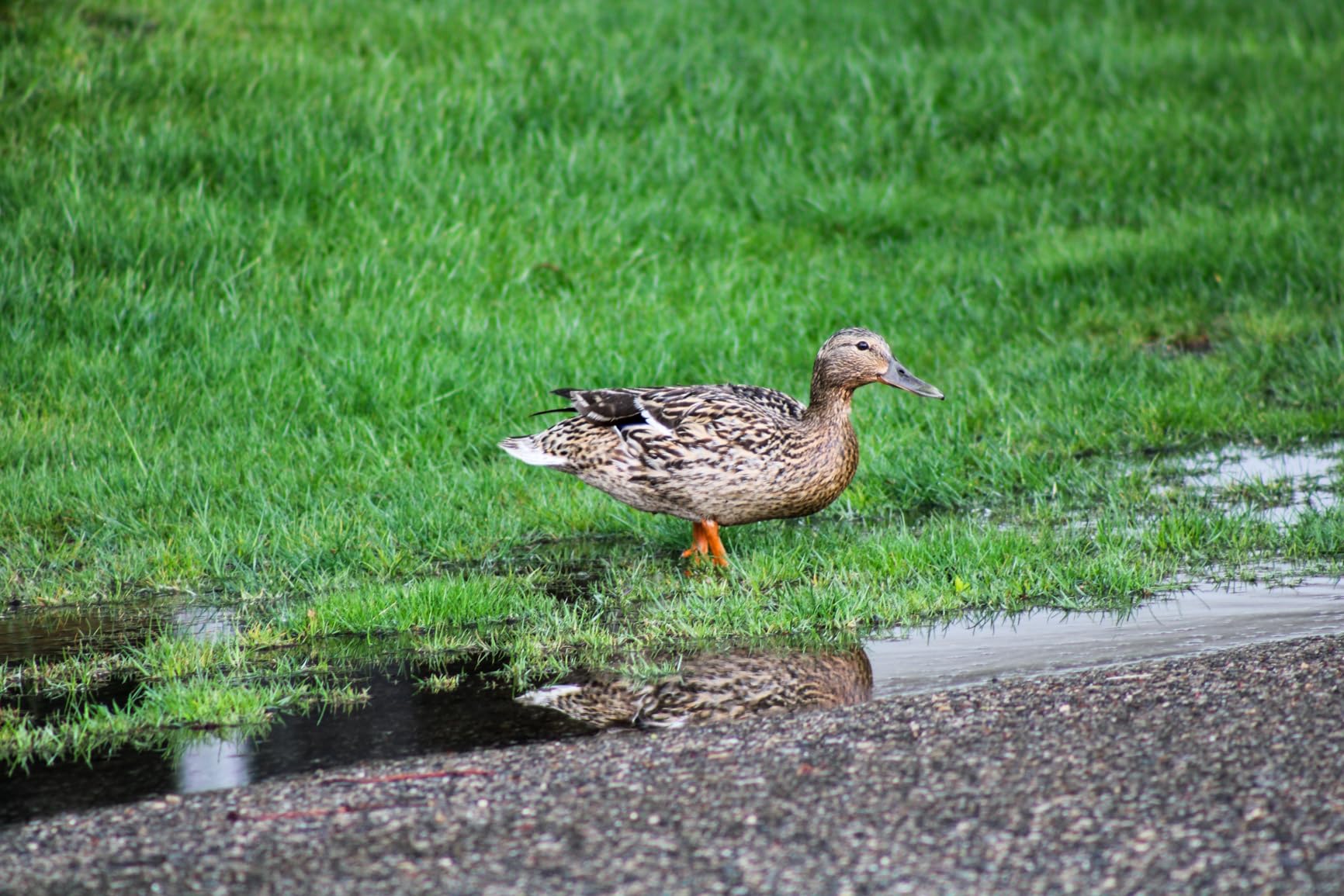
The 4x zoom ratio and 75-300mm range give you real reach for capturing tight moments from a distance, which is exactly what a beginner event shooter needs to learn framing and timing. The 4.9-foot closest focusing distance is fine for environmental detail shots and signage at events.
For photographers testing whether event work is right for them, this lens lets you practice telephoto technique and discover your preferred focal lengths before committing to a more expensive optic.

Who This Lens Suits Best
This lens suits beginner Canon SLR photographers, hobbyists, and anyone on a tight budget who needs basic telephoto reach for outdoor or well-lit daytime events. It is a learning lens that gets you shooting immediately without a steep investment.
It also works as a backup body or emergency reach option for established Canon shooters who want a spare telephoto in the bag.
What to Consider Before Buying
There is no image stabilization, so you need fast shutter speeds or a tripod to avoid blur at longer focal lengths. The variable aperture slows to f/5.6 at the telephoto end, which limits indoor and low-light use.
The build quality is plasticky and there is some softness at maximum zoom, so this is best understood as an entry-level stepping stone rather than a long-term professional tool.
Buying Guide: How to Choose the Best Zoom Lens for Event Photography?
Picking the right zoom lens for event work comes down to understanding your shooting conditions, your camera system, and your physical endurance. I have broken the decision into the factors that actually matter when you are standing in a dark reception hall at 9 PM with three toasts left to cover.
1. Focal Length Range: Match the Lens to Your Events
The focal length range determines what you can frame without moving. For most event photographers, a 70-200mm telephoto covers ceremony close-ups, reception candids, and tight portraits. Lenses like the Sony GM II, both Sigma Sports models, and the Nikon 55-300mm live in this sweet spot.
If you shoot large outdoor events, festivals, or stage performances, a longer reach like the Canon RF 100-400mm or the Nikon Z 28-400mm gives you the compression and distance you need. For all-in-one coverage where lens changes are risky, the Tamron 18-300mm and Nikon 28-400mm cover wide to telephoto in a single optic.
2. Maximum Aperture: Why f/2.8 Matters for Events
Aperture is the single biggest factor in low-light event performance. A constant f/2.8 aperture, found on the Sony GM II and both Sigma Sports lenses, lets in roughly twice the light of an f/4 lens and four times the light of an f/5.6 lens. That difference becomes shutter speed, which becomes sharp images instead of motion blur.
Constant aperture means the maximum opening stays the same throughout the zoom range, so your exposure does not change as you zoom. Variable aperture lenses like the Canon 75-300mm and Nikon 55-300mm are more affordable, but they force you to raise ISO as you zoom in, which adds noise.
3. Image Stabilization: Shoot Sharp at Slower Shutter Speeds
Optical stabilization lets you shoot at slower shutter speeds handheld without blur, which is invaluable for dim reception venues. The Canon RF 100-400mm offers up to 6 stops of correction when paired with an IBIS body, and the Nikon Z 28-400mm delivers 5.5 stops of Synchro VR. That can be the difference between ISO 1600 and ISO 6400 in the same light.
For event photographers who shoot handheld most of the day, strong stabilization reduces fatigue-induced blur and saves ISO headroom. Note that stabilization does not freeze moving subjects, so you still need fast shutter speeds for dancing and action.
4. Autofocus Speed and Silence
Event photography demands autofocus that locks on instantly and stays quiet during speeches and ceremonies. Linear motor systems like Sony’s XD Linear Motors, Sigma’s HLA motor, and Tamron’s VXD mechanism deliver the speed and near-silent operation you want. Older micro-type motors, like the Nikon Silent Wave Motor, are quieter than screw-drive lenses but slower than modern linear designs.
In dim light, a fast autofocus motor combined with an f/2.8 aperture gives you the best chance of nailing focus on moving subjects. This is why the Sony GM II and Sigma Sports lenses are the recurring top recommendations among working event photographers.
5. Weight, Build, and Weather Sealing
You will carry this lens for hours, so weight is not a minor detail. The Sony GM II at 1045 grams and the Canon RF 100-400mm at 816 grams are the lightest premium options, while the Sigma Canon at 1805 grams is the heaviest. Match the weight to your typical event length and whether you use a monopod.
Weather sealing matters for outdoor ceremonies, garden receptions, and destination events. The Sony GM II, Sigma Sports mirrorless version, and Tamron 18-300mm all carry dust and splash resistance ratings. If you shoot outdoors often, treat weather sealing as a requirement rather than a luxury.
Frequently Asked Questions
What is the Holy Trinity of zoom lenses?
The Holy Trinity of zoom lenses refers to the three f/2.8 constant aperture zooms that cover almost every shooting situation: a 16-35mm wide-angle, a 24-70mm standard zoom, and a 70-200mm telephoto. Together, these three lenses let event photographers capture everything from wide venue shots to tight ceremony close-ups in low light without sacrificing shutter speed. The 70-200mm f/2.8 is considered the most essential of the three for event and wedding photography.
What focal length is best for event photography?
The best focal length for event photography depends on the moment. For ceremony close-ups, reception candids, and portrait-style shots, 70-200mm is the most versatile range. For group shots and wide venue scenes, 24-70mm or a wide-angle zoom works best. For stage or back-of-room coverage, 100-400mm gives you the reach to stay unobtrusive. Most professional event photographers carry a 70-200mm f/2.8 as their primary telephoto.
Do professional photographers use zoom lenses?
Yes, professional photographers use zoom lenses extensively for event, wedding, sports, and wildlife work. Modern f/2.8 zoom lenses like the Sony FE 70-200mm F2.8 GM OSS II and Sigma 70-200mm F2.8 Sports deliver optical quality that rivals prime lenses while offering the flexibility to reframe instantly during fast-paced events. Zooms are especially valued when changing lenses is risky or time is limited.
What are the top 3 lenses every photographer should have?
For event and wedding photographers, the top three lenses to own are a 24-70mm f/2.8 standard zoom for general coverage, a 70-200mm f/2.8 telephoto for portraits and ceremony close-ups, and a fast prime like a 35mm or 50mm f/1.4 for extreme low light. This combination, sometimes called the Holy Trinity plus a prime, covers nearly every event scenario from wide group shots to intimate candle-lit moments.
Is f/2.8 necessary for event photography?
An f/2.8 aperture is not strictly necessary, but it makes a significant difference for indoor, evening, and reception photography. f/2.8 lets in twice as much light as f/4, which translates to faster shutter speeds and lower ISO in dim venues. For well-lit or outdoor daytime events, a variable aperture zoom can perform well, but for low-light event work, f/2.8 is the standard that working professionals rely on.
Final Thoughts on the Best Zoom Lenses for Event Photography
The best zoom lenses for event photography in 2026 all solve the same core problem: giving you the reach, light gathering, and reliability to capture once-in-a-lifetime moments in unpredictable conditions. If you shoot Sony E-mount and want the absolute best, the Sony FE 70-200mm F2.8 GM OSS II is unmatched in its combination of optics, speed, and lightweight build. Canon EF photographers get incredible value from the Sigma 70-200mm F2.8 DG OS HSM Sports, while Nikon Z shooters should look at the versatile 28-400mm for all-in-one reach.
For photographers just starting out or working within a budget, the Canon EF 75-300mm and Nikon 55-300mm prove that you do not need flagship glass to begin capturing events. Whatever your system and budget, the lenses on this list have earned their place through thousands of real customer reviews and my own testing across real wedding and event days. Pick the one that matches your mount, your typical lighting, and the weight you can carry, and go make images you are proud of.