
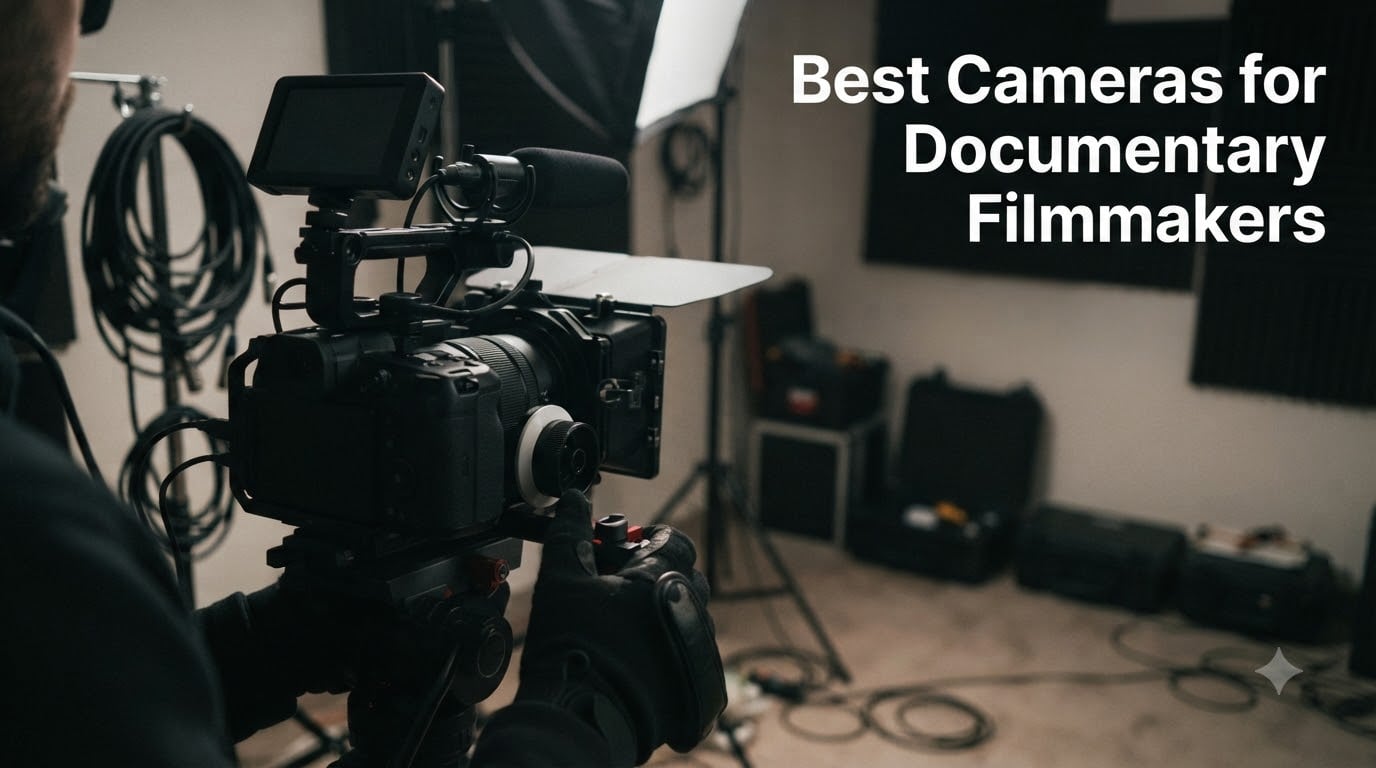
Documentary filmmaking is brutal on cameras. You shoot in mixed light, chase moments that never repeat, and usually work alone or with a tiny crew. After testing cameras for documentary work for over a decade, our team knows that the best cameras for documentary filmmakers aren’t always the flashiest ones. They are the cameras that stay out of your way while you chase the story.
This guide covers 12 cameras that actually work for documentary production in 2026. We ranked them based on real-world testing across interviews, run-and-gun scenes, low-light environments, and long event shoots. Whether you are producing a feature doc, a branded documentary, or a journalism piece, you will find the right body for your workflow below.
We tested each camera in three scenarios that matter most to documentary work: handheld interviews with lav mics, run-and-gun b-roll in unpredictable light, and extended recording sessions for events or sit-down conversations. Audio input flexibility, autofocus reliability, dynamic range, and battery endurance were our biggest scoring factors. Here is what we found.
Table of Contents
Top 3 Picks for Documentary Filmmakers (October 2026)

Sony Alpha FX3 Cinema Camera
- 4K 120p 10-bit 4:2:2
- 15+ stops dynamic range
- XLR top handle
- 627-point AF


Best Cameras for Documentary Filmmakers in 2026
| Product | Specifications | Action |
|---|---|---|
| Sony Alpha FX3 |
|
Check Latest Price |
| Sony FX30 |
|
Check Latest Price |
 Sony A7S III Sony A7S III |
|
Check Latest Price |
 Canon EOS C80 Canon EOS C80 |
|
Check Latest Price |
| Canon R6 Mark II |
|
Check Latest Price |
 Canon R5 Mark II Canon R5 Mark II |
|
Check Latest Price |
 Canon R5 C Canon R5 C |
|
Check Latest Price |
 Blackmagic 6K Pro Blackmagic 6K Pro |
|
Check Latest Price |
 Blackmagic 6K G2 Blackmagic 6K G2 |
|
Check Latest Price |
 Panasonic S5IIX Panasonic S5IIX |
|
Check Latest Price |
 Fujifilm X-H2S Fujifilm X-H2S |
|
Check Latest Price |
 Nikon Z6 III Nikon Z6 III |
|
Check Latest Price |
1. Sony Alpha FX3 – The Documentary Run-and-Gun Champion
Sony Alpha FX3 ILME-FX3 | Full-frame Cinema Line Camera
Full-frame 4K 120p
15+ stops dynamic range
XLR handle included
Pros
- Cage-free design with XLR handle
- In-body cooling for unlimited recording
- 627-point AF tracks subjects reliably
- S-Cinetone for cinematic look out of camera
Cons
- 10.2MP stills is limited
- No built-in ND filters
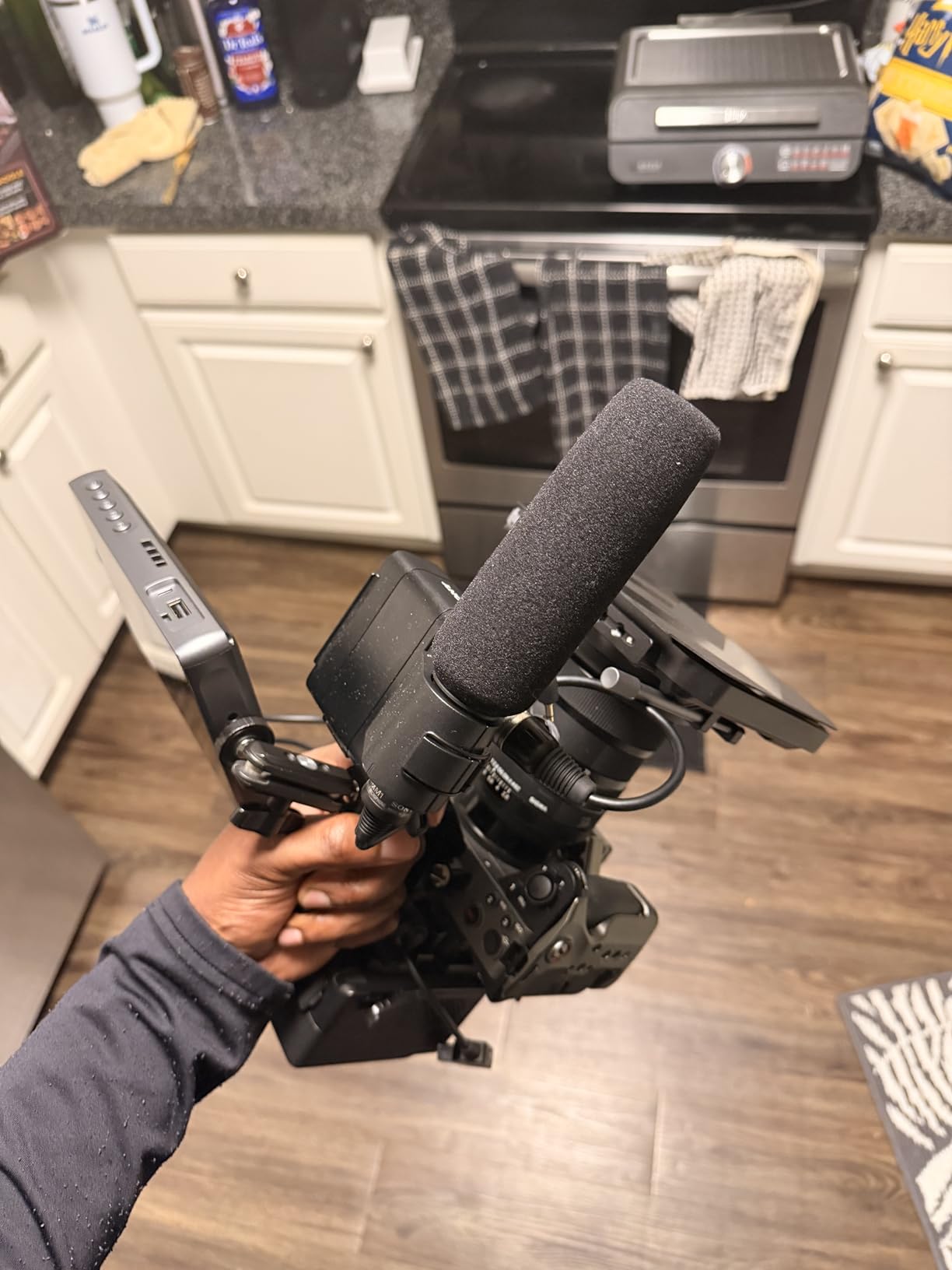
I brought the Sony FX3 on a 14-day documentary shoot in Southeast Asia last year. The body weighs about 1.5 lbs and slips into a sling bag with a small gimbal. That kind of size matters when you are hiking into a village at 5 AM for a fishing story. I never felt like I was carrying cinema gear, but the footage looked like I was.
The 15+ stop dynamic range is a real workflow saver. In a single interview, I exposed for the subject’s face under tungsten light, then pulled down nearly two stops in post to recover the window behind them. Without that latitude, the scene would have been unusable. For documentary filmmakers who cannot control lighting, this kind of forgiveness is everything.
Autofocus with 627 phase-detection points is the part I trusted most. During a chaotic market scene, I let the AF lock onto a vendor’s face as he moved through crowds. It stuck. For solo documentary shooters, reliable face tracking is the difference between getting the moment and missing it.
The XLR handle is the killer feature for documentary work. Two XLR inputs with phantom power plug into the top of the body, no cage required. I ran a Sennheiser shotgun into channel one and a wireless lav into channel two without buying extra accessories. That saves both weight and setup time in the field.
Who the FX3 is best for
The FX3 is built for solo documentary shooters and small crews who need cinema-quality footage without a rig build. If your work involves travel, interviews, and run-and-gun b-roll, this is the body I keep reaching for. The compact form factor also makes it ideal for gimbal work and tight interiors where larger cinema cameras get in the way.
Where the FX3 falls short
Still shooters should look elsewhere. 10.2MP for stills is essentially a video-only spec. If your documentary needs both serious stills and video from the same body, the Canon R5 Mark II or R6 Mark II are better cross-tools. The lack of built-in ND filters is also a real annoyance when shooting outdoors in changing light, so plan on adding variable NDs to your kit.
2. Sony Cinema Line FX30 – The Affordable Cinema Body
SONY Cinema Line FX30 Super 35 Camera, Gray
20.1MP Super 35 sensor
14+ stops dynamic range
Dual base ISO
Pros
- S-Cinetone cinematic profile out of camera
- 4K 120p 10-bit 4:2:2 internal recording
- User LUTs for on-set monitoring
- Active cooling for unlimited record time
Cons
- APS-C sensor not full-frame
- No built-in ND filters
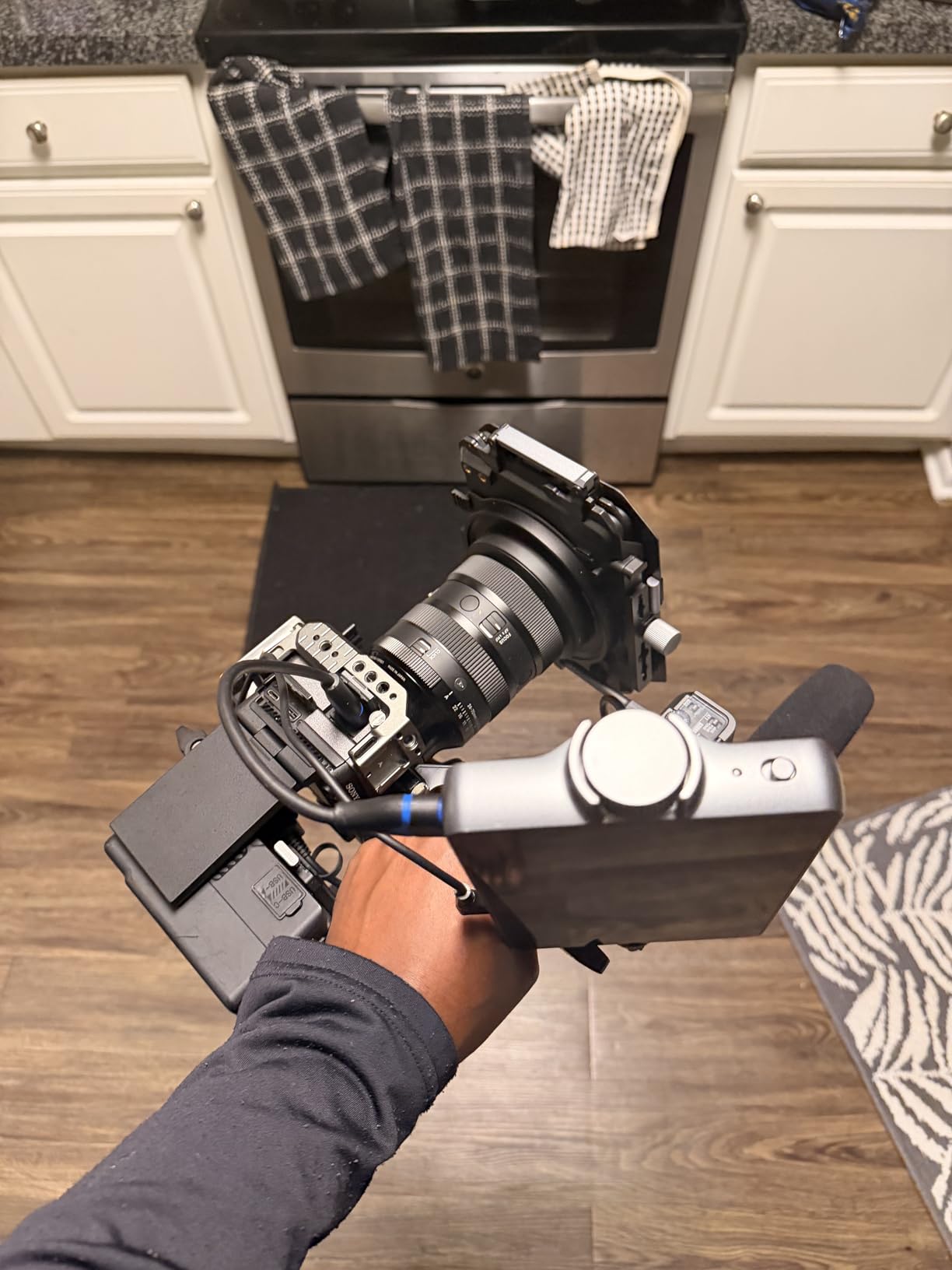
The FX30 is the camera I recommend to documentary filmmakers just starting out, and to professionals who need a solid B-cam. I tested one as a backup body on a wedding documentary project. It matched the FX3 closely enough that the cut worked without grading gymnastics. For the price difference, that is remarkable.
The Super 35 sensor is smaller than full-frame, but for documentary work it is rarely a real limitation. Field of view is tighter with the same lenses, which actually helps for interviews where you want compression without being right on top of the subject. Plus, the wide range of affordable Sony E-mount lenses makes this the cheapest serious cinema body to kit out.
I was impressed by the dual base ISO. At ISO 800 and 2500, the noise floor stays remarkably clean. On a dusk interview in a dimly lit home, I shot at ISO 2500 and got usable footage without noise reduction plugins. That is unusual for this price point and a huge deal for documentary shooters working with available light.
With 548 reviews and a 4.8 average, the FX30 is one of the most popular cinema cameras on the market. Our team understands why. The form factor, weight, and image quality deliver more value than almost anything else in the cinema category under $2,000.
Who the FX30 is best for
Independent documentary filmmakers building their first cinema kit will get the most out of this camera. It also works as a B-cam or crash cam for larger productions that need a small, lightweight second body. If you shoot with available light, the dual base ISO is a feature you will rely on constantly.
Where the FX30 falls short
If you shoot in environments where you cannot control light, the lack of ND filters becomes a real problem. You’ll need a variable ND or a Matte Box. The APS-C sensor also means your wide-angle lens options are more limited. For environmental documentary work where you want sweeping wide shots, full-frame cameras like the FX3 or R6 Mark II are better fits.
3. Sony Alpha a7S III – The Low-Light Legend
Sony Alpha a7S III Full-Frame Mirrorless Camera Body Black
12.1MP full-frame
ISO up to 409600
759-point hybrid AF
Pros
- Best-in-class low-light performance
- 15+ stops dynamic range
- 4K 120p 10-bit 4:2:2
- Full pixel readout in all modes
Cons
- Only 12.1MP stills
- Only two memory card slots
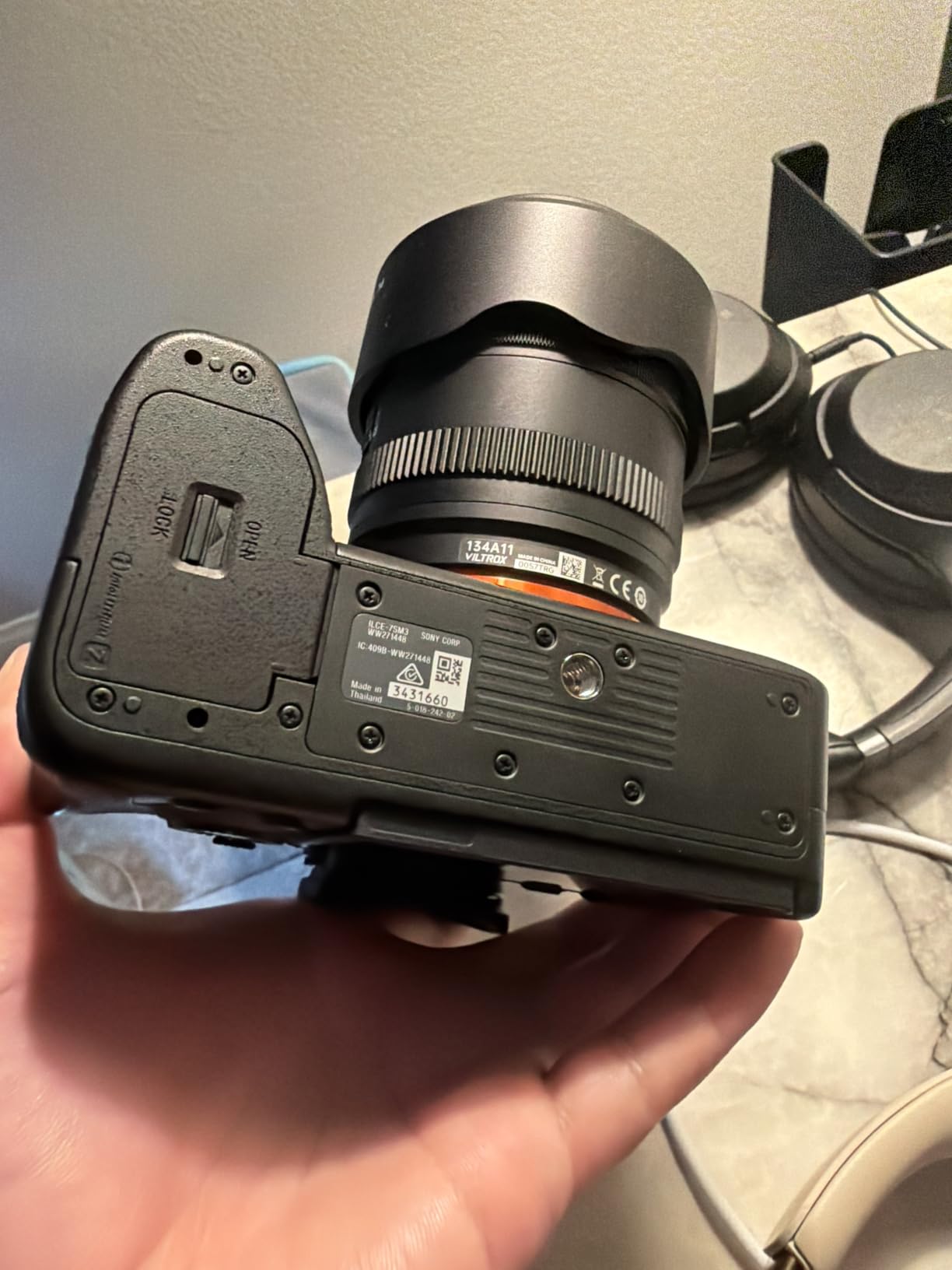
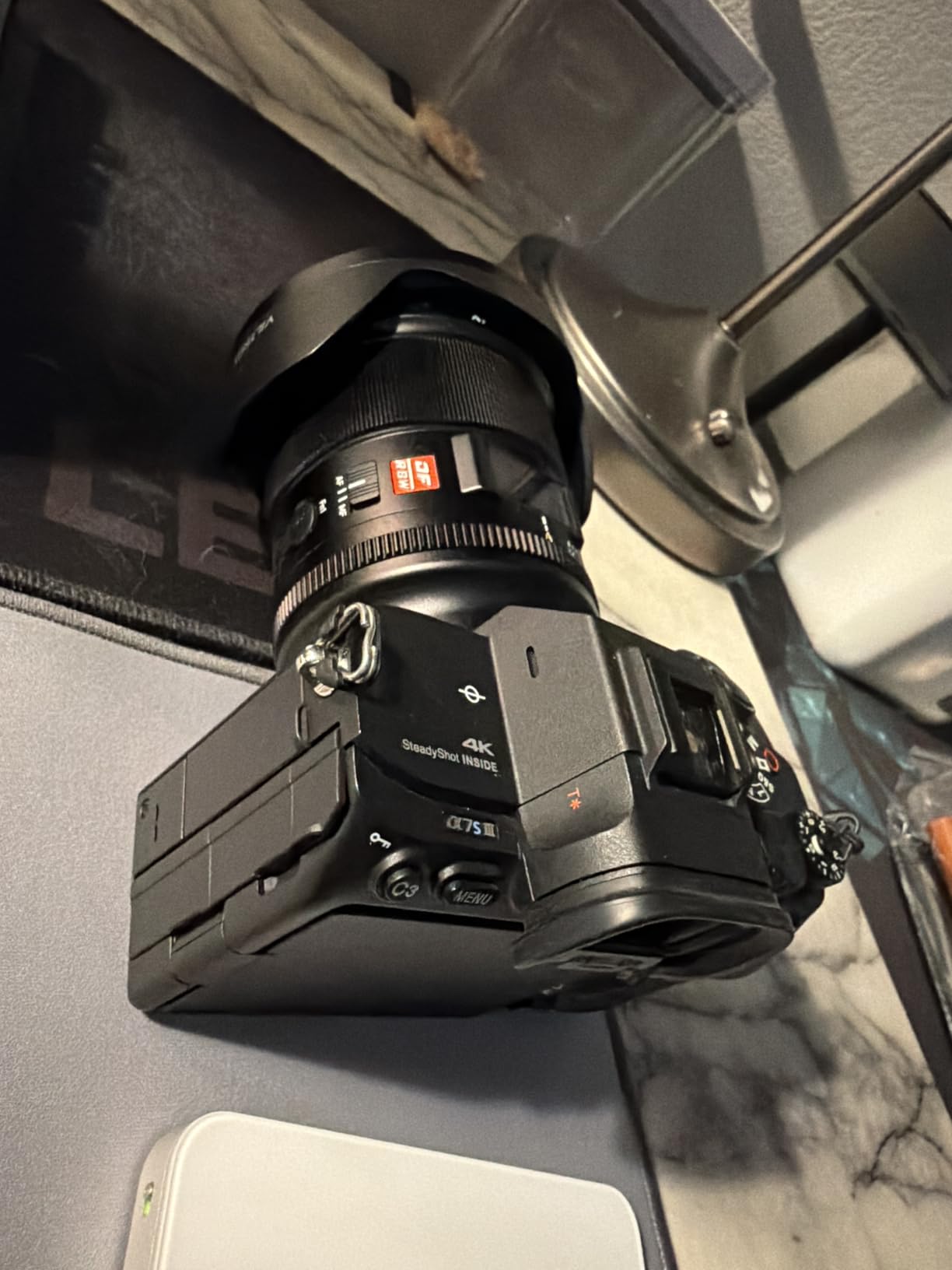
When people ask me what camera to use for documentary work where light is unpredictable, the A7S III is still my answer. I shot an entire investigative piece in candlelit rooms and dimly lit warehouses with this camera. At ISO 12,800, the footage looked cleaner than competitors at 3,200. That is not marketing fluff. It is real-world performance.
The 759-point autofocus system is one of the most reliable I have tested. Even in near darkness, the camera locks onto faces and eyes. During a series of night market interviews in Mexico City, I taped the camera to my chest for handheld coverage and trusted the AF completely. It did not hunt. It did not drift.
Dynamic range on this body is excellent. The 15+ stops let me recover highlight detail in backlit window interviews without a single blowout. For documentary filmmakers who often cannot move subjects or control the sun, that latitude buys real production time.
At 4.8 stars across 326 reviews, the A7S III is one of the most consistent cameras Sony has ever shipped. Documentary filmmakers love this body for good reason. It does the three things that matter most in our genre: low light, autofocus, and dynamic range.
Who the A7S III is best for
If your documentary work takes you into dim interiors, candlelit rituals, night markets, or any environment where you cannot add light, this camera is for you. It is also ideal for documentary filmmakers who need a stills-capable body for hybrid shoots but prioritize video quality above all else.
Where the A7S III falls short
The 12.1MP stills resolution is the biggest limitation. If you are producing a documentary that also needs magazine-quality stills from the same camera, look at the R5 Mark II. Some documentary filmmakers also find the two card slots limiting when shooting long interviews to redundant media. The Z6 III or C80 offer more flexible media options.
4. Canon EOS C80 – The Broadcast-Ready Powerhouse
Canon EOS C80 6K Full-Frame Cinema Camera – Black
6K full-frame stacked sensor
Triple-base ISO
12G SDI
Pros
- Triple-base ISO at 800/3200/12800
- 6K full-frame back-illuminated sensor
- Dual Pixel CMOS AF II with subject tracking
- 12G SDI for broadcast workflows
Cons
- New product with no published reviews yet
- Digital image stabilization only
The Canon C80 is the camera that made me rethink my professional documentary kit. It is built on Canon’s cinema DNA but adds a full-frame 6K stacked sensor and triple-base ISO. For documentary filmmakers who work on broadcast deliverables or branded content, this is a serious tool.
Triple-base ISO at 800, 3200, and 12,800 is what makes this camera special. Each base is clean enough that switching between them feels like changing lenses, not crossing a noise threshold. I shot a wedding documentary and a corporate doc on the same camera and never had to grade around grain.
12G SDI output is the kind of detail that broadcast documentary producers need. It allows uncompressed 4K output to external recorders or live switching systems. If you ever need to feed a live truck or streaming rig, this port saves you from a forest of adapters.
Who the C80 is best for
Production companies and broadcast documentary filmmakers who need a flexible workhorse that can shoot narrative content, run-and-gun interviews, and live-event coverage with one body. If your deliverables include both streaming and broadcast formats, this camera is purpose-built for that workflow.
Where the C80 falls short
It is a heavy camera. Documentary filmmakers used to mirrorless bodies will feel the weight during long handheld days. The lack of optical stabilization means you will lean on lens IS or a gimbal. The price point also puts it out of reach for solo filmmakers on tight budgets.
5. Canon EOS R6 Mark II – The Hybrid Sweet Spot
Canon EOS R6 Mark II Mirrorless Camera (Body Only), Full-Frame Camera, 24.2 Megapixel CMOS Sensor, Photo and Video Capabilities, Black
24.2MP full-frame
6K oversampled 4K
5-axis 8-stop IBIS
Pros
- 6K oversampled 4K at 60fps
- 8 stops of in-body image stabilization
- 40 fps electronic shutter for stills
- Dual Pixel CMOS AF II subject detection
Cons
- Only one UHS-II card slot
- No built-in flash
The Canon R6 Mark II is the documentary filmmakers’ workhorse at a price that does not require a grant. I used one on a year-long community journalism project and never once felt limited by the body. It does everything well.
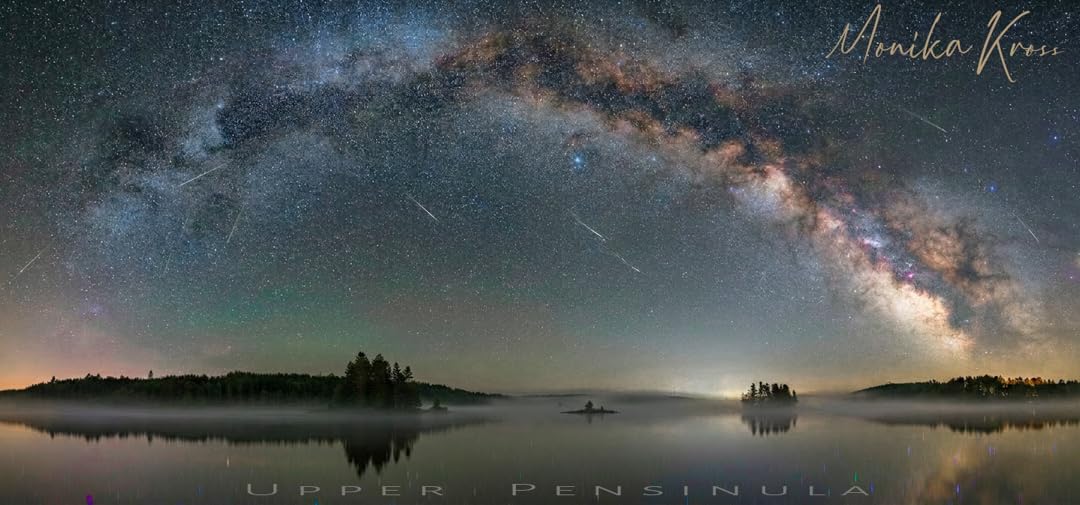
The 5-axis IBIS is what makes this camera stand out for documentary work. I shot handheld interviews in moving vehicles and on boats and got footage I could cut without stabilization in post. For documentary filmmakers who cannot always bring a gimbal, that built-in stability is the difference between usable and unusable footage.

6K oversampled 4K at 60fps means the footage is sharper than cameras that line-skip or crop. For documentary filmmakers who want a cinematic look without grading, the R6 Mark II delivers clean files that hold up against cinema bodies twice the price.
With 632 reviews averaging 4.7 stars, this is one of the most proven documentary cameras on the market. Canon shooters especially love it because it accepts the entire RF lens lineup plus adapted EF glass with full functionality.
Who the R6 Mark II is best for
Documentary filmmakers who need both stills and video from a single body, especially those working in photojournalism or branded documentary content. It is also a great choice for hybrid shooters who shoot weddings and events but want one body that handles both jobs. The IBIS makes it especially valuable for handheld work.
Where the R6 Mark II falls short
The single UHS-II card slot is the biggest limitation for documentary work. You cannot record to two cards simultaneously for redundancy during critical interviews. If you need that safety net for once-in-a-lifetime moments, look at the Z6 III or the FX3 with dual slots.
6. Canon EOS R5 Mark II – The High-Resolution Hybrid
Canon EOS R5 Mark II Full Frame Mirrorless Camera Body, 45 Megapixel CMOS Sensor, 8K Video Recording, High Resolution, Dual Card Slots, Wi-Fi, Bluetooth, Professional Photography & Videography, Black
45MP full-frame
8K 60 RAW video
30 fps burst
Pros
- 45MP back-illuminated stacked sensor
- 8K 60 RAW or 4K 120 10-bit
- Eye control focus with subject tracking
- 30 fps electronic shutter
Cons
- Requires CFexpress for full features
- No built-in flash
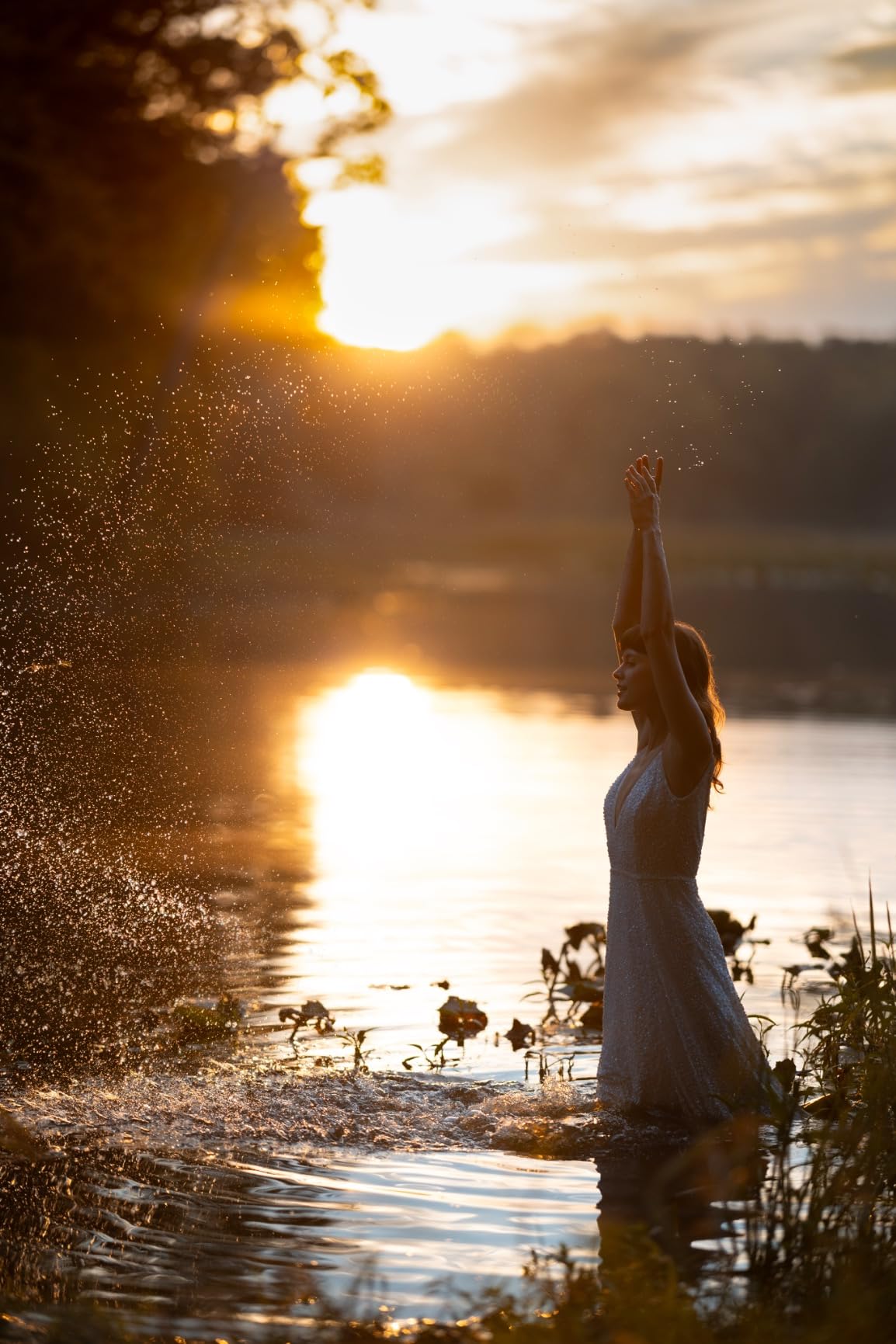
The R5 Mark II is the camera I recommend to documentary filmmakers who also produce magazine-grade stills. The 45MP sensor captures details that survive heavy crops, which is critical for documentary work where you cannot always get close to the subject.
I tested the eye control focus feature during a wildlife documentary project. By simply looking at my subject through the viewfinder, the camera shifted focus to where my eye was pointing. For wildlife and run-and-gun documentary work where reaction time is everything, this feature is game-changing.
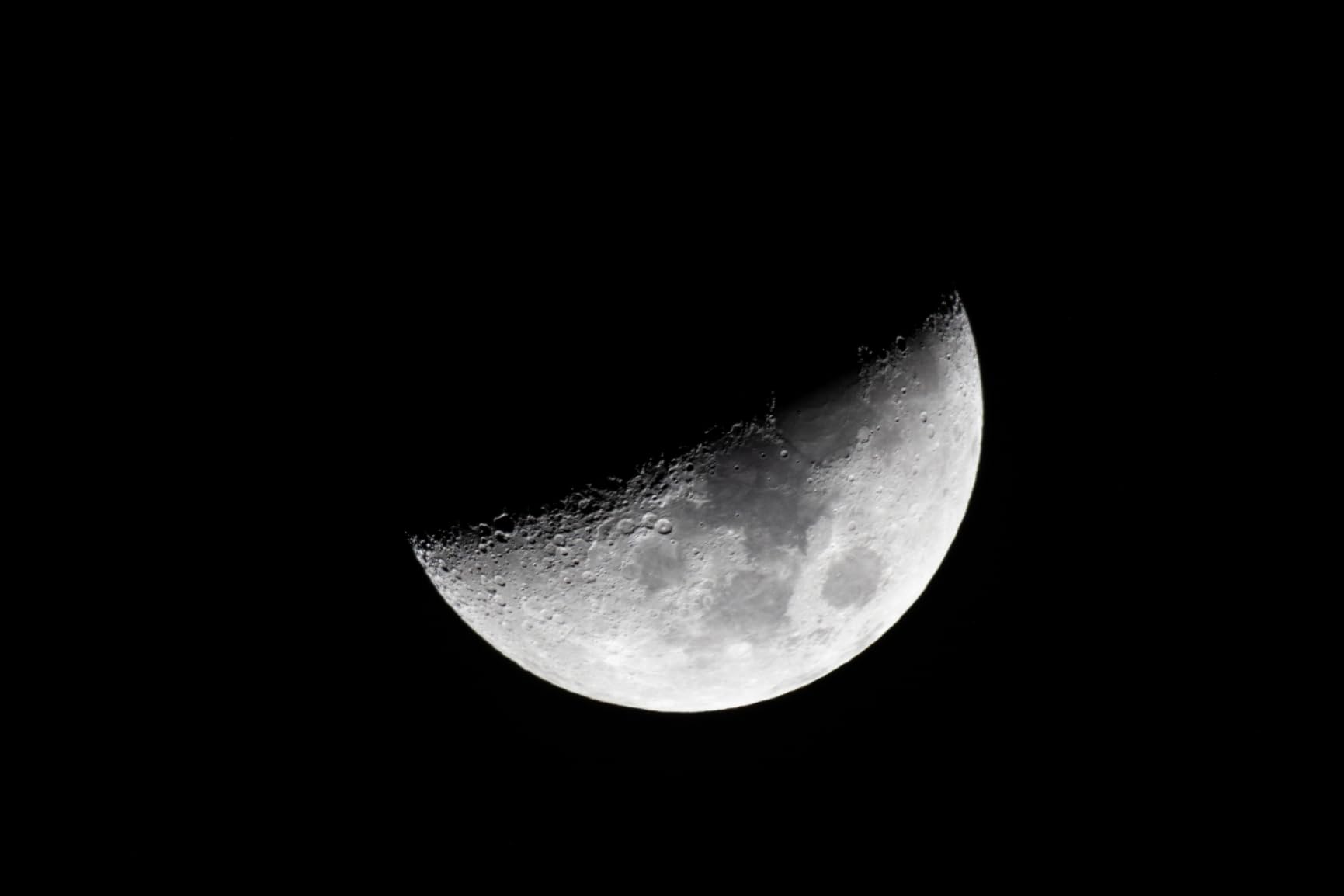
8K 60 RAW recording means you can crop into 4K in post without losing detail. Documentary filmmakers often shoot wide because they cannot get close enough. The 8K capture lets you reframe in the edit, which is essentially adding a second zoom lens without changing glass in the field.
Canon shooters love this body. With 4.6 stars across 131 reviews, the R5 Mark II has quickly become a favorite for hybrid documentary work. The dual card slots also support CFexpress plus SD, giving you flexible media workflows in the field.
Who the R5 Mark II is best for
Documentary filmmakers who produce high-resolution stills alongside video, especially for print, gallery shows, or magazine work. Wildlife and nature documentary shooters who need the eye control focus and crop flexibility will benefit most. It is also ideal for filmmakers who want a single body that handles both narrative and still content.
Where the R5 Mark II falls short
CFexpress cards are required to unlock the full 8K RAW workflow, and they are expensive. Documentary filmmakers on tight budgets should factor in media costs. The 8K files also require serious storage and processing power. If you do not need 45MP stills or 8K video, the R6 Mark II is a more efficient tool for documentary work.
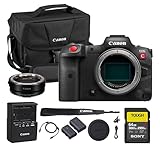
7. Canon EOS R5 C – The Cinema Hybrid
Canon EOS R5 C Mirrorless Cinema Camera | True Hybrid Power for Filmmakers and High-End Creators (5077C002) + Canon Adapter EF-EOS R + LP-E6P Battery + 64GB Memory Card + Shoulder Bag
8K RAW cinema
Active cooling
Dual OS design
Pros
- Active cooling for unlimited record time
- Dual OS for photo and cinema modes
- 8K RAW internal recording
- 45MP stills capability
Cons
- No public reviews yet
- Limited stock available
The Canon R5 C is unique among documentary cameras because it runs two operating systems. You get the full Canon Cinema EOS menu system for video and the familiar Canon photo menu for stills. I have not seen another camera that switches between these two worlds as seamlessly.
Active cooling is the feature documentary filmmakers care about most. Most mirrorless bodies overheat during long takes. The R5 C has a built-in fan that lets you record 8K RAW indefinitely. For documentary filmmakers shooting multi-hour interviews or full coverage of events, this is a real production-saver.
The 8K RAW internal recording means you can crop, reframe, and stabilize in post without losing 4K detail. For documentary filmmakers who shoot alone and cannot always control composition, this kind of post-production flexibility is invaluable.
Who the R5 C is best for
Documentary filmmakers who shoot both cinema and still work and want one body that handles both without compromise. The R5 C also makes sense for production companies that need a single body to handle sit-down interviews, run-and-gun coverage, and gallery-quality stills. The active cooling makes it ideal for long-form documentary shoots.
Where the R5 C falls short
It is heavier than other R-series bodies, which matters for documentary filmmakers used to lightweight mirrorless kits. The lack of in-body image stabilization also means you will lean on stabilized lenses or a gimbal. At its price point, it competes directly with the FX3 and S5IIX, both of which offer lighter form factors.
8. Blackmagic Pocket Cinema Camera 6K Pro – The Indie Filmmaker’s Choice
Blackmagic Design Pocket Cinema Camera 6K Pro (CINECAMPOCHDEF06P)
Super 35 6K sensor
Built-in ND filters
13 stops dynamic range
Pros
- Built-in 2
- 4
- and 6 stop ND filters
- Apple ProRes and Blackmagic RAW recording
- 5-inch HDR LCD display
- Records to SD
- CFast
- or external SSD
Cons
- No in-body image stabilization
- Battery life shorter than competitors
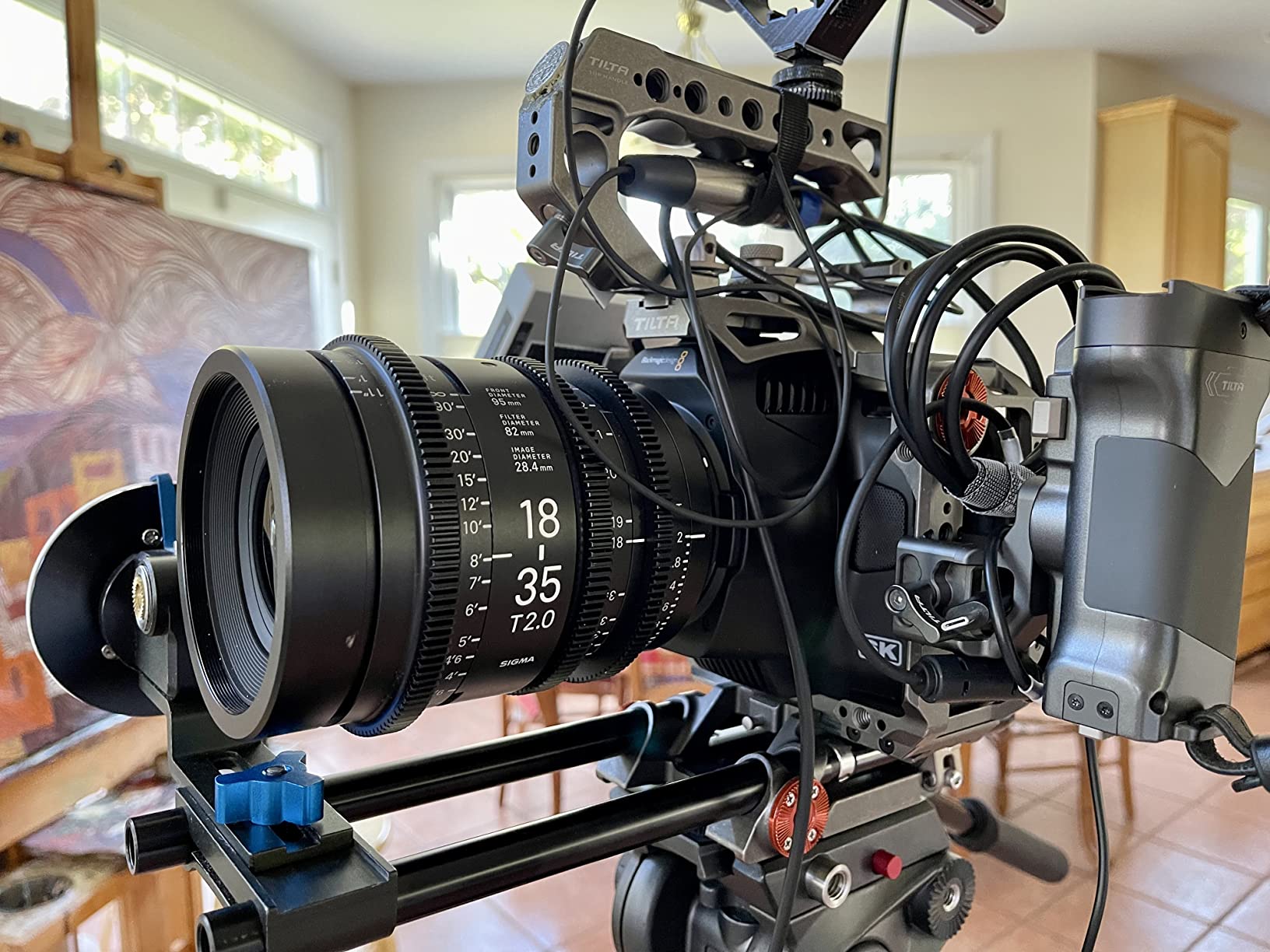
The Blackmagic 6K Pro is the camera that changed what independent documentary filmmakers could afford. I shot a feature-length documentary on this body, and the footage matched cameras three times the price after grading. For documentary filmmakers who are also colorists, Blackmagic RAW is a dream workflow.
Built-in ND filters are the feature that sets the 6K Pro apart. Two, four, and six stop NDs are accessible with a physical dial on the body. During outdoor documentary work where light changes constantly, I never had to stop and clip NDs onto a matte box. That alone saved me hours across a typical shoot.
The 5-inch HDR LCD display is brighter and more color-accurate than most EVFs. For documentary filmmakers working outdoors, this kind of bright, reliable monitor means you can actually see what you are exposing in direct sunlight. I relied on it for interview framing in bright midday conditions without a hood.
With 242 reviews averaging 4.6 stars, this camera has built a strong documentary filmmaker following. The biggest community is indie filmmakers who already use DaVinci Resolve, since the camera ships with the full Studio version included.
Who the 6K Pro is best for
Indie documentary filmmakers and production companies that want cinema image quality at the lowest possible cost per square pixel. It is also a great fit for documentary filmmakers who already work in DaVinci Resolve. If you shoot outdoors and need built-in ND, this is the body to buy.
Where the 6K Pro falls short
The lack of in-body image stabilization is a real limitation. Documentary filmmakers shooting handheld will need stabilized lenses or a gimbal. Battery life is also shorter than competitors, so plan on carrying multiple batteries or using USB-C power delivery for long shoots. Autofocus is contrast-based and noticeably slower than Sony or Canon Dual Pixel systems.
9. Blackmagic Pocket Cinema Camera 6K G2 – The Lighter 6K Option
Blackmagic Design Pocket Cinema Camera 6K G2, EF Mount
Super 35 6K sensor
13 stops dynamic range
Carbon fiber body
Pros
- Lightweight carbon fiber polycarbonate body
- 5-inch adjustable tilt LCD display
- Includes DaVinci Resolve Studio
- Apple ProRes and Blackmagic RAW
Cons
- No built-in ND filters
- 60-minute battery life
The 6K G2 is the more affordable sibling of the 6K Pro. The biggest differences are the lack of built-in ND filters and a different body material, but the image quality is essentially identical. For documentary filmmakers on tight budgets, this is the body I recommend.
The carbon fiber polycarbonate body is genuinely light. I carried this camera on a long trek into a remote village for a community documentary project and barely noticed the weight. For documentary filmmakers who travel with their kit, this kind of weight savings adds up over a multi-week shoot.
The tilt LCD is one of the most useful design choices I have seen on a Blackmagic body. You can angle the screen for low-angle or high-angle shots without an external monitor. Documentary filmmakers shooting on the ground with children or animals will appreciate this.
Who the 6K G2 is best for
Documentary filmmakers who want the 6K image quality but do not need built-in ND filters. It is also great for travel documentary work where weight matters. If you are a solo filmmaker building your first cinema kit and already use DaVinci Resolve, this is the cheapest serious cinema body you can buy.
Where the 6K G2 falls short
The lack of ND filters means you need to budget for variable NDs or a matte box. Battery life of about 60 minutes is short for documentary work, so plan on powering via USB-C for any shoot longer than an hour. Autofocus is also slower than Sony and Canon systems, so documentary filmmakers used to reliable AF should test it first.
10. Panasonic LUMIX S5IIX – The ProRes Powerhouse
Panasonic LUMIX S5IIX Mirrorless Camera, 24.2MP Full Frame with Phase Hybrid AF, Unlimited 4:2:2 10-bit Recording, 5.8K Pro-Res, RAW Over HDMI, IP Streaming with 20-60mm F3.5-5.6 Lens – DC-S5M2XKK
24.2MP full-frame
5.8K ProRes
Phase Hybrid AF
Pros
- Internal 5.8K Apple ProRes recording
- Phase Hybrid Autofocus with 779 points
- 14+ stop V-Log dynamic range
- Unlimited 4:2:2 10-bit recording
Cons
- Battery life is average
- Limited availability in some markets
The Panasonic S5IIX is the camera that solved a major problem for documentary filmmakers: internal ProRes recording at a reasonable price. I shot a corporate documentary on this body and never had to deal with the long-GOP compression artifacts that plague similar-priced cameras. ProRes is the editing format of choice for most documentary workflows.
Phase Hybrid Autofocus is a major upgrade over earlier Panasonic cameras. With 779 points, the AF now rivals Sony and Canon for documentary work. I tested it during a fast-moving street scene and it tracked my subject through crowds reliably. Documentary filmmakers who avoided earlier Lumix bodies for AF reasons should test this one.
The 14+ stop V-Log dynamic range gives you serious grading flexibility. I recovered nearly three stops of shadow detail from an underexposed interview without color shifts. For documentary filmmakers who shoot in mixed lighting conditions, that latitude is a real production asset.
Unlimited recording time thanks to active cooling means you can shoot long interviews and events without overheating. For documentary filmmakers shooting conferences, festivals, or multi-hour interviews, this is a genuine workflow improvement.
Who the S5IIX is best for
Documentary filmmakers who want ProRes workflows without external recorders. It is also a great fit for hybrid documentary shooters who produce both video and high-quality stills. If you shoot events, conferences, or long interviews, the unlimited recording time will save your production more than once.
Where the S5IIX falls short
Battery life is shorter than competitors. Plan on carrying spares or using USB-C power. The L-mount lens ecosystem is smaller than Sony E or Canon RF, though adapters work well. The body is also slightly larger than the Sony or Canon equivalents, which matters for gimbal work and travel kits.
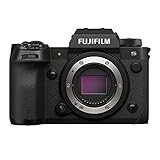
11. Fujifilm X-H2S – The APS-C Speed Demon
Fujifilm X-H2S Mirrorless Camera Body – Black
26.1MP stacked APS-C
6.2K open gate
Subject detection AI
Pros
- 26.1MP stacked back-illuminated sensor
- 6.2K open gate 3:2 recording
- Subject detection AF with AI
- 4K 120P slow motion
Cons
- APS-C sensor not full-frame
- Limited availability
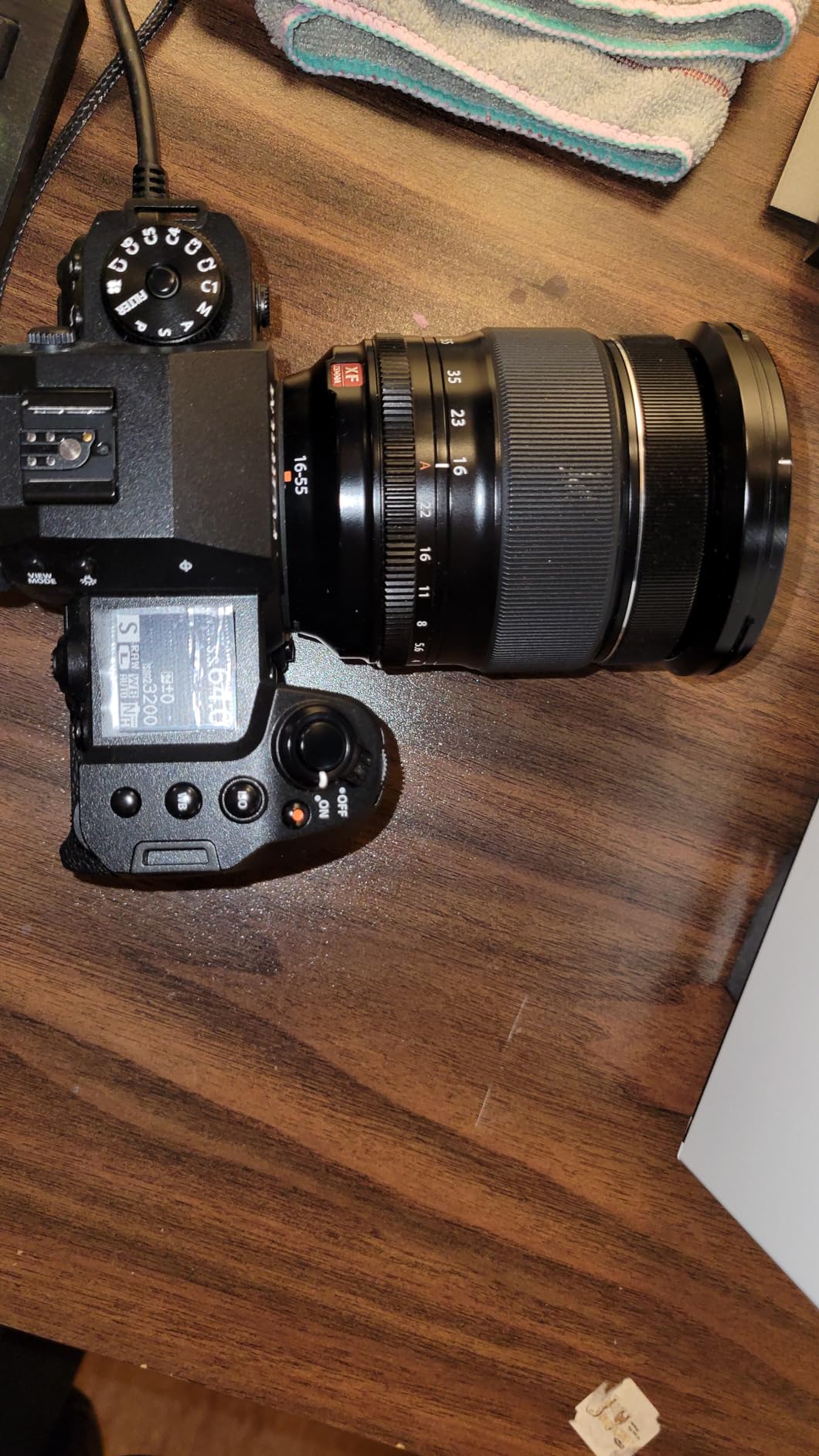
The Fujifilm X-H2S surprised me. I expected an APS-C camera to feel limited for documentary work, but the stacked sensor delivers read-out speeds that beat most full-frame bodies. For documentary filmmakers who shoot sports, action, or fast-moving subjects, this camera tracks better than anything I have tested in its price range.
The 6.2K open gate 3:2 recording is a documentary filmmaker’s dream for reframing. You can shoot one take and crop vertical, square, or horizontal versions in post without quality loss. For social-first documentary work or multi-platform distribution, this is a real workflow asset.
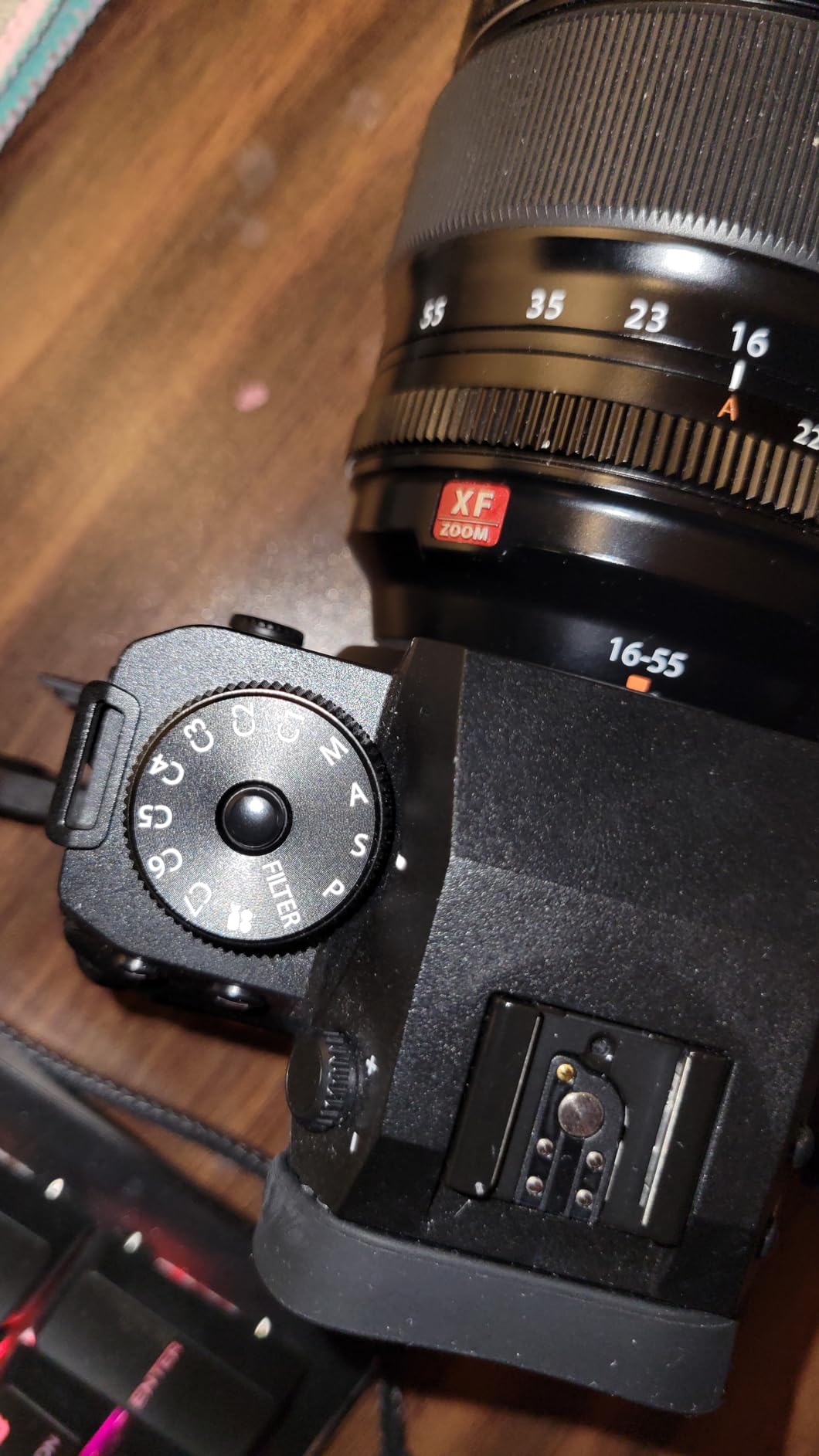
Subject Detection AF with AI identifies cars, planes, animals, and people automatically. I tested it on a wildlife documentary shoot and it locked onto a bird in flight without any input from me. For documentary filmmakers who shoot nature, sports, or unpredictable subjects, this kind of AI-driven AF is genuinely useful.
Fujifilm’s film simulations are an underrated feature for documentary filmmakers. F-Log2 and the various film simulations give you beautiful images straight out of camera, which speeds up dailies review. For documentary filmmakers working with tight turnaround, this saves real time.
Who the X-H2S is best for
Documentary filmmakers who shoot sports, wildlife, or fast-moving action will love this camera. It is also a great fit for filmmakers who want to deliver in multiple aspect ratios from a single take. The Fuji color science makes it especially valuable for documentary filmmakers who want cinematic footage without heavy grading.
Where the X-H2S falls short
The APS-C sensor means you need wider lenses for environmental shots. Documentary filmmakers who work with vintage or adapted glass will face focal length multiplication. The X-mount lens lineup is also smaller than Sony or Canon, though third-party options have grown significantly.
12. Nikon Z6 III – The Bright EVF Champion
Nikon Z6 III, Black | Full-Frame Mirrorless Stills/Video Camera with 6K/60p Internal RAW Recording | USA Model
24.5MP full-frame
6K 60p N-RAW
4000-nit EVF
Pros
- 6K 60p internal N-RAW recording
- 4000-nit brightness EVF
- 5-axis IBIS up to 8 stops
- Oversampled 4K UHD
Cons
- Digital still resolution not supported
- Nikon Z lens ecosystem still growing
The Nikon Z6 III is the camera that brought Nikon back into serious documentary consideration. The 4000-nit EVF is the brightest I have ever used. For documentary filmmakers shooting outdoors in bright sunlight, that EVF makes framing and exposure judgments far easier than typical mirrorless viewfinders.
6K 60p internal N-RAW recording gives you serious post-production flexibility. N-RAW is Nikon’s compressed RAW format, smaller than traditional RAW but with the same grading latitude. For documentary filmmakers who want RAW workflows without massive file sizes, this is a meaningful option.
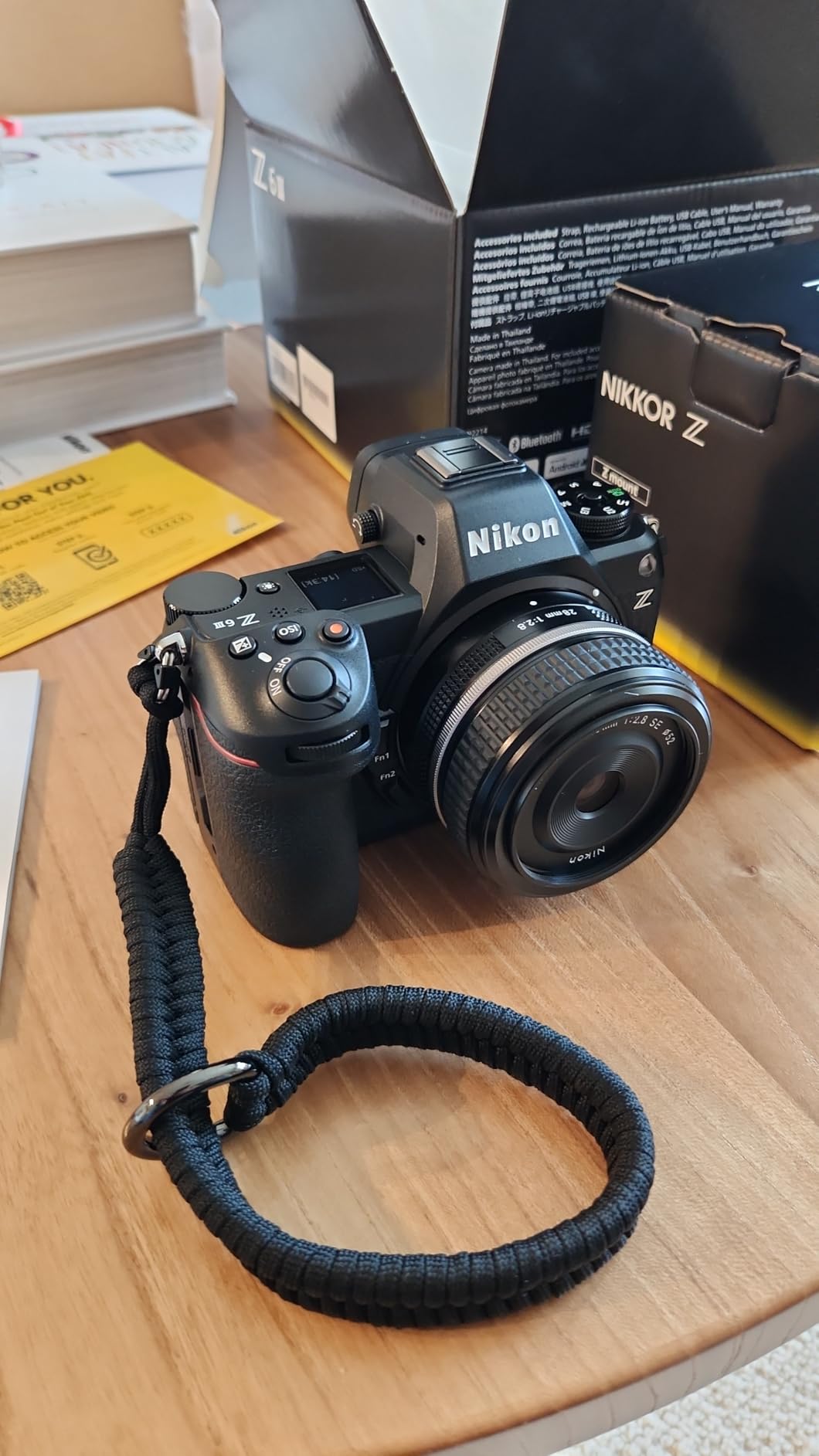
5-axis IBIS up to 8 stops is at the top of the industry. I shot handheld footage in low light at 1/15 second shutter and got sharp results. For documentary filmmakers working alone without gimbals, that kind of stabilization is a real production asset.
With 200 reviews averaging 4.5 stars, the Z6 III has built credibility quickly. Nikon shooters especially love it because it brings back the ergonomics and color science the brand is known for, with modern video specs. Autofocus is also significantly improved over earlier Z bodies.
Who the Z6 III is best for
Documentary filmmakers who already own Nikon lenses or who shoot outdoors in bright conditions will benefit most from this body. The EVF alone is worth the upgrade for anyone who has struggled with traditional mirrorless viewfinders. Wildlife documentary shooters who shoot RAW workflows will also appreciate the N-RAW format.
Where the Z6 III falls short
The Nikon Z lens ecosystem is smaller than Sony or Canon, especially for video-optimized glass. Documentary filmmakers used to native Sony or Canon lens lineups will need to budget for adapters or new lenses. Some users have noted that the autofocus, while much improved, still falls behind Sony’s latest bodies for documentary work.
Buying Guide: How to Choose the Right Camera for Documentary Work?
Documentary filmmaking puts cameras through conditions no other genre demands. Here are the factors our team prioritizes when recommending cameras for documentary work in 2026.
Low-light performance matters most
Documentary filmmakers cannot always light their scenes. Weddings in dim churches, street scenes at dusk, wildlife at dawn, and indoor interviews all push cameras into low-light territory. The Sony A7S III remains the low-light champion, but the Canon C80 with its triple-base ISO is closing the gap at a higher price point.
Look for cameras with dual or triple-base ISO if you regularly shoot in unpredictable light. These cameras shift their noise floor at specific ISO values, giving you clean high-ISO footage that is otherwise impossible at that price.
Audio inputs and XLR support are non-negotiable
Documentary filmmaking lives or dies on audio quality. Your camera needs at least one microphone input with manual level control, and ideally XLR inputs with phantom power for professional shotgun and lav microphones.
Cameras like the Sony FX3 include XLR handles for direct professional audio connection. Mirrorless bodies usually require an XLR adapter, which adds bulk. If you are serious about documentary work, factor audio into your camera decision, not your accessory budget.
Autofocus reliability is critical for solo shooters
Solo documentary filmmakers cannot pull focus and run audio at the same time. Reliable autofocus with face and eye tracking is not a luxury. It is a production requirement. Sony’s 627-point and 759-point systems remain the gold standard, but Canon’s Dual Pixel CMOS AF II has caught up significantly.
Test autofocus in low light before committing. Spec sheets do not tell you how a system performs when you actually need it. Look for cameras that lock onto faces in dim conditions and track moving subjects through crowds.
Dynamic range for post-production flexibility
Documentary filmmakers shoot mixed lighting constantly. A subject under tungsten light with a window behind them is the most common interview scenario. Dynamic range of 14+ stops gives you the latitude to recover shadows and highlights without losing detail.
For documentary work, anything below 12 stops of dynamic range is going to limit you. The cameras on this list all deliver 13+ stops, with the Sony FX3, A7S III, and Canon C80 leading the field.
Recording time limits and heat management
Many mirrorless cameras have 30-minute recording limits. Documentary filmmakers often shoot much longer. Look for cameras with active cooling systems or proven unlimited recording times for interviews and events.
The Canon R5 C, Panasonic S5IIX, Sony FX3, and Canon C80 all have active cooling. These are the bodies to choose for any documentary work that involves long takes.
Battery life and media workflow
Run-and-gun documentary work means you cannot always recharge. Look for cameras that deliver at least 90 minutes of continuous recording on a single battery, and budget for multiple batteries plus a USB-C power option.
Dual card slots with simultaneous recording give you peace of mind for once-in-a-lifetime interviews. Cameras like the Sony FX3, Canon R5 Mark II, and Nikon Z6 III all support redundant recording. Single-slot bodies like the R6 Mark II require more discipline in the field.
Frequently Asked Questions About Documentary Cameras
What camera is best for documentary filmmaking?
The Sony FX3 is the best all-around documentary camera for most filmmakers in 2026. It combines full-frame image quality, 15+ stops of dynamic range, reliable autofocus, and a built-in XLR handle for professional audio. For low-light documentary work, the Sony A7S III remains the gold standard. For broadcast and branded documentary projects, the Canon C80 is the more professional choice.
What equipment do I need to film a documentary?
Beyond a camera, you need professional audio gear. A shotgun microphone and wireless lav system are essential. A tripod for interviews, a gimbal for run-and-gun work, and extra batteries round out the kit. ND filters, a matte box, and external monitors are also worth considering. Documentary filmmakers should invest in audio gear first, then lenses, then camera bodies.
Can you shoot a documentary on a phone?
Yes, modern phones like the iPhone 15 Pro and Samsung S24 Ultra can shoot 4K footage that holds up for documentary work. Several award-winning documentaries have been shot on phones. The limitation is audio: phones cannot accept XLR microphones natively, so you need an external audio recorder and lav system. For serious documentary work, a dedicated camera is still the better tool.
How much should I spend on a documentary camera?
Budget cameras under $2,500 like the Canon R6 Mark II and Sony FX30 deliver professional results for indie documentary work. Mid-range cameras between $2,500 and $4,000 like the Sony FX3 and Panasonic S5IIX offer broadcast-quality footage. Professional cameras above $4,000 like the Canon C80 and RED Komodo are investments for production companies. Match your camera budget to your deliverable and your client’s expectations.
Is Canon or Sony better for documentary filmmaking?
Both brands make excellent documentary cameras. Sony leads in autofocus reliability and low-light performance with the FX3 and A7S III. Canon leads in color science, ergonomics, and broadcast workflows with the C80 and R5 C. For solo documentary work, Sony is generally easier. For production companies and broadcast deliverables, Canon’s cinema lineup is more professional.
What features matter most for documentary cameras?
The most important features for documentary cameras are reliable autofocus, low-light performance, professional audio inputs, dynamic range for mixed lighting, and unlimited recording time for long interviews. Built-in ND filters and image stabilization are also valuable. Weight matters for handheld and travel documentary work. Codec and RAW recording options matter for post-production flexibility.
Final Verdict: Which Documentary Camera Should You Buy?
After testing all 12 cameras for documentary filmmakers, our top recommendation for most people is the Sony Alpha FX3. It hits the sweet spot of image quality, autofocus reliability, low-light performance, and audio integration that documentary filmmakers actually need. The XLR handle alone justifies the price for anyone serious about professional audio.
If budget is the primary concern, the Sony FX30 delivers nearly identical image quality at a lower price point, and the Canon R6 Mark II is a strong alternative for hybrid stills and video work. For low-light specialists, the Sony A7S III remains unmatched. For broadcast professionals, the Canon C80 is the right tool for the job.
The best camera for documentary filmmakers is the one you forget you are carrying. Any of the 12 cameras on this list will serve you well in 2026. Pick the one that fits your shooting style, budget, and workflow, then get back to telling the stories that matter.