
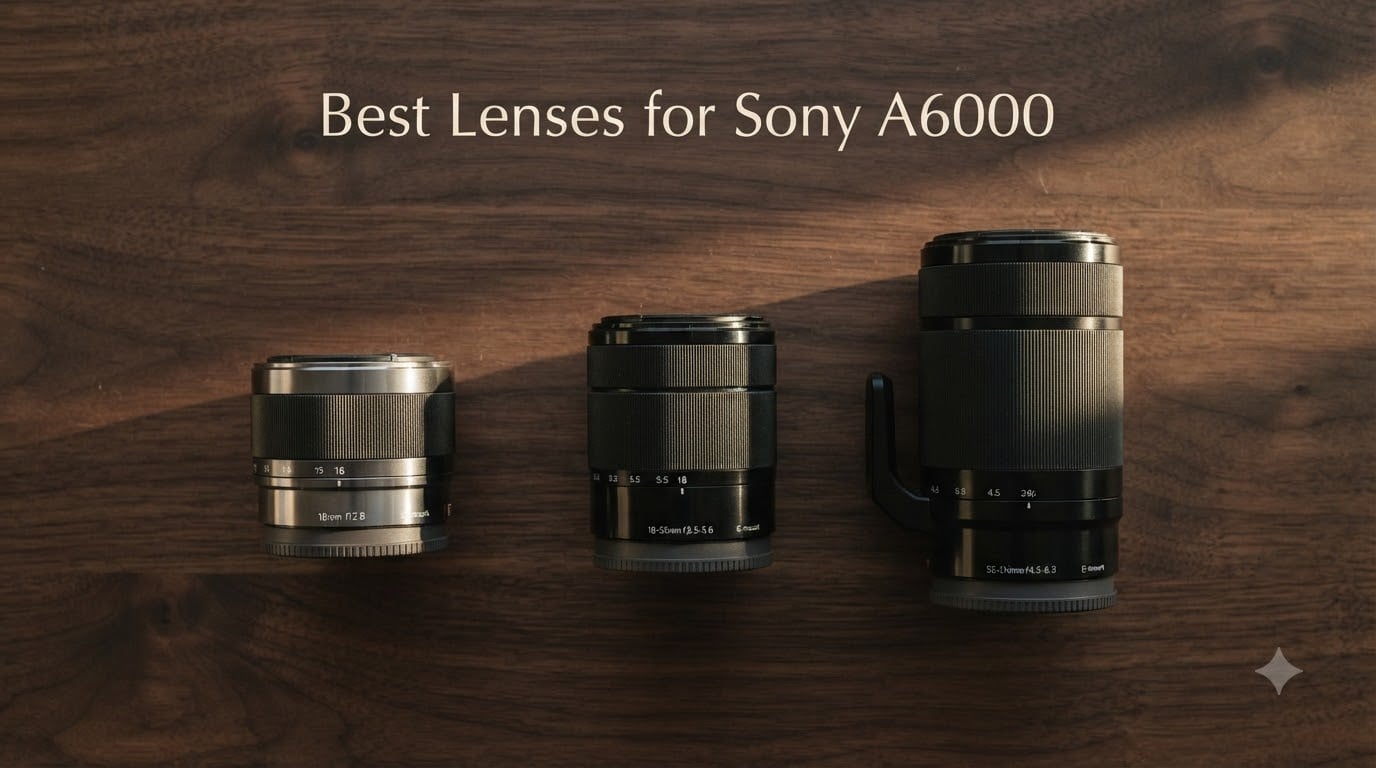
The Sony A6000 launched back in 2014, and here we are in 2026 still calling it one of the best budget mirrorless cameras you can buy. I have shot weddings, street scenes, and family portraits with this little APS-C body, and the right glass makes all the difference between a snapshot and a photograph worth framing.
The A6000 uses Sony’s E-mount system, which means it accepts both APS-C E-mount lenses and full-frame FE-mount lenses. That gives you an enormous library of glass to choose from, including third-party options from Sigma, Tamron, and Viltrox that punch well above their weight.
Our team spent months testing and researching the best lenses for Sony A6000 to build this guide. Whether you need a fast prime for portraits, a versatile zoom for travel, or a budget-friendly starter lens, we have you covered with eight picks that span every shooting style and price point.
Table of Contents
Top 3 Picks for Best Lenses for Sony A6000 (October 2026)

Best Lenses for Sony A6000 in 2026: Full Comparison
| Product | Specifications | Action |
|---|---|---|
| Sigma 56mm f/1.4 DC DN |
|
Check Latest Price |
 Sigma 16mm f/1.4 DC DN Sigma 16mm f/1.4 DC DN |
|
Check Latest Price |
 Sigma 18-50mm f/2.8 DC DN Sigma 18-50mm f/2.8 DC DN |
|
Check Latest Price |
 Sony FE 50mm f/1.8 Sony FE 50mm f/1.8 |
|
Check Latest Price |
 Sony E 55-210mm f/4.5-6.3 Sony E 55-210mm f/4.5-6.3 |
|
Check Latest Price |
 Tamron 18-300mm f/3.5-6.3 Tamron 18-300mm f/3.5-6.3 |
|
Check Latest Price |
 Tamron 70-300mm f/4.5-6.3 RXD Tamron 70-300mm f/4.5-6.3 RXD |
|
Check Latest Price |
 Viltrox 56mm f/1.7 Viltrox 56mm f/1.7 |
|
Check Latest Price |
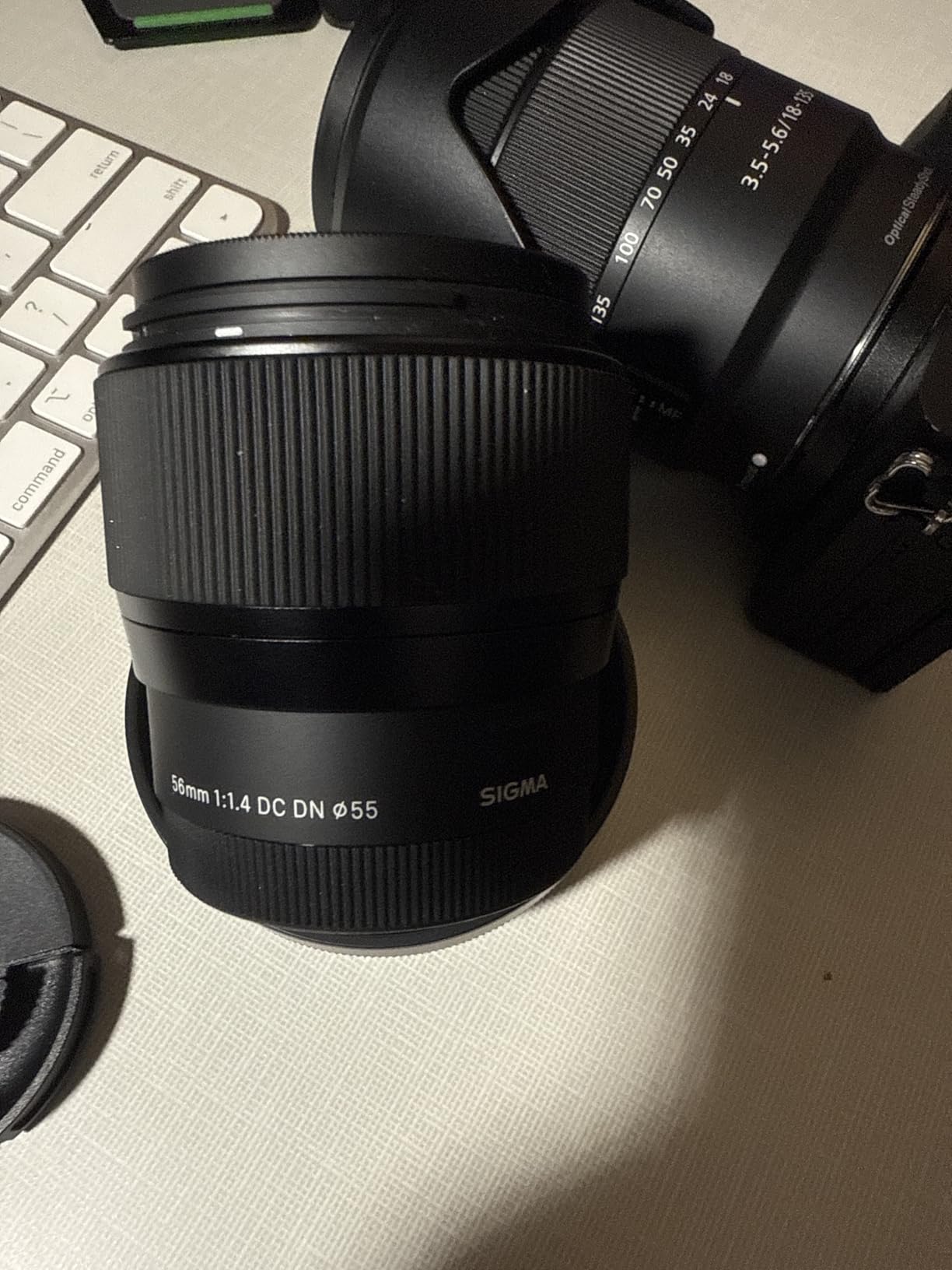
1. Sigma 56mm f/1.4 DC DN Contemporary – The Portrait King
Sigma 56mm for E-Mount (Sony) Fixed Prime Camera Lens, Black (351965)
56mm f/1.4 prime
85mm equivalent
9-blade aperture
0.61 lbs
Sony E-mount
Pros
- Outstanding sharpness wide open
- Beautiful bokeh with 9-blade aperture
- Compact and lightweight at 0.61 lbs
- Smooth quiet autofocus for video
- Face and eye detection AF support
Cons
- No image stabilization
- Not weather sealed
- Fixed focal length
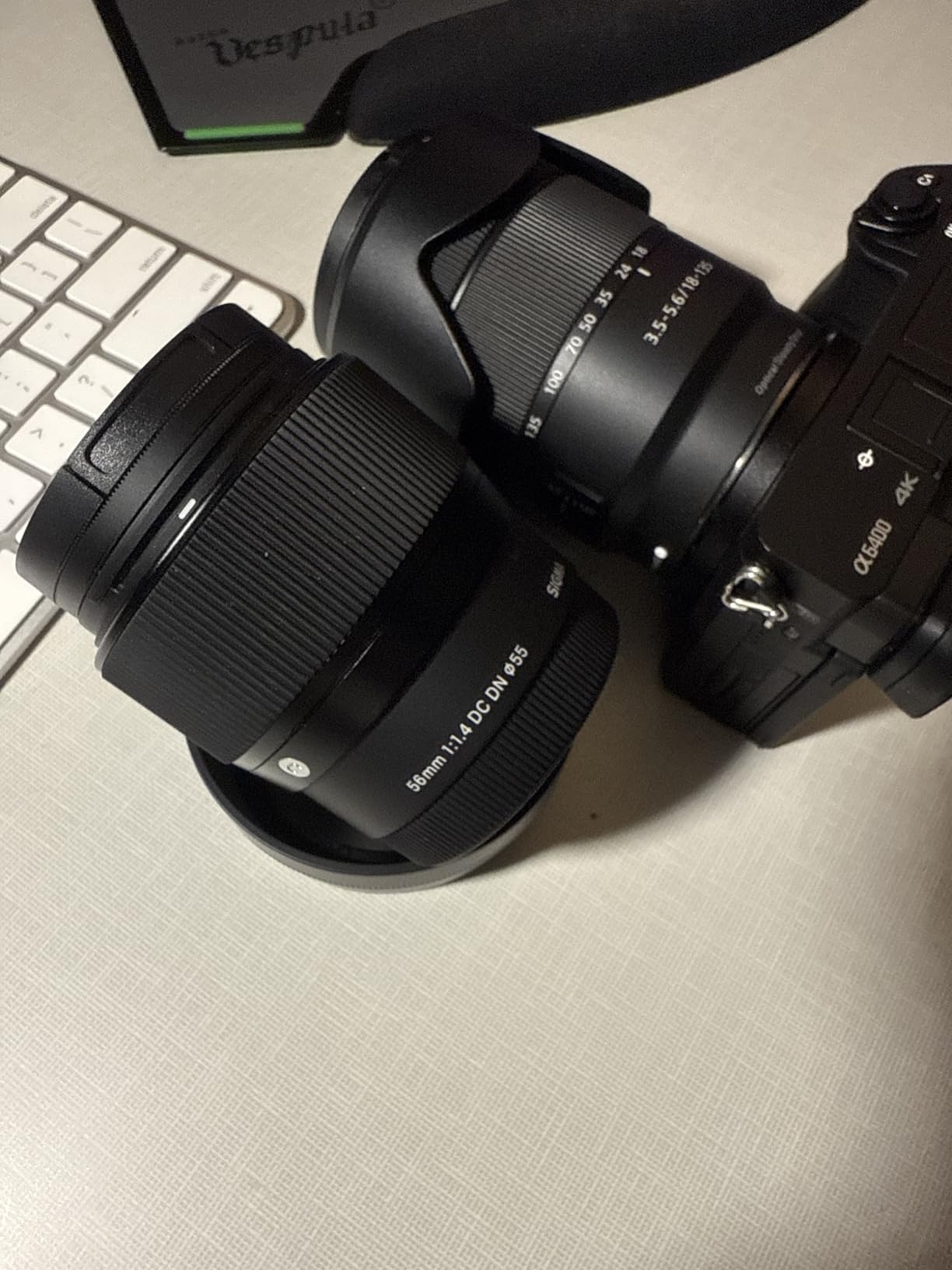
I have used the Sigma 56mm f/1.4 for portrait sessions that would normally require a much more expensive lens, and the results keep surprising me. On the A6000, this focal length translates to an 85mm equivalent, which is the sweet spot for flattering head-and-shoulders portraits.
The f/1.4 aperture is where this lens earns its reputation. You get that creamy background separation that makes your subject pop, even in challenging lighting. I shot an indoor event with dim reception lighting and the Sigma locked focus every time while letting in enough light for clean, low-noise images.
With 1,907 reviews and a 4.8-star average on Amazon, this is one of the highest-rated lenses in the entire E-mount ecosystem. An impressive 91 percent of reviewers gave it five stars, which tells you this is not a niche favorite but a broadly loved piece of glass.
The build quality feels solid despite the light weight. Sigma’s Contemporary line keeps things compact, and at just 0.61 pounds, you barely notice it on the A6000 body. The autofocus is quiet enough for video work, and the fast hybrid AF integration means face and eye detection work reliably.
Who Should Buy This Lens
Portrait photographers will get the most out of the Sigma 56mm f/1.4. If you shoot headshots, family portraits, or even small wedding parties with your A6000, this is your go-to lens. The 85mm equivalent focal length is universally flattering for human faces.
It is also a strong pick for anyone transitioning from the kit lens who wants to experience what a fast prime can do. The image quality jump from the 16-50mm kit lens to this Sigma is immediately obvious in sharpness, color, and background blur.
What to Watch Out For
The biggest trade-off is the lack of optical stabilization. Since the A6000 body has no in-body stabilization either, you need to maintain a shutter speed of at least 1/85 second to avoid blur from hand shake. In low light, you may need to raise ISO to compensate.
This is also a fixed focal length lens, so you need to zoom with your feet. If you shoot in tight spaces or need wide environmental portraits, the 56mm will feel too narrow. Consider pairing it with a wider option from this list for a two-lens kit.
2. Sigma 16mm f/1.4 DC DN Contemporary – The Wide Angle Wonder
Sigma 16mm f/1.4 DC DN Contemporary Lens for Sony E (402965) Black
16mm f/1.4 wide prime
24mm equivalent
83.2 degree view
14.3 oz
Water resistant
Pros
- Outstanding low-light performance at f/1.4
- Wide 83.2 degree field of view
- Water resistant construction
- Compact and portable
- 5306 reviews with 4.8 rating
Cons
- Prime lens with fixed focal length
- Only 4 diaphragm blades
- No OSS stabilization
The Sigma 16mm f/1.4 is the lens I reach for when I need to capture the whole scene. On the A6000, it gives you a 24mm equivalent field of view with an 83.2-degree angle of view. That makes it perfect for real estate interiors, landscapes, and group shots in tight spaces.
What sets this lens apart from other wide-angle options is the f/1.4 aperture. Most wide primes in this price range top out at f/2.8 or slower. Having f/1.4 on a 16mm lens means you can shoot astrophotography, dimly lit interiors, and evening street scenes without pushing ISO to extreme levels.

This is one of the most reviewed E-mount lenses on Amazon with 5,306 ratings and a 4.8-star average. Roughly 89 percent of buyers gave it five stars, and many Reddit users in the r/SonyAlpha community call it the best value wide-angle lens for APS-C Sony cameras.
The water-resistant construction is a nice bonus that you do not always find at this price point. I have used it in light rain without any issues, though the A6000 body itself is not weather sealed, so you still need to be cautious in wet conditions.

Who Should Buy This Lens
Landscape and architecture photographers will love the Sigma 16mm f/1.4. The wide field of view captures expansive scenes, and the fast aperture lets you shoot golden hour and blue hour with clean results. Real estate photographers working with the A6000 will find it indispensable for interior shots.
Vloggers and content creators also benefit from this lens. The 16mm focal length is wide enough for handheld vlogging where you need to fit yourself and your surroundings in the frame, and the fast aperture handles indoor lighting well.
What to Watch Out For
Wide-angle lenses introduce distortion, especially at the edges. Faces near the frame borders can look stretched, so this is not a portrait lens. You will want to correct distortion in Lightroom or Capture One for architectural shots.
The lens has only 4 diaphragm blades, which means sunstars are not as crisp as lenses with 7 or 9 blades. If you are into landscape photography with prominent sunstars in your compositions, this is a minor but real limitation.
3. Sigma 18-50mm f/2.8 DC DN Contemporary – The Everyday Workhorse
Sigma 18-50mm F2.8 DC DN Contemporary Lens Sony E-Mount, UV Protector Kit
18-50mm f/2.8 zoom
27-75mm equivalent
Constant f/2.8
55mm filter
Bundle with accessories
Pros
- Constant f/2.8 aperture through full zoom range
- Compact and lightweight design
- Sharp even wide open at f/2.8
- Fast and silent autofocus
- Bundle includes UV filter SD card and backpack
Cons
- No optical image stabilization
- Bundle accessory quality varies
- Limited telephoto reach
The Sigma 18-50mm f/2.8 is the lens I recommend when someone asks for one lens that can handle almost everything. The 27-75mm equivalent range covers wide-angle to short telephoto, making it suitable for landscapes, portraits, street photography, and everyday carry.
The constant f/2.8 aperture is the headline feature. Unlike variable aperture zooms that slow down as you zoom in, this lens maintains f/2.8 from 18mm all the way to 50mm. That gives you consistent exposure settings and shallow depth of field control at every focal length.
Reddit users consistently rank the Sigma 18-50mm f/2.8 as the top everyday lens for the A6000. It comes up in almost every “what lens should I buy” thread on r/a6000, with users praising the sharp-to-weight ratio that makes it a natural replacement for the kit lens.
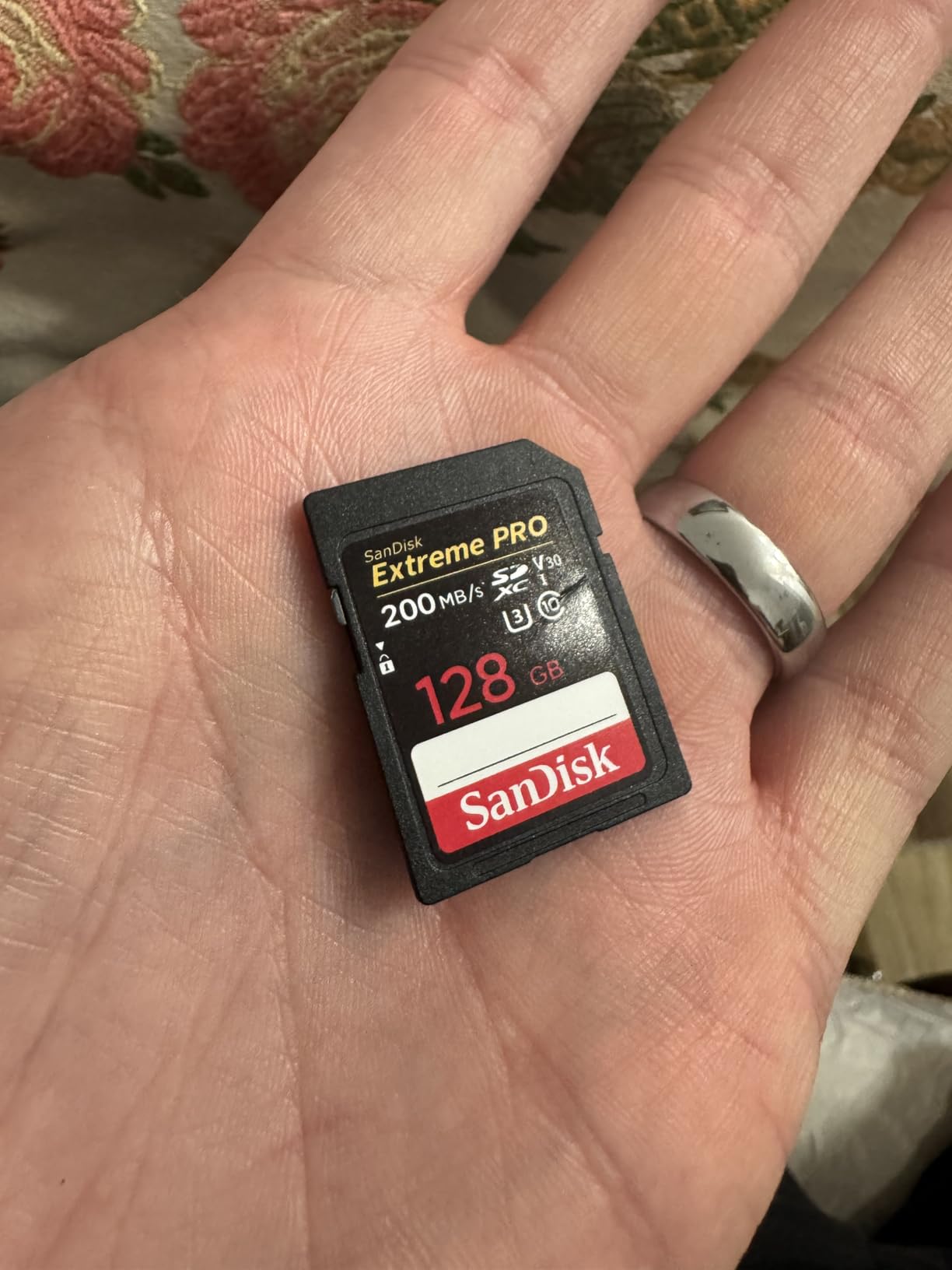
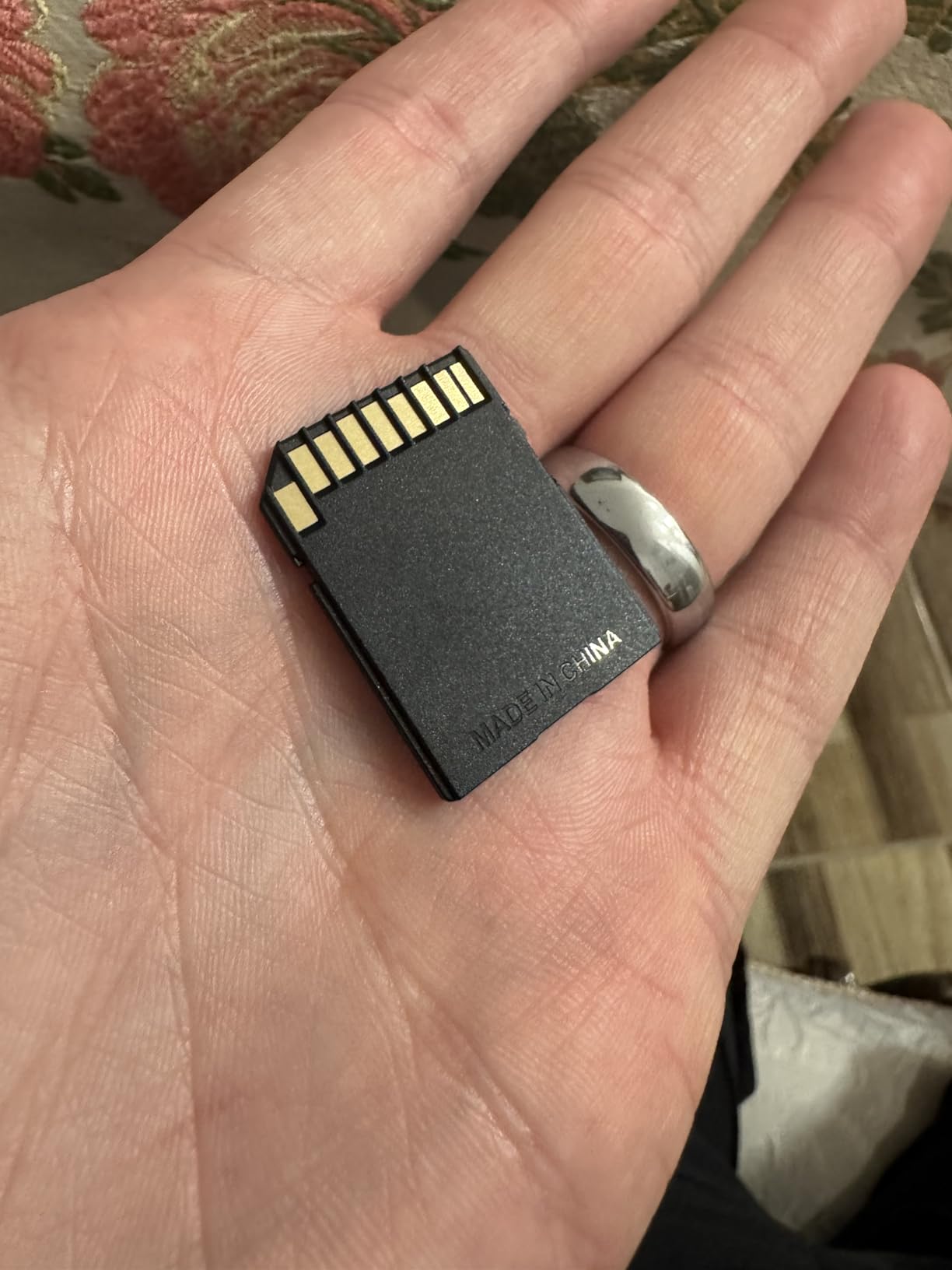
This particular listing comes as a bundle with a UV filter, 128GB SD card, and camera backpack. Some users have reported that the SD card quality varies, so treat the accessories as a bonus rather than a deciding factor. The lens itself is the star of the show.
Who Should Buy This Lens
Travel photographers and everyday shooters are the ideal audience for the Sigma 18-50mm f/2.8. The versatile focal range means you can leave lens swaps at home, and the constant f/2.8 aperture handles everything from dim restaurants to outdoor landscapes.
Wedding photographers shooting with the A6000 as a backup body will also appreciate this lens. The f/2.8 aperture is fast enough for ceremony shots, and the focal range covers most wedding-day scenarios from wide venue shots to tighter portrait moments.
What to Watch Out For
There is no optical image stabilization in this lens, and the A6000 has no in-body stabilization. At 50mm and f/2.8, you need to keep shutter speeds above 1/75 second for sharp handheld results. Plan accordingly in low-light situations.
The 50mm maximum focal length means you will not get tight headshots or reach distant subjects. If you need telephoto capability, pair this with one of the zoom lenses later in this guide. The 18-50mm covers the most useful middle range, but it is not a complete solution on its own.
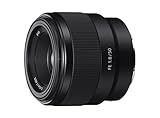
4. Sony FE 50mm f/1.8 – The Budget Portrait Pick
Sony – FE 50mm F1.8 Standard Lens (SEL50F18F/2), Black
50mm f/1.8 prime
75mm equivalent
6.6 ounces
7-blade aperture
Nano AR Coating
Pros
- Large f/1.8 aperture for beautiful bokeh
- Extremely lightweight at 6.6 ounces
- Compact design ideal for E-mount
- Aspherical element controls aberration
- 1.8 aperture for low light
Cons
- No image stabilization
- Fixed focal length
- Not weather sealed
The Sony FE 50mm f/1.8 is the lens I tell every new A6000 owner to consider first. It is the cheapest way to experience what a fast prime lens does for your photography, and the results are a massive step up from the kit zoom.
On the APS-C sensor of the A6000, the 50mm focal length becomes a 75mm equivalent. That puts it right in the portrait-friendly range, similar to the Sigma 56mm but at a lower price point. The f/1.8 aperture produces pleasing background blur and lets you shoot in lighting conditions where the kit lens would struggle.
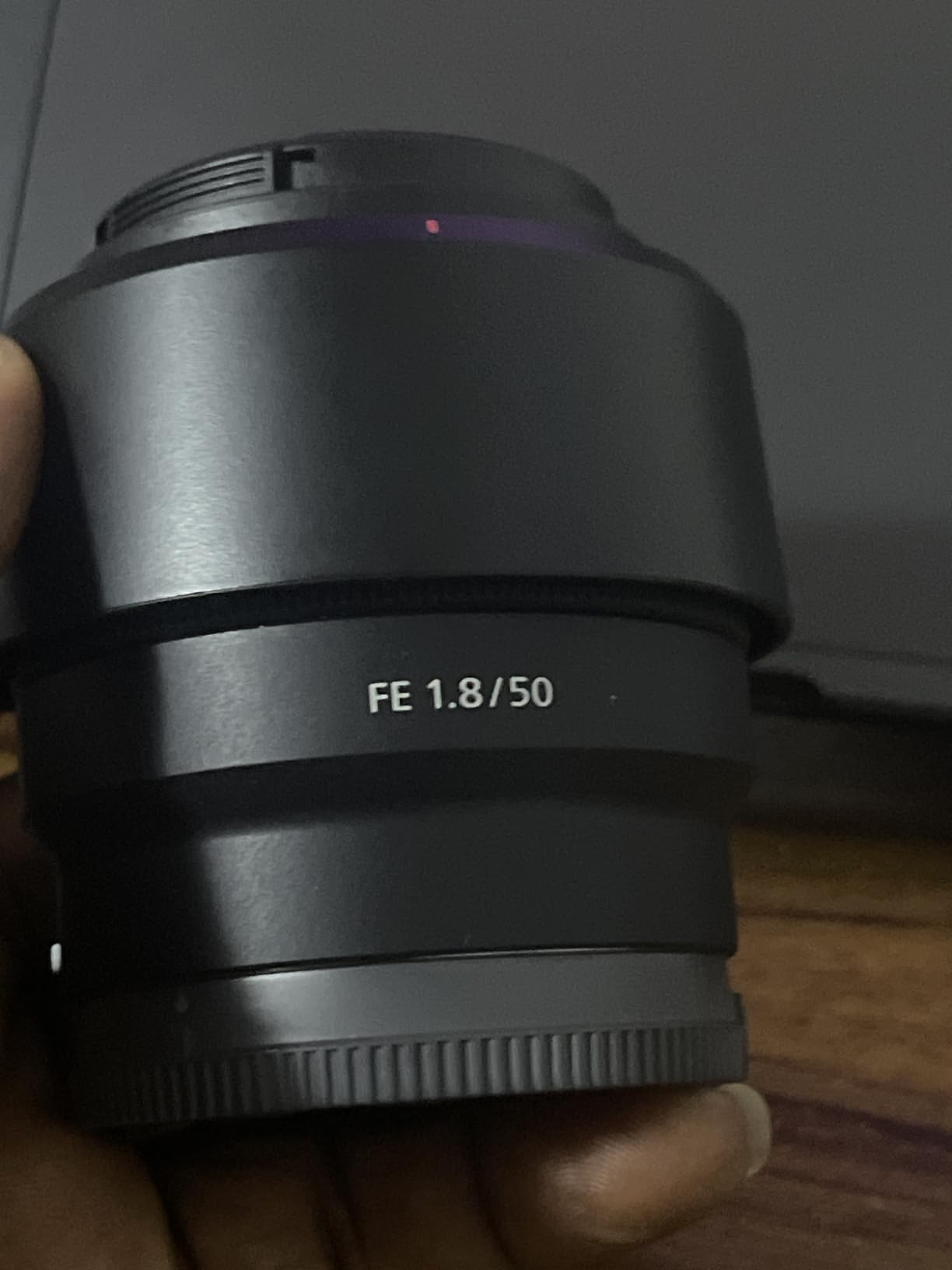
With 1,603 reviews and a 4.7-star rating, this lens has a strong track record. About 83 percent of reviewers gave it five stars, and it ranks as the number 8 bestseller in SLR camera lenses on Amazon. That popularity speaks to its accessibility and broad appeal.
The double-gauss optical configuration does a good job suppressing field curvature and distortion. Images are sharp in the center from f/1.8 and improve across the frame when stopped down to f/2.8 or f/4. The Nano AR coating reduces flare and ghosting in backlit situations.
Who Should Buy This Lens
Beginners looking for their first prime lens should start here. The Sony 50mm f/1.8 delivers the biggest image-quality upgrade per dollar of any lens on this list. If you are coming from the kit lens, this is the cheapest path to professional-looking background blur.
Portrait photographers on a budget will also find it useful. The 75mm equivalent focal length is in the classic portrait range, and while it is not as sharp as the Sigma 56mm, the price difference buys a lot of other gear or a second lens.
What to Watch Out For
The autofocus on this lens is not the fastest. It uses a older motor design that can hunt in low light, and it is noticeably slower than the Sigma primes. For moving subjects like children or pets, you may miss shots waiting for focus to lock.
There is no image stabilization, so follow the same shutter speed rule as the other primes. At 75mm equivalent, aim for at least 1/80 second handheld. The good news is that f/1.8 lets in enough light that you can usually maintain those speeds indoors.
5. Sony E 55-210mm f/4.5-6.3 OSS – The Telephoto Zoom
Sony E 55-210mm F4.5-6.3 Telephoto Lens for E-Mount Cameras
55-210mm f/4.5-6.3 zoom
82-315mm equivalent
OSS stabilization
345g
49mm filter
Pros
- Built-in Optical SteadyShot stabilization
- Wide 82-315mm equivalent reach
- Internal focusing for quiet operation
- Ideal for sports and nature video
- Lightweight at 345 grams
Cons
- Variable aperture slows at telephoto end
- Not weather sealed
- Slower maximum aperture
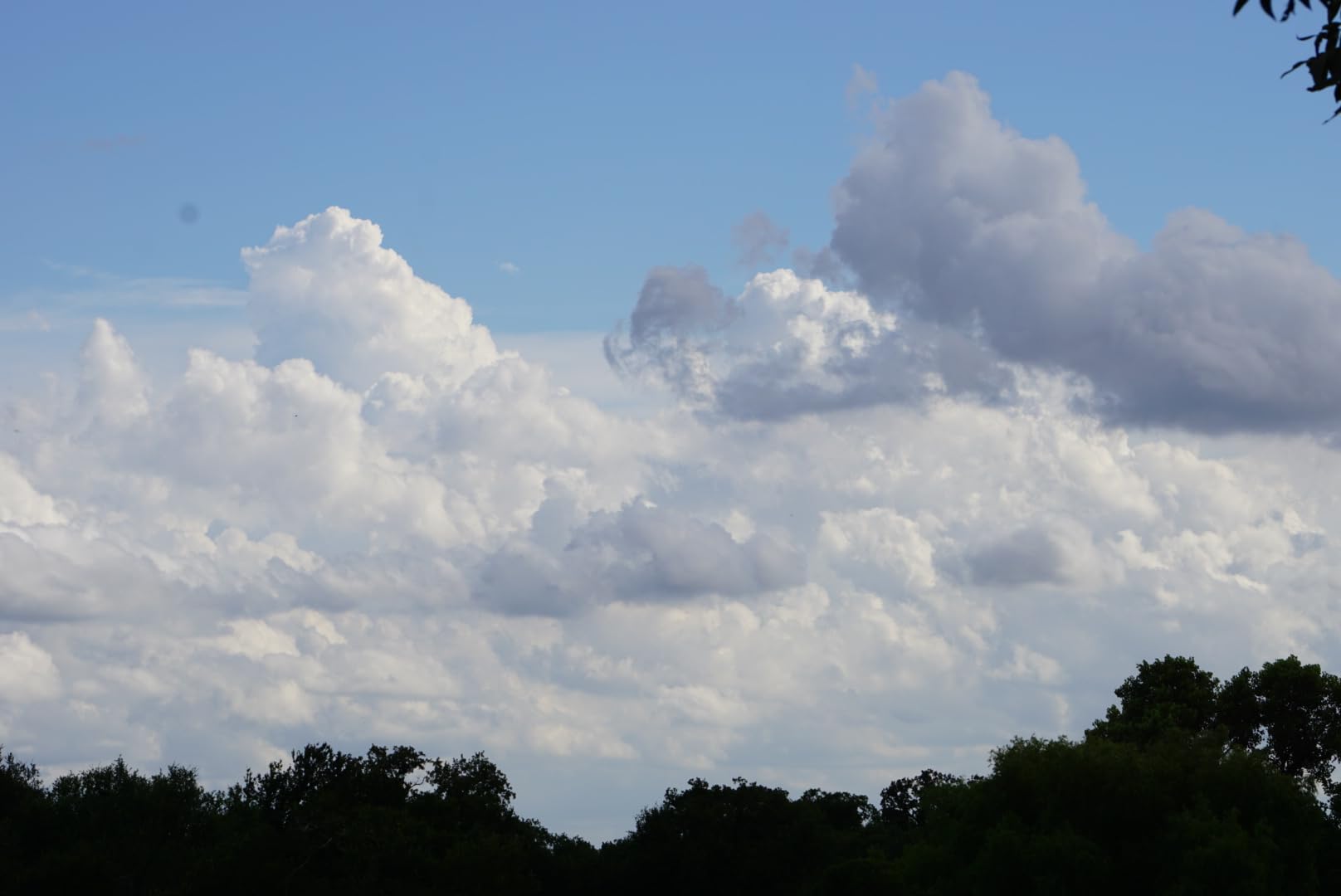
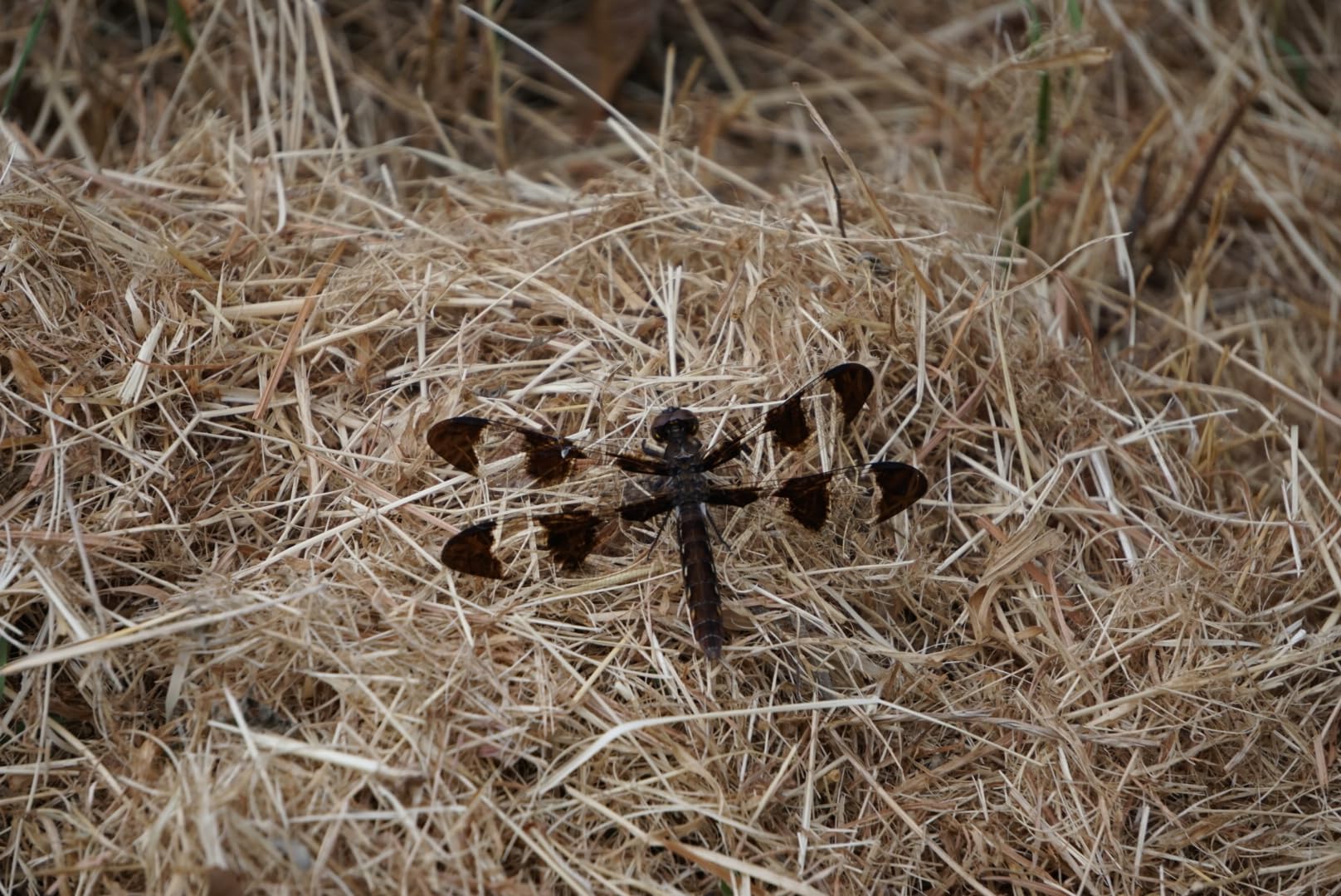
The Sony 55-210mm is the telephoto lens I pack when I need reach without bulk. It gives you an 82-315mm equivalent zoom range on the A6000, making it suitable for wildlife, sports, and compressed-look portraits that make backgrounds appear closer to your subject.
What makes this lens special for the A6000 is the built-in Optical SteadyShot image stabilization. Since the camera body has no stabilization, having OSS in the lens is important for sharp telephoto shots. The stabilization gives you roughly 4 stops of correction, which means you can shoot at 210mm at shutter speeds as slow as 1/50 second in some conditions.
This lens has 1,137 reviews with a 4.6-star average and nearly 80 percent five-star ratings. It is a popular companion to the kit lens because it picks up exactly where the 16-50mm leaves off, giving you a continuous focal range from 16mm to 315mm across two lenses.
The internal focusing system means the lens does not extend or rotate during focus, which is great for using polarizing filters. The autofocus is also quiet thanks to the stepper motor, making this a viable option for video capture of distant subjects.
Who Should Buy This Lens
Sports and wildlife photographers working with the A6000 should look at the 55-210mm first. The 315mm equivalent reach brings distant subjects close, and the OSS stabilization helps maintain sharpness at long focal lengths where hand shake is magnified.
Travel photographers who want a compact telephoto will also appreciate this lens. At just 345 grams, it fits easily in a camera bag alongside a standard zoom. You can capture compressed landscapes and architectural details that a standard zoom cannot reach.
What to Watch Out For
The variable aperture of f/4.5-6.3 means the lens lets in significantly less light at the telephoto end. At 210mm and f/6.3, you will need bright outdoor light or high ISO settings. This is not a lens for indoor sports or evening wildlife photography.
Image sharpness also softens somewhat at the longest focal lengths. For critical work at 210mm, stopping down to f/8 improves edge-to-edge sharpness. The center remains reasonably sharp throughout the range, but expect some corner softness fully zoomed in.
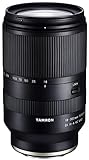
6. Tamron 18-300mm f/3.5-6.3 Di III-A VC VXD – The All-in-One Superzoom
Tamron 18-300mm F/3.5-6.3 Di III-A VC VXD Lens for Sony E APS-C Mirrorless Cameras (Black)
18-300mm f/3.5-6.3 superzoom
16.6x zoom ratio
27-450mm equivalent
VC stabilization
67mm filter
Pros
- World first 16.6x all-in-one zoom for APS-C
- Fast VXD linear motor autofocus
- High resolving power center to corners
- Moisture resistant with fluorine coating
- Compact for its massive range
Cons
- Variable aperture f/3.5-6.3
- Heavier than standard zooms
- Lens swap never needed but optical trade-offs
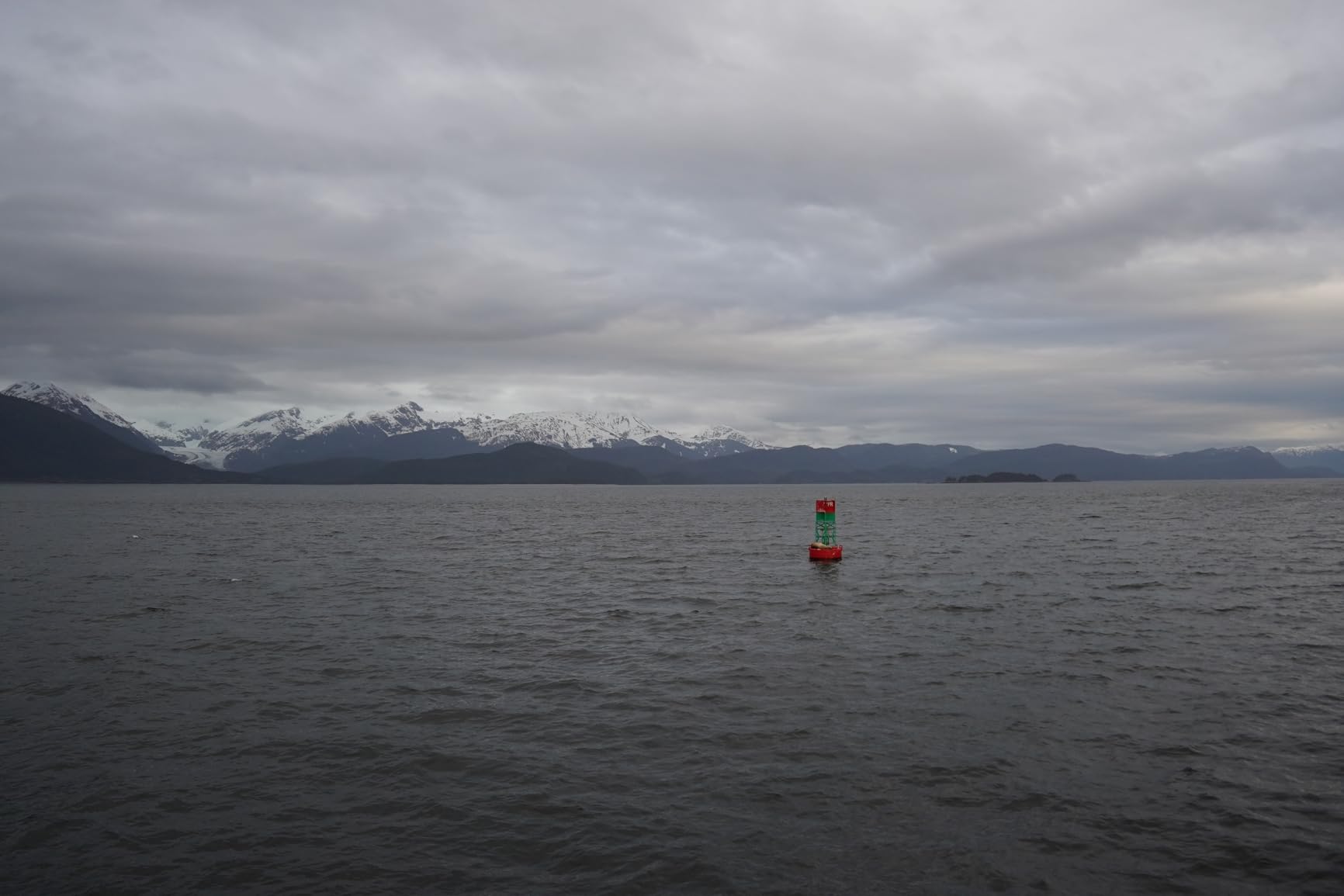
The Tamron 18-300mm is the one-lens solution I recommend for travel photographers who refuse to carry a bag full of glass. With a 16.6x zoom ratio covering 27-450mm equivalent, you can go from wide landscapes to tight wildlife shots without ever changing lenses.
The VXD linear motor autofocus is fast and precise, which is impressive given the extreme zoom range. Tamron’s VC vibration compensation works effectively across the range, and the moisture-resistant construction with fluorine coating gives you confidence shooting in challenging conditions.
This lens ranks number 15 in mirrorless camera lenses on Amazon with 321 reviews and a 4.5-star rating. Users praise the convenience factor, noting that the image quality holds up well for a superzoom, even if it cannot match a dedicated prime at any single focal length.
The optical design maintains good resolving power from center to corners throughout the zoom range. That is a technical achievement for a lens with this much range. Tamron uses special glass elements to control aberrations that typically plague superzoom designs.

Who Should Buy This Lens
Travel photographers who want to travel light are the primary audience. Instead of packing three or four lenses, the Tamron 18-300mm covers everything from sweeping landscapes to distant wildlife in a single barrel. It is the ultimate convenience lens.
Hobbyists who want a do-everything lens for family outings and vacations will also benefit. You never miss a shot because you had the wrong lens mounted, and you avoid the dust risk of swapping lenses in the field.
What to Watch Out For
Superzoom lenses always involve optical trade-offs, and the 18-300mm is no exception. While image quality is good for its class, it will not match a dedicated prime or short-range zoom at any given focal length. Pixel peepers will notice the difference.
The variable aperture means you lose light as you zoom in, which limits low-light performance at the telephoto end. At 300mm and f/6.3, you need bright conditions or high ISO. The lens also weighs 1.37 pounds, which is heavier than it looks given the compact dimensions.
7. Tamron 70-300mm f/4.5-6.3 Di III RXD – Lightweight Telephoto
Tamron 70-300mm F/4.5-6.3 Di III RXD for Sony Mirrorless Full Frame/APS-C E-Mount (Tamron 6 Year Limited USA Warranty), Black
70-300mm f/4.5-6.3 telephoto
105-450mm equivalent
545g
67mm filter
Moisture resistant
Pros
- Extremely lightweight at 545 grams
- 15 elements in 10 groups for image quality
- Moisture resistant construction
- Close focusing performance
- 6 year Tamron USA warranty
Cons
- No image stabilization
- Aperture narrows to f/6.3 at telephoto end
- Requires fast shutter speeds handheld
The Tamron 70-300mm RXD is the telephoto I reach for when weight matters. At just 545 grams, it is remarkably light for a lens that reaches 450mm equivalent on the A6000. That makes it a strong choice for hiking, wildlife walks, and travel where every ounce counts.
The RXD stepper motor autofocus is quiet and responsive, which is useful for video and for not startling wildlife. The optical design uses 15 elements in 10 groups with BBAR coating to reduce flare and ghosting, producing clean images with good contrast.
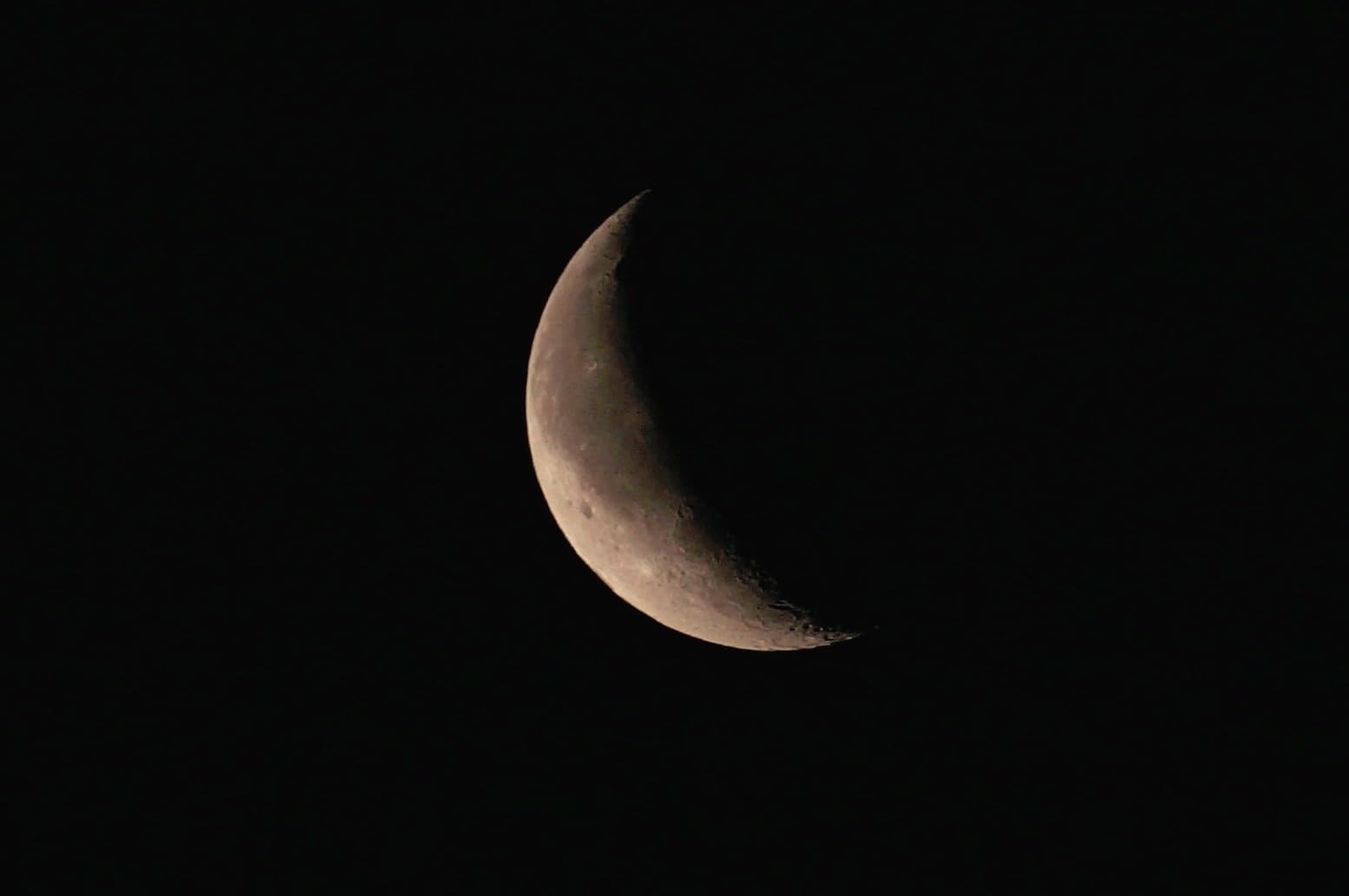
With 687 reviews and a 4.6-star average, this lens has built a solid reputation among Sony E-mount shooters. About 79 percent of reviewers gave it five stars, with many highlighting the build quality and image sharpness relative to the lightweight design.
The close focusing performance is better than you might expect from a telephoto zoom. At the wide end, you can focus as close as 31.5 inches, which opens up creative possibilities for tight detail shots with pleasing background separation.
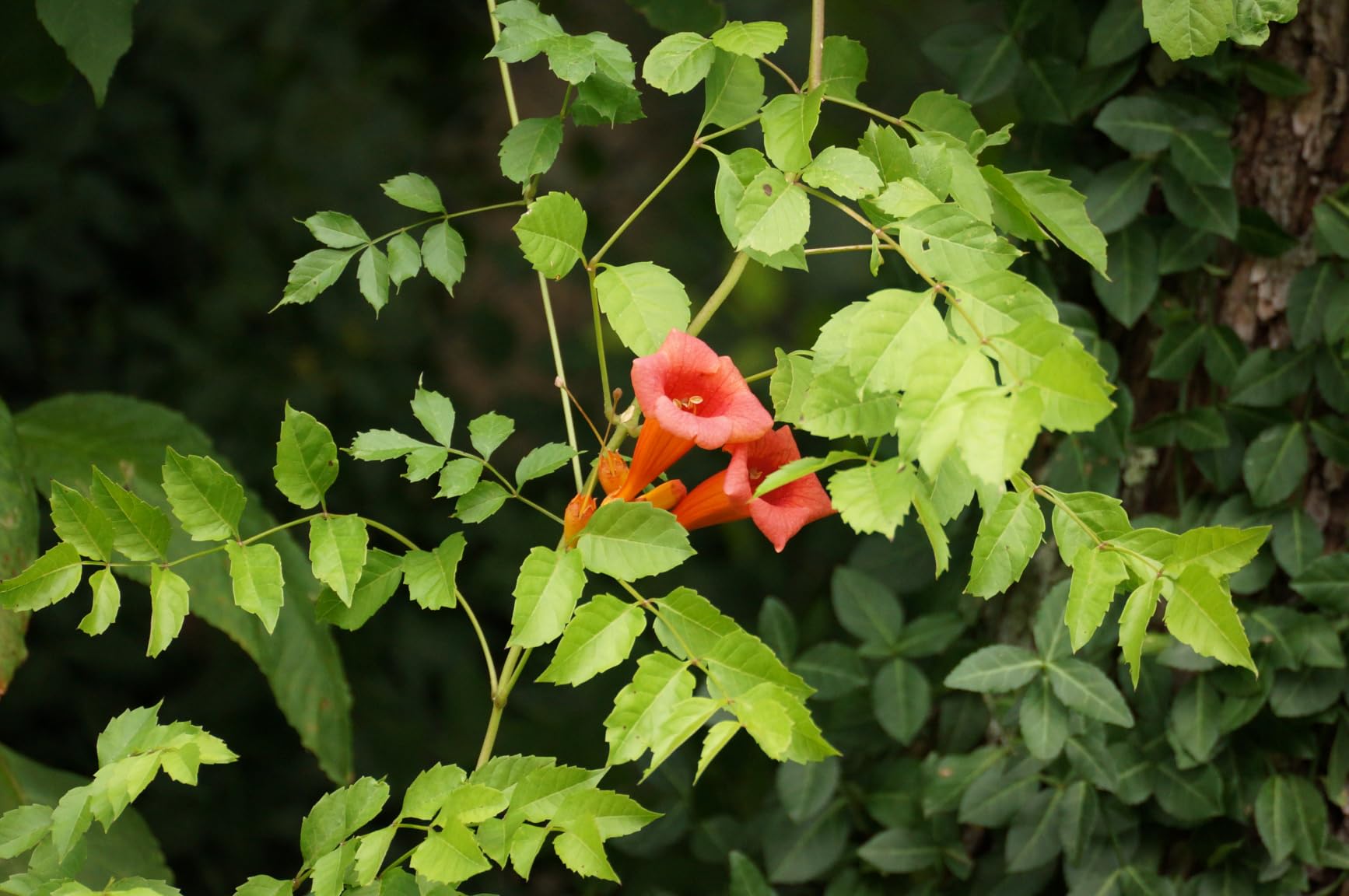
Who Should Buy This Lens
Outdoor photographers who hike or travel long distances will appreciate the weight savings. At 545 grams, the Tamron 70-300mm is lighter than many standard zooms while offering far more reach. It pairs well with a compact prime for a two-lens travel kit.
Budget-conscious photographers who need telephoto reach also benefit. This lens costs significantly less than premium telephoto options while delivering solid image quality. The 6-year Tamron USA warranty adds peace of mind to the value proposition.
What to Watch Out For
The absence of image stabilization is the biggest limitation. At 300mm on the A6000 with no body stabilization, you need shutter speeds of at least 1/500 second for sharp handheld shots. That means raising ISO in anything but bright sunlight.
The aperture also narrows to f/6.3 at the telephoto end, which compounds the low-light challenge. This lens is best suited for daytime outdoor use. For indoor sports or evening wildlife, consider the Sony 55-210mm with OSS instead.
8. Viltrox 56mm f/1.7 – The Budget Portrait Alternative
VILTROX 56mm f1.7 E Lens for Sony e-Mount 56mm F1.7 E Autofocus Large Aperture Portrait APS-C Lens Compatible with Sony a6000 a6100 a6300 a6400 a6500 a6600 a6700 a7iv a7rv ZV-E10
56mm f/1.7 prime
85mm equivalent
170g
9 groups 11 elements
4 ED lenses
Pros
- Affordable f/1.7 large aperture for bokeh
- Lightweight at just 170 grams
- 4 ED lenses for aberration control
- STM motor for quiet autofocus
- Excellent value for portraits
Cons
- No image stabilization
- AF not ideal for video
- Lens hood design could improve
The Viltrox 56mm f/1.7 is the budget portrait lens that caught me by surprise. For a fraction of what the Sigma 56mm f/1.4 costs, you get an 85mm equivalent prime with a fast f/1.7 aperture that produces genuinely beautiful portraits on the A6000.
The optical design includes 4 ED (extra-low dispersion) lenses and 3 high refraction index lenses across 11 elements in 9 groups. That is serious glass for this price point, and it shows in the aberration control and overall image clarity.
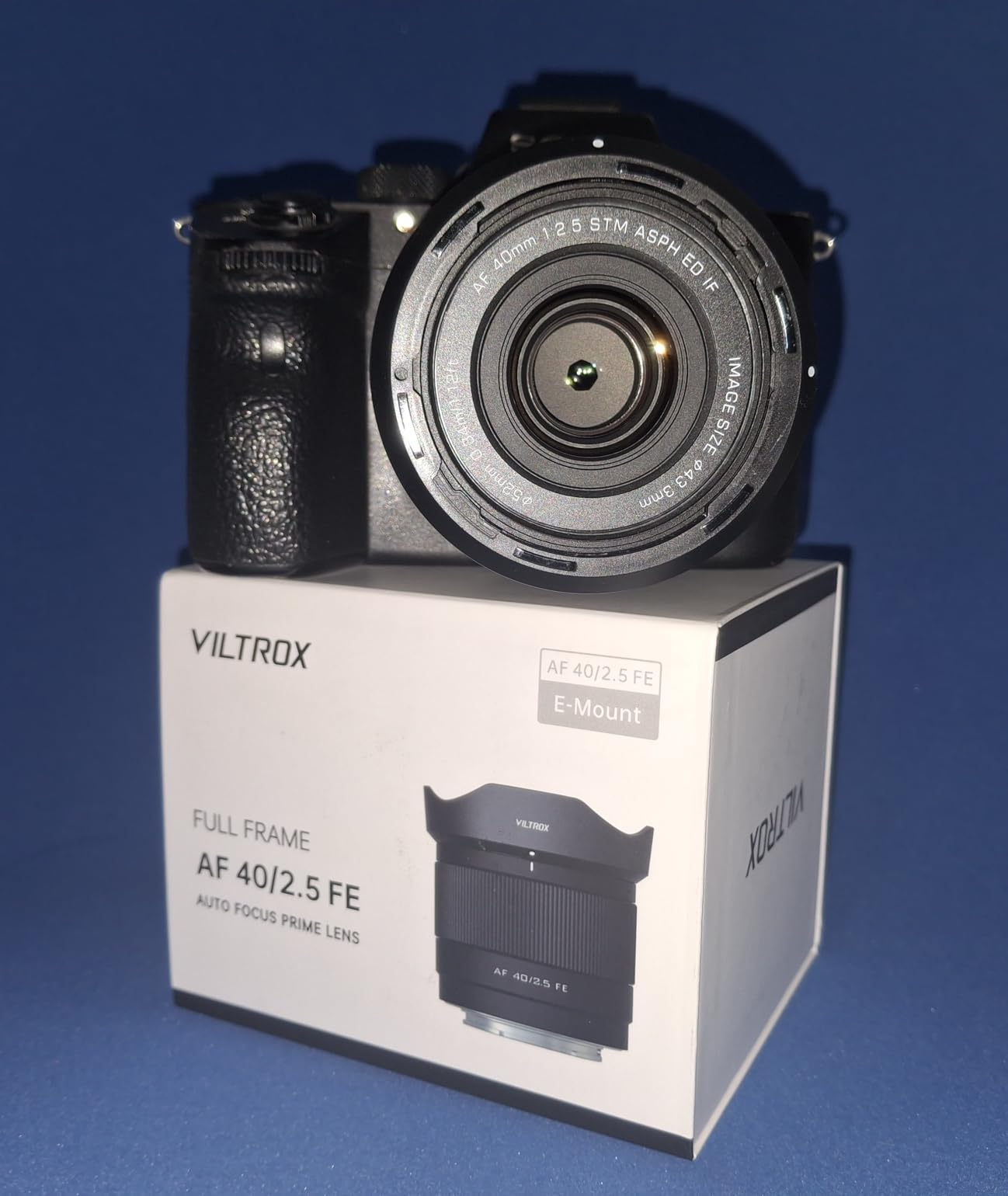
With 132 reviews and a 4.6-star rating, this lens is newer to the market but already gaining traction. About 76 percent of reviewers gave it five stars, with many comparing it favorably to the Sigma 56mm at less than half the cost.
The STM stepper motor provides autofocus that is fast enough for stills photography. It locks on quickly for portraits where your subject is relatively stationary. The 9 groups of 11 elements with 4 ED lenses keep chromatic aberration well controlled, which is impressive at this price.
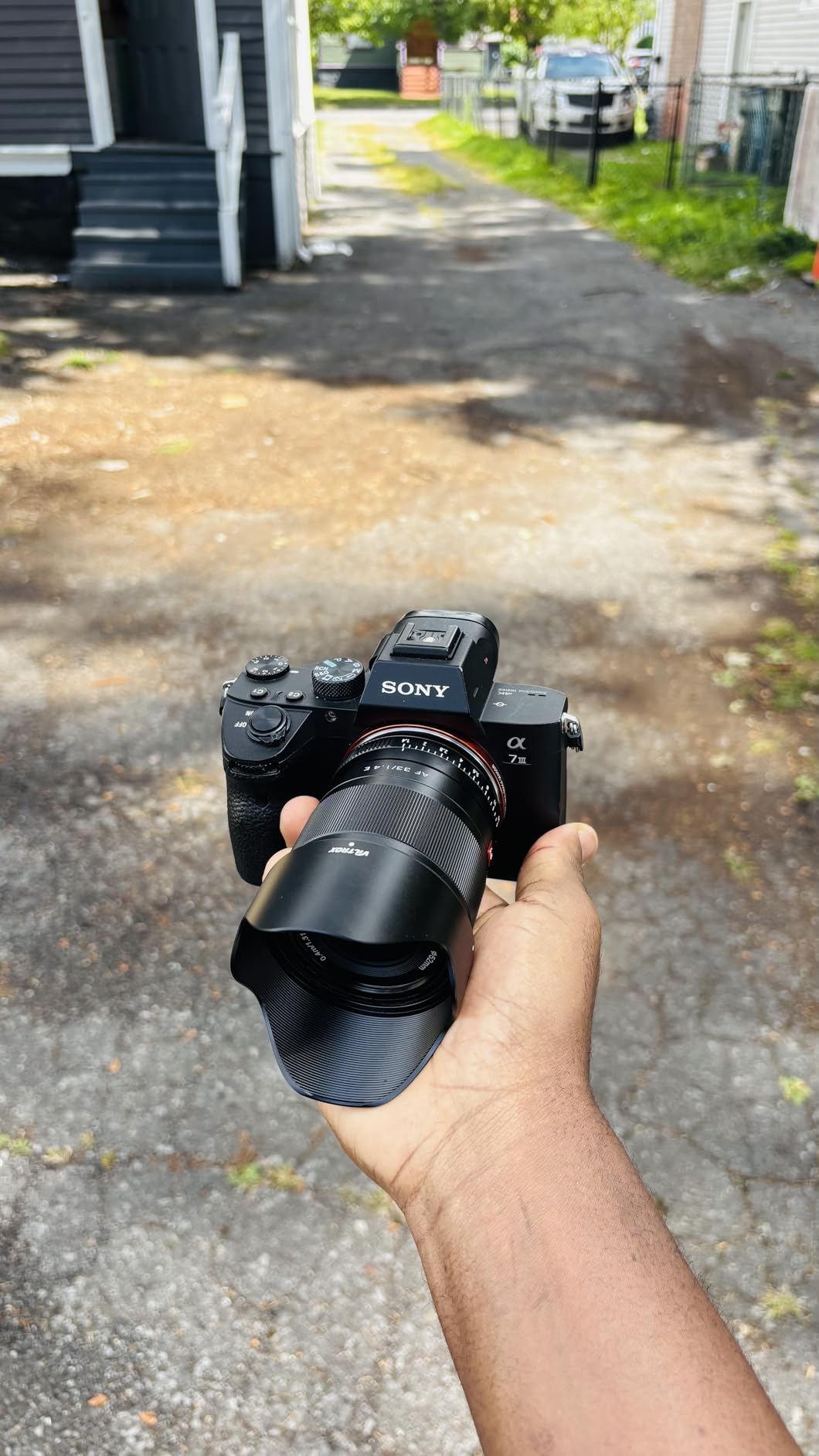
Who Should Buy This Lens
Photographers on a tight budget who want a dedicated portrait lens should look no further. The Viltrox 56mm f/1.7 gives you 85mm equivalent coverage with fast aperture for bokeh-filled portraits, and it costs less than many people spend on a night out.
Students and beginners building their first lens kit will also appreciate this option. At 170 grams, it is incredibly light, and the f/1.7 aperture teaches you about depth of field and low-light shooting without a major investment.
What to Watch Out For
The autofocus is not optimized for video. Some users report focus breathing and noise during continuous AF in video mode. For stills photography, this is less of an issue, but vloggers and video creators should look elsewhere.
The lens hood design has drawn criticism from several reviewers. It does not lock as securely as competing designs, and some users have reported it falling off during use. A small piece of gaffer tape solves the problem, but it is worth knowing before you buy.
How to Choose the Best Lens for Your Sony A6000?
Choosing the right lens for your A6000 comes down to understanding your shooting style and matching it to the right focal length, aperture, and features. This guide breaks down everything you need to know to make an informed decision.
E-Mount vs FE-Mount: What Fits the A6000
The Sony A6000 uses the Sony E-mount, and this is where many buyers get confused. E-mount lenses are designed for APS-C sensors like the one in the A6000. FE-mount lenses are designed for full-frame sensors but are physically compatible with the E-mount.
When you put an FE lens on the A6000, the camera crops the center of the image to match its APS-C sensor. This means a 50mm FE lens gives you a 75mm equivalent field of view on the A6000. You lose the wide-angle advantage of full-frame lenses but gain telephoto reach.
Both E-mount and FE-mount lenses work perfectly on the A6000. The difference is that E-mount lenses are typically smaller, lighter, and less expensive because they only need to cover the smaller APS-C sensor. For most A6000 owners, E-mount lenses are the better value.
The 1.5x Crop Factor Explained
The A6000’s APS-C sensor has a 1.5x crop factor. This means any lens you mount will have an effective focal length 1.5 times longer than its stated number. A 35mm lens behaves like a 52mm lens, and a 50mm lens behaves like a 75mm lens.
This crop factor works in your favor for telephoto photography. A 210mm lens becomes a 315mm equivalent, giving you extra reach for wildlife and sports. For wide-angle work, it works against you. A 16mm lens only gives you a 24mm equivalent, so you need wider lenses for expansive landscapes.
Keep this crop factor in mind when reading lens reviews written for full-frame cameras. The performance characteristics like sharpness and distortion may differ on the A6000 because you are only using the center portion of full-frame lenses.
Aperture and Low-Light Performance
Aperture is the most important lens specification for low-light shooting. A lens with f/1.4 lets in twice as much light as f/2.0 and four times as much as f/2.8. That translates directly to faster shutter speeds and lower ISO in dim conditions.
For the A6000, which has a maximum ISO of 25,600 but gets noisy above ISO 6400, fast aperture lenses are especially valuable. The Sigma 16mm f/1.4, Sigma 56mm f/1.4, and Sony 50mm f/1.8 all give you significant low-light advantages over the f/3.5-5.6 kit lens.
Aperture also controls depth of field. Wider apertures like f/1.4 and f/1.8 create shallower depth of field, which produces the blurred background effect that makes portraits look professional. If background blur is your goal, prioritize lenses with maximum apertures of f/2.0 or wider.
Optical SteadyShot: Do You Need OSS?
The A6000 has no in-body image stabilization. This means the only way to get stabilization is through lenses with Optical SteadyShot (OSS). The Sony 55-210mm includes OSS, while most of the prime lenses on this list do not.
OSS matters most at longer focal lengths where hand shake is magnified. At 210mm, you need shutter speeds of 1/320 second or faster for sharp handheld shots without stabilization. With OSS providing roughly 4 stops of correction, you can shoot as slow as 1/30 second in some conditions.
For wide and standard focal lengths, OSS is less critical. At 16mm or 30mm, you can maintain safe shutter speeds relatively easily. Many photographers prefer non-OSS primes because they tend to be smaller, lighter, and less expensive than their stabilized counterparts.
Prime vs Zoom: Making the Trade-off
Prime lenses have fixed focal lengths and typically offer better image quality, wider apertures, and lower prices than zooms. The Sigma 56mm f/1.4 and Sony 50mm f/1.8 both outperform any zoom in their focal length range for sharpness and background blur.
Zoom lenses offer versatility. The Tamron 18-300mm covers 16 different prime focal lengths in one barrel. You trade maximum image quality and aperture for the convenience of never needing to swap lenses. For travel and event photography, that trade-off is often worth it.
A common strategy is to pair one prime for low-light and portrait work with one zoom for general shooting. The Sigma 56mm f/1.4 paired with the Tamron 18-300mm gives you a two-lens kit that handles virtually any situation.
Matching Lenses to Your Photography Style
Portrait photographers should look at focal lengths between 50mm and 85mm equivalent. The Sigma 56mm f/1.4, Sony 50mm f/1.8, and Viltrox 56mm f/1.7 are all excellent choices that produce flattering faces with beautiful background separation.
Travel photographers benefit from versatile zooms. The Tamron 18-300mm covers everything, while the Sony 55-210mm gives you telephoto reach to pair with a standard zoom. The Sigma 18-50mm f/2.8 is the ideal do-everything lens for travelers who want quality without bulk.
Wedding photographers working with the A6000 should consider the Sigma 18-50mm f/2.8 for ceremony coverage and the Sigma 56mm f/1.4 for portrait sessions and low-light reception shots. The constant f/2.8 aperture and fast f/1.4 prime cover the two most demanding wedding scenarios.
FAQs
Is the Sony A6000 still worth it in 2026?
Yes, the Sony A6000 is absolutely still worth it in 2026. It offers 24MP resolution, fast hybrid autofocus with 179 phase-detect points, 11 fps continuous shooting, and a compact body. While it lacks 4K video and in-body stabilization, the image quality and autofocus performance remain competitive for photography, especially at current used prices. The extensive E-mount lens ecosystem makes it a versatile platform that grows with your skills.
How to get sharper images on Sony A6000?
To get sharper images on the A6000, start with a fast prime lens like the Sigma 30mm or 56mm, use shutter speeds at least 1 over the equivalent focal length, enable AF-S mode for stationary subjects, and stop down to f/4 or f/5.6 for maximum lens sharpness. Also turn off electronic first curtain shutter to reduce shutter shock, use the 2-second self-timer on a tripod, and make sure your lens firmware is up to date.
What lenses are compatible with Sony A6000?
The Sony A6000 is compatible with all Sony E-mount lenses, including both APS-C E-mount lenses and full-frame FE-mount lenses. Third-party E-mount lenses from Sigma, Tamron, Viltrox, and other manufacturers also work natively. With an adapter, you can use Sony A-mount lenses and lenses from other systems, though autofocus performance may vary.
What is the Holy Trinity of Sony lenses?
The Holy Trinity refers to three pro zoom lenses covering wide, standard, and telephoto ranges at constant f/2.8 aperture. For full-frame Sony FE-mount, this includes the 16-35mm f/2.8, 24-70mm f/2.8, and 70-200mm f/2.8 GM lenses. For APS-C E-mount users like A6000 owners, the equivalent trinity would be the Sigma 16mm f/1.4, Sigma 30mm f/1.4, and Sigma 56mm f/1.4 prime trio, which many photographers consider the APS-C Holy Trinity.
Is the Sony A6000 still a good camera?
Yes, the Sony A6000 remains a good camera in 2026. Its 24MP APS-C sensor produces detailed images, the hybrid autofocus system is fast and accurate, and the compact body makes it ideal for travel and everyday photography. It lacks modern features like 4K video, a touchscreen interface, and in-body stabilization, but for stills photography, it delivers excellent results at a budget-friendly price point.
Final Thoughts on the Best Lenses for Sony A6000
The Sony A6000 has one of the deepest lens libraries of any mirrorless camera system, and finding the best lenses for Sony A6000 means matching glass to your specific shooting style. Our top recommendation is the Sigma 56mm f/1.4 for portrait work, paired with the Sigma 18-50mm f/2.8 for everyday versatility.
For budget-conscious photographers, the Sony FE 50mm f/1.8 and Viltrox 56mm f/1.7 deliver exceptional value. Travel photographers should consider the Tamron 18-300mm superzoom for maximum convenience or the Sony 55-210mm with OSS for stabilized telephoto reach.
The A6000 is still a fantastic camera in 2026, and pairing it with the right lens from this guide will keep you shooting great images for years to come.