
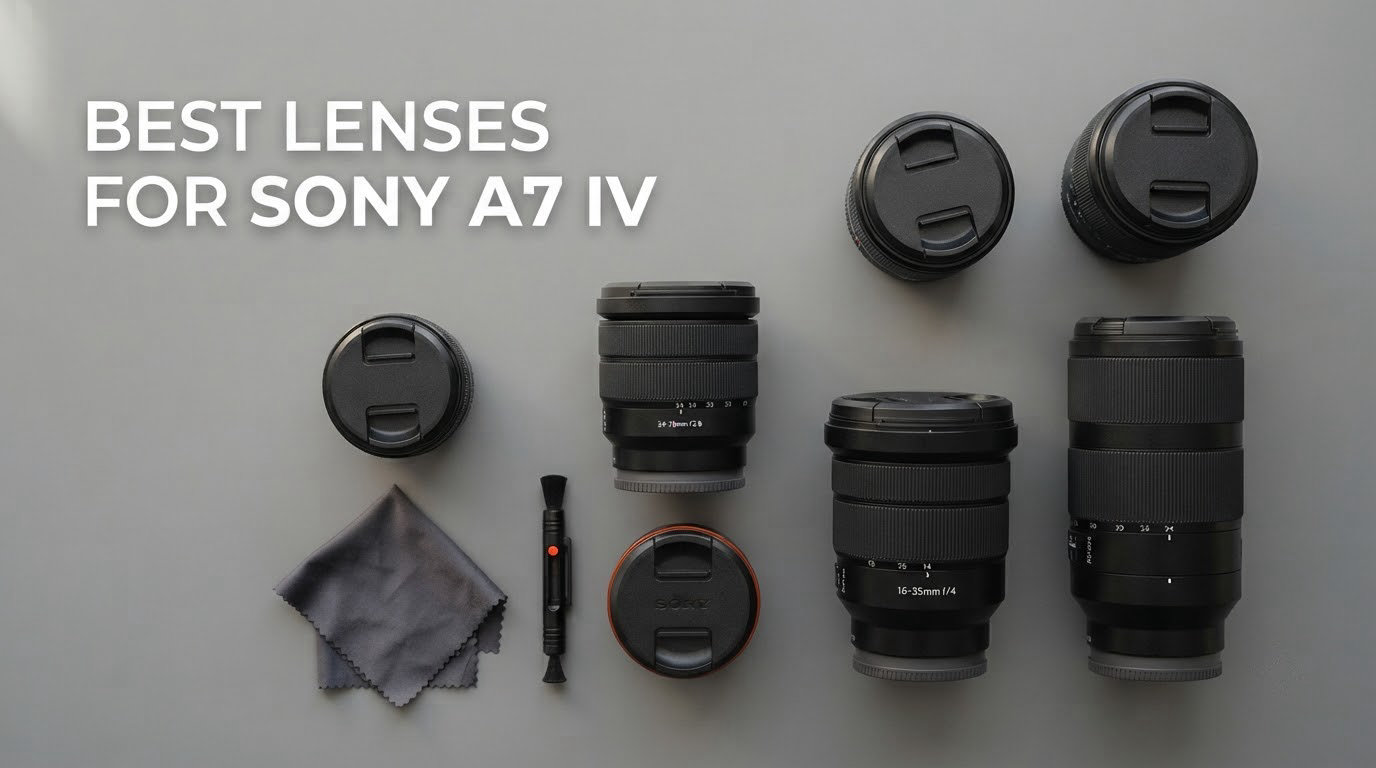
The best lens for the Sony A7 IV depends on how you earn, and the honest answer is that one pick sits ahead of the field on the evidence. The Sony FE 85mm f/1.8 is our choice: it holds a 4.8 star average across more than 2,400 owner reviews, weighs 371 g, and gives you the f/1.8 depth and background separation that wedding and portrait work lives on. If you need reach and flexibility in one optic, the Sony FE 24-70mm f/2.8 GM II is the zoom to own, and if you want one small lens that fits in a coat pocket, take the Sony FE 35mm f/1.8.
We shoot weddings and events on full-frame Sony bodies, and the A7 IV is one of the most balanced hybrid cameras you can carry. Thirty-three megapixels gives you room to crop a 35mm frame into a portrait, the subject-detection autofocus holds a face through a crowded room, and the body stabilises. What the camera cannot do is create light, separate a subject from a background, or let you get close. That is the job of the lens, and it is why the right one changes your work more than any other purchase after the body.
Below are 12 lenses we would genuinely consider for this body, grouped by the job they do rather than by brand. We have covered the A7R IV in a separate breakdown too, and our A7 III picks still hold up as a useful budget reference if you are shopping for an older body.
Table of Contents
Top 3 Picks for the Sony A7 IV for October 2026

Sony FE 24-70mm f/2.8 GM II
- Constant f/2.8
- 695 g
- Optical stabilisation
- Four XD linear motors

All 12 Lenses at a Glance in October 2026
| Product | Specifications | Action |
|---|---|---|
| Sony FE 85mm f/1.8 |
|
Check Latest Price |
| Sony FE 35mm f/1.8 |
|
Check Latest Price |
 Tamron 70-300mm f/4.5-6.3 Tamron 70-300mm f/4.5-6.3 |
|
Check Latest Price |
 Viltrox AF 135mm f/1.8 LAB Viltrox AF 135mm f/1.8 LAB |
|
Check Latest Price |
 Sony FE 70-200mm f/2.8 GM II Sony FE 70-200mm f/2.8 GM II |
|
Check Latest Price |
 Sony FE 16-35mm f/2.8 GM Sony FE 16-35mm f/2.8 GM |
|
Check Latest Price |
| Sony FE 24-70mm f/2.8 GM II |
|
Check Latest Price |
 Sony FE 90mm f/2.8 Macro G OSS Sony FE 90mm f/2.8 Macro G OSS |
|
Check Latest Price |
 Sigma 105mm f/2.8 DG DN Macro Art Sigma 105mm f/2.8 DG DN Macro Art |
|
Check Latest Price |
 Tamron 28-200mm f/2.8-5.6 Tamron 28-200mm f/2.8-5.6 |
|
Check Latest Price |
 Tamron 35-150mm f/2-2.8 Tamron 35-150mm f/2-2.8 |
|
Check Latest Price |
 Sony E 55-210mm f/4.5-6.3 Sony E 55-210mm f/4.5-6.3 |
|
Check Latest Price |
If You Only Buy One Lens, Start Here
This is the question that comes up again and again in our inbox and on photography forums, so here is the short answer before the long one. Buy the lens that matches the work you get paid for, not the lens that covers the widest range on paper. A zoom that stays in the bag on a wedding day is worse than a small prime you actually mount.
Three honest paths, in order of who they suit:
You shoot weddings, events and portraits. The Sony FE 85mm f/1.8. Light, sharp, and the background separation is the whole point. You can add a zoom later.
You need one zoom to cover everything. The Sony FE 24-70mm f/2.8 GM II, or the Sony FE 70-200mm f/2.8 GM II if your work is stage and ceremony rather than groups.
You have a fixed budget and travel often. The Tamron 28-200mm f/2.8-5.6 covers 28mm to 200mm in a 20.3 oz body, and the Sony FE 35mm f/1.8 is the smallest fast prime in the list.
If you already own an A7 III and are weighing the same glass, our A7 III lens guide is still valid, since the mount has not changed in any way that matters for stills.
1. Sony FE 85mm f/1.8 – The Best Lens for Sony A7 IV Overall
Sony SEL-85F18 Portrait Lens Fixed Focal 85mm F1.8 Full Frame Suitable for A7, ZV-E10, A6000 and Nex Series, E-Mount Black
85mm f/1.8
9-blade circular aperture
0.8 m min focus
371 g
No stabilisation
Pros
- f/1.8 aperture renders round smooth bokeh
- ED glass element keeps colour fringing controlled
- Linear motor focuses fast and quietly
- Only 371 g so it never tires your shoulder
- Most owner reviews of any lens on this list
Cons
- No optical stabilisation
- Not weather sealed
- Fixed 85mm gives you no framing flexibility
This is the lens we reach for first. On a 33-megapixel sensor the 85mm f/1.8 resolves detail well beyond what we need for a portrait, and at full aperture the nine-blade circular diaphragm renders out-of-focus highlights as smooth discs rather than hard polygons. Owners consistently single out the same three things: sharpness, background separation, and how quiet the linear motor is when it snaps to a face in a dim reception room.
Weighing 371 g, it is the sort of lens you forget you have on the body. The A7 IV balances almost perfectly with it, which matters over a ten-hour wedding day when the alternative is a zoom that tips the camera forward and pulls at your wrist strap.
The ED glass element is doing quiet work here. Chromatic aberration is the flaw that most often gives away cheap fast glass on a high-resolution body, and owners rarely report fringing on skin tones or against bright backdrops. The minimum focus distance of 0.8 m is not macro, but it is close enough for a tight head-and-shoulders crop without a step extension.
Is the 85mm f/1.8 sharp enough for a 33MP sensor?
Yes, for portrait and event work, which is what this lens is for. The resolution comfortably fills a 33-megapixel file, and the practical limit is your subject and your light rather than the lens. If you are cropping hard and printing very large, a higher-resolution prime or a small apochromatic will give you more headroom.
What you give up by starting with an 85mm
You give up framing flexibility, because there is no zoom ring to turn. Group shots and environmental portraits need you to step back, which is rarely possible in a venue. There is also no optical stabilisation and no weather sealing, so long handheld shots in poor light and any real rain both need a plan.
2. Sony FE 35mm f/1.8 – Best Prime for Street, Travel and Events
Sony SEL35F18F FE 35mm F1.8 Large-Aperture Wide-Angle Prime Lens
35mm f/1.8
9 blades
0.22 m min focus
318 g
63 degree view
Pros
- 318 g and very compact
- Linear motor AF is fast and precise
- Dust and moisture resistant for outdoor work
- Linear Response MF gives clean manual control
- Close focus to 0.22 m
Cons
- Very shallow depth of field wide open
- 63 degree view is tight for distant subjects
- Fixed 35mm focal length
The 35mm f/1.8 is the reason so many A7 owners never leave prime-land. On full frame it gives a natural field of view that suits documentary and event coverage, and at f/1.8 it still throws a background far enough out of focus to separate a subject from a busy venue. The 63 degree angle of view is the closest thing this lens has to a normal human view of the world.
Owners rate the linear-motor autofocus as fast and precise, with subject detection handing over cleanly when a subject turns. The dust and moisture resistant construction matters more than the spec sheet suggests, because the 35mm is the lens most likely to be carried outdoors in poor weather.

Two details set this lens apart from cheap 35mm primes. The Linear Response MF mode makes the focus ring respond directly and linearly to your hand, so manual focus is genuinely usable for video or for deliberate focus pulls. And the customisable focus hold button, plus the focus mode switch, saves fumbling when you move from continuous AF to manual in the middle of a ceremony.

Is 35mm too wide for portraits on full frame?
It is a working portrait length rather than a flattering one. At 0.8 m or closer you will get more perspective distortion than the 85mm gives you, particularly on noses. For headshots where that matters, step back or add a longer lens later.
When the narrow depth of field bites
At f/1.8 the focus plane is thin enough that a subject turning toward you can drift out. Most owners solve it by stopping down to f/2.8 or f/4 and leaning on the body stabilisation, or by using the focus hold button to re-acquire quickly. Just do not expect a group shot to be sharp at full aperture.
3. Tamron 70-300mm f/4.5-6.3 – Best Value Telephoto for the A7 IV
Tamron 70-300mm F/4.5-6.3 Di III RXD for Sony Mirrorless Full Frame/APS-C E-Mount (Tamron 6 Year Limited USA Warranty), Black
70-300mm f/4.5-6.3
15 elements in 10 groups
7 blades
19 oz
Moisture resistant
Pros
- Only 19 oz for a 70-300mm zoom
- Fast reliable autofocus that tracks moving subjects
- Magnification to 1:9.4 wide and 1:5.1 at tele
- Magnification works well for details
- 6 year manufacturer warranty
Cons
- No optical stabilisation on the barrel
- Constant f/4.5-6.3 is slow in low light
- No zoom or focus lock switch
This is the reach you add when the 85mm runs out of room. Ceremony shots across a room, the bouquet landing, a first dance at 200mm: the Tamron 70-300mm f/4.5-6.3 gets you there, and at 19 oz it does not wreck your shoulder for the rest of the day. Owners call it exceptional value for what a telephoto zoom normally costs.
The optical construction is 15 elements in 10 groups with a 7-blade diaphragm, and reviewers describe the rendering as sharp and contrasty across the range. Autofocus is quick enough to track a moving subject, which is the single thing that matters for this focal length.
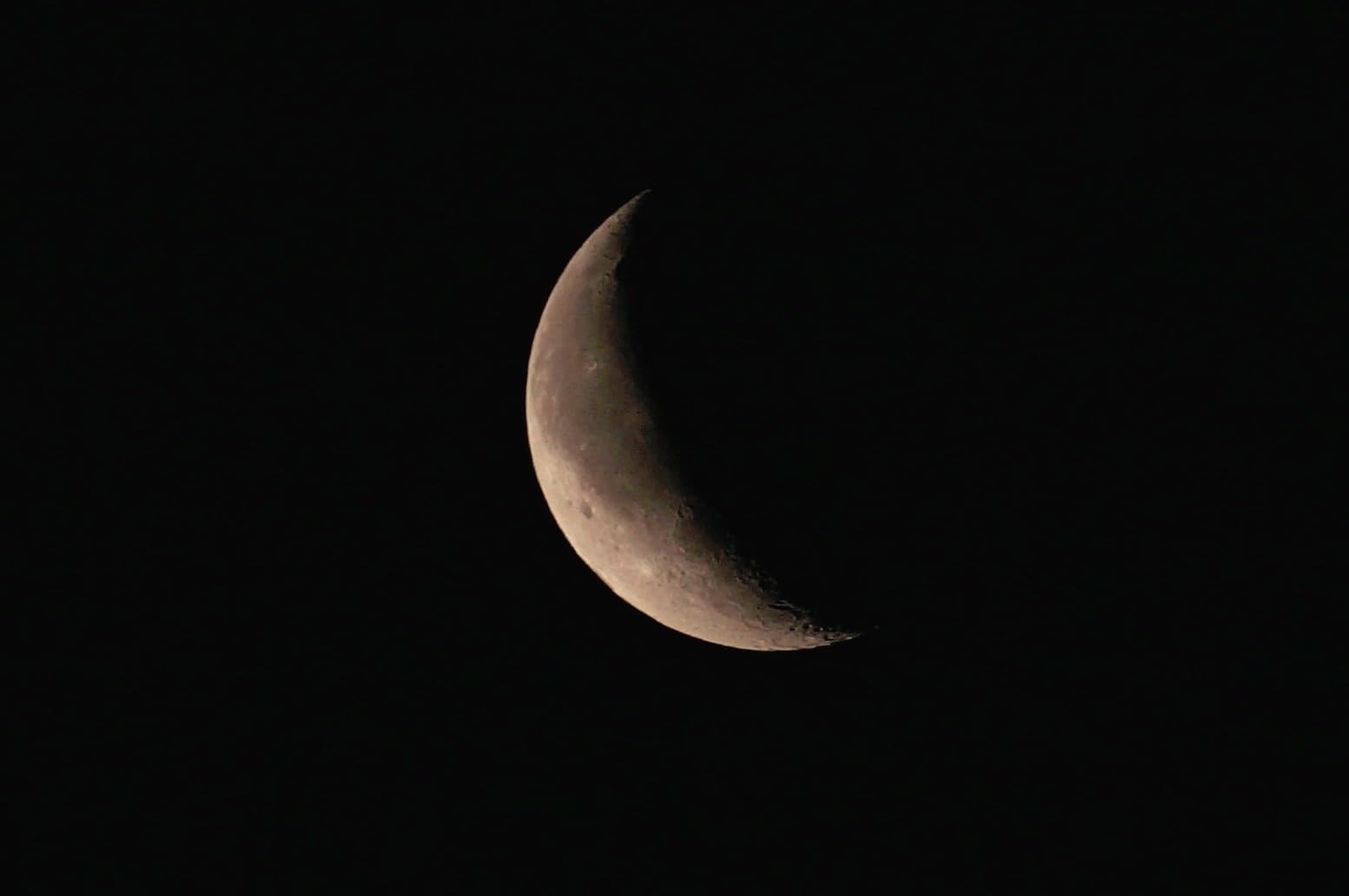
Close focusing is unusually good for the class. The listed minimum object distance gives 1:9.4 magnification at the wide end and 1:5.1 at tele, so you can fill the frame with a ring, a texture, or a detail shot without leaving the ceremony. The construction is moisture resistant, and the six year warranty is longer than most rivals offer.
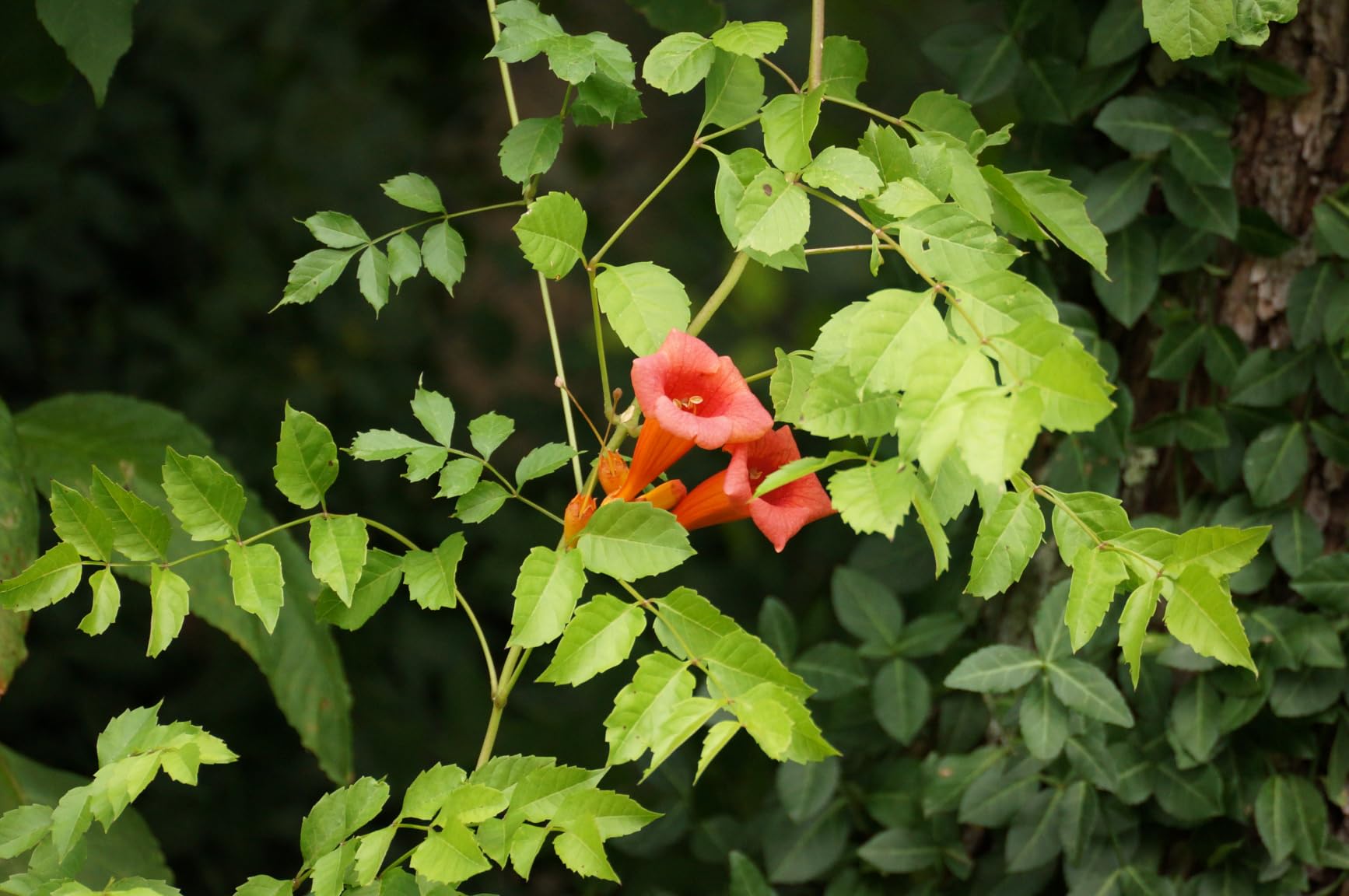
Can you handhold a 300mm without stabilisation?
Yes, because the A7 IV has in-body stabilisation that pairs with lenses lacking optical stabilisation. Owners report perfectly usable handheld results at long focal lengths, provided your subject is not moving and the light is adequate. For still subjects in low light, a stabilised telephoto zoom is simply the better tool.
Where this lens will not compete
The constant f/4.5-6.3 aperture is the limiting factor. Indoor receptions and evening events will push you to higher ISO, and you will not get the background separation of a constant f/2.8 zoom. There is also no lock switch on the barrel, so it can creep, and a few owners note brief focus hunting on very close targets.
4. Viltrox AF 135mm f/1.8 LAB – Best for Sharp Compression-Heavy Portraits
VILTROX AF 135mm F1.8 LAB FE Lens for Sony E Mount, 135mm f/1.8 Wide-Angle Fixed-Focus Telephoto Full Frame Lens Compatible with Sony a7IV a9 a7RII a7CII FX3 ZVE1 A1 a6700 a6400 ZV-E10II
135mm f/1.8
14 elements in 9 groups
11 blades
0.72 m close focus
LCD panel
Pros
- 4 ED and 2 high-refractive elements hold detail
- Quad Hyper VCM autofocus with face and eye detection
- 11-blade aperture keeps bokeh round wide open
- Dust and splash resistant metal body
- Aperture ring with click switch plus LCD display
Cons
- No built-in image stabilisation
- Fixed 135mm limits general framing
- Long heavy barrel for a prime in this class
The 135mm f/1.8 gives you compression the 85mm cannot. Shoot a portrait from across a room and the background stacks up into that flattened, editorial look, while the f/1.8 aperture keeps the subject isolated even in a venue full of people. Viltrox built the optical formula around four ED elements and two high-refractive elements, and owners consistently report strong resolution and control of chromatic aberration.
Autofocus is handled by a Quad Hyper VCM motor with face and eye detection, which is the feature that makes a third-party lens viable on this body. The A7 IV passes subject detection through to compatible lenses, and owners report that focusing on an eye is dependable for portrait work.
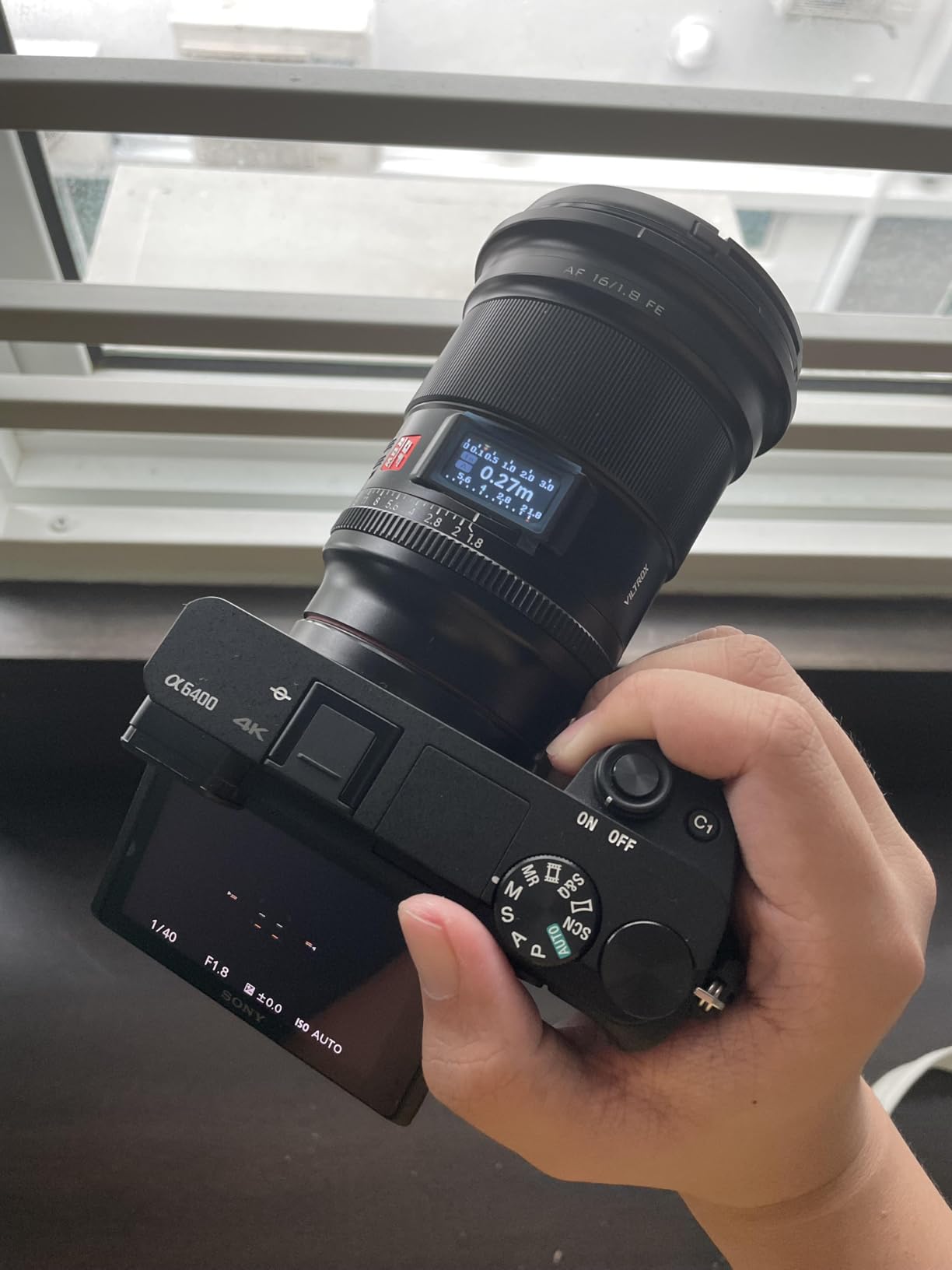
The control layout is unusually thorough for this class. You get a stepless aperture ring with a click switch, two bidirectional Fn buttons, an AF and MF toggle, and an LCD showing aperture and focus distance. For video shooters that is a genuine advantage over primes that only expose a switch. The body is metal with dust and splash resistant seals, and the front element carries a water-repellent coating.
There is also a USB-C port for firmware updates through Viltrox software, and the lens supports 4K and above capture. The minimum close-up distance of 0.72 m keeps head-and-shoulder framing comfortable.
Is a third-party lens safe for paid portrait work?
For portraits, yes. The subject detection and linear-motor focusing are consistent, the metal body is sealed, and the resolution matches what a 33-megapixel sensor can use. Where we would hesitate is a fast-moving event, because the tracking claims are newer than the incumbents’ and the sample is smaller at 402 reviews.
What you give up versus a first-party 135mm
There is no built-in stabilisation, so low-light handheld work leans entirely on the body. The barrel is long and front-heavy for a prime, which changes the balance on a small body. And the on-body rings and menus take an afternoon to learn before they feel natural.
5. Sony FE 70-200mm f/2.8 GM II – Best for Stage, Sport and Ceremony Work
Sony FE 70-200mm F2.8 GM OSS II Full-Frame Zoom Lens
70-200mm f/2.8 constant
17 elements in 14 groups
11 blades
1045 g
OSS
Pros
- Edge-to-edge sharpness across the range at f/2.8
- Four XD linear motors with excellent tracking
- Constant barrel length while zooming
- 29 percent lighter than the previous model
- Weather sealed magnesium alloy build
Cons
- High purchase price for the G Master tier
- Minimum focus distance is long for this class
- Barrel still extends when zooming
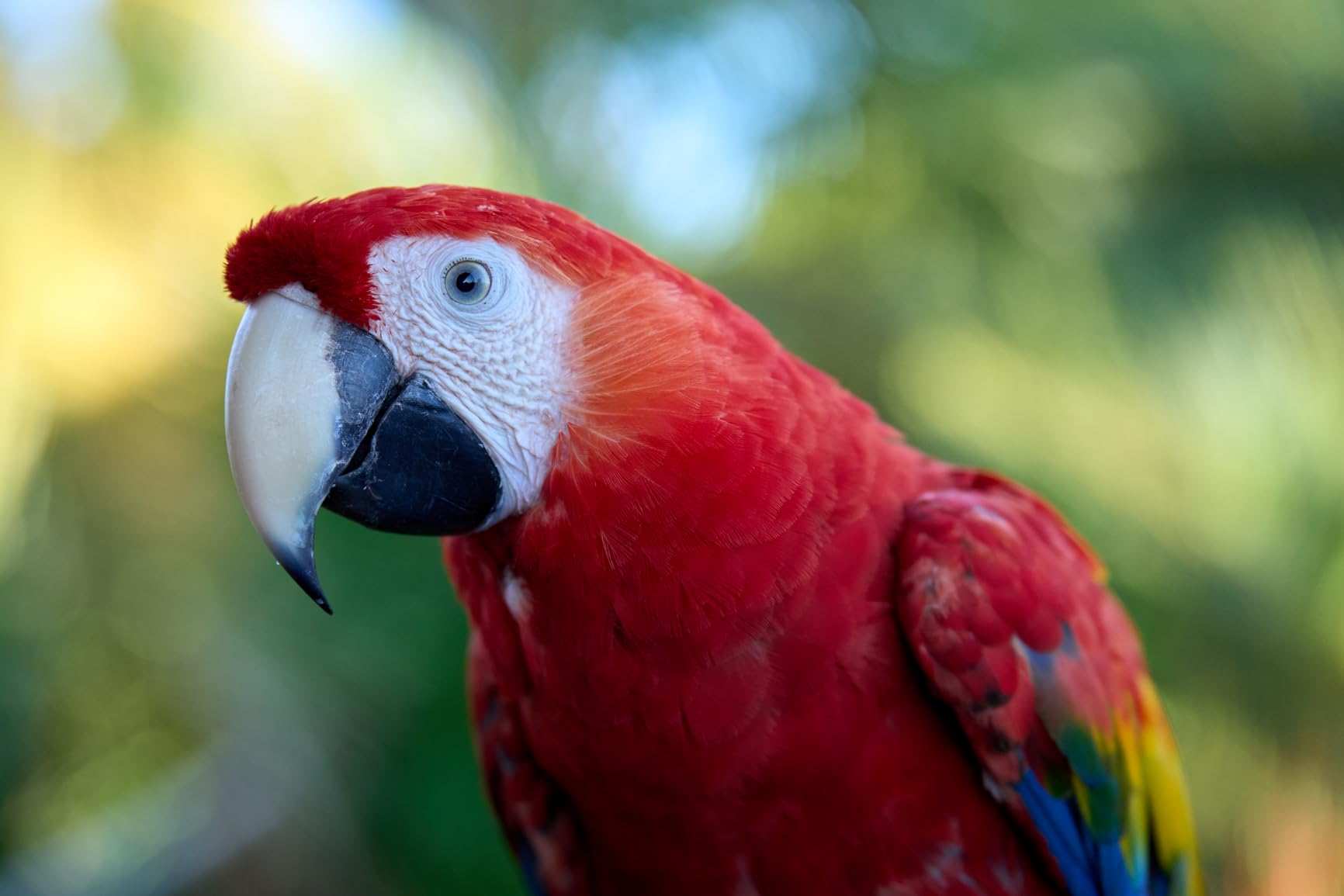
When the light drops and you cannot raise ISO, this is the answer. A constant f/2.8 across 70-200mm means your exposure and your background separation do not change when you zoom, which is exactly what a ceremony or a stage performance demands. Owners report a dramatic jump in keeper rate compared with slower telephoto zooms, and a 4.8 star average reflects that.
The optical design carries two aspherical elements including one XA extreme aspherical, plus two ED, two Super ED and one ED aspherical element to hold back chromatic aberration across the frame. The 11-blade diaphragm renders smooth bokeh at 200mm wide open, which is where a f/2.8 tele earns its keep.
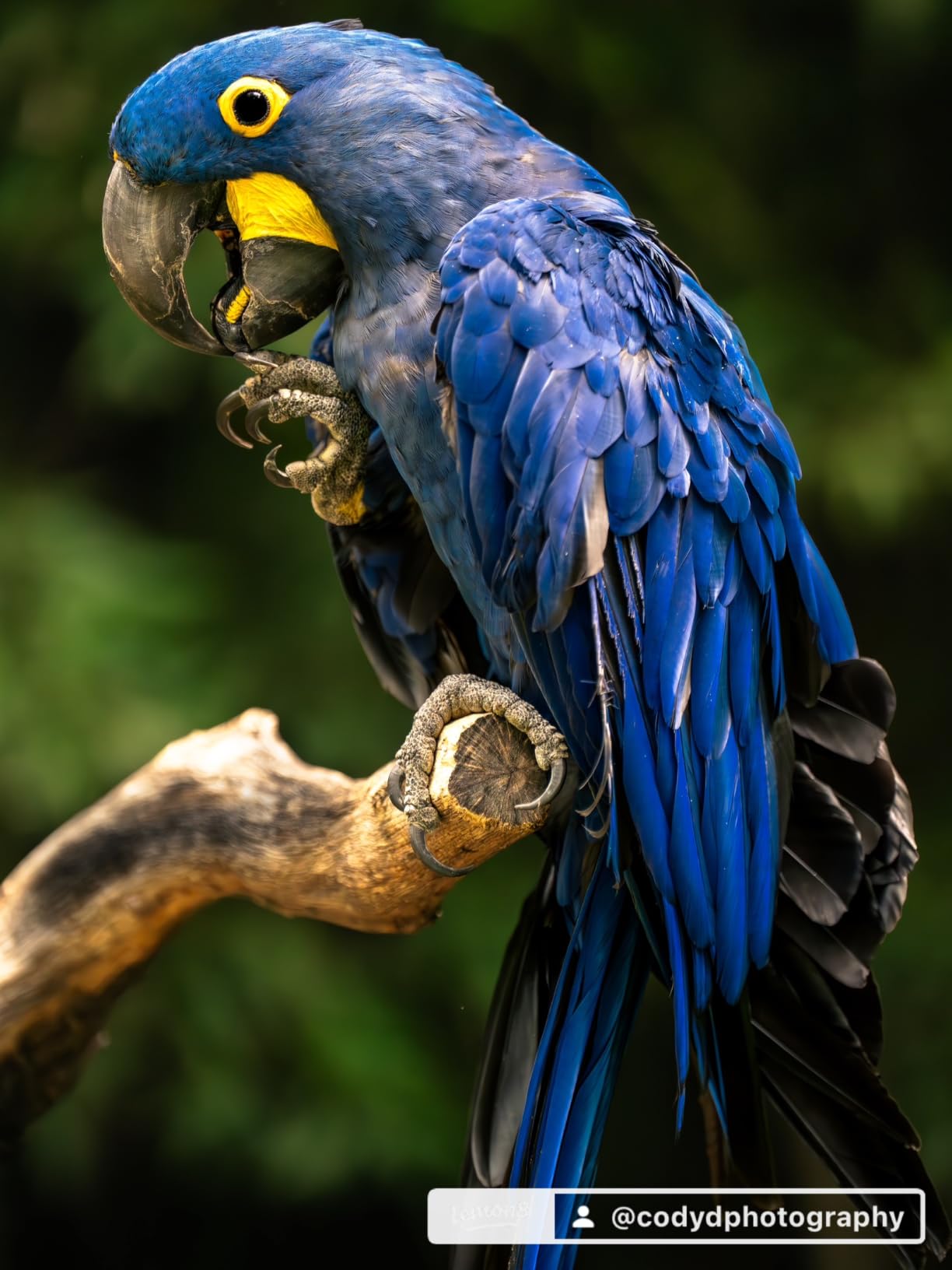
Four XD linear motors drive focusing, and Sony states the AF is up to four times faster than the previous generation with roughly 30 percent better tracking while zooming. That claim is the one that matters on moving subjects, and reviewers single out focus accuracy and tracking as the biggest improvements.
Why this is a video-friendly telephoto zoom
Focus breathing, focus shift and axis shift are all reduced, so pulling focus during a zoom is far more predictable. The focus, zoom and iris rings are independent, and an aperture click switch lets you engage or disengage clicks. The A7 IV oversamples 4K across the full width, so this focal range records without the heavy crop you get from longer glass.
The honest drawbacks
At 1045 g it is a heavy carry, and the price sits at the top of this list. The minimum focusing distance is long for a tele zoom in this class, so tight detail work is not its strength. It also takes 1.4x and 2x teleconverters, sold separately, if you need more reach on distant action.
6. Sony FE 16-35mm f/2.8 GM – Best Wide-Angle Zoom and Astrophotography
Sony – FE 16-35mm F2.8 GM Wide-Angle Zoom Lens (SEL1635GM), Black
16-35mm f/2.8 constant
16 elements in 13 groups
11 blades
0.28 m min focus
107 degree view
Pros
- 107 degree angle of view covers the widest scenes
- Two XA elements deliver corner-to-corner resolution
- Close focus to 0.28 m for interiors and details
- Constant f/2.8 keeps exposure steady
- Petal hood and weather resistant build
Cons
- No optical stabilisation in the barrel
- Bulkier than third-party wide zooms
- Can show fringing at extreme wide angles
- Premium pricing
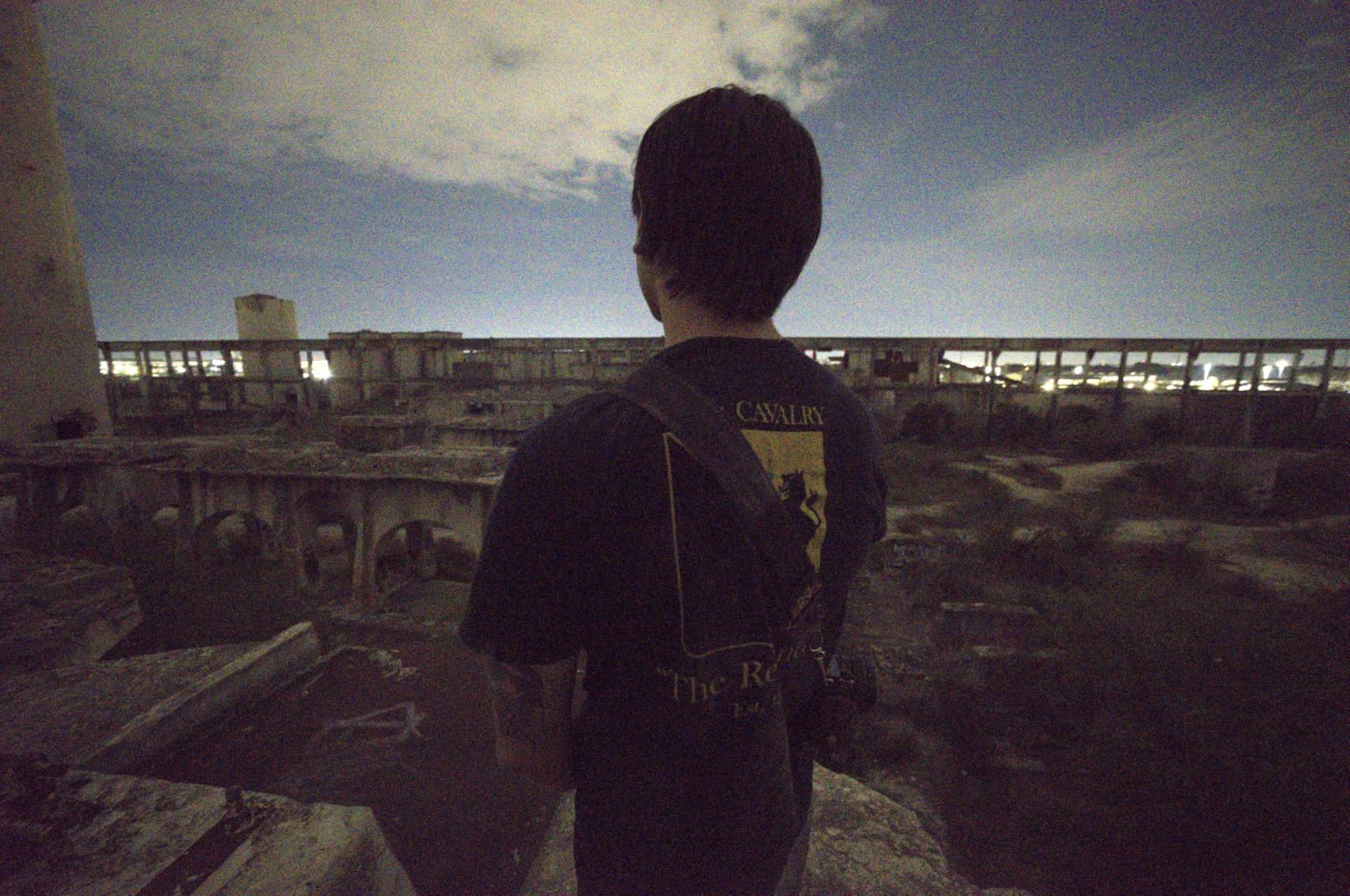
Shoot a venue in one frame, an interior without stepping backwards, or a night sky, and this is the lens. The 107 degree angle of view at 16mm widens to 63 degree at 35mm, and the constant f/2.8 means you can reframe a room without losing a stop of light. Astrophotography shooters value exactly that combination, since fast wide glass is what lets you hold exposures short enough for the stars.
Two XA extreme aspherical elements carry the resolution, and the design targets 50 line pairs per millimetre. On a 33-megapixel body that shows up where it counts, in corners at the wide end, which is the area that usually softens first on a wide zoom.
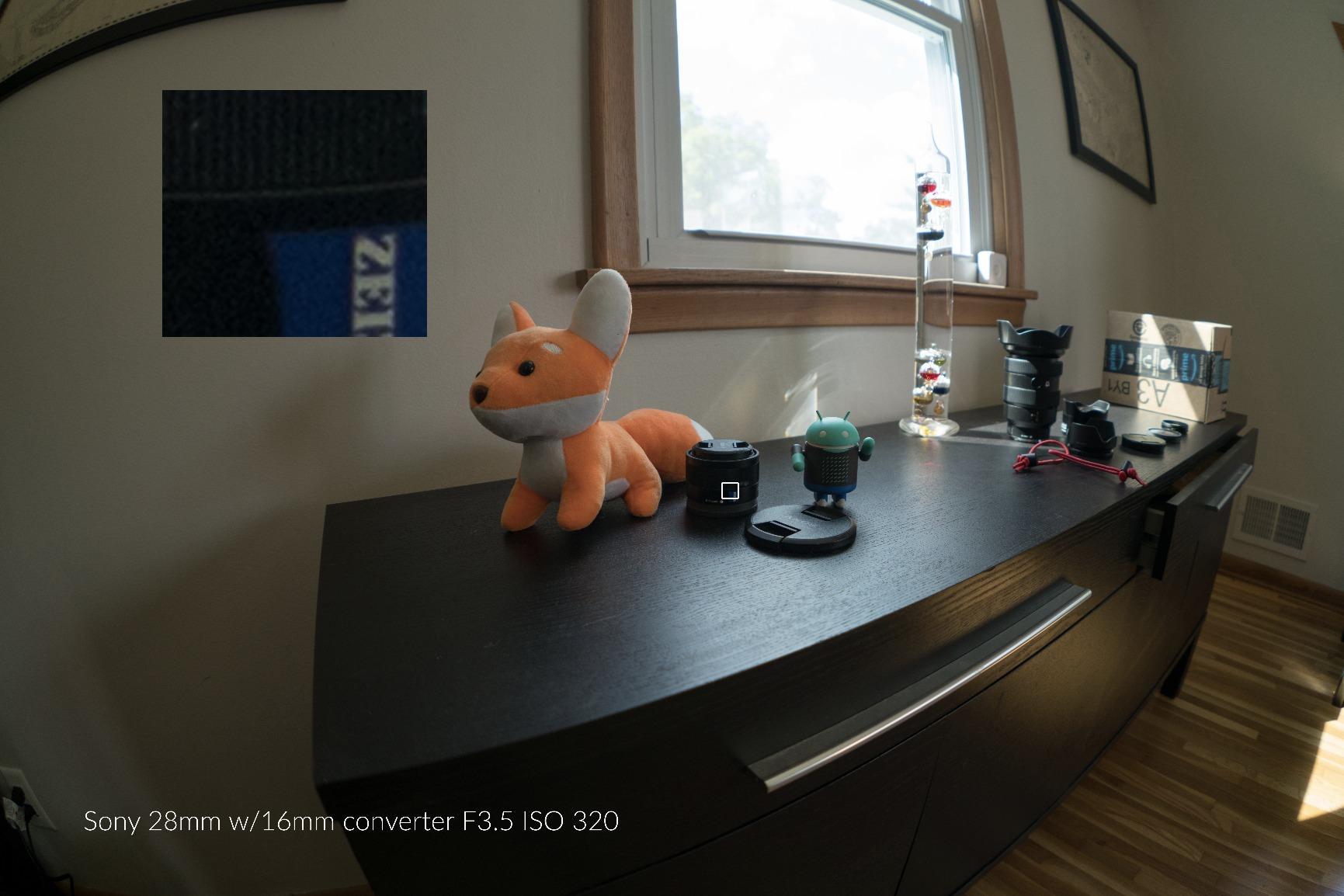
Close focusing at 0.28 m and a maximum magnification of 0.19 times mean you can shoot a detail or a product on a table without a second lens. The petal-shaped bayonet hood and the 11-blade aperture are useful touches for handling flare in high-contrast night scenes, and the weather-resistant build takes a light shower without drama.
Astrophotography shooters appreciate a fast, wide aperture that stays constant. At f/2.8 across the range you can shorten your exposures rather than stacking long ones, which keeps stars from trailing and reduces the amount of stacking and blending a night session needs. The 11-blade diaphragm also helps control the star shape and flare around bright light sources.
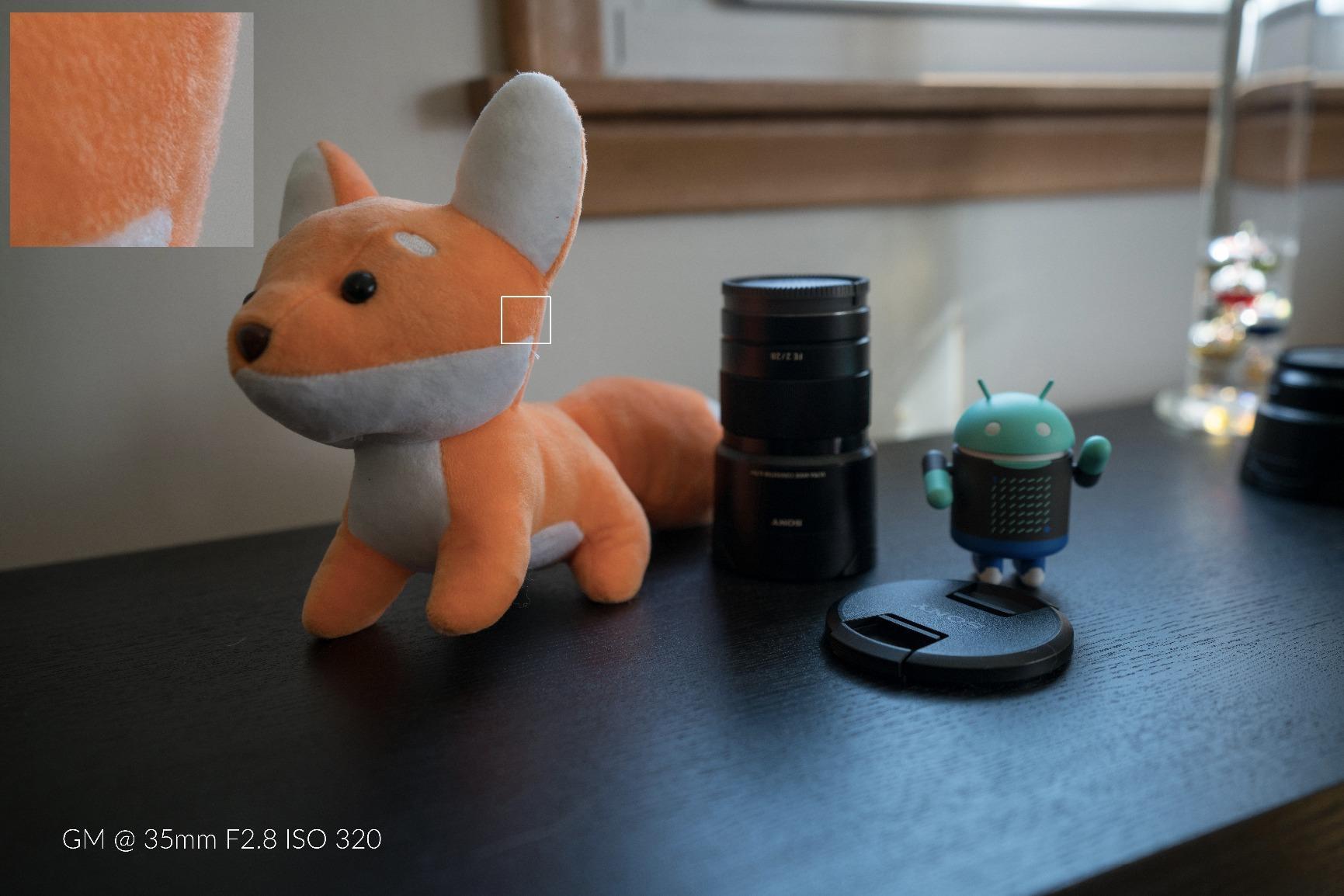
Why wide glass suits the A7 IV for video
The A7 IV reads out across the full width for 4K, so a 16mm stays 16mm. That matters for interiors and for any shot where a crop would feel tight. A longer lens in 4K on this body would give you a much narrower view of the scene, which is the single most common complaint from hybrid shooters.
What to watch out for
There is no optical stabilisation in the lens, so handheld stills rely on the body. It is bulkier than third-party wide alternatives, and the price reflects the G Master tier. Some users also report fringing at the extreme wide end in high-contrast scenes, which profiles in editing fix easily.
7. Sony FE 24-70mm f/2.8 GM II – Best All-Round Zoom for Weddings
Sony FE 24-70mm F2.8 GM II Full-Frame Zoom Lens
24-70mm f/2.8 constant
11 blades
695 g
Optical stabilisation
84 to 34 degree view
Pros
- Sharp and high contrast across the whole range
- Constant f/2.8 for low light and subject separation
- Fast quiet autofocus with excellent tracking
- Lightest and smallest f/2.8 standard zoom in its class
- Stabilisation and reduced focus breathing for video
Cons
- G Master pricing versus third-party f/2.8 zooms
- Still heavy for a walkaround lens
- Hood is awkward to fit and remove
- Not weather sealed
Owners describe this as the lens that replaces several primes. At 24mm you get a group shot, at 50mm a natural portrait, at 70mm a compressed headshot across a room, all at f/2.8. For a wedding photographer that is the whole assignment in one optic, and the 4.7 star average comes from people who stopped carrying three lenses to do it.
The optical design uses two high-precision XA elements, two ED and two Super ED elements with a floating focus mechanism, which is how it holds contrast at high spatial frequencies right across the frame at f/2.8. Optical stabilisation is built in, and it pairs with the body stabilisation when you shoot stills.

Four XD linear motors drive focusing, and the floating focus design keeps both the focus breathing and the focus shift low while you zoom, which is what makes it usable for moving shots. At 695 g it is over 20 percent lighter and 16 mm shorter than the lens it replaced, and roughly 18 percent less volume overall.

Is the GM II worth it over a third-party f/2.8 24-70mm?
Optically, the third-party options are now genuinely close. The case for this one is the combination: four linear motors, optical stabilisation, sealed-feeling build, and the lightest body in the f/2.8 standard zoom class. If your budget is fixed, a Sigma or Tamron 24-70mm f/2.8 gives you most of the image quality for noticeably less.
Pet peeves from owners
The petal hood is awkward to fit and remove, and the barrel interior has a felt-like lining that collects dust and pet hair. It is not weather sealed, which is a real consideration in an outdoor ceremony. And the zoom ring extends the barrel outward, so it does not sit flush when fully retracted.
8. Sony FE 90mm f/2.8 Macro G OSS – Best True Macro for Detail Work
Sony FE 90mm F2.8 Macro G OSS Full-Frame Lens
90mm f/2.8
1:1 life-size magnification
0.28 m min focus
602 g
Optical SteadyShot
Pros
- True 1:1 life-size reproduction
- Corner-to-corner sharpness from Super ED glass
- Optical SteadyShot for handheld macro
- Sliding focus ring for instant manual focus
- Nine-blade aperture gives pleasing bokeh
Cons
- Fixed 90mm limits use to macro and portraits
- Weather sealing is limited
- No support collar for steadier 1:1 work
- Premium pricing for a macro prime
Rings, florals, stationery, cake details: this lens renders them at life-size with a minimum focus distance of 0.28 m. Owners report razor-sharp results across the frame, which matters because a 33-megapixel sensor will happily show you every millimetre of softness at 1:1 magnification.
The advanced spherical elements and Super ED glass with multi-coating reduce flare and ghosting, which is the difference between a macro that fights you near a window and one that does not. A Direct Drive SSM motor focuses quietly, and a nine-blade circular aperture gives smooth out-of-focus rendering at the edge of the frame.

Two handling features earn their place in a working kit. Optical SteadyShot lets you shoot handheld at 1:1 without a tripod, and the sliding focus ring switches instantly from autofocus to manual. That manual override matters more than it sounds, because focus breathing on macro is unavoidable and a quick manual correction saves the frame.
At 602 g it is the second-lightest lens in this list after the primes, so it does not dominate a bag. The angle of view is 27 degrees on full frame, which frames a detail nicely without turning the shot into an abstract.
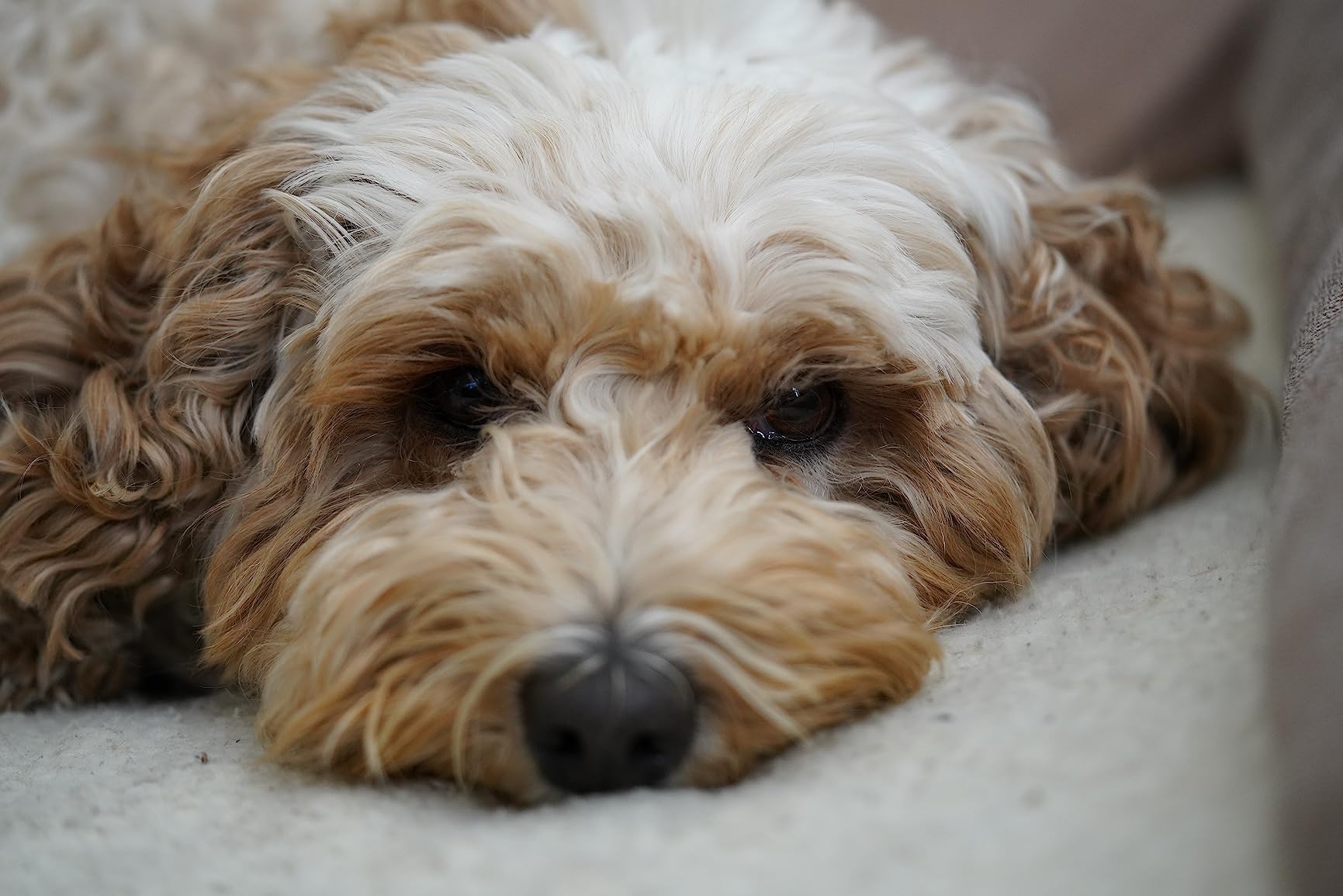
Should you buy a macro or use a zoom at close focus?
A macro, if detail work is a real part of your income. A 24-70mm close-focusing to about half a metre produces a good frame at 90mm equivalent, but it will not reproduce at 1:1 and you lose the stabilisation and the quiet focusing. If you shoot florals once a year, the zoom is enough.
The value question
A small share of one-star reviews focus on value rather than image quality, and the price sits above third-party macro primes for a reason: the stabilisation and the sealed-adjacent build are unique in this class. If you only need reproduction and can manage a tripod, the Sigma 105mm below is the cheaper route.
9. Sigma 105mm f/2.8 DG DN Macro Art – Best Value Macro Alternative
Sigma 105mm F2.8 DG DN Macro Art (Sony E-mount)
105mm f/2.8
1:1 life-size
9 blades
715 g
Focus limiter switch
Pros
- Sharp from f/5.6 through f/11
- Well blended bokeh and aperture rendering
- Life-size 1:1 magnification
- Works as a portrait lens too
- Focus limiter and lockable aperture ring
Cons
- Autofocus is slower and noisier than native Sony glass
- Noticeable focus breathing on close video
- Heavy at 715 g for a prime
- Not weather sealed
The Sigma takes the same 1:1 approach as the Sony 90mm at 105mm, which gives a slightly longer working distance and a tighter frame on a detail. Owners rate the rendering as exceptional from f/5.6 through f/11, which is the range you actually shoot macro in, and they praise the bokeh as well blended and natural rather than merely soft.
Many owners use it as a portrait lens too, which tells you how versatile it is on a full-frame body. A 105mm at f/2.8 compresses flatter than the 90mm and separates a subject from a wall more aggressively, so it earns its slot in a working kit rather than sitting in a drawer.

The physical controls are a real strength. A clicked and de-clicked aperture ring with an aperture ring lock switch lets you lock the ring when you do not want to move it, and a focus limiter switch lets you restrict autofocus to macro, portrait, or the full range. Restricting the range is a genuine speed gain for close work, and it stops the lens hunting between two subjects on a table.
Sigma lists a four year manufacturer warranty and a Hypersonic Motor optimised for smooth, accurate focusing, with manual focus and focus peaking highlighted by owners as excellent for deliberate macro work.

How does the autofocus compare for events?
This is the honest weakness. Owners describe the Hypersonic motor as slower and noisier than native Sony lenses, especially in low light. For a stationary detail shot that is irrelevant. For a live ceremony where a subject moves toward you, budget more time to acquire focus or switch to manual with peaking.
Sigma 105mm or Sony 90mm?
The Sony 90mm wins on stabilisation, focus speed and weight. The Sigma wins on aperture ring control, focus limiting and value, and it pairs naturally with a zoom if you want two different portrait lengths. Owners who need in-camera stabilisation for close handheld work tend to end up with the Sony.
10. Tamron 28-200mm f/2.8-5.6 – Best Travel and All-in-One Zoom
Tamron 28-200 F/2.8-5.6 Di III RXD All-in-One Lens for Sony Mirrorless Full Frame/APS-C E-Mount, Model Number: AFA071S700, Black
28-200mm f/2.8-5.6
7 blades
20.3 oz
Zoom lock switch
Close focus 7.5 in
Pros
- 7.1x zoom range in a compact body
- Constant f/2.8 at the wide end
- Exceptionally quiet RXD stepping motor
- Close focus to 7.5 inches for detail shots
- Zoom lock switch and 6 year warranty
Cons
- Aperture falls to f/5.6 by 200mm
- Not weather sealed
- Only seven diaphragm blades
- Variable aperture limits subject isolation
This is the lens for one bag, one trip, no decisions. A 7.1x range from 28mm to 200mm in a 20.3 oz body means you can frame a street market at the wide end and pick out a distant face at the long end without changing anything. The 4.6 star average across 774 reviews reflects how many people treat it as a permanent carry.
It holds f/2.8 at the wide end, so interiors and evening street scenes stay workable, and the RXD stepping motor is described by owners as exceptionally quiet. That matters for video: internal focusing keeps the front element steady, so there is no visible extension during a shot.
Close focusing is a surprise strength. At 7.5 inches and 1:3.1 magnification wide, plus 31.5 inches at the tele end, you can fill the frame with a menu, a piece of jewellery or a texture without a dedicated macro lens. The fluorine coating and moisture-resistant construction help in wet conditions, and the zoom lock switch lets you secure it for travel.
Where the variable aperture hurts
By 200mm the aperture is down to f/5.6, which means less light and thinner background separation at exactly the focal length you reach for portraits. The seven-blade diaphragm also renders a more polygonal shape to out-of-focus highlights wide open than the 9- and 11-blade lenses in this list. Neither is a problem in daylight.
Is it a substitute for a fast standard zoom?
Not optically. This lens is about reach and portability, not about the f/2.8 depth of field you get from the 24-70mm. Owners building a paid kit usually pair it with a fast prime rather than expecting it to cover that role, and we agree: a 35mm f/1.8 on the front of this body is a very complete travel setup.
11. Tamron 35-150mm f/2-2.8 – Best Single Lens for Event and Portrait Work
Tamron 35-150mm F/2-2.8 Di III VXD for Sony E-Mount Full Frame/APS-C (6 Year Limited USA Warranty)
35-150mm f/2-2.8
9 blades
41.1 oz
13 inch min focus
Fluorine coating
Pros
- One lens replaces a 24-70mm and a 70-200mm
- Constant f/2 at 35mm rising to f/2.8
- Fast quiet VXD linear motor autofocus
- Sharp wide open across the range
- Close focus to 13 inches at the wide end
Cons
- Heavy at 41.1 oz and front-heavy on small bodies
- Very stiff zoom ring is awkward for video
- Frame edges soften on high resolution bodies
- Dust sealing reported as weak
This is the lens people describe as a wedding lens. It starts at 35mm f/2 for groups and environmental shots, runs through 50mm and 85mm for portraits, and reaches 150mm f/2.8 for the moment across the room. Owners frequently report replacing a standard zoom and a telephoto zoom with this single optic, and the 4.6 star average comes with a small but committed review base.
The VXD linear motor is fast and quiet with dependable subject tracking, which is what you need when the only autofocus options are this lens and a prime. It focuses close to 13 inches at the wide end, and the fluorine coating plus nine rounded diaphragm blades keep rendering controlled.
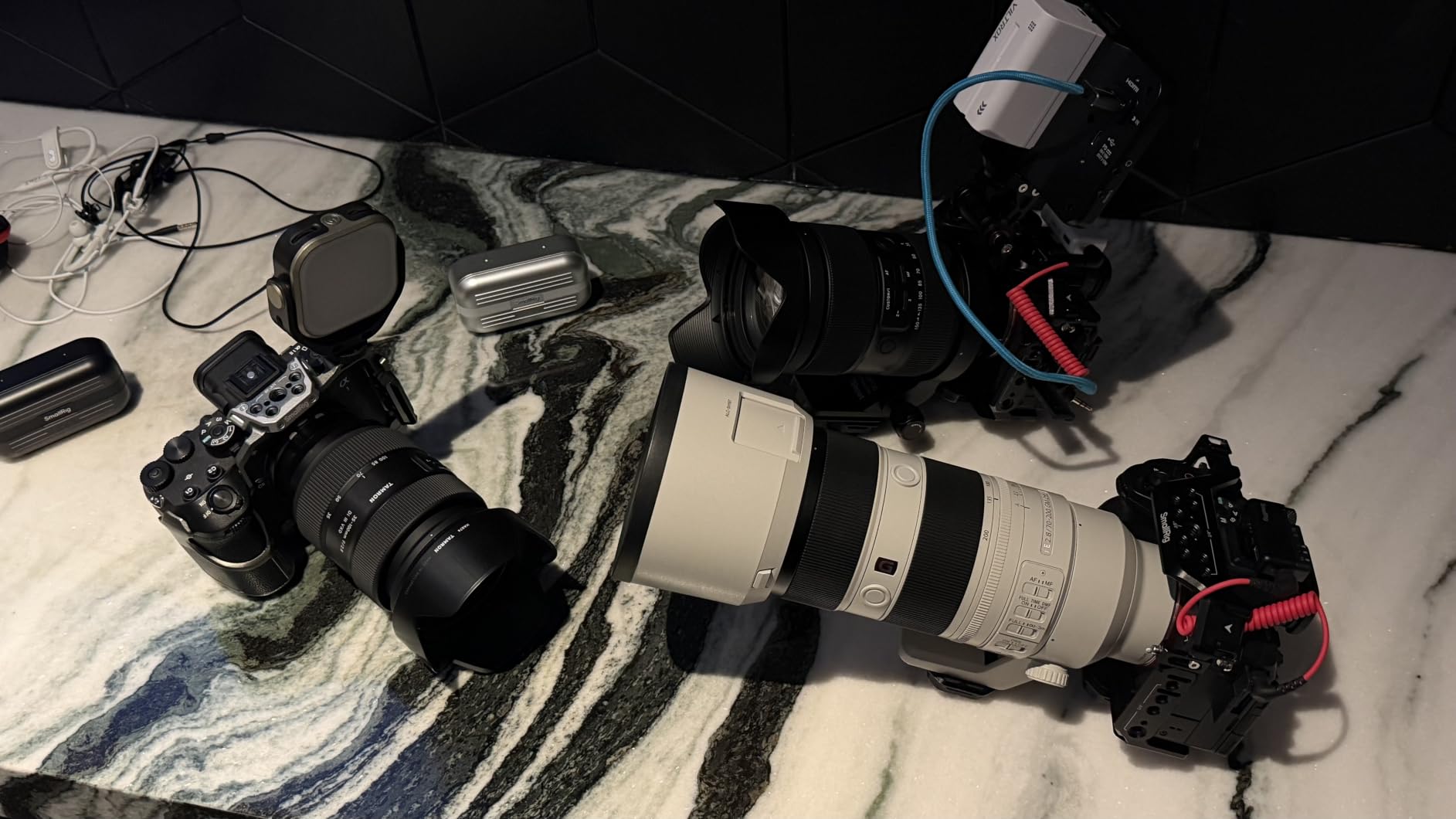
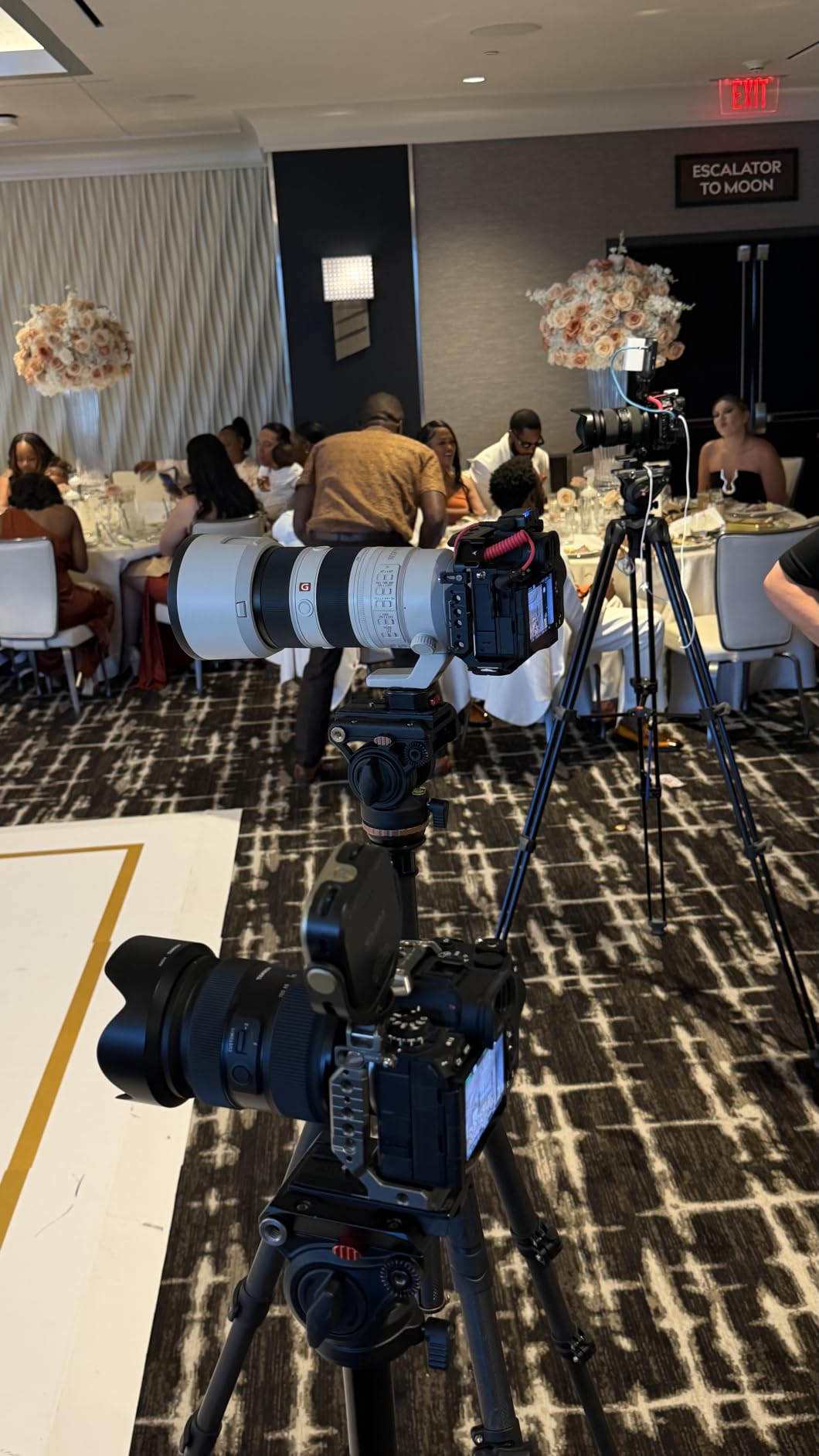
There is a trade-off in how it is built. At 41.1 oz and 6.2 inches long, it is the heaviest lens in this list by a wide margin, and owners describe it as front-heavy on smaller bodies. A battery grip makes a real difference to the balance over a long day. Tamron also covers it with a six year limited warranty.
Stabilisation comes from the body rather than the lens, so the A7 IV in-body system is doing the work. That is fine for stills and for most video, but it does nothing to stop focus drifting when you zoom while tracking a moving subject.
Is it worth giving up a 24-70mm and 70-200mm pair?
For many shooters, yes, and that is the most common owner report. The compromise is real though: the 24-70mm f/2.8 is constant f/2.8 across the range while this starts at f/2, and the 70-200mm f/2.8 stays fast all the way to 200mm where this lands at f/2.8 with thinner separation.
Video cautions on this lens
The zoom ring is very stiff, which makes smooth zoom transitions difficult, and focus can be lost during a zoom and need reacquiring. Bokeh also gets busier past roughly f/8. For stills-first event work this is a non-issue; for a video-heavy kit, look at the Sony 24-70mm GM II instead.
12. Sony E 55-210mm f/4.5-6.3 – Budget Pick for Reach on a Tight Budget
Sony E 55-210mm F4.5-6.3 Telephoto Lens for E-Mount Cameras
55-210mm f/4.5-6.3
7 blades
345 g
Optical SteadyShot
49 mm filter thread
Pros
- Only 345 g and very compact
- Optical SteadyShot for handheld at long focal lengths
- Internal focusing is smooth and quiet
- Useful 210mm reach for spectator events
- Includes a lens hood and Mag-Alloy construction
Cons
- APS-C E-mount lens so it crops on the A7 IV
- Variable f/4.5-6.3 struggles in low light
- Autofocus is slow by modern standards
- Not weather sealed
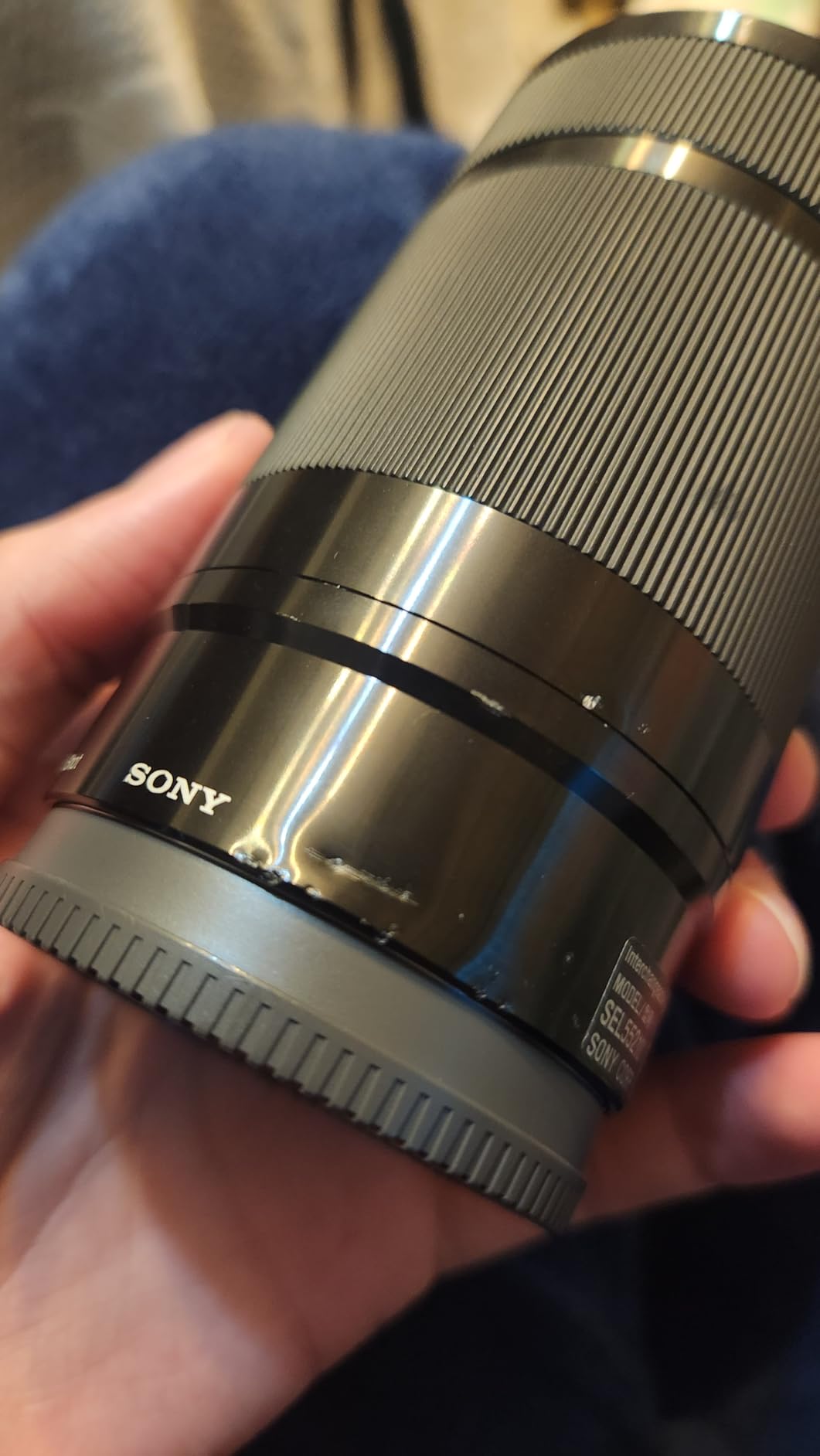
We have to flag the important detail first. This is an APS-C E-mount lens, not a full-frame FE optic. It mounts on the A7 IV and works, but it uses only the central portion of the sensor, so 55mm behaves like an 82mm equivalent and 210mm like a 315mm equivalent. On a 33-megapixel body that crop also leaves you with fewer pixels than you paid for.
Within those limits it is genuinely useful. At 345 g it is the second-lightest telephoto in this list, the internal focusing is smooth and quiet for video, and Optical SteadyShot stabilises the far end. Owners regularly pair it with a full-frame body precisely because the crop hides its corner weaknesses and the longer effective focal length gives useful extra compression.
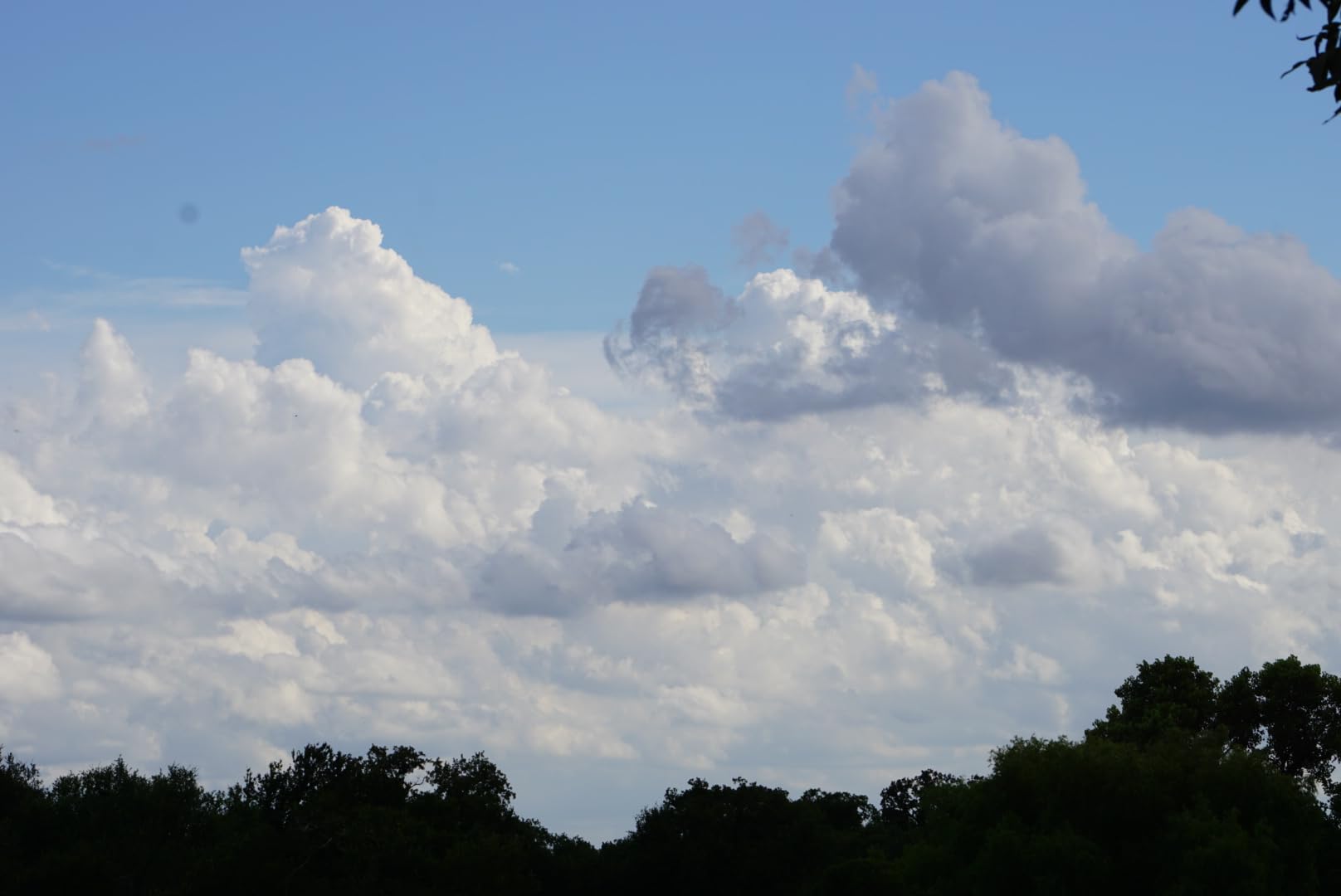
The honest assessment is that this is an APS-C lens, and on this body it makes most sense as a second camera lens or a stopgap. The minimum focus distance is 1.0 m, maximum magnification is 0.23 times, and the 49 mm filter thread keeps filters small and cheap. The 3.82:1 zoom ratio covers 82mm to 315mm equivalent.
Where the money goes is clear. Image quality is broadly on par with Sony’s kit zoom, with corner softness and softer contrast than the premium glass elsewhere on this list, and the f/4.5-6.3 range means higher ISO in evening light. The stepper motor autofocus is slow by modern standards, though it tracks a moving subject acceptably in decent light at the long end.
Should you buy an APS-C lens for a full-frame body?
Only if the reach matters more than the image quality you give up. The 315mm equivalent reach is genuinely difficult to get otherwise on a budget, and the 1,151 owner reviews describe real satisfaction. Otherwise, spend the same money on a full-frame telephoto and keep every pixel the sensor has.
Who it actually suits
A photographer who already owns an APS-C body and wants one telephoto that works on both, or a full-frame owner who needs a cheap second-body reach option. The weight and the built-in stabilisation make it a comfortable carry, and the included hood means you are not buying accessories on day one.
How to Choose a Lens for the Sony A7 IV
Confirm the mount first. The A7 IV uses Sony’s full-frame E mount, so any FE lens mounts, autofocuses and covers the whole sensor. APS-C E-mount lenses also mount but crop to the centre of the frame, as we noted with the 55-210mm above. If you own APS-C lenses already, they are a cheap way to add a focal length before committing.
Decide prime or zoom by how you work. A prime gives you sharper results and a smaller bag, and forces you to move, which improves how you see a scene. A zoom gives you framing flexibility in situations where you cannot move, which at a wedding means more of the time than photographers expect. Owners on forums repeatedly describe the 24-70mm f/2.8 GM II as replacing several primes for exactly that reason.
Stabilisation: lens or body? The A7 IV has in-body stabilisation, and it pairs with lenses that have no optical system, which is why the Tamron 70-300mm is usable handheld. Optical stabilisation still helps more for long focal lengths and for close macro work, which is why the 90mm macro and the 70-200mm f/2.8 include it.
Third-party autofocus is now credible. The recurring question in our inbox is whether Sigma, Tamron and Viltrox glass focuses reliably with the A7 IV eye detection. For the lenses here, the answer is yes for stills at moderate speed, with the caveat that native Sony linear motors track moving subjects more predictably. For video, look for a lens that reduces focus breathing, an aperture ring with a de-click switch, or a linear motor rather than a stepping motor.
Video changes the maths. The A7 IV oversamples 4K across the full width, so wide lenses keep their full field of view in video while longer lenses do not. That is a genuine argument for a 16-35mm or a 35mm if you shoot interiors or documentary video, and it is a reason to de-click before you buy. Our related guides cover the best accessories for the A7R IV and the camera cases worth carrying a full kit in.
Check the kit lens question properly. If you have not bought the body yet, note that the A7 IV ships with the Sony FE 28-70mm f/3.5-5.6 OSS as its bundled option. You will see the 24-105mm f/4 G quoted as the kit lens in several guides online, which is not correct. The kit zoom covers you for a month of learning the body, and we would still replace it with a fast prime before anything else.
Frequently Asked Questions
What Sony lens should I buy first with the A7 IV?
The Sony FE 85mm f/1.8 is the most common answer from working photographers, because it is light at 371 g, sharp on a 33-megapixel sensor and gives f/1.8 background separation for portraits and events. If you need framing flexibility in a single lens, the Sony FE 24-70mm f/2.8 GM II is the alternative, and it is the lens most owners end up adding second.
Which lens is best for the Sony A7 IV?
Best overall, the Sony FE 85mm f/1.8, rated 4.8 stars across more than 2,400 owner reviews. Best all-round zoom, the Sony FE 24-70mm f/2.8 GM II. Best value telephoto reach, the Tamron 70-300mm f/4.5-6.3 at 19 oz. Best travel all-in-one, the Tamron 28-200mm f/2.8-5.6. Best macro, the Sony FE 90mm f/2.8 Macro G OSS.
What is the best cinematic lens for the Sony A7 IV?
The Sony FE 16-35mm f/2.8 GM is the strongest video choice because the A7 IV records oversampled 4K across the full sensor width, so a 16mm stays 16mm instead of cropping. The Sony FE 24-70mm f/2.8 GM II is the better all-round video zoom, with reduced focus breathing and focus shift while zooming, optical stabilisation, independent control rings and an aperture click switch. The Viltrox AF 135mm f/1.8 LAB adds a stepless aperture ring with a click switch, an LCD display and USB-C firmware updates.
What is the best lens for traveling with the Sony A7 IV?
The Tamron 28-200mm f/2.8-5.6 covers 28mm to 200mm in a 20.3 oz body with a zoom lock switch, close focus to 7.5 inches and an exceptionally quiet RXD stepping motor. If you want to travel even lighter, the Sony FE 35mm f/1.8 weighs 318 g, is dust and moisture resistant, and gives you f/1.8 depth of field. Pairing the two covers most of what a traveller shoots.
Do APS-C Sony E-mount lenses work on the Sony A7 IV?
Yes, they mount and focus, but they use only the central area of the sensor. The Sony E 55-210mm f/4.5-6.3 in this list behaves like an 82mm to 315mm equivalent, so you gain reach and lose the edges of the 33-megapixel frame. Every other lens in this guide is a full-frame FE lens and covers the sensor fully.
The Best Lenses for Sony A7 IV in 2026
After years of watching people buy the wrong first lens, our advice has not changed. Start with the Sony FE 85mm f/1.8 if your work is people, because it is the cheapest way to make images that look expensive and it never gets heavy in your hand. Add the Sony FE 24-70mm f/2.8 GM II when you need framing flexibility, and add the Sony FE 70-200mm f/2.8 GM II when the light drops and the subject moves.
For travel and one-bag work, the Tamron 28-200mm f/2.8-5.6 and the Sony FE 35mm f/1.8 cover more ground than their size suggests. For macro and details, the Sony FE 90mm f/2.8 Macro G OSS is the stabilised choice, and the wide corners of the Sony FE 16-35mm f/2.8 GM open up interiors and night skies that nothing else in this list reaches.
Whichever you choose, check the current listing and read the owner reviews before you commit. These lenses change very little over their life, so the differences that matter are the ones written by the people carrying them at hour nine of a wedding day.