
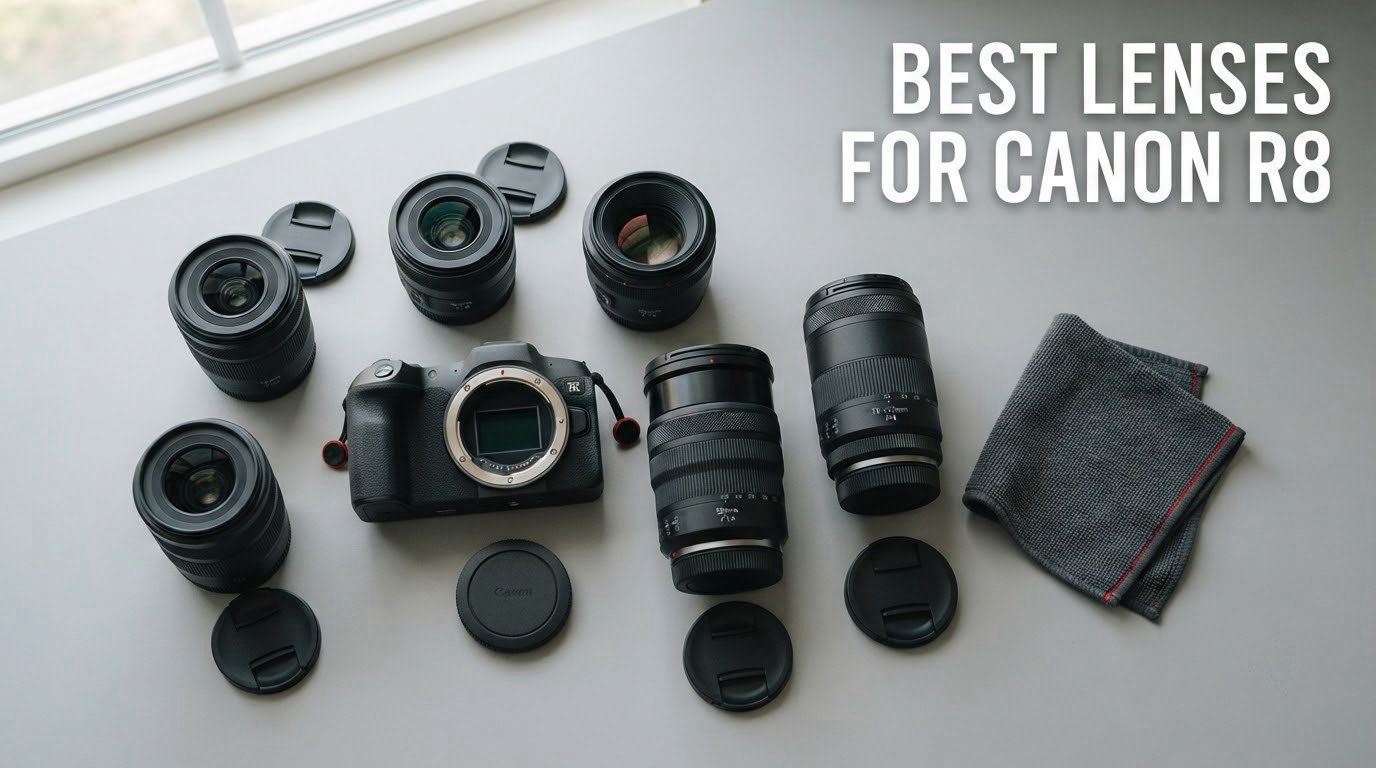
The Canon R8 is one of those cameras that rewards a good lens choice more than almost any other body in its class. It packs a 24.2MP full-frame sensor and Canon’s fastest autofocus into a body light enough to disappear on a long day, but it has no in-body image stabilization at all. Every stop of handheld stability has to come from the lens, and that single fact reshapes the whole shopping list.
That is what makes searches for the best lenses for Canon R8 more than a generic list. A stabilized f/4 zoom that feels heavy on a larger body becomes a genuinely useful tool here, while a pocket prime that seems cheap next to L-series glass can leave you shaking at 1/15 second during a ceremony. We spent weeks comparing the RF lineup against what the R8 actually needs, and the honest answer is that the best lens is the one that covers your usual focal range in a body you will carry.
Our team worked through twelve RF-mount lenses across primes, standard zooms, ultra-wides and telephotos. We looked at aperture consistency, optical stabilization ratings, focusing motor behaviour, weight against the R8’s compact frame, and how each one holds up when the light drops in an evening reception. We also leaned on what R8 owners report in the r/canon and dpreview communities, because long-term durability and autofocus reliability only show up after a few hundred assignments.
Whether you are buying your very first RF lens, adding a second body for wedding season, or replacing a kit zoom that never left 45mm, this guide covers the best lenses for Canon R8 without the hype. We flag the stabilized options, the sharp but unstabilized options, and the places where saving money quietly costs you something later. Updated for 2026, and every recommendation below works natively on the R8 with no adapter.
Table of Contents
Top 3 Picks for Canon R8 Owners for October 2026


Canon RF 24-70mm f/2.8L IS USM
- Constant f/2.8
- 5 stops optical IS
- Nano USM autofocus
- Weather resistant

Canon RF 35mm f/1.8 IS Macro STM
- 0.5x macro in a compact prime
- 5 stops optical IS
- Quiet STM autofocus
All 12 Lenses at a Glance in October 2026
| Product | Specifications | Action |
|---|---|---|
| Canon RF 50mm f/1.8 STM |
|
Check Latest Price |
| Canon RF 35mm f/1.8 IS Macro STM |
|
Check Latest Price |
 Canon RF 16mm f/2.8 STM Canon RF 16mm f/2.8 STM |
|
Check Latest Price |
 Canon RF 100-400mm f/5.6-8 IS USM Canon RF 100-400mm f/5.6-8 IS USM |
|
Check Latest Price |
 Canon RF 85mm f/2 Macro IS STM Canon RF 85mm f/2 Macro IS STM |
|
Check Latest Price |
| Canon RF 24-70mm f/2.8L IS USM |
|
Check Latest Price |
 Canon RF 24-105mm f/4L IS USM Canon RF 24-105mm f/4L IS USM |
|
Check Latest Price |
 Canon RF 70-200mm f/2.8L IS USM Canon RF 70-200mm f/2.8L IS USM |
|
Check Latest Price |
 Canon RF 15-35mm f/2.8L IS USM Canon RF 15-35mm f/2.8L IS USM |
|
Check Latest Price |
 Canon RF 14-35mm f/4L IS USM Canon RF 14-35mm f/4L IS USM |
|
Check Latest Price |
 Canon RF 24-105mm f/4-7.1 IS STM Canon RF 24-105mm f/4-7.1 IS STM |
|
Check Latest Price |
 Canon RF-S 18-45mm f/4.5-6.3 IS STM Canon RF-S 18-45mm f/4.5-6.3 IS STM |
|
Check Latest Price |
1. Canon RF 50mm f/1.8 STM – The Editor’s Choice First Prime
Canon RF50mm F1.8 STM Lens
50mm prime
f/1.8 aperture
0.5x macro
5.6 oz
43mm filter thread
Pros
- Exceptionally sharp and clean files
- Large f/1.8 aperture for low light and separation
- Only 5.6 oz and pocketable
- Fast and quiet STM autofocus
- 43mm filters are inexpensive and easy to find
Cons
- No optical image stabilization
- Softness and corner astigmatism wide open
- Visible chromatic aberration
This is the lens I hand to anyone who has just bought an R8 and asks what to put on it first. It weighs 5.6 ounces, and the f/1.8 aperture gathers far more light than any kit zoom aperture. For portraits, low-light receptions and street work it does the job of a far more expensive prime.
Sharpness surprised me most. Centre detail is clean even wide open, and files straight out of camera need very little cleanup for web or print. The 7-blade circular aperture rounds out highlights nicely, which matters when a ceremony is backlit and every bulb blows out.

The focusing motor is a gear-type STM, and it is genuinely quiet and smooth for video focus pulls. Minimum focus is 0.56 ft, giving 0.5x magnification, so it doubles as a capable half-macro lens for rings, florals and detail shots without any adapter.
The trade-offs are honest ones. There is no optical image stabilization, which on a body without IBIS means low-light stills and video depend on your own steady hands or a tripod. Wide open you will see some corner astigmatism and a hint of chromatic aberration, and the coating is not built for shooting into direct sun.

When the 50mm earns its slot in your bag
It is the right choice when you shoot events, portraits or street work and need clean separation without changing lenses. The 43mm filter thread is a quiet practical win, since filters for that size are cheap and easy to source before a season.
It also works as a documentary lens on the R8, where the combination of a small body and a small prime keeps the whole kit genuinely pocketable.
When a stabilized zoom is the smarter buy
If most of your frames are taken in dim venues, or you film handheld clips where a shifting frame is not an option, prioritize a lens with optical IS. The 35mm f/1.8 later in this list gives you five stops of correction in a similar pocketable shape.
You can read more about focal length choices in our guide to the best lenses for the Canon 90D, which covers the same decision at a different sensor size.
2. Canon RF 35mm f/1.8 IS Macro STM – Best Value Everyday Prime
Canon RF35mm F1.8 is Macro STM Lens
35mm prime
f/1.8 aperture
5 stops optical IS
0.5x macro
10.88 oz
Pros
- Sharp and contrasty wide open
- 0.5x half-macro in an everyday prime
- Five stops of optical IS
- Nano-smooth STM focusing
- Compact and light enough for all day
Cons
- Some units show micro focus hunting
- Sluggish AF on fast-moving subjects
- Noticeable purple fringing wide open
On a camera with no IBIS, a five-stop optical stabilizer in a 35mm prime is the closest thing to a cheat code. This lens lets you handhold roughly three times slower than you could before, and it does it in a 10.88 oz package that pairs naturally with the R8.
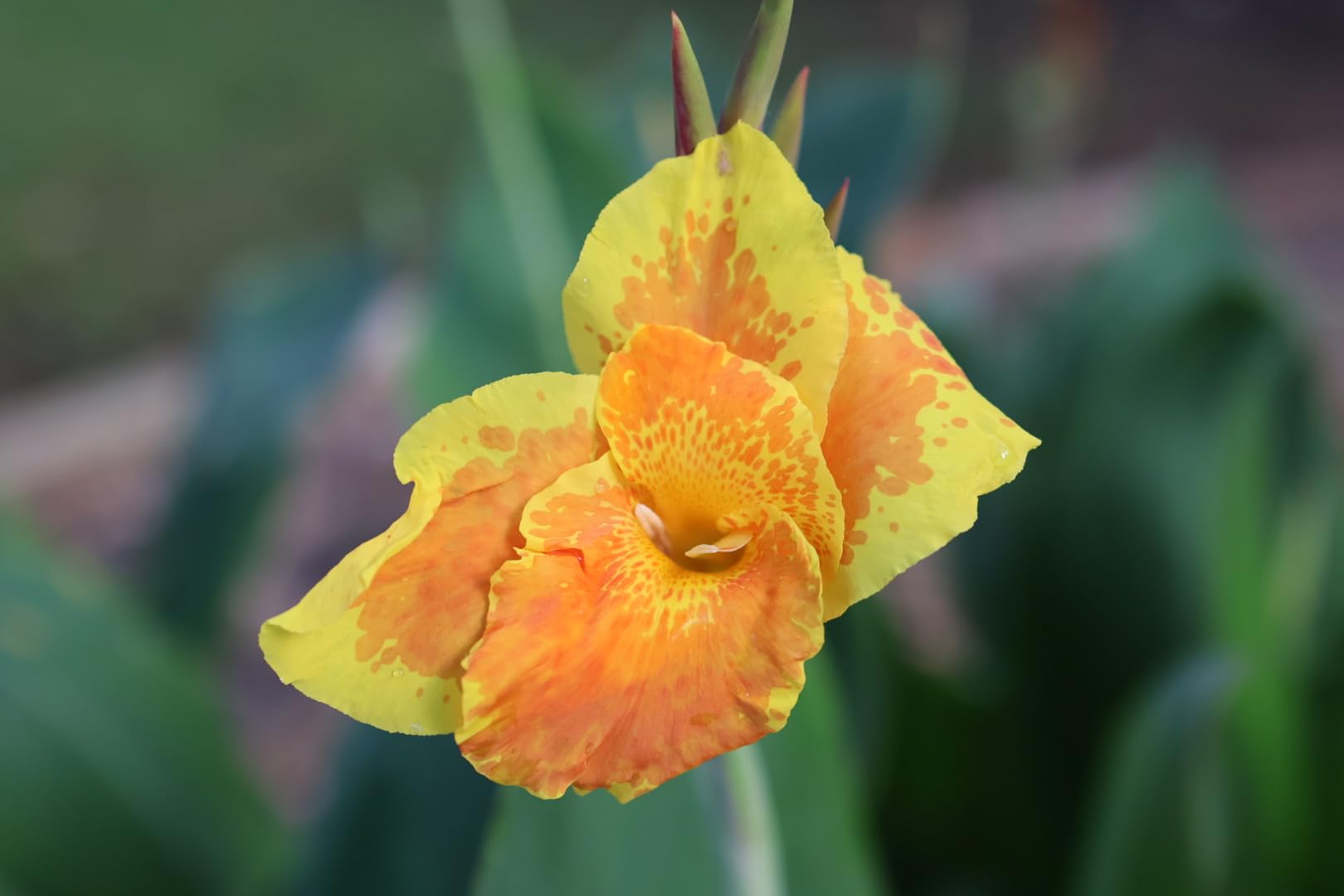
The optical quality is the surprise. Reviewers regularly describe it as approaching L-series rendering, and at f/1.8 it stays contrasty with good colour. The 0.5x magnification at 0.56 ft minimum focus turns it into a real workhorse for florals, rings, cake details and product shots.
Autofocus is driven by an STM motor that is quiet and smooth in the best conditions. The complaint owners raise most often is behaviour on harder targets: some report focus repeatability issues and micro hunting on glossy or low-contrast subjects, which is why we would not build a sports kit around it.
Focus breathing is mild, and the ring is geared for smooth manual focus when you need it. It plays three roles at once on this body: walkaround, low light and close-up, which is unusual for a single prime.
Why this is the value pick for the R8
You get optical stabilization, a bright aperture and half-macro in one lens, and the R8 does not add stabilization of its own. Few primes pack all three at this weight, which is why it works so well as a single-lens answer.
For anyone who wants one lens that can cover a whole reception and then move in on the bouquet, this is the one to start with. Our macro lens guide for Canon cameras covers the cases where a true 1:1 lens is worth stepping up to.
Where it falls short
It forces you to stand close to your subject, so 35mm is not the flattering choice for tight portraits or ceremonies. For head-and-shoulder work with real compression, look at an 85mm.
If your priority is fast, silent tracking of running children or dancers, the stepping motor is not the strongest option in the RF lineup.
3. Canon RF 16mm f/2.8 STM – Best Ultra-Wide for Interiors and Events
Canon RF16mm F2.8 STM Lens
16mm ultra-wide prime
f/2.8 aperture
108 degree view
163 g
0.26x magnification
Pros
- Sharp in the centre with good colour
- Exceptionally small and light for an ultra-wide
- f/2.8 keeps ISO and noise down
- Close focus is more versatile than expected
- Strong value as a backup wide
Cons
- Barrel distortion and vignetting need correction
- Autofocus is slow in low light and the motor hums
- No weather sealing and no focus switch
Sixteen millimetres on full frame is genuinely wide, and that is exactly what you want when you are standing in a packed reception hall trying to get a group in, or in a small venue where backing up is not an option. At 163 g it is among the smallest ultra-wides in the RF range, and it is the one we most often see in a small camera bag.
The f/2.8 aperture keeps noise in check during indoor work, which many cheaper ultra-wides fail to do. Close focus at 5.11 inches gives 0.26x magnification, so it can double as a small-detail lens for rings and decor.

Where it needs help is in the file. Barrel distortion, vignetting and some chromatic aberration are visible raw, and Canon has built distortion profiles into Adobe Lightroom, so a click of correction does most of the work. Corners are also softer than the centre, and the STM motor is not fast in dim conditions and can hum audibly while focusing.
Video shooters will like the smooth, quiet continuous focusing for the parts of the take where conditions are reasonable. Just do not expect it to hunt through a dark reception in real time.

Where a 16mm earns its keep
It is built for confined spaces: small ceremonies, hotel ballrooms, real estate interiors and crowded group shots. A professional can carry one as a backup wide while using a standard zoom as the main lens.
Because the R8 has no IBIS, the wide end of this lens is exactly where the aperture matters most, and f/2.8 gives you room to work without pushing ISO.
When to spend up for an ultra-wide zoom
A prime means repositioning. If you want to frame a room and then tighten in without walking across the floor, an ultra-wide zoom is the better tool for events and interiors.
It is also not weather sealed, so for outdoor work in poor conditions, a sealed L-series wide is the safer call.
4. Canon RF 100-400mm f/5.6-8 IS USM – Best Reach for Wildlife and Travel
Canon RF100-400mm F5.6-8 is USM Lens
100-400mm zoom
5.5 stops optical IS
Nano USM
0.41x at 400mm
816 g
Pros
- Versatile 100-400mm reach in a compact body
- Nano USM is fast and quiet
- Strong optical stabilization
- Good sharpness for the class
Cons
- Slow f/5.6-8 variable aperture
- Front-heavy with no support foot included
- Not weather sealed
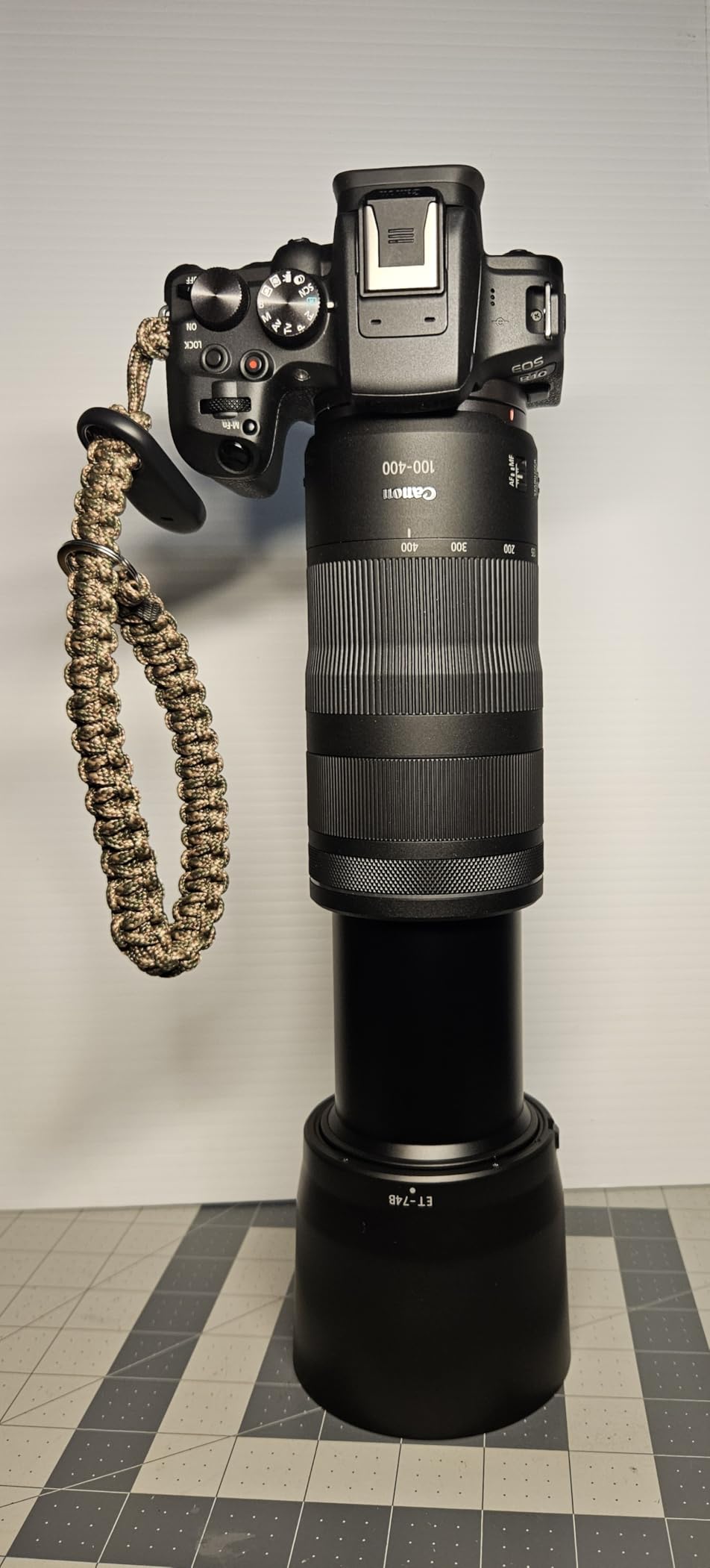
A four-times zoom covering 100mm to 400mm is a hard tool to live without if you shoot wildlife, distant ceremony details or a subject that will not let you get closer. On the R8, the compact body makes the whole package feel lighter than the numbers suggest.
Stabilization is rated at up to 5.5 stops optically, and up to 6 stops on EOS R bodies with IBIS, which is worth remembering if you later move to a different body. Minimum focus is 2.89 ft at 200mm, and it reaches 0.41x magnification at the 400mm end for real close-focus detail.
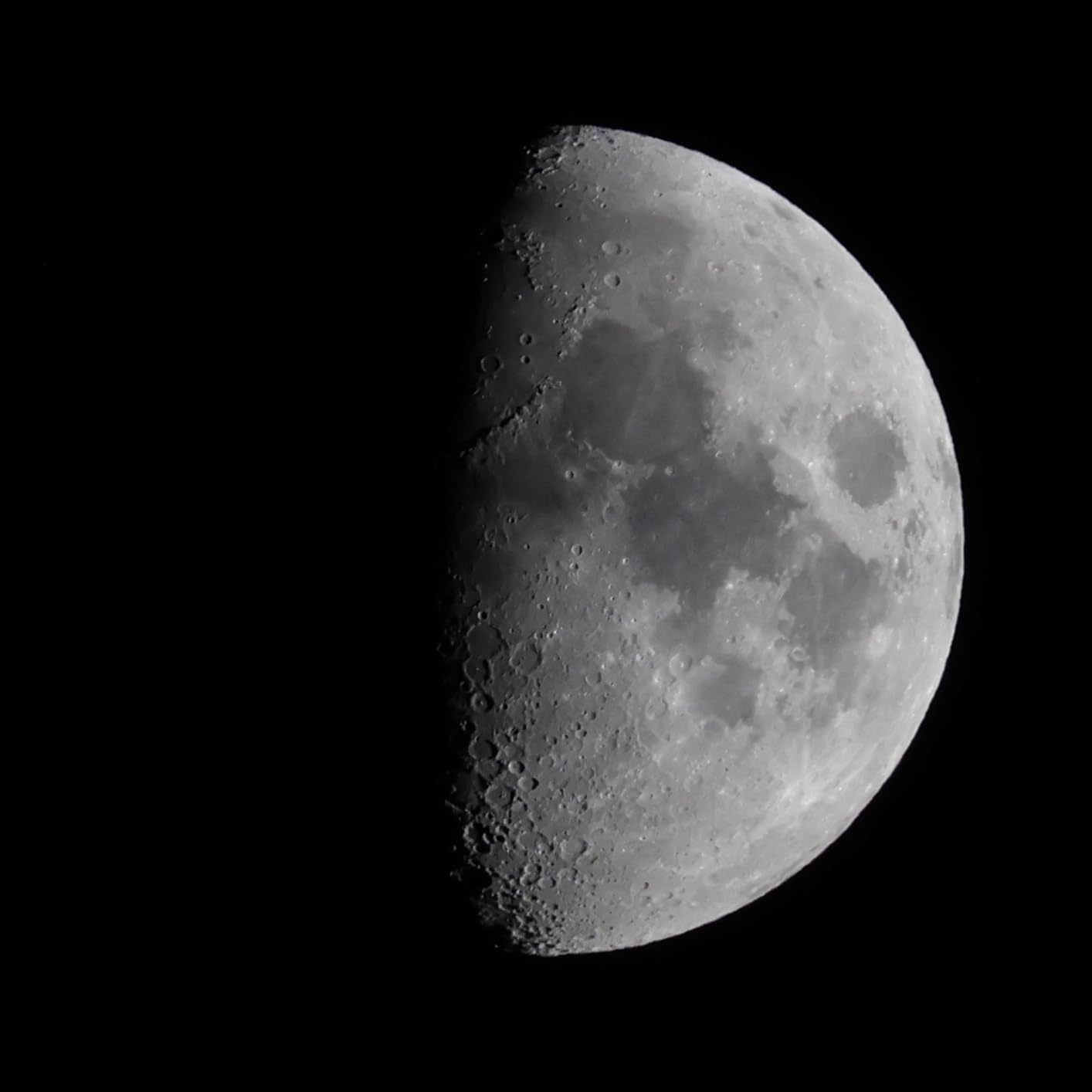
The Nano USM motor focuses quickly, quietly and smoothly, and owners report it locking onto birds in flight without drama. Image quality holds up well in daylight and in decent light indoors.
The honest weakness is the variable f/5.6-8 aperture. At the long end indoors, you will be pushing ISO and hoping for fast shutter speed, and the barrel is front-heavy on a small body with no support foot in the box. It is also not weather sealed, so treat it as fair-weather glass.
What this lens solves on the R8
Reach without a second body. If you cover events where the action happens well past 70mm, this fills the gap that no standard zoom can cover, and the optical IS makes handheld framing at long focal lengths realistic.
For ceremony work and portraits beyond a group, a 400mm end gives compression that a prime at the same angle cannot. If you push even further, our teleconverter guide for Canon lenses covers extending your reach further.
When it is the wrong tool
Low light is where this lens runs out of road. A constant f/2.8 or f/4 tele gathers far more light, which matters for indoor sports, evening receptions and any fast-moving subject.
If you are a dedicated sports shooter working outdoors in good light, the handling is fine. If you shoot weddings in dim historic venues, aperture wins over reach.
5. Canon RF 85mm f/2 Macro IS STM – Most Compact for Portraits
Canon RF85mm F2 Macro is STM Lens
85mm prime
f/2 aperture
0.5x macro
5 stops optical IS
499 g
Pros
- Excellent bokeh and subject separation
- Sharp with good colour even at f/2
- Five stops of optical IS
- 0.5x macro in a single prime
- Compact with a good hand grip
Cons
- Focus motor is noticeably noisy
- Autofocus is slow for fast action
- Not weather sealed
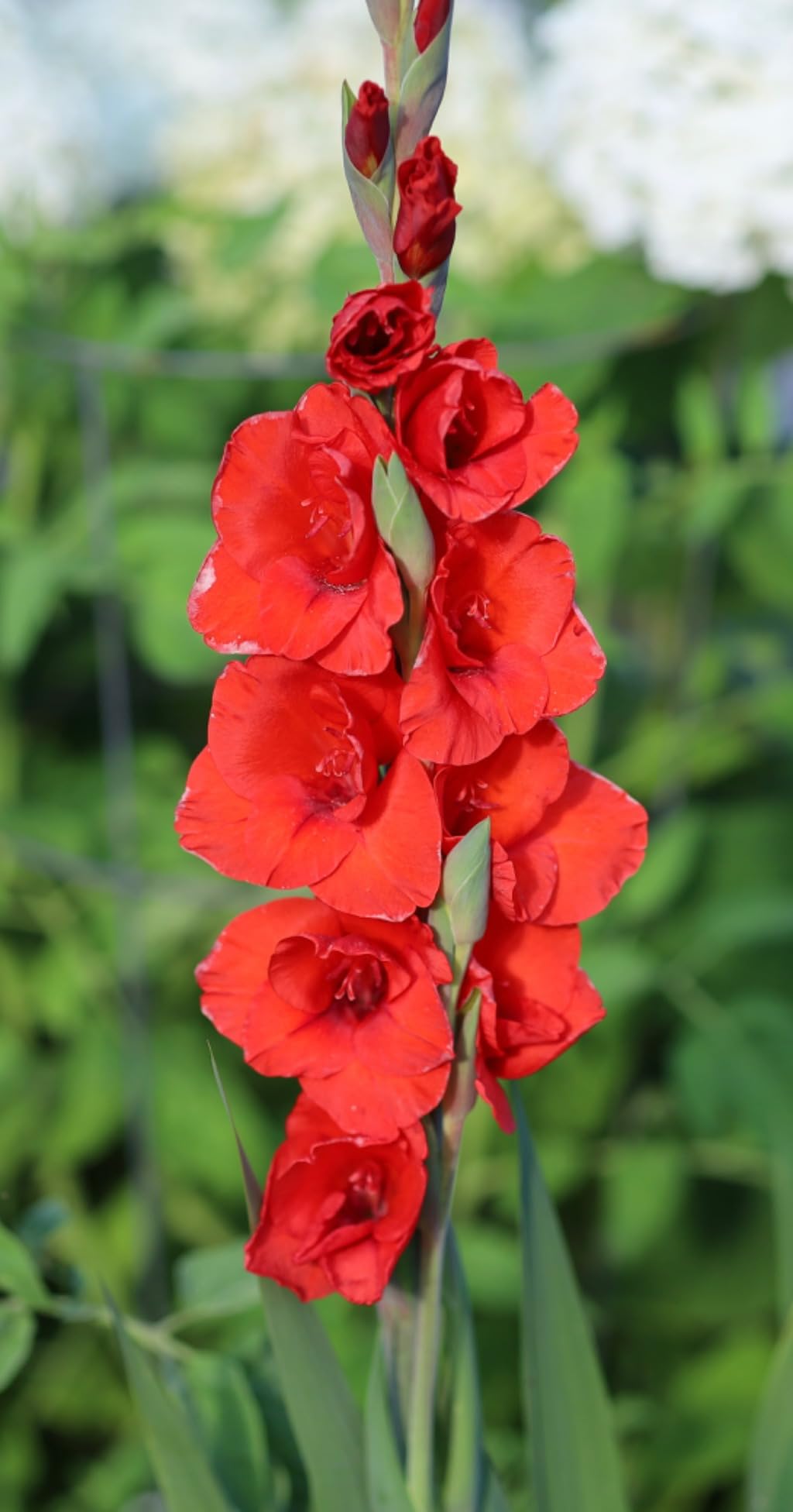
For portrait work, this is the lens that makes an R8 look like a body twice its weight. The 85mm angle compresses the face in a flattering way, and at f/2 the background falls away into a smooth, creamy field that separates your subjects from a cluttered venue.
Adding optical IS rated at up to five stops changes what is possible on a body with no IBIS. Hybrid IS also compensates for shift shake when you focus close, which is a genuine benefit for the detail shots you take during a wedding.

At 499 g it is lighter and shorter than most 85mm primes, and the physical grip ring makes it comfortable to hold. Focus is driven by an STM motor, which is the main compromise: it is audible, and it is not fast on running children or quick-moving moments.
Minimum focus is 1.15 ft with 0.5x magnification, so the macro capability is a bonus rather than the reason to buy it. The 5-blade aperture produces slightly more polygonal highlights when stopped down than 9-blade designs.
Why portrait shooters keep coming back to it
It solves three problems at once: flattering compression, background separation, and stabilization on a body that offers none. That combination is rare, and it is why owners upgrading from older EF 85mm primes report a clean, low-noise jump in image quality.
For a fuller look at RF portrait glass, our guide to the best Canon RF lenses for portraits compares the focal lengths side by side.
Where the compromises bite
The motor noise is the first thing video operators notice, and the autofocus is too slow for fast action. If you shoot a lot of running kids or dance, a USM-driven lens will serve you better.
It is not weather sealed, so pair it with a body that is, or keep it for fair-weather work.
6. Canon RF 24-70mm f/2.8L IS USM – The Top Rated Do-Everything Zoom
Canon RF24-70mm F2.8 L is USM Lens
24-70mm zoom
Constant f/2.8
5 stops IS
9-blade
898 g
Hood and case included
Pros
- Constant f/2.8 with excellent sharpness
- Fast and near-silent Nano USM autofocus
- Five stops of stabilization
- Weather resistant build
Cons
- Heavy at 898 g for a standard zoom
- Modest close focus for an enthusiast zoom
- Front-heavy balance on a small body
It is the highest rated lens in our test group at 4.8 stars, and the reason is simple: it has no weak point. A constant f/2.8 across the whole 24-70mm range means exposure does not shift when you zoom, which is exactly what you want when the light is changing every time you turn your head.
Sharpness holds through the corners wide open, and the 9-blade aperture renders round, soft highlights for the backlit speeches that define reception photography. Nano USM focusing is fast, smooth and quiet, so it will not be heard on video or seen hunting in the frame.
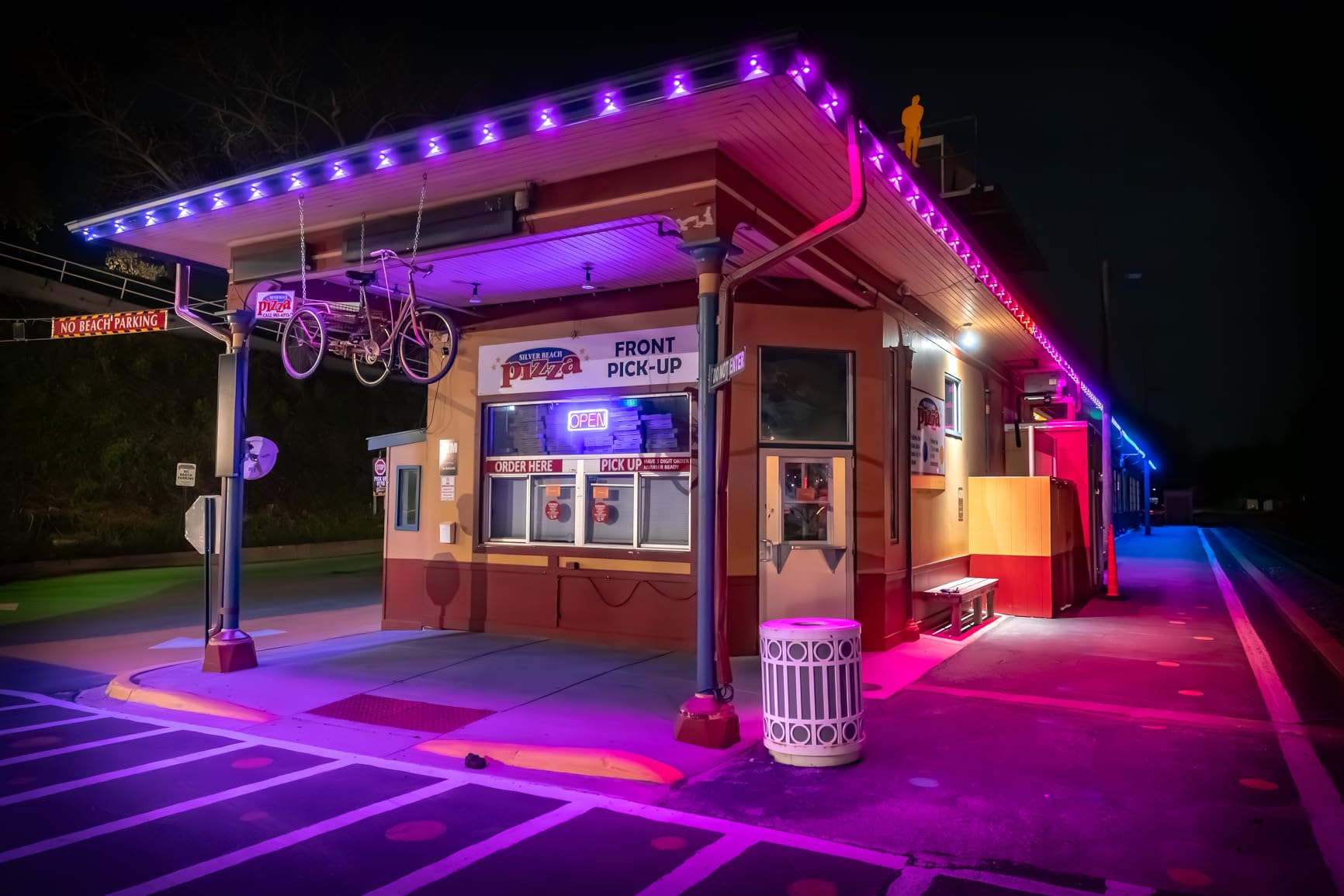
Optical IS is rated at up to five stops, and on an R8 that is a meaningful amount of usable shutter speed. The barrel is weather resistant, and the package includes the EW-88E hood and an LP1222 case, which matters because Canon’s entry-level lenses often ship without a hood.
At 898 g it is the heaviest standard zoom here, and on a small body it is front-heavy. Minimum focus of 0.69 ft at the wide end and 1.25 ft at tele is respectable but modest for close-up work.

Who this lens is built for
Professionals and serious enthusiasts who need one lens to cover a whole day: environmental portraits at 24mm, group shots in the middle, and compressed headshots at 70mm. On a wedding timeline, that is three lenses compressed into one.
It is also the natural first L-series purchase for a photographer stepping up from an entry zoom, because the difference in low-light performance is immediate.
Where a lighter option makes more sense
If you carry two bodies all day or hike with the R8 on your back, 898 g is a real cost. A constant f/4 standard zoom gives you a wider range and cuts roughly a quarter off the weight.
Close-focusing work is another reason to look elsewhere. If rings and florals are a regular part of your shots, a dedicated macro approach is a better spend.
7. Canon RF 24-105mm f/4L IS USM – Best Travel and Events Zoom
Canon RF24-105mm f/4L is USM Lens
24-105mm zoom
Constant f/4
5 stops IS
4.4x zoom
Hood and case included
Pros
- Excellent sharpness and colour across the range
- Constant f/4 keeps exposure steady
- Very fast Nano USM autofocus
- Compact for an L-series standard zoom
Cons
- Build feels light and plasticky for L series
- Slightly soft edges wide open
- Occasional AF hesitation in low contrast
The 24-105mm f/4L is our pick as the most convincing all-round answer to the question of the best lenses for Canon R8. It covers everything from a wide establishing shot to a tight portrait without changing lenses, and a constant f/4 keeps your settings steady through a whole sequence.
At 1.5 pounds it is roughly a quarter lighter than the f/2.8L standard zoom, and it was the first L-series lens to get Canon’s Nano USM motor. Focus is quick, decisive and quiet, with no hunting in the conditions we tested.

Optical IS is rated at up to five stops, and it improves further on bodies with IBIS. For an R8 owner it is one of the practical reasons this zoom is so popular. The included EW-83N hood and LP1319 case also remove one of the hidden costs of RF ownership.
The criticisms are consistent. Owners question the build feel for an L-tier lens, and some note slightly soft edges wide open at f/4. A few report autofocus hesitation in very low-contrast scenes such as overcast sky or open water, so check it on your own shooting.
Where this zoom outperforms its f/2.8 sibling
Weight, over everything. For travel, hiking, second-shooter work and long days, saving several hundred grams per lens across a kit changes how much gear you actually carry, and how long you can carry it.
It is also the safer all-round choice if you film as well as shoot, since a smaller lens is easier to stabilize and pan smoothly.
When you need the extra stop
Dim reception rooms, late ceremonies and indoor sports are where f/4 becomes a constraint. The f/2.8L standard zoom gains roughly a full stop of light, which translates into either a faster shutter speed or a lower ISO.
If low light is a routine part of your work, the extra weight is worth paying for.
8. Canon RF 70-200mm f/2.8L IS USM – Best for Wedding Ceremonies
Canon RF70-200mm F2.8 L is USM Lens
70-200mm zoom
Constant f/2.8
Dual Nano USM
3 IS modes
Weather resistant
Pros
- Exceptional sharpness and bokeh across the range
- Very fast and silent autofocus tracking
- Five stops of stabilization
- Lighter and more compact than the EF lens it replaces
Cons
- Front focus on early units at minimum focus wide open
- Stiff control ring can be picked up by microphones
This is the reference RF telephoto, and for ceremony work it is very difficult to argue against. A constant f/2.8 across 70-200mm means you can frame from the back of a room without losing light, and the rendering is sharp wide open with the kind of bokeh that turns a cluttered venue into a clean portrait.
Dual Nano USM motors deliver tracking that sports and event shooters describe as essentially instant and silent. If a subject turns toward you mid-ceremony, the focus keeps up.
Stabilization is rated at up to five stops with three selectable modes, so you can match the behaviour to your technique. Minimum focus is 2.3 ft, and the internal zoom design retracts to a compact length at 70mm, so it does not hang off the front of the frame.
Construction is weather resistant and the ET-83FWIII hood has a filter adjustment window, which saves time when you need to change a polarizer mid-timeline. Early production lenses showed slight front focus at minimum focus distance wide open; Canon addressed that with firmware updates, so update yours before you rely on close focus.
Why ceremonies reward this lens
Compression plus f/2.8 is the combination that makes flattering, low-noise portraits from a distance. You stay in the back of the room with both eyes on the ceremony rather than backing into the crowd, and the light you need is there.
It is also the lens that holds up best if you move to a second body later, since its weight is a known quantity on a full-frame kit.
Where it is the wrong call
At 2.6 pounds it is front-heavy on the small R8, and it is the heaviest item in this guide, which makes it a poor first purchase.
Video shooters should note the stiff control ring can be picked up by a microphone on camera, and constant f/2.8 across a zoom still shifts exposure in a way that needs attention on video.
9. Canon RF 15-35mm f/2.8L IS USM – Best for Video and Tight Interiors
Canon RF15-35mm F2.8 L is USM Lens
15-35mm ultra-wide zoom
Constant f/2.8
5 stops IS
0.92 ft close focus
Pros
- Sharp edge to edge including at 15mm
- Fast and quiet autofocus
- Stabilization strong enough for slow handheld shots
- Constant f/2.8 exposure across the range
Cons
- Heavy at 840 g
- Barrel distortion and vignetting need correction
- Fisheye-look rendering if you do not correct it
Where the 16mm prime showed you a corner, this zoom shows you the whole room and then lets you tighten in. Fifteen millimetres on full frame is extremely wide, and owners report it rendering edge to edge, including at the aggressive end of the range.
The constant f/2.8 is the headline feature. A wide zoom that holds its aperture gives you consistent exposure while pushing in, which is the difference between usable video and a graded mess.
Optical IS is rated at up to five stops, and owners report handholding close to 1/2 second, which is genuinely useful in a venue with no room to move. Nano USM focusing is fast and quiet, and Air Sphere and Fluorine coatings keep flare under control in difficult light.
Close focus reaches 0.92 ft, and the 9-blade aperture keeps highlights round. The EW-88F hood with a lock mechanism and an LP1222 case are both included.
Where this lens is strongest
Architecture, real estate video, interiors, wide outdoor vistas and any situation where you are inside a small space with a lot to cover. Stabilization makes handheld walk-through video genuinely practical on a body without IBIS.
For a hybrid shooter, this is the lens that does both jobs at once rather than being a compromise between them.
Where the weight and distortion argue against it
At 840 g it is a heavy carry for a wide zoom, and the aperture is more than some outdoor-only work needs. If you shoot daylight exteriors and do not film, you are paying for light-gathering you will rarely use.
Barrel distortion and vignetting at 15mm need profile correction in post. The wide, immersive rendering also changes if you do not correct it, which is not what some photographers want from a room shot.
10. Canon RF 14-35mm f/4L IS USM – Best for Wide-Angle Zooming
Canon RF14-35mm F4 L is USM Lens Black
14-35mm wide zoom
Constant f/4
0.38x at 35mm
77mm filters
544 g
Pros
- Very light and compact for an ultra-wide L zoom
- Sharp across the frame with rich colour
- Fast and quiet autofocus
- Close focus at every focal length
Cons
- f/4 is weak for night and astrophotography
- Heavy distortion and vignetting at 14mm
- Three control rings take time to learn
At roughly 1.2 pounds, this is the lightest L-series ultra-wide in the range, and it is about the same size as the 85mm prime. That combination of wide coverage and small bulk is rare, and it makes the R8 an unusually natural pairing.
The optical design uses SWC and ASC coating technology, and reviewers report sharp results with rich, natural colour and low flare. It focuses to 7.9 inches at every focal length and reaches 0.38x magnification at 35mm.

The 77mm filter thread is a standard size, which is refreshing in a mount where many entry lenses use an odd diameter. The EW-83P hood and LP1219 case are included, and the body is weather resistant.
The tradeoff is aperture. A constant f/4 is too slow for night sky work, which pushes astro shooters toward fast wide primes instead. There is also heavy distortion and corner vignetting at 14mm that needs software correction, and sharpness falls off at very close focus.
Where a light L-series wide makes sense
Travel, street and real estate work, where you want the optical quality of L-series glass without carrying a brick. It is the wide zoom we would most happily hang on this body for a full day on foot.
It pairs naturally with the 24-105mm f/4L as a two-lens travel kit, since both are light, sealed and stabilized.
When to choose a different wide
Night skies and very dim interiors need aperture, not focal range. A fast wide prime will serve you far better in those conditions.
If you dislike post-processing correction, start at the 35mm end where distortion is mild, and treat 14mm as a deliberate creative choice rather than a default.
11. Canon RF 24-105mm f/4-7.1 IS STM – Most Versatile
Canon RF 24-105mm F4-7.1 is STM (4111C002)
24-105mm zoom
Variable f/4-7.1
5 stops IS
395 g
Centre Focus Macro
Pros
- Compact and very light at 395 g
- Useful 24-105mm range in a small package
- Optical IS up to five stops
- Centre Focus Macro reaches 0.5x
Cons
- Slow variable aperture limits low light
- STM autofocus is basic versus USM lenses
- No weather sealing or control ring
When the goal is to cover focal range cheaply, this is the value play. A 24-105mm zoom at 395 g is one of the smallest full-frame ranges you can carry, and it comes with the same five stops of optical stabilization as the L-series lens above.
The Centre Focus Macro mode is a genuine extra, taking magnification to 0.5x with a 0.43 ft minimum focus, which is unusual at this size. In standard autofocus, minimum focus is 0.66 ft and magnification is 0.4x.
The variable f/4-7.1 aperture is the main compromise. It closes down toward f/7.1 as you extend toward 105mm, which means the long end of the range is the dimmest place this lens can be, and that is why we would not choose it for evening events or indoor work.
Autofocus is an STM motor, slower and less decisive than the USM units in the L zooms. There is no control ring and no weather sealing, and this particular listing is a Renewed copy with a 90 days limited warranty rather than the full Canon warranty.
The practical effect of that variable aperture shows up fastest indoors, where you need the light most and the lens gives it away as you zoom. Outdoors in daylight the compromise is much easier to live with.
Who this lens suits
A photographer who needs reach and a wide end, travels constantly, and works in good light. It is also a sensible first RF zoom to grow out of later, once you know which focal range you actually use.
Buyers treat it as a lightweight travel zoom, and the effective IS makes it a comfortable companion for a body without IBIS.
Where it falls short
Aperture is the honest answer. If your work includes dim venues, indoor sports or evening receptions, a constant f/4 or f/2.8 lens will change your results far more than the resolution difference here.
For APS-C shooters, our guide to lenses for the Canon EOS RP covers smaller-sensor options in more detail.
12. Canon RF-S 18-45mm f/4.5-6.3 IS STM – Best for APS-C Starters
Canon RF-S18-45mm F4.5-6.3 Lens
18-45mm APS-C zoom
Auto APS-C crop on full frame
4 stops IS
2.5x range
Pros
- Very compact and lightweight
- Useful everyday 18-45mm range
- Stabilization is a real benefit
- Sharp results from the aspheric elements
Cons
- On full frame it crops automatically to APS-C
- Slow f/4.5-6.3 aperture
- Zoom tops out at 45mm
- Audible zoom ring on video
This is an APS-C lens, and that single fact decides whether it belongs on your R8. On a full-frame body it crops automatically, so you get roughly 29-72mm of equivalent view with the edges of the frame unused.
If you already know that APS-C framing suits the way you shoot, the lens itself is good. It is small, it has optical IS rated at up to four stops, or six stops on IBIS-equipped bodies, and the two aspheric elements with Super Spectra coating produce clean results for the money.
The f/4.5-6.3 aperture is slow, and the 45mm tele end is short for portraits and anything with reach. Autofocus is basic, and the zoom ring is audible on video, which matters if you film.
Because the R8 has no IBIS, the optical IS here is doing real work for you, which is the strongest argument in favour of the lens. This listing is also a Renewed copy with a 90 days limited warranty.
When an APS-C zoom makes sense on full frame
If you need the smallest possible kit, the crop mode gives you a compact zoom and a doubled effective focal range, which is useful for travel or a documentary look. Just be deliberate: you are giving up the outer thirds of the frame.
It is also a straightforward answer for someone who shoots APS-C and full frame with the same lens.
Why most R8 owners skip it
Cropping on a body you bought for full frame feels like paying for a sensor you are not using. Most owners get more out of a compact full-frame prime at a similar weight.
If you are starting out and want the lightest possible zoom, this does the job. If you are committed to the full-frame look, choose a full-frame zoom instead.
How to Choose the Best Lenses for Canon R8?
Stabilization is the first filter, not an afterthought
The R8 has no in-body image stabilization, so lens IS is not a bonus feature. A lens rated at five stops effectively lets you shoot about three times slower than you could handheld, which is the difference between a usable frame and a blurred one at an evening reception.
That is why a stabilized 35mm f/1.8, a stabilized 85mm f/2 or a stabilized zoom can beat a technically faster unstabilized prime on this body. The unstabilized 50mm f/1.8 is still an excellent lens, but you need either fast shutter speeds or steady technique to get the most from it.
RF, RF-S and adapted EF: what actually works
All twelve lenses here mount natively on the R8 with no adapter. Canon EF and EF-S DSLR lenses work through the Canon EF-EOS R adapter, which keeps a large second-hand pool of fast primes and telephotos available at a fraction of native cost. The trade-off is bulk at the mount and no electronic aperture control on older glass.
RF-S lenses mount, but they crop automatically on a full-frame body, which means a narrower field of view than the label suggests. EF-M lenses are not compatible with the RF mount at all, and that is the single most common misunderstanding we see from new R8 owners.
Pick focal lengths from the work, not the spec sheet
Start by writing down the angles you actually shoot. Weddings and events live between 24mm and 135mm. Portraits live between 50mm and 200mm. Interiors, architecture and video want 15mm to 35mm. Wildlife and detail want 300mm and beyond.
Only then compare apertures and stabilization. A lens that covers your angles at f/4 will beat one that misses your angles at f/2.8 every time.
The three lens kit most R8 owners end up with
Our most common combination is a 24-70mm f/2.8L or 24-105mm f/4L for coverage, an 85mm f/2 for portraits, and a 35mm f/1.8 for low light, macro and video. That covers almost every assignment from a small venue to a full wedding day.
A lighter alternative swaps the standard zoom for the 14-35mm f/4L and adds a stabilized prime. Whichever route you take, check the total weight, because the R8 only feels small until you have four lenses attached to it.
Wedding Lens Combos for the Canon R8
Because we shoot weddings, we get asked for kit builds more than anything else. The R8 is popular for this work: it is small enough to be a comfortable second body, and fast enough autofocus for a working professional.
The one-lens build pairs the 24-70mm f/2.8L with the 85mm f/2. Wide enough for the room, long enough for the ceremony, f/2.8 for a dim historic venue, and 5 stops of stabilization on both. It is the highest rated combo in this guide and the simplest to run.
The two-body build puts the 35mm f/1.8 IS Macro on one body and the 24-105mm f/4L on the other. The stabilized prime handles the dim reception and the detail shots, while the zoom covers the timeline without changing lenses. Add the 100-400mm f/5.6-8 when the venue has a long outdoor aisle.
The weight-conscious build uses the 14-35mm f/4L and the 24-105mm f/4L, both weather resistant and both around a pound or so, plus the 35mm for low light. Only the two zooms carry weather seals, so keep the prime covered between locations.
Whichever build you choose, remember that Canon sells lens hoods separately on most entry-level RF lenses, and that is a cost people forget. The L-series lenses in these combos include their hoods.
Frequently Asked Questions
Is the Canon R8 good enough for professional photography?
Yes. The R8 has a 24.2MP full-frame sensor, fast subject-tracking autofocus and a lightweight body, and professional shooters use it regularly for events, weddings and second-body work. Its one limitation is the lack of in-body image stabilization, so choose lenses with optical IS to get the most from it.
What is the best all-round lens for a Canon RF camera?
The Canon RF 24-70mm f/2.8L IS USM is the strongest all-round option on the R8: constant f/2.8, five stops of optical stabilization, sharp through the corners and weather resistant. If weight matters more than light-gathering, the RF 24-105mm f/4L IS USM covers a wider range at a fraction of the mass.
What two lenses should every photographer have?
A standard zoom and a prime cover most assignments. On the Canon R8, the RF 24-105mm f/4L IS USM paired with the RF 85mm f/2 Macro IS STM handles everything from group shots to compressed portraits, and both have optical stabilization that the R8 body does not provide.
What are the best lenses for the Canon R8?
For most shooters the RF 50mm f/1.8 STM is the best first lens, the RF 24-105mm f/4L IS USM is the best all-round zoom, and the RF 85mm f/2 Macro IS STM is the best portrait option. Because the R8 has no IBIS, prioritize lenses with optical image stabilization for low light and video.
Can I use EF lenses on the Canon R8?
Yes. Canon EF and EF-S DSLR lenses mount on the R8 through the Canon EF-EOS R adapter, which gives you access to a large second-hand pool of fast primes and telephotos. The trade-off is extra bulk at the mount and no electronic aperture control on older lenses. EF-M lenses are not compatible with the RF mount.
Conclusion
The best lenses for Canon R8 come down to one question: where does most of your shooting happen. If you are starting fresh, the 50mm f/1.8 STM is our first recommendation for a new R8 owner, because it costs little, weighs almost nothing and gives you a usable aperture in dim rooms. It is the editor’s choice of this entire guide, and it earns that place through sheer usefulness rather than specification count.
Add the 24-105mm f/4L for range, or the 24-70mm f/2.8L if low light is your hardest problem, and pair either one with the 85mm f/2 Macro for portraits. Whatever you choose, treat optical image stabilization as a requirement rather than a luxury, because the R8 will not supply it for you.
Check the current details for any of these before you commit, and plan the hoods and filters as part of the budget. We will keep this roundup updated through 2026 as the RF lineup settles.