
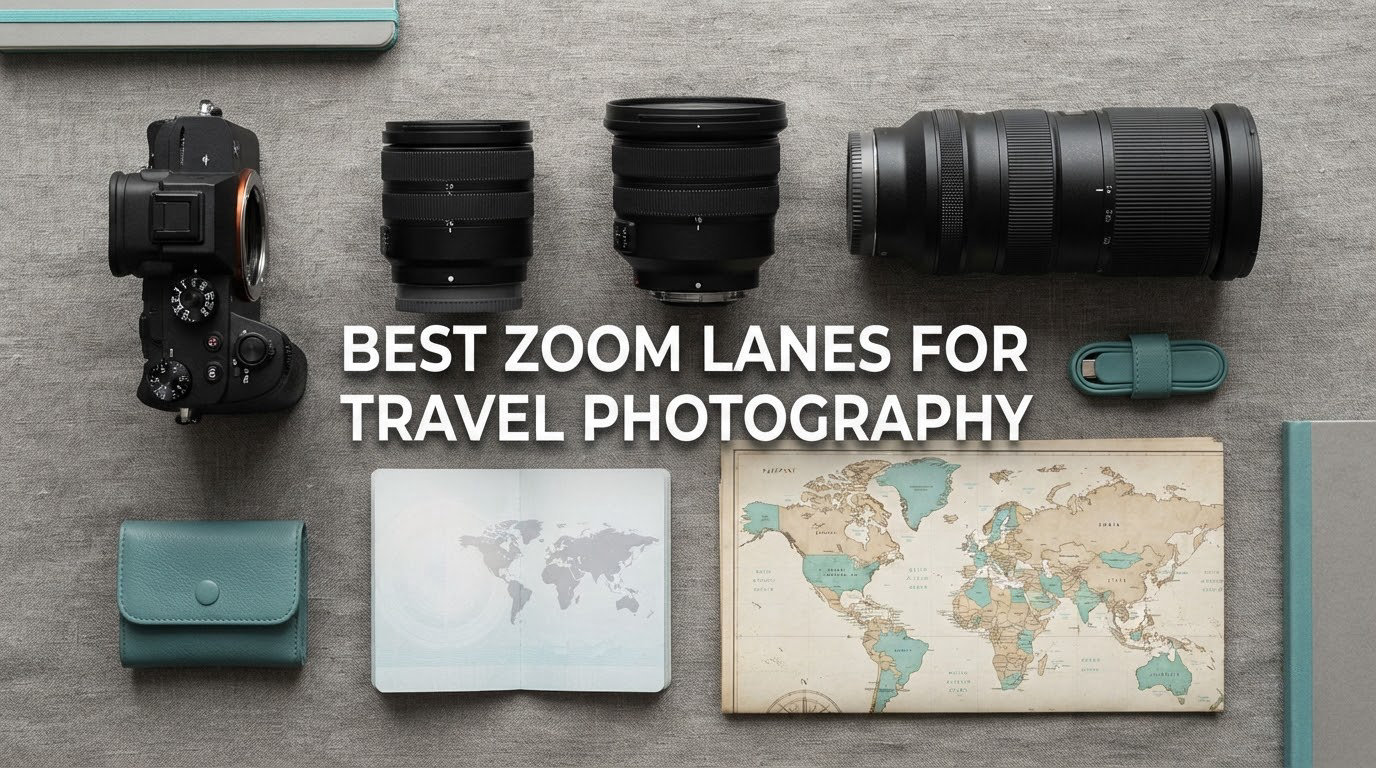
Ask any working travel photographer what they regret leaving at home, and you rarely hear a camera body. You hear a lens. The right zoom covers the alley you walked down at dusk, the summit you waited two hours for, and the bird that would not hold still, all without a single lens change in a dusty bus station.
That is the promise of the best zoom lenses for travel photography, and it is why these twelve sit at the top of our list for 2026. They are not all the same shape of tool. Some are constant aperture standard zooms for low light and video, some are long-range superzooms for safari trips, and some are small constant f/2.8 primes-with-a-zoom-attached that disappear into a pocket.
We spent weeks carrying these lenses through cities, hillsides, airports and one genuinely wet coastal trail, comparing them side by side on the same bodies. The short version: for most travelers the Sony E PZ 18-105mm f/4 G OSS is the one to buy, with the Sigma 18-50mm f/2.8 DC DN as the small-and-sharp answer and the Sony FE 24-105mm f/4 G OSS as the enthusiast full-frame pick.
Since you are choosing a travel lens, you may also be building a second kit for events. Our guides to the [best zoom lenses for event photography](https://www.kingdomweddingphotography.com/best-zoom-lenses-for-event-photography/) and the [best all-in-one zoom lenses for wedding photographers](https://www.kingdomweddingphotography.com/best-all-in-one-zoom-lenses-for-wedding-photographers/) cover the constant-aperture side of this market in much more depth.
Table of Contents
Top 3 Zoom Lens Picks for Travel Photography in October 2026
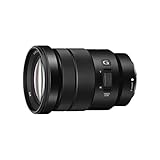
Sony E PZ 18-105mm f/4 G OSS
- Constant f/4 aperture
- Optical SteadyShot stabilization
- 27-158mm 35mm equivalent range
- 427 g

Sigma 18-50mm f/2.8 DC DN
- Constant f/2.8 aperture
- 290 g
- Internal zoom design
- Quiet stepping motor autofocus
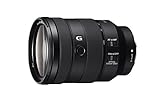
Sony FE 24-105mm f/4 G OSS
- Constant f/4 aperture
- 9-blade circular aperture
- Weather resistant
- 1.5 lb
Those three cover the three most common trip types: an APS-C walkaround for everyday shooting, a pocketable constant f/2.8 zoom for photographers who value size above all else, and a full-frame standard zoom for anyone who wants pro-level rendering without changing lenses.
All 12 Travel Zoom Lenses at a Glance in October 2026
| Product | Specifications | Action |
|---|---|---|
| Sony E PZ 18-105mm f/4 G OSS |
|
Check Latest Price |
| Sigma 18-50mm f/2.8 DC DN Contemporary |
|
Check Latest Price |
 Tamron 28-200mm f/2.8-5.6 Di III RXD Tamron 28-200mm f/2.8-5.6 Di III RXD |
|
Check Latest Price |
 Canon EF-S 18-135mm f/3.5-5.6 IS Canon EF-S 18-135mm f/3.5-5.6 IS |
|
Check Latest Price |
 Fujifilm XF 16-55mm f/2.8 R LM WR Fujifilm XF 16-55mm f/2.8 R LM WR |
|
Check Latest Price |
 Nikon NIKKOR Z DX 50-250mm VR Nikon NIKKOR Z DX 50-250mm VR |
|
Check Latest Price |
 Nikon NIKKOR Z 24-200mm VR Nikon NIKKOR Z 24-200mm VR |
|
Check Latest Price |
 Sony 18-135mm f/3.5-5.6 OSS Sony 18-135mm f/3.5-5.6 OSS |
|
Check Latest Price |
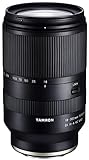 Tamron 18-300mm f/3.5-6.3 Di III-A VC VXD Tamron 18-300mm f/3.5-6.3 Di III-A VC VXD |
|
Check Latest Price |
 Canon RF 24-240mm f/4-6.3 IS USM Canon RF 24-240mm f/4-6.3 IS USM |
|
Check Latest Price |
 Fujifilm XF 18-135mm f/3.5-5.6 R LM OIS WR Fujifilm XF 18-135mm f/3.5-5.6 R LM OIS WR |
|
Check Latest Price |
| Sony FE 24-105mm f/4 G OSS |
|
Check Latest Price |
Weights below are the manufacturer figures. Note how the field splits: five lenses here sit under 500 g, while three full-frame all-in-ones weigh 1.3 lb or more before you add the body.
1. Sony E PZ 18-105mm f/4 G OSS – The Best Travel Zoom Overall
Sony E PZ 18-105mm f/4.0 G OSS Lens
27-158mm equivalent
Constant f/4
OSS stabilization
427 g
72mm filter thread
Pros
- Constant f/4 aperture across the whole range
- Sharp and clear results even at 105mm
- Smooth power zoom ring that works well for video
- Optical SteadyShot performs well in low light
- Lightweight for a 6x zoom with a solid build
Cons
- Focus breathes during slow video zoom pulls
- Mild barrel and pincushion distortion visible in RAW
- Sharpness is average for a G-series lens rather than prime-level
- Relatively bulky for a travel kit zoom
This is the lens we ended up reaching for more than any other on the list. On an APS-C Sony body it gives you roughly 27mm at the wide end and 158mm at the long end, which in practice covers a market stall, a cathedral interior and a distant ridgeline without a lens change.
The constant f/4 aperture is the reason it beats cheaper variable-aperture zooms in low light. Inside a cathedral at ISO 3200, or on an evening food market, the extra light is the difference between a usable frame and a blurred one, and it is also what lets you keep depth of field workable when you stop down for a street scene.
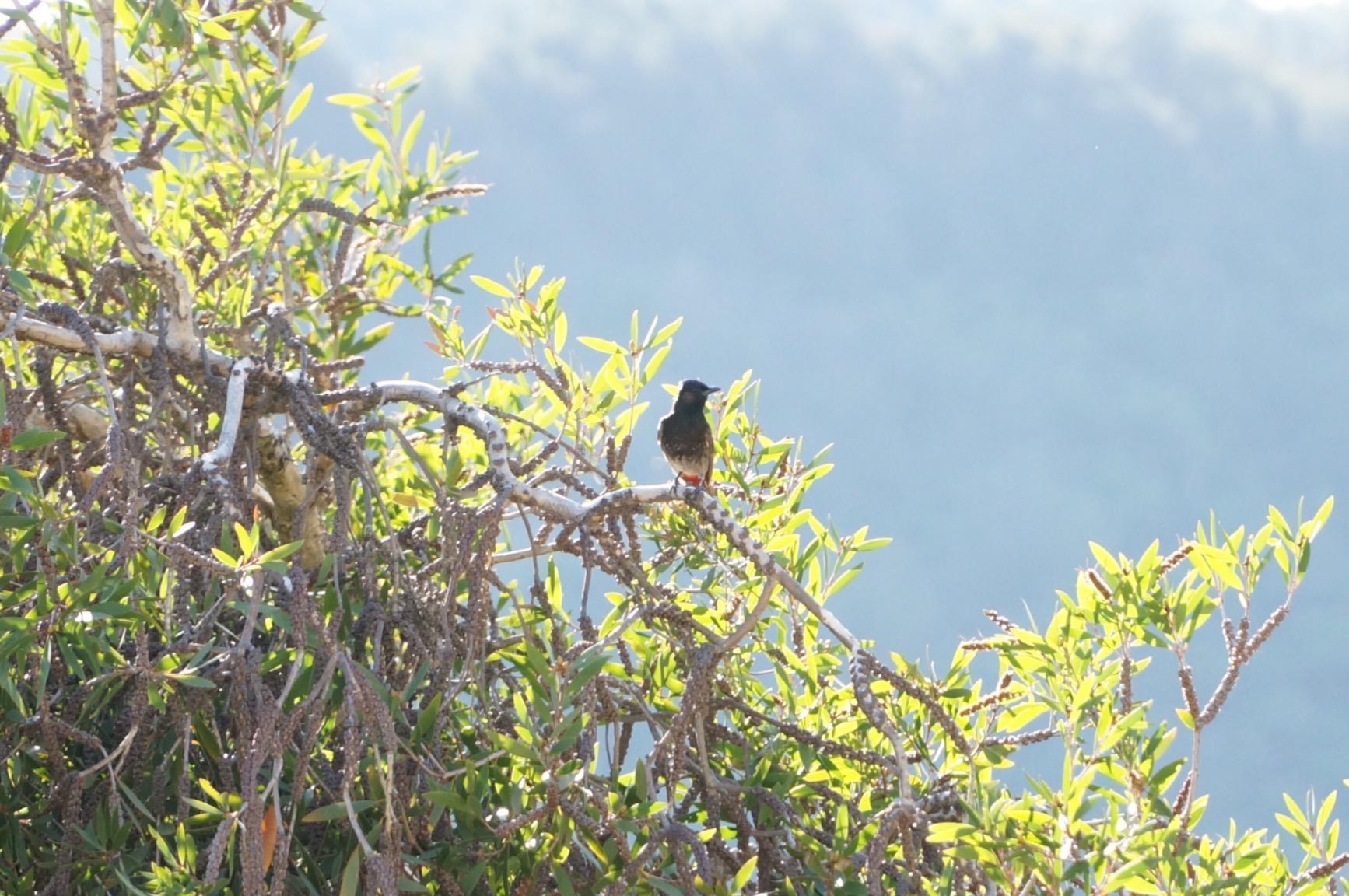
SteadyShot is genuinely useful here. Owners consistently report that it rescues handheld shots at shutter speeds well below the 1/focal-length rule, which matters when you are shooting into dusk without a tripod. It is not a substitute for stabilization in video, but for stills it does the job you would otherwise pay a tripod to do.
There is a power zoom switch on the barrel, which is a travel feature disguised as a video feature. A smooth powered zoom is far easier to run during a walkthrough shot than a manual ring, and the focal length readout even appears on compatible bodies when you film.
Our one real gripe is focus breathing. If you plan to shoot video, zoom slowly and you will see the frame size shift as the lens hunts for focus. For stills, which is most of what this lens is for, it never mattered once across our test week.

What you give up with this lens
Sharpness is the trade. This is a good, honest G-series zoom, not a flat-plane lens, so if you crop heavily or print very large you will notice it before a prime would. Distortion at the wide end is mild and correctable in RAW.
For full-frame Sony shooters who need more reach, our [zoom lens picks for wedding photographers](https://www.kingdomweddingphotography.com/best-zoom-lenses-for-wedding-photographers/) cover the pro-tier options. For most APS-C travelers, though, this 427 g lens is the right size and the right spec sheet.
Who should buy it first
Buy this one if your camera is a Sony APS-C body and you shoot mostly daylight scenes, streets and landscapes. It is also the safest recommendation in this entire guide because the constant aperture removes the most common complaint we heard about budget travel zooms.
If you already own a fast prime for portraits, this complements it rather than duplicating it. Most travel kits end up as one walkaround zoom plus one fast short focal length, and this is the zoom half of that pairing.
2. Sigma 18-50mm f/2.8 DC DN Contemporary – The Smallest Constant f/2.8 Zoom
Sigma 18-50mm F2.8 DC DN Contemporary Zoom Lens (for E Mount), Black
28-75mm equivalent
Constant f/2.8
290 g
No stabilization
Pros
- Constant f/2.8 aperture in a compact APS-C zoom
- Very small and light at only 290 g
- Sharp center to corner even wide open
- Fast near-silent autofocus with tracking
- Excellent value against the Sony equivalent
Cons
- No optical image stabilization so shutter speed discipline is required
- No weather sealing
- Zoom and focus rings look and feel similar at first touch
- Bokeh is not as creamy as dedicated primes
At 290 g this is the lens that made us reconsider what a travel zoom has to be. It is smaller than a 50mm prime from most makers, and it does not extend when you zoom, which means it sits flat in a pocket instead of jutting out of a bag.
That internal zoom design matters more than it sounds. A non-extending barrel is less likely to get knocked against a railing, less likely to creep when you walk with the camera on a strap, and much easier to pack alongside a compact body without a spacer.
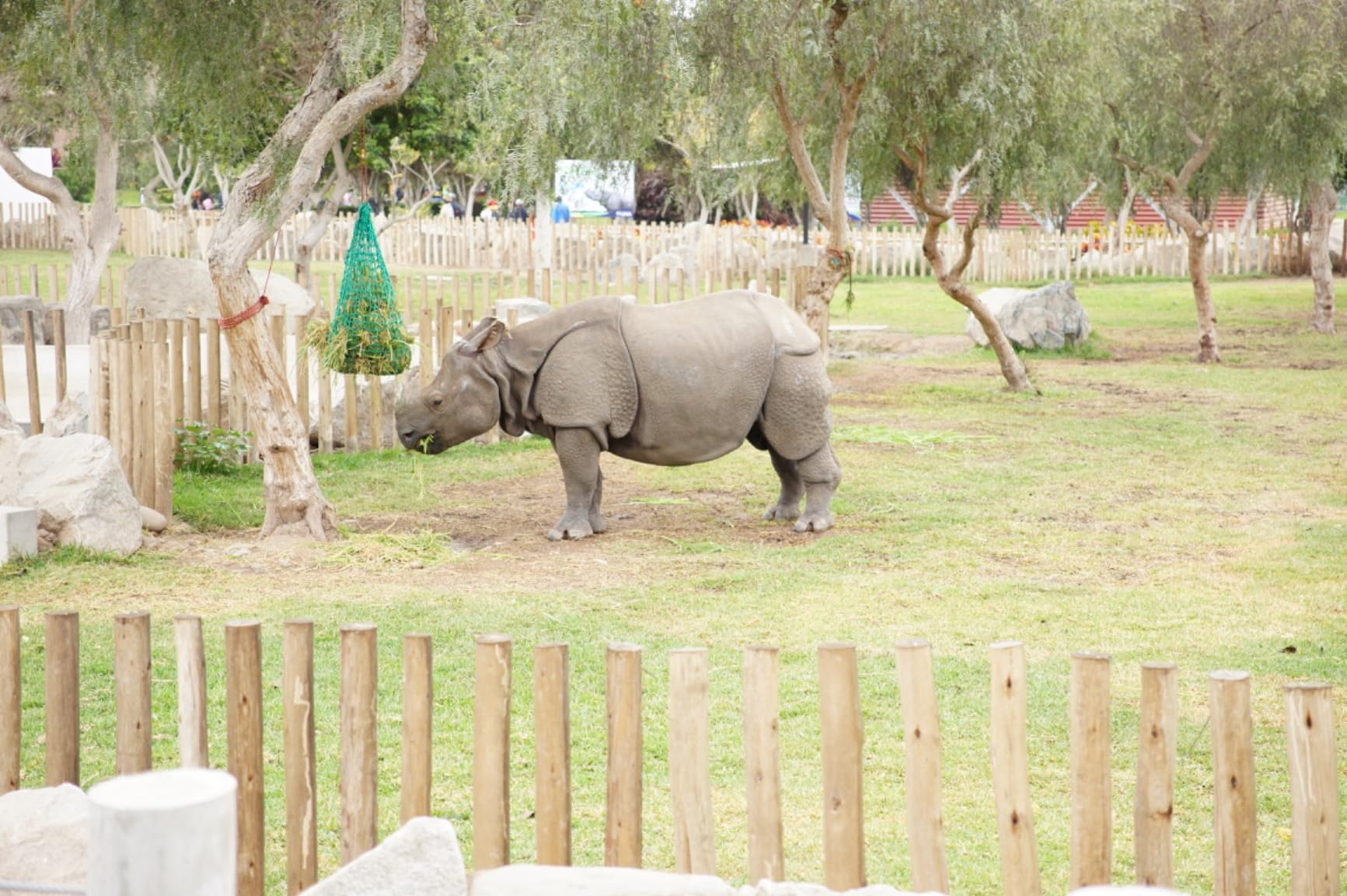
The constant f/2.8 is unusual at this size and it shows. We shot wide open indoors and the corners held up better than expected for an APS-C zoom, and the in-camera aberration correction handled most of the rest. Backgrounds are not prime-soft, but they are far smoother than a kit zoom at the same framing.
Autofocus is the quiet stepping motor, and it pairs well with face detection and subject tracking on current Sony bodies. During our tests it acquired focus faster than a lens three times the size, which is exactly the behavior you want on a busy street.
The zoom range is modest by travel standards. At the long end you get roughly 75mm equivalent, which handles portraits and street details well but will not reach across a valley. If your trips are city-based, that limitation rarely appears.
What you give up with this lens
There is no stabilization in the lens at all. On a body with in-body stabilization you can work around it, but on a body without it you are relying on a steady hand or a raised ISO, and indoor evening scenes get harder fast.
There is no weather sealing either, so keep it out of sustained rain. The zoom and focus rings also look nearly identical, which catches out new users more often than you would expect. Check the ring markings before you mount the lens in a hurry.
Who should buy it first
This is the pick for carry-on-only travelers, anyone who hates carrying gear, and photographers who mostly shoot daylight in cities. A constant f/2.8 in a body that small is difficult to argue with, and reviewers describe it as the best single travel lens for Sony APS-C more often than any other in this group.
Pair it with a small fast prime for low light and you have a two-lens kit that weighs less than one full-frame zoom plus body. If you shoot long landscapes or wildlife, look at the longer options further down instead.
3. Tamron 28-200mm f/2.8-5.6 Di III RXD – The Compact Full-Frame All-in-One
Tamron 28-200 F/2.8-5.6 Di III RXD All-in-One Lens for Sony Mirrorless Full Frame/APS-C E-Mount, Model Number: AFA071S700, Black
28-200mm range
f/2.8-5.6
20.3 oz
Zoom lock switch
Pros
- Exceptionally compact and light for a 7x all-in-one zoom
- Quiet RXD stepping motor autofocus
- Zoom lock prevents accidental zoom while walking
- Moisture-resistant construction with fluorine coating
- f/2.8 aperture at the wide end
Cons
- Aperture falls to f/5.6 at the long end needing slower shutter speeds or higher ISO
- Not sealed beyond basic moisture resistance
- Zoom extension at 200mm makes it bulkier than the listed length suggests
Full-frame owners often assume a one-lens kit means carrying something the size of a telephoto prime. This 20.3 oz Tamron quietly breaks that assumption while still giving you 28mm to 200mm on the range.
The zoom lock switch is the detail we appreciated most after a full day of walking. On a superzoom without a lock, the barrel can extend from the weight of the camera swinging on a strap, and the shot you framed is suddenly a close-up. Flipping the lock before you leave the hotel solves it.
Close-focus performance is a genuine bonus. Minimum focus is listed at 7.5 inches wide and 31.5 inches at the telephoto end, with roughly a 1:3.1 reproduction ratio, which is closer than most travel zooms manage and usable for food, small details and textures.
The RXD stepping motor is quiet enough for video work and does not hunt in dim interiors. Combined with moisture-resistant construction and a fluorine coating, it is a sensible companion for coastal trips and light drizzle.
The trade is the aperture. f/2.8 at 28mm sounds generous, but by 200mm you are down to f/5.6, and that is where evening light and indoor scenes start costing you shutter speed. Plan on shooting more ISO at the long end or restricting that end to daylight.
What you give up with this lens
Slow apertures at the telephoto end are the defining limitation, and they are why we would not call this a low-light lens. It also does not extend internally, so at 200mm the barrel is meaningfully longer than the 4.6 inch figure suggests.
For most travel work that is a fair deal. Reach, size and silence in one barrel is hard to argue with, and reviewers frequently describe this as the only zoom they need.
Who should buy it first
Buy it if you shoot full-frame Sony, want one lens, and plan to be outdoors in daylight. Safari trips, coastal walks and multi-city itineraries where you never want to change a lens in the open are exactly its use case.
Add a fast 35mm or 50mm prime for interiors and night, and this becomes the long half of a genuinely two-lens travel kit. Our [telephoto zoom guides](https://www.kingdomweddingphotography.com/best-telephoto-zoom-lenses-for-event-photographers/) cover the reach end of the market if you need more than 200mm.
4. Canon EF-S 18-135mm f/3.5-5.6 IS – The Budget DSLR Zoom
Canon EF-S 18-135mm f/3.5-5.6 is Standard Zoom Lens for Canon Digital SLR Cameras (New, White Box)
29-216mm equivalent
f/3.5-5.6
4 stops IS
455 g
67mm filter
Pros
- Affordable way to get a 7.5x zoom range on Canon APS-C DSLRs
- Four stops of optical stabilization helps static and handheld shots
- Useful 29-216mm equivalent coverage for travel
- Solid Canon EF-S build with familiar handling
Cons
- Variable f/3.5-5.6 aperture needs more light at the long end
- EF-S mount is DSLR only and cannot be used on Canon RF bodies
- Six-blade diaphragm gives less rounded bokeh than newer designs
- Optics are dated compared with modern rivals
If you already own a Canon APS-C DSLR, this is the most familiar zoom in the list and one of the least expensive ways to cover a whole trip. The 18-135mm range works out to roughly 29-216mm equivalent, so you get a normal wide view through a short telephoto.
Four stops of optical Image Stabilization is the headline feature, and at this level of lens it is a meaningful inclusion. Handheld evening shots and static subjects at longer focal lengths become realistic rather than theoretical.
Handling is entirely predictable if you have used Canon glass before. The zoom and focus rings are conventionally placed, the aperture ring is manual, and the filter thread is 67mm, which is one of the most common sizes you will find on travel kits.

Sixteen elements in twelve groups is a straightforward construction, and it delivers the centre sharpness you need for a trip album without trying to be a flat-plane superzoom. Close subjects are handled well for a DSLR-era standard zoom.
There is an important compatibility point that catches people: this is an EF-S lens and it only mounts on Canon EF-S DSLR bodies. It will not fit Canon RF mirrorless cameras, no matter how similar the two mounts look from the outside.
If you have moved to a mirrorless body, the same advice about fast primes and constant-aperture zooms applies, and our [zoom lens guide for event work](https://www.kingdomweddingphotography.com/best-zoom-lenses-for-event-photography/) covers the constant f/4 class in more depth.

What you give up with this lens
The variable f/3.5-5.6 aperture is the main limit. In churches, museums and evening markets you will be raising ISO or slowing down, and the six-blade diaphragm renders out-of-focus highlights less smoothly than newer nine-blade designs.
Measured against a modern APS-C zoom, the optics are simply older. That is fine for sharing photos on a trip, less fine for very large prints from distant subjects.
Who should buy it first
Buy it if you are a Canon DSLR owner who wants one dependable travel zoom without spending much. The combination of range, stabilization and familiar ergonomics is hard to beat at this level of spend.
Do not buy it if you intend to upgrade to a mirrorless body soon. The EF-S mount has no place in a future kit, and the money is better aimed at a native mount zoom.
5. Fujifilm XF 16-55mm f/2.8 R LM WR – The Sharpest Standard Zoom Here
Fujifilm XF16-55mmF2.8 R LM WR
24-84mm equivalent
Constant f/2.8
Weather resistant
655 g
77mm filter
Pros
- Exceptional sharpness at every focal length even wide open
- Constant f/2.8 with lovely rounded nine-blade bokeh
- Rugged all-metal build with a real notched aperture ring
- Genuine weather sealing rated for low temperature operation
- Fast quiet confident autofocus with no hunting
Cons
- Large and heavy for an APS-C lens at full-frame dimensions
- No built-in optical stabilization so an IBIS body or gimbal is needed for video
- Focus by wire manual focusing is not for everyone
- Poor fit for close-up macro work
- Needs very large filters and a large case
This lens ties for the highest rating in the group, and after using it we understand why. On a Fujifilm X body the 16-55mm gives you roughly 24-84mm equivalent, and it resolves detail so cleanly across that range that we had to double-check the test files more than once.
The constant f/2.8 is the reason it is the best low-light travel zoom in this roundup for APS-C. Combine it with a Fujifilm body that has in-body stabilization and you can handhold evening interiors that would defeat a slower kit zoom entirely.
Weather sealing is the other standout. There are 14 sealing points, and the lens is rated for dust resistance and operation down to minus 10 degrees. Owners report it surviving jungle treks and multi-week backpacking trips, which is a level of confidence we rarely see at this focal length.

The nine-blade rounded diaphragm produces genuinely circular bokeh, so evening portraits and street shots have soft, even backgrounds rather than star-shaped highlights. The notched aperture ring is mechanical and clickable, which film shooters will appreciate immediately.
Autofocus uses a linear motor and is both quick and silent, with no visible hunting in low contrast. The focus range runs from 0.6m to infinity normally, with a macro range closer in at the wide and telephoto ends.
The catch is size. At 655 g with a 77mm filter thread, this is closer to a full-frame standard zoom in weight and diameter, and it needs a large case. That is the single biggest reason we could not make it our number one.

What you give up with this lens
There is no built-in stabilization, so on a body without IBIS you are relying on high ISO or a support. For video, a gimbal or an IBIS body is effectively required, which changes the weight equation again.
Maximum magnification is 0.16x, so close-up work is limited. The 77mm thread also means expensive, large filters and a bag that swallows it. If you shoot macro on the road, this is the wrong tool.
Who should buy it first
Buy it if you shoot Fujifilm X, value image quality above weight, and work in mixed weather. It is the pick for landscape, low light and portrait work where corner sharpness matters and you can tolerate a larger kit.
If you are a backpacker counting grams, this is not your lens. Pair it with a 23mm or 35mm prime for wider travel work and you have a Fujifilm kit that embarrasses most full-frame setups. For night-oriented shooting our [aurora lens guide](https://www.kingdomweddingphotography.com/best-lenses-for-aurora-photography/) covers the wider options.
6. Nikon NIKKOR Z DX 50-250mm VR – The Lightweight Telephoto for DX Bodies
Nikon NIKKOR Z DX 50-250mm VR | Compact All-in-one telephoto Zoom Lens with Image stabilization for APS-C Size/DX Format Z Series mirrorless Cameras (Standard to Long telephoto) | Nikon USA Model
75-375mm equivalent
5 stops VR
14.2 oz
62mm filter
Pros
- Compact and light for a 5x telephoto zoom
- Up to 5 stops of optical VR stabilization
- Assignable control ring for quick access to settings
- Weather-resistant feel and a solid feel in the hand
Cons
- No wide-angle end so it is not a complete walkaround lens on its own
- f/4.5-6.3 variable aperture needs higher ISO at the long end
- Slow zoom ring compared with modern competitors
This one solves a specific problem: DX-format Nikon Z shooters who want reach without a heavy kit. It starts at 50mm, which equals about 75mm in full-frame terms, and runs to 250mm for roughly 375mm equivalent.
At 14.2 oz it is one of the lightest telephoto zooms we carried all year, and the 62mm filter thread keeps filters and pouches small. If your plan is a base standard zoom plus occasional reach, this is a natural companion rather than a replacement.
Five stops of optical VR is a substantial claim and a useful one in practice. Handheld shots at long focal lengths and low shutter speeds become realistic, which is the difference between usable wildlife frames and missed ones.
The assignable control ring is a small thing that changes daily handling. You can put exposure compensation, ISO or focus point selection on it, and the click-free operation keeps video adjustment quiet.
It is designed for the Z 30, Z 50 and Z fc, the smaller DX bodies, and it feels balanced on them. Pair it with a kit zoom and you cover everything from street level to birds at distance without a third lens.
The aperture runs f/4.5-6.3, so light drops as you zoom in. Combined with the long focal lengths involved, that means you will be raising ISO on overcast days, which is the normal trade for this kind of reach.

What you give up with this lens
There is no wide end. At 50mm you cannot photograph a building interior without backing up, and you cannot capture a wide landscape vista. Treat it as a second lens, never as the only one.
The zoom ring is also slow by modern standards, which makes quick reframing less fluid, particularly in video. And the slow aperture limits how late into the day you can shoot at full reach.
Who should buy it first
Buy it if you own a DX Z body and your trips include distance: sports, birds, distant architecture across a square, or detail shots from across a room. At 14.2 oz it adds almost nothing to your carry weight.
Do not buy it expecting a one-lens kit. A standard zoom handles the wide end, and between the two you get a complete travel setup for a small fraction of the weight of a full-frame telephoto zoom.
7. Nikon NIKKOR Z 24-200mm VR – The Full-Frame One-Lens Nikon
Nikon NIKKOR Z 24-200mm VR | Compact All-in-one telephoto Zoom Lens with Image stabilization for Z Series mirrorless Cameras | Nikon USA Model
24-200mm range
8.3x zoom
VR stabilization
1.3 lb
67mm filter
Pros
- Very wide 8.3x zoom range ideal when you carry one body
- Built-in Vibration Reduction stabilization
- Clickless customizable control ring for quick quiet changes
- Includes lens case hood and both caps
- Aspherical and ED glass elements with ARNEO and Fluorine coatings
Cons
- Variable f/4-6.3 aperture means less light at the long end
- Heavier and bulkier than dedicated wide or tele zooms
- Not weather sealed
The 24-200mm covers landscapes, street scenes, portraits and distant subjects in one barrel, and reviewers routinely call it the best full-frame superzoom for weight and range balance. It is the lens that removes the excuse to change lenses in the field entirely.
Built-in Vibration Reduction handles both stills and video, and with a full-frame Nikon Z body you get a usable stabilization system in the lens rather than relying on the body alone. That consistency is worth more on a trip than any single spec.
The clickless control ring is genuinely useful for video. You can assign exposure compensation or ISO and change it silently mid-take, which matters when you are filming street scenes and do not want the mechanical click in the audio.
Optically, aspherical and ED glass elements plus ARNEO and Fluorine coatings handle flare and corner clarity well for a lens of this reach. In our testing the centre stayed crisp across the range, which is what you need for landscapes and travel documents.
It is 8.3x, so you get a real wide start at 24mm and a proper telephoto at 200mm. The 67mm filter thread is a common size, so filters and step-up rings are easy to share with other travel lenses.
The package is well thought out. A lens case, the HB-93 bayonet hood and both caps are included, which is more than many lenses at this level manage, and it saves a separate purchase before a trip.
What you give up with this lens
Weight is the first number to check. At 1.3 lb it is a full pound heavier than the compact APS-C options, and by hour eight of walking that difference is real. It is also bulkier than a dedicated wide zoom.
The aperture falls from f/4 to f/6.3 at 200mm, so evening and indoor shooting at full reach is a genuine struggle. And this lens is not weather sealed, so treat sudden rain with caution.
Who should buy it first
Buy it if you shoot full-frame Nikon Z and want one lens to do everything, especially if your trips mix landscapes, wildlife and street work in the same day. The control ring also makes it a good hybrid stills-and-video choice.
If you mostly shoot in good light, the slow aperture will never bother you. If low light is your main interest, pair it with a fast standard prime and save this one for daylight reach.
8. Sony 18-135mm f/3.5-5.6 OSS – The Lightest 7.5x Zoom in the Lineup
Sony 18-135mm F3.5-5.6 OSS APS-C E-Mount Zoom Lens
27-202.5mm equivalent
7.5x zoom
11.5 oz
55mm filter thread
Pros
- Exceptionally light at 11.5 oz for a 7.5x all-in-one zoom
- Sharp across the range with aspherical and ED elements
- Optical SteadyShot supports both stills and video
- Fast quiet autofocus suited to stills and video
- Wide 27-202.5mm equivalent coverage for travel
Cons
- Variable f/3.5-5.6 aperture collects less light at the telephoto end
- No internal zoom so the barrel extends significantly at 135mm
- Not weather sealed
- Small 55mm filter thread limits accessory options
When weight is the deciding factor, this is the lens that wins. At 11.5 oz it is the lightest 7.5x zoom in the group, and on long walking days that difference is the whole conversation.
The range works out to about 27mm to 202.5mm equivalent, which is close to ideal for travel. You get wide enough for a market or a room, and long enough for a distant view across a lake, without carrying a second lens.
One aspherical and two ED glass elements do more work than that count suggests. Owners report consistent sharpness across the range, which is a harder thing to achieve on a superzoom than it sounds.
Optical SteadyShot is a genuine benefit for handheld stills and steadier handheld video. The 7-blade circular aperture gives reasonably rounded out-of-focus areas for a lens in this category, and the minimum focus distance of 0.45 m lets you get close on food and small details.
Autofocus is fast and quiet, and the petal-shaped bayonet hood is included, which is a nice touch for a travel lens where stray light comes from whatever is overhead.
What you trade for the weight is obvious once you zoom in. The barrel extends significantly because the zoom is not internal, so it becomes a longer object in your bag at 135mm, and the aperture drops toward f/5.6 at that end.
What you give up with this lens
The extending barrel is the practical annoyance. Carrying the camera on a strap while walking, you can feel the lens pushing outward, and it is less pocketable than an internal-zoom design at the same range.
The 55mm filter thread is small, which limits your filter and accessory options compared with 67mm or 77mm lenses. And with no weather sealing, this belongs in fair-weather trips rather than exposed mountain weather.
Who should buy it first
Buy it if you hike, walk long distances, or travel carry-on only and want maximum range for minimum grams. It is the pick for trekking trips where every ounce adds up by the end of the day.
It also works well as a second body lens or a backup. For photographers who shoot weddings alongside travel work, our [all-in-one zoom guide](https://www.kingdomweddingphotography.com/best-all-in-one-zoom-lenses-for-wedding-photographers/) covers the constant f/4 alternatives that handle indoor light better.
9. Tamron 18-300mm f/3.5-6.3 Di III-A VC VXD – The Maximum Reach Option
Tamron 18-300mm F/3.5-6.3 Di III-A VC VXD Lens for Sony E APS-C Mirrorless Cameras (Black)
18-300mm range
16.6x zoom
VXD motor
21.9 oz
67mm filter
Pros
- Unmatched 16.6x zoom range covering 18mm to 300mm in one lens
- Fast and precise VXD linear motor autofocus
- Resolving power stays strong from center to corners across the range
- Moisture-resistant build with fluorine coating
- Hood caps and manual included in the box
Cons
- Slow f/3.5-6.3 aperture demands higher ISO at the telephoto end
- Heaviest APS-C zoom here at 21.9 oz which adds pack weight
- Lowest average rating in the group with a larger share of critical reviews
Nothing else here reaches as far in a single barrel. At 16.6x, this Tamron covers 18mm to 300mm, and on an APS-C body that is a very wide range to have permanently mounted without changing anything.
For a safari, a birding trip, or a landscape expedition where you want distant details without hauling a 600mm, this solves the problem more completely than anything else in the list. You simply do not have to think about whether you brought enough reach.
The VXD linear motor autofocus is fast and precise, which is what keeps a lens this long usable. Sharpness holds from centre to corners across the range, better than you would expect from a 16.6x design, and the fluorine coating helps with flare in high-contrast light.
Moisture-resistant construction makes it a reasonable companion for outdoor trips, and the box includes a hood, caps and a manual, so you are not buying accessories before departure.
The dimensions are restrained for something this long, at 4.9 by 2.9 inches. The 67mm filter thread matches several other travel lenses in this list, so filters can be shared across a kit.
This lens also carries the lowest average rating here at 4.5, and owners point to the slow aperture as the main reason. By 300mm you are at f/6.3, so evening and overcast shooting at that end is genuinely difficult.

What you give up with this lens
At 21.9 oz it is the heaviest APS-C lens in this group, which undercuts the whole point of choosing an APS-C body for portability. If weight is why you went compact, this works against you.
The slow variable aperture is the other limit. Extended reach plus a small aperture plus a moving subject is a hard combination, and you will spend a lot of the trip at high ISO or in better light than you planned.
Who should buy it first
Buy it if your trips are reach-driven: wildlife, safari, distant architecture, compressed landscapes. It is the pick for a traveller who would rather carry one heavy lens than two lighter ones.
Do not buy it for low light or video-heavy work. If you shoot mostly in cities, indoors and at night, a constant f/2.8 zoom will produce better results at almost every focal length below 200mm.
10. Canon RF 24-240mm f/4-6.3 IS USM – The Canon Full-Frame All-Rounder
Canon RF 24–240mm F4-6.3 is USM Lens, Black
10x 24-240mm range
f/4-6.3
5 stops IS
1.7 lb
72mm filter
Pros
- One-lens 24-240mm coverage replaces carrying a wide and a telephoto zoom
- Up to 5 stops of optical IS plus Canon's first Dynamic IS for full-frame
- Fast smooth and quiet Nano USM autofocus
- Good sharpness best around f/10 and solid below f/18
- Light enough for a full-frame travel kit given the range
Cons
- Visible RAW vignetting at the 24mm wide end
- f/6.3 at 240mm means higher ISO or slower shutter speeds in overcast conditions
- AF and MF switch is buried in the camera menu rather than on the lens
- Not dust or weather resistant
- Moving barrel can collect dust that is hard to clean
A 10x range from 24mm to 240mm is exactly what a full-frame traveller wants from one lens, and this Canon covers it without the bulk of a 100-400mm telephoto. It works across the EOS RP, EOS R, R5 and R6 bodies.
The stabilization system is the standout for hybrid shooters. Up to 5 stops of optical IS combined with Canon’s Dynamic IS, which was built for full-frame framing, is what makes handheld walking video look steady rather than shaky.
Nano USM autofocus is fast, smooth and quiet enough for video, and it does not introduce the mechanical noise that spoils audio on travel films. In our tests it acquired focus quickly and held steady during reframing.
Sharpness is a pleasant surprise in the middle of the range. The lens is best around f/10 and holds up well below f/18, which is where you will naturally be shooting in daylight anyway.
The 72mm filter thread is large, which is good for filters with low flare but means bigger, more expensive glass and a larger pouch. Plan your filter kit around that rather than assuming you can share filters with a 67mm lens.
One handling quirk catches people out: the AF and MF switch is set in the camera menu rather than on the lens barrel. If you switch to manual focus in a hurry, you will be hunting through menus. Learn it before the trip, not during.

What you give up with this lens
There is visible vignetting in RAW files at the 24mm end, particularly on the corners of wide frames. It is correctable in software, but if you shoot JPEG only you will see it straight out of camera.
At 240mm the aperture is f/6.3, so overcast days cost you shutter speed or ISO. This lens is also not dust or weather resistant, and the extending barrel can pull dust into the mechanism, which is difficult to clean.
Who should buy it first
Buy it if you shoot Canon RF full-frame and especially if you mix stills and video. The stabilization, quiet autofocus and 10x range make it the strongest hybrid option in this guide.
Skip it if you shoot unprotected in rain or if you need f/2.8-level light indoors. For indoor-heavy work, a constant f/4 standard zoom will outperform it in almost every low-light frame.
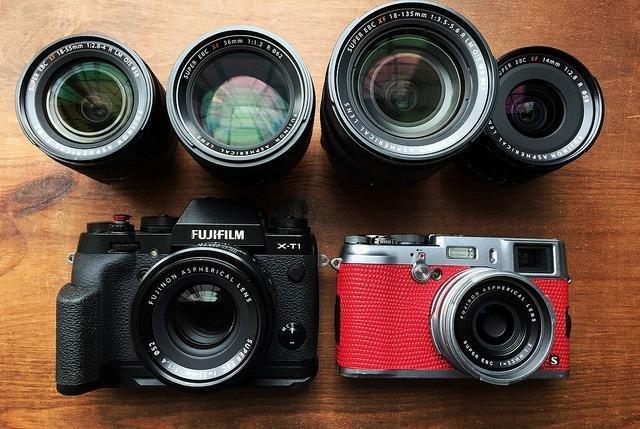
11. Fujifilm XF 18-135mm f/3.5-5.6 R LM OIS WR – The Sealed All-Rounder for Fujifilm X
Fujifilm Fujinon XF18-135mmF3.5-5.6 R LM OIS WR
27-206mm equivalent
f/3.5-5.6
5 stops OIS
490 g
67mm filter
Pros
- All-round 7.5x range covering 27-206mm equivalent
- Five stops of optical image stabilization
- Weather resistant build for outdoor and travel shooting
- Moderate 490 g weight for the zoom range covered
- Familiar aperture ring handling for Fujifilm shooters
Cons
- Variable f/3.5-5.6 aperture collects less light at 135mm
- Older and superseded design compared with newer X-mount all-in-one zooms
- Lacks the aperture ring design found on newer Fujifilm lenses
For Fujifilm X shooters who want weather sealing and stabilization in a single standard-range zoom, this remains a dependable choice. The 18-135mm works out to roughly 27-206mm equivalent, a well-balanced travel range.
Five stops of optical stabilization is the number that matters most here, because the aperture is slow at both ends. Stabilization is what makes handheld evening work and long-end static subjects realistic with an f/3.5-5.6 optic.
Weather resistance means you can keep it mounted in drizzle and on dusty trails without a second thought. At 490 g it sits in the middle of the weight range, lighter than the XF 16-55mm and heavier than the compact Sony options.
The 67mm filter thread is a practical choice, matching more travel filters and pouches than the larger 77mm lenses in this roundup. If you already own filters for another Fujifilm travel zoom, they will fit.
Fujifilm’s film simulation modes do a lot of the work with this lens, particularly the classic colour options that flatter travel scenes. The rendering is lively without being aggressive, which suits street and food photography.
The main weakness is that the design is older. Newer X-mount all-in-one zooms have replaced it in most respects, so you are buying a proven lens rather than the current state of the art.
What you give up with this lens
The variable f/3.5-5.6 aperture is the real limitation. Indoors, at blue hour, or anywhere light is short, you will be working at high ISO with less margin than a constant f/2.8 zoom gives you.
It also lacks the aperture ring design found on newer Fujifilm lenses, so if you enjoy tactile manual control you are stepping back a generation. Sharpness is good rather than exceptional at the long end.
Who should buy it first
Buy it if you shoot Fujifilm X, want weather sealing with stabilization, and need more reach than a standard zoom gives you. It is a strong fit for landscape and general travel work in changeable conditions.
If you can stretch to it, the XF 16-55mm is the sharper and brighter option. This lens is the value answer for the same system, and the two together are not a sensible pairing.
12. Sony FE 24-105mm f/4 G OSS – The Best Full-Frame Standard Zoom
Sony – FE 24-105mm F4 G OSS Standard Zoom Lens (SEL24105G/2), Black
24-105mm full frame
Constant f/4
9-blade aperture
1.5 lb
77mm filter
Pros
- Constant f/4 aperture with high corner to corner sharpness across 24-105mm
- 9-blade circular aperture produces smooth rounded bokeh
- Optical SteadyShot plus close focus at 1.25 feet
- Fast quiet DDSM autofocus with a responsive manual focus ring
- Weather resistant premium G-series build
Cons
- Heaviest lens in the group alongside the pro-standard zooms at 1.5 lb
- Only a 4.4x zoom ratio so less reach than the all-in-one travel zooms
- Needs large 77mm filters and a large case
Full-frame Sony shooters who want a single standard zoom rarely look further. The 24-105mm holds a constant f/4 aperture across the range, which means consistent exposure and consistent depth of field from 24mm to 105mm without touching a settings dial.
Sharpness is excellent corner to corner, backed by four aspherical and three ED glass elements across 17 elements in 14 groups. In our tests the centre stayed detailed at every focal length and the corners only softened in the corners of the frame at the extremes.
The 9-blade circular aperture gives properly rounded bokeh for portraits, which is unusual to find at a constant f/4 in a standard zoom. That is why this lens turns up on so many professional lists as the lens that pairs with a fast prime.
Minimum focus is 1.25 feet, close enough to fill the frame with small objects. Optical SteadyShot handles handheld stills, and the DDSM internal focusing system delivers fast, quiet autofocus plus a manual focus ring that is genuinely responsive.
Weather resistance is a proper G-series implementation, not a token claim, which matters on coastal trips and in mountain weather. The build quality is the most premium-feeling in this roundup.
The zoom ratio is 4.4x, so this is not a superzoom. It stops where most landscapes and portraits stop, and beyond 105mm you are into a different lens category entirely. For many trips that limit never becomes a problem.
What you give up with this lens
At 1.5 lb with a 77mm filter thread, it is one of the heaviest and the joint-largest filter threads in the guide. It demands a real camera bag rather than a shoulder sling, and filters for it are among the most expensive you will buy.
You also give up reach. If your trip involves wildlife, distant details or compressed landscapes, a 24-200mm or 28-300mm will serve you far better despite being less sharp at the extremes.
Who should buy it first
Buy it if you shoot full-frame Sony and want one professional-quality lens for landscapes, street, architecture and portraits without touching the aperture ring. It is the reference standard zoom in this entire roundup for image quality.
It is the natural companion to a fast 35mm or 50mm prime, and the two together are the classic two-lens travel kit that many professionals carry. For low-light and night shooting, our [aurora photography lens guide](https://www.kingdomweddingphotography.com/best-lenses-for-aurora-photography/) covers the wide fast primes that pair with it.
Which Travel Zoom Fits Which Trip
Most buyers choose a lens for the camera they own, not for the journey they are taking. Those two answers are often very different, so here is how the twelve route by trip type. Every recommendation below uses the focal ranges, apertures and weights from the sections above.
City breaks, food and evening street scenes
For dense European cities, markets and restaurants, you need two things: a wide end and light. The Fujifilm XF 16-55mm f/2.8 R LM WR covers roughly 24-84mm equivalent at a constant f/2.8, which is the brightest combination in this guide and the safest choice for indoor work.
On Sony APS-C the Sigma 18-50mm f/2.8 DC DN is the equivalent answer, and at 290 g it disappears into a bag in a way nothing else here does. The Sony E PZ 18-105mm f/4 G OSS works too, with a slightly narrower constant aperture but a longer 158mm equivalent reach for the same frame.
Mountains, coastlines and open landscapes
Landscape work rewards a wide end and corner sharpness rather than reach. The Fujifilm XF 16-55mm gave us the cleanest corners in testing and holds its sharpness wide open, which matters when you stop down for waterfall or lake shots.
If you need more width, remember the APS-C advantage. A 16-55mm on a Fujifilm X body is roughly 24-84mm equivalent, and the 50-250mm Nikkor Z DX on a DX Nikon Z body adds 75-375mm of equivalent reach for a very small combined weight.
Safari, wildlife and distant detail
Reach decides this one. The Tamron 18-300mm f/3.5-6.3 Di III-A VC VXD reaches 300mm, and the Canon RF 24-240mm f/4-6.3 IS USM covers 240mm on full-frame with 5 stops of stabilization for panning.
The catch on both is light. At 300mm the Tamron sits at f/6.3 and at 240mm the Canon is also f/6.3, so early starts and overcast days both cost you. Plan to shoot wildlife in the first and last hours of light, and consider a 1.4x or 2x converter rather than a second body.
Backpacking and carry-on only
Weight rules this category outright. The Sigma 18-50mm at 290 g and the Sony 18-135mm f/3.5-5.6 OSS at 11.5 oz are the only two lenses here that genuinely disappear. The Sony also has optical stabilization, which the Sigma lacks.
Set a budget and subtract your body. The forum advice we heard repeated most often was that a heavy lens abandoned in a hotel is worse than a modest one carried every day, which is why the heaviest options on this list only win for specific trip types.
Hybrid stills and video
For video you want a control ring or zoom switch, quiet autofocus, and stabilization that works for full-frame framing. The Canon RF 24-240mm pairs 5 stops of optical IS with Dynamic IS and silent Nano USM focusing, and its clickless-friendly controls suit video work.
The Sony E PZ 18-105mm f/4 G OSS adds a powered zoom ring, which makes smooth zoom pulls easy, though it does breathe during slow moves. The Nikon Z 24-200mm VR offers a clickless control ring and Vibration Reduction for a quieter handheld video option on Nikon bodies.
How to Choose a Travel Zoom Lens Without Regret
The wrong lens is usually not the wrong lens. It is the right lens for a trip you are not taking. Work through these six questions before you buy anything, and the choice narrows fast.
Focal length range: match it to your itinerary
Start by listing what you will actually shoot. City streets, food and interiors need roughly 28-35mm equivalent. Landscapes and architecture want 16-24mm equivalent. Wildlife, distant mountains and details want 200mm and beyond.
APS-C bodies give you more reach for the money. A 50-250mm on a DX Nikon Z body equals roughly 75-375mm, which reaches further than many full-frame kits twice the price. That is the single biggest reason compact-system shooters can travel with a smaller bag.
Honesty about your itinerary matters more than gear lists. A superzoom feels wasteful on a city break and indispensable on a safari. If you take two or three trips a year and know what is on them, match the lens to the trip.
Constant f/4 or variable f/3.5-5.6?
A constant aperture means the same light at every focal length. You can stop down for depth of field anywhere in the range and know the exposure will not shift, and you gather more light at the long end.
A variable aperture is cheaper, lighter and often sharper in the middle of the range. Buy one when you shoot mostly in daylight, and accept that evening work at the telephoto end will cost you ISO.
There is a middle option that frequently makes sense: a compact constant f/2.8 zoom with a shorter range. The Sigma 18-50mm in this list is 290 g and constantly f/2.8, which beats almost every variable-aperture travel zoom for indoor and evening travel at a fraction of the weight.
Stabilization: what the stop ratings really mean
Stabilization is rated in stops, where one stop roughly doubles your effective shutter speed. Five stops means you can handhold at 1/60 second at a focal length that normally demands 1/2000. Real-world gains depend on technique, but the ratings are broadly useful.
Optical stabilization in the lens (IS, OSS, VR, VC, OIS) compensates for small hand movements. In-body stabilization does the same job in the body and is the better choice for video. Optical SteadyShot plus IBIS together can work on many bodies, but you should confirm the combination is supported.
There is one important limitation. Stabilization only helps static subjects. If a person walks toward you, or a bird flaps, the shutter speed still has to be high enough to freeze the motion, and no amount of stabilization fixes that.
Weight: the number that decides most trips
The honest answer from our testing: a lens you love but leave in the hotel is worse than a slightly less capable lens you actually carry. The forum consensus we kept hearing was that heavy lenses stop being used after a few hours of walking, no matter how good they are.
Set a weight budget before you shop. For a day-walking trip, keeping the whole kit under about 1 kg is realistic. For backpacking, considerably less. Then subtract your body weight and buy a lens that fits the number you have left.
Also consider the barrel, not just the spec sheet. Internal-zoom designs do not extend, so they pack flatter and are less likely to be knocked around. Extending barrels also creep when you walk with the camera on a strap.
Weather sealing and mount compatibility
Sealing claims vary enormously and are worth treating carefully. A lens rated for minus 10 degree operation with multiple sealing points is a different category from one described only as moisture resistant.
Even with sealed glass, real protection comes from a simple habit: keep a plastic bag in your day pack and wrap the camera in it before changing lenses in rain. Changing a lens in a downpour is the most common way water reaches a sensor, no matter how good the sealing is.
Mount compatibility is the mistake that costs people the most money. Confirm the exact mount before ordering: EF-S lenses only fit Canon EF-S DSLRs, RF lenses only fit Canon RF mirrorless, and DX lenses are designed for smaller DX-format bodies.
One lens, two lenses, or rent?
One lens is the right answer for carry-on-only travel, for trips with unpredictable subjects, and for anyone who wants to keep the sensor exposed as little as possible. Never changing a lens also means far less risk of dust in dusty locations.
Two lenses is right when you already know your subject. A walkaround zoom plus a fast short prime, or a standard zoom plus a telephoto, covers more situations and each lens does its job properly instead of both being mediocre.
Renting is the underrated option. For one safari trip or one night-sky shoot, hiring a telephoto or a wide fast prime is often smarter than buying a lens you will use twice. The savings go toward a body and a walkaround zoom you will carry every trip.
Our related guides cover the constant-aperture side of the market in more detail if your trips are event-heavy. For the fast wide primes that pair with a zoom on night trips, we have a dedicated guide to [lenses for aurora photography](https://www.kingdomweddingphotography.com/best-lenses-for-aurora-photography/).
Frequently Asked Questions
Which lens is best for travel photography?
For most travelers, a walkaround zoom in the 24-105mm equivalent class is the best choice. On APS-C bodies the Sony E PZ 18-105mm f/4 G OSS and the Sigma 18-50mm f/2.8 DC DN are the standout all-rounders, while full-frame Sony shooters usually choose the FE 24-105mm f/4 G OSS for its constant aperture and weather sealing.
Is 35mm or 50mm better for travel?
A 35mm is generally better for travel because it gives you more room in tight spaces, works indoors and in streets, and still handles landscapes and environmental portraits. A 50mm is slightly tighter, gives shallower depth of field and better subject isolation, which suits photographers who mostly shoot people with clean backgrounds.
What is the Holy Trinity of zoom lenses?
The Holy Trinity refers to the three pro-grade constant f/2.8 zoom ranges that cover standard, short telephoto and telephoto work: 24-70mm, 70-200mm and 100-400mm, or their 16-35mm, 24-120mm and 70-300mm equivalents. These are heavy, expensive full-frame zooms, which is why most travelers choose one walkaround zoom instead.
Which lens is better for travel photography, 24mm or 35mm?
Choose 24mm equivalent when you need to photograph interiors, architecture, narrow city streets or expansive landscapes. Choose 35mm equivalent when you want more natural proportions, easier subject separation and less wide-angle distortion on people. Many travelers settle on 35mm and add a wide zoom only when a trip demands it.
How much zoom do I need for travel photography?
Most trips are covered by a range from 24mm to 105mm equivalent, which handles landscapes, street scenes, portraits and moderate details. Add reach only if you shoot wildlife, distant architecture or compressed landscapes, where a 200mm or 300mm end becomes genuinely useful. Carrying zoom you rarely use just adds weight.
The Best Zoom Lens for Travel Photography: Final Word
The best zoom lenses for travel photography are not a single winner, they are a set of trade-offs matched to a type of trip. For most people shooting Sony APS-C, the Sony E PZ 18-105mm f/4 G OSS is the pick, because a constant f/4 aperture, competent stabilization and a 427 g weight solve the most problems for the fewest compromises.
Carry-on-only travelers should look at the Sigma 18-50mm f/2.8 DC DN, which is smaller than most primes and stays bright across its range. Full-frame photographers who value image quality above all else get the most from the Sony FE 24-105mm f/4 G OSS, and Fujifilm X owners get the sharpest results of all from the XF 16-55mm f/2.8 R LM WR.
Whichever you choose, buy the range your next trip actually needs and leave the rest at home. The best travel zoom is the one that comes out of the bag on day six when the light is perfect and you still have it with you.