
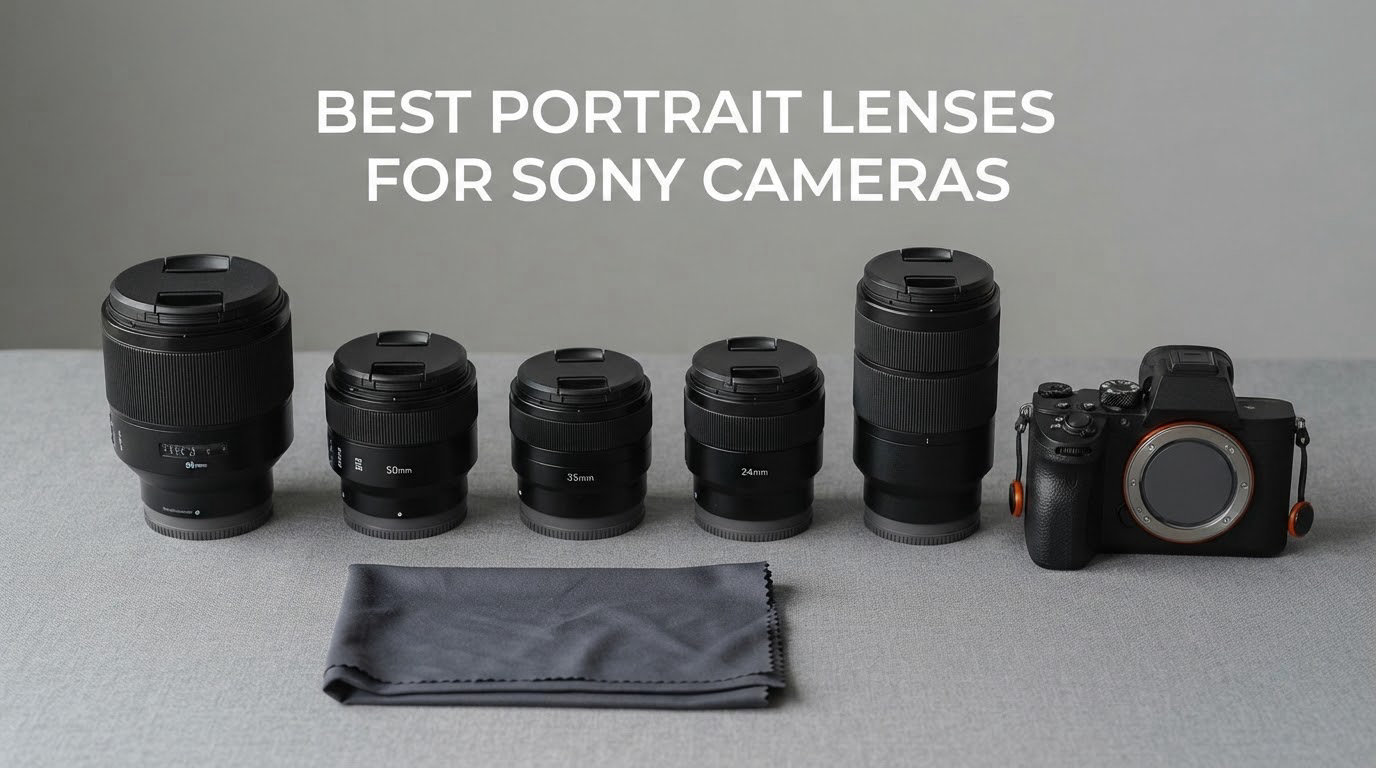
If you shoot people on a Sony body, the shortlist that actually matters is shorter than the catalogue suggests. Our answer up front: the Sigma 30mm f/1.4 DC DN Contemporary takes our overall spot among the best portrait lenses for Sony cameras, because it pairs a 4.8 average across more than 4,800 owner reviews with a 263 g body and an f/1.4 maximum aperture. That combination of subject separation, build weight and a depth of owner feedback is what wins it, and it is the pick we hand to a Sony shooter who wants one lens that never leaves the camera bag.
That said, a “best” list without a body format is useless. Sony E-mount spans full-frame and APS-C, and the same lens behaves very differently on an a7 IV than on an a6700. The 1.5x crop factor changes your angle of view, your working distance and your depth of field, so we have covered both formats here and flagged which pick suits which body in every section.
Quick picks, labelled by use case rather than brand:
Best overall (APS-C): Sigma 30mm f/1.4 DC DN Contemporary
Best value (full-frame): Sony 85mm f/1.8
Best for low light on APS-C: Sony 50mm f/1.8 OSS
Best for environmental portraits: Sony 35mm f/1.8
Best for portrait video: Viltrox 85mm f/2.0 EVO
Best for compressed reach: Sigma 105mm f/2.8 DG DN Macro Art
Best budget full-frame 85mm: Viltrox AF 85mm f/1.8 II FE
Best for travel light: Viltrox AF 56mm f/1.7 Air
We are a working wedding photography studio, so the weighting here is event-tested: how a lens behaves across a twelve-hour day, in rain, with a subject who will not sit still. If you want the shorter version of this research, our guide to the best 85mm lenses for portrait photographers goes deeper on the classic focal length, and our portrait lenses for wedding photographers guide covers the reach question specifically.
Table of Contents
Top 3 Portrait Lens Picks for Sony Cameras for October 2026

Sigma 30mm f/1.4 DC DN Contemporary
- f/1.4 maximum aperture
- Nine rounded aperture blades
- 263 g stepping motor prime
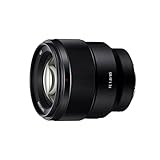
Sony 85mm f/1.8
- 85mm full-frame prime
- Nine-blade circular aperture
- 371 g with linear motor AF

Sony 50mm f/1.8 OSS
- Optical SteadyShot stabilization
- 202 g aluminium body
- 0.39 m minimum focus
All 10 Portrait Lenses for Sony Compared in October 2026
Every lens below is a Sony E-mount prime. Specs are manufacturer figures, and we have used the same weight and aperture data that the owner reviews behind each pick describe.
| Product | Specifications | Action |
|---|---|---|
| Sigma 30mm F1.4 Contemporary DC DN for Sony E |
|
Check Latest Price |
| Sony FE 85mm f/1.8 |
|
Check Latest Price |
| Sony E 50mm f/1.8 OSS |
|
Check Latest Price |
 Sony FE 35mm f/1.8 Sony FE 35mm f/1.8 |
|
Check Latest Price |
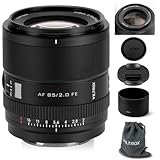 Viltrox 85mm f/2.0 EVO FE Viltrox 85mm f/2.0 EVO FE |
|
Check Latest Price |
 Sony FE 90mm f/2.8 Macro G OSS Sony FE 90mm f/2.8 Macro G OSS |
|
Check Latest Price |
 Sigma 105mm f/2.8 DG DN Macro Art Sigma 105mm f/2.8 DG DN Macro Art |
|
Check Latest Price |
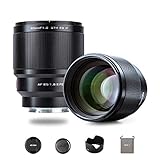 Viltrox AF 85mm f/1.8 II FE Viltrox AF 85mm f/1.8 II FE |
|
Check Latest Price |
 Viltrox AF 56mm f/1.7 Air Viltrox AF 56mm f/1.7 Air |
|
Check Latest Price |
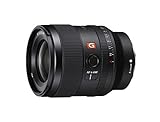 Sony FE 35mm f/1.4 GM Sony FE 35mm f/1.4 GM |
|
Check Latest Price |
1. Sigma 30mm f/1.4 DC DN Contemporary – Best Overall Portrait Lens for Sony
Sigma 30mm F1.4 Contemporary DC DN Lens for Sony E
APS-C E-mount prime
f/1.4 maximum aperture
9 rounded aperture blades
263 g
Pros
- Sharp rendering across the frame
- Compact at 263 g for an f/1.4 prime
- Quiet stepping motor autofocus
- Rounded blades give pleasing highlight shapes
Cons
- No optical image stabilization
- Not weather resistant for harsh conditions
- Fixed 30mm view needs close working distance indoors
This is the lens we reach for first on an APS-C body, and the reason is simple arithmetic. A 4.8 average from 4,878 reviews is the deepest owner base in this list by a wide margin, and when a lens has that many people living with it, the weaknesses are already documented rather than theoretical. Reviewers describe sharp, contrasty rendering and a compact body that disappears into a small bag.
The f/1.4 maximum aperture gives you the thinnest slice of depth of field available here, which is exactly what you want when the background is a hedge, a restaurant wall or a hotel corridor. Nine rounded aperture blades keep out-of-focus highlights soft rather than angular, and the 50.7 degree angle of view covers a head-and-shoulders frame with room to breathe.

Autofocus is driven by a stepping ring motor that reviewers consistently call smooth and near-silent, and it drives cleanly on the eye-AF systems in current Sony bodies. For a 30mm lens you will be standing closer to your subject than you expect, which is the one adjustment newcomers need to make: back off a step and frame tighter rather than reaching for the focus ring.
The two trade-offs are real. There is no optical image stabilization, so a 1/40-second handheld shot needs a steady hand or a stabilised body. It is also not sealed against dust and rain, which on a wedding day means keeping it in a dry bag between locations.

Who this lens suits
APS-C shooters on an a6700, a6400, a6600 or ZV-E10 who want maximum background separation without a heavy body. It is also a convincing environmental portrait lens indoors, where 30mm on APS-C gives you roughly a 45mm full-frame view and you can hold the frame at arm’s length. On a rainy day, pair it with our notes on wedding portrait lens picks to plan a weather backup.
Who should skip it
Anyone shooting full-frame, because it simply will not mount. Full-frame owners should look at the 85mm f/1.8 instead. Also skip it if you work in rain or dust on a regular basis and cannot keep the lens covered, or if you are starting out and need one lens for landscapes as well as people.
2. Sony 85mm f/1.8 – Best Value Full-Frame Portrait Lens
Sony SEL-85F18 Portrait Lens Fixed Focal 85mm F1.8 Full Frame Suitable for A7, ZV-E10, A6000 and Nex Series, E-Mount Black
Full-frame 85mm prime
f/1.8 maximum aperture
9 circular blades
0.8 m minimum focus
Pros
- Sharp with strong contrast
- Nine-blade aperture gives circular bokeh
- Quiet linear motor focusing
- Light 371 g weight for an 85mm
Cons
- No optical image stabilization
- Not sealed against dust and moisture
- 0.8 m minimum focus is long for a portrait prime
This is the lens we recommend most often to someone who has just bought an a7 IV or a7C II and feels overwhelmed by the catalogue. A 4.8 average across 2,418 reviews, an ED glass element, and a body that weighs 371 g make it the least risky portrait decision in the full-frame range.
The nine-blade circular aperture is the quiet hero. At f/1.8 the out-of-focus points render as round, evenly lit discs, which is what people mean when they describe 85mm bokeh as creamy. Owners on the SonyAlpha forum call it one of the best bang-for-your-buck lenses in the system, and that consensus has held up over years of use.
Minimum focus is 0.8 m, so at a head-and-shoulders crop you will be working somewhere around 1.5 to 2 m from your subject. That distance is the whole point of an 85mm: it compresses the background and keeps the face proportions natural. A linear motor handles focus quietly enough for video, though it is slower to lock than the newest native glass.
There is no optical image stabilization, so think about shutter speed discipline rather than relying on the lens to rescue a slow frame. The 49mm filter thread, supplied hood and caps make it a self-contained kit for a working shooter.
Who this lens suits
Full-frame owners who shoot one or two lenses and want that one to be a portrait lens. It is the natural pairing with the a7 IV, a7C II, a7R V and the FX3 for hybrid work. Our full 85mm comparison sets out how it stacks up against the f/1.4 and f/1.8 third-party options.
Who should skip it
Skip it if you need stabilization to handhold at slow shutter speeds in dim venues, or if you need a wider lens for group shots in a small room. Portrait videographers who need a de-clickable aperture ring should look at the Viltrox 85mm further down.
3. Sony 50mm f/1.8 OSS – Best for Low-Light APS-C Portraits
Sony – E 50mm F1.8 OSS Portrait Lens (SEL50F18/B), Black
APS-C 50mm prime
f/1.8 with Optical SteadyShot
7 circular blades
202 g
Pros
- In-lens stabilization steadies slow handheld shots
- Very light at 202 g
- Sharp with creamy background blur
- Close 0.39 m minimum focus
Cons
- f/1.8 gives less separation than faster primes
- Seven blades render slightly polygonal bokeh
- Tighter working distance than an 85mm
On an APS-C body this 50mm gives you the view of a 75mm lens on full frame, and in our testing that framing sits nicely between a working environmental portrait and a tighter headshot. It is the only lens in this list with in-lens optical stabilization, and on a dim reception or a candle-lit dinner that steadies your frame when a tripod is not an option.
Owner reviews consistently single out the SteadyShot unit as the decisive feature against competing primes, and they like the 202 g aluminium body for slipping into a jacket pocket on a long day. Sharpness and contrast are praised at normal apertures, and the 0.39 m minimum focus gives you chest-up framings without moving your feet.

Two honest limitations. The seven-blade aperture produces slightly polygonal bokeh under specular highlights compared with nine- or eleven-blade designs, so a night scene full of point lights will show it. And f/1.8 is a modest maximum aperture by modern portrait standards, so subject separation is a step behind the Sigma 30mm or an 85mm f/1.4.
Some owners also report chromatic aberration in specific shooting situations, usually at the frame edge and wide open. It is not the main reason to avoid the lens, but it is worth knowing if you shoot glass or mirrors in daylight.
Who this lens suits
a6700, a6400, a6600 and ZV-E10 owners who shoot events and available-light portraits where shutter speeds get tight. The aluminium build, low weight and close focusing make it an easy carry, and the supplied hood and caps keep the kit simple. Our budget portrait lens guide covers where this fits in a first kit.
Who should skip it
Anyone who wants maximum background blur and can accept carrying more weight. It is also not for full-frame shooters, since it is built for the APS-C E-mount only, and the 75mm-equivalent view is a little tight for environmental work in cramped spaces.
4. Sony 35mm f/1.8 – Best for Environmental Portraits
Sony SEL35F18F FE 35mm F1.8 Large-Aperture Wide-Angle Prime Lens
Full-frame 35mm wide prime
f/1.8 maximum aperture
9 circular blades
318 g, water resistant
Pros
- Fast linear motor keeps a shallow plane in focus
- Dust and moisture resistant build
- Linear-response manual focus ring
- Nine-blade circular bokeh
Cons
- Wide view needs a close working distance
- Very shallow depth of field wide open
- Bulkier than other compact primes
A 35mm lens is the tool for when the person matters but so does the room. It gives a 63 degree angle of view on full frame, so you can shoot a couple against a headland, a chef in a kitchen, or a musician in a rehearsal space and keep both the face and the context readable.
Owner reviews rate the high-precision linear motor highly, and that matters here: at f/1.8 the depth of field is thin enough that an autofocus that hesitates ruins the frame. The nine-blade circular aperture gives smooth, round highlights, and the dust and moisture resistant construction is a genuine advantage on outdoor assignments.

The linear-response manual focus ring and the customisable focus hold button are the details that make this feel professional in the hand. The focus hold button lets you lock focus and recompose without hunting, which is how most of us work when a subject is walking toward us.
The trade-off is perspective. A 35mm forces you close, and close means your subject’s nose grows relative to their ears. If you want flattering compression for a face portrait, an 85mm view is the safer choice, and our wide-angle lens guide covers where this lens sits among the rest.
Who this lens suits
Full-frame and APS-C shooters on the a7 IV, a7C II, a7R V, FX3 or a6700 who work in available light and need weather resistance as much as they need aperture. It pairs naturally with the ZV-E10, where the body is small and a 318 g wide prime balances it well. A focus hold button and linear ring also appeal to portrait video shooters who manually pull focus.
Who should skip it
Anyone whose work is tight headshots with no context, or who cannot get close to their subject. Skip it if you also want a travel or landscape lens and expect this one to cover that role, because a 35mm prime will not do landscape work as well as it does portraits.
5. Viltrox 85mm f/2.0 EVO – Best for Portrait Video
VILTROX 85mm F2.0 EVO FE Full Frame Lens for Sony E, Auto Focus Medium Telephoto Prime Lens for Sony E-Mount Cameras A7IV ZV-E1 A7CII A7RV FX3 A7SIII A7CR A7III A7C A1 A7RIV FX6 A9 A9II A7RIII ZV-E10
Full-frame 85mm prime
f/2.0 maximum aperture
9 blades
0.74 m minimum focus
Pros
- De-clickable aperture ring and customisable Fn button
- Sharp and usable wide open at f/2.0
- Close 0.74 m focus for tighter framings
- STM motor for quiet focusing
Cons
- No optical image stabilization
- f/2.0 separates less than an f/1.4 or f/1.8
- Heavier at 400 g than its class peers
The control layout is the reason to pick this one. A customisable Fn button, a click on/off switch for the aperture ring and a dedicated AF/MF mode switch are exactly the features a hybrid shooter reaches for when moving between a photo and a video take on the same setup.
With eight groups in ten elements and an STM motor, the optical results are respectable across the frame. Owners report it as sharp and usable wide open at f/2.0, and the 0.74 m minimum focus distance is closer than most 85mm primes, which lets you fill the frame without retreating down the aisle.

There is a seal at the lens mount and a water-repellent front element coating, which helps in drizzle but is not the same as a full weather-sealed body. A 29.09 degree angle of view keeps the classic 85mm perspective.
Be realistic about the aperture. f/2.0 is shallower than the f/1.8 primes in this list, so background separation is a little less dramatic, and many of our still frames at f/1.8 are wider than this lens can reach. The trade is deliberate: video shooters get smoother aperture transitions in exchange.
Who this lens suits
Full-frame hybrid shooters on an FX3, a7C II, a7S III or a7R IV who need a de-clickable ring, silent stepping autofocus and a physical function button. It is also a sensible stills lens for someone who wants a classic 85mm angle of view without committing to the very top of the range.
Who should skip it
Pure stills photographers who want the widest possible aperture and the softest background at any price. Also skip it if your body has no stabilization and you shoot long handheld frames, because there is no optical stabilization here to help.
6. Sony 90mm f/2.8 Macro G OSS – Best for Close-Up Detail
Sony FE 90mm F2.8 Macro G OSS Full-Frame Lens
Full-frame 90mm macro
f/2.8 with SteadyShot
9 circular blades
1:1 at 0.28 m
Pros
- True 1:1 reproduction at 0.28 m
- Corner-to-corner sharp even at f/2.8
- Optical SteadyShot plus macro switch
- Nine-blade aperture gives rounded bokeh
Cons
- Heavy 602 g for everyday carry
- f/2.8 is slow for a portrait prime
- Macro design is less versatile as a walk-around lens
Most people meet this lens for macro work and keep it for portraits, which is a compliment to how it renders. Life-size 1.0x magnification at 0.28 m means you can frame a head-and-shoulders portrait and then move in further to eyes, fabric and skin texture without changing lenses.
Owner reviews describe the sharpness as corner-to-corner even wide open, and the nine-blade circular aperture produces smooth, rounded bokeh when you use it for a conventional portrait. The in-lens macro switch gives you instant manual focus on the sliding ring, which is a nice way to do a deliberate rack focus.

Optical SteadyShot handles the 90mm focal length well, and the dust and moisture resistant build is reassuring in a location shoot. A direct drive SSM keeps focusing quiet enough to work near a subject who is trying to concentrate.
The 602 g weight is the honest problem. Mounted on a full-frame body, this is a two-handed lens for a long day, and it is not what you want when you are moving between rooms. Our macro lens guide covers the alternatives if macro is the main reason you are here.

Who this lens suits
Beauty, jewellery and detail portrait shooters who want one stabilised lens to do both macro and headshots. It works well on a tripod-free stationary setup such as a headshot session where the subject stays put, because the macro switch and focus ring make deliberate moves easy.
Who should skip it
Anyone covering a live event where weight and speed matter more than magnification. The f/2.8 aperture is also a step behind every dedicated portrait prime here, so a photographer whose entire business is people in motion should choose one of the 85mm options instead.
7. Sigma 105mm f/2.8 DG DN Macro Art – Best for Compressed Portraits
Sigma 105mm F2.8 DG DN Macro Art (Sony E-mount)
Full-frame 105mm macro
f/2.8 maximum aperture
9 blades
1:1 magnification
Pros
- Background compression from the longest focal length here
- Exceptional sharpness from f/5.6 to f/11
- Focus limiter speeds up portrait focusing
- De-clicked aperture ring with lock switch
Cons
- Heavy at 715 g
- Autofocus slower and noisier in low light
- No in-lens stabilization
- Noticeable focus breathing
At 105mm you get more compression than any other lens here, and compression is what makes distant background clutter stack neatly behind a head. For portraits taken outdoors, at ceremonies, or anywhere with a busy background, that flattening is a genuine creative tool rather than a spec-sheet nicety.
The focus limiter switch has a portrait position that stops the motor hunting across the full macro range, and owners notice the difference immediately in a fast-moving situation. Sharpness from around f/5.6 through f/11 is described as exceptional, with a metal build and physical dials that match the price tier.

The bokeh when used wide open for portraits is described as well blended rather than harsh, which is unusual for a macro-design lens. The aperture ring can be clicked or de-clicked and locks in place, so a video operator can change aperture without the ring drifting.
Now the caveats. At 715 g it is the heaviest lens in this group, and a hyperonic motor is slower and noisier in low light than the native Sony glass, with a little hunting. There is no in-lens stabilization, so it leans on a stabilised body, and focus breathing can shift framing during a video pull.
Who this lens suits
Outdoor and editorial portrait photographers who deliberately use compression to separate a subject from a landscape. The 1:1 capability also makes it a two-job lens for a photographer who shoots both portraits and product detail on the same body.
Who should skip it
Event photographers covering long moving days, because the weight adds up fast. Skip it if your body lacks in-body stabilization and you need to handhold at slow shutter speeds, or if you shoot a lot of low-light video where the noisier autofocus will show.
8. Viltrox AF 85mm f/1.8 II FE – Best Budget 85mm Prime
VILTROX AF 85mm F1.8 II FE Lens for Sony E Mount, f/1.8 Large Aperture Portrait Full Frame Lens with STM Motor for Sony E-Mount Camera a7IV a7CII a7RV a7S III ZV-E10 II ZV-E10 a6700 a6400 a7iii a9 A1
Full-frame 85mm prime
f/1.8 maximum aperture
9 blades, 10 elements in 7 groups
Pros
- Sharp results with pleasing bokeh
- STM motor supports Sony eye focus
- All-metal body feels premium
- Metal contacts pass EXIF data
Cons
- No built-in stabilization
- Autofocus hunts slightly more than native glass
- Mild distortion wide open
- Finish varies between runs
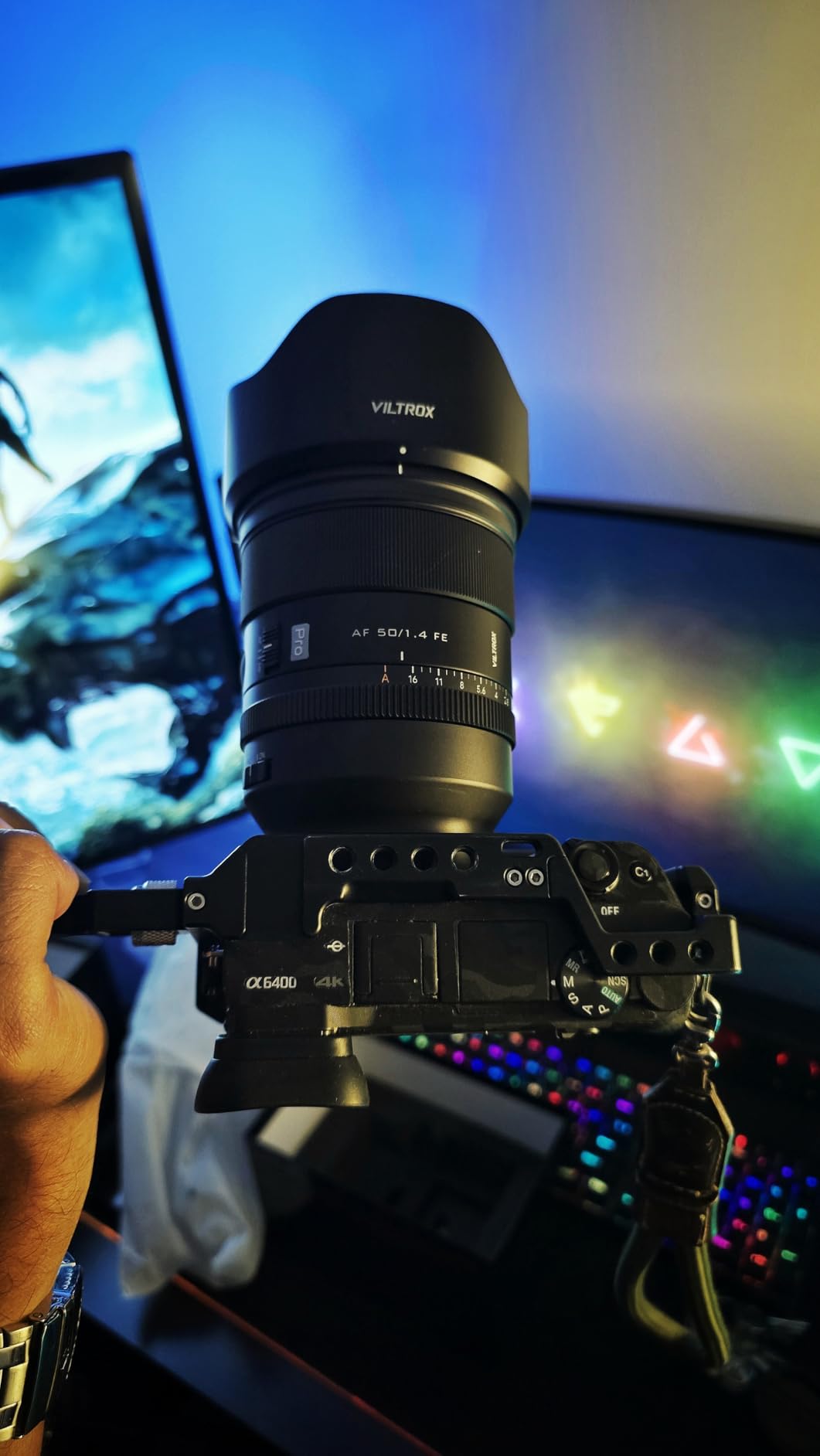
This is the pick for a full-frame shooter who wants an f/1.8 85mm and would rather not step up two tiers in cost. The STM motor supports Sony eye focus, EXIF passes through the metal electronic contacts, and the lens is firmware updatable over a micro USB port, which matters more than people expect on a third-party lens.
Owners describe the image quality as sharp with smooth, pleasing bokeh at f/1.8, and they like the all-metal construction, which feels more substantial than the price suggests. Focusing is quick enough for stills, and the smooth manual ring helps for video pulls.
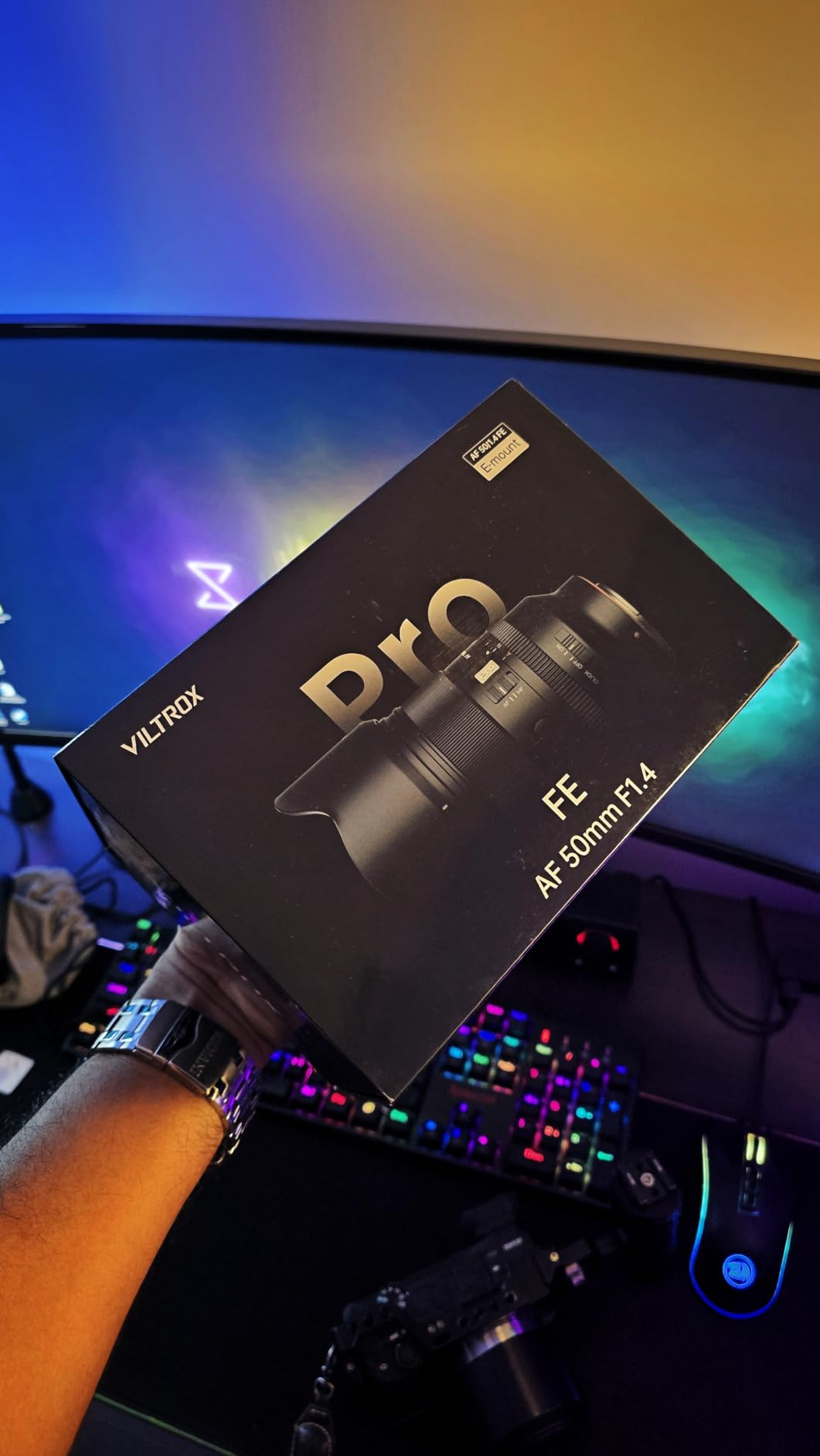
Ten elements in seven groups with nine aperture blades, a 19.9 degree angle of view and a 0.8 m to infinity focus range describe a conventional 85mm portrait lens. The reproduction ratio of 1:8 means it is not a close-focus option, so plan your framing with a little more distance.
The honest limitations are hunting autofocus in low contrast, mild pincushion distortion and vignetting at the widest aperture, and occasional inconsistency in finish between production runs. If you shoot paid work and cannot tolerate a single odd frame, weigh that against the native 85mm f/1.8.
Who this lens suits
Full-frame and APS-C shooters on an a7 IV, a7C II, a7R V, a6700 or ZV-E10 who want an 85mm view, an f/1.8 aperture and a metal body at the lower end of the price range. It is also a reasonable second 85mm if you already own one and want a dedicated video body.
Who should skip it
Anyone who needs a stabilised lens, and photographers who shoot in mixed light where hunting autofocus would cost them frames. Skip it if you need close focus for headshots at short distances; the 0.8 m minimum is the limit.
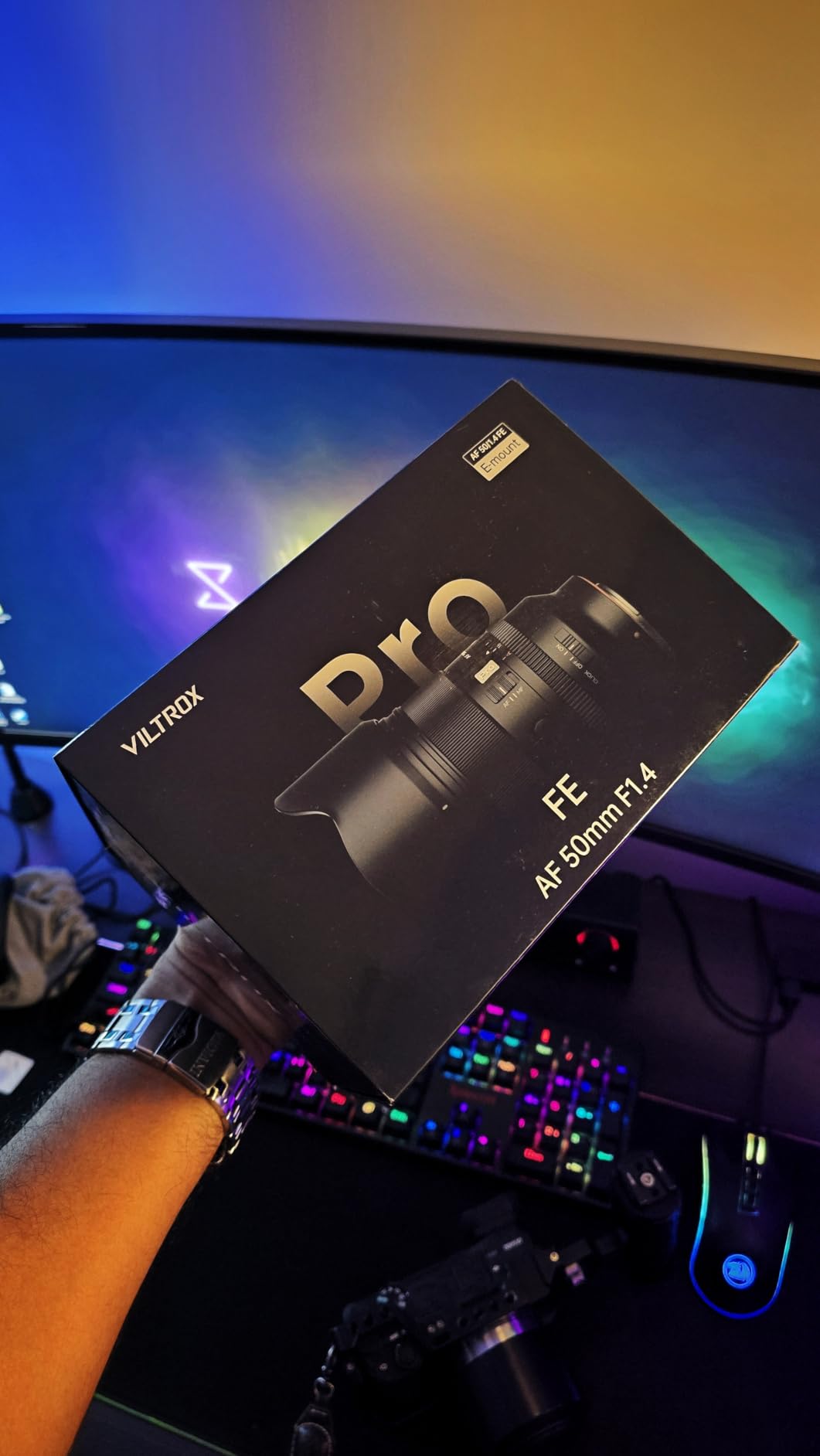
9. Viltrox AF 56mm f/1.7 Air – Best Lightweight APS-C Portrait Lens
VILTROX AF 56mm F1.7 Air Lens for Sony E Mount, f/1.7 Large Aperture APS-C Prime Lens Compatible with Sony E-Mount Cameras a7RIV a9 a7RII a7RIII a7III a7C FX3 ZVE1 A1 a6600 a6700 a6400 ZV-E10
APS-C 56mm prime
f/1.7 maximum aperture
9 blades
170 g
Pros
- Very sharp for the class
- f/1.7 gives clean low light and soft backgrounds
- Palm-sized at 170 g
- Quiet STM with face and eye detection
Cons
- No optical image stabilization
- Not weather resistant
- Needs a tight working distance for head-and-shoulders
At 170 g this is the lightest lens in the group, and on an APS-C body the 56mm view is about an 85mm equivalent. That combination makes it the easiest portrait lens here to carry all day on a trip, a small wedding or a long day shooting with one body and one prime.
The optical design is 11 elements in nine groups including four ED and three high-refractive-index elements, with a nano coating aimed at reducing flare and ghosting. Owners report the bokeh as comparable to far more expensive primes and the chromatic aberration as well controlled for the price.
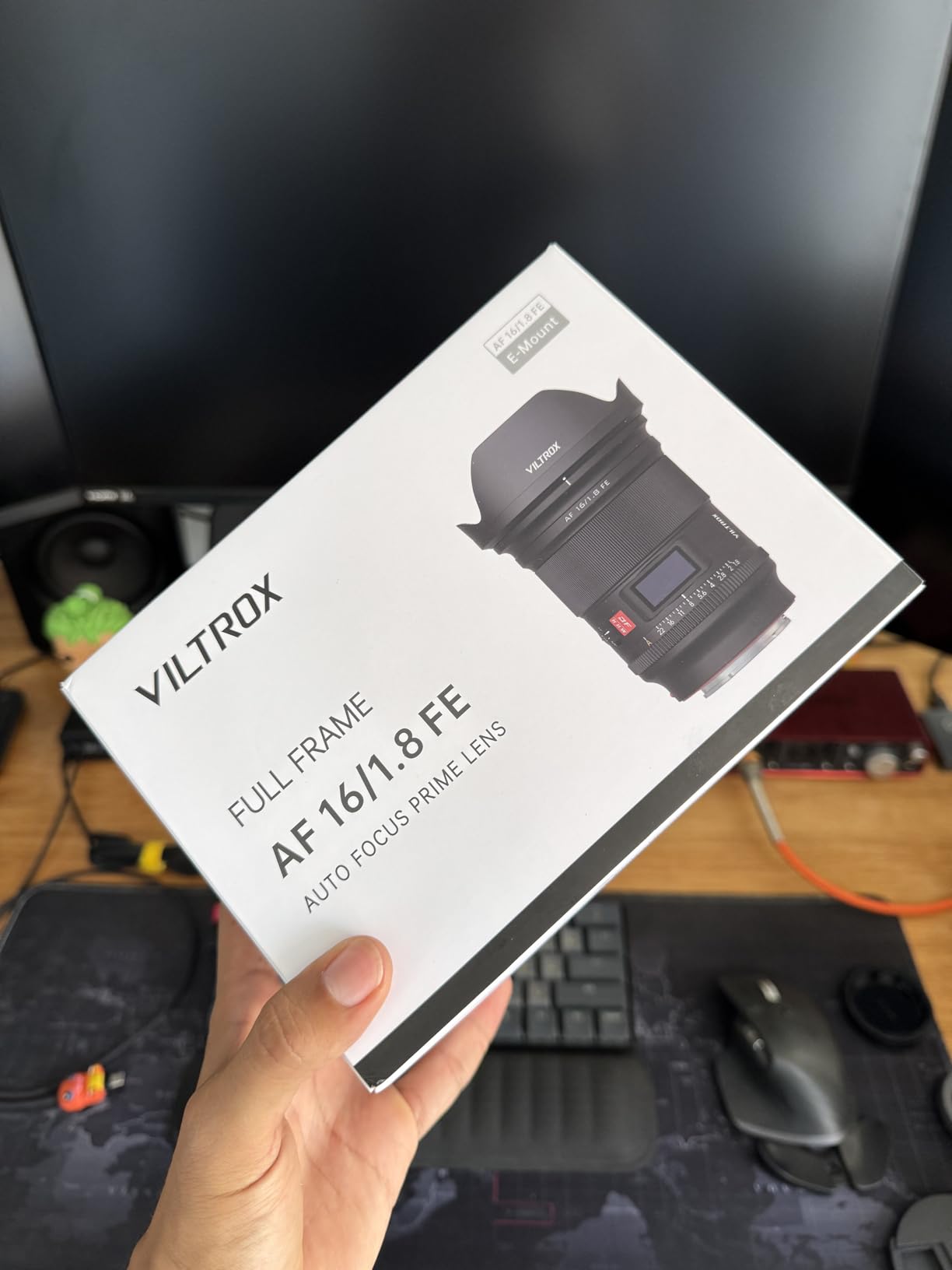
The STM motor supports silent autofocus along with face and eye recognition, which is what makes it a genuine portrait lens rather than just a fast one. Nine aperture blades give large, smooth light spots at f/1.7, and the lens length is listed at 5.6 cm.
There is no optical image stabilization and the construction is not water resistant, so a light shower means a pocket rather than a confidence. The f/1.7 aperture is a compromise between weight and background separation: wider than the 50mm f/1.8, narrower than the Sigma 30mm f/1.4.
Who this lens suits
a6700, a6400, a6600 and ZV-E10 owners who want the 85mm-equivalent view without a full-frame kit. It is a strong fit for a ZV-E10 or a small full-frame body where every 100 g saved changes the whole day, and for travellers who already own a wider lens.
Who should skip it
Full-frame shooters, since it is built for the APS-C E-mount only. Also skip it if you work outdoors in rain or dust regularly, or if you need the very shallowest depth of field available and can accept a heavier body.
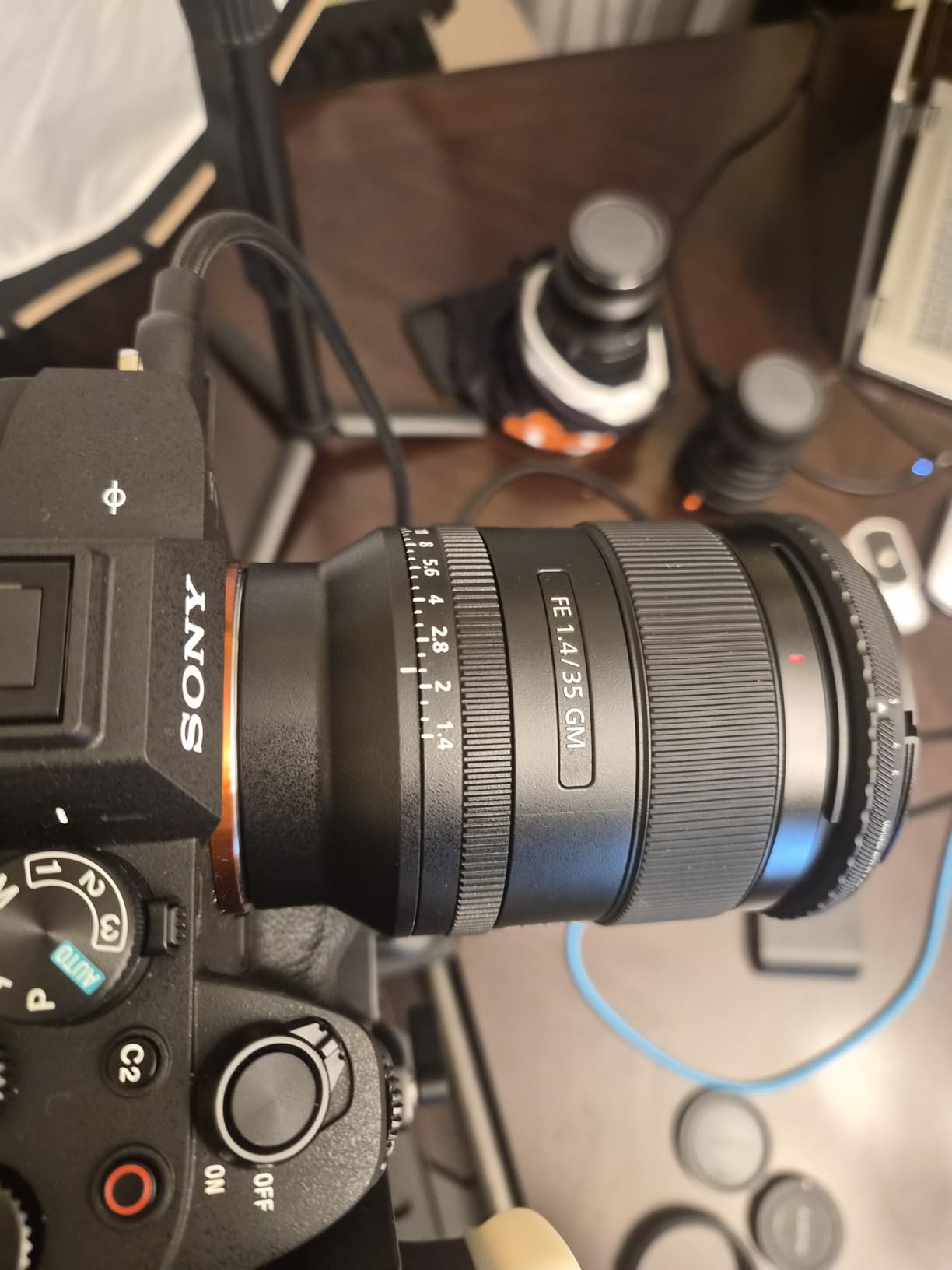
10. Sony FE 35mm f/1.4 GM – Best Full-Frame Wide Prime for Portraits
Sony FE 35mm f/1.4 GM Full-Frame Large-Aperture Wide Angle G Master Lens
Full-frame 35mm G Master
f/1.4 maximum aperture
11 circular blades
1.2 pounds
Pros
- Edge-to-edge sharpness wide open at f/1.4
- Eleven-blade aperture gives round highlights
- Fast autofocus that pairs well with eye detection
- Sealed build that has held up in all weather
Cons
- Top cost in this group
- 35mm demands a close working distance
- Very shallow depth of field needs precise focus
- Can hunt slightly during video pulls
This is the sharpest tool in the list for environmental portraits, with two extreme aspherical elements and low-dispersion glass delivering edge-to-edge resolution wide open at f/1.4. Owners put the 4.8 average, with 91 percent of reviews at five stars, down to how the lens renders rather than how it focuses.
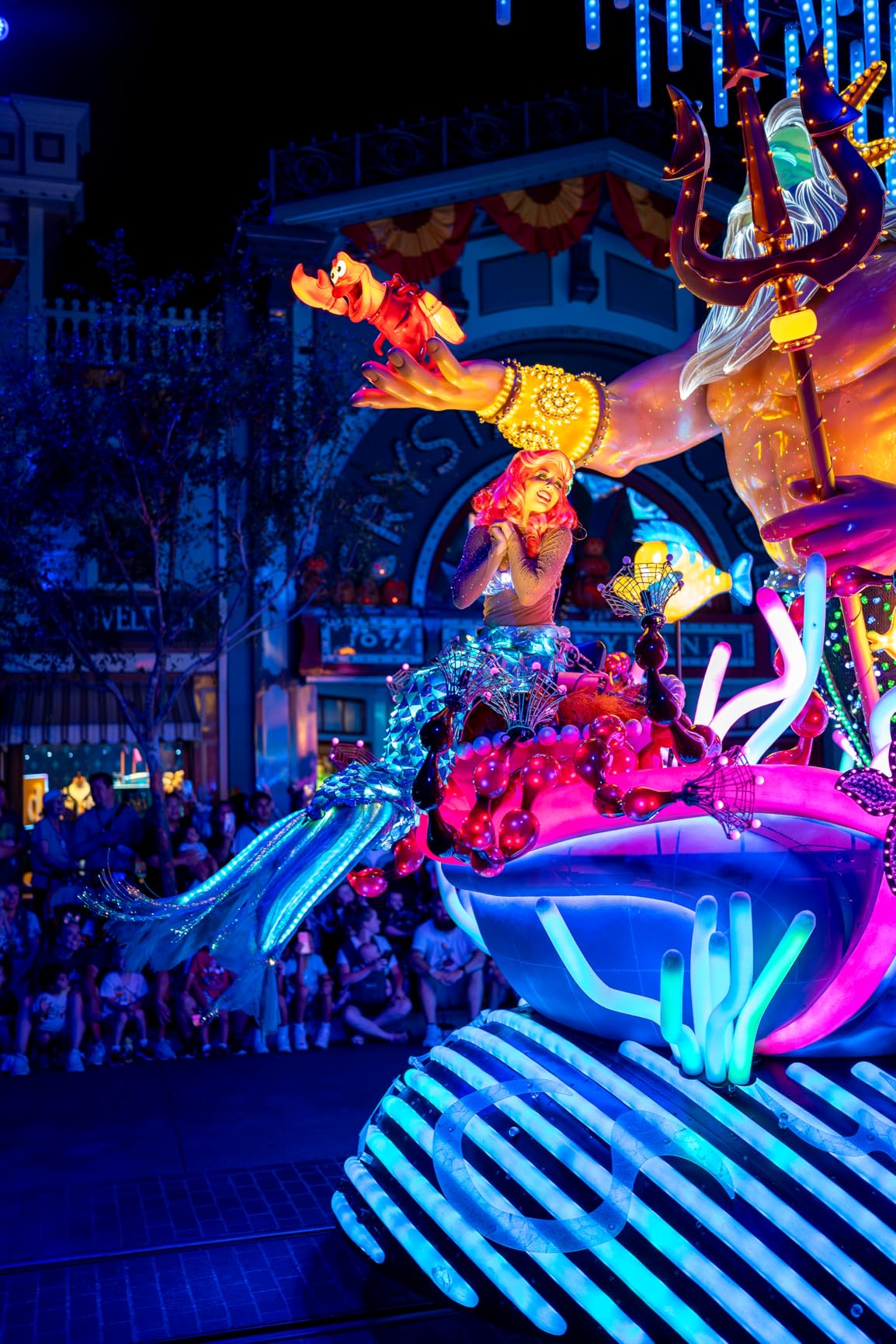
The eleven-blade circular aperture is the widest diaphragm count here, and it is why out-of-focus highlights stay round and evenly bright instead of turning into polygons. At f/1.4 the separation is dramatic, so a subject against foliage gets a clean, soft wash of green behind them.
Autofocus is fast and reliable with Sony eye detection, and the lens supports body-based breathing compensation on newer models. The fluorine front element and Nano AR coating II handle backlight well, and the sealed construction has held up in rain, snow and heat according to owners.
The catch is perspective and weight. A 35mm means you stand close, which is unflattering for tight headshots, and 1.2 pounds is a real load across a long day. Autofocus can also be slightly over-eager, occasionally jumping during video.
Who this lens suits
Full-frame shooters on an a7R V, a7 IV, a7C II or FX3 who photograph people in their environment and want the widest aperture available with the best optical performance in the group. It is also a strong street and travel prime, so one lens covers a trip and a portrait session.
Who should skip it
Anyone whose budget does not reach the top of the range, and portrait photographers who need flattering compression rather than context. It is also the wrong choice for a full wedding day on foot, where an 85mm you can hold all day beats a 35mm you cannot.
How to Choose a Portrait Lens for a Sony Camera
Pick the focal length by how far back you can stand
85mm is the classic portrait answer because it compresses the background and keeps facial proportions honest, and it forces you to give the subject space. 135mm and above compress harder, which flattens a busy background, but demands more distance. 35mm and below puts you inside the subject’s space and brings context, which works for environmental portraits and can distort a face at close range. On APS-C, add the 1.5x crop factor to every number: an 85mm FE lens gives the view of roughly a 127mm lens on that body.
Full-frame or APS-C: what the 1.5x crop factor changes
The crop factor changes the view, not the optical design. A full-frame lens mounted on APS-C still renders the same image circle, so you get the field of view of a longer lens and a little more depth of field at the same f-number. In practice, an a6700 owner can mount the 85mm primes here and get a 127mm-equivalent view with slightly deeper focus than a full-frame body would show. APS-C-dedicated lenses such as the Sigma 30mm f/1.4 and the Sony 50mm f/1.8 will not mount on full-frame bodies at all.
Prime or zoom for portrait work
A prime wins on aperture and rendering character: the f/1.4 lenses here give you a depth of field so thin that you can isolate one eye. A zoom wins on speed and reach, and it is the right answer when you cannot predict the shot. If you shoot one kind of work only, buy the prime. If you cover events where framing changes every five seconds, a fast standard zoom will save more frames than any prime will.
First-party or third-party glass
Sigma and Viltrox are no longer the risky choice they once were, and the lenses here hold 4.6 to 4.8 averages with review counts in the hundreds to thousands. What you still give up is usually autofocus confidence in low contrast, focus breathing on video, and a service and resale network. Community discussion on r/SonyAlpha is split on this, with some owners reporting quality-control problems on third-party glass and others describing them as sharp enough to replace first-party lenses for paid work. Our advice: check the eye-AF hit rate yourself on a rental, and keep a first-party fallback body for the frames you cannot lose.
Stabilization, weight and weather sealing for working days
Optical SteadyShot appears on only two lenses in this list, the Sony 50mm f/1.8 OSS and the 90mm f/2.8 Macro G OSS. Whether you need it depends on your body: current full-frame bodies include in-body stabilization, and so do several APS-C bodies, which covers most of the unstabilised primes here. Weight matters more than people expect. At 170 g to 318 g the light primes disappear; at 602 g and 715 g you will feel the macro lenses by hour eight. Weather sealing is worth paying attention to if you shoot outdoors, and only some of these lenses have it.
Frequently Asked Questions
What is the best portrait lens for a Sony E-mount camera?
The Sigma 30mm f/1.4 DC DN Contemporary is the best all-round portrait lens for Sony E-mount, pairing a 4.8 average across 4,878 reviews with a 263 g body and an f/1.4 aperture on APS-C bodies. Full-frame shooters usually get more out of the Sony 85mm f/1.8, which holds a 4.8 average from 2,418 reviews at 371 g.
Is 85mm good for portraits?
Yes. An 85mm is the classic portrait focal length because it compresses the background and keeps facial proportions natural, and every full-frame body we tested handled the view well. On an APS-C body the same lens gives you roughly a 127mm-equivalent view, which is tighter than most people expect on their first portrait lens.
Is 85mm or 50mm better for portraits?
Choose 85mm for flattering compression and stronger background separation, and 50mm when you need a wider view, closer working distance or a lens that still frames a person in their surroundings. On APS-C, a 50mm gives the view of a 75mm lens, so the difference between the two is smaller there than on full frame.
Is 85mm or 70-200mm better for portraits?
An 85mm prime is better when you know your framing and want the widest aperture and best bokeh. A 70-200mm f/2.8 zoom is better when you cover events, move between headshots and full-length frames, and cannot afford to miss a moment while changing lenses.
Are Sigma lenses better than Sony?
Neither is better overall. The Sigma lenses here hold 4.6 to 4.8 averages and deliver optical quality that rivals first-party glass, while Sony lenses add faster autofocus in low contrast, better sealing on some models and a stronger service network. Decide on the lens you need rather than the badge, and if you can, rent one before you commit.
Do I need image stabilization for portrait lenses?
Only if your camera body does not stabilise the image. Current full-frame Sony bodies include in-body stabilization, which covers most primes without optical SteadyShot, and several APS-C bodies do too. If your body has no stabilization, the Sony 50mm f/1.8 OSS and 90mm f/2.8 Macro G OSS are the two lenses here that steady the shot in the lens.
Final Verdict: Which Sony Portrait Lens Should You Buy?
Start with your body. APS-C shooters should take the Sigma 30mm f/1.4 DC DN Contemporary, the best overall choice among the best portrait lenses for Sony cameras, because its 4.8 average, 4,878 reviews and 263 g weight make it the most proven option here. Full-frame shooters get the Sony 85mm f/1.8 for the default portrait and save the heavy glass for specific jobs.
From there, choose by the work rather than the badge. Need the widest separation you can carry, take the f/1.4 primes. Shooting in dim venues, take the stabilised 50mm f/1.8 OSS. Need reach and compression outdoors, look at the 105mm. Shooting video, the de-clickable Viltrox 85mm f/2.0 EVO is built for it. Whatever you choose, rent it first and check the eye-AF hit rate on your own body before you commit.