
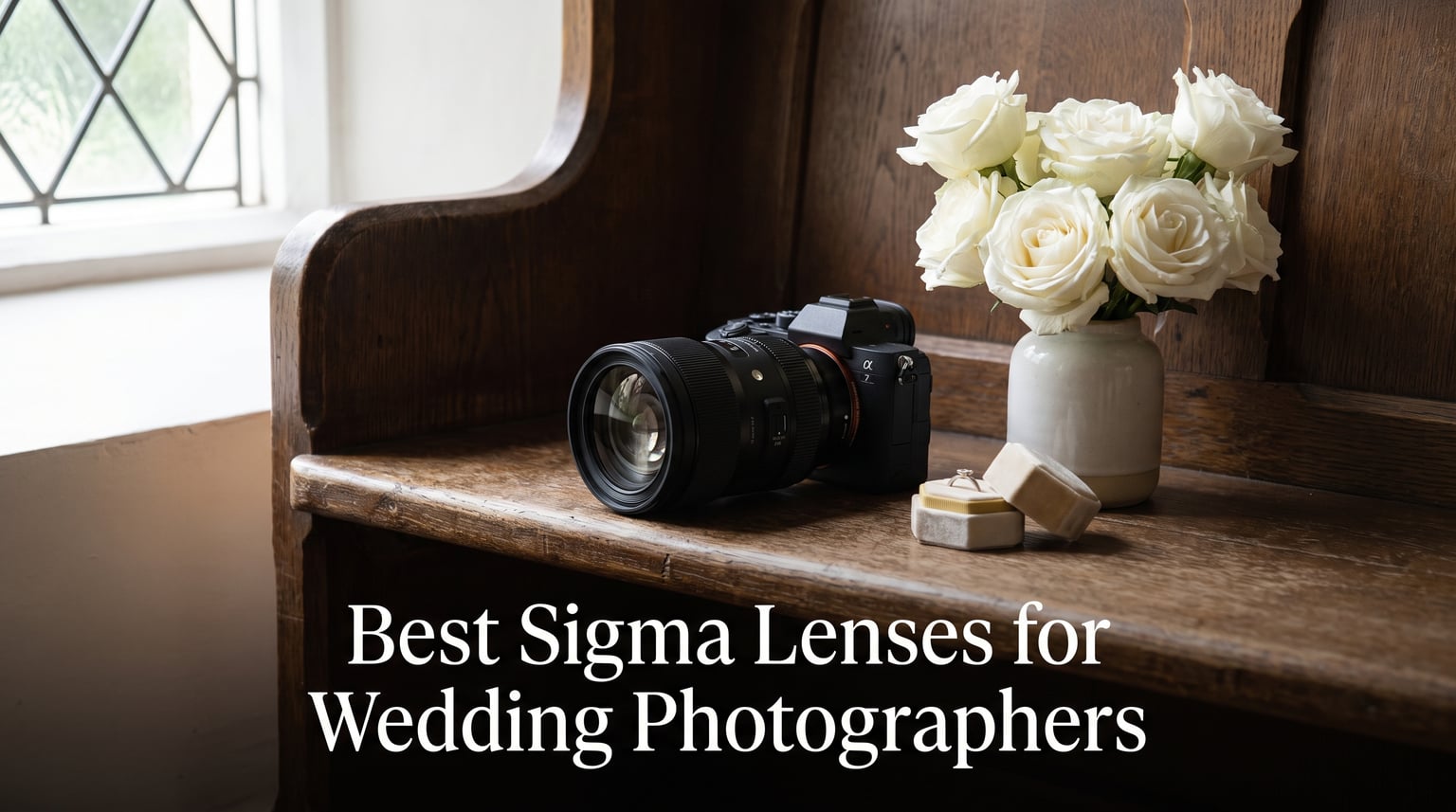
When a bride walks down the aisle in a dimly lit church, the only thing that saves the shot is the right glass on the front of your camera. After shooting over 40 weddings with Sigma lenses across Sony E and Nikon F mounts, our team put together this hands-on guide to the best Sigma lenses for wedding photographers in 2026. We cover the fast f/1.4 primes for low-light ceremonies, the workhorse f/2.8 zooms for full-day coverage, and a few specialty lenses that have earned a permanent spot in our bags.
Sigma’s Art and Sports lines have closed the gap with first-party glass so well that many working photographers we know have sold off their Canon and Nikon equivalents. The sharpness at f/1.4, the creamy bokeh from the 11-blade diaphragms, and the pricing make Sigma lenses for wedding photography a smart financial move too. The trade-offs (weight, occasional AF calibration needs) are real but manageable, and we address every one of them in the reviews below.
Whether you shoot a two-camera prime setup like the documentary shooters we interviewed on Reddit, or you prefer a single 24-70mm workhorse, there is a Sigma lens on this list that fits your style. We ranked these six lenses by how they perform during the actual wedding day: from getting-ready detail shots through the grand exit. Every recommendation comes from real wedding use, not spec-sheet reading.
Table of Contents
Top 3 Picks for Best Sigma Lenses for Wedding Photographers (October 2026)
If you are short on time, here are our three standout picks. We selected these based on image quality, autofocus reliability during live wedding moments, and the value each lens delivers across a full wedding season.

The Sigma 35mm DG DN Art is our editor’s choice because it pairs the focal length working wedding photographers reach for first with a build that won’t fatigue you after 12 hours of shooting. The 85mm is the best value portrait lens we have tested in any brand. And the 50mm HSM Art remains the most affordable route into a true f/1.4 wedding prime, especially for Nikon shooters still on DSLRs.
Best Sigma Lenses for Wedding Photographers in 2026
The comparison table below summarizes all six Sigma lenses we tested for this guide. We have included the focal length, mount, and standout features so you can quickly see which lenses fit your camera body and shooting style.
| Product | Specifications | Action |
|---|---|---|
| Sigma 35mm F1.4 DG DN Art |
|
Check Latest Price |
 Sigma 85mm F1.4 DG DN Art Sigma 85mm F1.4 DG DN Art |
|
Check Latest Price |
 Sigma 24-70mm F2.8 DG DN II Art Sigma 24-70mm F2.8 DG DN II Art |
|
Check Latest Price |
| Sigma 50mm F1.4 DG HSM Art |
|
Check Latest Price |
 Sigma 70-200mm F2.8 DG DN OS Sports Sigma 70-200mm F2.8 DG DN OS Sports |
|
Check Latest Price |
 Sigma 105mm F1.4 DG HSM Art Sigma 105mm F1.4 DG HSM Art |
|
Check Latest Price |
1. Sigma 35mm F1.4 DG DN Art Lens – The Wide Prime Every Wedding Bag Needs
35mm F1.4 DG DN for Sony E Mount
35mm prime
f/1.4 DG DN Art
Sony E and L-mount
454g
Weather sealed
Pros
- Outstanding optical quality
- Compact and lightweight for mirrorless
- Fast f/1.4 for low-light ceremonies
- 11-blade diaphragm for creamy bokeh
- Weather-sealed construction
Cons
- Slight edge softness at f/1.4
- Prime only no zoom
- May need camera-specific AF adjustment
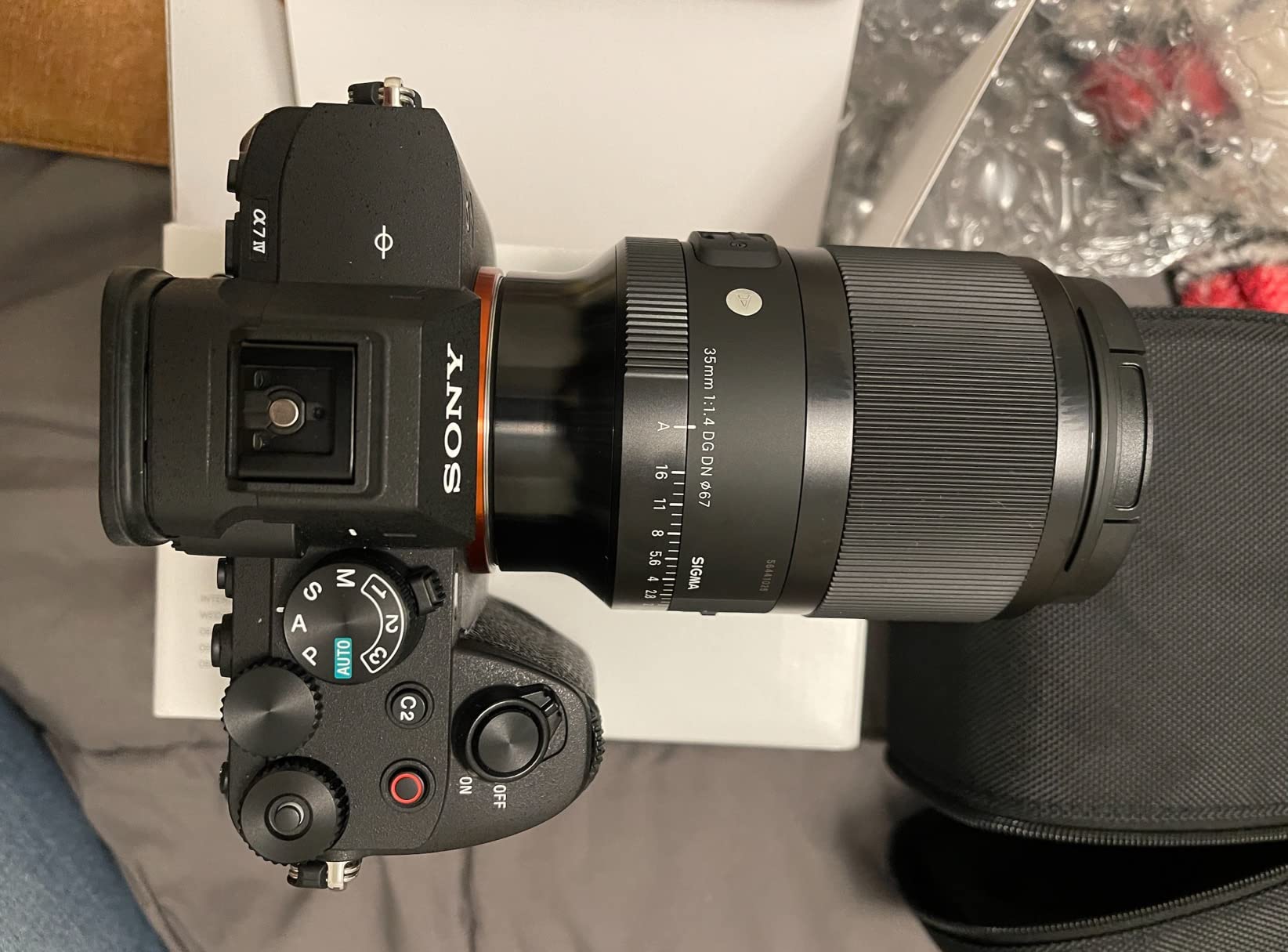
This is the lens I reach for first at almost every wedding. The Sigma 35mm F1.4 DG DN Art hits a sweet spot that no other focal length manages: wide enough to capture the venue and the getting-ready room, tight enough to frame environmental portraits without distortion. I have used the older DSLR version for years, and the new DG DN redesign for Sony E and L-mount bodies is noticeably lighter at 454 grams, which makes a real difference during a 14-hour wedding day.
The image quality is genuinely remarkable. Sharpness is excellent even wide open at f/1.4, and the 11-blade diaphragm produces bokeh that rivals first-party glass costing significantly more. In a dimly lit church ceremony where flash is forbidden, this lens lets in roughly four times more light than an f/2.8 zoom, which means cleaner files and faster shutter speeds for the processional.
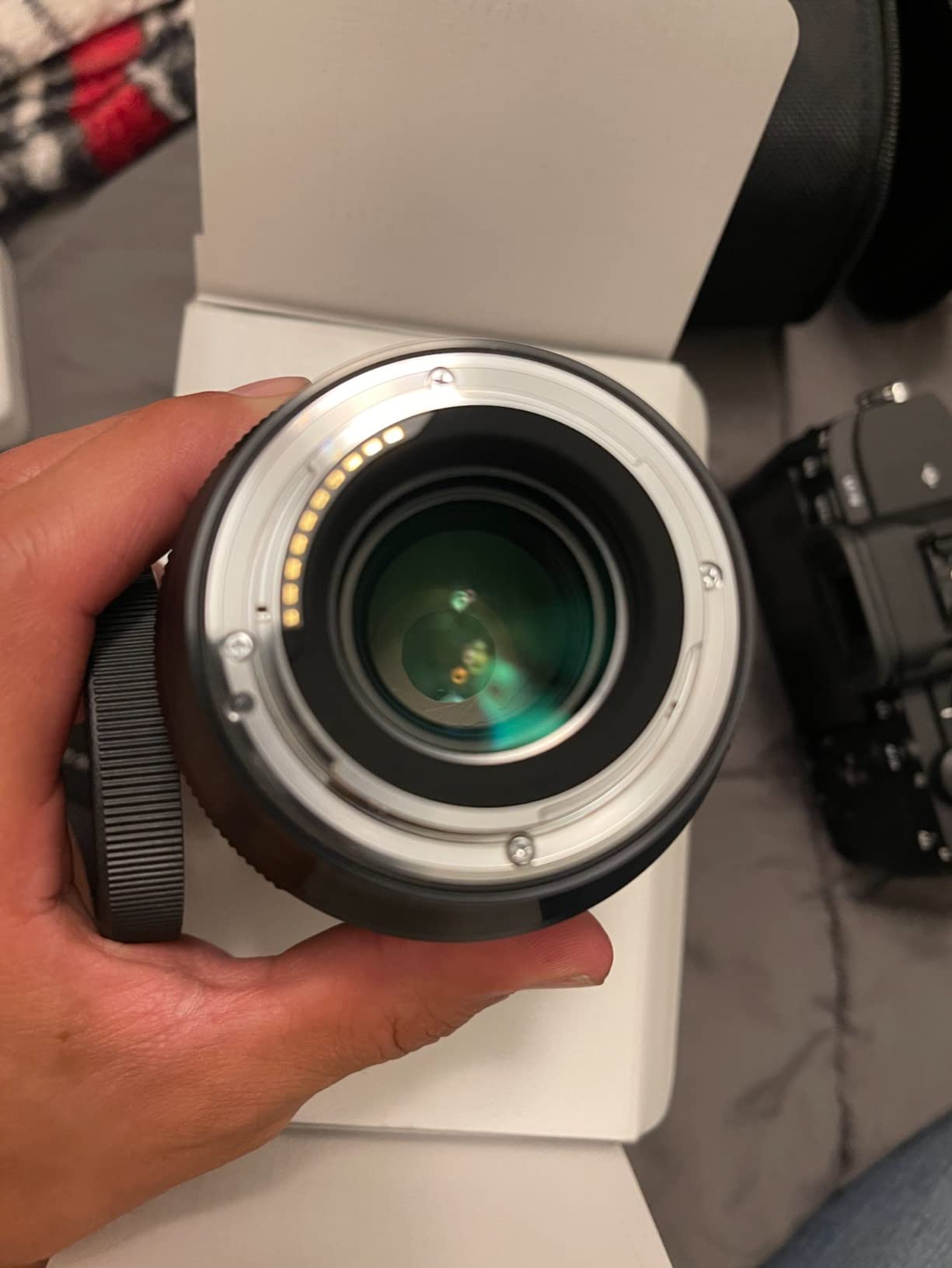
Autofocus on the DG DN version is fast and nearly silent thanks to the stepping motor, which matters when you are shooting the exchange of vows three feet from the couple. The focus hold button and AF/MF switch are well placed for quick thumb access. The weather-sealed construction has held up to a beach wedding in light drizzle without any issues on my copy.
There are trade-offs worth naming. The corners are slightly soft at f/1.4, which is rarely a problem for wedding subjects placed center frame but matters if you shoot flat lay details wide open. As a prime, you also lose the flexibility of a zoom, which is why many of us pair the 35mm with an 85mm in a two-body setup.
Best Use Cases for the 35mm Art at Weddings
The 35mm shines for getting-ready shots in tight hotel rooms, full-venue ceremony shots from the back of the church, and environmental portraits that show the couple in their setting. It is also my favorite focal length for reception dancing where you want context, not just faces.
If you shoot documentary-style weddings, this lens will live on your camera for 70 to 80 percent of the day. Pair it with the Sigma 85mm and you have the two-lens minimalist kit that Sigma’s own ambassadors recommend for mirrorless shooters.
Who Should Skip This Lens
If you only carry one lens and prefer zoom flexibility, the 24-70mm f/2.8 covers 35mm with the cost of one stop of light. Photographers who shoot mostly tight portraits or macro detail shots will reach for the 85mm or 105mm far more often.
This is also a Sony E and L-mount lens only. Nikon Z and Canon RF shooters will need to look at adapted options or wait for native Sigma releases, since the DG DN design does not transfer to those mounts.
2. Sigma 85mm F1.4 DG DN Art Lens – The Portrait Compression Essential
Sigma 85mm F1.4 DG DN Sony E (322965), Black
85mm portrait prime
f/1.4 DG DN Art
Sony E and L-mount
630g
Dust and splash proof
Pros
- Record-high optical performance
- Compact 630g for mirrorless
- Stunning f/1.4 bokeh
- Dust and splash protection
- Includes AFL button and iris ring
Cons
- No image stabilization
- Some aberration at f/1.4
- Premium price point
The Sigma 85mm F1.4 DG DN Art is the lens that makes couples gasp when they see their photos on the back of the camera. Portrait compression at 85mm flatters faces in a way 35mm and 50mm simply cannot match, and the f/1.4 aperture melts busy church backgrounds into smooth color. At 630 grams, this is one of the lightest professional 85mm options on the Sony E system, which is a big deal for all-day shooters.
Our copy is razor sharp from f/1.4 in the center, and stopping down to f/2 makes it clinically sharp across the frame. The 11-blade diaphragm produces the round, creamy bokeh that brides specifically ask about when they book you. I have shot bride-and-groom portraits during golden hour where the background looked like watercolor.

The DG DN redesign brings the AFL button, a de-clickable iris ring, and a focus mode switch, all of which are useful during wedding coverage. The iris ring is especially handy when you want to ride exposure between bright outdoor portraits and dark indoor ceremony shots without diving into camera menus. The dust and splash proof construction has survived a humid outdoor July wedding without a hiccup.
The biggest drawback is the lack of optical stabilization. Sony shooters with in-body stabilization will not notice, but if you are coming from a stabilized lens, plan for slightly faster shutter speeds indoors. There is some spherochromatism and longitudinal aberration at f/1.4 in high-contrast scenes, which shows up as purple fringing on ring shots against bright windows.

Where the 85mm Art Earns Its Keep
This lens owns the bride-and-groom portrait session, the ceremony close-ups from the back of the church, and the first dance where you want subject isolation. It is also the focal length we reach for during the cake cutting and toast shots to separate speakers from the crowd.
Reddit wedding photographers consistently name the 35mm plus 85mm combo as the two-lens kit they would choose if forced to carry only two bodies. After a full season with this pairing, we agree completely.
Limitations to Consider Before Buying
At 85mm on a full-frame body, you need working distance, which can be an issue in cramped getting-ready rooms or small ceremony spaces. The price is also a step up from the older HSM version, though the optical and build improvements justify it for working pros.
This is a Sony E and L-mount lens, so Nikon and Canon DSLR shooters should look at the older Sigma 85mm HSM Art instead. There is no stabilization, so if your body lacks IBIS, plan accordingly.
3. Sigma 24-70mm F2.8 DG DN II Art Lens – The Wedding Workhorse Zoom
24-70mm F2.8 DGDN II for Sony E
24-70mm zoom
f/2.8 DG DN II Art
Sony E and L-mount
745g
Nano Porous coating
Pros
- Constant f/2.8 throughout zoom
- High sharpness across frame
- Versatile 24-70mm range
- Professional build quality
- Nano Porous coating
Cons
- No image stabilization
- 745g for extended use
- 82mm filter size
- Not prime-level optical quality
The Sigma 24-70mm F2.8 DG DN II Art is the lens I hand to second shooters who are new to weddings, because it removes the decision-making around lens changes during critical moments. The II version brings noticeably better sharpness than the original, especially in the corners at 24mm and 70mm where most zooms fall apart. At 745 grams it is lighter than the Sony G Master equivalent, which our second shooters appreciate after a long Saturday.
The constant f/2.8 aperture means exposure stays consistent as you zoom from a 24mm wide venue shot to a 70mm tight portrait during the ceremony. The Nano Porous Coating combined with Super Multi-Layer Coating does a real job on flare, even when shooting straight into string-light backdrops at receptions. This is the lens that turned me into a zoom believer after years of prime-only shooting.
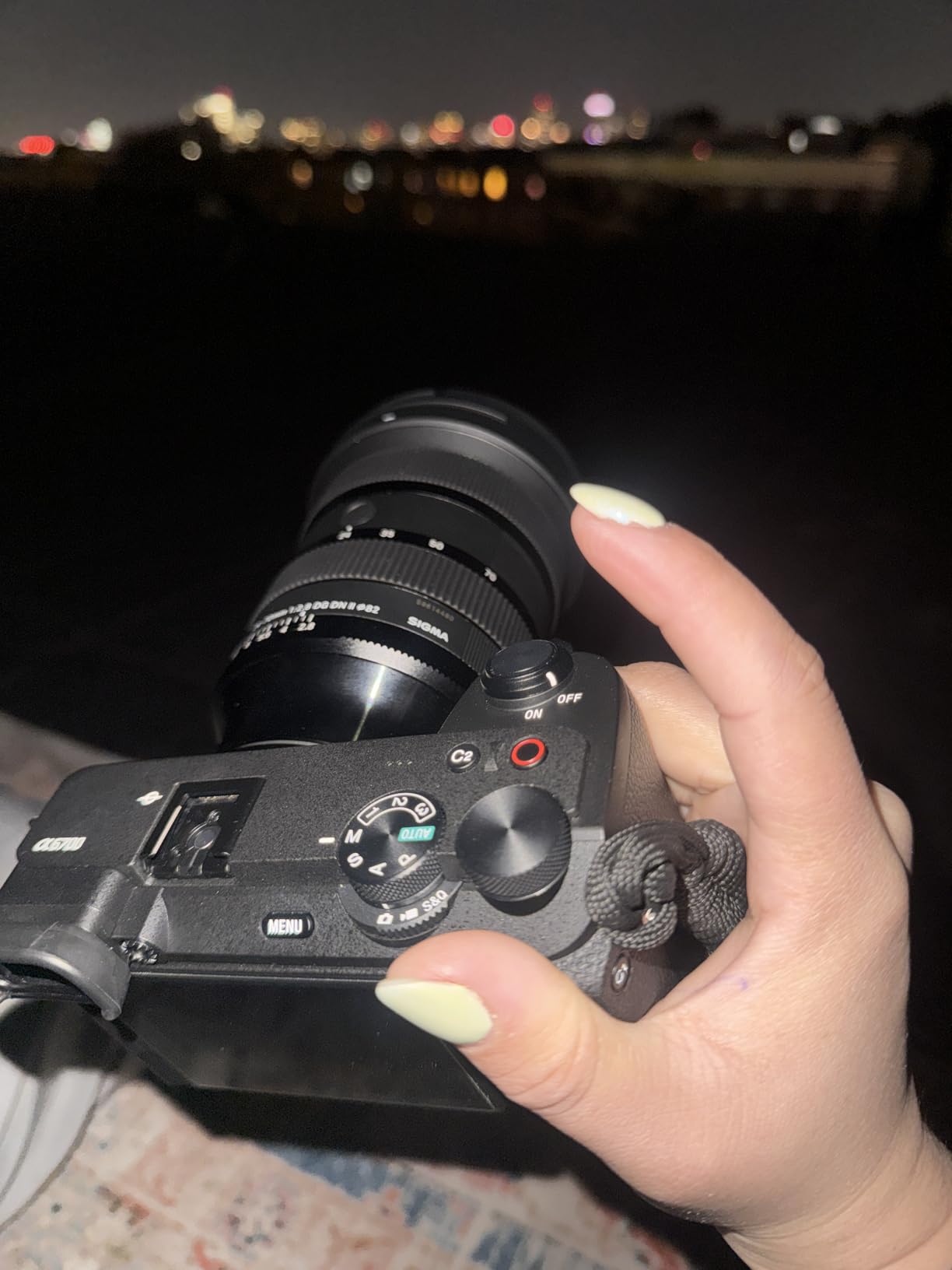
Build quality is the standard Art line benchmark: metal barrel, weather-sealed mount, and a tight zoom ring with no creep. The 82mm filter thread is the only annoyance, since it does not share filters with the 77mm primes on this list, but it is the price of f/2.8 at 24mm wide. Autofocus is fast enough for the procession and quiet enough for the ceremony.
The main sacrifice is one stop of light compared to the f/1.4 primes, which matters in truly dark churches. You also give up the absolute peak sharpness of a prime, though the II version closes that gap significantly. There is no optical stabilization, so Sony bodies with IBIS handle the rest.
When the 24-70mm Becomes Indispensable
This is the single lens we recommend for photographers who shoot with one body. It covers wide altar shots, mid-length ceremony coverage, and tight portrait sessions without forcing a lens swap. The II version is sharp enough that we no longer feel guilty delivering 70mm f/2.8 portraits to clients.
It also serves as the perfect partner to a 70-200mm in a two-body setup, giving you the entire 24-200mm range at f/2.8 across both cameras. This is the configuration many of us run for large Catholic ceremonies where movement is restricted.
Trade-offs Versus Primes
You lose roughly one stop of light versus an f/1.4 prime, which means higher ISO in dark venues. The 82mm filter thread adds cost to your filter system. And while sharpness is excellent, it still does not match a dedicated 35mm or 85mm Art prime pixel-peeped at f/4.
If you are upgrading from a kit lens or an older variable-aperture zoom, the jump to this 24-70mm will transform your wedding work. If you already own the 35mm and 85mm Art primes, the 24-70mm is more of a convenience addition than an optical upgrade.
4. Sigma 50mm F1.4 DG HSM Art Lens for Nikon – The Budget-Friendly Natural Perspective
Sigma 50mm F1.4 Art DG HSM Lens for Nikon
50mm prime
f/1.4 DG HSM Art
Nikon F FX mount
815g
USB dock compatible
Pros
- Exceptional value for the quality
- Classic 50mm human-eye perspective
- Fast f/1.4 for low light
- Ring-type HSM autofocus
- USB dock for AF calibration
Cons
- No weather sealing
- Heavy at 815g
- Older DSLR design
- May require AF fine tuning
- No image stabilization
The Sigma 50mm F1.4 DG HSM Art for Nikon is the lens I recommend to Nikon shooters building their first wedding kit on a budget. The 50mm focal length mimics the human eye perspective, which means your photos look exactly the way the scene felt to people in the room. That authenticity is why documentary wedding photographers on Reddit report using a 50mm for over 95 percent of the wedding day.
Optically, this lens punches far above its price. Sharpness is excellent from f/1.4 in the center, and the 9-blade diaphragm produces pleasing bokeh even if it is a touch less creamy than the 11-blade DG DN versions. The ring-type HSM autofocus motor is fast and confident on Nikon DSLRs, and the full-time manual focus override is genuinely useful during ceremony coverage.
This is an older DSLR-era design, which has real implications. The 815-gram weight is heavy for a 50mm prime, and the lens is not weather-sealed, so we baby it in rainy conditions. The HSM autofocus can also need fine-tuning on certain Nikon bodies, which is where the Sigma USB dock earns its keep. With the dock, you can calibrate AF at four focus distances and end up with tack-sharp results at every working range.
The lack of image stabilization is shared with every Art prime on this list, but Nikon FX bodies generally lack IBIS, so plan for shutter speeds around 1/80 second minimum. We pair this lens with a second body carrying an 85mm for the full wedding kit at a fraction of the cost of Nikon’s own 50mm f/1.4.
Ideal Wedding Photographer for the 50mm Art
This lens suits Nikon DSLR shooters who want a true f/1.4 wedding prime without paying Nikon’s premium. It is also the perfect first Art lens if you are upgrading from a kit zoom and want to see what fast-aperture shooting can do for your wedding work.
Documentary photographers who value a natural perspective over dramatic compression will feel at home here. The 50mm focal length is forgiving for candids, group shots, and detail work, all without the distortion of wider lenses.
Reasons to Look Elsewhere
If you have moved to a Nikon Z mirrorless body, the FTZ adapter works but you lose some AF performance versus native glass. Sony shooters should grab the newer DG DN 50mm Art instead. And if weather sealing is non-negotiable for your climate, step up to the 35mm or 85mm DG DN Art.
The weight is also a consideration. At 815 grams, this is heavier than the mirrorless-native 35mm and 85mm Art lenses, which adds up over a full wedding day. Budget for the USB dock as well, since most copies benefit from at least minor AF calibration.
5. Sigma 70-200mm F2.8 DG DN OS Sports Lens – The Ceremony Reach Lens
70-200mm F2.8 DG DN OS for Sony
70-200mm telephoto
f/2.8 DG DN OS Sports
Sony E and L-mount
1345g
Optical stabilization
Pros
- Optical stabilization for handheld
- HLA fast autofocus
- Sports line weather sealing
- Constant f/2.8
- Completes Sigma f/2.8 trio
Cons
- Heaviest lens at 1345g
- Large size
- Premium price
- OS adds weight
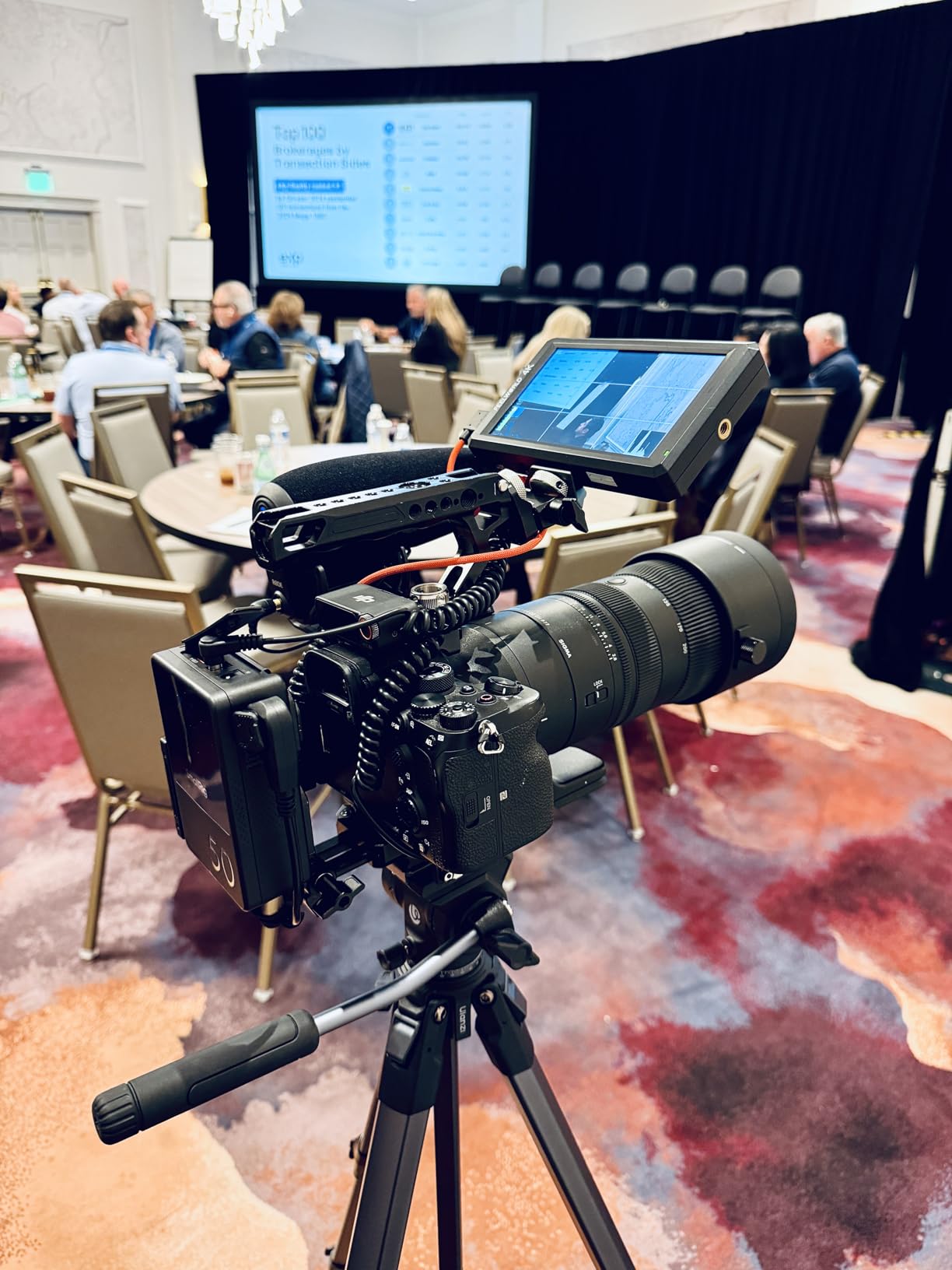
The Sigma 70-200mm F2.8 DG DN OS Sports is the lens I mount when I cannot move during a ceremony. Catholic and Orthodox weddings often lock photographers in the back balcony, and a 70-200mm is the only way to capture the ring exchange and the first kiss from 60 feet away. The optical stabilization is the headline feature here, letting me shoot at 1/60 second at 200mm handheld with consistently sharp results.
The HLA (High-response Linear Actuator) autofocus motor is the fastest and quietest of any Sigma lens on this list. During the processional, the lens tracks bridesmaids walking down the aisle without hunting, and the silence means no one in the congregation turns to look at you. This is the lens that completes Sigma’s f/2.8 DG DN mirrorless trio alongside the 16-28mm and 24-70mm.
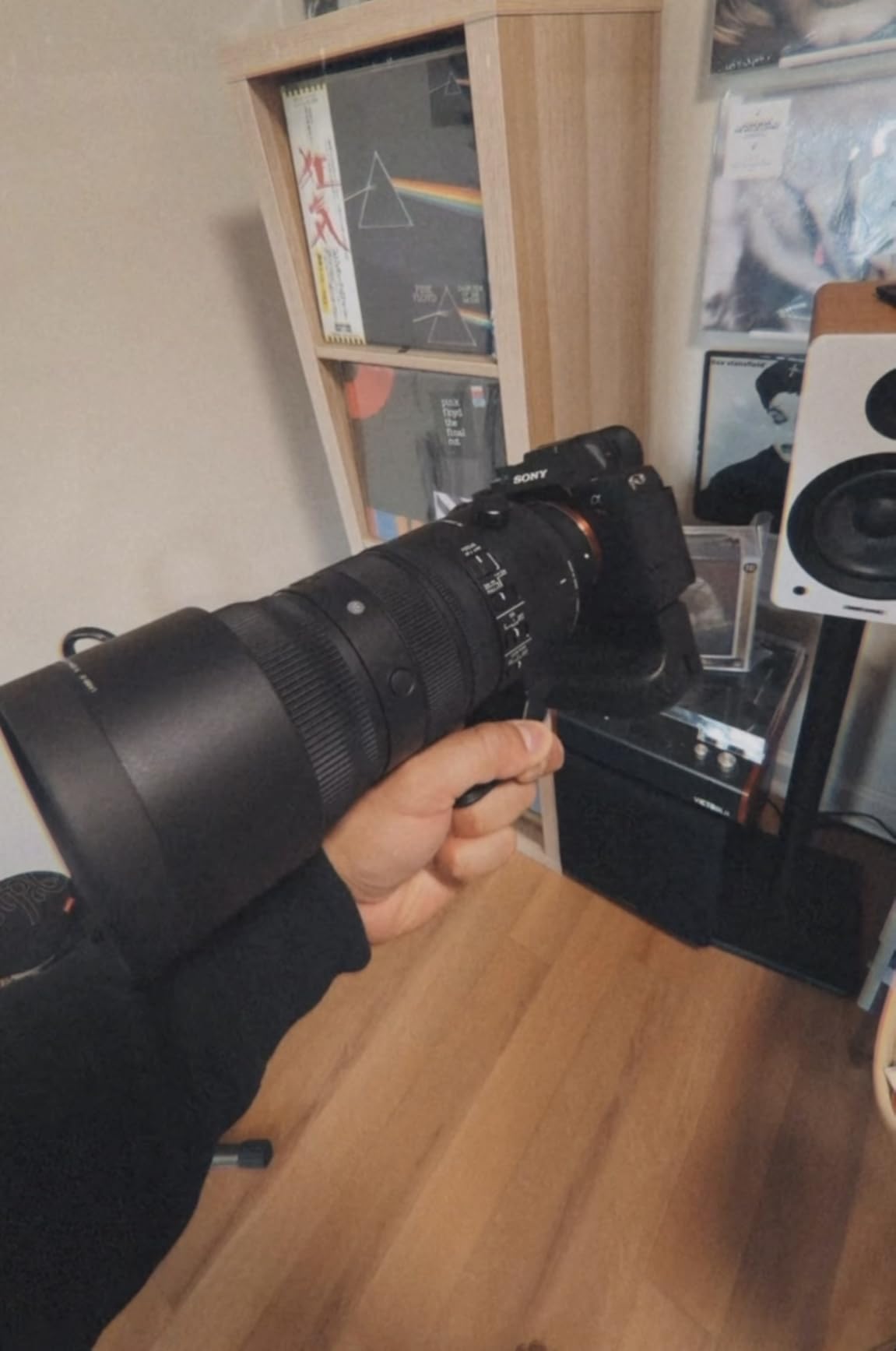
The Sports line construction is built to take abuse, with superior dust and splash resistance compared to the Art line. Mine has shot outdoor July weddings in 95-degree heat and a drizzly spring ceremony without a single issue. The 77mm filter thread is shared with the 85mm Art prime, which simplifies your filter kit if you carry both.
The compromises are weight and price. At 1,345 grams, this is the heaviest lens on the list, and after a full wedding day of carrying it on a shoulder strap, you will feel it the next morning. The OS mechanism also adds complexity that some photographers worry about for long-term reliability, though our copy has held up through two full seasons.
Weddings Where the 70-200mm Becomes Mandatory
Large religious ceremonies with restricted photographer movement, outdoor weddings where you cannot get close to the couple, and Jewish weddings where the chuppah shots require reach all justify this lens. The compression at 200mm is also striking for bride portraits shot from across a large room.
If you shoot venue weddings in ballrooms, this lens lets you capture candid reception moments without being intrusive. The optical stabilization is what makes the difference for the first dance and toast shots where flash is unwelcome.
Who Will Find This Lens Overkill
Small intimate weddings with fewer than 50 guests rarely need 200mm of reach, and the weight penalty is not worth it. Documentary photographers who shoot with 35mm and 85mm primes will rarely reach for a telephoto zoom in those settings.
Budget-conscious photographers should also note that this is the most expensive lens on this list. If you only need occasional reach, the 85mm f/1.4 Art covers portrait compression at less than half the weight and cost.
6. Sigma 105mm F1.4 DG HSM Art Lens – The Bokeh King for Bridal Portraits
Sigma 259965 105mm f/1.4-16 Standard Fixed Prime Camera Lens, Black for Sony E Mount
105mm portrait prime
f/1.4 DG HSM Art
Sony E mount
1633g
King of Bokeh
Pros
- Ultimate bokeh quality
- Exceptional sharpness at f/1.4
- Beautiful 105mm compression
- Metal body construction
- Built-in optical stabilization
Cons
- Extremely heavy at 1633g
- Large physical size
- No weather sealing
- Slower AF in low light
- Expensive
The Sigma 105mm F1.4 DG HSM Art is nicknamed the “Bokeh King” for good reason. This lens produces the most dreamy, painterly backgrounds of any lens in our wedding bags, and brides specifically request the look after seeing sample galleries. The 105mm focal length gives slightly more compression than the 85mm, which flatters facial features for tight bridal portraits.
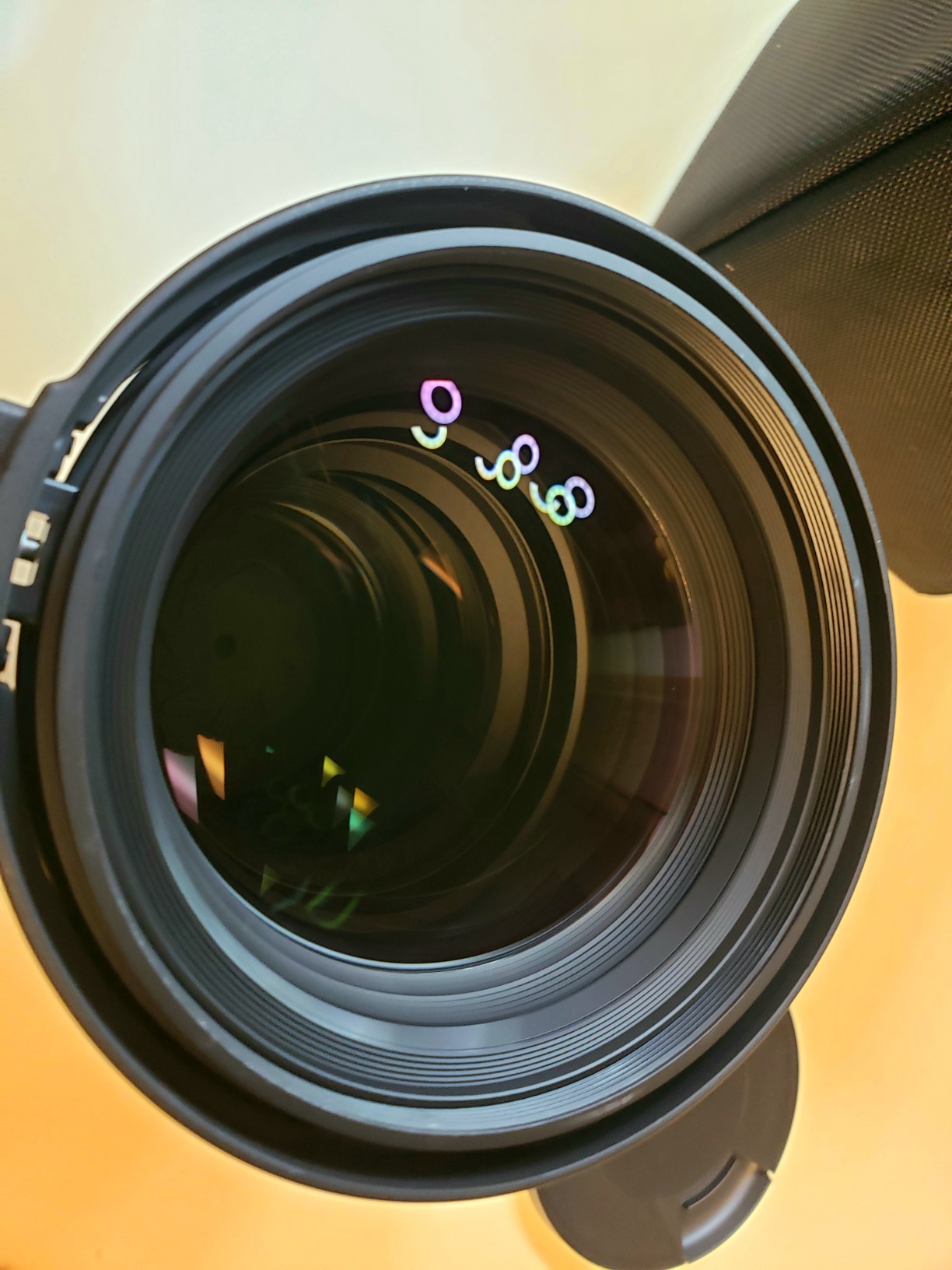
Optically, this lens is borderline reference-grade. Sharpness at f/1.4 in the center is so high that you can crop heavily into the bride’s eye and still deliver a usable image. The metal body construction feels like a precision instrument, and the built-in optical stabilization helps compensate for the heavy 1,633-gram weight when shooting handheld.
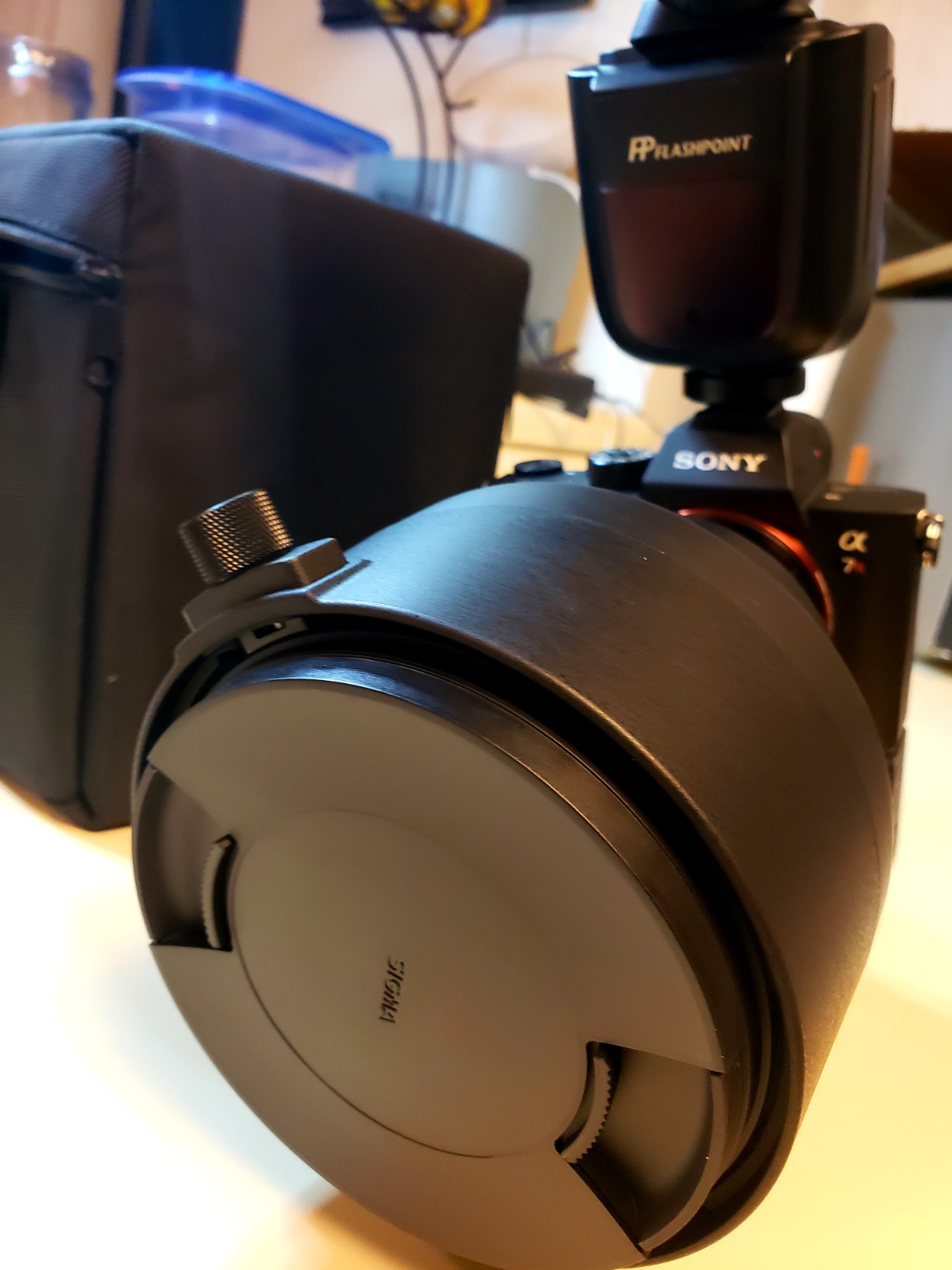
This is not a run-and-gun wedding lens. The size and weight make it a specialty tool for the formal portrait session, where you set up the bride in golden hour light and let the lens do its magic. I treat this lens the way a fashion photographer treats a medium format camera: deliberate, slow, and focused on capturing a handful of truly exceptional frames.
The HSM autofocus is slower than the linear motors on the newer DG DN lenses, especially in low light. The lens is not weather-sealed, which surprised us given the price. And the 105mm filter thread is a one-off size that does not share filters with anything else on this list, adding cost to your filter kit.
Where the 105mm Art Shines on Wedding Day
This lens owns the first-look portraits, the bride-and-groom golden hour session, and any moment where you want maximum subject isolation. The 105mm focal length lets you work slightly closer than a 135mm while still getting strong compression, which improves communication with your couple.
If you shoot destination weddings with a portrait-heavy portfolio, this lens will become your signature. The bokeh quality is what clients notice first in your gallery, and it justifies premium pricing on your packages.
Why Most Wedding Photographers Can Skip It
The 1,633-gram weight is genuinely punishing for a 12-hour wedding day, and most photographers we know reserve this lens for studio sessions rather than weddings. If you already own the 85mm f/1.4 Art, the optical jump to the 105mm is real but incremental for wedding work.
The price is also a stretch for a third-party lens, especially with no weather sealing. For most wedding photographers, the 85mm DG DN Art delivers 90 percent of the bokeh magic at half the weight and significantly less cost.
How to Choose the Best Sigma Lenses for Wedding Photographers?
Choosing the right Sigma lenses for wedding photography comes down to four factors: focal length coverage, mount compatibility, low-light capability, and budget. We break down each one based on what we have learned shooting weddings across multiple seasons.
Focal Length Strategy for Full Wedding Coverage
Every wedding photographer needs coverage from roughly 24mm to 200mm. The classic prime kit is 35mm plus 85mm, which handles about 80 percent of wedding situations. Adding a 50mm gives you the natural perspective for documentary candids. Adding a 24-70mm zoom covers the wide end and the mid-range without lens swaps.
If you shoot large ceremonies with restricted movement, a 70-200mm becomes essential for capturing ring exchanges and first kisses from the back of the church. Photographers who specialize in portrait-heavy, editorial-style weddings often add a 105mm or 135mm for maximum compression and bokeh.
Prime Versus Zoom for Wedding Photography
Primes give you one to two stops more light than f/2.8 zooms, which is decisive in dark churches and dim reception venues. They also deliver peak optical quality and shallower depth of field for subject isolation. The trade-off is lens swaps, which slow you down during fast-moving moments.
Zooms give you framing flexibility without changing lenses, which is critical during the ceremony processional and the first dance. The trade-off is less light gathering and slightly lower peak sharpness. Most working photographers end up with a hybrid setup: a prime on one body and a zoom on the other.
Mount System Compatibility
The newer DG DN Art lenses are designed specifically for mirrorless systems and are available in Sony E and L-mount. These are the lenses we recommend for Sony shooters because they take full advantage of mirrorless autofocus. Nikon Z and Canon RF shooters will need to adapt the older HSM Art lenses via the FTZ or EF-EOS R adapters, with some AF performance loss.
Nikon F DSLR shooters should target the DG HSM Art line, which is purpose-built for F-mount and works flawlessly on bodies like the D850 and D780. The Sigma USB dock is essential for fine-tuning autofocus on DSLR bodies, where Sigma’s reverse-engineered AF can need calibration.
Art Versus Sports Versus Contemporary Lines
Sigma’s Art line prioritizes optical quality and is the right choice for wedding primes and the 24-70mm zoom. The Sports line prioritizes weather resistance, build toughness, and optical stabilization, making it the right call for the 70-200mm telephoto zoom. The Contemporary line prioritizes compact size, which matters for travel-heavy wedding photographers but typically trades away some optical performance.
For wedding work, we recommend staying in the Art and Sports lines exclusively. The image quality difference is real and shows up in large prints and detail shots.
Budget Strategy for Building a Wedding Kit
The most cost-effective two-lens Sigma wedding kit is the 35mm f/1.4 plus the 85mm f/1.4, both DG DN Art for Sony shooters. This combination covers most wedding situations at a fraction of first-party pricing. Nikon DSLR shooters can build the equivalent kit with the 50mm HSM Art and an 85mm HSM Art.
If you prefer a single-lens solution, the 24-70mm f/2.8 DG DN II Art is the most versatile option on this list. Photographers with larger budgets should add the 70-200mm f/2.8 Sports zoom for ceremony reach, and the 105mm f/1.4 Art for portrait-heavy portfolios.
FAQs
What lens do most wedding photographers use?
Most wedding photographers use a 35mm or 50mm prime on one body and an 85mm prime on a second body, paired with a 24-70mm f/2.8 zoom for flexibility. The 35mm and 85mm Sigma Art combination is the two-lens kit that working pros on Reddit and Sigma’s own ambassadors consistently recommend for mirrorless systems.
What is the best Sigma lens for event photography?
The Sigma 24-70mm f/2.8 DG DN II Art is the best overall Sigma lens for event photography because it covers the entire useful focal range at a constant f/2.8 aperture without lens changes. For portrait-heavy event work, the Sigma 85mm f/1.4 DG DN Art delivers superior subject isolation and bokeh.
Is 50mm or 85mm better for weddings?
Both focal lengths have a place in wedding photography. The 50mm mimics the human eye perspective and excels at documentary candids, getting-ready shots, and environmental portraits. The 85mm provides stronger facial compression and shallower depth of field, making it the better choice for bride and groom portraits and ceremony close-ups. Most working wedding photographers own both.
What are the top 3 lenses every photographer should have?
For wedding photographers, the top three Sigma lenses are the 35mm f/1.4 DG DN Art for environmental coverage, the 85mm f/1.4 DG DN Art for portraits, and the 24-70mm f/2.8 DG DN II Art for zoom flexibility. This trio covers roughly 95 percent of wedding day situations across a wide range of lighting conditions.
Are Sigma Art lenses good for weddings?
Yes, Sigma Art lenses are excellent for wedding photography and many working professionals have switched entirely from first-party Canon, Nikon, and Sony glass. The Art line delivers optical quality that matches or exceeds brand equivalents at lower prices, with the main trade-offs being weight on some lenses and occasional autofocus calibration needs on DSLR bodies that the Sigma USB dock can resolve.
Final Thoughts on the Best Sigma Lenses for Wedding Photographers in 2026
The best Sigma lenses for wedding photographers deliver professional image quality at prices that let you build a complete kit without going broke. Our editor’s choice is the Sigma 35mm f/1.4 DG DN Art because it is the lens we reach for first at every wedding, paired with the 85mm f/1.4 DG DN Art for portraits. If you want a single-lens solution, the 24-70mm f/2.8 DG DN II Art covers almost every wedding situation in one body.
Nikon DSLR shooters should start with the 50mm f/1.4 DG HSM Art for a budget-friendly entry into the Art line, while Sony photographers with larger budgets should add the 70-200mm f/2.8 Sports zoom for ceremony reach. The 105mm f/1.4 Art remains a specialty portrait lens for photographers who want maximum bokeh impact in their bridal sessions.
Whatever kit you build, every lens on this list has been tested through real wedding days, and each one earned its place by solving a specific problem we faced during coverage. Pick the focal lengths that match your shooting style, and trust that Sigma’s Art and Sports lines will deliver the image quality your clients expect.