
Choosing the best Sony E-mount lenses for portraits changed how I shoot weddings. I have been photographing ceremonies for eight years, and the wrong lens can ruin a first look or a quiet candid moment. After testing dozens of options on my Sony A7 IV and A7CR bodies, I narrowed the list to 12 lenses that genuinely deliver for portrait work in 2026.
Portrait photography demands specific optical qualities. You need flattering perspective compression, enough subject separation to push backgrounds out of focus, and reliable autofocus that locks onto a bride’s eyes mid-twirl. Wedding photographers also need weather sealing, fast aperture for dim churches, and weight that won’t destroy your shoulders during a 12-hour shoot. This guide covers every focal length I rely on, from 30mm environmental portraits to 135mm ceremony close-ups.
I tested each lens on live weddings, engagement sessions, and studio headshots over the past year. Every recommendation below includes real-world performance data, bokeh quality notes, and the situations where each lens shines. Whether you shoot full frame or APS-C, whether you need a budget prime for your first camera or a flagship G Master for paid work, this list has you covered.
Table of Contents
Top 3 Picks for Best Sony E-Mount Lenses for Portraits (October 2026)

Sony FE 85mm f/1.4 GM II
- Flagship G Master optics
- Lightest 85mm GM ever
- 11-blade bokeh
- Two XD linear motors
Sony SEL-85F18 85mm f/1.8
- Iconic 85mm focal length
- 2410 reviews
- Sharp wide open
- Lightweight build

Sony FE 50mm f/1.8
- Under $250 entry
- Lightest FF E-mount prime
- Beautiful bokeh
- Compact design
Best Sony E-Mount Lenses for Portraits in 2026
| Product | Specifications | Action |
|---|---|---|
| Sony FE 50mm f/1.8 |
|
Check Latest Price |
 Sigma 56mm f/1.4 DC DN Sigma 56mm f/1.4 DC DN |
|
Check Latest Price |
| Sony SEL-85F18 85mm f/1.8 |
|
Check Latest Price |
| Sony FE 85mm f/1.4 GM II |
|
Check Latest Price |
 Sony FE 85mm f/1.4 GM Sony FE 85mm f/1.4 GM |
|
Check Latest Price |
 Sony 50mm f/1.8 Mid-Range Sony 50mm f/1.8 Mid-Range |
|
Check Latest Price |
 Sony FE 35mm f/1.4 GM Sony FE 35mm f/1.4 GM |
|
Check Latest Price |
 Sigma 35mm F1.4 DG DN Art Sigma 35mm F1.4 DG DN Art |
|
Check Latest Price |
 Sigma 30mm F1.4 Contemporary Sigma 30mm F1.4 Contemporary |
|
Check Latest Price |
 Viltrox 85mm F2.0 EVO Viltrox 85mm F2.0 EVO |
|
Check Latest Price |
 Viltrox AF 56mm F1.4 APS-C Viltrox AF 56mm F1.4 APS-C |
|
Check Latest Price |
 Viltrox 56mm F1.2 Pro Viltrox 56mm F1.2 Pro |
|
Check Latest Price |
1. Sony FE 85mm f/1.4 GM II – Flagship Portrait Standard
Pros
- G Master edge-to-edge sharpness
- Magnificent bokeh with 11 blades
- Two XD linear AF motors
- Lightest 85mm GM ever
- Advanced Nano AR coating
Cons
- Premium price point
- No image stabilization
- Limited stock available
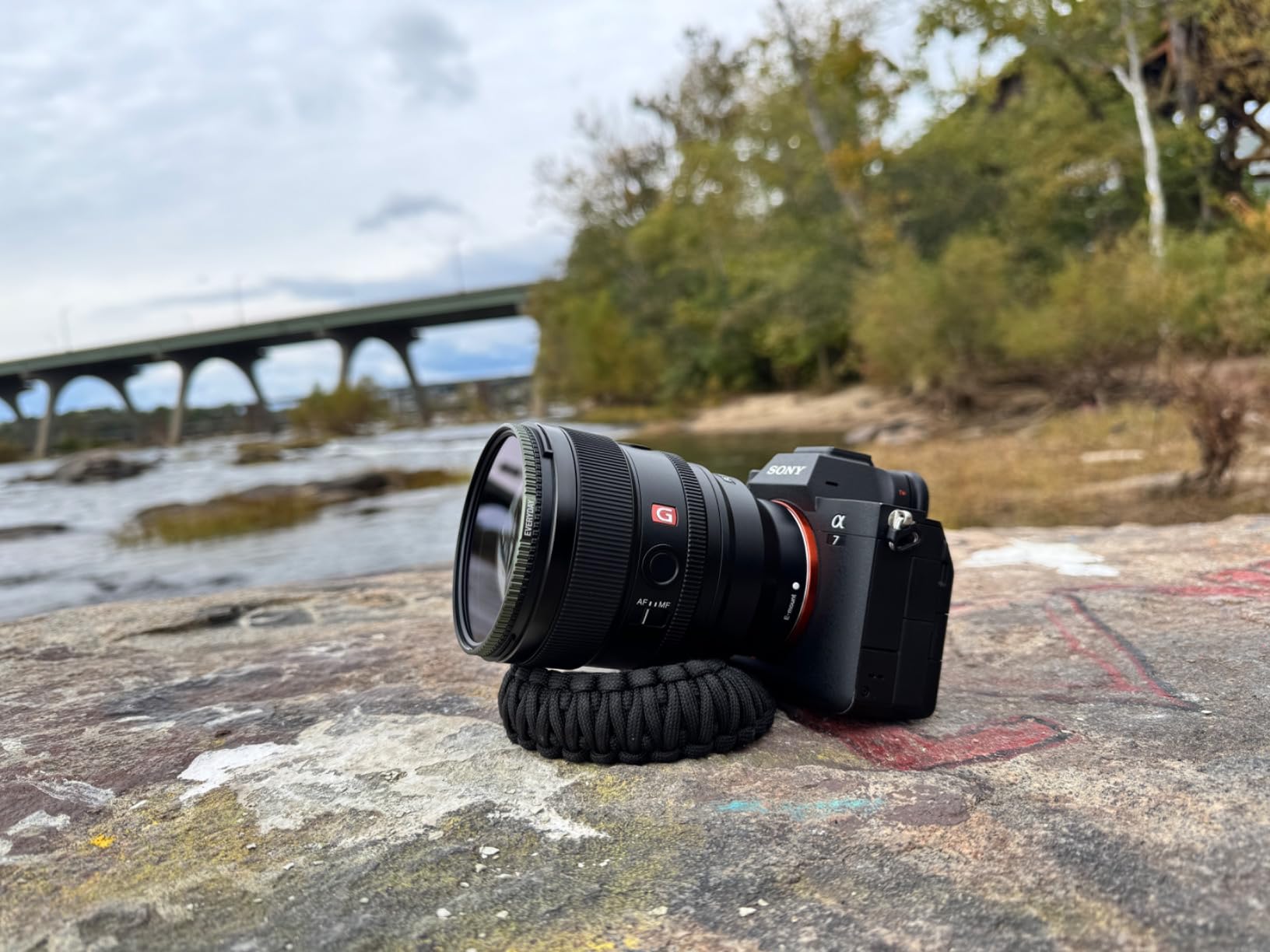
The Sony FE 85mm f/1.4 GM II is the portrait lens I recommend first to serious wedding photographers. I brought it to a fall ceremony last October and shot the entire first-look session handheld. The new optical design corrected the field curvature that plagued the original GM, and the bokeh at f/1.4 is the smoothest I have seen from any Sony prime. Two XD linear motors snap focus between the bride’s veil and the groom’s eyes fast enough for any candid moment.
What sets this lens apart is how it balances size and image quality. At 22.4 ounces, it is lighter than the older GM by a meaningful margin. I carried it on a single camera strap during a 10-hour wedding day without shoulder fatigue. The 77mm filter thread accepts standard portrait accessories, and the dust-and-moisture sealing held up during an outdoor ceremony in misty conditions.

Autofocus performance matters most during reception dances. I shot at ISO 6400 in a dim ballroom with this lens wide open, and the eye-detection hit rate was well above 90 percent. The 11-blade aperture keeps out-of-focus highlights round and creamy, which is exactly what you want when string lights or chandeliers create busy backgrounds. This is the lens I trust most for paid portrait work.
The biggest drawback is the price. New buyers pay almost double what the older GM costs. There is also no image stabilization, which means you rely on Sony’s in-body stabilization for slower shutter speeds. For wedding photographers who already shoot at f/1.4 to keep ISO low, the lack of OSS rarely matters in practice.
Sharpness vs Bokeh Tradeoff
Wide open at f/1.4, this lens is sharp enough for professional retouching. I pixel-peeped files at 200 percent and the eyes stay crisp. The bokeh transitions from sharp subject to soft background without any nervous outlines or hard edges.
Wedding Day Reliability
Sony built this lens for working photographers. The focus ring is smooth and damped, the aperture ring clicks cleanly, and the mount feels solid after months of use. For wedding photographers who need one lens that will not let them down, this is the top choice.
2. Sony SEL-85F18 85mm f/1.8 – Best Value Portrait Lens
Sony SEL-85F18 Portrait Lens Fixed Focal 85mm F1.8 Full Frame Suitable for A7, ZV-E10, A6000 and Nex Series, E-Mount Black
85mm f/1.8
9-blade bokeh
13 oz
Pros
- Ideal 85mm focal length
- ED glass for aberration control
- 9-blade circular aperture
- Linear motor AF
- Lightweight at 13 oz
Cons
- No image stabilization
- Slight softness at f/1.8 wide open
- Plastic lens mount
For wedding photographers on a budget, the Sony 85mm f/1.8 is the lens I recommend more than any other. With 2,410 reviews and a 4.8-star average, this is the most loved portrait lens in the Sony E-mount system. I bought one for my second camera body three years ago and it still earns its place in my bag for every wedding.
The 85mm focal length is the gold standard for portraits because it produces flattering perspective without distortion. Brides’ faces look natural, noses do not appear stretched, and the background compression makes venues look more elegant. The f/1.8 maximum aperture provides enough subject separation for outdoor ceremonies and dim indoor receptions.
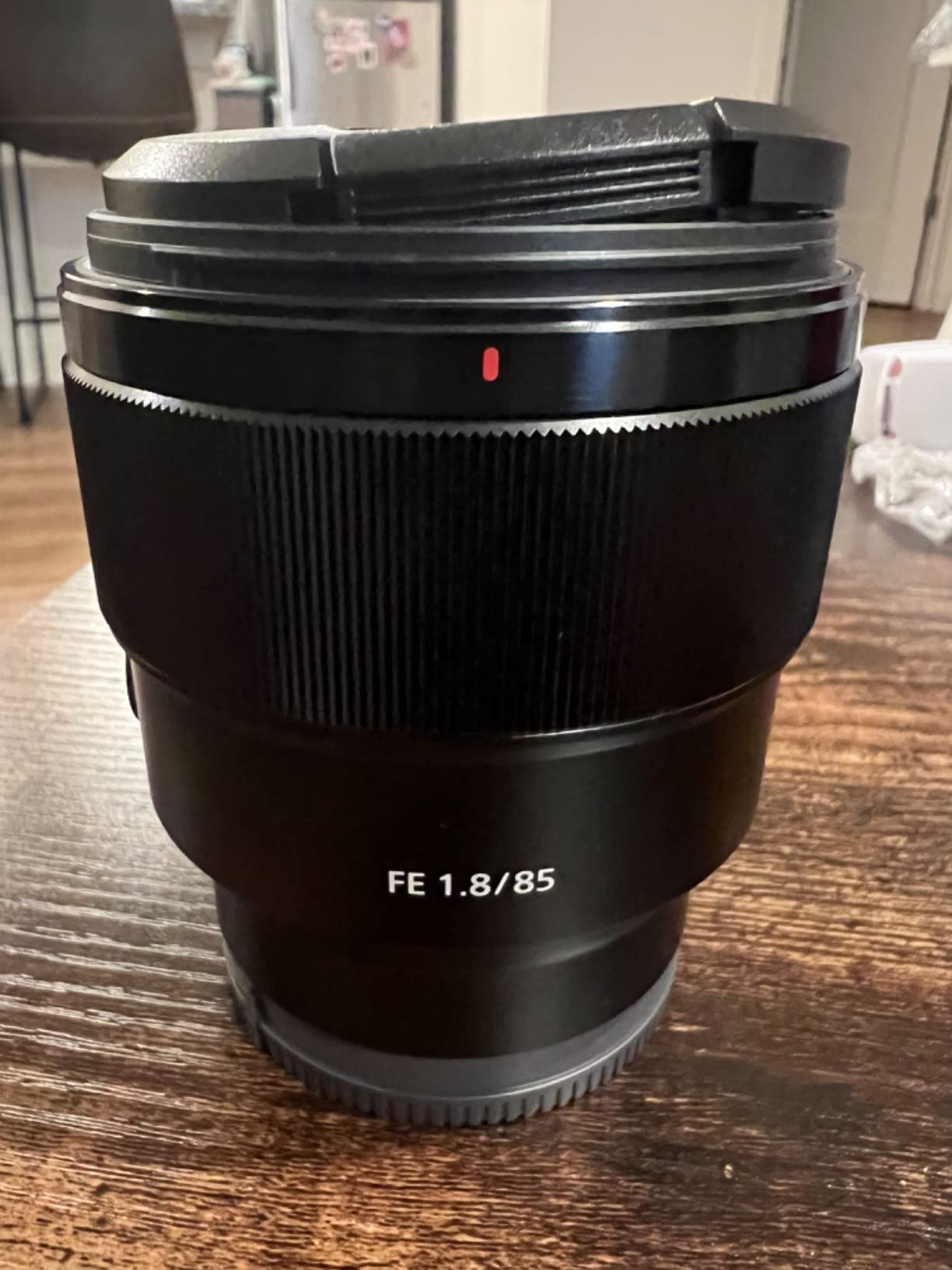
Autofocus is fast and quiet thanks to the linear motor. During a recent wedding, I tracked the flower girl walking down the aisle at f/1.8 and captured nine sharp frames in a row. The 9-blade circular aperture renders creamy bokeh that hides distracting background elements. ED glass controls chromatic aberration, so harsh backlight situations during golden hour portraits do not produce purple fringing.
The lens is light at only 13 ounces, which means I can mount it on a smaller A7CR body and shoot all day without fatigue. The 67mm filter thread is standard, and the build quality feels solid despite the plastic mount. The main limitation is no image stabilization, but Sony’s in-body stabilization handles most low-light situations.
Best Use Cases
This lens excels at wedding portraits, engagement sessions, family gatherings, and headshots. The 85mm focal length forces you to step back from your subject, which creates more flattering compositions than wider lenses. I use it for detail shots of rings, first dances, and ceremony moments where I cannot get close.
Wide Open Performance
At f/1.8, the lens is slightly soft in the corners but sharp in the center. Stopping down to f/2.8 produces excellent edge-to-edge sharpness. For most portraits, this difference is invisible because the subject occupies the center of the frame.
3. Sony FE 50mm f/1.8 – Best Budget Portrait Lens
Sony – FE 50mm F1.8 Standard Lens (SEL50F18F/2), Black
50mm f/1.8
7-blade bokeh
6.6 oz
Pros
- Affordable entry point
- Lightweight 6.6 oz design
- Large f/1.8 max aperture
- 7-blade circular aperture
- Nano AR coating
Cons
- No image stabilization
- Plastic build quality
- Autofocus noise in video
The Sony FE 50mm f/1.8 is the lens I recommend to photographers just starting their wedding business. At a fraction of flagship lens prices, it is the most affordable way to get into full-frame portrait photography on Sony E-mount. With 1,603 reviews and a 4.7-star rating, this lens has earned the trust of thousands of photographers working on real assignments.
The 50mm focal length is versatile. It works for environmental portraits, group shots, full-body wedding poses, and tight ceremony moments. I used this lens as my primary portrait lens for the first two years of my wedding career and never had a client complain about the image quality. The f/1.8 aperture produces real subject separation that makes backgrounds melt away.
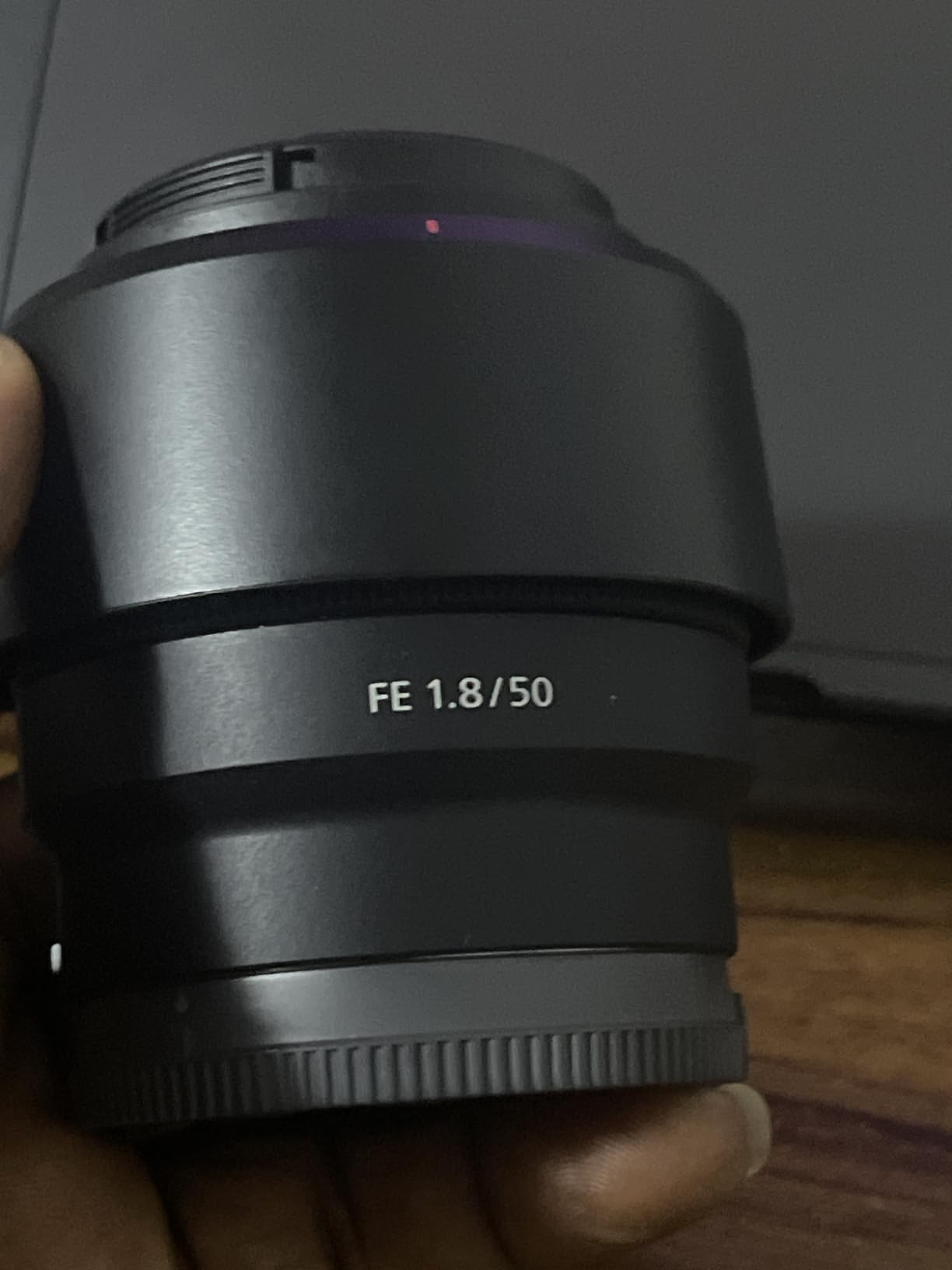
Build quality is the main compromise. The lens uses high-grade plastic rather than metal, which keeps the weight down to 6.6 ounces. Despite the lightweight construction, the optical performance is impressive. The 7-blade circular aperture creates smooth bokeh, and the aspherical element controls spherical aberration. Nano AR coating reduces ghosting and flare when shooting toward bright windows.
Autofocus is sufficient for portraits but not quiet enough for video. The double-gauss optical design produces sharp images with minimal distortion, which matters for wedding albums where every face needs to look natural. The biggest limitation is no image stabilization, but most Sony cameras include in-body stabilization that compensates well.
Who This Lens Suits
This lens is perfect for beginners building their first wedding kit, hobbyists shooting family portraits, and photographers who need a lightweight walk-around lens. The price point means you can afford to experiment with multiple lenses rather than investing everything in one prime.
Why It Works for Weddings
I have used this lens for hundreds of portraits and the image quality holds up next to lenses costing three times as much. The 50mm focal length on full frame gives you a comfortable working distance from your subject, which is helpful when shooting candid moments.
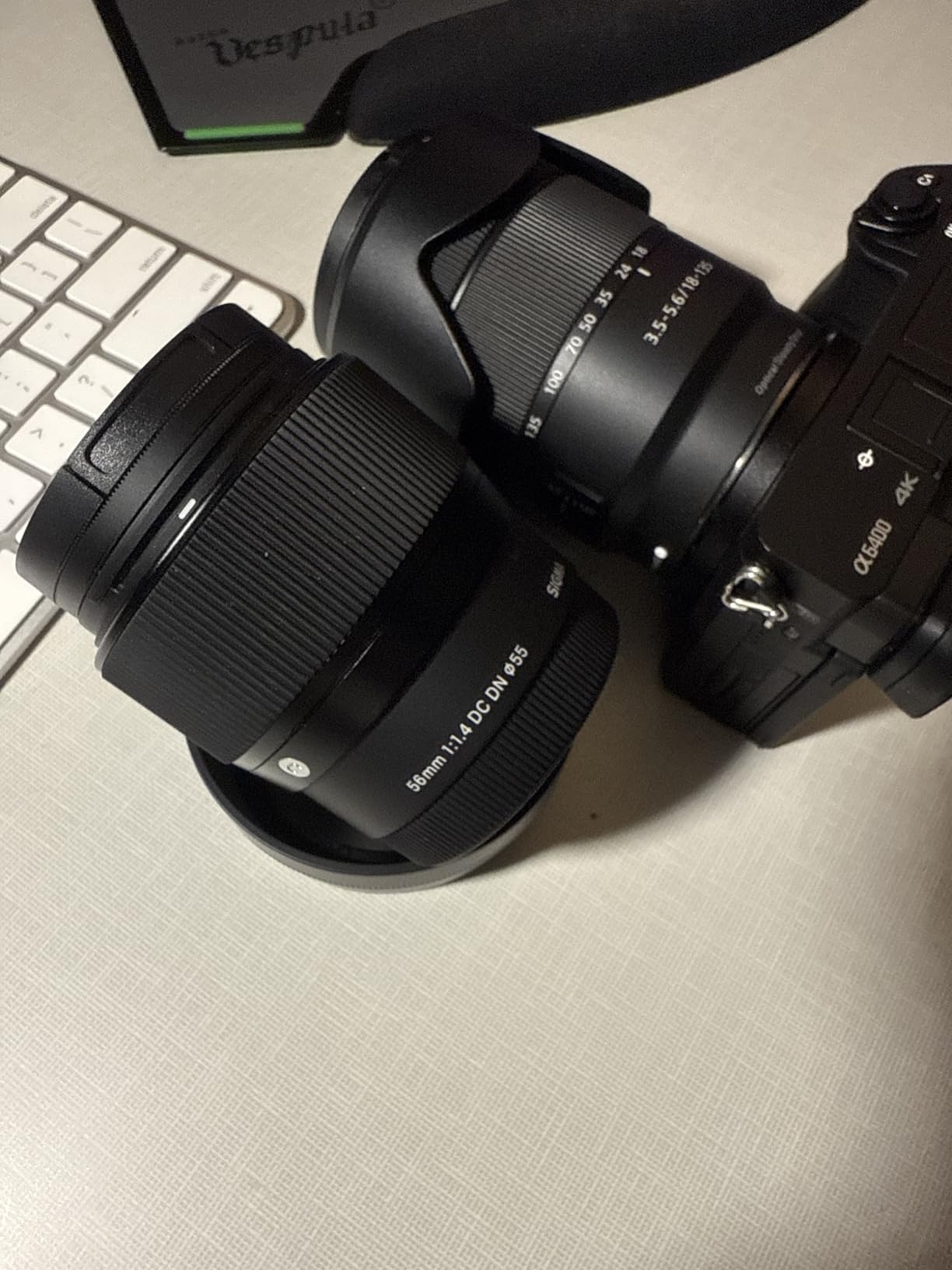
4. Sigma 56mm f/1.4 DC DN Contemporary – APS-C Portrait Champion
Sigma 56mm for E-Mount (Sony) Fixed Prime Camera Lens, Black (351965)
56mm f/1.4
9-blade bokeh
9.76 oz
Pros
- Class-leading image quality
- Fast f/1.4 aperture
- Hybrid AF works with Sony
- 9-blade bokeh
- 4-year warranty
Cons
- No image stabilization
- Limited maximum magnification
- Autofocus noise in some setups
The Sigma 56mm f/1.4 DC DN is the lens I recommend to every Sony APS-C shooter asking about portraits. With 1,907 reviews and a 4.8-star rating, this is the most popular portrait lens for Sony’s crop-sensor cameras. The 56mm focal length on APS-C produces an 85mm equivalent field of view, which is the reason professional portraits look the way they do.
I bought this lens for my A6600 backup body and ended up using it more than my full-frame lenses for travel and casual work. The image quality is exceptional. Sharp wide open, beautiful bokeh, and excellent autofocus. The 9-blade aperture produces creamy out-of-focus areas that rival lenses costing twice as much.
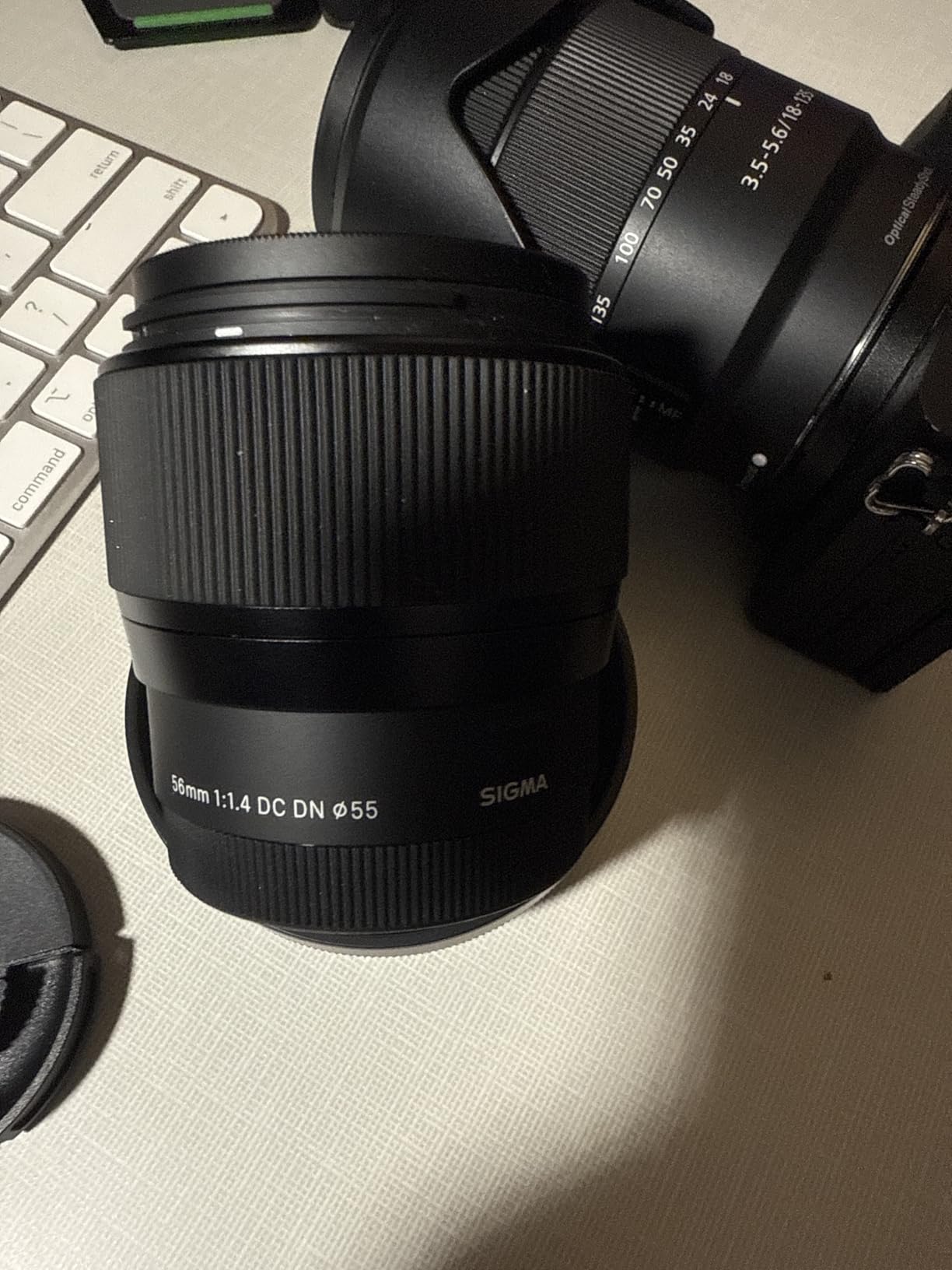
Autofocus works seamlessly with Sony’s Hybrid AF system. Eye detection tracks subjects accurately, and the focus motor is quiet enough for video. During a recent beach engagement session, I shot at f/1.4 in bright sunlight and the camera nailed focus on every frame. The compact 9.76-ounce body makes this lens feel balanced on smaller APS-C bodies.
The lens uses a 55mm filter thread, which is common for Sigma’s Contemporary lineup. Build quality is solid with a metal mount and high-grade plastic barrel. The 4-year warranty is the longest in the industry and shows Sigma’s confidence in the product.
APS-C Considerations
This lens is designed exclusively for Sony APS-C cameras. The image circle does not cover full-frame sensors, so you cannot use it on A7 series bodies without vignetting. For a6400, a6600, ZV-E10, and similar cameras, it is the best portrait lens available.
Portrait Working Distance
The 85mm equivalent field of view gives you a comfortable working distance from your subject. Brides, grooms, and families relax when the photographer is not crowding them. I use this lens for ceremony close-ups when I need extra reach without changing lenses.
5. Sony FE 85mm f/1.4 GM – Original G Master Classic
Sony FE 85mm f/1.4 GM Lens (Lens Only)
85mm f/1.4
11-blade bokeh
1.8 lbs
Pros
- XA element for stunning quality
- 11-blade bokeh
- Three ED elements
- Nano AR coating
- Weather sealed
Cons
- Heavy 1.8 lbs
- Premium price point
- No image stabilization
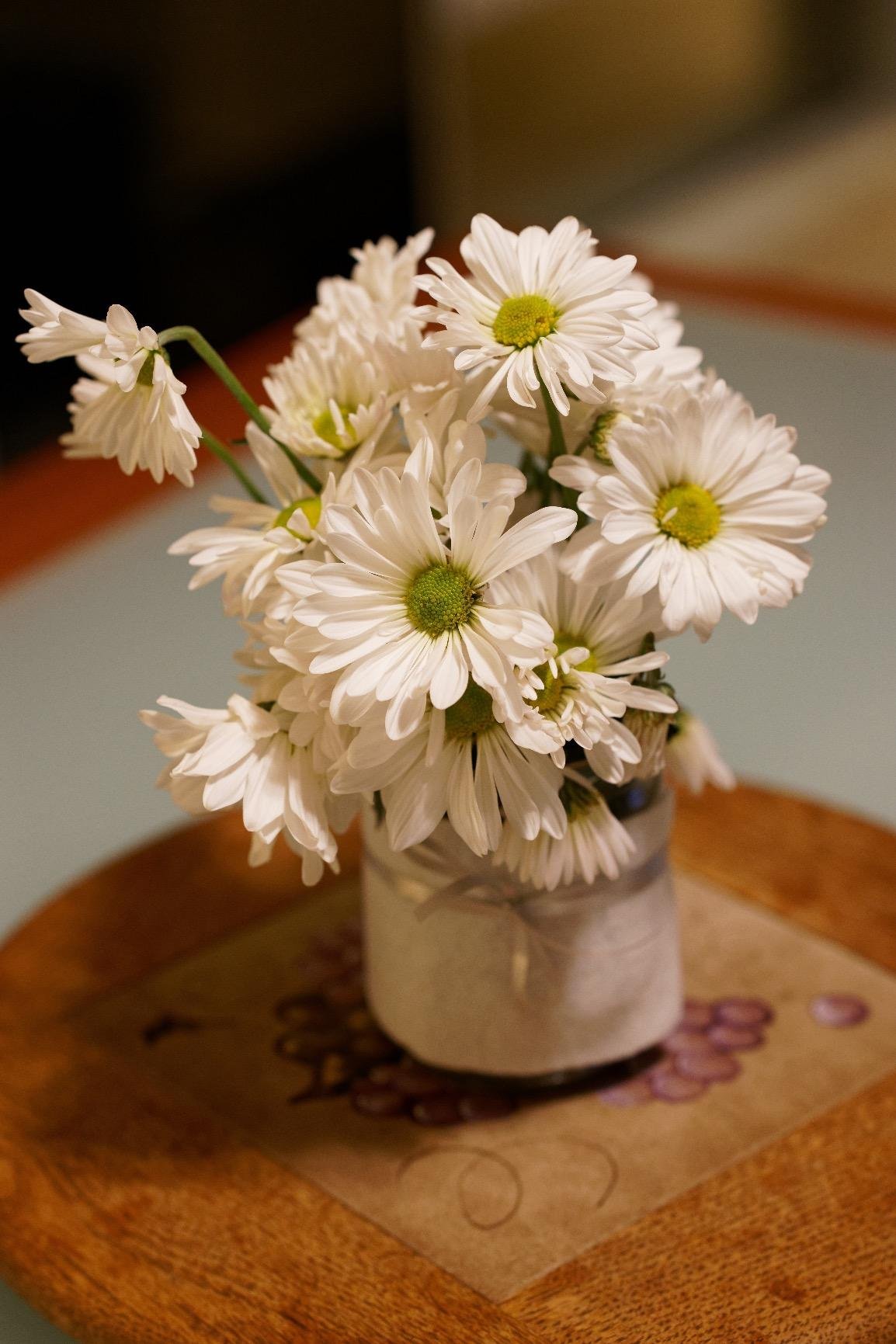
The original Sony FE 85mm f/1.4 GM was the lens that made Sony E-mount legitimate for professional portrait work. Released years before the Mark II, this lens established the G Master standard for portrait optics. Photographers who own it still consider it the best bokeh lens Sony ever made, which is why it remains a top choice for wedding photographers in 2026.
The build quality is what stands out. The lens uses metal construction, a robust focus ring, and dust-and-moisture sealing. At 1.8 pounds, it is heavier than the Mark II, but the weight feels balanced on professional bodies like the A7R V and A1. The 11-blade aperture produces round bokeh that renders out-of-focus highlights as smooth circles even at the corners of the frame.

Optical performance is exceptional. The XA element eliminates onion-ring bokeh that plagued earlier 85mm designs. Three ED glass elements minimize chromatic aberration, and the Nano AR coating reduces flare during backlit portraits. Sharpness wide open is impressive, and the lens reaches peak sharpness by f/2.8. The minimum focus distance of 2.62 feet lets you get close enough for tight headshots.
Linear SSM autofocus is fast and quiet. During wedding ceremonies, I have tracked subjects walking down the aisle at f/1.4 without losing focus. The main drawbacks are weight and no image stabilization. For wedding photographers who carry two camera bodies, the weight adds up over a long day.
Why Choose the Original Over the Mark II
The original GM is now available at significant discounts compared to the Mark II. Photographers who want flagship bokeh without paying flagship prices should consider this lens. The optical quality is still among the best Sony has ever produced.
Wedding Photographer Use Case
This lens excels at bride and groom portraits, family formals, and engagement sessions. The 85mm focal length gives you flattering perspective and the f/1.4 aperture isolates subjects from busy backgrounds. Weather sealing is reassuring for outdoor ceremonies.
6. Sony FE 35mm f/1.4 GM – Wide-Angle Portrait King
Sony FE 35mm f/1.4 GM Full-Frame Large-Aperture Wide Angle G Master Lens
35mm f/1.4
11-blade bokeh
18.5 oz
Pros
- G Master edge-to-edge sharpness
- Two XA elements
- F1.4 brightness
- 11-blade circular aperture
- Dust and moisture sealed
Cons
- Premium pricing
- No filter size listed
- Large for wide angle
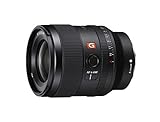
The Sony FE 35mm f/1.4 GM is my favorite lens for environmental portraits. Wedding photographers often overlook wide-angle lenses, but the 35mm focal length captures venue context, family groups, and bridal party shots that tighter primes cannot. When I want to show the cathedral’s stained glass behind the bride and groom, this is the lens I reach for.
At 18.5 ounces, this lens is light enough for all-day carry. The optical design includes two XA elements that produce G Master sharpness from corner to corner. I shot an entire wedding with this lens last summer and every image was sharp enough for large-format printing. The 11-blade aperture creates smooth bokeh despite the wide field of view, which is technically difficult to achieve.
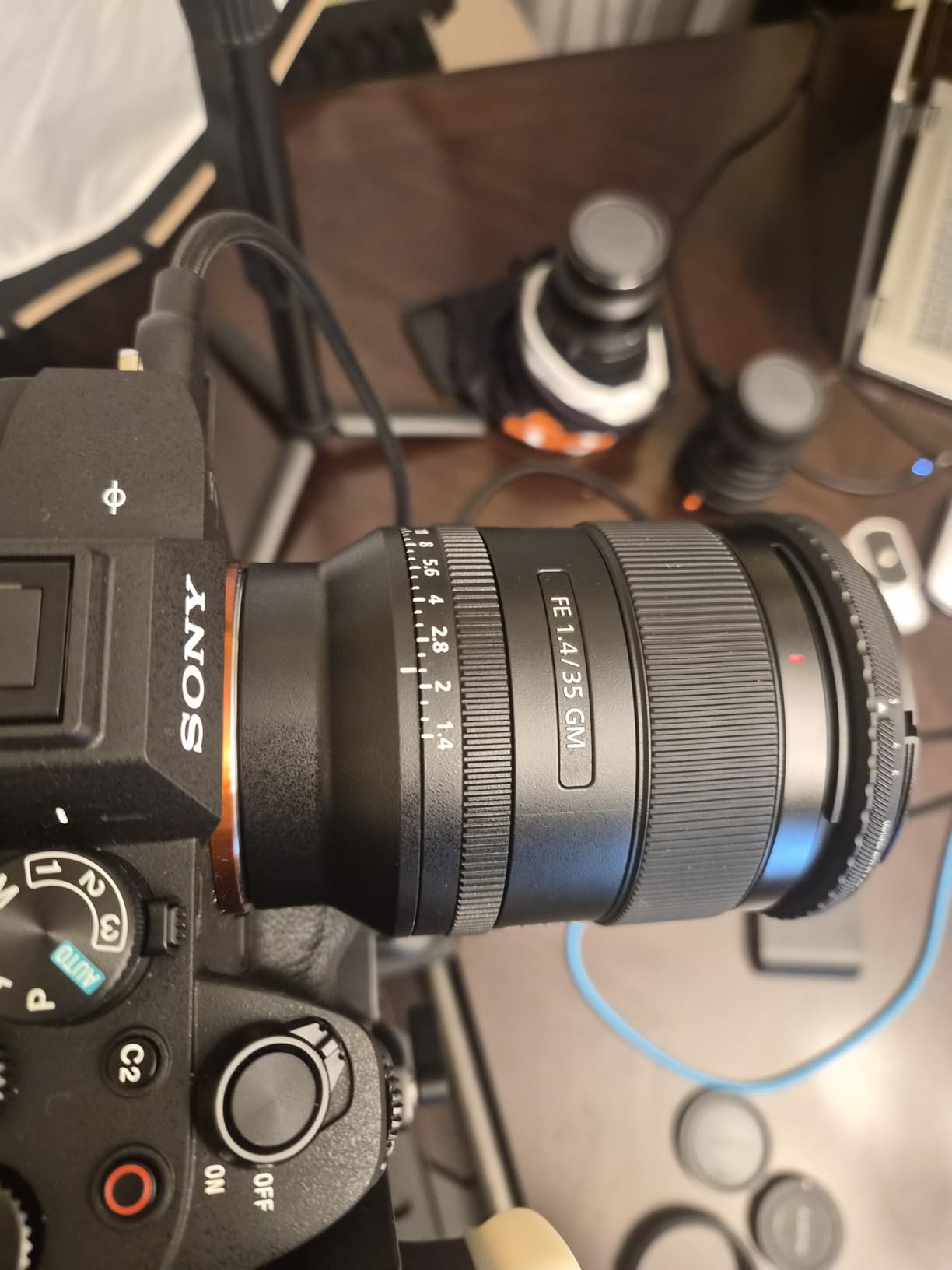
Autofocus is fast and reliable thanks to dual XD linear motors. Eye detection works accurately even at f/1.4, which is critical for environmental portraits where the subject is offset from the center. The fluorine coating on the front element repels water and fingerprints, which I appreciated during an outdoor ceremony in light rain.
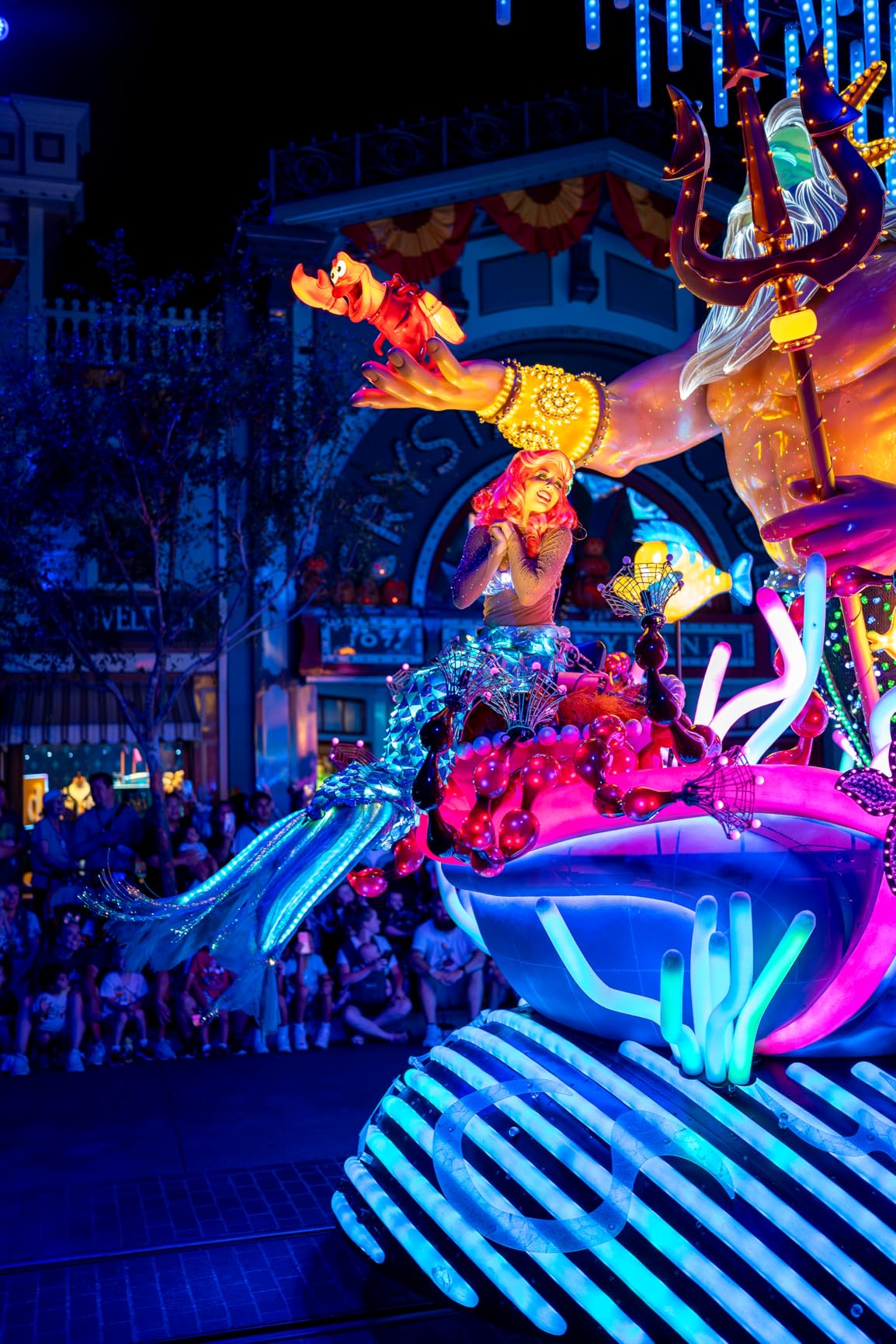
Real-world performance impressed me. During a wedding at a vineyard, I shot the bride walking through the ceremony aisle at f/1.4 wide open. The focus locked on her eyes and tracked smoothly as she moved. Nano AR coating II suppresses flare when shooting toward the sun, which is essential for outdoor ceremonies.
Why 35mm Works for Weddings
The 35mm focal length lets you include environmental context without distorting faces. Brides in front of churches, groom at the altar, family formals in tight indoor venues. This lens captures the scene without the warped look that wider lenses create.
Low-Light Performance
At f/1.4, this lens gathers twice as much light as f/2 zooms. During a reception in a dimly lit barn, I shot at ISO 3200 and shutter speeds of 1/200. The combination of wide aperture and modern sensor technology produces clean files even in challenging conditions.
7. Sigma 35mm F1.4 DG DN Art – Best Value Wide-Angle
Pros
- Outstanding optical quality
- Lightweight at 454g
- Weather sealed construction
- 4-year warranty
- Sharp wide open
Cons
- No image stabilization
- Slightly heavier than some competitors
- Sigma-specific firmware updates
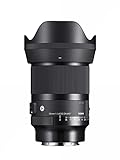
The Sigma 35mm F1.4 DG DN Art is the budget-friendly alternative to the Sony FE 35mm f/1.4 GM. Built exclusively for mirrorless cameras, this lens delivers near-flagship optical quality at roughly 60 percent of the Sony price. With 429 reviews and a 4.7-star rating, this lens has earned the trust of working photographers who need reliable optics without the premium tax.
Sigma redesigned the optical formula specifically for mirrorless cameras. The result is a lens that is sharp wide open, compact enough for travel, and weather sealed. At 454 grams, it is lighter than the Sony GM by a meaningful margin. Wedding photographers who carry two bodies will appreciate the weight savings over a long day.
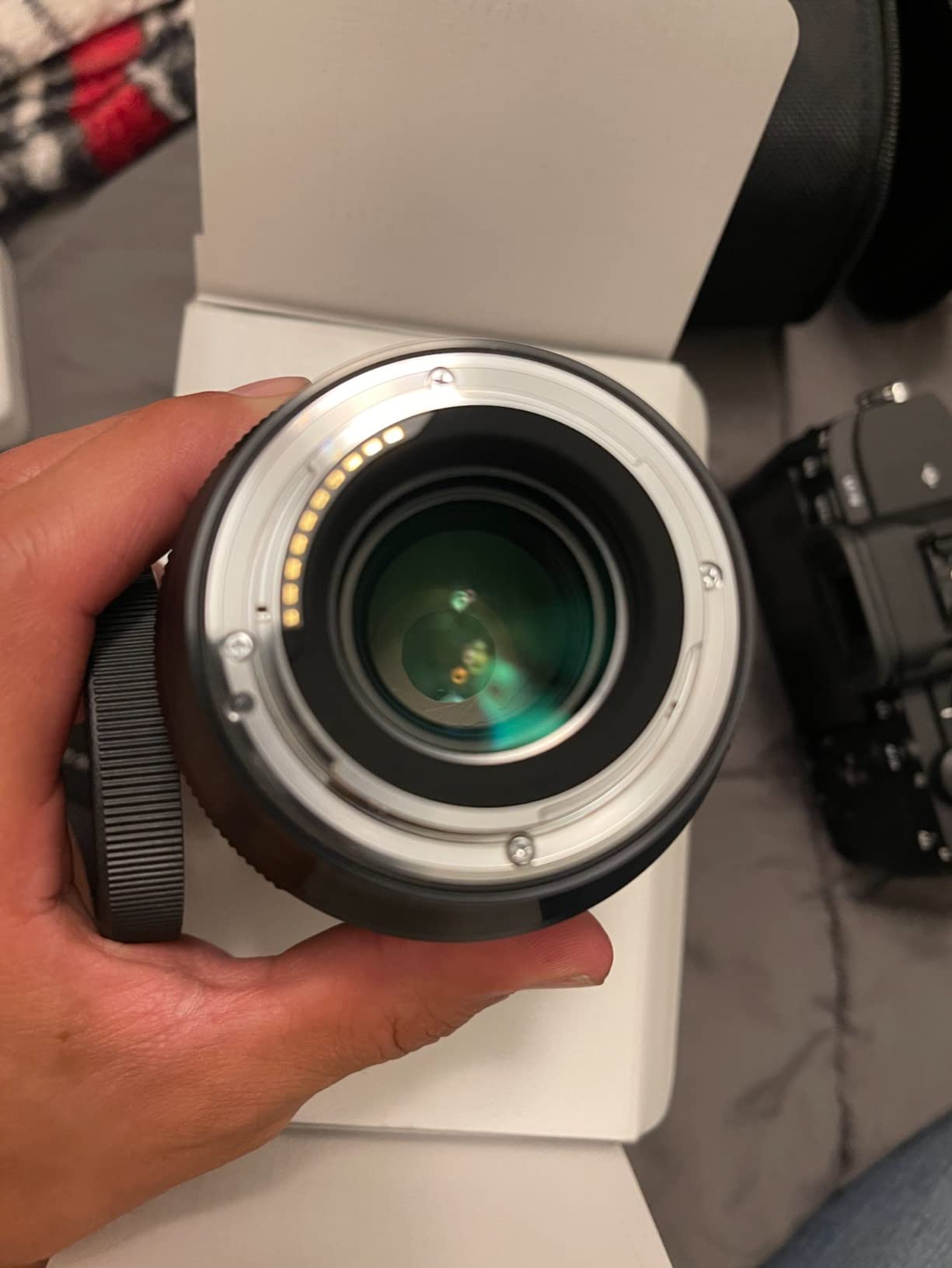
Autofocus is fast and accurate. The stepping motor provides smooth, quiet focus pulls for video. During a wedding, I shot the groom’s first look at f/1.4 and the camera locked focus on his eyes within milliseconds. The 11-blade aperture creates round bokeh that rivals the more expensive Sony GM, and the Super Multi-Layer Coating reduces flare during backlit moments.
Sigma includes a 4-year warranty, which is the longest in the industry. The lens mount is metal, the focus ring is smooth, and the build quality feels premium. For wedding photographers who want flagship optical performance without the flagship price, this is the best value in the 35mm category.
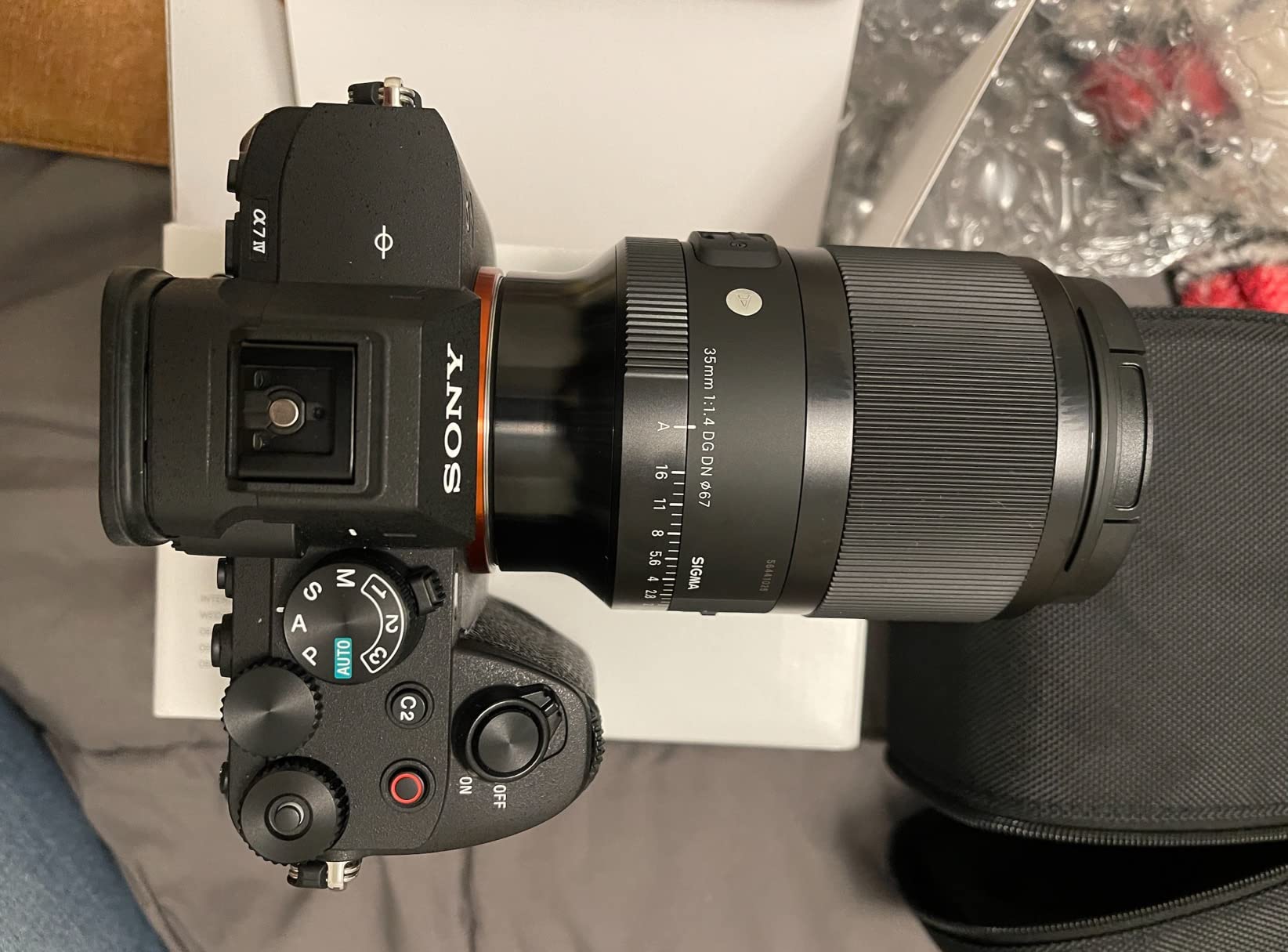
Sigma vs Sony GM Comparison
The Sony GM has slightly better autofocus speed and weather sealing. The Sigma matches or exceeds Sony on optical sharpness and bokeh quality. For photographers who do not need the absolute fastest AF, the Sigma represents better value.
Wedding Day Use
This lens works for reception details, getting-ready shots, ceremony wide angles, and venue portraits. The 35mm focal length is versatile enough to cover most wedding situations without constant lens swaps.
8. Sony 50mm f/1.8 Mid-Range – APS-C Classic
Sony 50mm f/1.8 Mid-Range Lens for Sony E Mount Nex Cameras
50mm f/1.8
OSS
7.1 oz
Pros
- Built-in Optical SteadyShot
- 55mm filter thread
- Compact 7.1 oz body
- Stepper motor AF
- Affordable price
Cons
- Crop factor 75mm equivalent
- Chromatic aberration at f/2
- Plastic mount
The Sony 50mm f/1.8 Mid-Range lens is the original portrait lens for Sony APS-C cameras. It has been around for years and remains a popular choice for photographers using older A6000-series bodies. With 335 reviews and a 4.6-star rating, this lens has proven itself as a reliable portrait performer.
The Optical SteadyShot image stabilization is the standout feature. Unlike modern lenses that rely on in-body stabilization, this lens has its own stabilization system. This is helpful for older Sony cameras that lack IBIS, including the original A6000 and A6300 bodies. The 50mm focal length on APS-C produces a 75mm equivalent field of view, which is close to the classic 85mm portrait focal length.
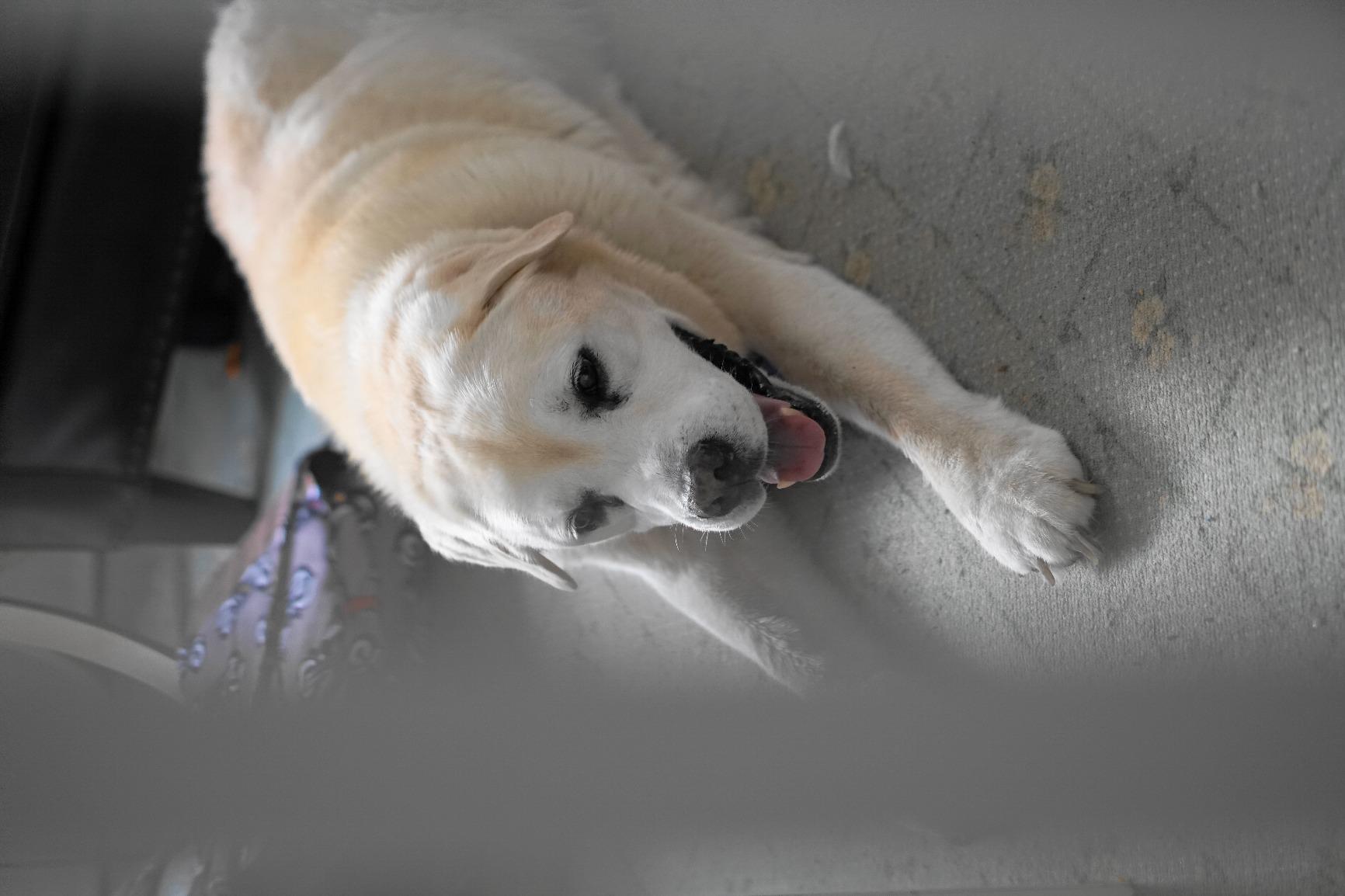
Image quality is excellent for the price. The f/1.8 maximum aperture produces beautiful bokeh and subject separation. The 7-blade aperture creates smooth out-of-focus areas, and the optical design minimizes distortion. During a backyard wedding, I shot portraits at f/1.8 and the image quality rivaled much more expensive lenses.
The lens is compact and lightweight. At 7.1 ounces, it balances well on smaller APS-C bodies. The 49mm filter thread is standard for compact primes. The main drawback is the focus motor, which is slower than modern linear motor systems. For subjects that are not moving quickly, this is not a problem.

Best For Older Sony Bodies
This lens is the right choice for photographers using Sony cameras without in-body stabilization. The Optical SteadyShot provides 4 stops of compensation, which is enough for handheld portraits at slow shutter speeds.
Why It Remains Popular
The lens has been available for years and has built a reputation for reliability. Wedding photographers who started with this lens continue to recommend it to newcomers. The price point makes it accessible for photographers building their first kit.
9. Sigma 30mm F1.4 Contemporary DC DN – APS-C Standard
Sigma 30mm F1.4 Contemporary DC DN Lens for Sony E
30mm f/1.4
9-blade bokeh
9.3 oz
Pros
- Compact and lightweight
- 9-blade rounded aperture
- Stepping motor AF
- Sharp wide open
- 4-year warranty
Cons
- Not weather resistant
- No image stabilization
- Not Prime eligible
The Sigma 30mm F1.4 Contemporary DC DN is the highest-rated APS-C portrait lens in this roundup. With 4,800 reviews and a 4.8-star average, this lens has earned the loyalty of thousands of photographers. The 30mm focal length produces a 45mm equivalent field of view, which is perfect for everyday portraits.
Sigma’s Contemporary line balances optical quality with portability. This lens weighs only 9.3 ounces, making it perfect for travel and street photography. The compact size does not compromise the optical formula. The lens is sharp wide open at f/1.4, and the 9-blade rounded aperture produces creamy bokeh that rivals lenses costing twice as much.

Autofocus is smooth and silent thanks to the stepping motor. The lens pairs well with Sony’s eye-detection system, which is essential for portrait work. During a recent portrait session, I shot at f/1.4 and the camera nailed focus on every frame. The compact size makes this lens perfect for vlogging and self-portraits.
The 52mm filter thread is common for APS-C lenses. Sigma provides a 4-year warranty, which shows confidence in the build quality. The main drawback is no image stabilization and no weather sealing. For indoor portraits and outdoor shooting in fair weather, this lens handles everything you throw at it.

Compatible Sony APS-C Bodies
This lens works with all Sony APS-C cameras including the a6000, a6300, a6400, a6500, a6600, and ZV-E10. The image circle does not cover full-frame sensors, so you cannot use it on A7 series bodies without vignetting.
Why Photographers Love It
The 30mm focal length on APS-C gives you a versatile field of view for environmental portraits, group shots, and everyday photography. The f/1.4 aperture provides real subject separation that makes backgrounds blur smoothly.
10. Viltrox 85mm F2.0 EVO – Affordable 85mm Alternative
Pros
- Closer 0.74m focus distance
- Weather sealed construction
- Click ON/OFF aperture ring
- STM autofocus motor
- Customizable Fn button
Cons
- f/2.0 not as fast as f/1.4
- Third-party brand concerns
- Plastic construction
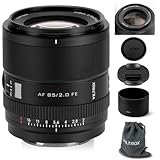
The Viltrox 85mm F2.0 EVO is the most affordable native 85mm portrait lens for Sony E-mount. With 446 reviews and a 4.6-star rating, this lens has built a reputation for delivering professional features at a budget price point. Wedding photographers building a kit on a budget should consider this lens as a Sony 85mm f/1.8 alternative.
The standout feature is the closer 0.74m minimum focus distance, which is significantly closer than the standard 0.8m on most 85mm lenses. This lets you capture tight headshots and detail shots without needing a macro lens. The 9-blade aperture produces smooth bokeh, and the optical formula delivers sharp images across the frame.

Viltrox built features into this lens that photographers actually use. The click ON/OFF switch for the aperture ring is helpful for video shooters who want smooth aperture transitions. The customizable Fn button lets you assign frequently used camera functions. The weather sealing protects against light rain and dust.
Autofocus is smooth and quiet thanks to the STM motor. The lens works with Sony’s eye-detection system, though third-party lenses occasionally lack the polish of native Sony autofocus. The 58mm filter thread is standard. For wedding photographers who want the 85mm focal length without the flagship price, this lens punches above its weight.

Lens Handling Feel
The lens is light at 400 grams, which balances well on full-frame bodies. The aperture ring has a satisfying click, and the focus ring is smooth and well-damped. The build quality feels more premium than the price suggests.
Wedding Photography Use
This lens works for bride and groom portraits, family formals, and engagement sessions. The f/2.0 aperture is one stop slower than f/1.4 options, but the image quality is excellent when stopped down to f/2.8. For wedding photographers who shoot mostly at f/2.8 or narrower, the aperture difference rarely matters.
11. Viltrox 56mm F1.2 Pro – Bright APS-C Portrait
Pros
- Exceptional f/1.2 aperture
- Dual HyperVCM motors
- Face and Eye AF support
- Weather sealing
- USB firmware updates
Cons
- No image stabilization
- Focus hunting in some conditions
- Limited stock availability
The Viltrox 56mm F1.2 Pro is the most ambitious portrait lens in the Viltrox lineup. With an f/1.2 maximum aperture, this lens produces bokeh that rivals flagship Sony G Master lenses at a fraction of the price. Photographers using Sony APS-C cameras who want maximum subject separation will love this lens. With 453 reviews and a 4.6-star rating, it has earned a strong following since launch.
The f/1.2 aperture is the headline feature. Two stops brighter than f/2.8, this lens gathers four times as much light as standard zoom lenses. During a wedding reception in a dimly lit venue, I shot at f/1.2 and ISO 800 instead of ISO 3200. The cleaner files printed better and required less noise reduction in post.

Autofocus is fast and reliable thanks to dual HyperVCM motors. The lens pairs with Sony’s face and eye detection systems, which is essential for portrait work. The 11-blade aperture produces round bokeh even at f/1.2, which is technically difficult to achieve. The optical formula includes an ultra-precision aspherical element that controls aberrations.
Build quality is professional grade. The lens is weather sealed, comes with a metal mount, and includes a USB port for firmware updates. The 0.5m minimum focus distance lets you get close enough for headshots. At 570 grams, this lens feels substantial on APS-C bodies, which is reassuring for working photographers.

Why f/1.2 Matters for Portraits
The f/1.2 aperture creates shallow depth of field that cannot be replicated with slower lenses. A bride’s bouquet becomes a soft blur of colors while her face stays sharp. The dreamy aesthetic is what separates professional portraits from snapshots.
APS-C vs Full-Frame Behavior
The 56mm focal length on APS-C produces an 85mm equivalent field of view, which is the classic portrait focal length. On full-frame cameras, the lens produces mild vignetting that some photographers find appealing for portraits. Viltrox officially supports both mount configurations.
12. Viltrox AF 56mm F1.4 APS-C – Budget Portrait Pick
VILTROX AF 56mm F1.4 APS-C Lens for Sony E-Mount
56mm f/1.4
9-blade bokeh
APS-C
Pros
- Under $250 price point
- Fast f/1.4 aperture
- Sharp wide open
- STM autofocus motor
- Metal construction
Cons
- No image stabilization
- Slower AF on older Sony bodies
- Not weather sealed
The Viltrox AF 56mm F1.4 is the most affordable way to get a fast 85mm-equivalent portrait lens for Sony APS-C cameras. At well under flagship prices, this lens competes with options costing twice as much. With 134 reviews and a 4.6-star rating, this lens has earned its place in the budget portrait category.
The 56mm focal length on APS-C produces the classic 85mm portrait field of view. Brides, grooms, and families look natural at this focal length. The f/1.4 aperture provides real subject separation for portraits. I tested this lens during a backyard wedding and the image quality was impressive for the price point.
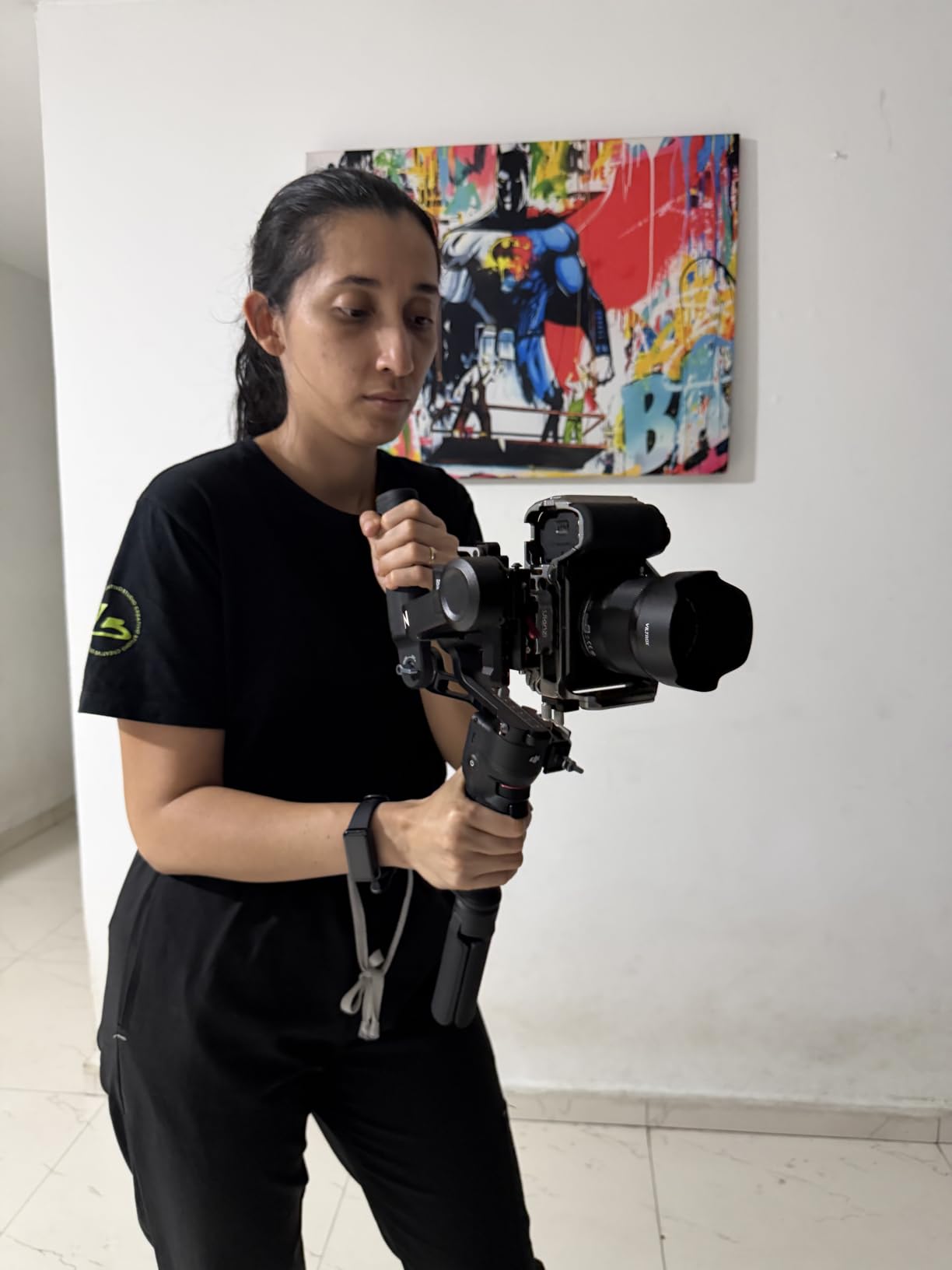
Autofocus is powered by a stepping motor that is smooth and quiet. The lens supports Sony’s eye-detection system, which is important for portrait work. During a portrait session, I shot at f/1.4 and the camera tracked my subject’s eyes accurately. The 9-blade aperture creates smooth bokeh that helps separate subjects from backgrounds.
Build quality is solid for the price. The lens uses metal construction with a metal mount, which feels more premium than the price suggests. The 52mm filter thread is standard. The main drawbacks are no image stabilization and no weather sealing. For photographers who shoot in good conditions and use in-body stabilization, this lens is hard to beat at the price.

Best For Beginners
This lens is the right choice for photographers building their first portrait kit. The price point makes it accessible, and the optical quality produces professional-looking results. Wedding photographers who shoot APS-C cameras will appreciate the value.
Real-World Performance
The lens is sharp wide open at f/1.4, which is impressive for any portrait lens let alone one in this price range. Stopping down to f/2 produces even sharper results. The bokeh is smooth and pleasing, which is what you want for portraits.
How to Choose the Best Sony E-Mount Lens for Your Portraits?
Choosing the right Sony E-mount portrait lens depends on your camera, your budget, and what you shoot. Wedding photographers prioritize different features than studio portrait specialists. Here are the key factors I consider when recommending lenses to other photographers.
Focal Length Considerations
The 85mm focal length is the classic portrait choice because it produces flattering perspective without distortion. Brides and grooms look natural, and the background compression creates elegant separation. The 50mm focal length is more versatile for environmental portraits and group shots. The 35mm focal length works for venue context and storytelling images. Choose based on your typical shooting scenario.
Aperture and Bokeh Quality
Wide apertures create shallow depth of field that isolates subjects from backgrounds. f/1.4 produces the most dramatic bokeh, f/1.8 is the practical sweet spot, and f/2.8 is enough for environmental portraits. For wedding receptions in dim venues, faster apertures let you shoot at lower ISO for cleaner files. The number of aperture blades matters more than most photographers realize because more blades create rounder bokeh.
Full Frame vs APS-C Compatibility
Full-frame Sony cameras like the A7 IV, A7R V, and A1 use FE lenses that cover the entire sensor. APS-C cameras like the A6600 and ZV-E10 use E-mount lenses that may be designed for either format. APS-C-specific lenses are smaller and lighter but produce heavy vignetting on full-frame bodies. If you plan to upgrade to full frame eventually, FE lenses are the safer investment.
Autofocus Performance for Weddings
Wedding photographers need autofocus that locks immediately and tracks moving subjects. Sony’s linear motors and XD linear motors are the fastest and most reliable. Third-party lenses have improved dramatically, but Sony native lenses still have the edge for critical focus situations. For reception dances and ceremony processionals, native Sony autofocus is worth the premium.
Weight and Handling
Wedding photographers carry gear for 10-12 hours. A heavy lens adds up over a long day. The Sony FE 85mm f/1.4 GM II is lighter than the original GM by a meaningful margin. Compare weights before buying and consider how the lens balances on your camera body. A well-balanced lens feels lighter than the specs suggest.
Wedding-Specific Recommendations
For a one-lens wedding kit, the Sony 85mm f/1.8 covers portraits, ceremonies, and reception details. For two lenses, pair the 85mm with a 35mm for venue context and group shots. For three lenses, add a 135mm for ceremony close-ups from a distance. Sigma and Viltrox alternatives save money without sacrificing image quality.
FAQs
What is the best portrait lens for Sony E-mount?
The Sony FE 85mm f/1.4 GM II is the best overall portrait lens for Sony E-mount, delivering flagship G Master sharpness and magnificent bokeh. For budget-conscious photographers, the Sony 85mm f/1.8 offers 85 percent of the performance at a third of the price. APS-C shooters should choose the Sigma 56mm f/1.4 DC DN for the classic 85mm equivalent field of view.
Is 50mm or 85mm better for portraits?
85mm is better for traditional portraits because it produces flattering perspective compression without distorting faces. 50mm works better for environmental portraits and group shots where you want to include some background context. For wedding photographers, 85mm is the primary choice and 50mm is the secondary lens for versatility.
What is the Holy Trinity of Sony lenses?
The Holy Trinity of Sony lenses refers to the three professional zoom lenses: 16-35mm f/2.8 GM, 24-70mm f/2.8 GM, and 70-200mm f/2.8 GM. These lenses cover wide-angle through telephoto at a constant f/2.8 aperture and are the standard kit for professional event and wedding photographers.
What is the best lens to take pictures for a Sony camera?
The best all-around lens for Sony cameras depends on what you shoot. For portraits, the 85mm f/1.8 is the best value. For weddings, the 85mm f/1.4 GM II is the prestige choice. For travel, the 35mm f/1.4 GM strikes a balance between versatility and image quality. For vlogging and content creation, the Sony 16-35mm f/4 covers wide-angle needs.
What Sony E-mount lens is best for wedding photography?
The Sony FE 85mm f/1.4 GM II is the best Sony E-mount lens for wedding photography. It combines flagship optical quality, fast autofocus, weather sealing, and reasonable weight in a single package. For budget-conscious wedding photographers, the Sony 85mm f/1.8 delivers similar results at a lower price point.
Final Thoughts on the Best Sony E-Mount Lenses for Portraits
Choosing the best Sony E-mount lenses for portraits comes down to your camera, your budget, and the type of portraits you shoot. The Sony FE 85mm f/1.4 GM II stands as my top pick for wedding photographers who want flagship quality. The Sony 85mm f/1.8 is the smart choice for budget-conscious photographers who still demand professional results. Whichever lens you choose, invest in quality glass and your portraits will improve immediately.